


How do I start a conversation with someone I admire at a networking event in 2027
Quality
Certified
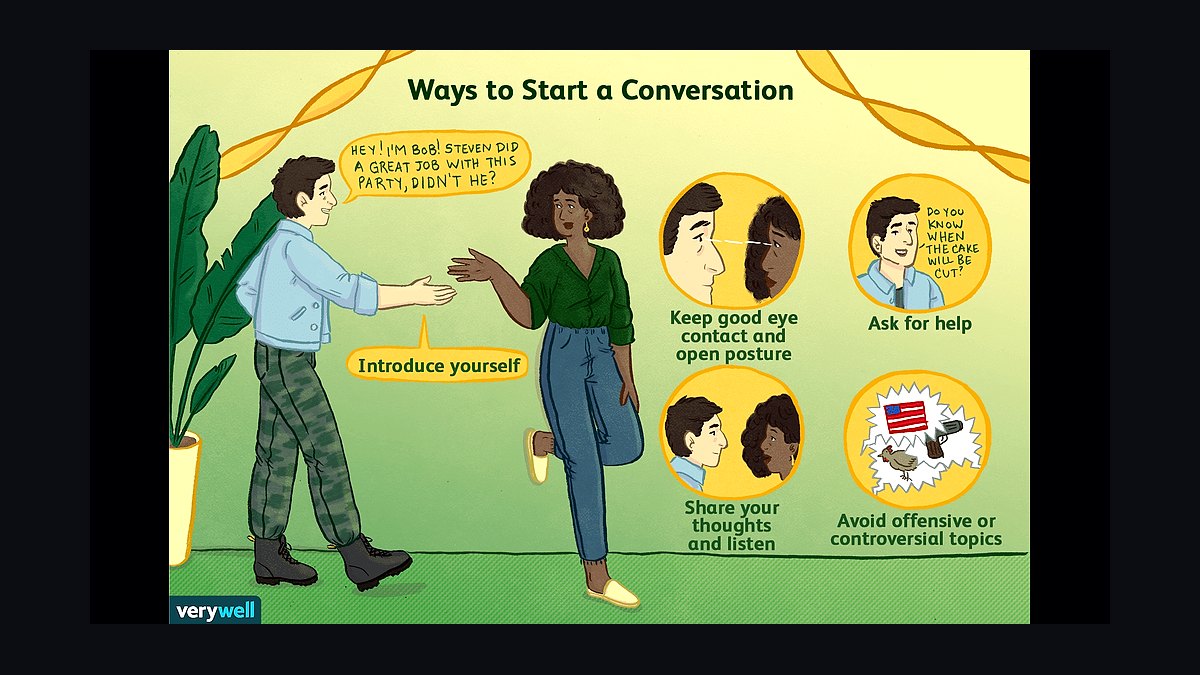
To start a conversation with someone you admire at a networking event in 2027, lead with a specific, researched observation about their work rather than a generic compliment, then ask one open-ended question that invites a story. Approach during a natural lull, keep the exchange to three to five minutes, and close by requesting a lightweight follow-up. Genuine curiosity, not self-promotion, drives the connection.
The outcome you should expect
When you approach a person you admire with a specific, prepared opener, the realistic outcome is a short, warm exchange — not a new mentor, not a job offer, not a friendship. Expect three to five minutes of real conversation, one or two genuine laughs or nods of recognition, and a clear path to a follow-up. That is the win. Practitioners who treat a single event conversation as the whole relationship usually over-invest, stay too long, and leave a slightly awkward impression. Those who treat it as the first of five or six small touches over several months convert far more often.
Concretely, if you attend an event with 150 to 400 attendees and identify two or three people you genuinely admire, you should expect to get a real conversation with one or two of them. The rest of your time goes to peers, which is where most long-term value actually lives. A realistic conversion path looks like this: event conversation, then a personalized follow-up within 24 hours, then a low-stakes reply or comment on their work over the next 30 to 90 days, then a specific ask six to twelve weeks later. Skipping the middle steps and asking for something big in the first message is the single most common failure.

The emotional outcome matters too. Most people walk away from these conversations feeling either "that went better than I feared" or "I said something dumb." The second feeling is almost always disproportionate. The person you admire meets dozens of people at these events and will remember you primarily by the specificity of what you said and how comfortable you made them feel — not by whether you stumbled over a sentence. Aim to be the person who asked one good question and left at the right moment, not the person who delivered a flawless pitch.
What drives that outcome
Three forces determine whether the conversation lands: preparation, timing, and restraint. Preparation means you know one concrete thing about their work — a talk, a post, a project, a decision they made — and you can reference it in a single sentence. Timing means you approach during a lull: after a panel, while they are refilling a drink, or in the ten seconds after they finish with someone else, not mid-sentence or while they are clearly scanning the room for an exit. Restraint means you keep the exchange short, let them talk more than you do, and end it before they want it to end.

The ratio that experienced networkers use is roughly 70/30: they listen 70 percent of the time and speak 30 percent. That flips the instinct most people have, which is to talk about themselves to prove they belong. The person you admire has heard hundreds of self-introductions. What they rarely get is a question that is specific enough to be interesting and open enough to let them tell a story. "How did you decide to leave your last role?" beats "What do you do?" every time. "I read your piece on pricing and it changed how I think about retention — what made you revisit that?" beats "I love your work."
Nerves are the third variable, and they are manageable. The physical symptoms — racing heart, dry mouth, the urge to flee — peak in the first 15 to 30 seconds and then drop sharply once you are actually talking. The trick is to commit to the approach before the peak arrives. Count to three, take one step, and speak. Do not wait to feel calm, because you will not. Practice on lower-stakes people first: the person at the coffee station, the vendor at a booth, the attendee standing alone. By the time you reach the person you admire, your nervous system has already been through the loop once or twice.
Benchmarks and realistic ranges

A few numbers make this concrete. A good opening exchange runs three to five minutes. Under two minutes feels like a drive-by; over eight minutes starts to feel like you have trapped them. If they are a keynote speaker or a well-known founder, assume they have 20 to 40 people who want a moment with them that evening, and that they are managing their energy accordingly. Your window is small, so make it count and make it easy to end.
Follow-up timing matters more than most people think. Sending a personalized message within 24 hours is the standard; within 12 hours is better if the event ends in the evening. Response rates on personalized LinkedIn notes after an in-person conversation are meaningfully higher than cold outreach — practitioners commonly report acceptance rates in the 40 to 70 percent range when the note references something specific from the conversation, versus single digits for generic requests. That gap is entirely about specificity, not about status.

The number of touches before a real relationship forms is usually four to six over three to six months. One conversation plus one follow-up is a contact, not a connection. If you want the person you admire to actually remember you, you need to show up in their orbit repeatedly without asking for anything: a thoughtful reply to a post, a short note when they publish something, a genuine congratulations when they announce a move. Each touch should be under 60 seconds of their time. The ask — a call, a coffee, an introduction — comes after the pattern is established, not before.
Event economics also shape the math. At a 200-person event with a two-hour reception, you have roughly 120 minutes of usable time. If each meaningful conversation takes five to seven minutes including transition, that is 15 to 20 real conversations at most, and realistically 8 to 12 once you account for queues, food, and the people who pull you into their own conversations. Spending 40 minutes orbiting one admired person is almost always a worse allocation than having three good conversations and one great one.
Risks, edge cases, and failure modes
The most common failure is the monologue. You get nervous, you start talking about yourself, and you do not notice that the other person has stopped asking questions. The fix is a simple rule: after every two sentences you speak, ask a question. That keeps the ratio honest and gives them an easy way back into the conversation.

The second failure is the pitch ambush. You open warmly, they engage, and then you pivot into "actually, I've been working on something and I'd love your feedback." That is a bait-and-switch, and people feel it immediately. If you have something you want to discuss, save it for the follow-up message, where they can choose to engage on their own time. The event conversation is for establishing that you are a real, pleasant person, not for extracting value.
The third failure is misreading a busy signal. If they are glancing over your shoulder, answering in one or two words, or physically angled away, they are not being rude — they are managing a room. Exit gracefully: "I can see you're in demand tonight — I'll let you go, but it was great to meet you." That exit actually improves their memory of you, because you gave them something most people do not: an easy out.
Edge cases worth planning for. If they are deep in conversation with someone else, do not hover within two feet; stand at a comfortable distance and wait for a natural break, or catch them later. If they are eating, wait. If they are on their phone, wait for them to look up. If you are introduced by a mutual contact, lead with that introduction and then hand the conversation back to them with a question. If you blank on their name mid-conversation, own it plainly — "I'm sorry, I've completely lost your name" — people respect the honesty far more than they mind the lapse.
The final risk is over-indexing on one person. If your entire event is organized around getting five minutes with one admired figure, you will be anxious, you will hover, and you will likely miss three better conversations happening around you. Treat the admired person as one of several good outcomes, not the only one.
A practical rollout plan
Before the event, do 20 minutes of preparation. Pick two or three people you genuinely admire who are likely to attend. For each, write down one specific thing — a talk, a post, a project, a decision — and one open-ended question about it. Rehearse the opener out loud three times so it does not sound rehearsed. Decide in advance what a good outcome looks like: one real conversation, one follow-up contact, and three peer conversations.
At the event, arrive early. The first 30 minutes are the easiest time to talk to anyone, including the people you admire, because the room is still filling and no one is surrounded yet. Scan for lulls. When you spot your person alone or between conversations, count to three and move. Open with your specific observation and question, listen more than you talk, and set a mental timer for four minutes. When the timer hits, exit with appreciation and a clear next step: "I'd love to continue this — can I send you a note on LinkedIn?"

After the event, send the follow-up within 24 hours. Reference one specific thing from the conversation. Keep it under 100 words. Do not ask for anything in the first message. Then set a reminder for 30 days to engage with something they publish, and 60 to 90 days to make a small, specific ask if the pattern has held. Track these in a simple list so you do not lose the thread.
Related questions
How do I open a conversation with someone I admire if I have nothing in common with them?
You do not need common ground — you need genuine curiosity. Ask about a decision they made, a trade-off they navigated, or a lesson they learned. Specific questions about their work create common ground faster than shared hobbies ever will.
What is the best way to follow up after a networking event in 2027?
Send a personalized LinkedIn note within 24 hours referencing one specific thing from your conversation. Keep it under 100 words, ask for nothing, and let them choose whether to reply. Specificity is what separates a reply from silence.
How long should a conversation with someone I admire last?
Three to five minutes. Long enough to be memorable, short enough that they are not looking for an exit. End it yourself while the energy is still good — that is what makes them want to continue the conversation later.
What if the person I admire is surrounded by people all night?

Wait for a lull — after a panel, at the bar, or as they move between groups. If no lull comes, send a specific, no-ask follow-up the next day. One well-crafted message can outperform a rushed in-person moment.
Is it rude to approach someone at a networking event without an introduction?
No, provided you read the moment. Approach during a lull, open with something specific rather than a generic compliment, and give them an easy exit. Respectful, brief approaches are almost always welcome.
FAQ
What should I say first to someone I admire at a networking event?
Open with a specific observation plus an open question: "I read your piece on retention pricing — what made you revisit that?" This shows you did your homework, avoids generic flattery, and invites them to tell a story rather than politely deflect a compliment.
How do I manage nerves before approaching someone I admire?
Commit to the approach before the nerves peak. Count to three, take one step, and speak. The physical symptoms drop sharply within 15 to 30 seconds of actually talking. Practice on lower-stakes people earlier in the evening to warm up.

Should I mention my own work or accomplishments?
Only if it fits naturally and briefly. Lead with them, listen 70 percent of the time, and let your work come up as a relevant connection rather than a pitch. The event conversation is for rapport, not for selling.
What if they seem uninterested or dismissive?
Do not take it personally — they may be tired, overwhelmed, or managing 30 other people. Exit gracefully with appreciation and move on. A clean exit often leaves a better impression than the conversation itself.
How do I end the conversation without it feeling awkward?
Use an appreciation-plus-next-step exit: "I've really enjoyed this — I don't want to take up more of your time, but can I send you a note on LinkedIn?" It is polite, clear, and gives you a legitimate reason to follow up.
What is the single biggest mistake people make in these conversations?
Talking too much about themselves and staying too long. The person you admire meets dozens of people; the ones they remember are the ones who asked a good question, listened, and left at the right moment.
Sources
- https://hbr.org/2022/05/how-to-get-better-at-networking
- https://www.forbes.com/sites/forbescoachescouncil/2021/09/14/how-to-network-with-people-you-admire/
- https://www.inc.com/jessica-stillman/how-to-start-a-conversation-with-anyone.html
- https://www.psychologytoday.com/us/basics/social-anxiety
- https://www.themuse.com/advice/how-to-start-a-conversation-with-someone-you-admire
- https://www.fastcompany.com/90917632/networking-tips
- https://www.linkedin.com/pulse/how-build-genuine-connections-networking-events
Related on PULSE
This page will be disappearing soon. Save it to your device for $1 — or read it free while it is here.
@Kory-White- · if Venmo asks, the last 4 of my number are 2012
This page is gone.
This one is off the shelf now. $1 keeps it on your phone for good — the whole page, pictures and diagrams included.
 edHow do I respond when a coworker asks why I don't drink alcohol in 2027
 edTop 10 gardening plants for low-maintenance balconies in 2027
 edWhat are the top 10 emerging job roles in artificial intelligence for 2027
 edWhat are the top 10 cities for digital nomads with families in 2027
 edBest water flossers for sensitive gums in 2027
 edBest robot vacuums for pet hair and hardwood floors in 2027
 edWhat are the top 10 online certification programs that guarantee job interviews for 2027
 edHow to ask for a deadline extension without looking unreliable in 2027
 edHow do I say no to a promotion without looking unmotivated in 2027
 edHow do I tell my partner I want more alone time without hurting their feelings in 2027