


Best pet insurance plans for dogs and cats in 2027
Quality
Certified
The best pet insurance plans for dogs and cats in 2027 combine accident-and-illness coverage, a high reimbursement rate, and no lifetime payout cap — providers like Trupanion, Healthy Paws, and Pumpkin lead on those dimensions. There's no universal winner: the right plan depends on your pet's breed, age, and how much monthly premium you can absorb versus a surprise vet bill. Always confirm waiting periods and pre-existing condition exclusions before enrolling.
A Vet Bill That Changes the Math
Picture a two-year-old Labrador who swallows a sock during a walk. Within six hours he's vomiting and lethargic, and an emergency vet visit turns into overnight monitoring, X-rays, and possibly surgery to remove the obstruction. Without insurance, the owner is choosing between a payment plan, a credit card, or declining treatment — a decision made under stress, with a dog's life on the line. With a decent accident-and-illness plan, the same owner submits a photo of the itemized invoice through an app and gets a same-week reimbursement check covering most of the bill.
This scenario is the entire reason pet insurance plans exist, and it's why "just save the money yourself" breaks down for a meaningful share of pet owners. A modest self-funded emergency account might cover a routine vet visit, but it rarely survives a first major surgery, let alone a second one a few years later. The insurance model works precisely because it pools risk across many healthy pets to pay for the unlucky ones — the same logic that underlies auto and health insurance. The catch is that the value only materializes if you picked a plan that actually pays out meaningfully on the claim you eventually file, which is why the fine print matters more than the marketing headline.
A parallel scenario plays out with cats, just later in life. A ten-year-old indoor cat develops chronic kidney disease — a slow-moving, expensive condition requiring prescription renal diets, subcutaneous fluids, and repeat bloodwork for years. Cat owners often underestimate this risk because cats mask illness well and indoor cats seem "low risk." The bill isn't one dramatic event; it's a recurring monthly cost that a plan with no annual payout limit handles far better than a capped one.
How Claims and Reimbursement Actually Work
Most plans for dogs and cats in 2027 use the same underlying mechanism: you pay the full vet bill upfront, submit a claim, and the insurer reimburses a percentage after your deductible is met. Understanding the sequence — and where it can break down — is more useful than memorizing brand names.

Two design choices sit inside this flow and quietly determine how good a plan is: the deductible type and the payout cap. An annual deductible resets every policy year regardless of how many conditions your pet has. A per-condition deductible — Trupanion's model — is paid once for a specific diagnosis and then that condition is covered at your reimbursement rate for the rest of your pet's life, which matters enormously for chronic issues like diabetes, allergies, or kidney disease that never fully resolve. The second lever, the payout cap, determines whether coverage is annual (resets each year, sometimes with a dollar ceiling), lifetime (a running total across the pet's life), or unlimited (no ceiling at all). Unlimited annual coverage is now the baseline expectation among top-tier plans; anything with a hard lifetime cap under a moderate five-figure amount should be treated skeptically for a young dog or cat that could develop an expensive chronic condition over a 12-15 year lifespan.
Where this mechanism breaks down is at the exclusions layer. Waiting periods — typically a short window for accidents and a longer one for illnesses — mean a claim filed too early is denied outright, which is why enrolling a healthy young pet well before you need coverage matters more than shopping for the lowest premium.
The Numbers That Separate Good Plans From Bad Ones
Reimbursement rates on the best 2027 plans generally sit at 70%, 80%, or 90% of the eligible bill, and the gap between them compounds fast. On a single $4,000 emergency surgery, the difference between a 70% and 90% reimbursement rate is roughly $800 out of pocket — and pets with chronic conditions can rack up several such bills across a lifetime, not just one. That's the single biggest lever an owner controls at signup, more impactful than shaving a few dollars off the monthly premium.
Deductibles for dogs and cats typically range from a low annual amount for owners who want maximum protection up to a much higher one for owners betting their pet stays healthy. A higher deductible lowers the monthly premium noticeably, which only makes sense if the household has that deductible amount sitting in an accessible emergency fund — otherwise a higher deductible just delays the financial shock to the moment you actually need to file a claim.

Breed materially changes the premium math. Large breeds prone to hip dysplasia or bloat (Labradors, German Shepherds, Great Danes) and brachycephalic breeds prone to airway and skin issues (French Bulldogs, English Bulldogs) carry meaningfully higher monthly premiums than mixed-breed dogs of similar size, because insurers price to the breed's known claims history. Dachshunds with IVDD risk and German Shepherds with hip dysplasia risk are common examples where enrolling as a puppy — before any symptoms appear — is the only way to avoid that specific condition being excluded as pre-existing for life. Cats are generally cheaper to insure across the board than dogs, but older cats carry sharply higher premiums once they cross into the age bracket where kidney disease, hyperthyroidism, and cancer become statistically common.
Preventive/wellness add-ons are priced separately from accident-and-illness coverage and typically add a modest amount to the monthly bill in exchange for covering vaccines, annual exams, and sometimes dental cleanings — routine costs that add up over a year but individually feel too small to insure against. Whether that add-on pencils out depends on how consistently you already pay for that routine care versus skipping it.
Trade-Offs: Comprehensive Plans vs. Accident-Only vs. Self-Funding
Every household choosing between plans for dogs and cats is really choosing a point on a spectrum between three alternatives, and each has a legitimate use case rather than one being objectively "best."

Comprehensive accident-and-illness coverage is the right trade-off for a young, healthy dog or cat with decades of potential vet bills ahead — you're paying a steady premium specifically to convert an unpredictable, potentially catastrophic cost into a predictable monthly one. Accident-only plans are the better trade-off for an older pet or one with an already-diagnosed chronic illness that would be excluded as pre-existing anyway; there's no point paying comprehensive premiums for illness coverage you can't actually use, when accident-only coverage for broken bones, lacerations, and poisoning is available at a fraction of the cost. Self-funding works only for owners disciplined enough to actually build and preserve a dedicated account, and even then it's a bet that a large claim won't arrive before the account is fully funded — a bet that loses if it loses even once.
A related trade-off many owners overlook: curable pre-existing condition clauses, offered by insurers like Embrace and ASPCA, let a symptom-free condition (a past UTI or ear infection) become eligible for coverage again after a defined symptom-free period. That's a meaningfully different structure than insurers who treat any historical diagnosis as permanently excluded, and it can be the deciding factor for an owner adopting a middle-aged rescue with an unclear medical history.
Common Pitfalls and How to Avoid Them
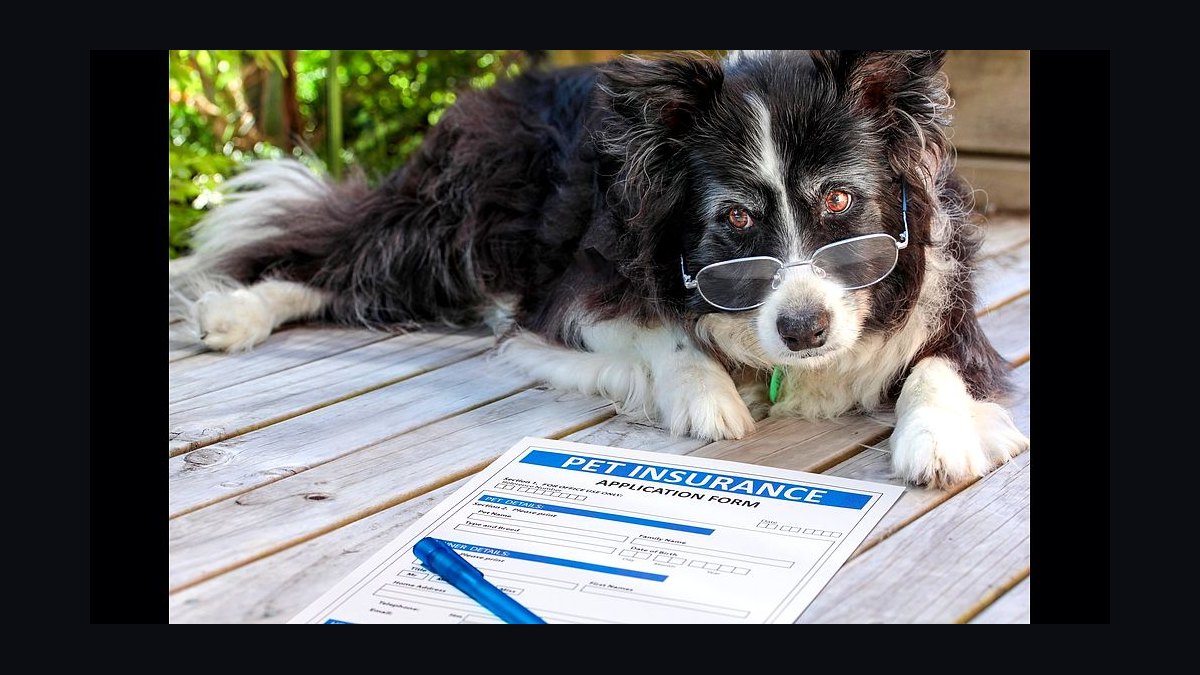
The most expensive mistake is enrolling after a problem starts rather than before. Waiting until a dog limps or a cat stops eating to shop for insurance guarantees that condition is now pre-existing and permanently excluded — the entire value of insurance depends on buying it while your pet is still healthy, which is counterintuitive to owners used to buying insurance reactively.
The second pitfall is fixating on the monthly premium instead of the total cost structure. A cheap plan with a high deductible, a low annual payout cap, and a 70% reimbursement rate can leave an owner covering the majority of a serious claim, defeating the purpose of paying a premium at all. Compare the actual out-of-pocket exposure on a hypothetical $5,000 claim across candidate plans rather than comparing sticker price alone.
Third, owners frequently assume dental coverage is included when it isn't. Routine dental cleanings are typically only covered under a specific rider or a preventive-care add-on; illness-driven dental disease (a major cost for cats especially) needs to be explicitly checked in a plan's coverage list rather than assumed.

Fourth, missing the claims paper trail costs real money at reimbursement time. Insurers can deny a claim as "possibly pre-existing" if there's no documented history proving otherwise — keeping a running digital folder of every vet visit, diagnosis, and test result from day one of enrollment removes that ambiguity when a claim is questioned later.
Finally, owners insuring multiple pets often miss multi-pet discounts and the savings from paying annually instead of monthly, both of which reduce the effective cost of maintaining comprehensive plans on more than one animal without reducing coverage at all.
Related Questions
Does pet insurance cover pre-existing conditions at all?
Generally no — standard plans exclude any condition diagnosed or showing symptoms before enrollment. Some insurers offer curable pre-existing condition clauses that reinstate eligibility after a symptom-free period.
Is pet insurance worth it for a healthy young dog?
Usually yes, because premiums are lowest when a pet is young and healthy, and enrolling early avoids future exclusions for conditions that develop with age.
How much does pet insurance typically cost per month?

Costs vary widely by species, breed, age, and location; dogs generally cost more to insure than cats, and premiums rise as pets age.
Can I switch pet insurance providers later?
Yes, but any condition diagnosed under your old policy may be treated as pre-existing by the new insurer, so switching works best while your pet is still healthy.
What's the difference between an annual and per-condition deductible?
An annual deductible resets every policy year across all claims; a per-condition deductible is paid once per diagnosed condition and then that specific condition is covered going forward.
FAQ
What is the best pet insurance for older dogs in 2027? Providers without age limits or hard annual payout caps tend to serve older dogs best, since premiums will already be elevated by age and you don't want a low ceiling compounding that risk.
Does pet insurance cover dental cleanings for cats?

Only when a dental rider or preventive-care add-on is included; standard accident-and-illness plans typically exclude routine dental cleanings by default.
Can I get pet insurance for a puppy with a known heart murmur? Yes, but the heart murmur itself will be excluded as pre-existing; the puppy can still be covered for accidents and unrelated illnesses.
How long does it take to get reimbursed from pet insurance? Most insurers process digital claims within a matter of business days once the itemized invoice and required documentation are submitted through their app or portal.
Is pet insurance worth it for indoor-only cats? Yes — indoor cats still face dental disease, kidney failure, and cancer risk as they age, and a modest monthly plan is inexpensive insurance against those specific, common conditions.
What happens if my pet's pre-existing condition leads to a new problem? The original condition stays excluded, but a genuinely separate complication may be covered if the insurer determines it's distinct — this is exactly the kind of borderline case where your documented vet history matters most.
Sources
- https://www.avma.org
- https://www.consumerreports.org
- https://trupanion.com
- https://www.healthypawspetinsurance.com
- https://www.pumpkin.care
- https://www.embracepetinsurance.com
- https://www.aspcapetinsurance.com
- https://www.napho.org
Related on PULSE
- How Many Sales Reps Do I Need to Hire for My Pet Insurance Company?
- Best air purifiers for allergies and pet dander in 2027
- How Many Employees Should I Schedule Each Shift at My Pet Boarding Kennel?
- How Many Employees Should I Schedule Each Shift at My Pet Grooming Salon?
- How Many Employees Should I Schedule Each Day at My Pet Store?
- Should I open or buy a Pet Butler franchise in 2027?
This page will be disappearing soon. Save it to your device for $1 — or read it free while it is here.
@Kory-White- · if Venmo asks, the last 4 of my number are 2012
This page is gone.
This one is off the shelf now. $1 keeps it on your phone for good — the whole page, pictures and diagrams included.
 edHow to decline a promotion without hurting your career prospects in 2027
 edTop 10 ethical banks and credit unions in the US for 2027
 edHow do I rebuild trust with a team after I made a costly mistake at work in 2027
 edHow do I let go of a friendship that no longer serves me in 2027
 edHow do I support a partner going through a career crisis in 2027
 edWhat are the top 10 emerging job roles in artificial intelligence for 2027
 edTop 10 side hustles that actually pay off in the first month for 2027
 edHow to stop being a people pleaser at work without burning bridges in 2027
 edHow do I rebuild my credit score after a major mistake in 2027
 edBest smart thermostats for energy savings in 2027