


How do I ask someone out without making it awkward if they say no in 2027
Quality
Certified

Ask someone out without making it awkward by keeping the invitation low-pressure and casual, then handling a "no" with immediate, warm acceptance instead of over-explaining or withdrawing. The awkwardness almost never comes from the rejection itself — it comes from a stiff ask or a sulky aftermath. Frame it as a simple activity, accept the answer in three seconds, and move on exactly as before.
The Two Approaches Compared
There are really only two ways to ask someone out, and most of the discomfort people feel traces back to picking the wrong one for the situation. The first approach is the direct ask — a clear, unambiguous invitation: "Would you like to go to dinner with me on Friday?" The second is the low-pressure ask — framing the invitation as something already happening that they're welcome to join: "I'm grabbing coffee at Rosetta's Saturday morning if you want to come."
The direct ask has one major advantage: clarity. There's no ambiguity about intent, so the other person knows exactly what they're responding to, and if they say yes, the "date" framing is already established. The tradeoff is that it raises the stakes. A direct ask forces a formal yes/no decision in front of you, and that pressure is precisely what produces stammering, blushing, or a rushed "no" delivered more harshly than intended — not because the person feels harshly, but because they're also uncomfortable with the spotlight.

The low-pressure ask trades some clarity for comfort. Because it's framed as an activity rather than a proposition, a "no" can land as "I'm busy that day" rather than "I don't want to date you," even when everyone privately understands what was really being asked. This ambiguity is a feature, not a bug — it gives both people a face-saving exit. The downside is that low-pressure asks can be genuinely ambiguous; some people won't register that they were asked out at all, especially if there's already a group context muddying the read.
Which approach fits depends heavily on how well you already know the person and how much plausible deniability the situation needs. Coworkers, mutual friends, and anyone you'll see regularly afterward benefit from the low-pressure version, since a soft "no" is far easier for both of you to move past without anyone feeling cornered. Someone from a dating app, or a person you're unlikely to see again regardless of the answer, can often handle — and even prefer — the direct ask, since it's efficient and doesn't waste either person's time parsing subtext.
How to Decide Between Them
The decision essentially comes down to three questions: how often will you see this person again, how much social risk is attached to a "no," and how confident are you reading their interest level. Run through those in order, because each one gates the next — there's no point weighing confidence signals if the relationship context already tells you which style to use.

If you'll see the person regularly, the low-pressure route wins almost every time, because the cost of a bad read is much higher when you share a workplace, a friend group, or a recurring social setting. If it's a one-off context — a dating app, a wedding, a conference — the direct ask saves time and avoids the confusion of a low-pressure invite that never quite registers as a date. Signals like sustained eye contact, laughing at your jokes, or them initiating conversation are useful tiebreakers, but they are not permission slips; plenty of people say yes with none of those signals present, and plenty say no with all of them.
Concrete Numbers Behind Each Option
While there's no universal formula, some rough benchmarks help calibrate expectations. In casual social settings, low-pressure asks framed around an already-planned activity get accepted or declined within about 5-10 seconds of the ask — there's rarely a long pause, because the low stakes make the decision easy either way. Direct asks average slightly longer response gaps, often 10-20 seconds, because the person is processing a bigger decision.

On timing: waiting longer than roughly 3-4 weeks after meeting someone you're consistently interacting with tends to shift the dynamic from "getting to know them" into "friend-zone territory," where the eventual ask feels like a bigger leap for both people. Conversely, asking within the first 1-2 interactions — before any rapport exists — correlates with higher rates of a flat "no," simply because you're still strangers to them. The sweet spot for most contexts is somewhere around 3-6 meaningful interactions, whether that's a few weeks of casual chats or several shared activities.
On the ask itself, brevity matters more than people expect. Invitations under 15-20 words ("Want to grab a drink Thursday? No pressure either way.") tend to read as confident and low-stakes. Invitations that stretch past 40-50 words, loaded with qualifiers and justifications, read as anxious regardless of tone, because length itself signals nervousness. On the rejection side, the critical window is the first 3 seconds after hearing "no" — how you respond in that narrow window determines whether the interaction is remembered as a minor blip or a lingering awkward moment. A same-day or next-day return to normal behavior (texting, chatting, group hangouts) resolves most residual tension; waiting longer than about a week to act normal again tends to calcify the awkwardness instead of letting it fade.
Implementation Details and Sequencing
Getting the sequence right matters as much as the wording. Start with the setup phase: choose a low-stakes moment rather than a high-pressure one. Walking to your cars after a group hangout, a quiet stretch during a coffee break, or the tail end of a conversation as you're about to part ways are all better than the middle of a crowded party or a formal one-on-one dinner where the other person feels trapped and unable to deflect gracefully.

Next comes the ask phase itself. Keep it short, name a specific activity, and use casual phrasing rather than a scripted monologue. "I'm going to check out that new taco place Friday — want to join?" does the job in one breath. Avoid over-explaining why you're asking ("I've really enjoyed talking to you and I think you're amazing and I was wondering...") — the extra words don't soften anything; they just extend the moment of tension and make the other person feel like they have to interrupt a speech to answer.
Then comes the response phase, which branches based on what they say. If it's a yes, move immediately into logistics — pick a day and a rough plan so the moment doesn't linger unnecessarily. If it's a no, this is where most people fumble: the instinct is to freeze, apologize repeatedly, or ask "why not," all of which prolong the discomfort. Instead, deliver a brief, warm acknowledgment — "No problem at all, thanks for being honest" — and then pivot immediately to something neutral, like a comment about your actual plans for the day or a callback to whatever you were talking about before.
The final and most overlooked step is the follow-through phase, which happens in the days and weeks after. This is where you either lock in the awkwardness or dissolve it. Act exactly as you did before you asked: same tone, same frequency of contact, same behavior in group settings. Don't overcompensate by being extra nice, and don't withdraw to "give them space" — both read as unresolved tension rather than closure. If you cross paths in a group, greet them normally and participate in the conversation as you always would. Most residual awkwardness isn't caused by the rejection; it's caused by one person changing their behavior afterward and the other person noticing.

A few implementation notes worth flagging. First, match your response to the type of "no" you get. A soft no ("I'm really swamped right now") leaves room to stay friendly without revisiting the topic; a hard no ("I don't see you that way") deserves a brief, gracious acknowledgment and a firm mental note not to ask again. Second, workplace and shared-friend-group contexts call for extra discipline — ask once, accept the answer, and never raise it again unless they do. Extra caution here isn't about avoiding the ask altogether; unspoken tension from never asking is often more disruptive than a single respectful invitation handled well. Third, if you notice lingering tension weeks later despite handling everything well, it's fine to address it directly, once: "Hey, just want to make sure we're good — I don't want things to feel weird." That single check-in usually resolves what silence alone couldn't.
Related questions
Is it better to ask someone out in person or through text?
In person carries more immediate risk but usually resolves faster and reads as more confident. Text lowers the stakes but strips out tone, making a low-pressure ask easier to misread as non-romantic — useful if that ambiguity is what you want.
Should I ask again if I get a soft no?

No — treat every "no," soft or hard, as final unless they explicitly reopen the door themselves. Asking again, even gently, is the fastest way to turn a minor moment into lasting awkwardness.
How do I recover if I freeze up and it gets awkward in the moment?
Acknowledge it lightly ("okay, that was more awkward than I meant it to be") and move on immediately. Owning a stumble briefly is far less damaging than lingering silence or over-apologizing.
What if they say no but keep acting strange afterward?
That's usually their own discomfort processing, not a signal about you. Keep behaving normally, and most people settle back into their usual dynamic within a week or two.
Does the venue or setting change how a rejection feels?
Yes — quiet, low-pressure settings make both the ask and a potential no feel smaller and more forgettable, while public or high-stakes settings amplify whatever the outcome is.
FAQ
What's the single biggest mistake people make when asking someone out? Over-rehearsing the ask into a stiff, unnatural script. A memorized line almost always sounds more nervous than a plain, casual sentence, and that nervous delivery — not the content — is what makes the moment awkward for both people.
How do I know if I'm misreading interest before I ask?

You can't know with certainty, and waiting for certainty means you'll rarely ask at all. Positive signals like initiated conversations or sustained engagement raise your odds, but they're clues, not guarantees — asking with reasonable confidence and being genuinely fine with either answer is the healthier target.
Is it ever okay to ask a coworker out? Yes, if it's done once, respectfully, in a low-pressure way, and you commit to dropping it entirely regardless of the answer. The risk isn't the ask itself — it's continuing to bring it up or letting it change your working relationship afterward.
How should I respond if someone explains a detailed reason for saying no? Thank them briefly for being honest and avoid asking follow-up questions about the reason. Probing further, even out of curiosity, extends an already vulnerable moment for them and adds pressure that wasn't there before.
Does apologizing after being turned down help or hurt? It usually hurts. A brief, genuine acknowledgment is enough; repeated apologies signal that you see the moment as bigger and more fraught than it needs to be, which can make the other person feel responsible for managing your discomfort.
How long does awkwardness typically last after a rejected ask? When handled well — short ask, graceful acceptance of the no, and normal behavior afterward — most residual tension fades within days to about a week. It tends to persist much longer only when one person visibly changes how they act toward the other.
Sources
- https://www.gottman.com/blog/
- https://www.psychologytoday.com/us/basics/rejection
- https://hbr.org/topic/emotional-intelligence
- https://www.theschooloflife.com/
- https://www.nimh.nih.gov/health/topics/anxiety-disorders
- https://www.penguinrandomhouse.com/books/219895/daring-greatly-by-brene-brown/
- https://www.simonandschuster.com/books/How-to-Win-Friends-and-Influence-People/Dale-Carnegie/9781439199190
- https://www.apa.org/topics/social-connection
Related on PULSE
- My Thoughts: What question do you ask a champion to ensure they have the internal credibility to sell your solution for you
- How do I start a conversation with someone I admire at a networking event
- How do I set boundaries with a friend who only calls when they need something
- How do I ask my boss for a raise without sounding entitled
- How to ask for a mentor without sounding desperate
- Should I Hire a Fractional CRO If I Have No Sales Enablement Function?
This page will be disappearing soon. Save it to your device for $1 — or read it free while it is here.
@Kory-White- · if Venmo asks, the last 4 of my number are 2012
This page is gone.
This one is off the shelf now. $1 keeps it on your phone for good — the whole page, pictures and diagrams included.
 edHow do I reinvent myself professionally in my 40s in 2027
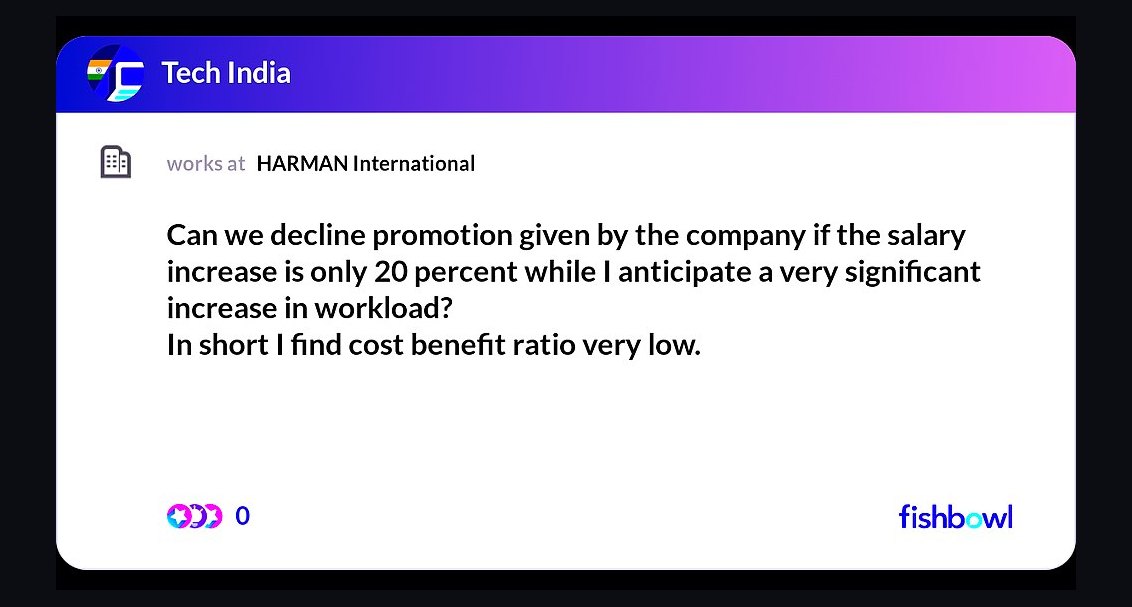 edHow to decline a promotion without hurting your career prospects in 2027
 edTop 10 ways to negotiate a job offer without burning bridges in 2027
 edBest upright vacuums for stairs and small apartments in 2027
 edWhat are the top 10 emerging job roles in artificial intelligence for 2027
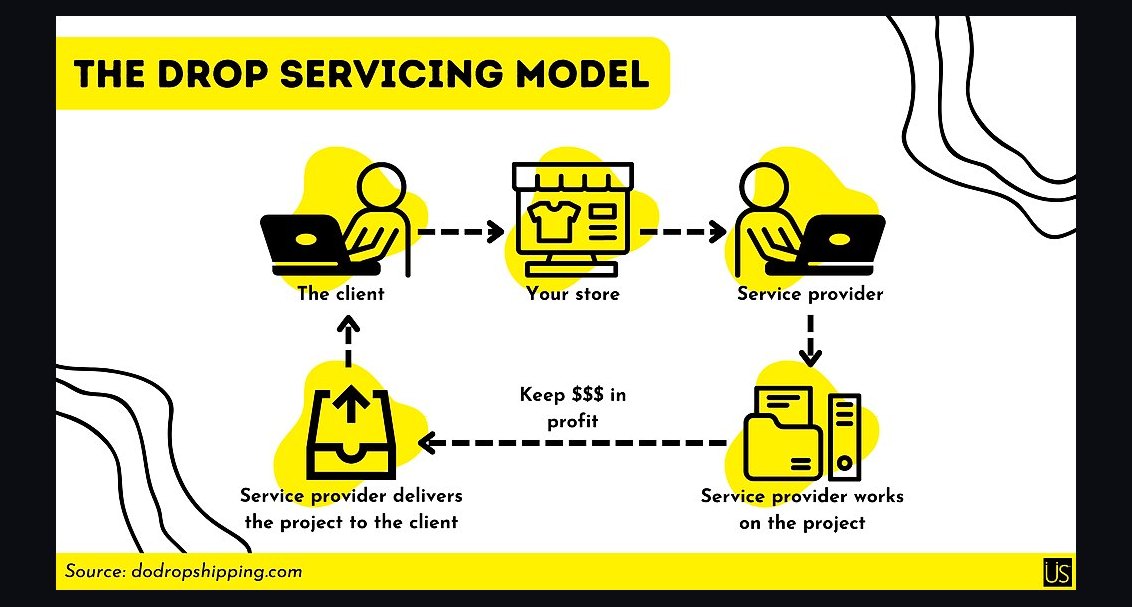 edTop 10 side hustles that actually pay off in the first month for 2027
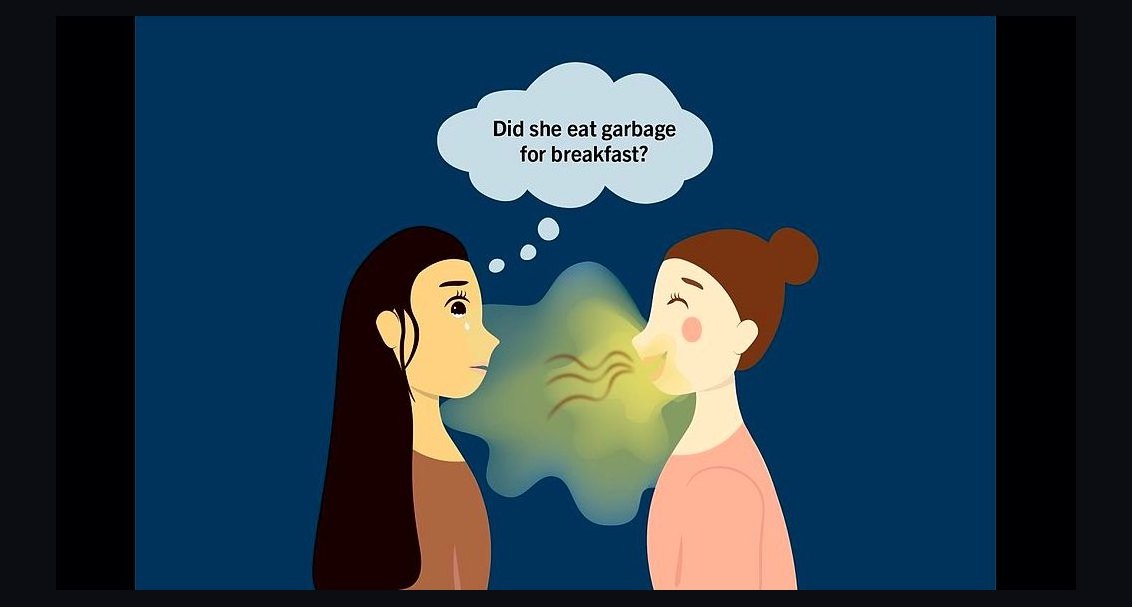 edHow do I tell a friend their breath smells without hurting the friendship in 2027
 edTop 10 places to visit in Scotland for first-time travelers in 2027
 edHow do I gently tell my parents I don't want them to visit as often in 2027
 edHow to negotiate a raise when your company is struggling financially in 2027