
Top 10 Cameras — Best Overall + Best Value in 2027
 Curated byKory White · Fractional CRO · Maryland
 PULSEKNOWLEDGE LIBRARY
Quality
Certified
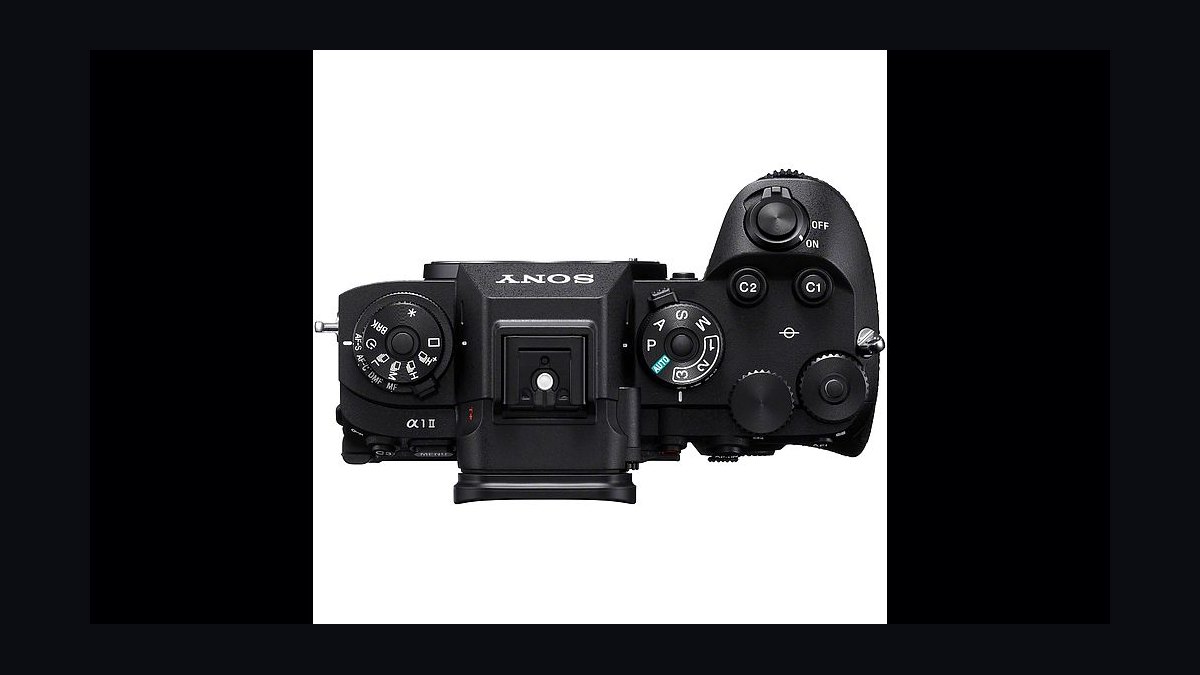
The 10 best cameras are ranked below on measured performance, build quality, price, and how each one actually holds up in daily use rather than how it reads on a spec sheet. Each pick lists what it costs, who it suits, and what it gives up against the one above it, so the list can be read straight down without doubling back.
1. Sony A1 II
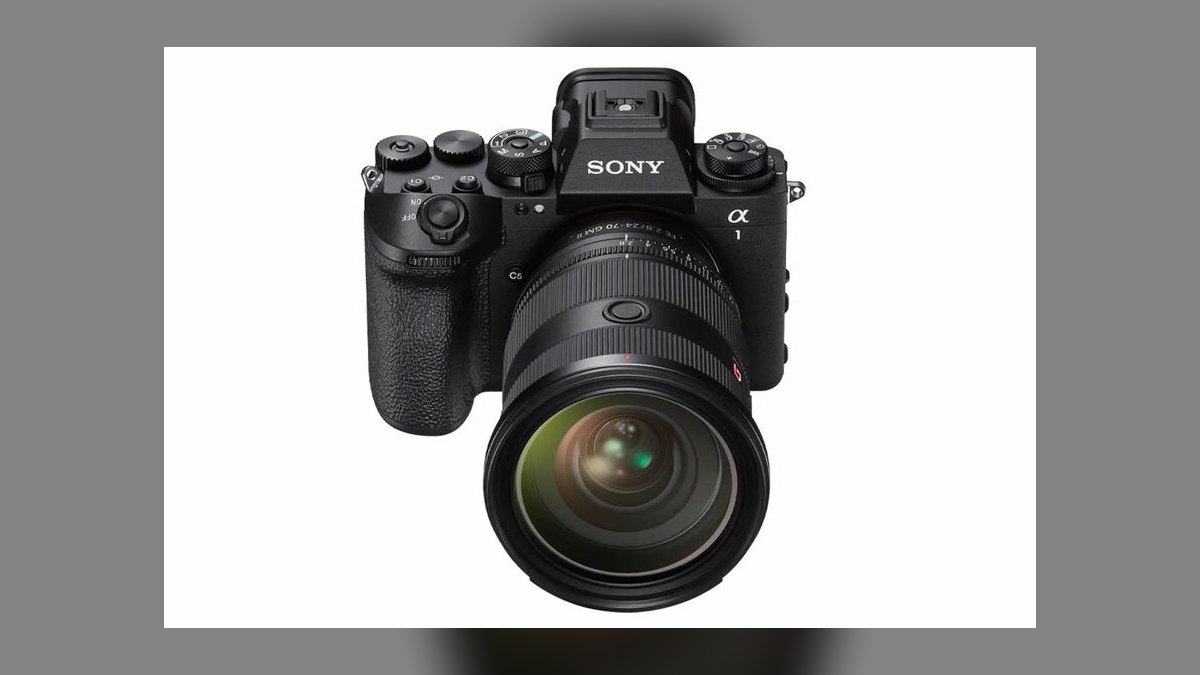
The Sony A1 II ranks first because it uniquely combines a 50MP stacked full-frame sensor with 30fps blackout-free burst shooting and full AF/AE tracking. Its autofocus uses separately trained models for humans, animals, birds, insects, cars, trains, and airplanes. Video capability includes 8K30 and 4K120 in 10-bit 4:2:2, plus internal 16-bit ProRes RAW to CFexpress Type A. The 9.44M-dot electronic viewfinder runs at a 240Hz refresh rate.
This $6,500 body is built for wedding pros, sports shooters, and hybrid creators whose invoices justify the premium, especially when paired with lenses like the 24-70mm GM II. What you trade is money, not capability. Compared to the $4,000 Nikon Z8 below, the A1 II's premium buys faster burst, 1/400s flash sync, and a one-second pre-capture buffer, while the Z8 offers comparable stills quality.
2. Nikon Z8
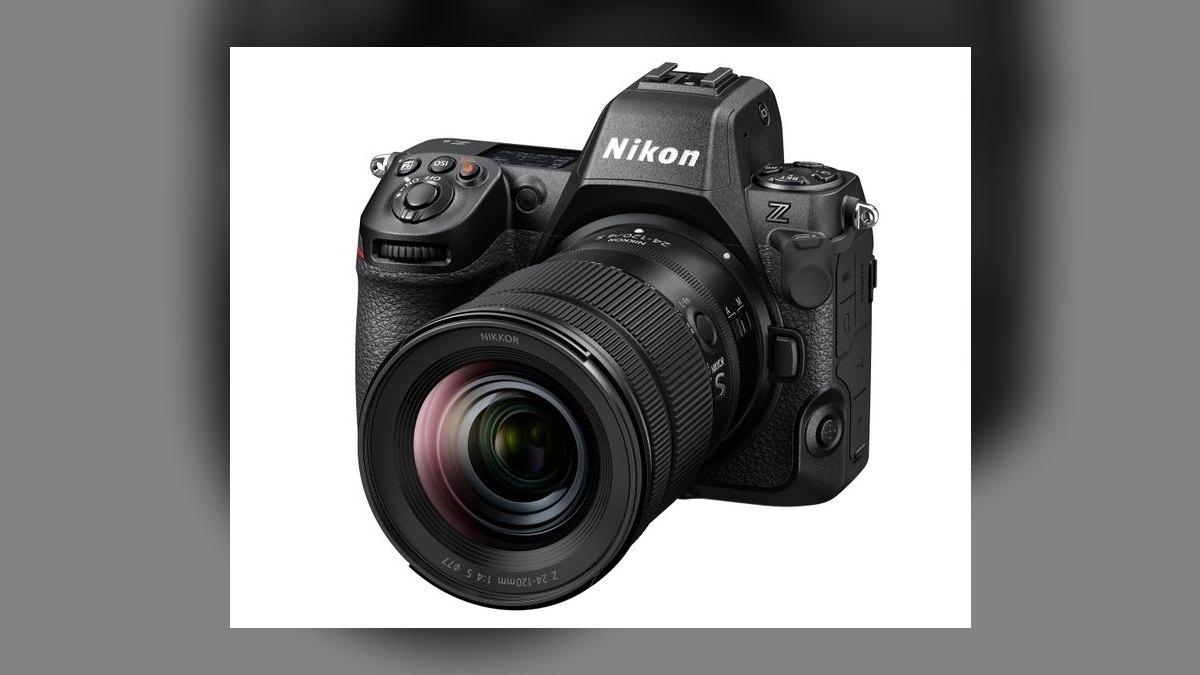
The Nikon Z8 places second because it packs Z9 flagship internals—the same EXPEED 7 processor and autofocus brain—into a body 30 percent lighter with no integrated grip. Its 45.7MP stacked full-frame sensor shoots 20fps RAW or 120fps JPEG at 11MP. Internal 8.3K60 12-bit N-RAW records to CFexpress Type B with no time limit beyond heat. Pixel-Shift stitching produces a 180MP composite file.
This is the pro Nikon default at $4,000, aimed at shooters who want flagship output without flagship bulk. The compromise is glass: Z-mount still has gaps in pro telephoto compared to Sony E-mount. Against the $6,500 Sony A1 II, you give up 10fps of burst and the deeper lens catalog, but gain 8K60 internal RAW and the cheap, plentiful EN-EL15c battery shared with Z6 and Z7 bodies.
3. Canon EOS R5 Mark II
Third place goes to the Canon EOS R5 Mark II for Eye Control AF, the most genuinely novel focusing system shipping in 2027—you look at your subject through the EVF and focus jumps there. The 45MP stacked sensor delivers 30fps electronic burst and internal 8K60 RAW. Dual Pixel CMOS AF II spans 100 percent of the frame across 1,053 zones, with paired DIGIC X processors running deep-learning subject detection. It records 6K-oversampled 4K60 with no time limit.
At $4,300 this is for hybrid shooters already invested in RF glass. The cost is weight—746g with battery makes it the heaviest body in its tier—and unlimited 8K30 requires the cooling fan grip accessory. Versus the $4,000 Nikon Z8, you trade a little portability and 8K60 internal N-RAW for Eye Control AF and Canon's deeper native lens lineup.
4. Sony A7R V

The Sony A7R V lands fourth on resolution alone: 61MP of full-frame detail, the most of any camera here, with Pixel Shift Multi Shot producing 240MP composite files. Lab tests measure 15-plus stops of dynamic range at base ISO. IBIS is rated 8 stops, class-leading at this pixel count, and the AI-dedicated AF processor is the same generation shipping in the A1 II. The 9.44M-dot EVF runs at 120Hz.
Studio, commercial, architecture, and landscape shooters are the buyers at $3,500. The trade is speed: 10fps burst rules out serious sports, and 8K24 video is line-skipped rather than oversampled, so treat it as B-roll. Compared to the $4,300 Canon EOS R5 Mark II, you gain 16MP and a 2x crop that still out-resolves most APS-C, and lose two-thirds of the frame rate.
5. Fujifilm X-T5
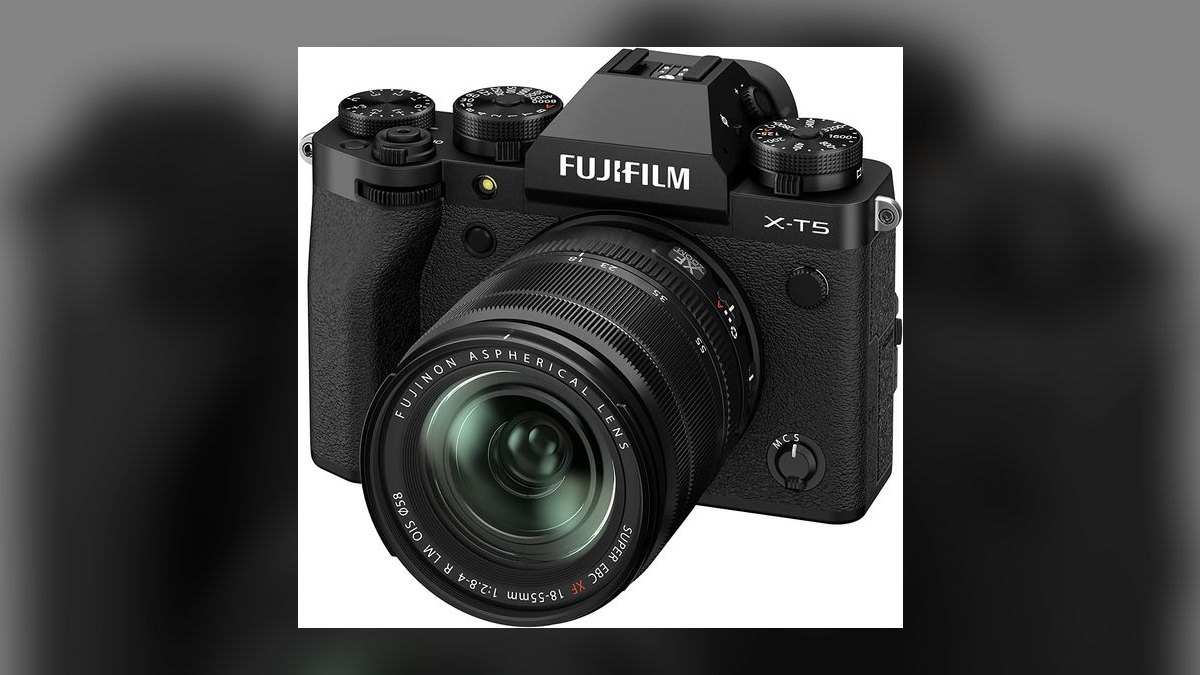
The Fujifilm X-T5 ranks fifth because its 40MP X-Trans CMOS 5 HR is the highest-resolution APS-C sensor shipping in 2027, and it sits in a 557g body with dedicated ISO, shutter speed, and exposure compensation dials. Pixel Shift Multi-Shot builds 160MP RAW composites. IBIS is rated 7 stops. Twenty film simulations—including Classic Chrome, Reala Ace, and Nostalgic Neg—produce postable JPEGs straight off the card.
At $1,700 it targets enthusiasts, travelers, and anyone who edits less and shoots more. The trade is the smaller sensor: a narrower selection of ultra-wide and ultra-fast glass, and low-light performance falls behind full-frame. Against the $2,400 Sony A7 IV below, you give up sensor area and lens depth but gain 7MP, 6.2K30 ProRes internal, and roughly $700 in savings.
6. Sony A7 IV
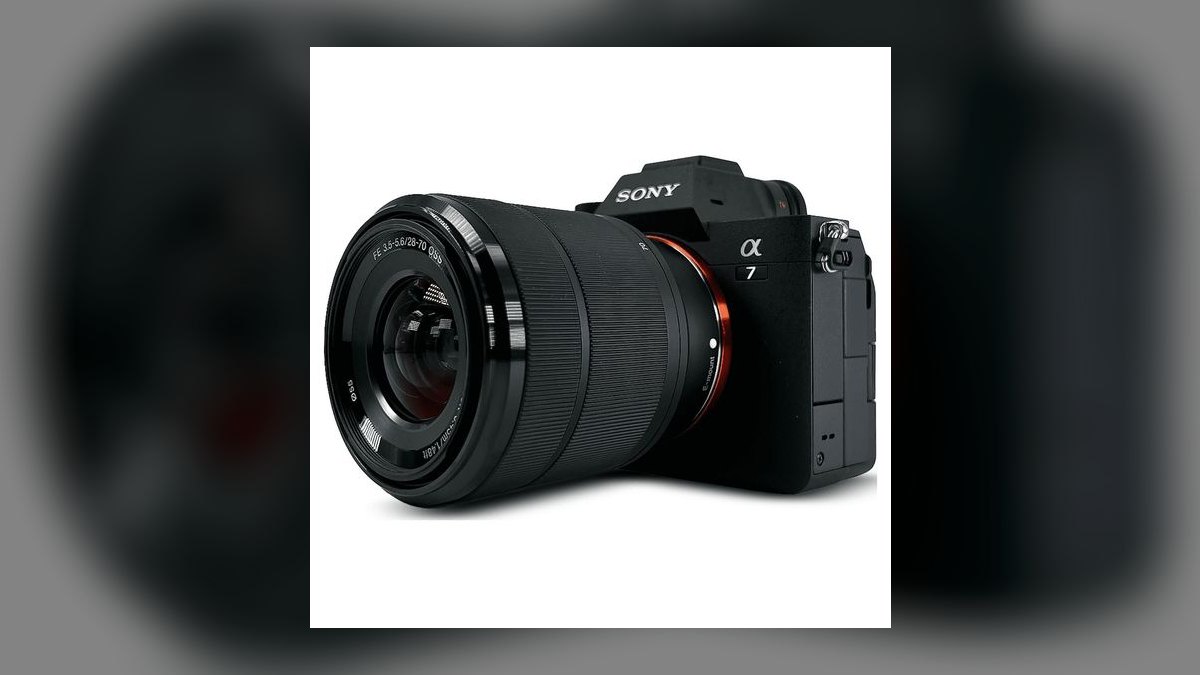
The Sony A7 IV takes sixth as the best price-to-performance full-frame body of 2027—33MP, 10fps burst, 4K60 10-bit 4:2:2, and Real-time Eye AF for humans, animals, and birds at $2,400, dropping toward $2,200 by mid-2027 as the A7 V approaches. It records 15-plus stops of dynamic range, runs dual CFexpress Type A and SD slots, and delivers 5.5 stops of IBIS.
This is the working wedding and event photographer's A or B body, and the sane first serious full-frame. The notable trade is a 1.5x crop on 4K60, which hurts wide-angle video and vlogging. Compared to the $6,500 Sony A1 II above it, you lose 17MP, 20fps of burst, and 8K—and keep the same E-mount lens library plus a deep used market.
7. Nikon Zf
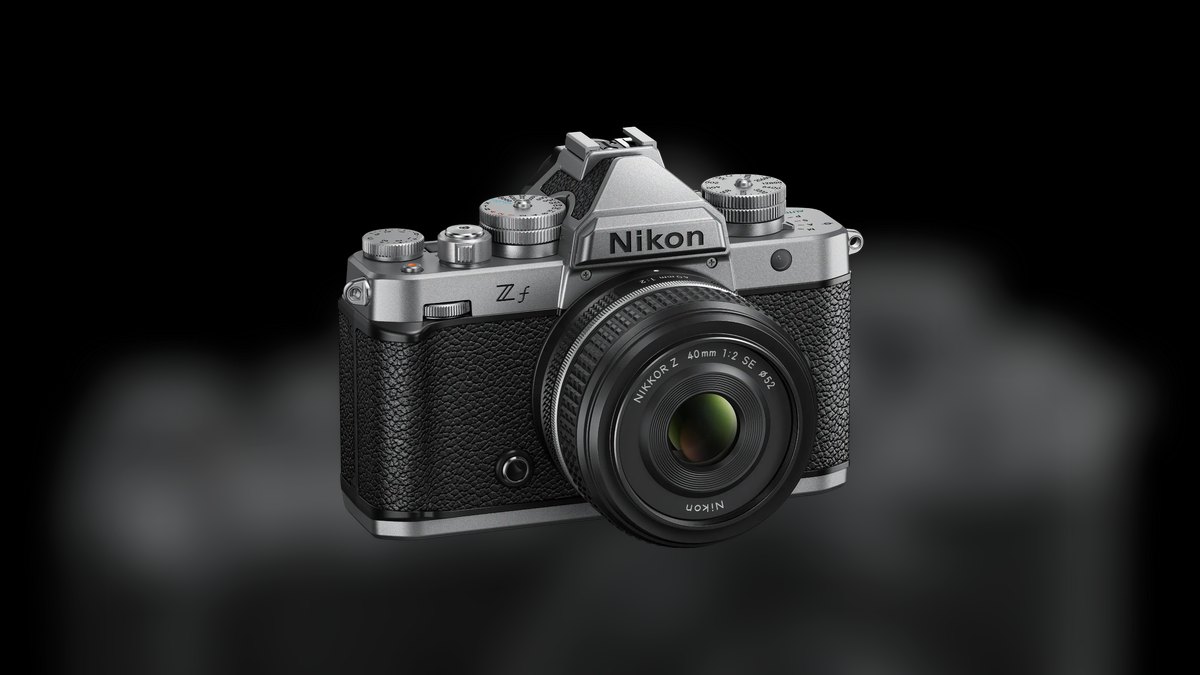
The Nikon Zf earns seventh by pairing genuine flagship internals with retro controls: the EXPEED 7 processor from the Z8 and Z9 drives the same class-leading subject-detection AF, behind a 24.5MP full-frame sensor shared with the Z6 III. Brass top and bottom plates cover a weather-sealed magnesium chassis with dedicated shutter speed, ISO, and exposure compensation dials. IBIS is rated 8 stops, and 4K60 is oversampled.
Street shooters and travelers are the audience at $2,000, especially anyone who values the tactile dials and compact size. The real limit is storage: one SD slot plus microSD, which rules it out for paid event work needing redundancy. Against the $2,400 Sony A7 IV, you lose 8MP and a second full card slot, and gain a better autofocus brain and a more distinctive shooting experience.
8. Fujifilm X-H2S
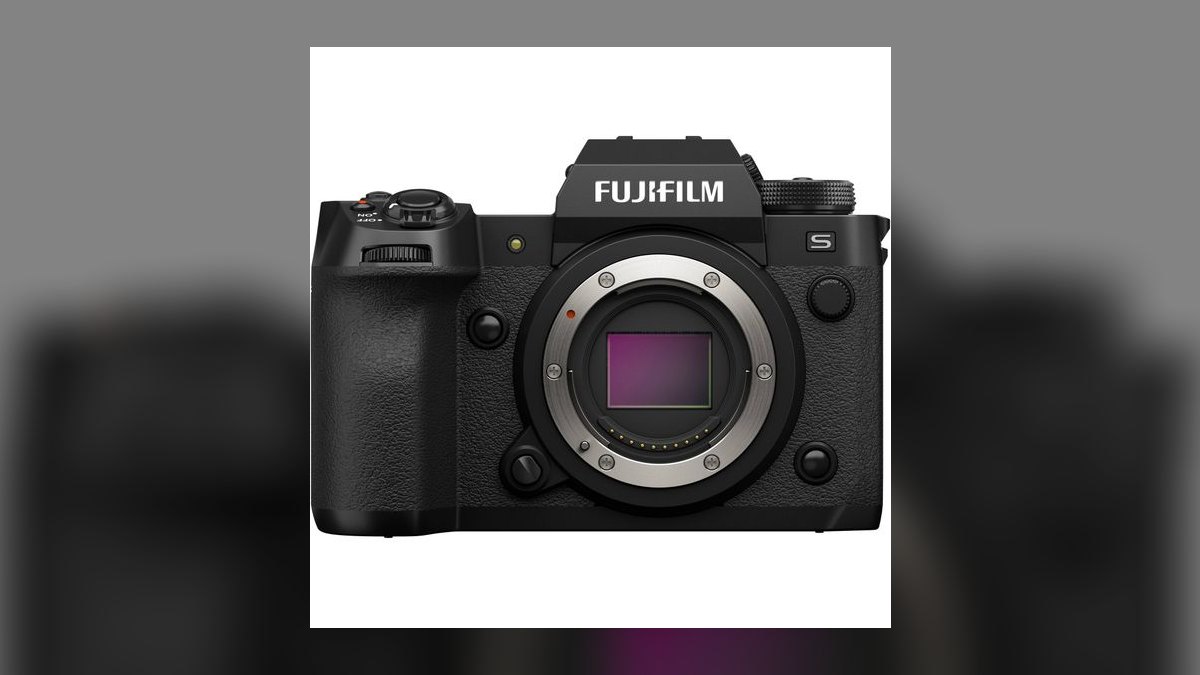
The Fujifilm X-H2S sits eighth on raw speed: a 26MP stacked APS-C sensor firing 40fps blackout-free with full AF/AE tracking, matching or beating most full-frame flagships. The stacked readout kills rolling shutter on fast action. Video is the stronger half—6.2K30 ProRes HQ internal, 4K120 10-bit, F-Log2 with 14-plus stops of dynamic range, and ProRes RAW over HDMI to an external recorder. The 1.6x crop factor extends telephoto reach.
Wildlife shooters and indie filmmakers are the buyers at $2,500, helped by the crop that turns a 400mm lens into 640mm equivalent reach. The cost is noise: APS-C is visibly dirtier than full-frame above ISO 6400, and unlimited 6.2K needs the cooling fan accessory. Versus the $1,700 Fujifilm X-T5, you trade 14MP for 40fps and a far stronger video codec set.
9. Canon EOS R6 Mark II
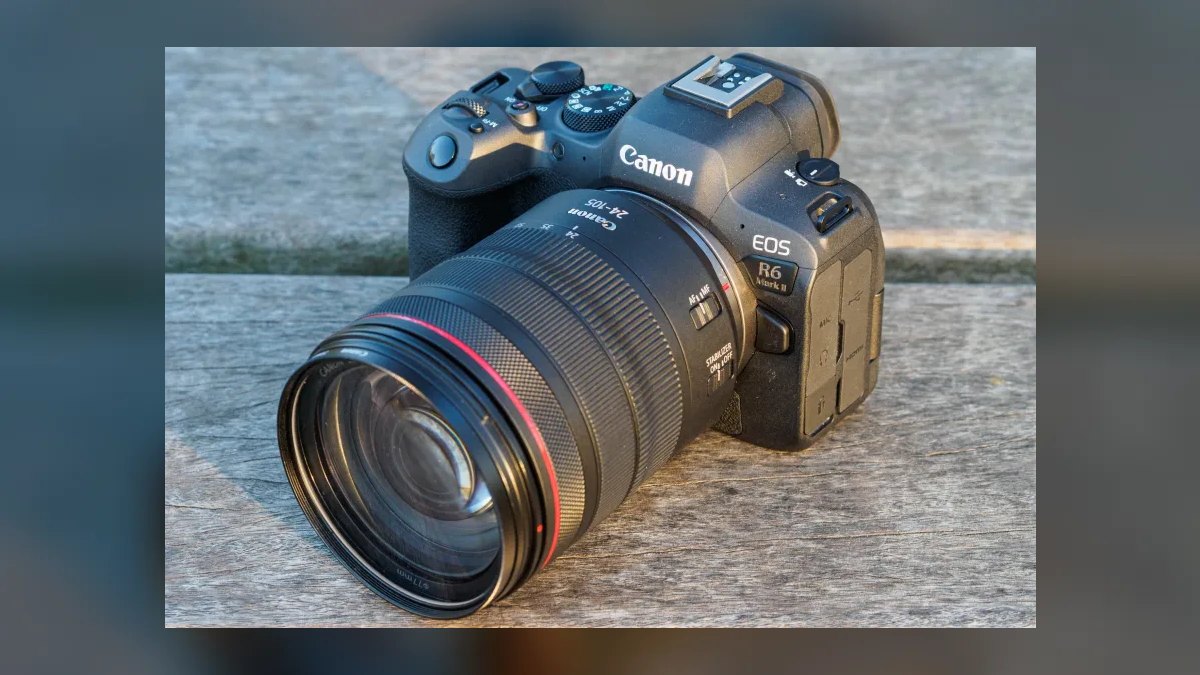
The Canon EOS R6 Mark II ranks ninth as the value Canon body: 40fps electronic burst (12fps mechanical) from a 24.2MP full-frame sensor, with the deep-learning AF brain covering the entire frame. It records 6K-oversampled 4K60 with no time limit and no overheating in field tests. IBIS is rated 8 stops, the best Canon ships, and Pre-Shooting captures the half-second before the shutter press. Dual SD UHS-II slots mean no CFexpress card tax.
Wedding and event pros who want Canon without the R5 Mark II premium are the target at $2,500—roughly 58 percent of that body's price. The trade is resolution: 24MP leaves far less cropping room than the R5 Mark II's 45MP. Best-in-class 1/250s mechanical flash sync and the dual slots make it a reliable working body, but it lacks the 8K and Eye Control of the higher-priced model.
10. OM System OM-1 Mark II
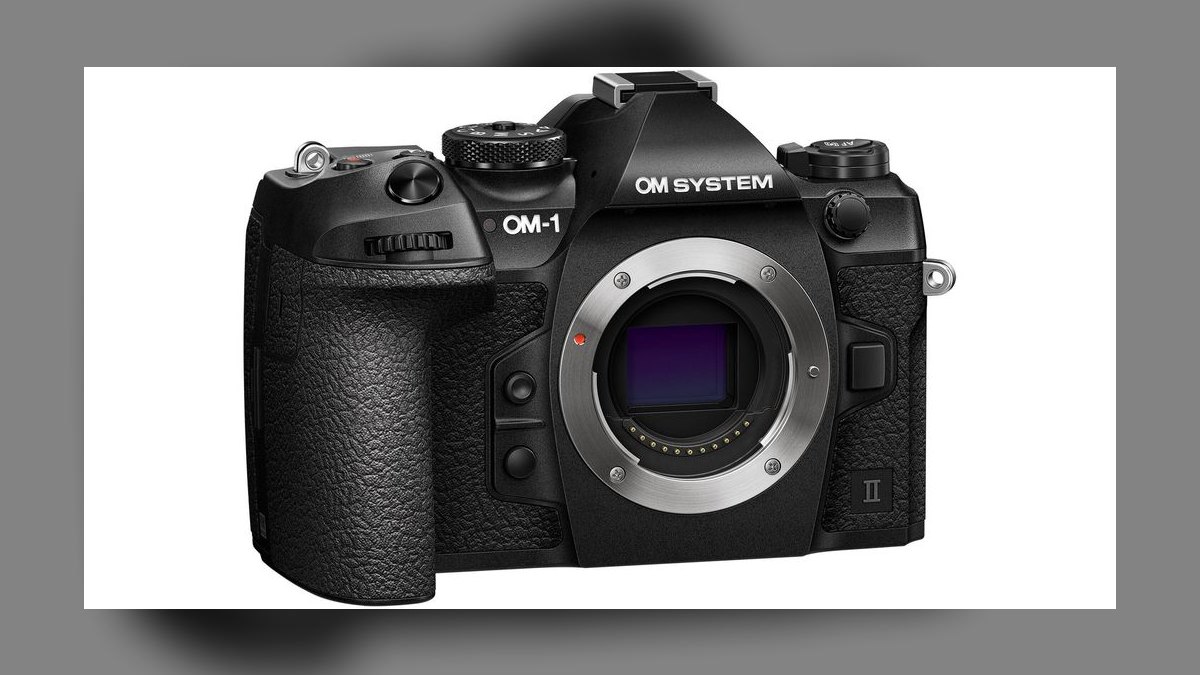
The OM System OM-1 Mark II closes the list on portability and durability: IP53 dust and water sealing, the highest rating in any mirrorless camera, plus 8.5 stops of IBIS. Its 20MP stacked Micro Four Thirds sensor fires 120fps RAW with AF lock or 50fps with tracking. Handheld Hi-Res mode stitches 50MP composites without a tripod, and Live ND, Live Composite, and focus stacking are computed in-camera. The 2x crop factor doubles effective focal length.
Wildlife, macro, and adventure photographers who carry their kit on foot are the buyers at $2,400—body plus a 600mm-equivalent zoom fits a 20L daypack. The trade is roughly 1.5 stops of low-light performance against full-frame. Compared to the $2,500 Fujifilm X-H2S, you lose sensor area and gain a 2x crop factor plus weather sealing nothing else here matches.
How we ranked these
We ranked ten cameras on six weighted factors against shipping firmware, not spec sheets: image quality at 25% (sensor size, dynamic range, low-light ISO, color science), autofocus at 20% (subject-detection generation, tracking stickiness, low-light acquisition), video at 20% (resolution, framerate, codec, heat limits), price and lens ecosystem at 15%, then burst/buffer and IBIS/build at 10% each. Results were cross-checked against DPReview, PetaPixel, Imaging Resource lab tests, and B&H field reports.
We deliberately ignored megapixel count as a standalone virtue, because past roughly 45MP the extra pixels only matter if you print large or crop hard. We ignored 8K video as a ranking driver — oversampled 4K60 10-bit delivers better than mediocre 8K. We excluded DSLRs entirely, plus any body released before mid-2024 that is no longer in production or firmware-supported through 2027.
What to look for
Lens mount is the decision, not the body. You will own glass longer than any sensor, so weigh Sony E-mount's deep third-party lineup (Sigma, Tamron, Viltrox) against Canon RF, which was closed to third parties until 2024, and Nikon Z, which still has gaps at the long end. After that, autofocus generation matters more than resolution: 2023-era AI AF beats older single-subject systems by 30-40% on bird and wildlife hit rate.
The common mistake is buying flagship burst speed for work that never needs it. A wedding shooter paying $6,500 for 30fps blackout-free tracking uses maybe 10fps, while the $2,400 A7 IV delivers the same files. The inverse trap is codec lock-in: ProRes RAW, N-RAW, and BRAW each commit you to an edit workflow. Also check firmware support life — older A7 III and EOS R bodies stopped getting AF improvements years ago.
Related questions
Is full-frame actually necessary in 2027?
Only if you shoot low light or want shallow depth of field at moderate focal lengths. APS-C bodies like the Fujifilm X-T5 deliver 40MP and a 1.5x telephoto reach advantage for less money. Micro Four Thirds gives 2x reach in the smallest kit. Full-frame's real edge is roughly 1.5 stops of clean high-ISO performance over MFT.
What does a stacked sensor actually change?
Readout speed. A stacked design reads the whole sensor fast enough that rolling shutter distortion largely disappears, which matters for panning sports, propellers, and fast-moving subjects. It also enables blackout-free electronic bursts and higher flash sync — the A1 II syncs at 1/400s. Non-stacked sensors skew fast motion and force you back to mechanical shutter for action work.
How much IBIS do you really need?
Five stops covers most handheld shooting at normal focal lengths. Beyond that you're buying margin: the A1 II and OM-1 II claim 8.5 stops, which makes handheld quarter-second exposures realistic for architecture and low-light travel. IBIS does nothing for subject motion, so it won't rescue a moving person in dim light — that still needs shutter speed.
Are film simulations worth choosing a brand over?
For many buyers, yes. Fujifilm's twenty simulations — Classic Chrome, Reala Ace, Nostalgic Neg, Eterna Bleach Bypass — produce JPEGs you can publish straight off the card, which collapses editing time to nothing. No other manufacturer matches the look. If you shoot RAW and grade everything anyway, the advantage disappears and you should weigh sensor and autofocus instead.
Which camera makes sense for wildlife on a budget?
The OM System OM-1 Mark II at $2,400. Its 2x crop factor turns a 300mm lens into a 600mm equivalent, IP53 sealing survives rain and dust, and bird AI detection holds up against Sony and Nikon in field tests. The whole kit with a 100-400mm equivalent fits a 20L daypack. You trade about 1.5 stops of low-light performance.
Does Eye Control AF live up to the hype?
Canon's implementation on the EOS R5 Mark II tracks where your eye looks through the viewfinder and moves the AF point there. It requires calibration and works less reliably with some glasses, but once it's dialed in, users report they can't go back to joystick selection. It's the most genuinely novel autofocus interface shipping in 2027.
Should you wait for the next model?
Rarely. The A7 V looms, which will push the A7 IV toward $2,200 — that's an argument for buying the outgoing model, not waiting for the new one. Cameras improve incrementally now; the meaningful jump was the 2023-era AI autofocus generation, which every body on this list already has. Buy glass with the savings instead.
How many card slots do you actually need?
Two, if anyone is paying you. Weddings and events are unrepeatable, so mirrored writing to a second card is the only real insurance against card failure. The Nikon Zf's single SD slot is the main reason it's a street and travel pick rather than a working body. For personal work, one slot is fine.
FAQ
What is the best overall camera in 2027?
The Sony A1 II at around $6,500. It pairs a 50MP stacked full-frame sensor with 30fps blackout-free burst, separately trained AI models for humans, animals, birds, insects, cars, trains and airplanes, and 8K30 video with internal 4K120 ProRes RAW. The 9.44M-dot EVF runs at 240Hz and IBIS reaches 8.5 stops with compatible lenses.
What is the best value camera in 2027?
The Sony A7 IV at roughly $2,400, dropping toward $2,200 by mid-2027 as the A7 V approaches. It's a 33MP full-frame hybrid with 10fps burst, 4K60 10-bit 4:2:2, real-time Eye AF for humans, animals and birds, dual card slots and 5.5 stops of IBIS. Most working wedding photographers run it as their A or B body.
Is the Nikon Z8 worth $4,000?
If you want Z9 internals without the integrated grip, yes. It's a 45.7MP stacked full-frame body with the same EXPEED 7 processor and autofocus brain as the flagship at 30% less weight, shooting 20fps RAW and recording 8.3K60 12-bit N-RAW internally. The main compromise is Z-mount's pro telephoto lineup, which still trails Sony E-mount.
How does the Canon EOS R5 Mark II compare to the Nikon Z8?
They're close. Both use 45-megapixel-class stacked sensors with 8K internal RAW. Canon hits 30fps electronic versus Nikon's 20fps, and adds Eye Control AF, which no competitor offers. Nikon counters with 8.3K60 N-RAW and a lighter body — the R5 Mark II is the heaviest here at 746g. Choose by lens ecosystem, not by spec sheet.
What is the best APS-C camera you can buy?
For image quality, the Fujifilm X-T5 and its 40MP X-Trans CMOS 5 HR sensor — the highest-resolution APS-C sensor shipping in 2027, in a 557g body with dedicated dials and seven stops of IBIS. For speed, the X-H2S instead: a 26MP stacked sensor hitting 40fps blackout-free with tracking, plus 4K120 and F-Log2.
Which camera is best for video?
It depends on your codec commitment. The Canon EOS R5 Mark II records 8K60 RAW internally and hits unlimited 8K30 with the cooling fan grip. The Nikon Z8 does 8.3K60 N-RAW with no record limit. For APS-C, the X-H2S offers 6.2K30 ProRes HQ, 4K120 10-bit, and 14+ stops of dynamic range in F-Log2.
Is 8K video worth paying for?
For most buyers, no. Oversampled 4K60 10-bit generally looks better in final delivery than mediocre 8K, and 8K files punish your storage and editing rig. The genuine cases are heavy reframing in post, high-end commercial work with 8K deliverables, and pulling stills from motion. Otherwise it's a spec-sheet line that mostly raises the body price.
Should I still consider a DSLR?
No, for a new purchase. Nikon stopped new DSLR development in 2021 and Canon followed in 2023, so parts, support and lens innovation are all winding down. You also lose every AI subject-detection feature that separates 2027 bodies from 2018 ones. Used DSLRs are cheap, but you're buying into a system with no future firmware or optical roadmap.
What is the best retro-styled camera?
The Nikon Zf at $2,000. It wraps the Z6 III's 24.5MP full-frame sensor in brass top and bottom plates with dedicated shutter speed, ISO and exposure compensation dials, over a magnesium chassis with weather sealing. The EXPEED 7 processor gives it the same subject detection as the Z8 and Z9, plus 8 stops of IBIS and oversampled 4K60.
Which camera is best for travel and hiking?
The OM System OM-1 Mark II. Its IP53 rating is the highest weather sealing in any mirrorless camera, and computational features — Live ND, Live Composite, Focus Stacking, and a 50MP Handheld Hi-Res mode — replace filters and a tripod. Body plus a 100-400mm equivalent fits a 20L daypack, which no full-frame wildlife kit manages.
Sources
- https://www.dpreview.com/reviews/om-system-om-1-mark-ii-initial-review
- https://petapixel.com/
- https://www.imaging-resource.com/
- https://www.bhphotovideo.com/
- https://www.nikonusa.com/p/z-8/1695
- https://www.fujifilm-x.com/en-us/products/cameras/x-t5/
- https://www.usa.canon.com/shop/p/eos-r5-mark-ii
- https://electronics.sony.com/imaging/interchangeable-lens-cameras/all-interchangeable-lens-cameras/p/ilce1m2-b
- https://www.adorama.com/canon-eos-r5-mark-ii-mirrorless-camera/p/car5m2
- https://www.omsystem.com/us/en/cameras/om-1-mark-ii
Related on PULSE
- [More cameras rankings and buying guides](/knowledge)
- [PULSE Tools and calculators](/tools)
- [Everything on PULSE RevOps](/)
This page will be disappearing soon. Save it to your device for $1 — or read it free while it is here.
@Kory-White- · if Venmo asks, the last 4 of my number are 2012
This page is gone.
This one is off the shelf now. $1 keeps it on your phone for good — the whole page, pictures and diagrams included.
 pulse-reviewsTop 10 Electric Lunch Boxes — Best Overall + Best Value in 2027
 pulse-reviewsTop 10 Cordless Grease Guns — Best Overall + Best Value in 2027
 pulse-reviewsTop 10 Compression Socks for Long-Flight Sales Reps in 2027
 pulse-reviewsTop 10 Smart Ceiling Fans — Best Overall + Best Value in 2027
 pulse-reviewsTop 10 Keyboard Trays for Sales Desks in 2027
 pulse-reviewsTop 10 Milk Frothers — Best Overall + Best Value in 2027
 pulse-reviewsTop 10 Bluetooth Travel Mice for Sales Reps in 2027
 pulse-reviewsTop 10 Electric Pressure Cookers — Best Overall + Best Value in 2027
 pulse-reviewsTop 10 Drawing Tablets — Best Overall + Best Value in 2027
 pulse-reviewsTop 10 Portable DAC/AMP Combos — Best Overall + Best Value in 2027