
Top 10 USB Microphones $100-$300 for Sales Demos in 2027
 Curated byKory White · Fractional CRO · Maryland
 PULSEKNOWLEDGE LIBRARY
Quality
Certified
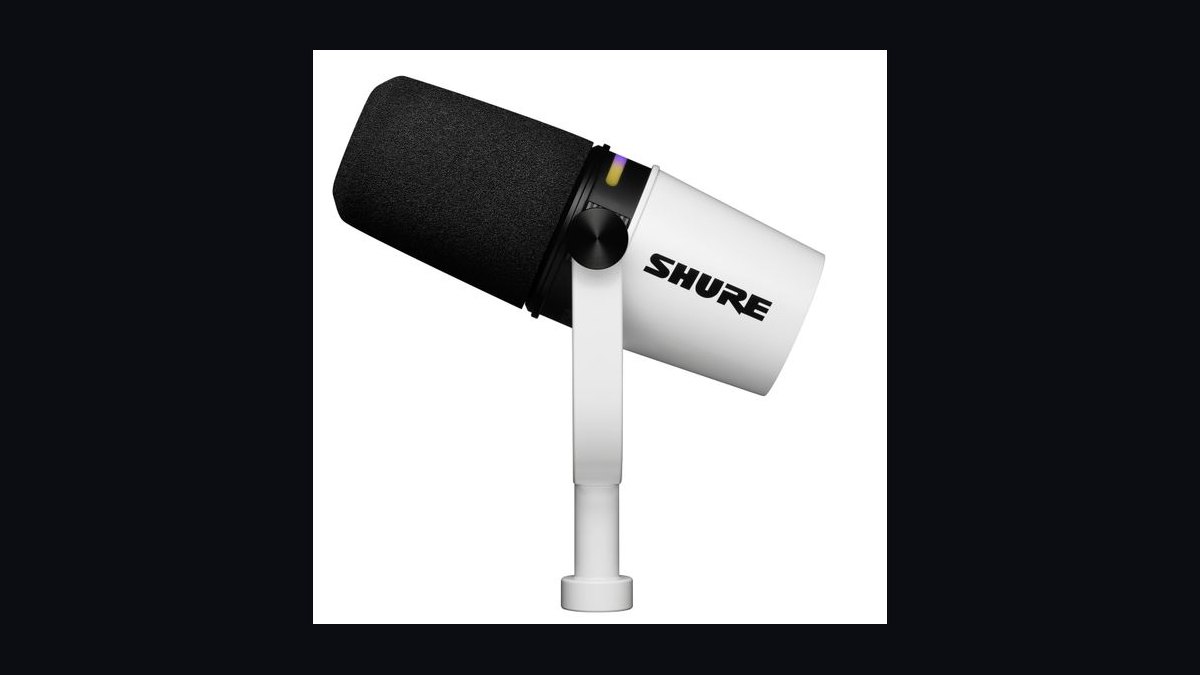
The 10 best usb microphones $100-$300 for sales demos are ranked below on measured performance, build quality, price, and how each one actually holds up in daily use rather than how it reads on a spec sheet. Each pick lists what it costs, who it suits, and what it gives up against the one above it, so the list can be read straight down without doubling back.
1. Shure MV7+
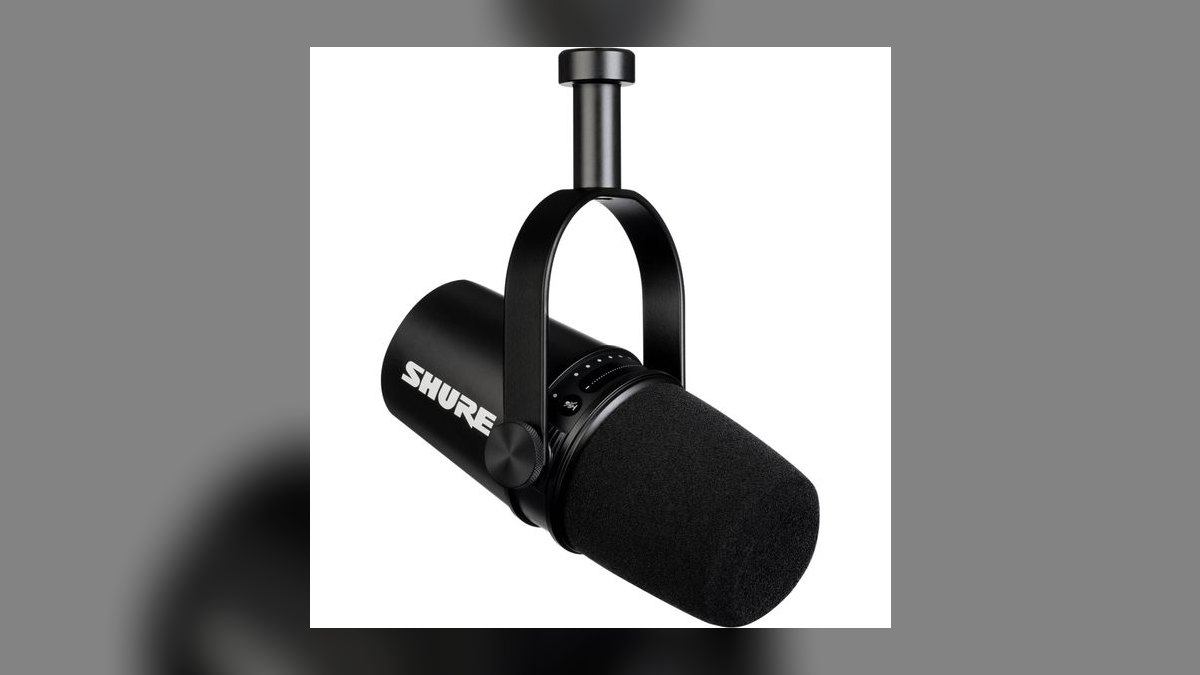
The Shure MV7+ ranks first because it is the only mic here pairing a broadcast dynamic capsule with both USB-C and XLR output plus on-board DSP. Real-time Denoiser, Auto Level Mode, and a digital pop filter run in hardware, so an untreated kitchen-table office still records clean. Street price is $279. Specs cover 20 Hz–20 kHz, 24-bit at 44.1/48 kHz, and zero-latency 3.5 mm monitoring.
This suits AE-led demos, founder-led calls, and reps recording Loom-style walkthroughs in rooms with HVAC hum or keyboard noise. You pay roughly $150 more than the AT2020USB+ and give up the open, airy detail a condenser captures. The customizable LED touch panel doubles as an on-camera mute indicator. Versus the original MV7 at $229, the extra $50 buys Denoiser, USB-C, and the LED strip.
2. Rode NT-USB+
The Rode NT-USB+ ranks second as the best-sounding pure condenser under $300, at $169. It is a side-address cardioid with 24-bit/48 kHz conversion, on-board Aphex Aural Exciter and Big Bottom processing, an integrated pop filter, and zero-latency monitoring with a dedicated mic/PC blend knob. The capsule is richer and warmer than the original NT-USB, with a controlled high end that avoids sibilance on words like subscription.
Best for product-marketing storytellers, RevOps leaders recording all-hands updates, and case-study voiceovers in a quiet office. The trade is room rejection: unlike the MV7+ above, this condenser picks up echo, keyboard clicks, and traffic unless the space is treated. The included desktop tripod and storage pouch make it the most travel-friendly pro option, and it costs $110 less than the top pick.
3. Audio-Technica AT2020USB+
The AT2020USB+ ranks third as the best value at $129, delivering the largest audio jump per dollar in this range. It is a large-diaphragm cardioid condenser using the same AT2020 capsule that has served as a project-studio reference for over a decade, with 16-bit/44.1-48 kHz USB output, a headphone jack, and mix control. The tone is bright, crisp, and articulate on diction-heavy demo narration.
Best for first-year SDRs, BDRs, RevOps analysts, and CSMs running several Zoom calls daily. You give up the 24-bit depth and on-board DSP of the NT-USB+ above, plus the USB-A connection is dated. The newer USB-XP variant runs $169 if you want USB-C and active noise cancellation. Against a laptop's built-in mic, the improvement is immediate and obvious.
4. Shure MV7
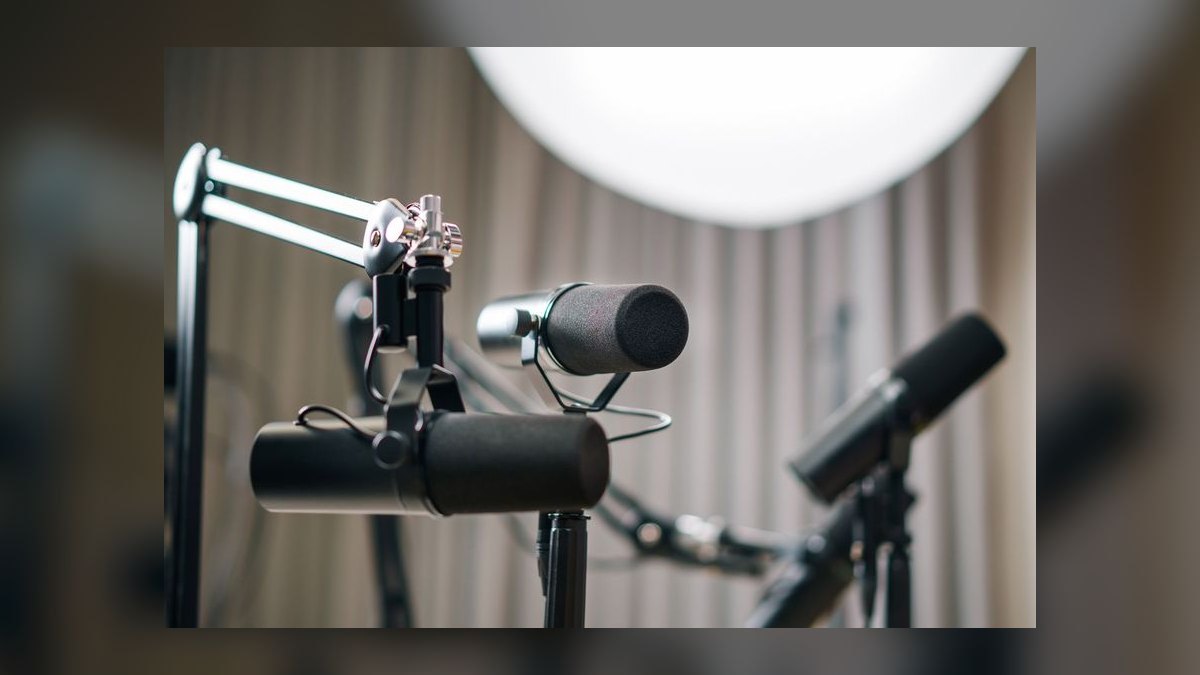
The original Shure MV7 ranks fourth because it keeps the broadcast-grade dynamic capsule of the Plus at $229. You retain dual USB and XLR output, Voice Isolation, the MOTIV desktop app, and the SM7B-adjacent vocal tone. What you lose is the Denoiser, the LED touch strip, and USB-C — the box ships micro-USB. Specs are 50 Hz–16 kHz at 24-bit/48 kHz.
Best for founder-led demos and recorded webinars where MV7+ sound matters more than the newest DSP. Many sales coaches actually prefer the original's less-processed stock USB tone to the Plus. It sits $50 under the top pick but $30 above the Samson Q9U, which offers comparable dynamic rejection. Buy it below $200 on sale; otherwise pay the premium for the Plus.
5. HyperX QuadCast 2 S
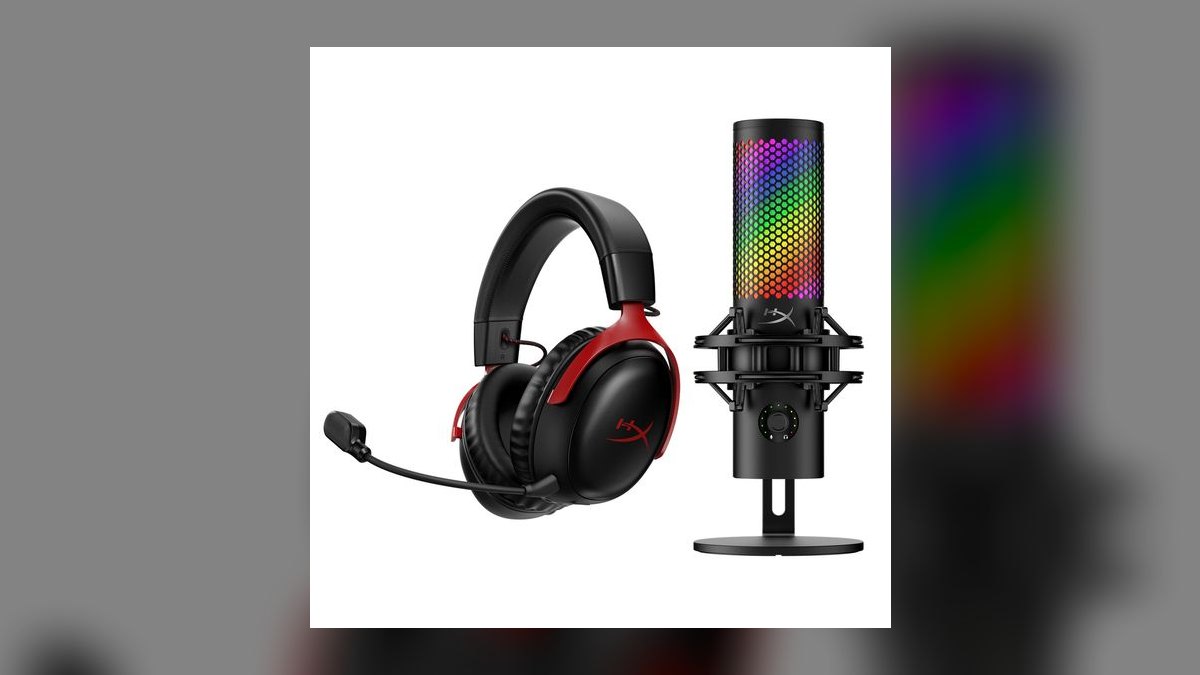
The HyperX QuadCast 2 S ranks fifth at $199.99 for camera-on demos where the mic is visible the whole call. It is a condenser with four polar patterns — cardioid, omni, bidirectional, stereo — 32-bit/192 kHz sampling, addressable RGB, a multi-function knob handling gain, monitoring, and pattern switching, plus a tap-to-mute top with a visible red indicator. Bidirectional mode covers two-person founder pitches.
Best for AEs at gaming, esports, and creator-economy SaaS companies. The trade is aesthetic and acoustic: RGB reads as gaming gear on an enterprise call, and as a condenser it captures more room than the MV7 above. The non-S QuadCast 2 at $149 is functionally identical for audio and saves $50 if programmable lighting does not matter to you.
6. Samson Q9U
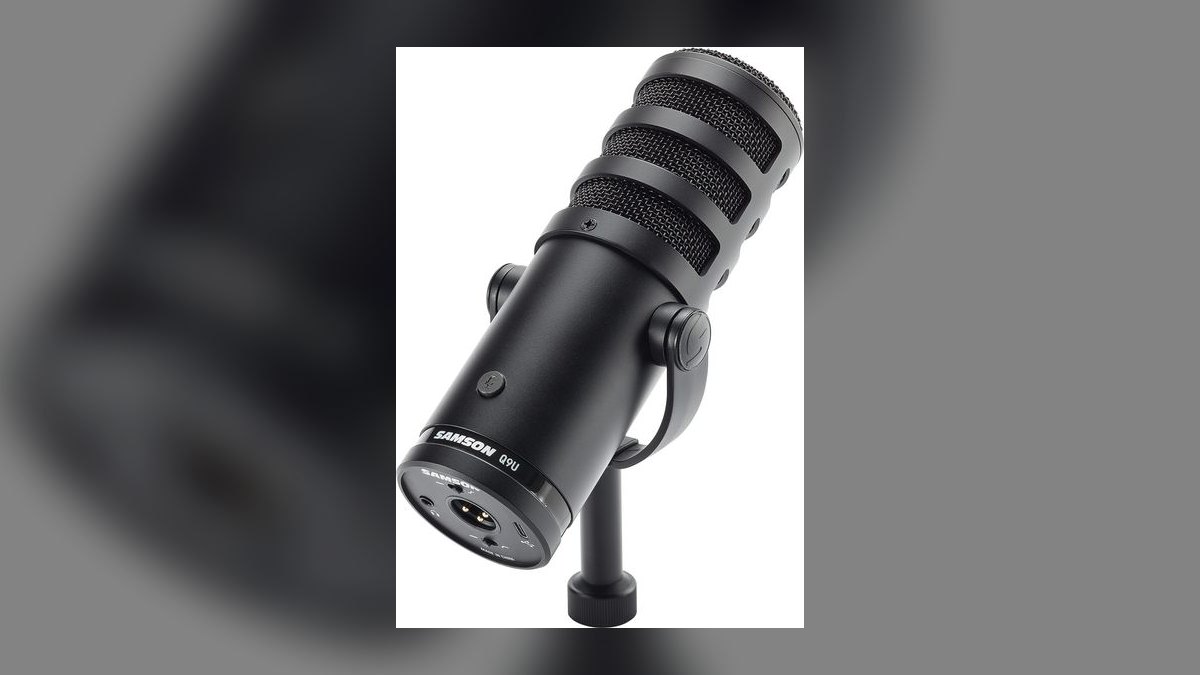
The Samson Q9U ranks sixth as the cheapest genuine broadcast dynamic here, holding steady at $199. It is a side-address cardioid with USB-C and XLR, built-in bass roll-off, a mid-presence boost switch, zero-latency monitoring, and 24-bit/96 kHz conversion — the highest sample rate of any dynamic on this list. The capsule rejects room sound aggressively in untreated apartments, hotel rooms, and open-plan coworking desks.
Best for mid-market AEs and CSMs who want dynamic rejection without MV7+ money. It is the most direct Shure competitor at a $30 to $80 discount. The trade is polish: stock USB tone is slightly less refined than the MV7 above it, though the XLR path closes most of that gap once you add an interface. Software support is thinner than Shure MOTIV.
7. Elgato Wave:3 MK.2
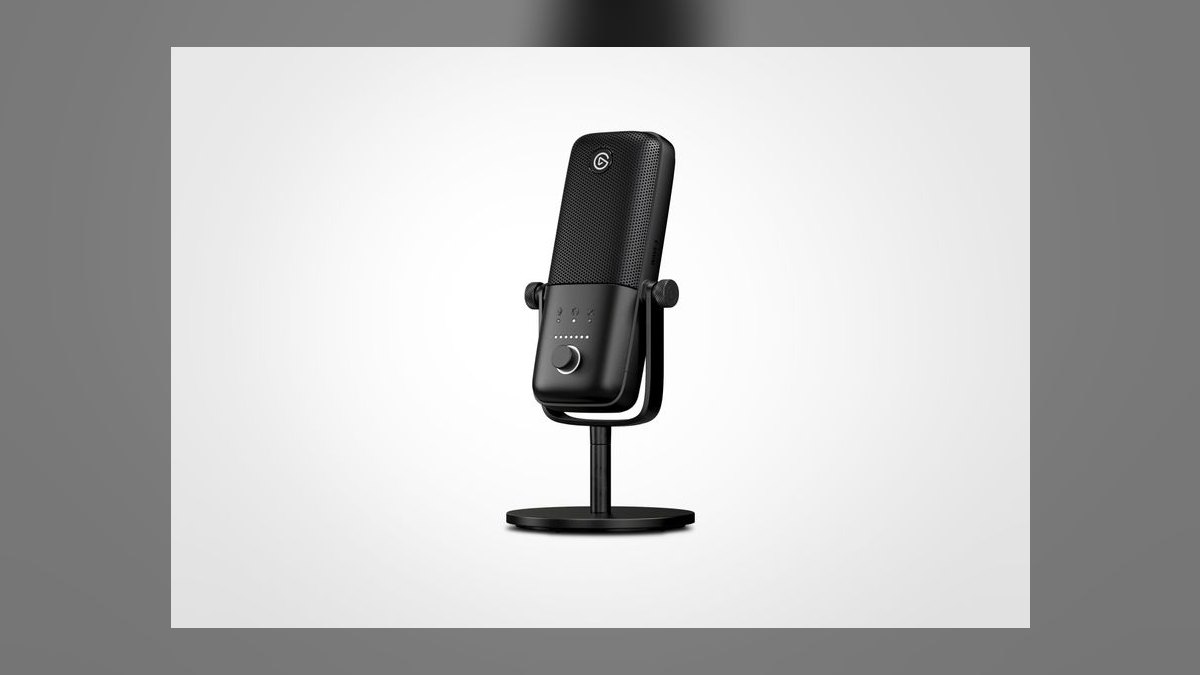
The Elgato Wave:3 MK.2 ranks seventh at $159 on the strength of its software routing rather than raw capsule quality. It is a cardioid condenser with 24-bit/96 kHz conversion, USB-C, Clipguard 2.0 anti-distortion, capacitive tap-to-mute, and a multifunction dial for gain, monitoring, and mic/PC mix. Wave Link routes Zoom audio, Slack alerts, music, and mic across nine channels with a separate recording mix.
Best for sales engineers running multi-source demos across Loom, Zoom, and Riverside, and anyone already on Stream Deck. The trade is that the routing advantage evaporates outside the Elgato ecosystem, leaving a good but unremarkable condenser. The retro broadcast body looks more business-appropriate on camera than the RGB QuadCast above, and it costs $40 less.
8. Blue Yeti X
The Blue Yeti X ranks eighth at $169 as the fleet-purchase pick rather than the best individual performer. It is a four-capsule condenser with four polar patterns, 24-bit/48 kHz conversion, a smart knob with an 11-segment LED meter, and Blue VO!CE presets for EQ, compression, de-essing, and noise reduction. The Broadcaster I preset is a one-click tone upgrade requiring no audio knowledge from the rep.
Best for enterprise sales orgs buying 20 or more identical mics for SDR pods, because unit-to-unit consistency and support burden matter more than peak quality at that scale. It drops to $129-$149 during Prime Day and Black Friday. The trade against the NT-USB+ is a heavier body, a wide pickup that grabs room noise, and a more processed sound.
9. Rode PodMic USB
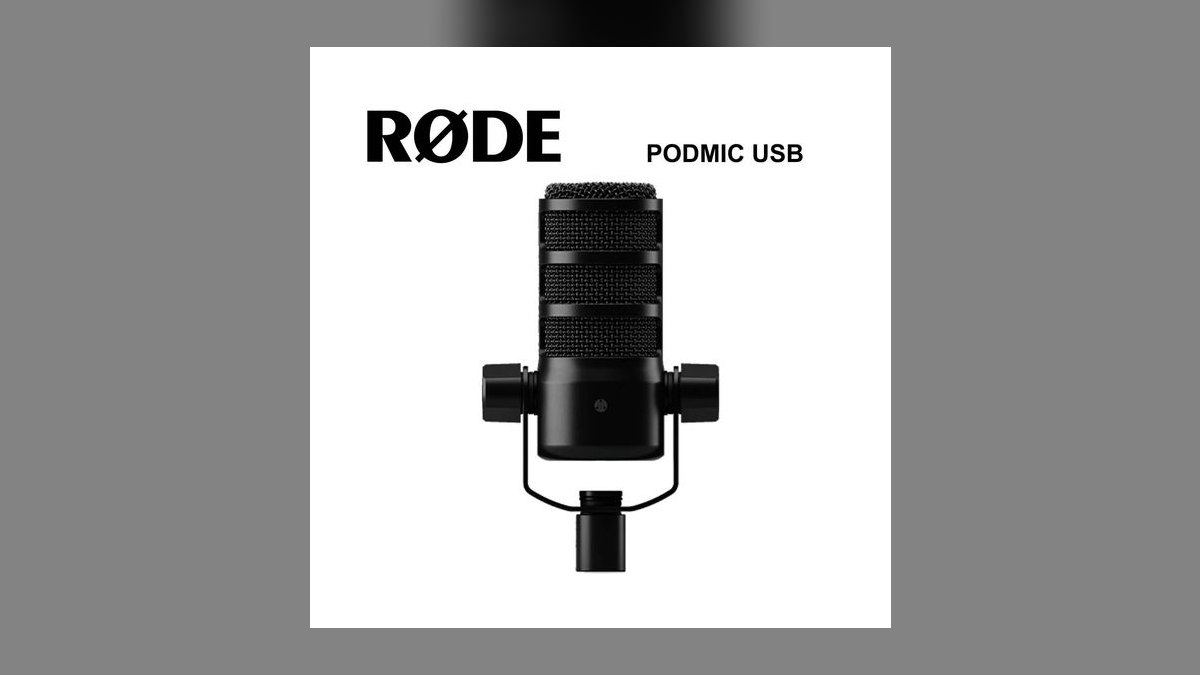
The Rode PodMic USB ranks ninth at $199 for interview-style and two-person recorded sales content. It is a broadcast dynamic cardioid with USB-C and XLR, on-board DSP including Aphex Aural Exciter, Big Bottom, a compressor, and a noise gate, plus 24-bit/48 kHz output and a built-in pop filter and shock mount. The capsule is tuned for spoken voice first, music second.
Best for co-founder demo duos, ABM video producers, and customer-marketing teams recording on Riverside.fm or SquadCast. It is lighter and $80 cheaper than the MV7+ while delivering most of the broadcast-dynamic experience. The trade against the Samson Q9U at the same $199 is sample rate — 48 kHz versus 96 kHz — offset by Rode's more mature on-board processing chain.
10. Sennheiser Profile USB
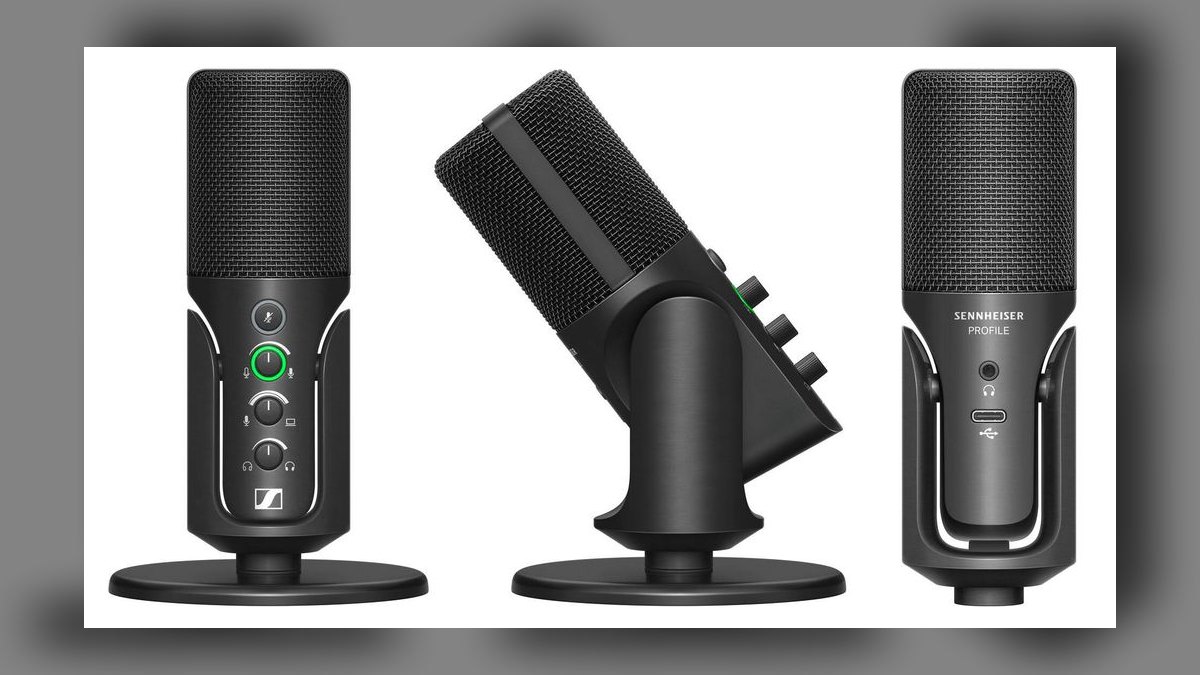
The Sennheiser Profile USB ranks tenth at $129 as the most neutral-sounding condenser in the group. It is a large-diaphragm cardioid with 24-bit/48 kHz USB-C output, a physical mute button, a gain knob, a headphone-mix knob, and zero-latency monitoring. The capsule is flatter than the Yeti X, closer to a project-studio reference than a broadcast-flavored voice mic, so recordings need light EQ to sound processed.
Best for product-marketing voiceovers, customer-education recordings, and enablement video producers who prefer truthful audio over baked-in coloration. It matches the AT2020USB+ on price while adding USB-C and 24-bit depth, but ships without the polar-pattern options or preset software of the Yeti X. A bundled boom-arm version runs $199 from Sennheiser and B&H.
How we ranked these
Ten USB microphones between $100 and $300 were ranked on how they perform in the actual conditions a sales demo happens in: an untreated home office with HVAC, keyboards, and household noise. Weighted heaviest were capsule type and off-axis rejection, on-board DSP that works without a producer, headphone monitoring latency, output flexibility (USB-only versus hybrid USB + XLR), and street-price stability across Sweetwater, B&H, and manufacturer storefronts.
Deliberately ignored: music-recording fidelity, frequency-response graphs measured in anechoic chambers, and 32-bit/192 kHz sampling claims — Zoom, Gong, and Loom all downsample to 48 kHz or lower, so headroom above that never reaches a buyer's ear. RGB lighting, brand heritage, and included-accessory counts were scored near zero. Bundled software was counted only where it changes routing or noise behavior, not where it adds presets.
What to look for
The single decision that matters is dynamic versus condenser, and it is decided by your room, not your budget. A dynamic capsule (MV7+, Samson Q9U, PodMic USB) has a tight pickup pattern that ignores wall reflections and the refrigerator; a condenser (AT2020USB+, NT-USB+, Wave:3) hears everything, which sounds open in a treated room and cavernous in a bedroom. Second decision: does an XLR path matter later? Hybrid mics cost about $30-$50 more.
The mistake buyers make is spending the whole budget on the mic and mounting it on the desk tripod in the box. A $129 AT2020USB+ six inches from your mouth on a $99 boom arm beats a $279 MV7+ sitting eighteen inches away behind a laptop, every time. Distance and thumping desk vibration undo capsule quality faster than any spec gap between these ten. Budget for the arm before the upgrade.
Related questions
Does a boom arm actually matter more than the microphone itself?
For the first upgrade, yes. Every mic here is cardioid or switchable-cardioid, meaning output drops sharply with distance. A boom arm holds the capsule six to twelve inches off-axis from your mouth, which raises your voice above room noise by a wide margin and decouples the mic from keyboard thump through the desk. The Rode PSA1+ runs $149; cheaper arms work fine under 1.5 pounds.
Why does the direct answer favor dynamic mics for demos?
Because most sales demos happen in rooms nobody treated. Dynamic capsules have lower sensitivity and a tighter polar response, so echo off drywall, HVAC rumble, and a partner on a call down the hall land well below your voice. Condensers capture more detail but capture the room with it. In a quiet, carpeted, furnished office, the condenser advantage returns and sounds more present.
Is the Shure MV7+ worth $50 over the original MV7?
At full price, yes. The Plus adds a real-time Denoiser, a digital pop filter, USB-C instead of micro-USB, and an LED touch panel that reads as a mute indicator on camera. The capsule is the same broadcast dynamic in both. If you find the original MV7 under $200 on sale, take it — the stock USB tone is arguably less processed and many coaches prefer it.
What does 32-bit/192 kHz sampling do for a Zoom call?
Nothing you will hear. The HyperX QuadCast 2 S samples at 32-bit/192 kHz, but Zoom, Gong, Teams, and Loom encode voice at or below 48 kHz and apply their own compression. The extra headroom matters for studio recording where you post-process aggressively. On a discovery call it is a spec-sheet number. Judge that mic on its four polar patterns and tap-to-mute instead.
Should a sales org standardize on one microphone across the team?
For SDR pods of ten or more, yes. Unit-to-unit consistency simplifies IT support, onboarding docs, and troubleshooting when a rep's audio fails mid-call. The Blue Yeti X at $169 is the common pick because it is class-compliant, well-stocked, and drops to $129-$149 during Prime Day and Black Friday. Founders and AEs recording their own content should buy individually instead.
What is Wave Link and why would a sales engineer care?
Wave Link is Elgato's routing software bundled with the Wave:3 MK.2. It splits your mic, Zoom audio, Slack notifications, browser sound, and music into nine independent channels with separate volume and a second mix for recording. A sales engineer running a Loom capture over a live Zoom while a demo environment plays audio can mute Slack from the recording without muting it for themselves.
Do any of these microphones need drivers or software to work?
No. All ten are class-compliant USB audio devices — plug them into Windows, macOS, or Linux and select them as the input in Zoom, Gong, or Loom. Companion apps (Shure MOTIV, Blue VO!CE, Rode Central, Wave Link) unlock EQ, compression, de-essing, and routing, but every mic produces broadcast-usable audio at default settings without installing anything.
Which pick makes sense for a two-person founder demo?
The Rode PodMic USB at $199, bought in a pair. It is a broadcast dynamic with built-in pop filter and shock mount, on-board compression and noise gate, and both USB-C and XLR out, so two of them plug straight into Riverside.fm or SquadCast for separate tracks. Alternatively, one HyperX QuadCast 2 S in bidirectional mode covers two people seated across a desk on a single input.
FAQ
Can I use a USB microphone for sales demos with no audio experience?
Yes. Every mic on this list is plug-and-play over USB-C or USB-A — connect it, select it as the input device in Zoom, Gong, or Loom, and speak. No mixer, no interface, no driver install. Features like the MV7+ Denoiser and Auto Level Mode handle background noise and gain automatically, so there is nothing to set before your first call.
What is the actual difference between dynamic and condenser for demos?
Dynamic mics (MV7+, Samson Q9U, Rode PodMic USB) have lower sensitivity and tighter rejection, so they largely ignore room echo, HVAC, and background chatter — the right call for an untreated home office. Condensers (AT2020USB+, NT-USB+, Wave:3) capture more detail and air, which sounds richer on a long discovery call but also picks up reverb and keyboard clicks.
Will a $100-$300 USB mic really beat my laptop's built-in microphone?
Dramatically, yes. Laptop mics sit inches from cooling fans and pick up every desk rustle, producing the thin, distant sound buyers associate with an unprepared vendor. Even the $129 AT2020USB+ delivers clear, present, broadcast-usable audio on a recorded demo. It is the single cheapest change that makes a rep sound more credible without touching their talk track.
How should I mount a USB microphone at a desk?
Most of these ship with a desk tripod, which is the weakest part of the box. A boom arm — Rode PSA1+ at $149, or any arm rated for your mic's weight — puts the capsule six to twelve inches from your mouth, clears desk space, and reduces typing vibration. The MV7+ has a built-in yoke that threads onto either a desk stand or an arm.
Does any mic here work for both sales calls and podcasting?
All of them, and that dual use is the point of the hybrid models. The MV7+, Shure MV7, Samson Q9U, and Rode PodMic USB carry XLR outputs alongside USB, so the same mic runs plug-and-play on a work laptop today and into a proper interface later. The AT2020USB+ and NT-USB+ handle voiceover and podcast duty over USB alone.
Which microphone is the best value in this price band?
The Audio-Technica AT2020USB+ at $129. It uses the same large-diaphragm cardioid capsule that has been a project-studio reference for over a decade, adds a headphone jack with mix control, and sounds bright and articulate on diction-heavy narration. The newer USB-XP variant at $169 adds USB-C and active noise cancellation if your room is noisier than average.
Is the Samson Q9U a genuine alternative to the Shure MV7?
Yes, at a $30-$80 discount. The Q9U is a side-address broadcast dynamic with USB-C and XLR, bass roll-off, mid-presence boost, zero-latency monitoring, and 24-bit/96 kHz conversion. Its room rejection is aggressive, which suits apartments, hotel rooms, and open-plan desks. The stock USB tone is slightly less polished than the MV7's, but the XLR path closes most of that gap.
Do I need a pop filter with these microphones?
Usually not. The Rode NT-USB+, Rode PodMic USB, and Shure MV7+ have pop filtering built in — Shure's is digital, Rode's is physical mesh. For the AT2020USB+, Blue Yeti X, and Sennheiser Profile, a $15 foam or mesh filter is worth adding if your plosives are heavy. Speaking slightly off-axis rather than straight into the capsule fixes most of it free.
Should I care about the RGB lighting on gaming-style microphones?
Only if the mic is on camera and your audience expects it. The HyperX QuadCast 2 S at $199 has addressable RGB that fits an esports or creator-economy SaaS buyer and looks out of place on an enterprise procurement call. The non-S QuadCast 2 at $149 is audio-identical and saves $50. The Elgato Wave:3 MK.2's retro broadcast look reads more neutral.
When do these microphones actually go on sale?
Prime Day and Black Friday move this category most. The Blue Yeti X routinely drops from $169 to $129-$149, and the original Shure MV7 appears under $200 often enough that it is worth waiting for if you were choosing between it and the MV7+. Manufacturer-direct pricing on Shure.com, Rode.com, and Samson.com stays flat; retailers discount, brands rarely do.
Sources
- https://www.shure.com/en-US/products/microphones/mv7
- https://rode.com/en-us/microphones/usb/nt-usb-plus
- https://www.thepodcasthost.com/equipment/shure-mv7-plus-review/
- https://www.tomsguide.com/reviews/blue-yeti-x-review-the-best-usb-microphone-evolved
- https://www.tomshardware.com/peripherals/microphones/hyperx-quadcast-2-s-review
- https://www.techradar.com/reviews/elgato-wave3-review
- https://www.soundguys.com/best-usb-microphone-7977/
- https://www.musicradar.com/news/best-usb-microphones
- https://www.engadget.com/sennheisers-profile-microphone-for-streamers-gets-a-lot-right-090017043.html
Related on PULSE
- [More usb microphones $100-$300 for sales demos rankings and buying guides](/knowledge)
- [PULSE Tools and calculators](/tools)
- [Everything on PULSE RevOps](/)
This page will be disappearing soon. Save it to your device for $1 — or read it free while it is here.
@Kory-White- · if Venmo asks, the last 4 of my number are 2012
 pulse-reviewsTop 10 Gaming Laptops — Best Overall + Best Value in 2027
 pulse-reviewsTop 10 Countertop Microwaves — Best Overall + Best Value in 2027
 pulse-reviewsTop 10 4K TVs — Best Overall + Best Value in 2027
 pulse-reviewsTop 10 Cordless Die Grinders — Best Overall + Best Value in 2027
 pulse-reviewsTop 10 Ebikes — Best Overall + Best Value in 2027
 pulse-reviewsTop 10 Light Therapy Lamps — Best Overall + Best Value in 2027
 pulse-reviewsTop 10 Smart Plant Sensors — Best Overall + Best Value in 2027
 pulse-reviewsTop 10 Space Heaters — Best Overall + Best Value in 2027
 pulse-reviewsTop 10 Gaming TVs — Best Overall + Best Value in 2027
 pulse-reviewsTop 10 Smart Mirrors — Best Overall + Best Value in 2027