
Top 10 USB Microphones $300+ for Sales Podcasts in 2027
 Curated byKory White · Fractional CRO · Maryland
 PULSEKNOWLEDGE LIBRARY
Quality
Certified
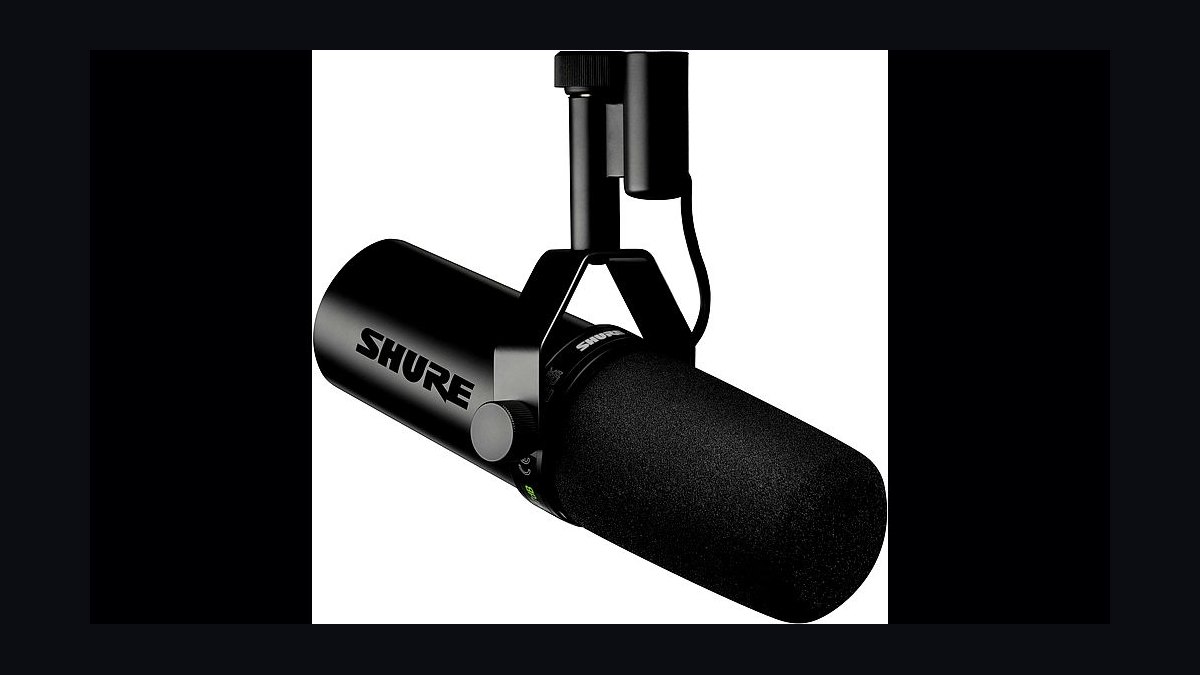
The 10 best usb microphones $300+ for sales podcasts are ranked below on measured performance, build quality, price, and how each one actually holds up in daily use rather than how it reads on a spec sheet. Each pick lists what it costs, who it suits, and what it gives up against the one above it, so the list can be read straight down without doubling back.
1. Shure SM7dB
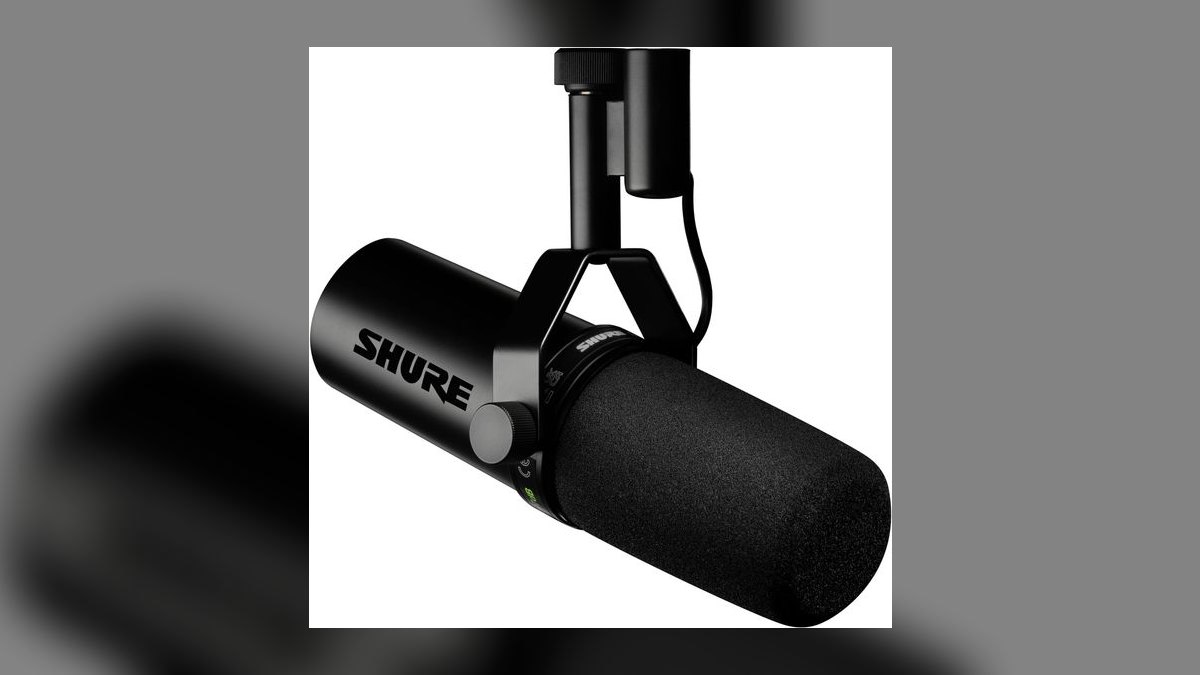
The Shure SM7dB ranks first because it integrates a switchable +18/+28 dB low-noise preamp directly into the body, solving the SM7B's notorious gain issue without extra gear. Its cardioid dynamic capsule, unchanged from the SM7B, delivers the most-recorded podcast voice in the world with a 50 Hz to 20 kHz response and internal air-suspension shock mount. At $549, it reaches broadcast level through a $129 Focusrite Scarlett Solo with zero hiss.
This microphone is for a sales leader recording a flagship show who wants legendary sound without preamp shopping. The trade is cost: it is roughly $150 more than the plain SM7B, and it ships XLR-only unless you add a $129 MVX2U adapter for USB. Compared to the Rode PodMic USB below, it costs nearly three times as much and offers no onboard DSP presets, making it a premium investment for those who prioritize pure analog signal.
2. Rode PodMic USB
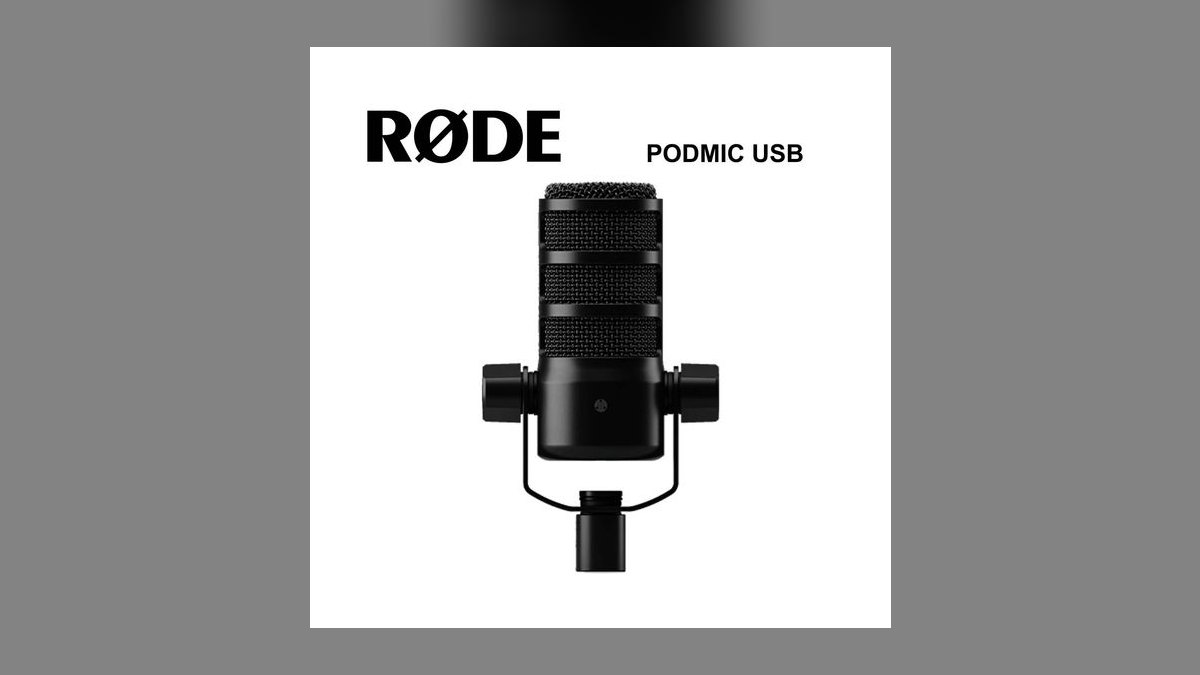
The Rode PodMic USB ranks second because it delivers a genuinely broadcast voice for $199 while offering both USB-C at 24-bit/48 kHz and XLR connectivity on the same body. Its onboard APHEX DSP—including Aural Exciter, Big Bottom, compressor, noise gate, and high-pass filter—is tunable in the free Rode Central app and baked into the USB output. The tight cardioid dynamic capsule is mid-forward, and the headphone jack provides zero-latency monitoring without an interface.
This fits a BDR manager spinning up a weekly enablement show on a roughly $250 total budget, including a boom arm. What it trades away is headroom and refinement: the voicing is deliberately colored, and the DSP presets do work you would otherwise do in post. Compared to the Shure SM7dB above, it costs $350 less and needs no interface at all, but it will not match that capsule's forgiveness in a bad room.
3. Electro-Voice RE320
The Electro-Voice RE320 lands third at $299 because it delivers a hotter, brighter output than the Shure SM7B for $250 less. It is a large-diaphragm cardioid dynamic with Variable-D pattern control that suppresses proximity bass buildup, plus a dual-mode switch for voice or kick-drum EQ. The voice mode is forward and articulate, and the steel body is built like broadcast gear. This microphone offers exceptional value for its price.
This is for a host who already owns a decent XLR interface and wants consonants and product names to cut through. The trade is that it is XLR-only—no USB path, no onboard DSP—and a weak interface preamp may still want a $85 Triton Audio FetHead. Against the Rode PodMic USB above, it sounds more open and less processed, but requires gear the Rode makes unnecessary.
4. Heil PR40
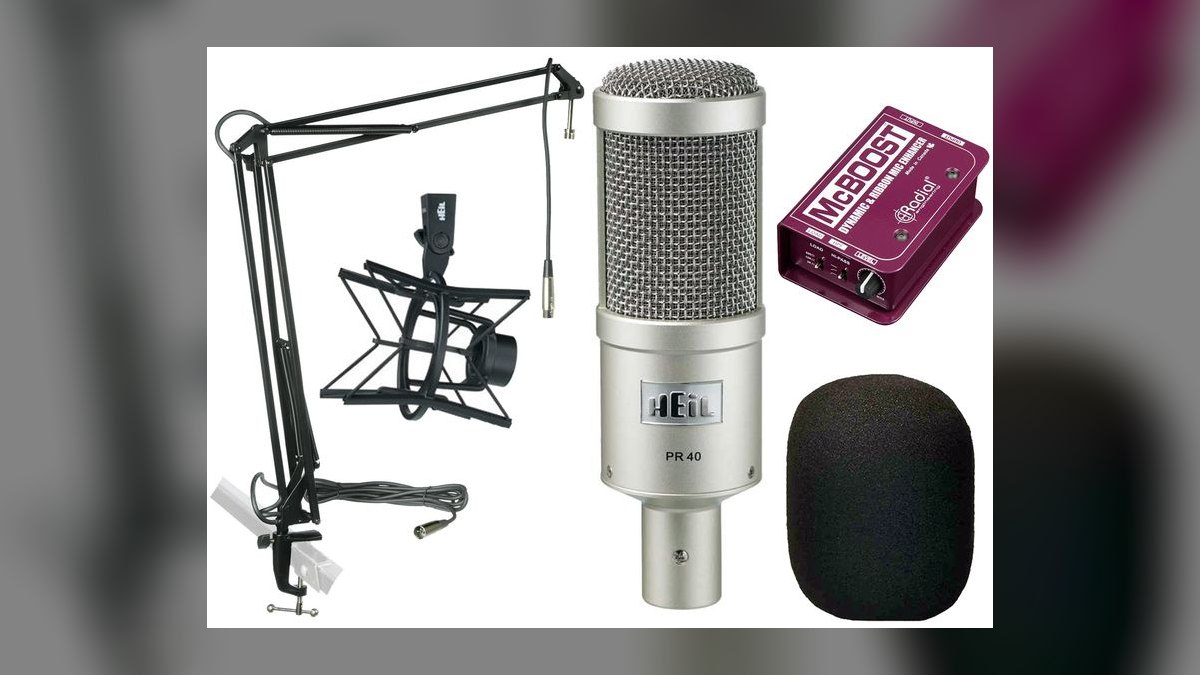
The Heil PR40 sits fourth at $349 on the strength of its near-neutral frequency curve and unusually strong rear rejection. Bob Heil's design uses a large diaphragm with an aluminum voice coil and an internal humbucking coil that kills mains hum outright, which is real value in a home office full of cheap LED lighting. Its output is louder than the SM7B but quieter than the RE320, so mid-tier interfaces drive it cleanly without a booster.
This suits a sales VP recording interview-format episodes where two very different guest voices must mix on one track. The trade is character: neutral means it flatters nobody, so a thin voice stays thin. Against the Electro-Voice RE320 above, it costs $50 more and gives up that mic's forward brightness in exchange for a flatter, more honest curve and better off-axis behavior.
5. Sennheiser MK4
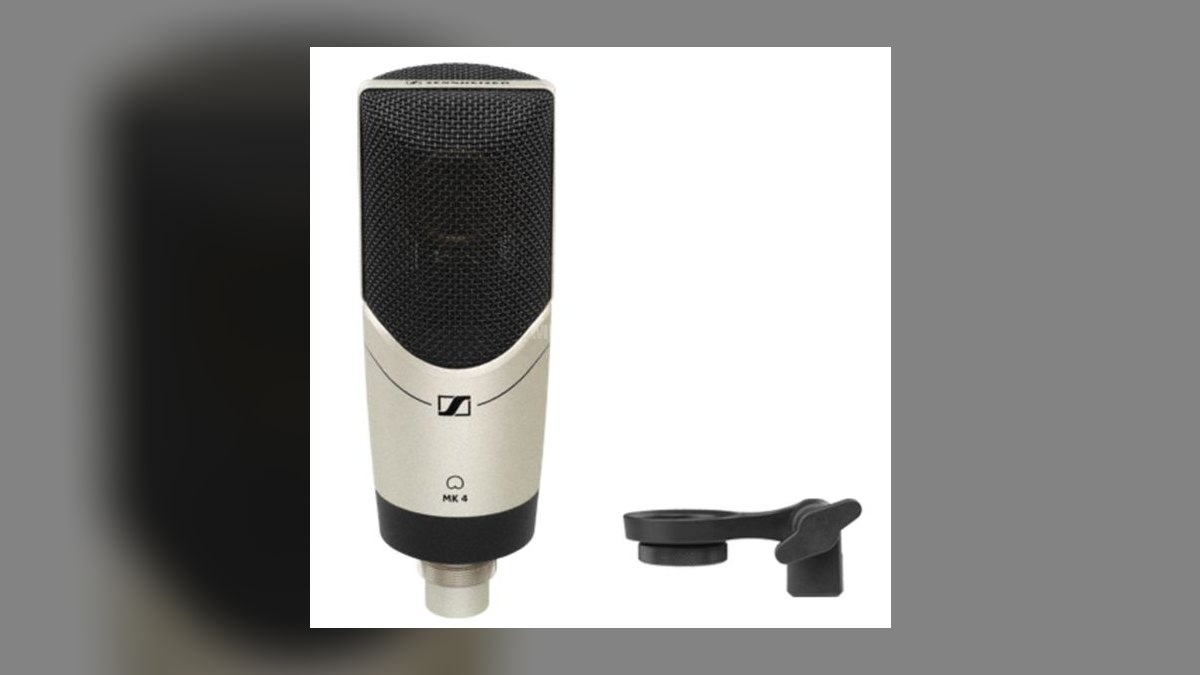
The Sennheiser MK4 ranks fifth at $349 as the first condenser on this list, offering studio-grade capture without the roughly $1,000 of a Neumann TLM 103. Its 1-inch gold-plated diaphragm resolves breath and sibilance in fine detail, with self-noise at a low 10 dB-A and a response running 20 Hz to 20 kHz. The all-metal German build is designed to outlast the show you are starting.
This is for an enablement leader working in a treated home studio or padded closet who also narrates training content. The trade is room dependence: in a glass-walled SDR pod it will capture keyboard clack from three desks away. Against the Heil PR40 above, it delivers far more detail and air, but forfeits the dynamic's tolerance for an untreated, noisy space.
6. Shure SM7B
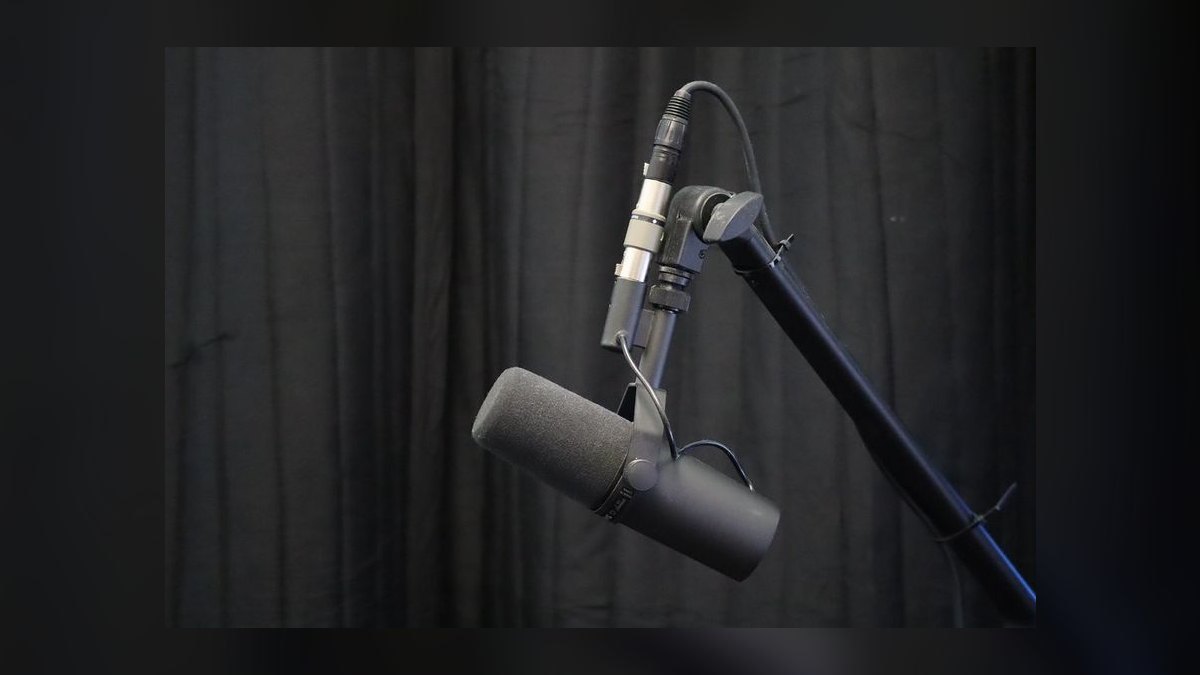
The Shure SM7B still ranks at $399 because it is the single most-recorded podcast microphone in history, and prices dropped about $20 after the SM7dB launched. It features the same capsule, flat broadband response, bass roll-off, and presence-boost switches as its successor, with the only omission being the built-in preamp. This microphone ignores room reflections, tames plosives without an external pop filter, and makes most voices sound expensive. It is a timeless industry standard.
This is for a host who already owns a Cloudlifter CL-1 or a high-gain interface such as a Scarlett 4i4 at $269. The trade is the gain tax: budget $149 for a Cloudlifter or $85 for a Triton FetHead, which erases much of the savings. Against the Shure SM7dB at the top of this list, it is $150 cheaper but only makes sense if that booster is already on your desk.
7. Shure MV7+
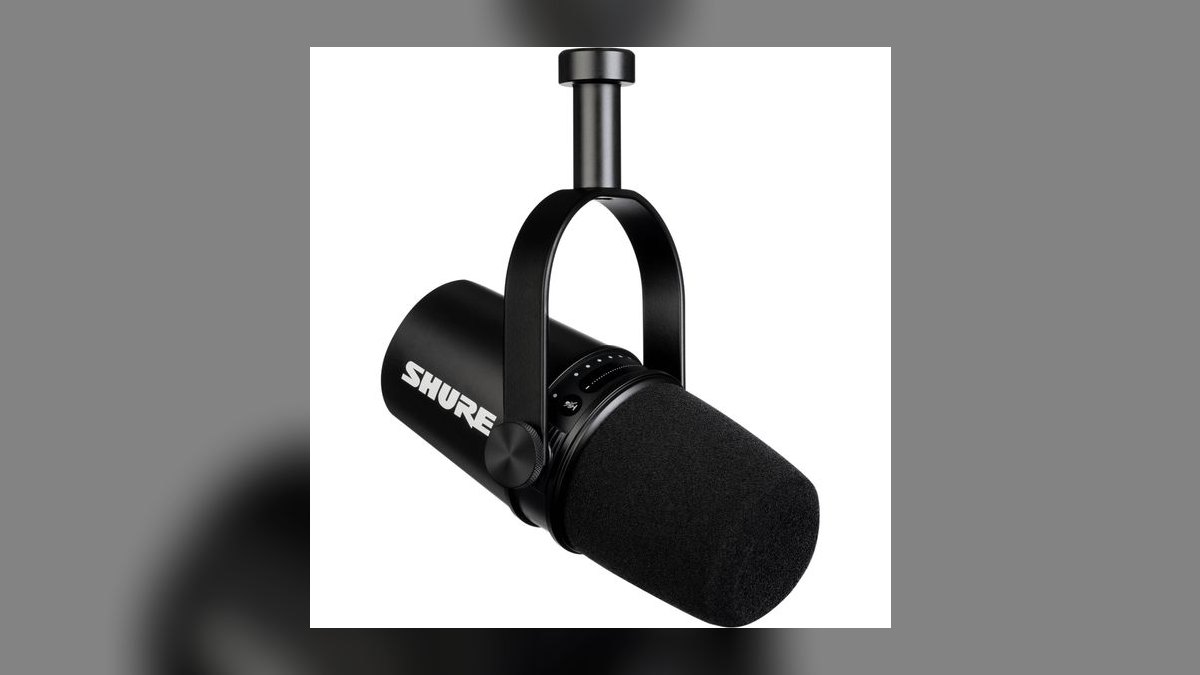
The Shure MV7+ ranks seventh at $279 as the hybrid that puts SM7 character on a plug-and-play mic. It pairs a dynamic capsule with USB-C and XLR outputs, adds a touch-sensitive customizable LED panel, real-time Auto Level Mode, a digital pop filter, Denoiser, and reverb, all controlled in Shure's Motiv app. The USB driver is OBS-certified, so streamers and podcasters share one workflow. Its voice is warm, broadcast-thick, and plosive-tolerant.
This is for a solo host or a two-mic remote interview recorded straight into Riverside or Squadcast, at roughly half the total cost of an SM7 rig. The trade is that the character is SM7-adjacent, not identical, and much of the polish comes from software processing. Against the Shure SM7B above, it saves $120 and skips the Cloudlifter entirely, making it a more convenient, modern choice.
8. Rode NT1 5th Generation
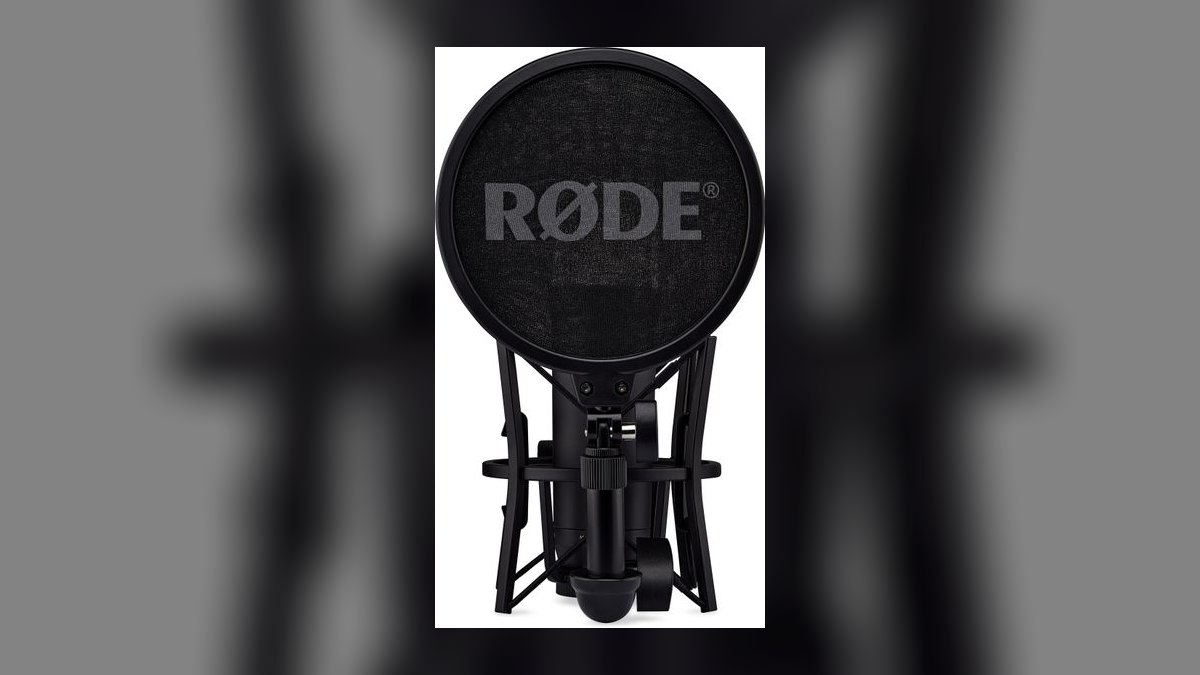
The Rode NT1 5th Gen ranks eighth at $249 largely on two numbers: 4 dB-A self-noise, the quietest large-diaphragm condenser on the market, and 32-bit float over USB that makes recordings effectively unclippable. It carries both USB-C and XLR, and ships with the SM6 shock mount and pop filter worth $59 standalone plus a 10-foot USB-C and 20-foot XLR cable. APHEX DSP is available on the USB path.
This fits a podcasting CRO in a quiet, treated office who wants condenser detail with a safety net against a loud guest laugh. The trade is the same one every condenser makes: an untreated room gets captured in full, so skip it if yours is live. Against the Sennheiser MK4 above, it costs $100 less and adds USB, but the Sennheiser is the more composed capsule.
9. Earthworks Ethos
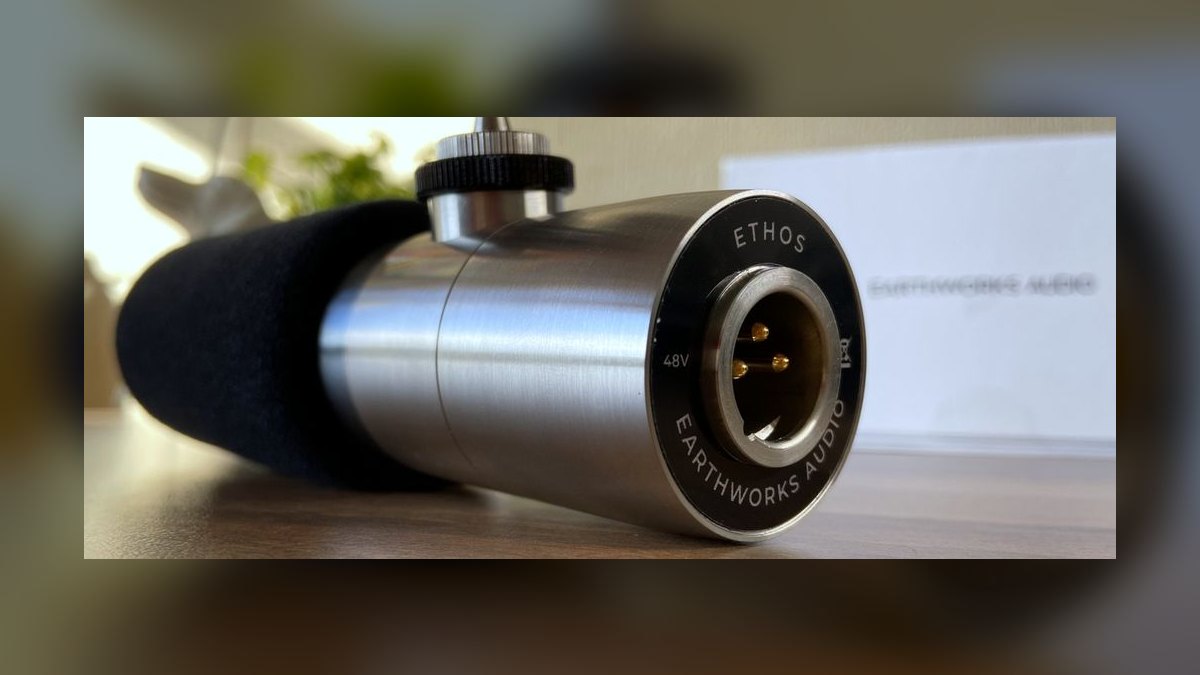
The Earthworks Ethos ranks ninth at $699—held back only by price, since the performance is the best here. It is a broadcast condenser with a hypercardioid pattern that rejects room noise far better than any traditional large-diaphragm design, with response running flat from 20 Hz to 30 kHz and 18 dB-A self-noise. The slim front-address body was designed for desktop podcast use and looks the part on camera. This is a premium, high-performance tool.
This is for a flagship corporate show with a real budget that wants cinematic voice quality while still rejecting HVAC rumble and keyboard noise. The trade is cost and dependency: it needs 48V phantom power and a quality interface, pushing the true spend well past $800. Against the Rode NT1 5th Gen above, it costs roughly $450 more and offers no USB path at all.
10. Audio-Technica BP40
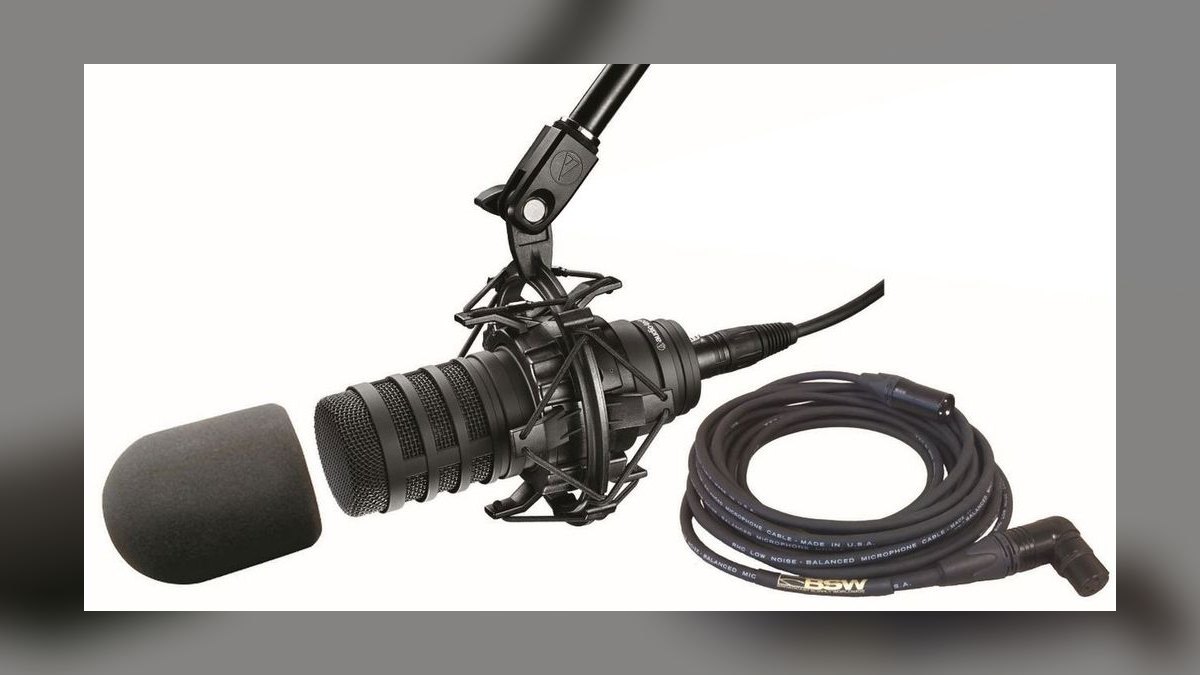
The Audio-Technica BP40 closes the list at $349 as a broadcast dynamic aimed squarely at the Electro-Voice RE320 and Heil PR40. It uses a large-diaphragm hypercardioid pattern, a switchable 100 Hz high-pass filter, and a multi-stage windscreen that flattens plosives. The voicing is deliberately weighted in the lower mids, adding chest and authority to a thin or bright voice. Its output runs hot enough to skip a Cloudlifter on most interfaces.
This is for a quota-carrying AE recording a first podcast whose natural voice needs weight rather than clarity. The trade is that the coloration is baked in—an already-deep voice will sound muddy. Against the Heil PR40 above at the same $349, the Heil is the neutral choice and this is the flattering one; both are XLR-only with no USB or onboard DSP.
How we ranked these
We measured total cost to first usable recording, output level against common interface gain, off-axis rejection in untreated rooms, and whether onboard DSP or hybrid USB/XLR connectivity removes a purchase step. Self-noise figures mattered for condensers, plosive tolerance for dynamics. Street price at the $300-plus tier anchored every comparison.
We deliberately ignored manufacturer frequency-response graphs, which flatten differences that matter more in a room than on paper. We also ignored multi-pattern switching, since a sales podcast records one or two voices from the front and never needs figure-8. Bundled software licenses, colorways, and stand-mount aesthetics carried zero weight. Streaming-adjacent features like RGB lighting were not scored at all.
What to look for
The decision is not the capsule, it is the signal chain. A Shure SM7B at $399 needs a Cloudlifter at $149 or a strong interface, so real cost lands near $600 — the SM7dB at $549 already includes that preamp. Hybrids like the Rode PodMic USB and Shure MV7+ skip the interface entirely. Match the mic to gear you already own before comparing voice character.
The common mistake is buying a condenser for an untreated room. The Sennheiser MK4 and Rode NT1 5th Gen resolve beautifully, then hand you keyboard clack, HVAC hum, and slap-back off drywall. Dynamics like the RE320, PR40, and BP40 forgive bad rooms because they reject everything off-axis. Treat the room first, or buy a dynamic and stop paying for detail you will edit out.
Related questions
What does the built-in preamp on the SM7dB actually replace?
It replaces a Cloudlifter CL-1 at $149 or a Triton FetHead at $85, plus the high-gain interface those inline boosters usually accompany. The switchable +18/+28 dB stage sits inside the mic body, so a $129 Focusrite Scarlett Solo reaches broadcast level with no audible hiss. Same capsule as the SM7B, one fewer box on the desk.
Is a hybrid USB and XLR microphone a real upgrade path?
Yes, when both jacks are engineered rather than bolted on. The Rode PodMic USB and Shure MV7+ record 24-bit over USB-C today and drop into a Rodecaster or interface later without replacing the mic. The catch is that onboard DSP applies only to the USB output, so the XLR signal arrives raw and needs processing elsewhere.
Why do dynamic microphones dominate a list about podcast audio?
Because most sales podcasts get recorded in offices, spare bedrooms, and converted closets rather than treated studios. Dynamics have lower sensitivity and tighter off-axis rejection, so HVAC, keyboards, and wall reflections stay under the noise floor. Seven of the ten picks here are dynamics for exactly that reason. Condensers earn their place only when the room cooperates.
What does 32-bit float recording change for a podcast host?
It effectively removes clipping. The Rode NT1 5th Gen captures such wide dynamic range over USB that a sudden laugh or a shouted product name cannot destroy the take — you pull the level back in post with no distortion. That safety net matters most for interview shows where guest volume is unpredictable and retakes are expensive.
How much does room treatment change which microphone you should buy?
Enormously. In a treated space the Earthworks Ethos or Sennheiser MK4 deliver detail no dynamic matches. In a glass-walled office the same mics capture three desks of keyboard noise. Untreated rooms push you toward the SM7dB, RE320, PR40, or BP40, all of which ignore reflections. Two hundred dollars of panels can change the entire shortlist.
Does the Electro-Voice RE320 really compete with the SM7B?
On voice, yes, and for about $100 less at $299. Variable-D pattern control kills proximity bass buildup, and output runs hotter than the SM7B, so most interfaces drive it without an inline booster. The tonality is brighter and more consonant-forward, which helps product names cut through. It is XLR-only, so budget for an interface if you lack one.
Which microphone flatters a thin or bright speaking voice?
The Audio-Technica BP40 at $349 is weighted intentionally in the lower mids, adding chest and authority to voices that read as light on tape. Its hypercardioid pattern and multi-stage windscreen also handle close-miked plosives well. The Heil PR40 sits at the opposite end — near-neutral, uncolored — which suits hosts who already have a full-bodied voice.
Can these microphones double as your daily video-call setup?
They can, and the USB models make it trivial. The Shure MV7+ and Rode PodMic USB appear as standard input devices in Zoom, Teams, and Meet, with onboard gating and compression already applied. XLR-only picks like the RE320 or Ethos require the interface to stay powered and selected, which is more friction than most sellers tolerate daily.
FAQ
Does spending over $300 on a microphone actually improve a podcast?
It improves the signal chain more than the raw sound. Above $300 you get larger capsules, integrated preamps, hybrid connectivity, and real off-axis rejection. The audible gain over a good $150 mic is modest in a treated room and substantial in a bad one. Buy up for reliability, plosive tolerance, and fewer accessory purchases rather than for dramatic tonal difference.
Do I need an audio interface with every microphone on this list?
No. The Rode PodMic USB, Shure MV7+, and Rode NT1 5th Gen connect straight over USB-C. The SM7dB, SM7B, RE320, PR40, MK4, Ethos, and BP40 are XLR and require an interface — plus 48V phantom power for the three condensers. Check which camp your pick sits in before assuming plug-and-play.
What is the cheapest complete setup that still sounds broadcast quality?
The Rode PodMic USB at $199 with its onboard APHEX processing and headphone jack — no interface, no booster, no software subscription. Select the broadcast preset in Rode Central and record. Total spend stays near $250 with a boom arm. Nothing else on this list reaches usable broadcast tone at that price without additional hardware purchases.
Why does the Shure SM7B still need a Cloudlifter?
Its output is unusually low, roughly 60 dB of clean gain short of what budget interfaces provide. A Cloudlifter CL-1 at $149 or Triton FetHead at $85 adds around 25 dB of quiet boost ahead of the preamp. The SM7dB folds that stage inside the mic, which is the main reason it costs $150 more.
Which microphone works best for two hosts in one room?
Two separate cardioid or hypercardioid dynamics on separate channels, not one shared mic. The BP40, RE320, or a pair of PodMic USB units each reject the other host effectively. Avoid running two condensers side by side in an untreated space — bleed between channels makes editing and level matching far harder than the setup saves.
How long should a microphone at this price last?
Five to ten years is realistic, and often longer. These are metal-bodied, solid-state devices with no consumable parts beyond foam windscreens. The failure risk is the connector and cable, not the capsule. USB-C models carry marginally more obsolescence risk than XLR, though XLR has survived unchanged for decades and shows no sign of moving.
Is the Earthworks Ethos worth $699 over a $349 dynamic?
Only for flagship shows with treated rooms and real production budgets. Its hypercardioid pattern rejects HVAC better than any traditional condenser, and 20 Hz to 30 kHz response yields genuinely cinematic voice. For a weekly enablement podcast recorded between calls, the BP40 or SM7dB delivers most of the perceived quality for half the money.
What accessories should I budget for beyond the microphone itself?
A boom arm at $50 to $120, an XLR cable if not included, and a shock mount unless bundled. The Rode NT1 5th Gen ships with an SM6 shock mount and pop filter worth $59 plus both cables. The SM7dB and SM7B include internal shock mounting and pop filtering, which offsets part of their price.
Does onboard DSP make editing easier or harder?
Easier for solo hosts, harder for anyone who wants control in post. APHEX processing on the PodMic USB and Rode NT1, or Shure's Denoiser and Auto Level Mode, bake compression and gating into the recorded file permanently. That is a gift for a first-time host and a constraint for an editor who prefers raw tracks and manual mixing decisions.
Should I buy the SM7dB or the SM7B plus a Cloudlifter?
Buy the SM7dB at $549 if you own neither. The $150 premium over the SM7B buys the preamp, one fewer cable run, and no external box to power. Choose the SM7B at $399 only if a Cloudlifter, FetHead, or high-gain interface already sits on your desk, in which case you would pay twice for the same function.
Sources
- https://www.soundonsound.com/reviews/rode-nt1-5th-gen
- https://www.musicradar.com/music-tech/microphones/rode-podmic-usb-review
- https://petapixel.com/2023/10/13/shure-sm7db-review-luxurious-perfect-sound-every-time/
- https://www.thepodcasthost.com/equipment/shure-mv7-plus-review/
- https://www.thepodcasthost.com/equipment/the-best-podcasting-microphones-on-the-market/
- https://www.bhphotovideo.com/explora/pro-audio/buying-guide/best-usb-podcast-microphones
- https://theaudacitytopodcast.com/electro-voice-re320-podcasting-mic-review/
- https://www.sweetwater.com/store/detail/SM7dB--shure-sm7db-active-dynamic-microphone/reviews
- https://heilsound.com/product/pr-40/
- https://rode.com/en/microphones/usb/podmic-usb
Related on PULSE
This page will be disappearing soon. Save it to your device for $1 — or read it free while it is here.
@Kory-White- · if Venmo asks, the last 4 of my number are 2012
This page is gone.
This one is off the shelf now. $1 keeps it on your phone for good — the whole page, pictures and diagrams included.
 pulse-reviewsTop 10 TSA-Approved Toiletry Bags for Sales Travel in 2027
 pulse-reviewsTop 10 Hobby CNC Routers — Best Overall + Best Value in 2027
 pulse-reviewsTop 10 Smart Water Bottles — Best Overall + Best Value in 2027
 pulse-reviewsTop 10 Heat-Pump Dryers — Best Overall + Best Value in 2027
 pulse-reviewsTop 10 Cordless Stick Vacuums — Best Overall + Best Value in 2027
 pulse-reviewsTop 10 Compression Socks for Long-Flight Sales Reps in 2027
 pulse-reviewsTop 10 Portable Generators — Best Overall + Best Value in 2027
 pulse-reviewsTop 10 Hobby Oscilloscopes — Best Overall + Best Value in 2027
 pulse-reviewsTop 10 Battery Leaf Blowers — Best Overall + Best Value in 2027
 pulse-reviewsTop 10 Gaming Mice — Best Overall + Best Value in 2027