


How much should you budget for noise-cancelling headphones in 2027?
Quality
Certified
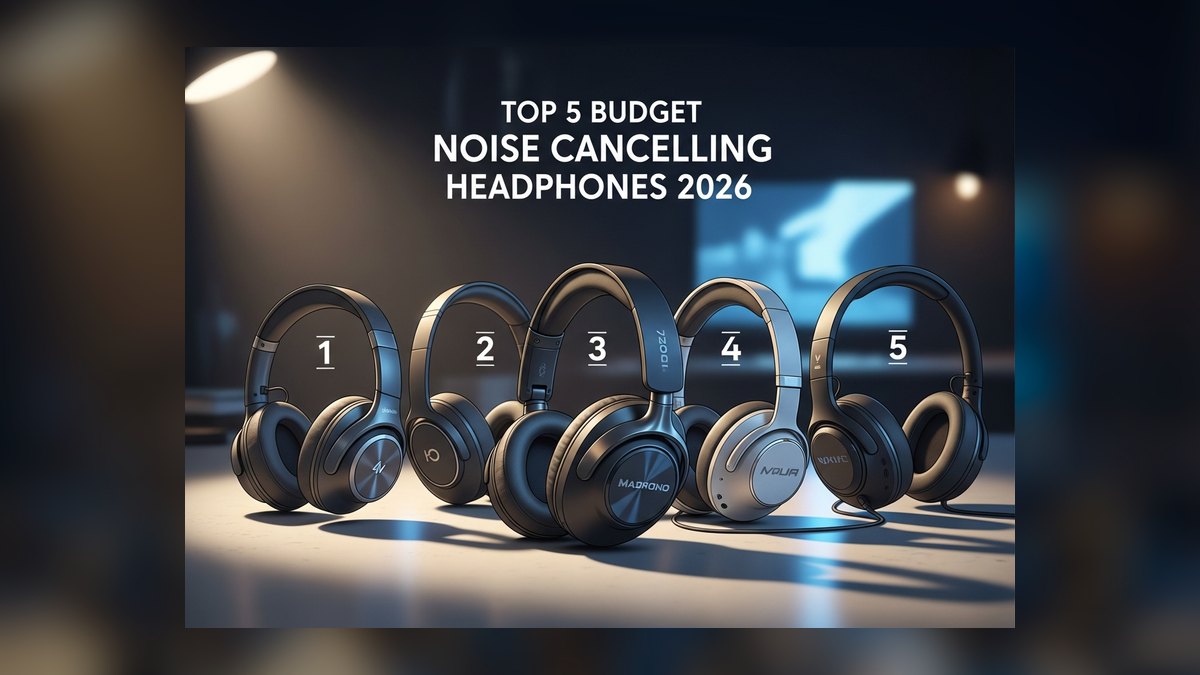
Budget roughly $80–$150 for solid mid-range noise-cancelling headphones in 2027, $250–$400 for flagship over-ears, and $30–$60 for entry-level pairs that still cut steady cabin drone. Add about 15–20% for a replacement earpad set, a case, and the eventual battery-driven upgrade cycle three to five years out.
What a noise-cancelling headphone budget actually buys
The word "budget" hides three separate decisions, and conflating them is why people either overspend or end up with a drawer full of dead plastic. The first decision is the purchase price. The second is the total cost of ownership across the life of the product — pads, cables, cases, and the day the internal battery stops holding charge. The third is the opportunity cost of buying the wrong tier: a $40 pair that you stop wearing after two weeks costs more per hour of actual use than a $300 pair worn daily for four years.
Start with the price tiers, because they are stable and predictable even as specific models rotate. At the bottom, roughly $25 to $60, you get active noise cancellation that works on low-frequency, steady noise: airplane cabin hum, an HVAC blower, the drone of a bus engine. It does very little against voices, keyboard clatter, or a dog barking. Build quality is plastic, the headband padding compresses within a year, and the microphones for calls are usable but unflattering. This tier is genuinely fine if your use case is "sleep on a plane four times a year."
The middle tier, roughly $80 to $180, is where most people should land. Here the noise cancellation gets adaptive — the headphones sample the ambient environment and adjust the cancellation curve — and you start getting multipoint Bluetooth, which lets the headphones stay connected to a laptop and a phone simultaneously. That single feature matters more to a working professional than another 3 dB of cancellation depth, because it removes the twenty-second reconnect dance every time a call comes in. Battery life in this tier runs 30 to 50 hours with ANC on, and the pads are usually user-replaceable.
The flagship tier, roughly $250 to $450, buys three things: the best cancellation across a wider frequency range, notably better call microphones with beamforming arrays, and the transparency mode that actually sounds like the outside world rather than a tinny walkie-talkie. It also buys longevity — the hinges are metal, the pads are stocked as spare parts for years, and firmware updates keep arriving. Whether that premium is worth double the mid-tier price depends entirely on hours of use per week, which is the single most useful number in this whole calculation.
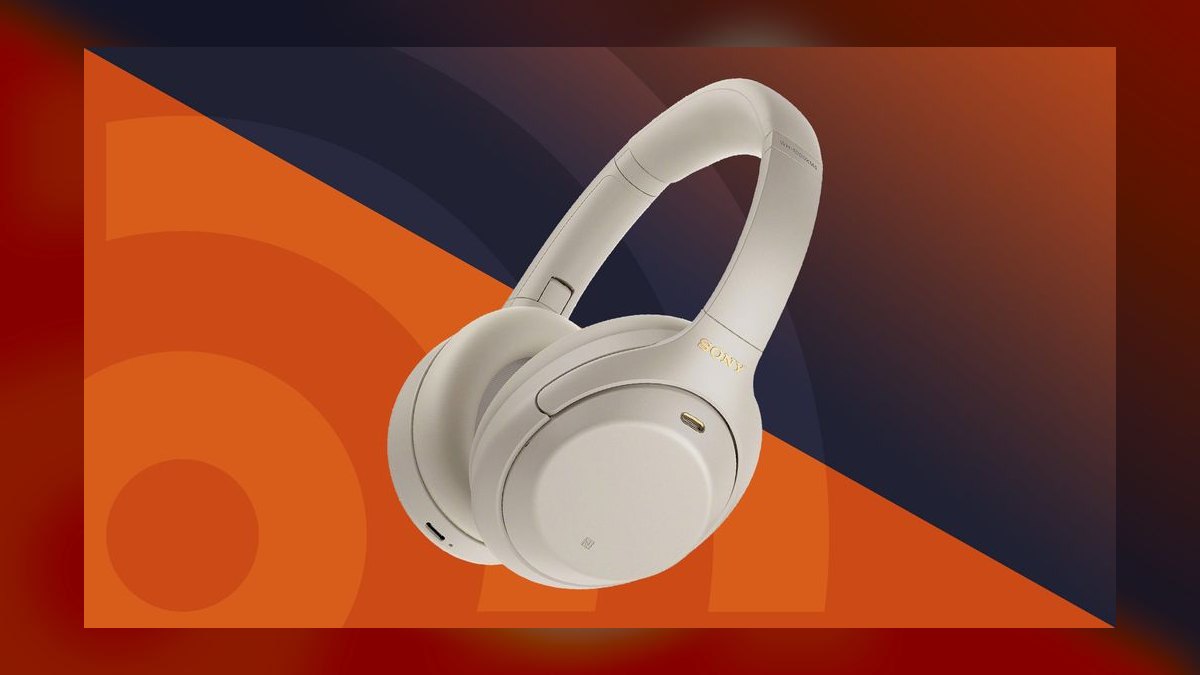
There is a fourth category worth naming: in-ear noise-cancelling earbuds, which typically run $80 to $250. They cancel less low-frequency noise than a sealed over-ear cup, because physics gives an over-ear a passive isolation head start of several decibels before any electronics engage. But they are pocketable, they do not cook your ears in July, and for commuting they are frequently the better real-world answer despite the worse spec sheet.
One more note on how to read prices. Headphone list prices are close to fiction. Flagship models are discounted 25% to 40% within eight to twelve months of launch, and again during major retail sale periods. A $400 headphone is functionally a $260 headphone if you are patient. Build that patience into your budget: decide your tier, then set a target price 30% under list and wait for it, unless you need the thing next Tuesday.
How to size the budget for your actual situation
The process below turns a vague "what should I spend" into a defensible number in about fifteen minutes. Work it in order; each step narrows the range.
Step one: count your hours. Estimate hours of use per week, honestly. Not aspirational hours — actual ones. A hybrid worker in an open-plan office three days a week, wearing them four hours a day, is at roughly 12 hours weekly, or about 600 hours a year. Someone who flies twice a month is at maybe 60 hours a year. Divide the purchase price by expected lifetime hours to get cost per hour. At 600 hours a year over four years, a $350 flagship costs about 15 cents an hour. At 60 hours a year, that same headphone costs $1.46 an hour — ten times more, for the same product.
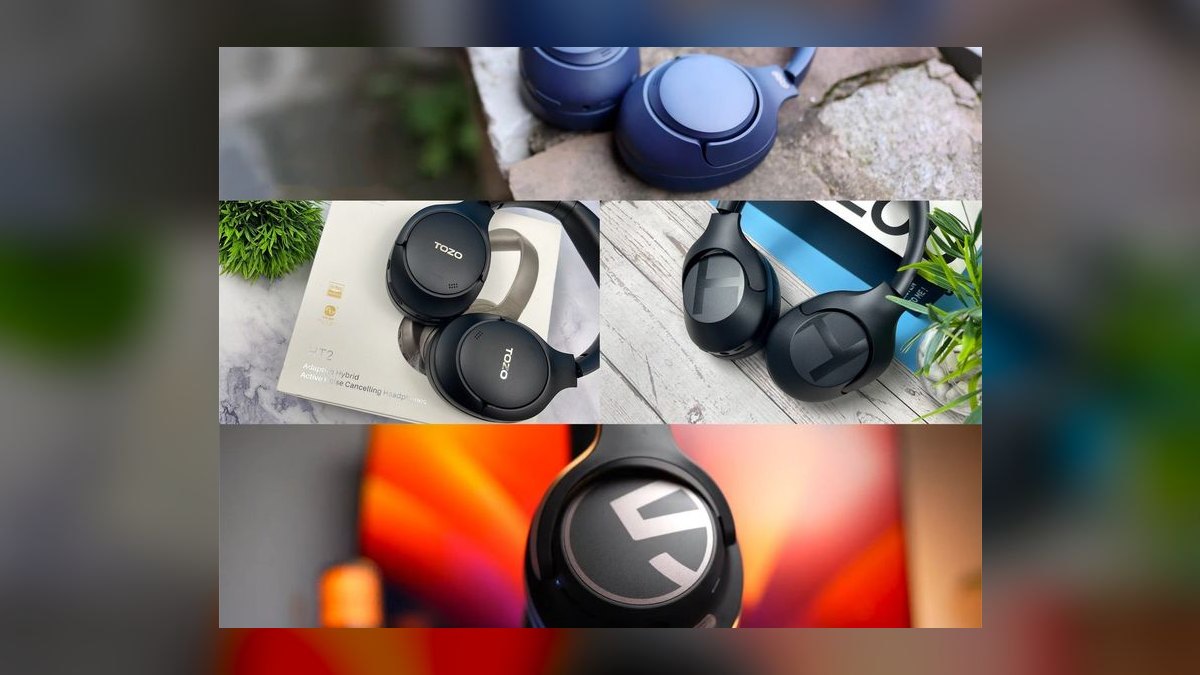
Step two: name the dominant noise. Active cancellation is dramatically better at low frequencies than high ones. Steady low-frequency noise — engines, fans, road rumble, HVAC — is where ANC shines and where even cheap units perform respectably. Speech, sudden clatter, and high-pitched noise are handled mostly by passive isolation, which means clamp force, pad depth, and seal quality. If your problem is a coworker's phone voice six feet away, the budget should skew toward well-sealed over-ears or well-fitting in-ears with good tips, not toward the highest ANC spec number.
Step three: decide on call quality. If you take more than five calls a week on these, the microphone array is not a nice-to-have. Mid-tier call quality is acceptable in a quiet room and degrades badly in wind or a café. This single requirement often pushes a buyer from the $120 tier to the $280 tier, and it is a legitimate reason to spend more.
Step four: add the consumables. Earpads are the wear item. Budget $20 to $40 for a replacement set at roughly the two-year mark, sooner if you are in a warm climate or wear glasses. A hard case is $15 to $30 if not included. A spare USB-C cable and a 3.5mm analog cable are $10 to $20 combined, and the analog cable is worth having because it makes the headphones usable on aircraft entertainment systems and when the battery dies.
Step five: set the replacement horizon. Lithium batteries in headphones typically lose meaningful capacity after roughly 500 charge cycles. For a daily user that lands somewhere in the three-to-five-year range before runtime becomes annoying. A very small number of models have user-replaceable batteries; most do not. Amortize accordingly, and treat any pair you expect to keep past year five as an optimistic assumption rather than a plan.
Costs, timelines, and the numbers behind the ranges
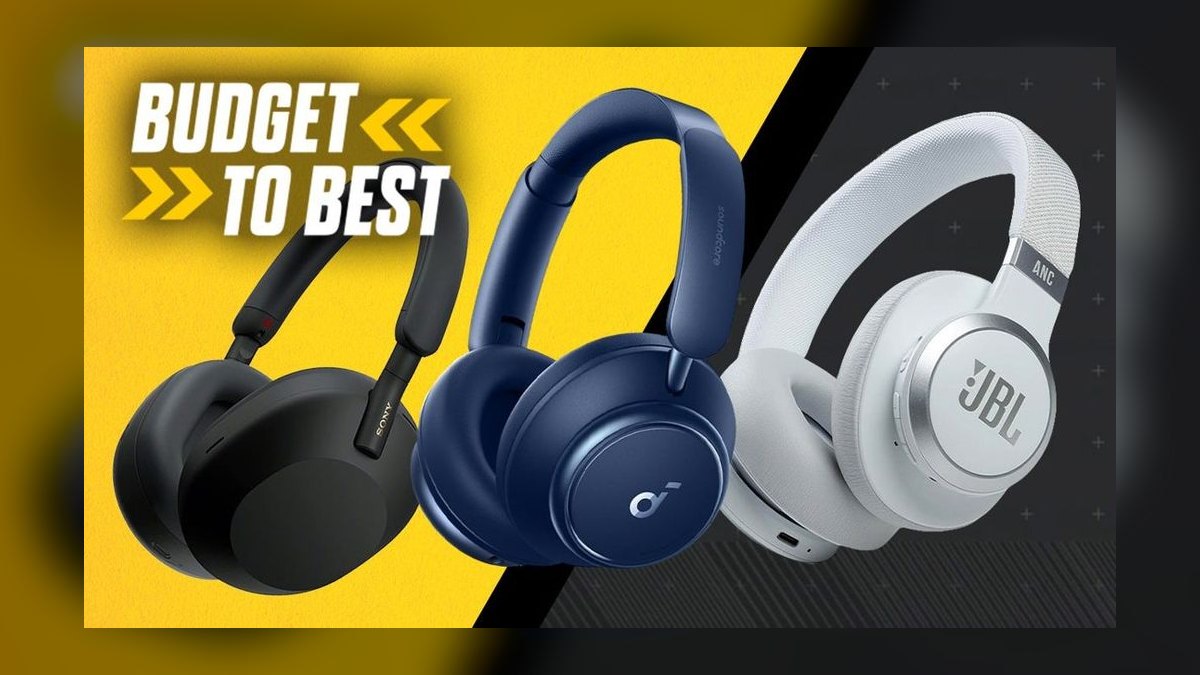
Here is the arithmetic laid out, because a budget is only useful when it is a single number you can defend to yourself or to whoever approves the expense.
The entry scenario. Occasional traveler, 60 hours of use a year, wants engine drone gone and nothing more. Purchase $45. Case included. No pad replacement expected — the product will be retired or lost before pads matter. Total three-year cost: about $45, or roughly 25 cents per hour of use. Recommendation: buy the cheap thing, do not agonize, and accept that voices will come through.
The daily-commuter scenario. 90 minutes of transit daily, five days a week, about 375 hours a year. Purchase $140 for a mid-tier over-ear or $160 for a good in-ear. Add $30 for pads at year two, $20 for a case, $12 for cables. Four-year total: roughly $200 to $220, or about 14 cents per hour. This is the sweet spot for most people, and it is why the $80–$180 band is the default recommendation.
The open-plan knowledge-worker scenario. Six hours a day, four days a week, about 1,200 hours a year — this person wears headphones more than they wear shoes. Purchase $300 for a flagship with strong call microphones and multipoint. Add $35 pads at year two and again at year four, $25 case. Five-year total: roughly $395, or about 6.6 cents per hour. At this usage level the flagship is not a luxury; it is the cheapest option per hour, and the comfort difference over six-hour days is not a marginal preference.
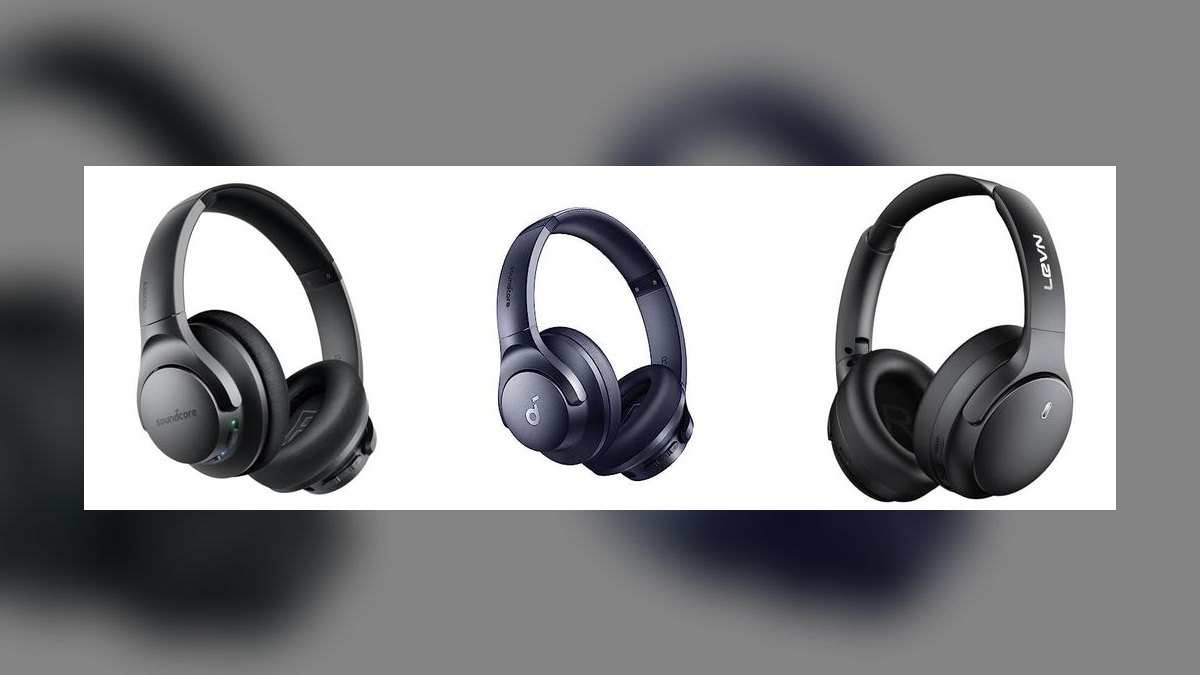
The studio-adjacent or critical-listening scenario. Someone who wants noise cancellation for focus but also cares about sound accuracy often ends up buying twice: a closed-back wired pair for critical work and a noise-cancelling pair for everything else. Budget accordingly — this is a $400 to $600 combined outlay, and pretending one product does both jobs is the most common source of buyer's remorse in this category.
Timelines worth planning around. Flagship refresh cycles run roughly two to three years per model line. The best buying windows are the eight-to-twelve-month mark after a launch, when the street price has settled well under list, and the weeks immediately after a successor is announced, when the outgoing model is cleared out at 40% or more off. If you can tolerate owning last year's flagship, the effective flagship budget drops from $350 to about $200, which changes the whole calculation.
Warranty and repair. Standard manufacturer warranty is typically one year, sometimes two in jurisdictions with statutory consumer-protection minimums. Out-of-warranty repair for a headband or hinge is often close to half the price of a new mid-tier unit, which means for anything under about $150 the rational move is replacement rather than repair. For flagships, check whether the manufacturer sells parts — hinge and pad availability is a real differentiator in total cost of ownership and rarely appears on any spec sheet.
A note on employer reimbursement. Many organizations will cover a headset under an equipment or home-office stipend, particularly when the justification is call quality rather than comfort. If that path exists, the budget conversation changes entirely: the constraint becomes the policy cap, not your wallet, and the right move is to spend to the cap on call microphones and multipoint rather than on cancellation depth.
Where people get the budget wrong
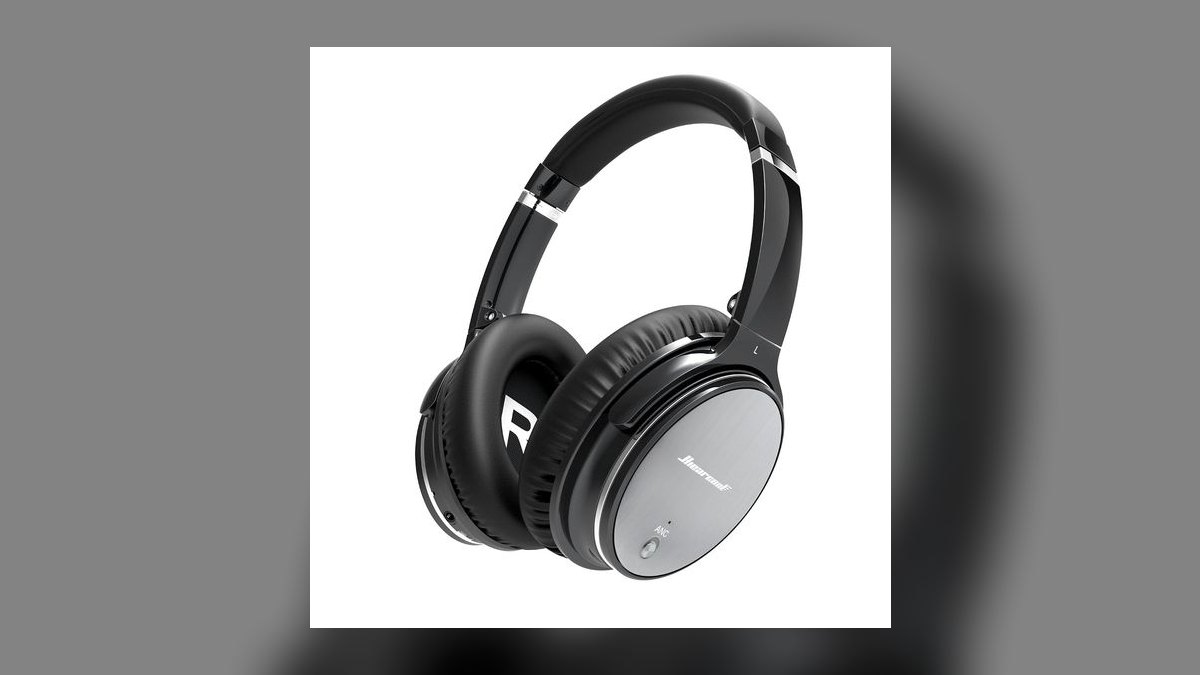
Buying the spec sheet instead of the fit. Cancellation performance depends heavily on seal. A headphone with world-class electronics and a poor seal on your particular head will underperform a cheaper one that fits well. Glasses wearers lose several decibels of passive isolation to the temple arms breaking the pad seal, and no amount of processing fully recovers it. If you wear glasses, weight pad softness and depth heavily in the decision, and treat the return window as part of the purchase.
Ignoring comfort as a budget line. Clamp force and weight determine whether the headphones get worn for six hours or abandoned after ninety minutes. A pair that is uncomfortable has an effective cost per hour approaching infinity, because the hours never accumulate. Comfort is the least measurable and most consequential variable in the entire category.
Overpaying for cancellation you cannot use. The difference between good and best-in-class cancellation is real but compressed — it is the last few decibels, and it costs the most. If your environment is a moderately noisy home office rather than a wide-body jet at cruise, the marginal value of that last increment is small. Spend the difference on comfort or call quality instead.
Forgetting the analog cable. Bluetooth-only models become paperweights when the battery dies mid-flight, and some aircraft systems still expect a 3.5mm jack. A model with a wired fallback has meaningfully more usable life. This is a $0 to $20 consideration that people discover at the worst possible moment.
Treating earbuds and over-ears as interchangeable. They solve overlapping but distinct problems. Over-ears win on cancellation depth, battery life, and long-session comfort in cool environments. In-ears win on portability, heat, and wearing them under a hood or helmet. Budgeting for one when you needed the other is a full-price mistake, not a partial one.
Underestimating the second pair. A surprising number of people end up owning both: over-ears for the desk, buds for the walk. If you suspect that is you, do not spend the entire budget on one item. Split it — $180 over-ear plus $90 buds beats a single $270 over-ear for a lot of real-world usage patterns.
Chasing codec specifications. Bluetooth codec support gets disproportionate attention in reviews relative to its audible impact for most listeners in noisy environments — which is, by definition, where noise-cancelling headphones get used. Ambient noise raises the masking floor far above the level where codec differences are detectable. Prioritize fit, cancellation, and microphone quality; treat codec support as a tiebreaker at most.
Buying at list price on launch week. Covered above, but it bears repeating because it is the single largest avoidable cost in this category. Patience is worth 25% to 40%.
Choosing between tiers: a decision framework
Use this when you have a number in mind and want to confirm it is the right number. The logic runs from constraint to conclusion, and the honest answer is sometimes "spend less than you were planning to."
If the headphones will live in a bag and come out a few times a year, the correct budget is the entry tier and the correct amount of research is fifteen minutes. Depreciation, loss risk, and low utilization all argue against spending. If they will be worn for hours daily, the correct budget is whatever buys genuine all-day comfort and reliable call microphones, because at high utilization the per-hour cost of the expensive option is lower than the per-hour cost of the cheap one.
If the primary problem is concentration in a room with human speech, weight the decision toward passive isolation and fit, and consider whether the actual answer is a well-sealed over-ear plus a masking sound source rather than the most aggressive cancellation on the market. Noise cancellation and sound masking are complementary tools, and people routinely buy the first when the second would have solved the problem for less.
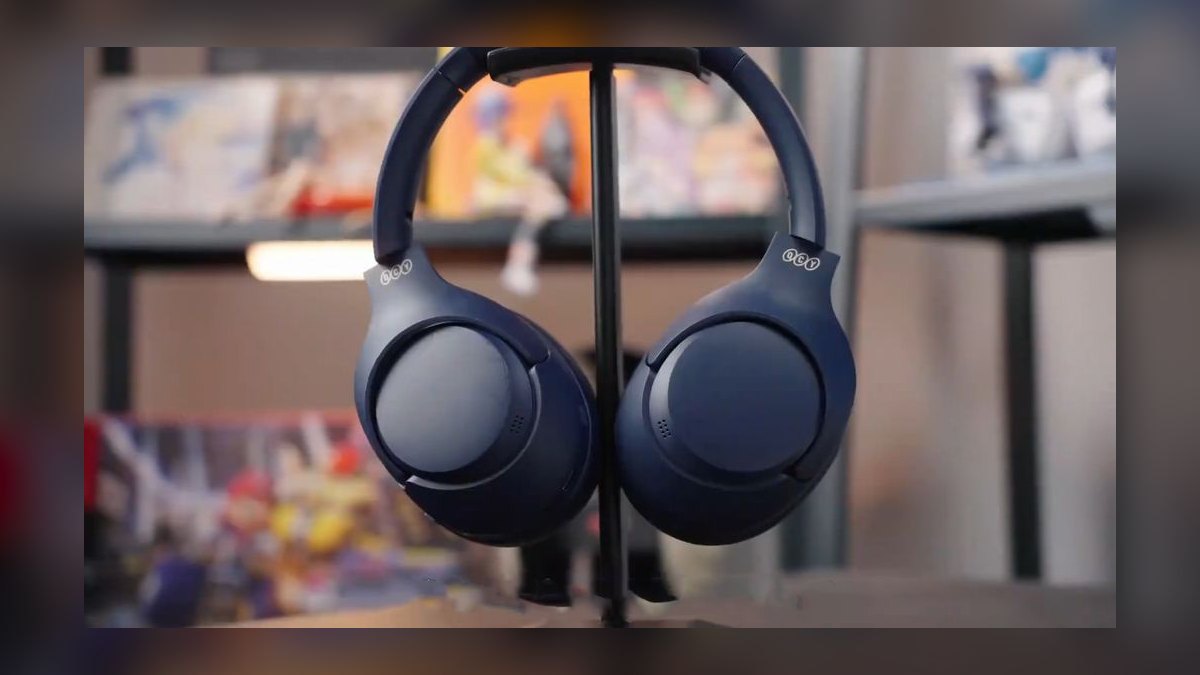
If the primary problem is travel — long-haul flights, trains, transit — cancellation depth at low frequencies is the dominant variable, battery life above 30 hours matters, and a case and analog cable are non-negotiable. This is the one use case where flagship spending is most clearly justified on performance grounds alone.
If a budget cap is externally imposed — an employer stipend, a fixed allowance — spend to the cap on the features that degrade the experience most when absent: comfort, multipoint, and microphones. Cancellation depth is the feature most gracefully degraded by a lower tier.
Adjacent purchases that change the math
A headphone budget rarely sits alone. Three neighboring decisions frequently absorb part of it, and knowing that up front prevents the classic mistake of solving one problem twice.
Dedicated conference headsets. If your primary need is calls rather than focus, a purpose-built mono or stereo headset with a boom microphone outperforms a $400 consumer flagship on call clarity, usually at $80 to $200. The boom puts the microphone near the mouth, which beats any amount of beamforming from an ear cup. If half your headphone hours are meetings, seriously consider a boom headset for the desk and a cheaper pair for everything else.
Sound masking and acoustic treatment. For a home office, a white-noise source or basic acoustic panels can address the same problem as cancellation for a fraction of the money, and without wearing anything. A $30 fan or masking speaker plus $100 of panels changes the room permanently, whereas headphones only help the person wearing them. For households where the noise runs both directions, treating the room is often the better allocation.

Wired closed-back monitors. If sound quality is the actual goal and cancellation is secondary, a $100 to $200 wired closed-back pair delivers better accuracy than a similarly priced noise-cancelling model, because none of the budget goes to batteries, radios, and processing. Cancellation is expensive; if you do not need it, do not pay for it.
Sleep and hearing-protection products. For sleeping or for genuinely loud environments — power tools, motorsport, industrial settings — noise-cancelling consumer headphones are the wrong product. Passive hearing protection rated for the actual sound pressure level, at $20 to $60, is both safer and more effective. Consumer ANC is designed for comfort in moderate noise, not for protecting hearing at high levels, and conflating the two is a genuine safety issue rather than a budgeting one.
Replacement and resale. Well-known flagship models retain resale value reasonably well in the first two years, which lowers the effective cost of buying up. If you sell a two-year-old flagship for roughly a third of its street price and put that toward the successor, the flagship upgrade cycle costs less per year than it appears. Mid-tier and entry models have effectively no resale market, so that lever only exists at the top of the range.
Related questions
Are cheap noise-cancelling headphones worth buying?
Yes, for low-frequency drone on occasional trips. Under $60 you get real cancellation of engine and fan noise, weak performance against voices, and short-lived padding. If you use them under about 100 hours a year, the cheap tier is the rational choice.
How long do noise-cancelling headphones last?
Typically three to five years for a daily user, limited by battery capacity rather than by drivers or electronics. Earpads wear out sooner — around two years. Models with replaceable pads and a wired fallback stay useful considerably longer than sealed, wireless-only designs.
Do noise-cancelling headphones help with voices?
Only partly. Active cancellation targets steady low-frequency sound; speech sits mostly above where it works well. Blocking voices depends on passive isolation — pad depth, clamp force, and seal — so fit matters more than the cancellation spec on the box.
Should I buy over-ear or in-ear for noise cancellation?
Over-ears cancel more low-frequency noise and last longer per charge; in-ears are portable and cooler in warm weather. For flights and desks choose over-ear. For commuting, gyms, and anything under a hood or helmet, choose in-ear.
When is the best time to buy?
Roughly eight to twelve months after a model launches, once street prices settle 25% to 40% under list, or immediately after a successor is announced and the outgoing model is cleared. Buying at list on launch week is the most expensive possible timing.
FAQ
How much should I budget for noise-cancelling headphones in 2027?
Plan on $80 to $150 for a solid mid-range pair, $250 to $400 for a flagship, and $30 to $60 for entry-level. Then add 15% to 20% for replacement earpads, a case, and cables. If you use them more than eight hours a week, the higher tier usually costs less per hour of actual use.
Is a $400 pair actually four times better than a $100 pair?

No. The performance curve flattens steeply above roughly $200. What the extra money buys is comfort over long sessions, noticeably better call microphones, wider-band cancellation, and parts availability — not four times the noise reduction. Whether that is worth it depends almost entirely on how many hours per week you wear them.
What hidden costs should I include in the budget?
Replacement earpads at $20 to $40 every couple of years, a hard case at $15 to $30 if not bundled, a 3.5mm analog cable at around $10, and a USB-C cable. For heavy users, factor in the eventual battery-driven replacement at the three-to-five-year mark, since most models do not have user-serviceable batteries.
Do I need noise cancellation at all, or just good isolation?
If your noise is steady and low-frequency — engines, HVAC, road rumble — active cancellation is genuinely transformative and worth paying for. If it is voices and intermittent clatter, a well-sealing passive closed-back pair plus a sound-masking source can solve the problem for less money and with no battery to manage.
Should the budget change if my employer is paying?
Yes, and the priorities shift. Spend to the policy cap on call microphones, multipoint connectivity, and comfort, since those are what degrade the daily experience. Cancellation depth is the feature that tolerates a lower tier most gracefully. Also check whether a boom-mic headset is reimbursable, since it beats consumer flagships on call clarity per dollar.
Can noise-cancelling headphones protect my hearing in loud environments?
No. Consumer noise-cancelling headphones are designed for comfort in moderate noise, not as hearing protection. For power tools, industrial settings, or motorsport, buy passive protection rated for the actual sound pressure level. Treating an ANC headphone as safety equipment is a genuine risk, not a budgeting trade-off.
Sources
- https://www.consumerreports.org/electronics-computers/headphones/
- https://www.rtings.com/headphones
- https://www.cdc.gov/niosh/noise/default.html
- https://www.osha.gov/noise
- https://www.nidcd.nih.gov/health/noise-induced-hearing-loss
- https://www.bluetooth.com/learn-about-bluetooth/tech-overview/
- https://www.nytimes.com/wirecutter/reviews/best-noise-cancelling-headphones/
- https://www.who.int/news-room/fact-sheets/detail/deafness-and-hearing-loss
Related on PULSE
- How much should you budget for a standing desk in 2027?
- What should a home-office equipment stipend actually cover?
- How do you justify hardware spend to finance without a business case?
- What is total cost of ownership and how do you calculate it?
- How much should a remote team budget for onboarding equipment?
- When should you repair hardware instead of replacing it?
This page will be disappearing soon. Save it to your device for $1 — or read it free while it is here.
@Kory-White- · if Venmo asks, the last 4 of my number are 2012
This page is gone.
This one is off the shelf now. $1 keeps it on your phone for good — the whole page, pictures and diagrams included.
 pulse-reviewsTop 10 TCL TVs — Best Overall + Best Value in 2027
 pulse-reviewsTop 10 Standing Desks Under $500 in 2027
 pulse-reviewsTop 10 Phone Cooling Fans — Best Overall + Best Value in 2027
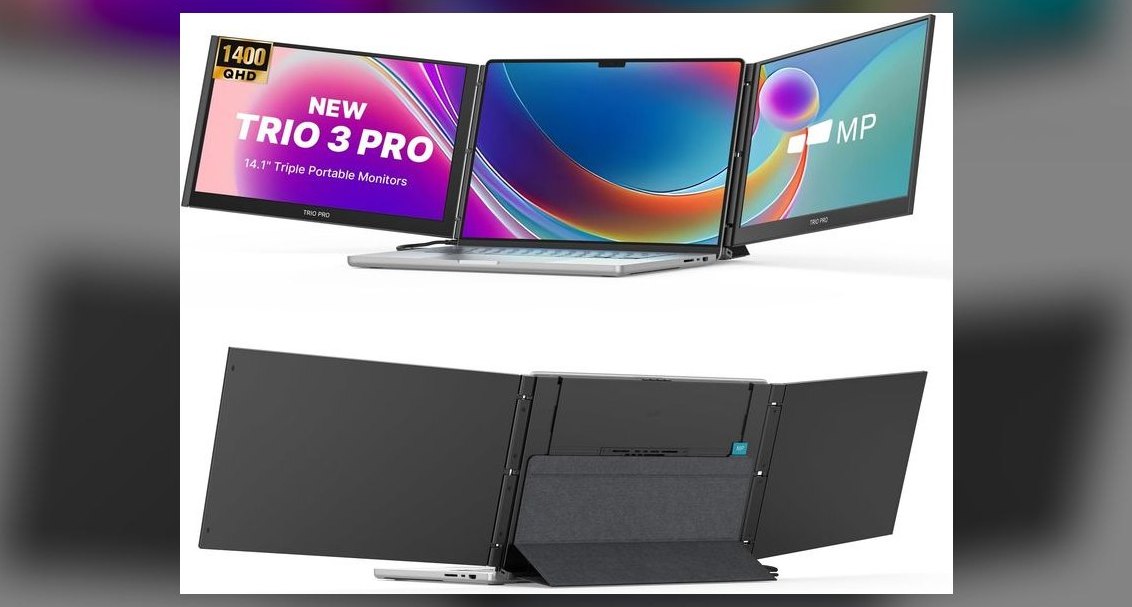 pulse-reviewsTop 10 Laptop Screen Extenders — Best Overall + Best Value in 2027
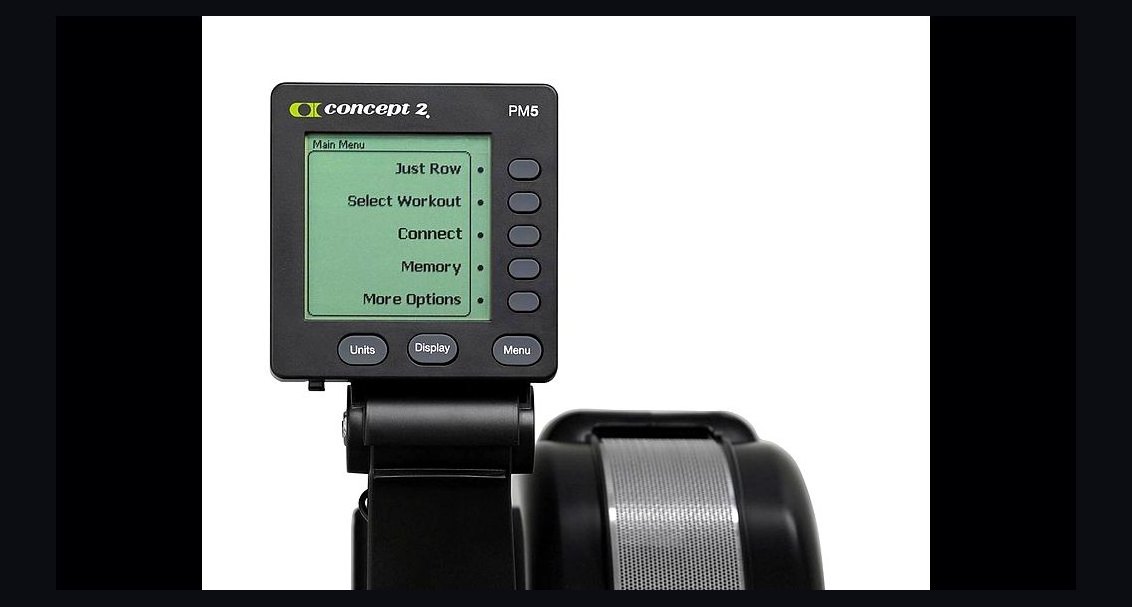 pulse-reviewsTop 10 Rowing Machines — Best Overall + Best Value in 2027
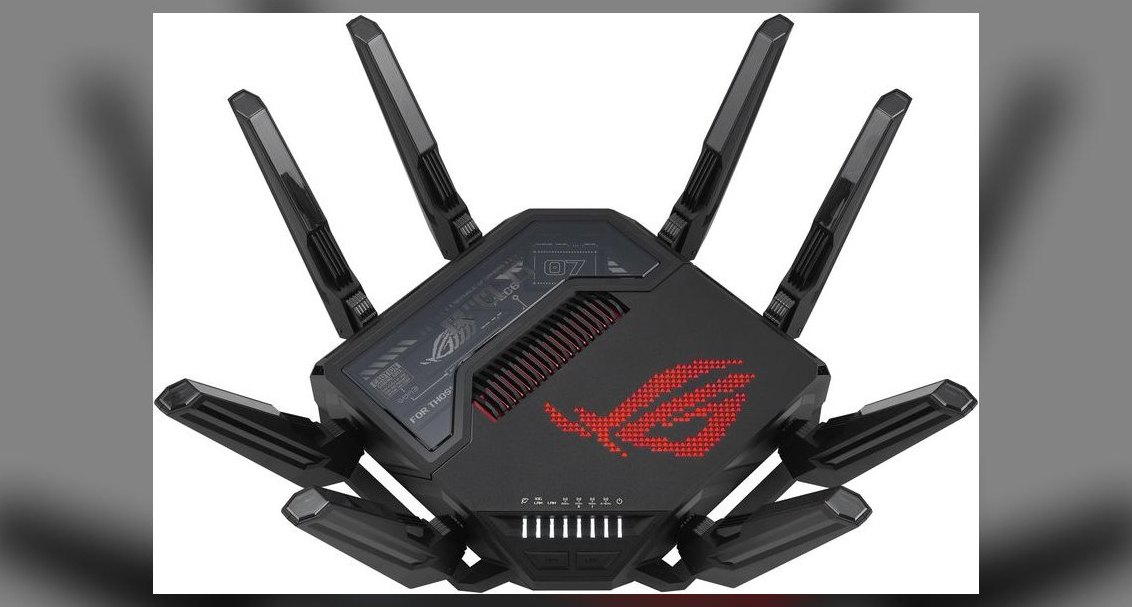 electronic-reviewTop 10 Wireless Routers for Large Homes — Best Overall + Best Value in 2027 in 2027
 pulse-reviewsTop 10 Smart Pill Dispensers — Best Overall + Best Value in 2027
 electronic-reviewTop 10 Wireless Charging Stations — Cost to Charge in 2027
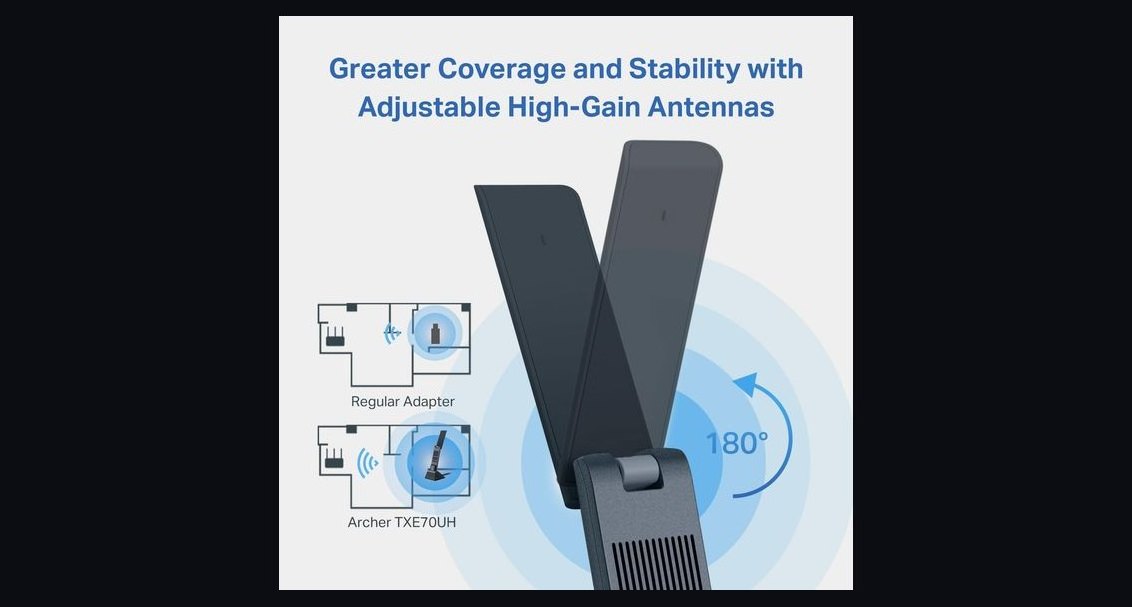 pulse-reviewsTop 10 WiFi 6E USB Adapters — Best Overall + Best Value in 2027
 pulse-reviewsTop 10 AV Receivers — Best Overall + Best Value in 2027