
Top 10 Best Places to Buy a Vineyard or Winery in 2027
 Curated byKory White · Fractional CRO · Maryland
 PULSEKNOWLEDGE LIBRARY
Quality
Certified
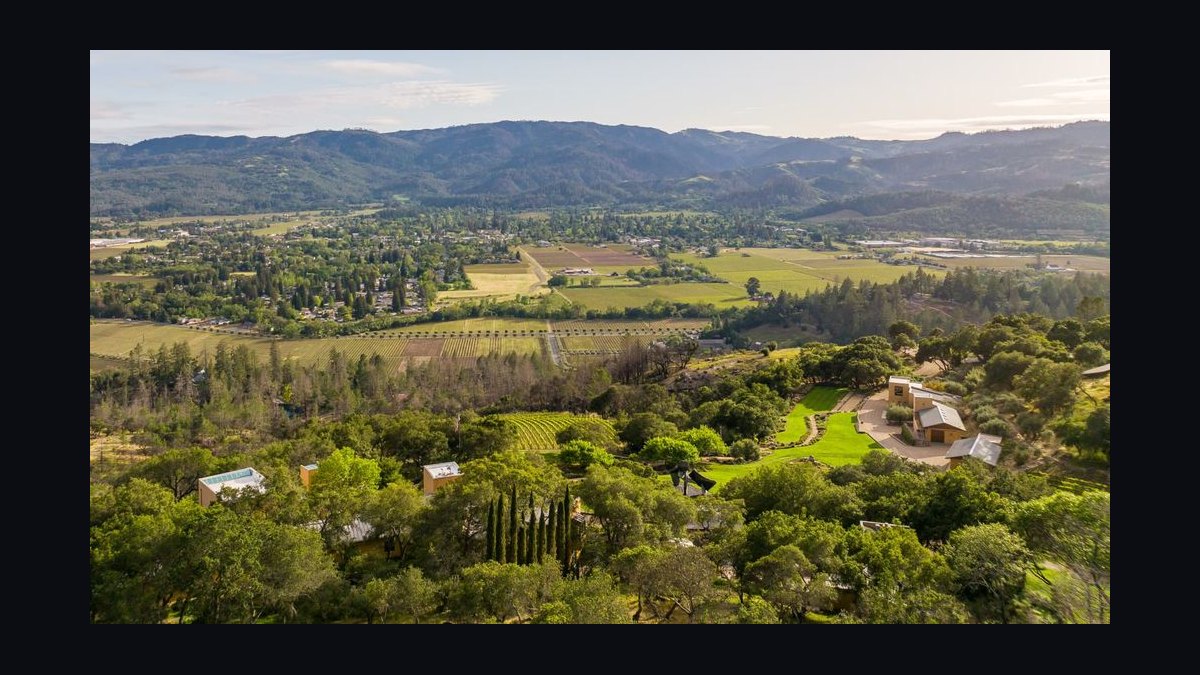
The Best Overall place to buy a vineyard or winery in 2027 is Napa Valley, California, where planted vineyard land commonly runs $300,000 to $1M+ per acre and producing wineries trade in the multi-millions, because no region on earth pairs Napa's brand power, tourism demand, and proven cabernet pricing — it is the safest place to turn grapes into a premium-priced, sellable asset.
The Best Value pick is Walla Walla / Columbia Valley, Washington, where excellent vineyard land can still be found from roughly $15,000 to $50,000 per acre while producing world-class cabernet and syrah at a fraction of Napa's entry cost.
This list is for buyers who want a real wine-country asset — a lifestyle estate, a working winery, or an investment — whether the budget is a few hundred thousand for raw land in an emerging region or many millions for an established Napa brand. Every region and price below reflects real, current 2026–2027 market conditions.
How We Ranked the Top 10
We weighted each region against what real vineyard and winery buyers evaluate: not just romance, but the economics of growing, making, and selling wine. We leaned on published data from land brokers, Mansion Global, Robb Report, Wine Spectator, Wine Business Monthly, regional AVA data, and USDA/extension vineyard-economics guides. The weighting:
- Wine quality and brand strength — 25%
- Land value and entry cost — 20%
- Sales channel and tourism demand — 20%
- Climate and growing conditions — 15%
- Regulatory and water situation — 10%
- Lifestyle and appreciation potential — 10%
A region that grows great grapes but has no buyers, no tourism, or impossible water rules drops fast. The winners balance quality, economics, and demand.
1. Napa Valley, California 🏆 BEST OVERALL
Type: Premium established region | Entry price: $0.3M–$1M+ per planted acre | Best for: Buyers who want the safest premium wine asset
Napa Valley is the most valuable and bankable wine region in America. Its 16 sub-AVAs — from Oakville and Rutherford to Howell Mountain and Stags Leap District — produce cabernet sauvignon that commands the highest grape and bottle prices in the country, with cult wines selling for hundreds of dollars a bottle. Planted vineyard land commonly trades from $300,000 to over $1M per acre depending on the sub-AVA, and producing wineries with brands and permits sell in the tens of millions. Tourism is enormous — Napa draws millions of visitors annually — giving direct-to-consumer sales unmatched strength. The buyer here wants the lowest-risk path to a premium, sellable wine asset and accepts the highest entry price to get it.
Pros:
- Unmatched brand power and highest grape/bottle pricing
- Enormous tourism and direct-to-consumer demand
- Deep buyer pool — assets are genuinely liquid
- Proven, world-class cabernet terroir
Cons:
- Highest land and winery entry costs anywhere
- Strict permitting and limited new-winery use permits
Verdict: The safest premium pick — the most valuable, liquid, and brand-strong wine region in America.
2. Walla Walla / Columbia Valley, Washington 💎 BEST VALUE

Type: Premium emerging region | Entry price: $15k–$50k per planted acre | Best for: Buyers who want world-class wine at a fraction of Napa's cost
Walla Walla and the broader Columbia Valley are Washington's quality leaders and the best value in American wine country. The region produces highly rated cabernet sauvignon, syrah, and merlot — with wineries like Leonetti, Cayuse, and L'Ecole No 41 earning national acclaim — yet planted vineyard land commonly runs just $15,000 to $50,000 per acre, a fraction of Napa. The continental climate yields ripe, structured reds, and a growing tourism scene supports tasting-room sales. The buyer here wants genuine premium quality and real appreciation upside without paying California prices, and is comfortable in a still-maturing region.
Pros:
- World-class cabernet and syrah at low land cost
- Strong and rising critical acclaim
- Growing tourism and tasting-room demand
- Major appreciation upside versus established regions
Cons:
- Smaller buyer pool than California
- Cold-snap frost risk in some years
Verdict: The value champion — premium-quality wine country at a fraction of Napa's entry price.
3. Sonoma County, California

Type: Premium established region | Entry price: $0.1M–$0.4M per planted acre | Best for: Buyers who want diversity, lifestyle, and strong brand at below-Napa prices
Sonoma County offers nearly Napa-level prestige with more diversity and lower entry costs. Across 18 AVAs — including the Russian River Valley, Sonoma Coast, Alexander Valley, and Dry Creek Valley — it grows acclaimed pinot noir, chardonnay, zinfandel, and cabernet. Planted vineyard land commonly runs $100,000 to $400,000 per acre, well below Napa, while still benefiting from huge San Francisco-area tourism and DTC demand. The buyer here wants a strong brand, a wide range of varietals, and a more relaxed lifestyle than Napa, with appreciation potential and a deep market.
Pros:
- Strong brand at meaningfully lower cost than Napa
- Wide varietal diversity across 18 AVAs
- Heavy Bay Area tourism and DTC demand
- More relaxed lifestyle and abundant scenery
Cons:
- Still expensive in premium AVAs
- Wildfire risk and rising insurance costs
Verdict: The diversified prestige pick — near-Napa brand and demand with more variety and lower entry.
4. Willamette Valley, Oregon

Type: Premium pinot noir region | Entry price: $40k–$150k per planted acre | Best for: Buyers focused on world-class pinot noir and cool-climate quality
Willamette Valley is America's premier pinot noir region and a magnet for quality-focused buyers. Its cool, marine-influenced climate across sub-AVAs like Dundee Hills, Eola-Amity Hills, and Ribbon Ridge produces elegant pinot noir and chardonnay that earn strong critical scores and have attracted significant investment, including from Burgundian producers. Planted vineyard land commonly runs $40,000 to $150,000 per acre — far below California — with a vibrant Portland-area tourism base. The buyer here wants a globally respected pinot noir asset with real appreciation history and a lower entry than Napa or Sonoma.
Pros:
- World-class pinot noir reputation
- Strong appreciation and outside investment interest
- Lower land costs than California premium regions
- Active Portland tourism and DTC scene
Cons:
- Pinot-centric, less varietal flexibility
- Vintage variation from cool, wet years
Verdict: The pinot noir pick — a globally respected cool-climate asset at sub-California prices.
5. Paso Robles, California

Type: Growing premium region | Entry price: $30k–$100k per planted acre | Best for: Buyers who want California acclaim and acreage at a relative discount
Paso Robles on California's Central Coast is one of the fastest-rising regions, known for bold cabernet, zinfandel, and Rhône varietals (syrah, grenache, mourvèdre). With 11 sub-AVAs and a warm, dry climate, it produces highly rated reds while land remains far cheaper than Napa or Sonoma — commonly $30,000 to $100,000 per acre. Tourism is growing strongly along the Highway 46 corridor. The buyer here wants real California quality and brand, more acreage for the money, and appreciation upside, accepting that water management is the key diligence item.
Pros:
- Strong, rising acclaim for bold reds and Rhône varietals
- Far more affordable than Napa/Sonoma
- Fast-growing tourism and tasting-room traffic
- Larger parcels available for the budget
Cons:
- Water availability and groundwater rules are critical diligence
- Hot climate requires careful site and varietal selection
Verdict: The rising-star pick — California quality and acreage at a relative discount, water diligence required.
6. Finger Lakes, New York

Type: Cool-climate emerging region | Entry price: $10k–$40k per planted acre | Best for: East Coast buyers who want riesling and proximity to big markets
The Finger Lakes is the East's premier wine region and the best entry point for buyers who want to be near New York, Boston, and Philadelphia markets. Its deep glacial lakes moderate the climate, producing acclaimed riesling and growing cabernet franc and sparkling programs from producers like Dr. Konstantin Frank and Hermann J. Wiemer. Planted vineyard land is among the most affordable in quality wine country — commonly $10,000 to $40,000 per acre — with strong regional tourism.
The buyer here wants an affordable working winery near huge Eastern markets and a distinctive cool-climate identity.
Pros:
- Affordable land near major Eastern markets
- World-class riesling and rising cabernet franc
- Strong regional tourism along the lakes
- Lake-moderated climate reduces winter risk
Cons:
- Cold winters limit some varietals
- Smaller premium-pricing ceiling than the West
Verdict: The East Coast pick — affordable, market-close wine country with a strong riesling identity.
7. Texas Hill Country, Texas
Type: Fast-growing tourism region | Entry price: $20k–$80k per planted acre | Best for: Buyers who want booming tourism and no state income tax
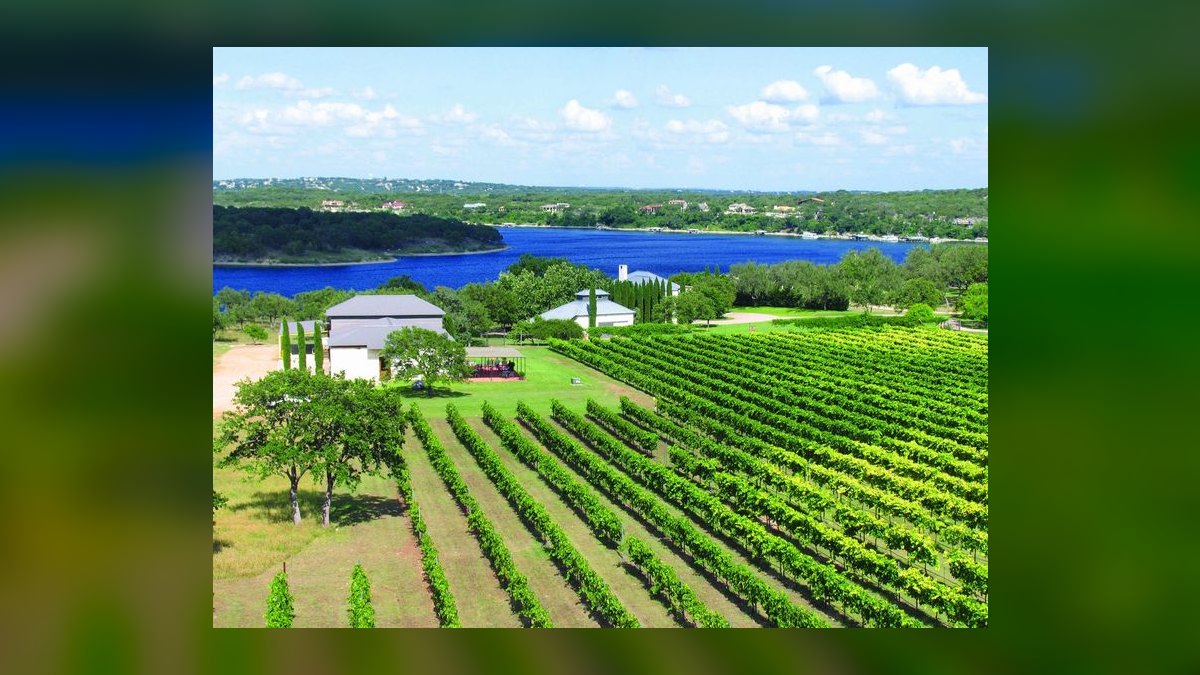
Texas Hill Country around Fredericksburg is the fastest-growing wine-tourism region in the country, with hundreds of wineries drawing weekend crowds from Austin and San Antonio. The warm climate suits tempranillo, viognier, and other Spanish and Rhône varietals. Land costs vary widely, commonly $20,000 to $80,000 per acre for plantable ground, and Texas offers no state income tax. Tasting-room and event revenue is exceptionally strong here. The buyer here wants a high-traffic, hospitality-driven winery in a booming market and is comfortable with a young, still-defining quality reputation.
Pros:
- Booming wine tourism and event revenue
- No state income tax and business-friendly climate
- Strong tasting-room and DTC economics
- Growing acclaim for Spanish/Rhône varietals
Cons:
- Heat and late frosts complicate growing
- Quality reputation still developing
Verdict: The tourism-economics pick — a hospitality-driven winery in the country's fastest-growing wine market.
8. Santa Barbara County, California
Type: Premium coastal region | Entry price: $50k–$200k per planted acre | Best for: Buyers who want coastal pinot, chardonnay, and Rhône reds
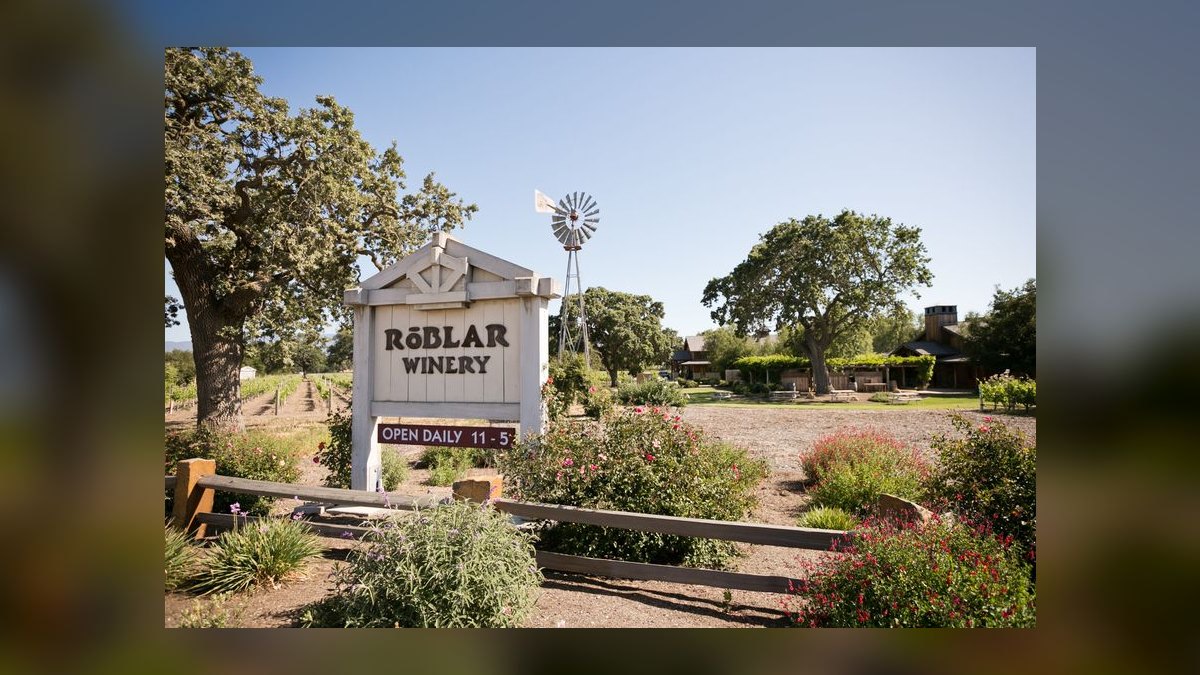
Santa Barbara County — including the Santa Ynez Valley, Sta. Rita Hills, and Ballard Canyon — is a premium coastal region famous for cool-climate pinot noir and chardonnay (popularized by the film *Sideways*) plus excellent syrah and grenache. Its transverse valleys funnel ocean air for a long, even growing season. Planted vineyard land commonly runs $50,000 to $200,000 per acre, below Napa, with strong tourism from Los Angeles and Santa Barbara. The buyer here wants acclaimed coastal-California wine and lifestyle at a meaningful discount to the northern premium regions.
Pros:
- Acclaimed coastal pinot, chardonnay, and syrah
- Long, even growing season from ocean influence
- Strong Southern California tourism base
- Lower cost than Napa or Sonoma
Cons:
- Premium sub-AVAs still command high prices
- Limited water in some areas
Verdict: The coastal-California pick — acclaimed pinot and syrah with strong tourism at a northern-region discount.
9. Mendoza, Argentina
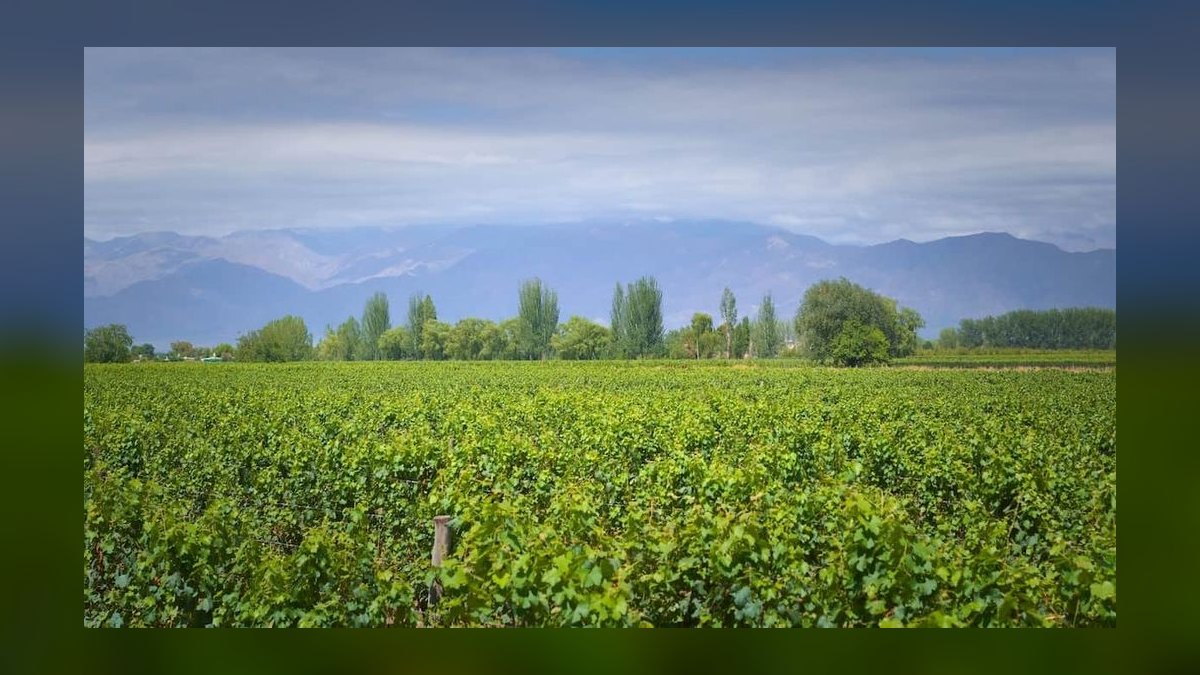
Type: International premium-value region | Entry price: $5k–$30k per planted acre | Best for: Buyers who want a world-class international estate at a low cost
Mendoza is the world's value capital for malbec and a serious option for buyers open to owning abroad. At the foot of the Andes, high-altitude sub-regions like the Uco Valley produce internationally acclaimed malbec and cabernet, and planted vineyard land is dramatically cheaper than the U.S. — commonly $5,000 to $30,000 per acre. Many estates include grand homes and established brands. Growing wine tourism supports hospitality revenue. The buyer here wants a striking international wine estate and global brand at a fraction of U.S. cost, accepting currency, legal, and management complexity.
Pros:
- World-class malbec at the lowest land cost on this list
- Spectacular Andean estates with established brands
- Growing international wine tourism
- High-altitude terroir prized globally
Cons:
- Currency, legal, and management complexity abroad
- Export and logistics add cost and effort
Verdict: The international-value pick — a world-class Andean estate for a fraction of U.S. prices.
10. Loudoun County / Virginia
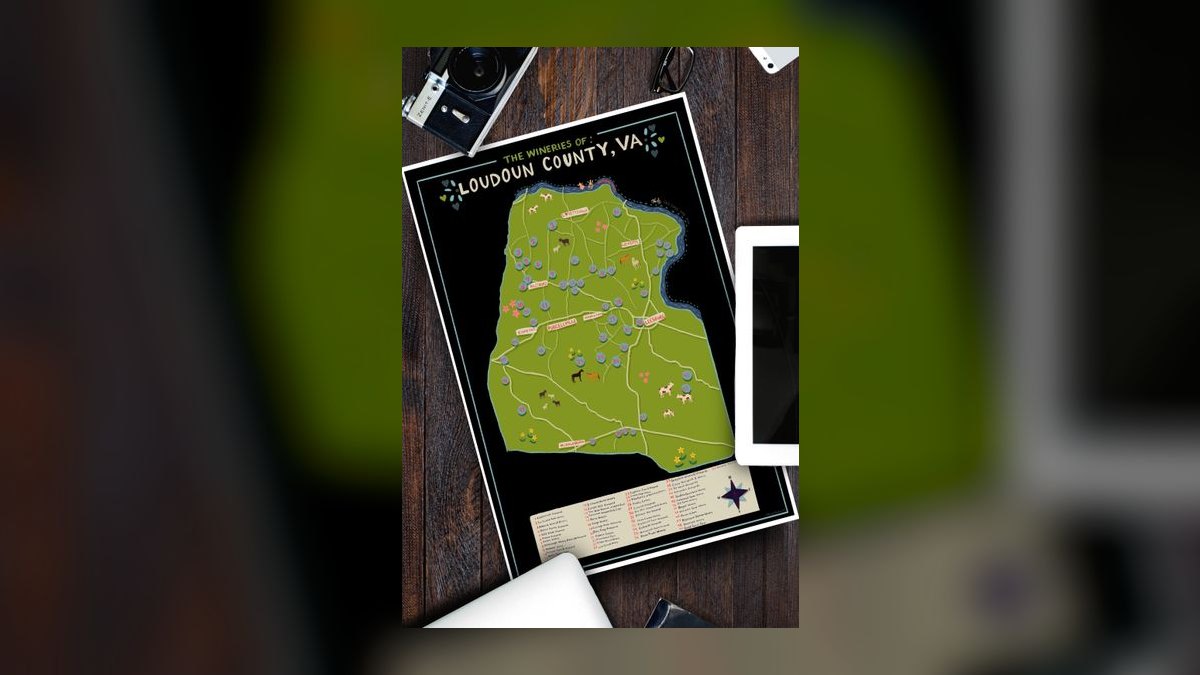
Type: East Coast emerging region | Entry price: $20k–$60k per planted acre | Best for: Buyers who want a winery near Washington, D.C. wealth
Virginia — especially Loudoun County's "DC's Wine Country" and the Monticello AVA near Charlottesville — has become a serious East Coast region with strong cabernet franc, viognier, and petit verdot. Its biggest advantage is proximity to the affluent Washington, D.C. metro, driving heavy weekend tourism and event bookings. Planted vineyard land commonly runs $20,000 to $60,000 per acre, with many properties combining historic homes and event venues. The buyer here wants a tourism- and event-driven winery near major East Coast wealth and a rising quality reputation.
Pros:
- Proximity to affluent Washington, D.C. market
- Strong tourism and event-venue revenue
- Rising acclaim for cabernet franc and viognier
- Historic estates and reasonable land costs
Cons:
- Humid climate raises disease pressure
- Quality reputation still building nationally
Verdict: The D.C.-adjacent pick — a tourism-and-event winery near major East Coast wealth.
Which One Is Right for You?
What to Look For
- Water rights and supply — In California (especially Paso Robles) and the West, confirm groundwater rights and SGMA-style rules before anything else. No water, no vineyard.
- AVA and sub-AVA — A prestigious AVA (Oakville, Sta. Rita Hills, Dundee Hills) directly raises grape and land value. Verify the exact designation.
- Sales channel and tourism — A winery's value lives in direct-to-consumer and tasting-room sales. Check visitation, club membership, and event-permit status.
- Permits and use rights — Confirm whether the property can legally make wine, host events, and pour tastings; new winery use permits are tightly limited in Napa and Sonoma.
- Planted vs raw land — Established, producing vineyard and brand costs far more than raw plantable land but carries far less risk and time.
- Climate and disease pressure — Humid East Coast and Texas sites face more disease and frost risk; factor spray and management costs.
What matters less than the hype: a romantic farmhouse, a pretty label, and the seller's "potential" story. Water, AVA, sales channel, and permits determine whether the property is a real asset or an expensive hobby.
FAQ
Where is the best overall place to buy a vineyard or winery? Napa Valley is the safest premium pick — unmatched brand power, the highest grape and bottle pricing in the country, huge tourism, and a deep buyer pool — though planted land runs $300,000 to over $1M per acre.
Where can I buy a vineyard for the best value? Walla Walla / Columbia Valley, Washington offers world-class cabernet and syrah with planted vineyard land commonly at just $15,000 to $50,000 per acre, a fraction of California prices.
What's the most important thing to check before buying? Water rights and supply, then the AVA designation, sales channel/tourism, and permits (whether you can legally make wine, pour tastings, and host events). These determine real value far more than the home.
Is it cheaper to buy raw land or an established winery? Raw plantable land is cheaper but takes years and carries risk before it produces income. An established vineyard with a brand and permits costs much more but is a working, lower-risk asset from day one.
Which regions have the best appreciation potential? Emerging premium regions like Walla Walla, Willamette Valley, Paso Robles, and Texas Hill Country have shown strong appreciation as quality and tourism rise, versus already-peak pricing in Napa.
Can I buy a vineyard outside the U.S.? Yes — Mendoza, Argentina offers world-class malbec estates for $5,000 to $30,000 per acre, far below the U.S., though you take on currency, legal, and management complexity.
Bottom Line
For 2027, Napa Valley is our Best Overall place to buy a vineyard or winery — the most valuable, liquid, and brand-strong region in America, with planted land from $300,000 past $1M per acre. Walla Walla / Columbia Valley, Washington is our Best Value, delivering world-class cabernet and syrah at just $15,000 to $50,000 per acre.
If your priorities lean toward pinot noir, East Coast market proximity, booming tourism economics, or an international estate, the decision tree above points you to Willamette Valley, the Finger Lakes, Texas Hill Country, or Mendoza. Buy on water, AVA, sales channel, and permits — not the farmhouse — and you'll own a real asset rather than an expensive hobby.
Related on PULSE
- [Top 10 Vineyard Estates in Phoenix](/knowledge/es0314)
- [Top 10 Vineyard Estates in Austin](/knowledge/es0313)
- [Top 10 Vineyard Estates in Houston](/knowledge/es0312)
- [Top 10 Vineyard Estates in Atlanta](/knowledge/es0311)
- [Top 10 Vineyard Estates in Miami](/knowledge/es0310)
- [Top 10 Vineyard Estates in Charlotte](/knowledge/es0321)
Sources
- Mansion Global — vineyard and estate listings
- Robb Report — vineyard and winery features
- Wine Spectator — regional wine coverage
- Wine Business — vineyard land and economics
- Zillow — vineyard and rural property listings
- Realtor.com — vineyard and farm listings
- Wall Street Journal — wine and real estate
- Land.com — vineyard and ranch land
- TTB — American Viticultural Areas (AVAs)
- Silicon Valley Bank — State of the Wine Industry
*Vineyard and winery review — vineyard buying reviews, rating, best place to buy a winery 2027, and a review of the top wine regions for buyers.*
People also search for: best places · top places · top rated places · top ranked places · highest rated places · places reviews
This page will be disappearing soon. Save it to your device for $1 — or read it free while it is here.
@Kory-White- · if Venmo asks, the last 4 of my number are 2012
 estatesTop 10 Golf Course Communities in the US in 2027
 estatesTop 10 Luxury Condo Buildings in Miami in 2027
 pulse-estatesTop 10 Waterfront Communities in Idaho in 2027
 pulse-estatesTop 10 55-Plus Communities in Georgia in 2027
 pulse-estatesTop 10 Best Places to Buy a Home in New Mexico in 2027
 estatesTop 10 Gated Communities in Florida in 2027
 pulse-estatesTop 10 Luxury Condos in San Francisco in 2027
 estatesTop 10 Lake Communities to Buy a Home in 2027
 pulse-estatesTop 10 Best Places to Retire in Idaho in 2027
 estatesTop 10 Luxury Real Estate Markets in 2027