
Is the La Marzocco Linea Mini worth the price in 2027?
 PULSEKNOWLEDGE LIBRARY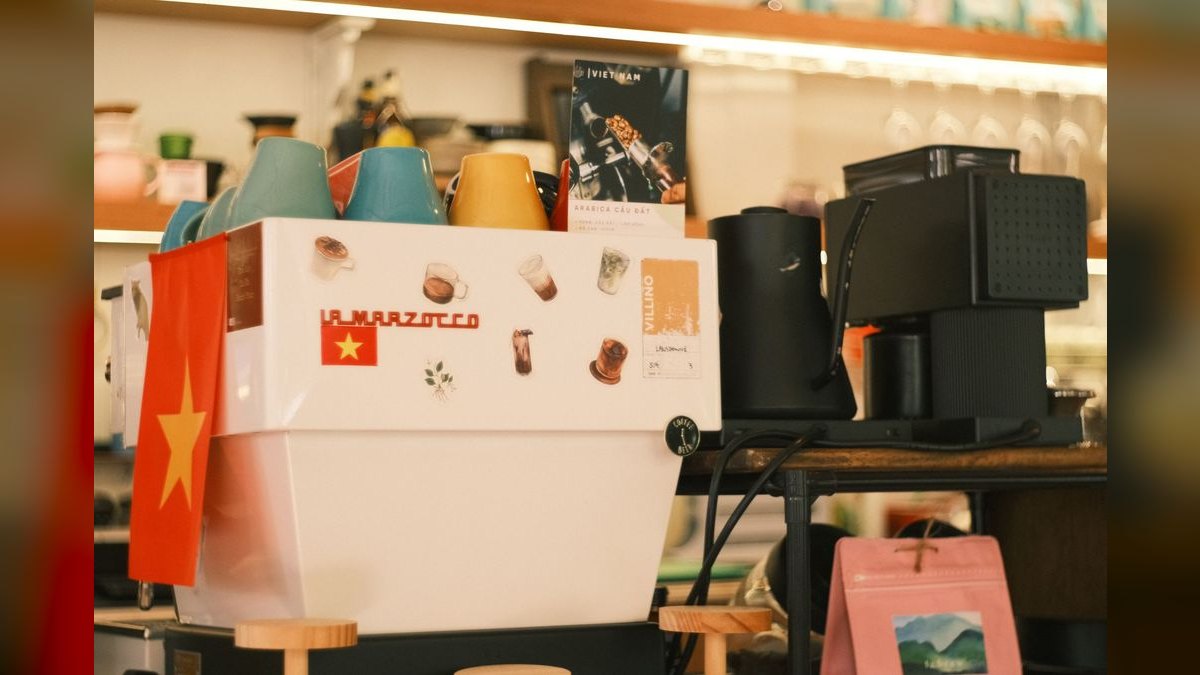
It depends — the La Marzocco Linea Mini is worth its premium if you pull multiple espresso drinks daily, value commercial-grade durability, and plan to keep the machine for a decade or more. For occasional or single-cup drinkers, a mid-tier prosumer machine delivers comparable in-cup results at a fraction of the cost, so the Linea Mini's value comes from longevity, serviceability, and the ownership experience rather than raw shot quality.
Espresso gear sits at an awkward intersection of hobby, appliance, and status object, which makes "worth it" a genuinely personal calculation. Below, we break the question into the components that actually drive value — build and longevity, in-cup performance, total cost of ownership, and who the machine is really for — so you can decide against your own habits rather than a reviewer's.
What actually justifies the Linea Mini's price?
The Linea Mini's price is built on commercial DNA rather than marketing. It uses a saturated group head, a dual-boiler-style thermal system, and a stainless steel and steel-panel chassis that are designed to be rebuilt rather than replaced. In a home context, most of that engineering is over-specified — you will never approach the duty cycle it can handle. That over-specification is precisely the point: the machine loafs where cheaper units strain, and components that run cool and unstressed simply last longer. A café group might see hundreds of shots a day; a home version of the same architecture might see six. Running a commercial-grade thermal mass at a tiny fraction of its rated load is the mechanical equivalent of cruising a truck engine at idle — stress, heat cycling, and wear all drop dramatically, which is the real, physical basis for the longevity claims.
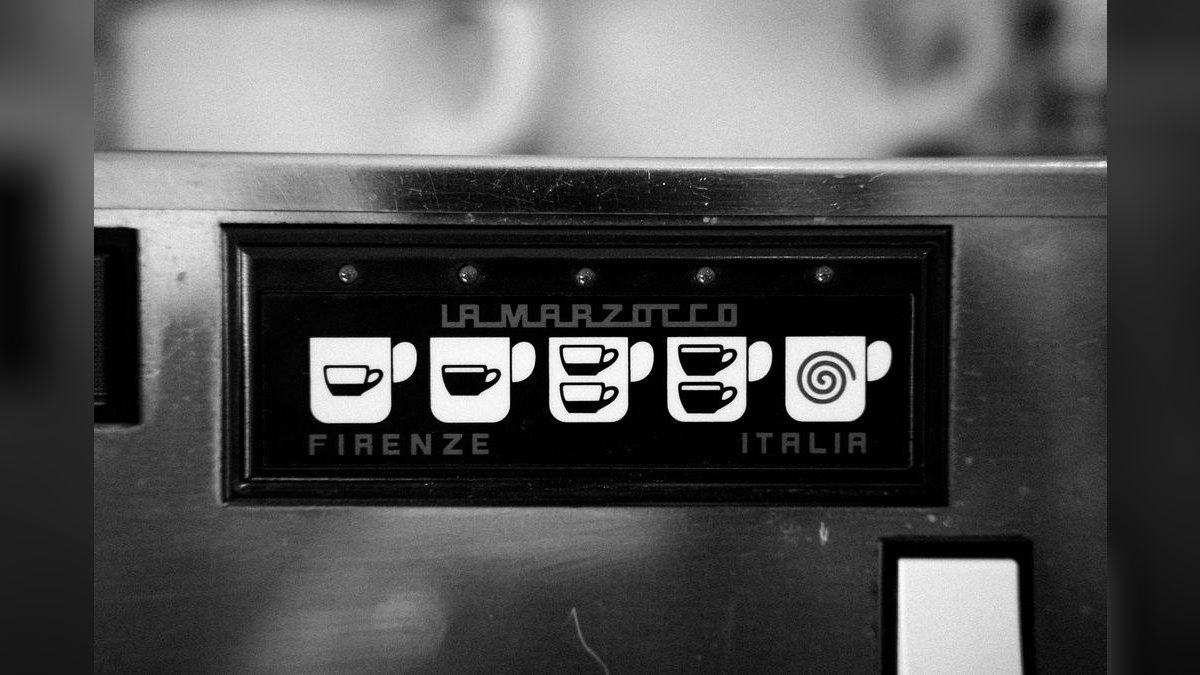
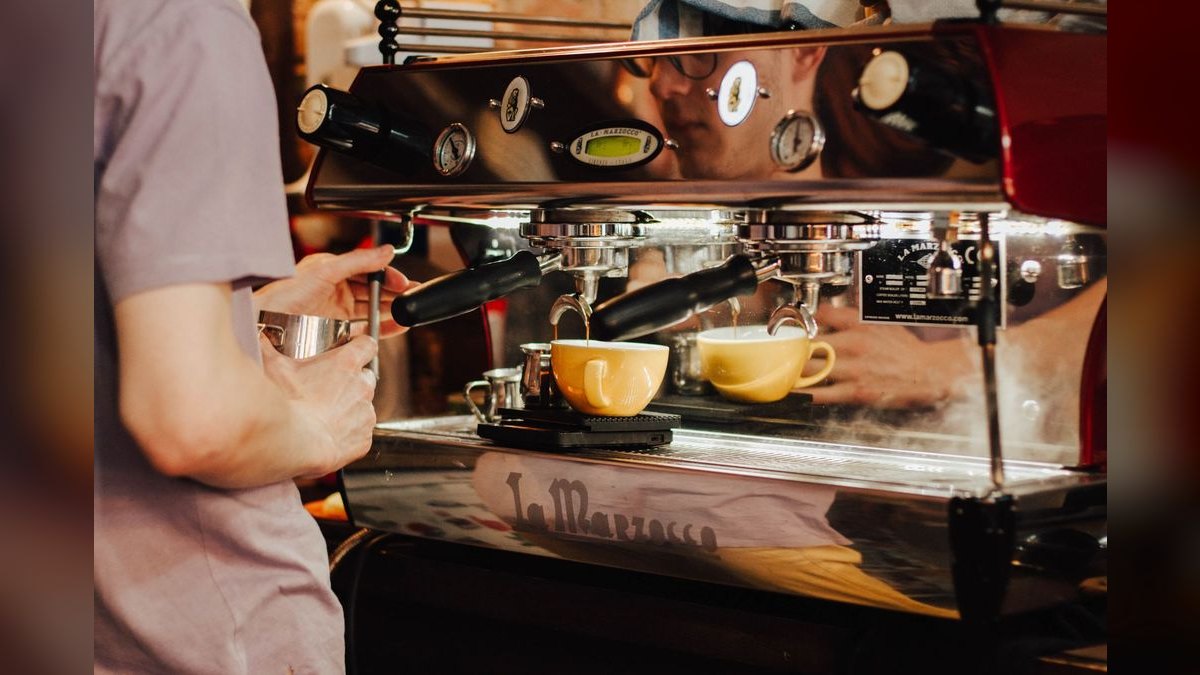
The second pillar is thermal stability. Because the group is heated by circulating boiler water rather than a small dedicated element, temperature at the puck stays remarkably consistent shot to shot and across a busy morning. A saturated group is essentially an extension of the boiler itself, so it holds its setpoint instead of drifting between pulls the way a lighter, thermosyphon-fed group can. For milk drinks, steam power is strong and recovers quickly because a dedicated steam boiler doesn't have to trade capacity with the brew circuit. None of this is unique to La Marzocco, but few machines deliver all of it in one integrated, refined package, and fewer still do it with the fit, finish, and dealer network that make the machine easy to live with for fifteen years. If you want to understand how equipment decisions ripple into a small operation's economics, our breakdown of equipment ROI for owner-operators applies the same logic used for cafés to home buyers.
How does it compare to cheaper prosumer machines?
At roughly half to a third of the Linea Mini's price, several dual-boiler prosumer machines produce espresso that is, blind-tasted, difficult to distinguish. The grinder matters far more to in-cup quality than the machine at this tier, and a great grinder paired with a mid-range dual boiler will beat a Linea Mini fed by a mediocre grinder every time. So if your budget is fixed, spending disproportionately on the grinder is almost always the higher-leverage move. The reason is physical: grind distribution controls how evenly water passes through the puck, and channeling — water finding low-resistance paths — is the single most common cause of a sour, thin, or harsh shot. No boiler, however stable, can correct for a puck that extracts unevenly.
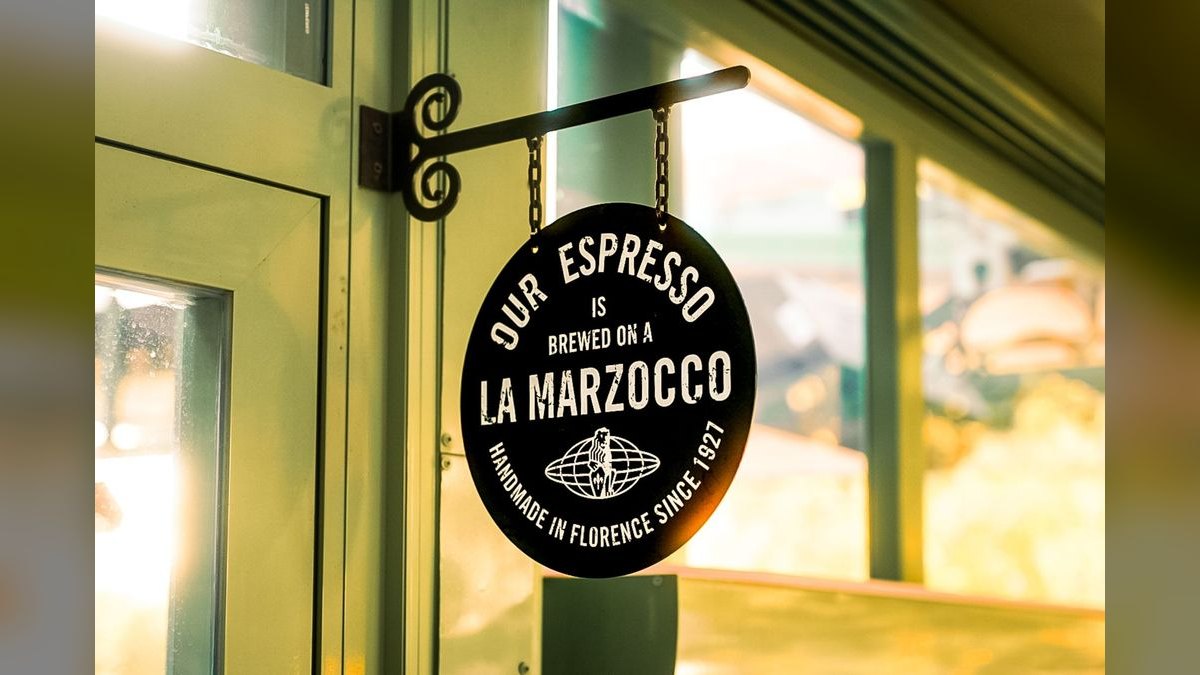
Where the Linea Mini pulls ahead is in the intangibles that don't show up in a taste test: fit and finish, quiet operation, thermal serenity under load, resale value, and a dealer-and-parts ecosystem that keeps the machine running for fifteen-plus years. Cheaper machines can match the shot; they rarely match the ownership arc. There's also a consistency dimension that a single blind cup won't reveal — the difference shows up on the twentieth shot of a hectic Sunday, when a lighter machine has drifted and a saturated group hasn't moved. Think of it the way we frame buy-versus-build tradeoffs — the cheaper option wins on entry cost, the premium option wins on total lifecycle.
The decision rarely comes down to whether the Linea Mini is a good machine — it plainly is. It comes down to whether the specific advantages it offers map onto how you actually make and drink coffee. A useful test is to ask which failure you'd regret more: overspending on capability you rarely tap, or underspending and feeling the machine's limits every morning. Neither answer is wrong; they simply belong to different buyers, and honesty about which one you are saves both money and disappointment.
What does total cost of ownership look like by 2027?
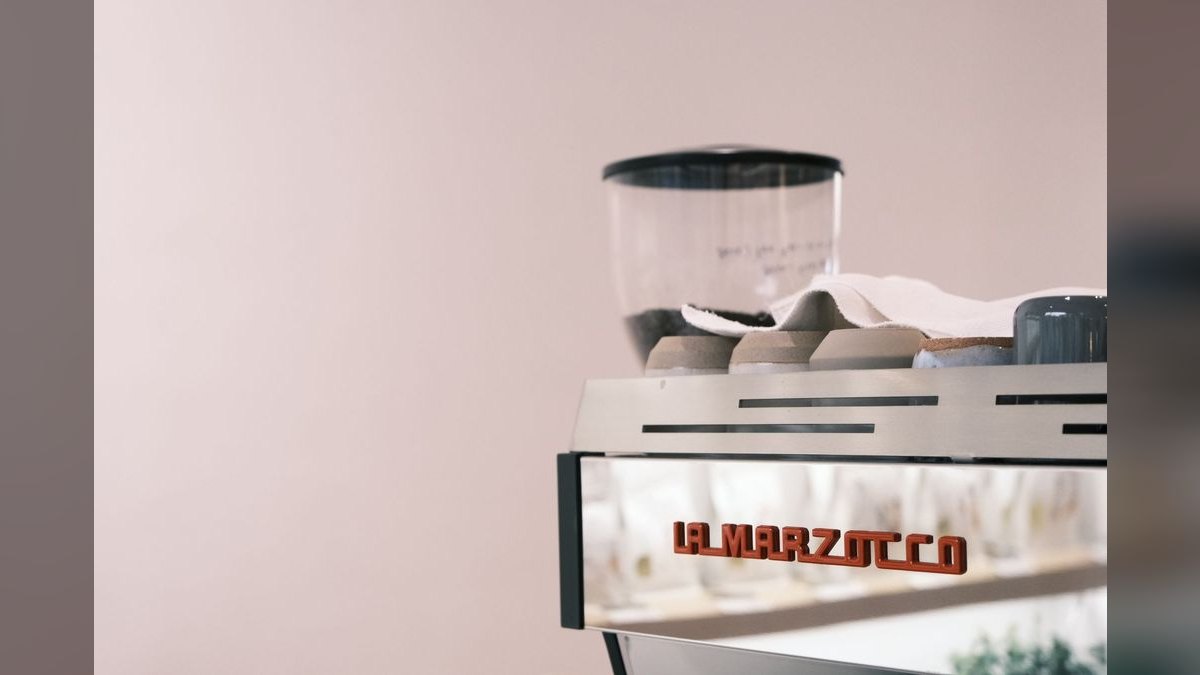
A premium espresso machine is a multi-year commitment, so the honest comparison is lifetime cost, not sticker price. Over a ten-year horizon the Linea Mini's higher upfront cost is partly offset by three factors: strong resale value that recovers a meaningful share of the purchase, a serviceable design that avoids full replacement, and readily available parts that keep repair costs bounded rather than catastrophic. Cheaper machines depreciate faster and are more often replaced than repaired when a major component fails, which quietly resets their lifetime-cost clock every few years while a serviceable machine keeps running on the same chassis.
That said, ownership is not free after purchase. Budget for descaling and water treatment, periodic gasket and shower-screen replacement, and the occasional professional service. Water quality is the single biggest determinant of longevity for any espresso machine — hard water will shorten the life of even the best-built boiler. It's worth being specific here, because "water" hides several variables: general hardness (the scale-forming minerals), alkalinity (the buffering that protects taste and metal), and total dissolved solids all matter, and the goal is balanced water rather than simply soft or simply filtered water. Overly aggressive softening can be as damaging as hard water, encouraging corrosion instead of scale. If you amortize the premium across a decade of near-daily use, the per-cup cost difference against a mid-tier machine narrows considerably; across occasional use, it never does. This is the same amortization discipline we apply in pricing durable assets over their useful life.
The takeaway: value compounds with use and time. A machine that sits idle five days a week never earns back its premium, no matter how well it's built. A machine pulling four to eight drinks a day for a decade tells a very different story. It's also worth counting the non-cash costs that rarely make it into a spreadsheet — counter space, the standby energy of keeping a machine warm, and the time spent on maintenance rituals. For an enthusiast those rituals are part of the appeal; for someone who just wants caffeine, they're friction that a simpler machine avoids entirely.
Who is the Linea Mini genuinely right for in 2027?
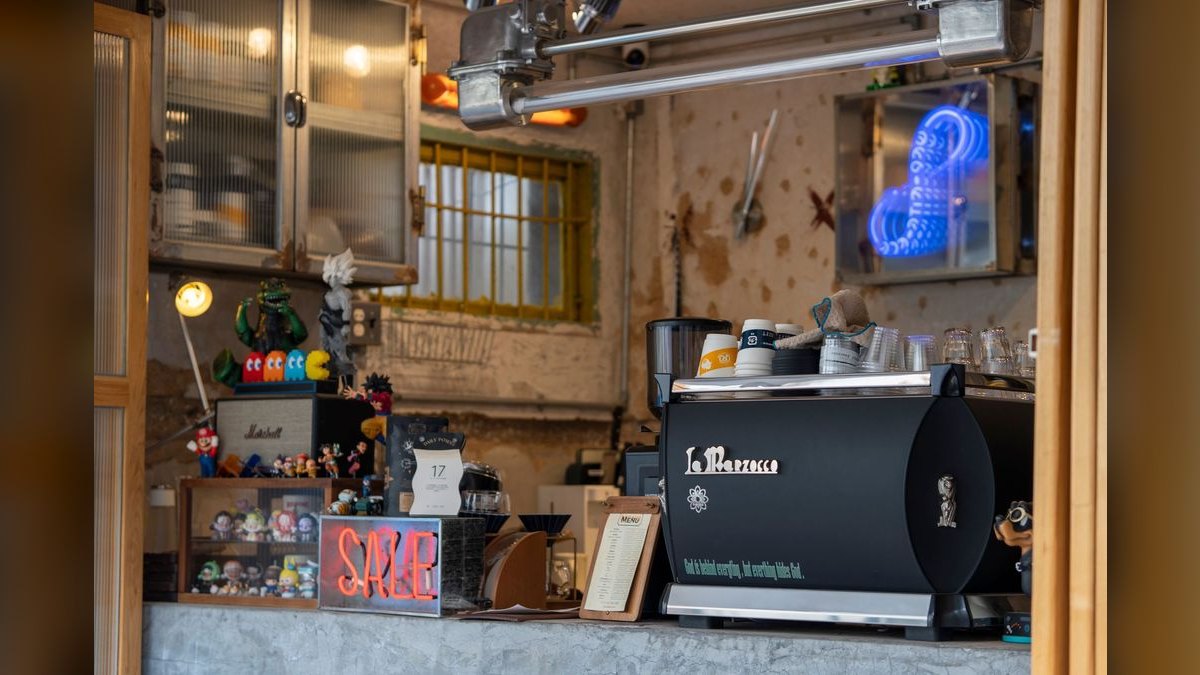
The clearest fit is the daily milk-drink household — two or more people pulling multiple lattes or cappuccinos each morning, who want a machine that recovers instantly and looks like a piece of furniture on the counter. It also suits the long-horizon buyer who explicitly values keeping one well-made object for fifteen years over cycling through upgrades, and the aesthetics-and-experience buyer for whom the ritual and the object matter as much as the espresso. For this last group, the machine is partly a piece of design they interact with daily, and that emotional return is real even if it never shows up in a taste test.
It is the wrong machine for the single black-coffee drinker, the tinkerer who enjoys modifying and swapping gear frequently, and the budget-constrained buyer who hasn't yet invested in a top-tier grinder. For those profiles, the money is better spent elsewhere, and the marginal in-cup improvement won't be perceptible. The serial tinkerer in particular tends to lose money on a Linea Mini, because the platform is deliberately refined and closed rather than a canvas for constant modification — its virtue is that it's already dialed, which is exactly what a habitual modifier doesn't want. Matching a tool to the operator's actual workflow — not the tool's theoretical ceiling — is a recurring theme in how we evaluate capital purchases for small operations.
How should you weigh the grinder, machine, and water as one system?
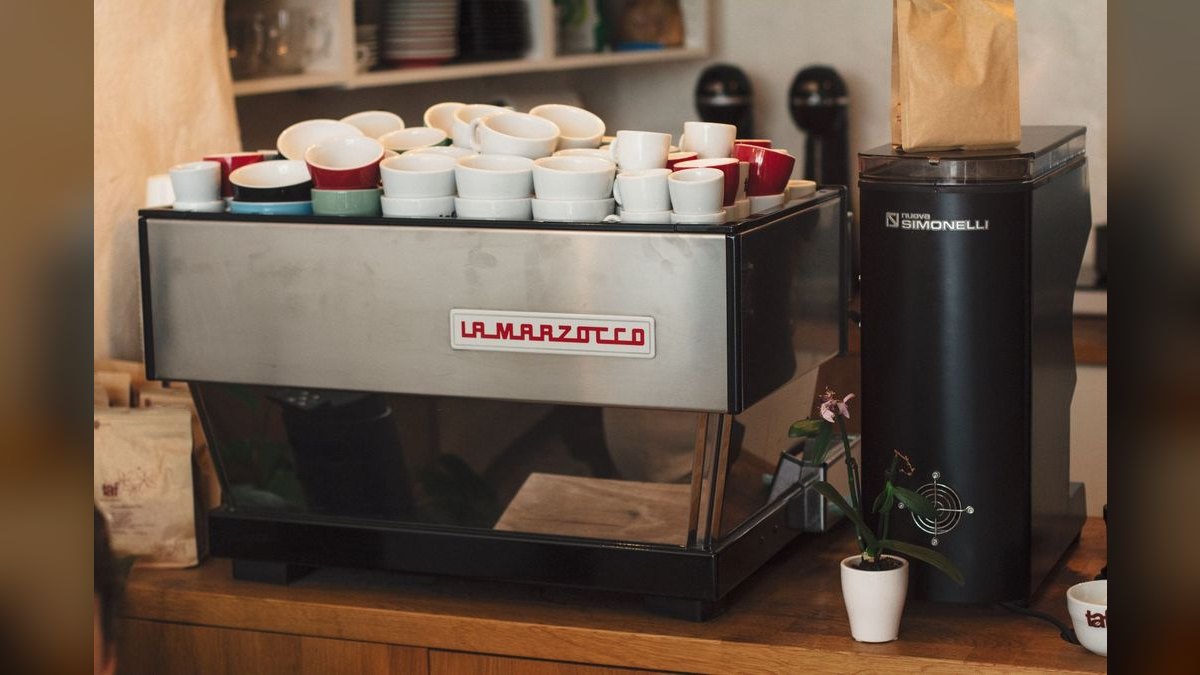
The most common and expensive mistake in espresso is treating the machine as the purchase and everything else as an accessory. In reality the cup is produced by a system — grinder, machine, water, and technique — and the weakest link caps the whole thing. A useful mental model is that the grinder sets the ceiling on quality, the machine sets the floor on consistency, water sets the ceiling on longevity, and technique determines how much of that potential you actually realize day to day. Spending far outside that balance is where buyers feel regret: a spectacular machine chained to a modest grinder never tastes like its price, and a spectacular everything chained to untreated hard water quietly destroys itself.
This is why seasoned buyers often recommend building the system in a deliberate order rather than buying the flashiest component first. Get the grinder to a genuinely capable level, get the water into a balanced range, then decide how much machine the rest of the budget and the use case justify. Approached that way, the Linea Mini becomes the last and most optional upgrade rather than the anchor — which is also the most rational way to buy it, because it means you're paying the premium only after the components that move the cup the most are already handled. If you frame the purchase as the finishing piece of a balanced system rather than its centerpiece, the "worth it" question tends to answer itself.
Has anything changed by 2027 that affects the decision?
Two forces shape the 2027 calculus. First, the mid-tier prosumer segment has matured: dual boilers, PID temperature control, and flow-profiling features that were once exclusive to premium machines are now common at lower price points, which compresses the in-cup performance gap the Linea Mini can claim. That raises the bar for justifying the premium on shot quality alone and pushes the value argument even harder toward durability, serviceability, and experience. The practical consequence is that "it makes better coffee" is no longer a sufficient reason to buy one — the honest justifications are now longevity, refinement, resale, and the ownership experience, and a buyer who can't articulate which of those they're paying for should probably pause.
Second, the used and refurbished market for premium machines is deeper than ever, and strong resale value on well-maintained units continues to hold. That improves the effective net cost of buying one — and it means buying gently used can be a legitimate way to capture most of the ownership benefits at a lower entry point. If your only hesitation is the sticker, a certified pre-owned unit reshapes the math without abandoning the platform. Because these machines are serviceable and their parts remain available for many years, a used Linea Mini isn't the gamble a used consumer appliance usually is — a well-documented service history and evidence of good water treatment tell you most of what you need to know about whether the unit has been treated well.
Related questions
Is a cheaper grinder or a cheaper machine the bigger compromise?
The grinder. In-cup quality is dominated by grind consistency, so a mediocre grinder undermines any machine. If budget forces a choice, protect the grinder spend and buy a more modest machine.
Does the Linea Mini make objectively better espresso than half-price rivals?
Not objectively better in a blind taste — the gap in the cup is small when both are fed a great grinder. Its edge is consistency under load, build, and longevity, not a dramatic flavor leap.
Is buying used a smart way to get one cheaper?
Yes, for many buyers. Premium machines hold value and are serviceable, so a well-maintained used unit captures most benefits at a lower entry cost. Verify service history and water-treatment habits before buying.
Will it save money versus a daily café habit?
Potentially, if you're replacing multiple bought drinks per day. The machine and grinder pay back over months to a couple of years at high volume; at low volume the café is cheaper.
How long should a Linea Mini realistically last?
With good water treatment and routine maintenance, well over a decade of near-daily use, and often much longer because it's designed to be rebuilt rather than discarded.
FAQ
Is the La Marzocco Linea Mini overpriced? Not inherently — but "overpriced" depends on use. For high-volume daily milk-drink households and long-horizon owners, the price maps to real, durable value. For occasional or single-cup drinkers, you're paying for capacity and refinement you won't use, and a mid-tier machine represents better value. The machine isn't overpriced; it's simply over-matched to some buyers.
How much does the grinder matter compared to the machine? More than most buyers expect. Grind quality is the single largest lever on espresso in the cup. A world-class machine fed by a weak grinder underperforms a mid-tier machine fed by an excellent one. If your budget is fixed, prioritize the grinder before upgrading the machine.
Can I get comparable espresso from a cheaper dual-boiler machine? Yes, in the cup, comparable results are achievable — especially by 2027, when features like PID control and flow profiling are widespread in the mid tier. The differences that remain are in build quality, thermal stability under heavy load, resale value, and long-term serviceability rather than flavor.
What ongoing costs should I budget for? Plan for water treatment or filtration, descaling where applicable, periodic replacement of gaskets and shower screens, and occasional professional servicing. Water quality is the biggest driver of long-term cost — hard, untreated water shortens boiler life and raises repair frequency for any espresso machine.
Does it hold resale value? Historically, yes. Premium, serviceable espresso machines retain a meaningful share of their value on the used market, which lowers effective net cost of ownership and makes buying gently used an attractive route for budget-conscious buyers who still want the platform.
Is it worth it for a small café or office rather than a home? For a very small or low-volume setting it can be, because it bridges home and light-commercial use with strong reliability. For higher-volume commercial service, however, a full commercial machine with more groups and larger boilers is the correct tool — the Linea Mini is optimized for home and prosumer duty cycles.
What's the single biggest mistake buyers make? Spending heavily on the machine while neglecting the grinder and water quality. Both of those factors influence the cup and the machine's lifespan more than the badge on the front. Balance the whole system rather than optimizing one glamorous component.
Should I wait for a newer model or buy in 2027? If your current setup works, there's little urgency — the platform is mature and iterations are incremental. If you're buying now, focus on grinder, water, and use-case fit rather than waiting for a marginal hardware refresh that won't change the fundamental value equation.
Does the type of water really change the decision? Yes, more than most buyers realize. Balanced water — moderate hardness and adequate alkalinity rather than simply soft or simply filtered — protects both flavor and the boiler. On a premium machine you intend to keep for a decade, getting water right is not optional; it's the maintenance decision that most determines whether the longevity you paid for materializes.
Sources
- La Marzocco Home — Official Product Information
- Specialty Coffee Association — Standards & Education
- Home-Barista — Prosumer Machine Community & Reviews
- Seattle Coffee Gear — Buying Guides
- Clive Coffee — Espresso Equipment Guides
- James Hoffmann — Coffee Education (YouTube)
- Whole Latte Love — Machine Comparisons
- Barista Hustle — Technical Coffee Resources
Related on PULSE
- [Top 10 Luxury Neighborhoods in Chicago in 2027](/knowledge/es0066)
- [Top 10 Luxury Neighborhoods in Boulder in 2027](/knowledge/es0092)
- [Top 10 55-Plus Communities in Atlanta in 2027](/knowledge/es0239)
- [Top 10 Best Places to Buy a Home in Michigan in 2027](/knowledge/es0111)
Recently Added — Related
- [How much does Espresso cost in 2027?](/knowledge/es351)
 pulse-estatesTop 10 best Espresso options in 2027
 pulse-estatesHow much does Espresso cost in 2027?
 pulse-estatesHow do you get started with Espresso in 2027?
 pulse-estatesWhat are the most common mistakes in Espresso in 2027?
 pulse-estatesWhat should you know before investing in Espresso in 2027?
 pulse-estatesIs Espresso worth it in 2027?
 esTop 10 Luxury Neighborhoods in Aspen in 2027
 esTop 10 Luxury Neighborhoods in Chicago in 2027
 pulse-estatesTop 10 Luxury High-Rises in San Diego in 2027
 pulse-estatesTop 10 Gated Communities in Denver in 2027