
What are the most common mistakes in Espresso in 2027?
 PULSEKNOWLEDGE LIBRARY
It depends on the specific espresso technique and equipment, but the most common mistakes in 2027 revolve around advanced automation, water quality, and grind consistency. While modern machines offer unprecedented control, users often misconfigure automated profiles or neglect fundamental variables like temperature stability.
The art of espresso has evolved significantly by 2027, but human error remains a constant. Even with smart grinders and pressure-profiling machines, baristas and home enthusiasts alike fall into predictable traps that undermine shot quality. Understanding these pitfalls is essential for achieving consistently excellent espresso, as the margin for error has narrowed with increased precision. By 2027, the integration of AI and IoT in espresso equipment has made it easier to pull a decent shot, but it has also introduced new layers of complexity that can lead to subtle yet impactful mistakes.
What are the most common mistakes in grind size and distribution?
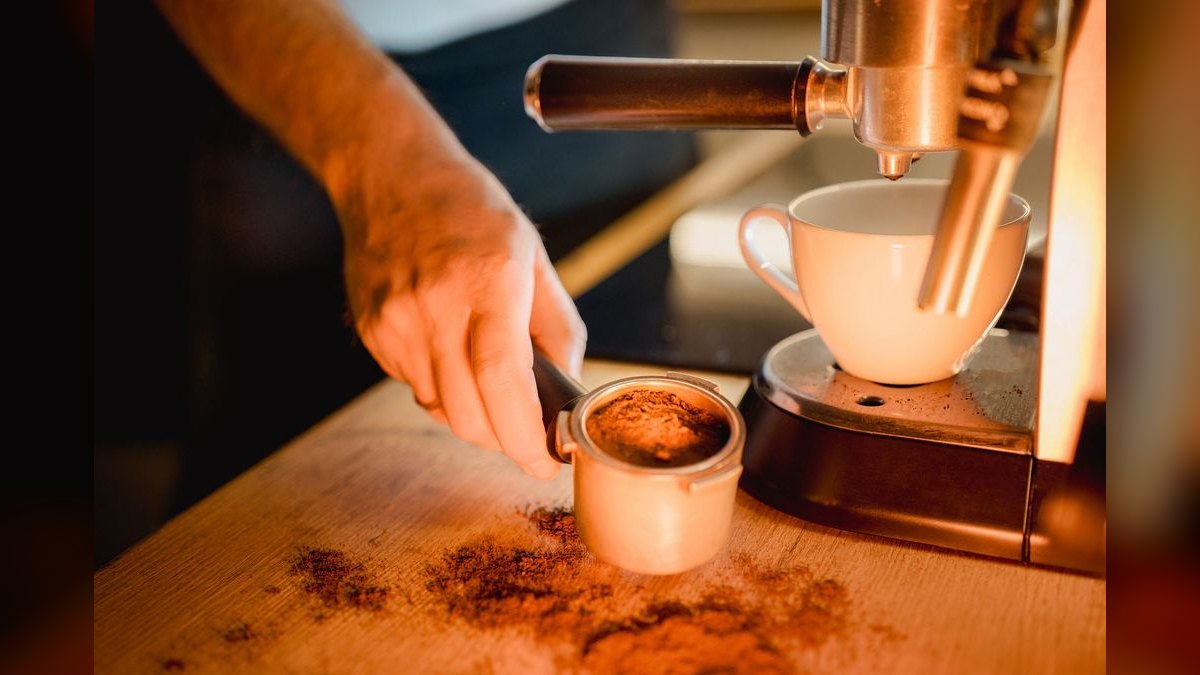
The most frequent error in 2027 is relying solely on automated grinders without manual verification. While many commercial grinders now feature AI-assisted grind size adjustment that learns from previous shots, they still require periodic calibration against real-world variables like humidity and bean density. Users often accept the machine's recommendation without checking actual extraction time or taste, leading to over-extracted or under-extracted shots that could be easily corrected with a simple taste test. Additionally, improper distribution—whether from clumping or uneven tamping—remains a top issue, even with advanced dosing tools that claim to eliminate this step. Many baristas skip the crucial step of breaking up clumps with a WDT tool, assuming their grinder's output is perfect, which leads to channeling and uneven extraction.
Another critical mistake is neglecting the impact of bean freshness on grind settings. Espresso blends from different roasters or origins require distinct grind sizes, yet many operators use a one-size-fits-all approach, especially when switching between single-origin and blend offerings. By 2027, most quality-focused cafes employ real-time extraction monitoring with devices like the Acaia Lunar scale and software that tracks shot times and yields, but home users frequently skip this step due to cost or complexity. A common workaround is to invest in a high-quality grinder with stepless adjustment and to perform regular taste tests, logging results to refine settings over time. For deeper insights, see our guide on advanced grind size calibration techniques.
How do water quality issues affect espresso in 2027?
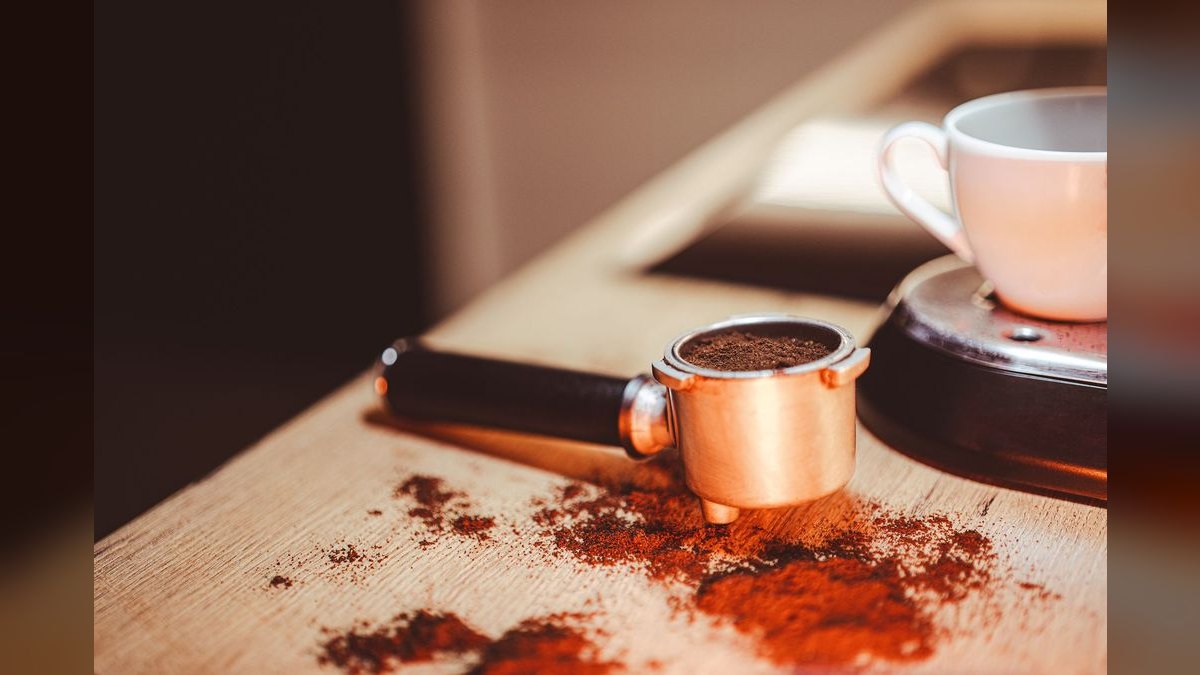
Water quality mistakes are surprisingly prevalent in 2027, despite widespread awareness and the availability of affordable testing tools. The most common error is using tap water without proper filtration, even in areas with excellent municipal water that tastes fine on its own. Modern espresso machines are highly sensitive to mineral content; improper hardness can cause scale buildup in boilers and group heads, leading to inconsistent temperatures and pressure over time. Many users also overlook the temperature stability of their water source, assuming that the machine's PID controller can compensate for cold or fluctuating input water, which it cannot fully do.
A related mistake is ignoring the water’s pH balance and total dissolved solids (TDS). Specialty coffee roasters now provide water recipes for optimal extraction, often targeting a TDS of 150-200 ppm and a neutral pH of around 7.0, but many baristas skip this step due to time constraints or lack of knowledge. For home users, the simplest solution is to use a third-wave water packet or a dedicated espresso water filtration system like those from BWT or Peak Water. Regularly testing water quality with a TDS meter and adjusting with mineral additives can prevent these issues and extend machine life significantly. For more on this, check out our article on water recipes for espresso in 2027.
What are the pitfalls of automated espresso machines in 2027?
Automation has revolutionized espresso, but it introduces new mistakes that were rare with manual machines. The most common is over-reliance on preset profiles without understanding the underlying variables like dose, yield, temperature, and pre-infusion time. Many users select a "light roast" or "dark roast" setting without adjusting these parameters for the specific coffee, leading to flat or bitter shots that could be easily corrected with manual tweaks. The convenience of automation often breeds complacency, where users assume the machine knows best without verifying the output.
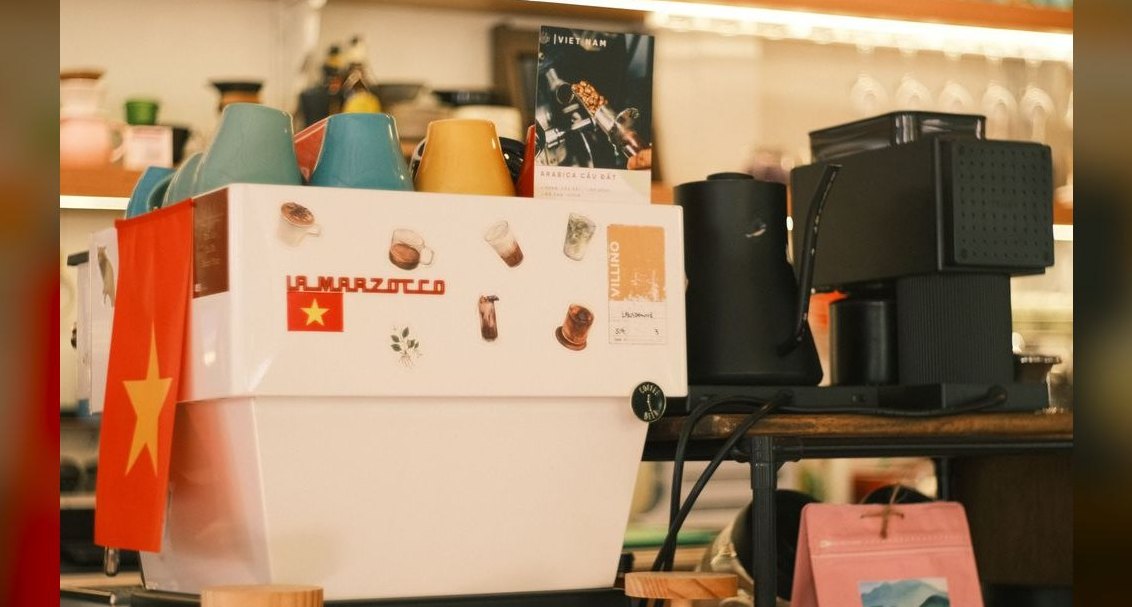
Another frequent error is neglecting machine maintenance, especially with self-cleaning cycles that can be easily ignored. While modern machines like the Decent Espresso DE1 or La Marzocco Linea Mini alert users to descaling or backflushing needs, many ignore these warnings, resulting in clogged group heads, inconsistent pressure, and off-flavors from old coffee oils. By 2027, the best practice is to follow a strict maintenance schedule, including daily backflushing with a cleaning detergent, weekly deep cleaning of the group head and shower screen, and monthly descaling based on water hardness. For a comprehensive guide, see our espresso machine maintenance best practices.
How does temperature management go wrong in 2027?
Temperature stability is a cornerstone of great espresso, yet mistakes abound even with advanced PID-controlled machines. The most common is failing to preheat the portafilter and group head adequately, especially in busy cafe environments where speed is prioritized. Users often pull shots immediately after the machine signals readiness, but the metal components—especially the portafilter and basket—need extra time to reach thermal equilibrium. This leads to temperature drops during extraction, causing sour or under-extracted shots that taste thin and acidic.
Another error is misusing the machine's programmable temperature settings. By 2027, many machines allow per-shot temperature adjustments via smartphone apps or onboard controls, but users rarely calibrate them for different roast levels. For example, a light roast requires a higher brew temperature (94-96°C) to extract properly, while a dark roast needs a lower temperature (90-92°C) to avoid bitterness. Yet many baristas use a single setting for all coffees, resulting in suboptimal shots. Regularly checking brew temperature with a thermocouple or relying on the machine's built-in sensors can mitigate this issue, but it requires discipline and a willingness to experiment.
What are the mistakes in puck preparation and tamping?
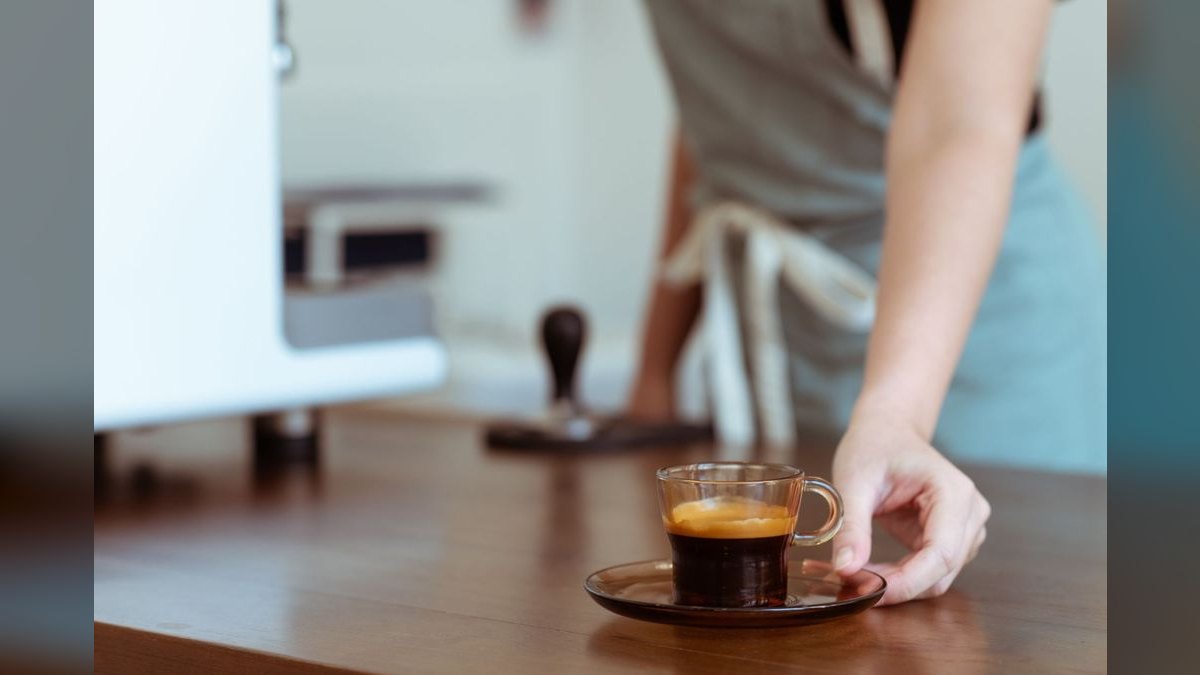
Puck preparation remains a common source of error, even with advanced tools like self-leveling tampers and distribution tools. The most frequent mistake is inconsistent tamping pressure, often due to fatigue or haste during busy service. While many machines now feature automatic tamping, hand tamping still dominates in home settings and many cafes. Users may apply too little pressure, causing channeling and uneven extraction, or too much, leading to over-compaction and slow flow. A calibrated tamper or a leveling tool can help standardize this step, but it's still important to maintain a consistent technique.
Another mistake is neglecting to distribute grounds evenly before tamping. Even with a distribution tool, clumps can form, especially with oily beans or stale coffee. By 2027, the best practice is to use a WDT (Weiss Distribution Technique) tool or a similar device to break up clumps and ensure an even bed of coffee. This simple step dramatically reduces channeling and improves extraction uniformity, leading to sweeter, more balanced shots. For more insights, check out our article on advanced puck preparation techniques.
How do mistakes in recipe development affect espresso in 2027?
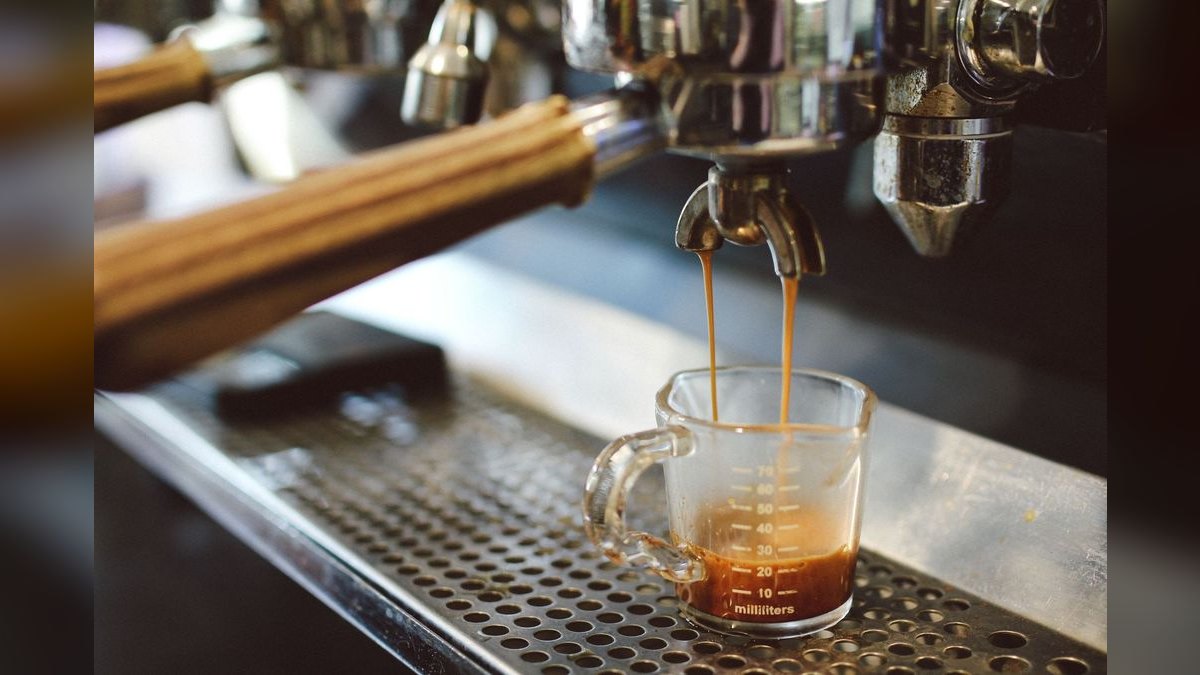
Recipe development mistakes are common, especially with modern profiling capabilities that allow for precise control over pressure, flow, and temperature. The most frequent error is using a fixed dose-yield ratio without considering the coffee's extraction potential. Many users stick to a 1:2 ratio for all beans, but light roasts often benefit from a higher yield (1:2.5 or 1:3) to achieve proper extraction and sweetness, while dark roasts may need a lower yield to avoid bitterness and astringency. This one-size-fits-all approach leads to missed opportunities for flavor optimization.
Another mistake is ignoring the impact of pre-infusion time and pressure. By 2027, most machines allow adjustable pre-infusion, but users rarely experiment with different settings to match the coffee's roast level and origin. A longer, lower-pressure pre-infusion (e.g., 10 seconds at 2-3 bar) can improve extraction for light roasts by allowing the grounds to saturate evenly, while a shorter, higher-pressure pre-infusion suits dark roasts to prevent over-extraction. Keeping a detailed log of recipes and tasting notes helps refine these variables over time, and using tools like the Decent Espresso's profiling software can accelerate this learning process.
Related questions
What is the most common mistake in espresso extraction in 2027?
The most common extraction mistake is failing to adjust grind size for bean freshness, leading to inconsistent shot times and flavors that could be corrected with simple recalibration.
How can I avoid channeling in my espresso shots in 2027?
Avoid channeling by using a WDT tool for even distribution, ensuring a level tamp with a calibrated tamper, and maintaining consistent pressure throughout the puck preparation process.
What is the best water for espresso in 2027?
The best water for espresso in 2027 is filtered water with a TDS of 150-200 ppm and a neutral pH of around 7.0, ideally using a third-wave water recipe or a dedicated espresso water filtration system.
Why is my espresso sour even with a modern machine?
Sour espresso often results from under-extraction due to a grind that is too coarse, water that is too cool, or an insufficient yield—try grinding finer, increasing temperature, or extending the shot.
How often should I descale my espresso machine in 2027?
Descaling frequency depends on water hardness, but a general rule is every 3 months for home machines and monthly for commercial units, using a descaling solution recommended by the manufacturer.
FAQ
What is the biggest mistake with smart espresso machines in 2027? The biggest mistake is trusting automated profiles without verifying extraction parameters, leading to suboptimal shots that could be improved with manual adjustments based on taste and visual cues.
How does stale coffee affect espresso in 2027? Stale coffee leads to flat, lifeless shots with reduced crema and muted flavors, even with advanced equipment. Always use beans roasted within 2-4 weeks for best results and store them in an airtight container away from light and heat.
Can I use tap water for espresso in 2027? It depends on your local water quality, but most tap water requires filtration to remove chlorine and adjust mineral content for optimal extraction and to prevent scale buildup in your machine.
What is the most common tamping mistake in 2027? The most common tamping mistake is applying uneven pressure, which causes channeling and uneven extraction. Use a calibrated tamper or leveling tool to ensure consistency and a flat, level puck surface.
How do I fix a bitter espresso shot in 2027? Fix bitterness by grinding coarser, reducing yield, or lowering brew temperature. Also, check for over-extraction from excessive contact time or a too-fine grind that slows flow.
Why is my espresso machine not producing enough pressure in 2027? Insufficient pressure often stems from a clogged group head, worn pump, or incorrect grind size that is too fine. Perform a backflush, check the machine's pump status, and adjust your grind accordingly.
What is the ideal brew temperature for espresso in 2027? The ideal brew temperature varies by roast: 90-92°C for dark roasts, 92-94°C for medium, and 94-96°C for light roasts, adjusted based on taste and the specific coffee's origin and processing method.
How can I improve my espresso consistency in 2027? Improve consistency by using a scale for dose and yield, timing your shots, maintaining a clean machine, and logging your recipes to identify patterns and make data-driven adjustments.
Sources
- Barista Hustle: Espresso Recipes
- SCA (Specialty Coffee Association) Resources
- Home-Barista.com Forums
- James Hoffmann's Espresso Guide
- Perfect Daily Grind: Water for Coffee
- Espresso Aficionados Blog
- La Marzocco Home: Maintenance Tips
- CoffeeGeek: Equipment Reviews
- Third Wave Water: Recipes
- Barista Magazine Online
Related on PULSE
- [Top 10 Luxury Neighborhoods in Chicago in 2027](/knowledge/es0066)
- [Top 10 Luxury Neighborhoods in Boulder in 2027](/knowledge/es0092)
- [Top 10 55-Plus Communities in Atlanta in 2027](/knowledge/es0239)
- [Is the La Marzocco Linea Mini worth the price in 2027?](/knowledge/es357)
Recently Added — Related
- [What should you know before investing in Espresso in 2027?](/knowledge/es356)
 pulse-estatesHow much does Espresso cost in 2027?
 pulse-estatesHow do you get started with Espresso in 2027?
 pulse-estatesIs the La Marzocco Linea Mini worth the price in 2027?
 pulse-estatesWhat should you know before investing in Espresso in 2027?
 pulse-estatesTop 10 best Espresso options in 2027
 pulse-estatesIs Espresso worth it in 2027?
 esTop 10 Luxury Neighborhoods in Chicago in 2027
 esTop 10 Luxury Neighborhoods in Aspen in 2027
 pulse-estatesTop 10 Luxury Neighborhoods in Atlanta in 2027
 pulse-estatesTop 10 55-Plus Communities in Miami in 2027