
Best Retirement Party Venues in the Washington, D.C. Area (2027)
 Curated byKory White · Fractional CRO · Maryland
 PULSEKNOWLEDGE LIBRARY
Washington-area retirement party venues split into three tiers: landmark hotels and private clubs at roughly $150–$300 per person, mid-range ballrooms and music rooms at $85–$175, and winery or restaurant private rooms starting near $50–$90. Budget about 30% above menu price for service charge and tax, and book weeknights for lower minimums.
What a retirement party venue search actually involves in the D.C. area
A retirement send-off is not a wedding and it is not a corporate holiday party, even though most venues will try to sell you the same packages they sell to both. The difference matters, because it changes almost every line of your contract. A wedding buys a full-day rental, a getting-ready suite, and a ceremony space. A holiday party buys a big open bar and a late end time. A retirement party buys something narrower and, honestly, cheaper: two to four hours, a meal or a heavy reception, a working microphone, a screen for a slideshow, and a room quiet enough that a 70-year-old guest can hear the toasts.
That last item is the one people underestimate. Retirement crowds skew older than almost any other private-event guest list. You are frequently hosting the honoree's peers, their former bosses, their spouse's friends, and occasionally a parent. Loud rooms with hard surfaces — the beautiful ones with the exposed brick and the twenty-foot ceilings — turn a program of speeches into an unintelligible echo. Venues with carpet, drapery, upholstered seating, and a real house sound system are worth paying a premium for when the entire point of the gathering is that eight people are going to stand up and say something meaningful.
The Washington market has a second wrinkle that most cities do not: an enormous share of retirements here are federal, military, association, or contractor careers, and those come with rules. Federal ethics guidance constrains what an agency can accept and what colleagues can contribute toward a gift or a party for a departing employee, and the practical effect is that many D.C. retirement parties are funded by passing the hat among coworkers rather than billed to an agency card. That pushes the real budget ceiling down and pushes the event earlier in the day. A Thursday or Friday lunch, ending by 2 p.m., collected at $40 to $60 a head from thirty colleagues, is the single most common shape a D.C. federal send-off takes. Venues know this. Several of them have quietly built lunch packages around it.
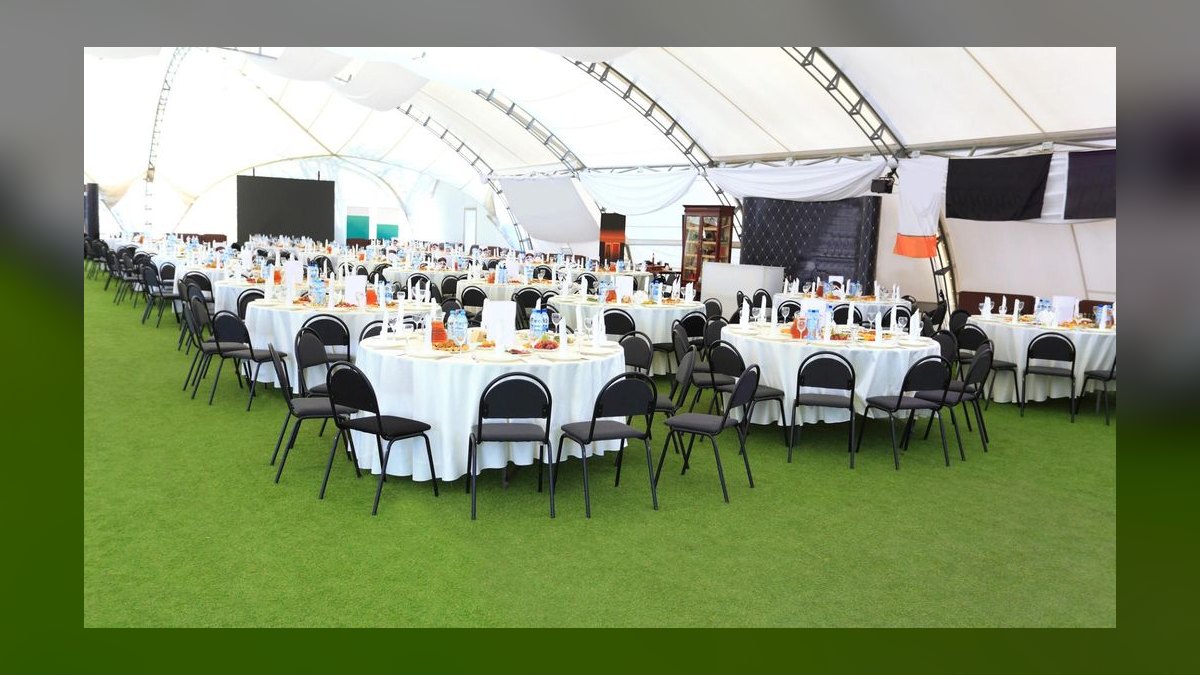
Geography is the third factor. The regional market is not one market but four overlapping ones. Downtown D.C. — the corridor from Farragut Square through Metro Center to the Penn Quarter — is where the private clubs, the National Press Club, and the landmark hotels sit; it is Metro-dense, parking-hostile, and the most expensive per head. Georgetown offers historic character and almost no parking. Arlington and the near-Virginia suburbs trade the prestige address for free surface parking and monument views across the Potomac at meaningfully lower prices. The Wharf and the Southwest waterfront give you water, walkable garages, and restaurant private rooms priced on food-and-beverage minimums instead of per-person rates. Maryland's Bethesda and Silver Spring corridors follow the Arlington pattern. Which of those four you choose determines more about your final invoice than which specific room you pick inside it.
Finally, understand what "venue" includes in this market. At a hotel or a private club, the venue is also the caterer, the bar, the rentals, and the staff — one contract, one invoice, one point of failure. At a historic house or an institutional building like the Carnegie Institution near Dupont Circle, the venue is a rental fee plus an approved-caterer list, which means two or three contracts and a coordination burden that lands on you. Both are legitimate. The all-in-one is easier and usually cheaper once you count rentals; the rental-plus-caterer route buys you a room you cannot get any other way.
How to run the booking process from first call to final headcount
The process below is the one that survives contact with real venues. It assumes you are an executive assistant, a chief of staff, a spouse, or a well-meaning colleague who volunteered and now owns this.
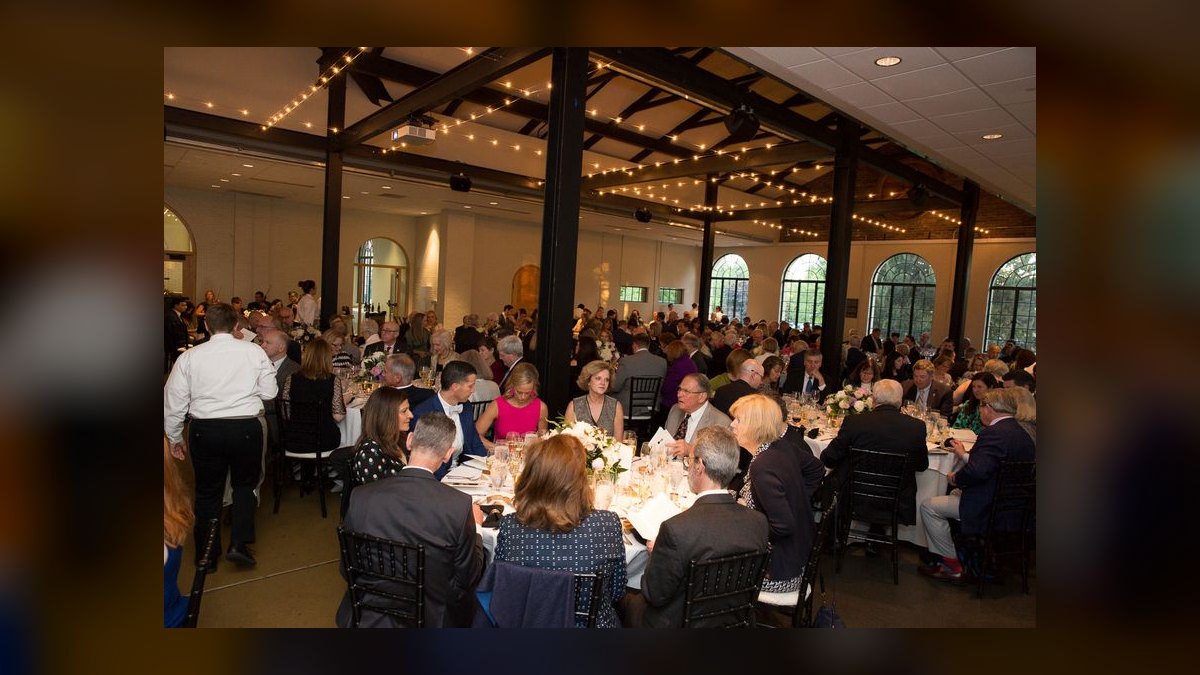
Step one: fix the honoree's constraints before you fix anything else. Ask three questions of the person retiring or of someone close to them. Do they want a seated dinner with a program, or a stand-up reception where people circulate? How many people would embarrass them by not being invited? Is there anyone with mobility, hearing, or dietary needs who absolutely must be comfortable? Those three answers eliminate roughly 80% of the venue list before you make a single call, and they prevent the classic failure of booking a gorgeous third-floor walk-up for a guest of honor who uses a cane.
Step two: set the date window, not the date. Give yourself a two-week window with a weeknight preference. Venues quote differently against a flexible window than against a fixed Saturday, and the difference is real money — often a 20% to 40% swing in the food-and-beverage minimum between a Saturday evening and a Tuesday or Wednesday of the same week. Spring and fall are the crowded seasons in Washington; January, February, July, and August are the soft ones, and August in particular is when Congress is out and the city empties.
Step three: build a short list of six and request proposals from all six simultaneously. Not three — six. Two or three will not respond in a useful timeframe, one will be booked, and you want at least three real proposals to compare. Send every venue the identical inquiry: date window, guest count range, seated versus reception, time block, whether you need AV, and your target per-person or total budget. Stating a budget up front is not weakness; it saves you from three rounds of proposals you cannot afford.
Step four: read the proposals for the four numbers that actually matter — the food-and-beverage minimum, the room rental fee (separate from the minimum, and often not waived), the service charge percentage, and the sales tax. Then compute the all-in per head yourself. A venue quoting $95 per person with a 24% service charge and D.C.'s 10% restaurant tax is really costing you about $124 before you have added a single upgrade.
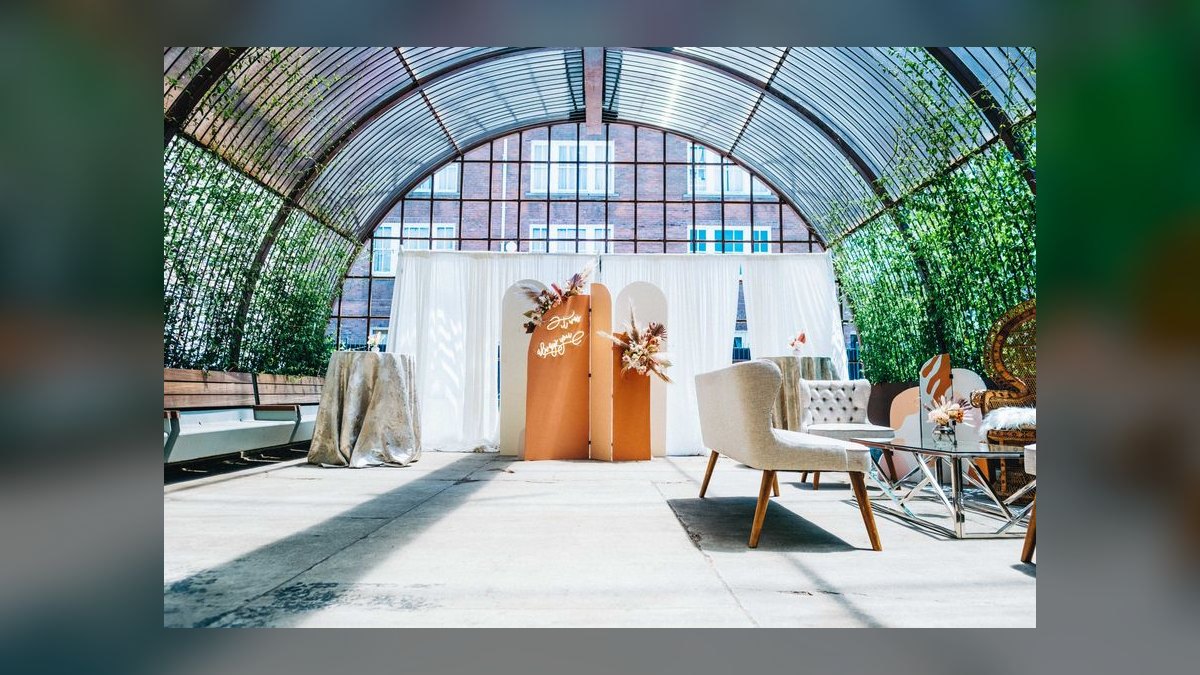
Step five: site-visit the top two, at the time of day your event will run. Light changes everything in a room with windows, and a rooftop that photographs beautifully at 6 p.m. in June is a different room at 6 p.m. in November. On the visit, stand where the honoree will stand and speak at conversational volume. Ask where the podium goes, where the screen goes, and whether the screen blocks the view you are paying for.
Step six: negotiate before you sign, on the items venues actually flex on. Cake-cutting fees, corkage, a reduced bar package, an earlier end time in exchange for a lower minimum, free parking validation, and a complimentary hotel room for the honoree are all commonly negotiable. The per-person food price usually is not.
Step seven: sign, then run the AV and program logistics as a separate track, because they are what people remember and they are the most likely thing to fail.
What it costs, what the timeline looks like, and where the money hides
Per-person pricing across the Washington market for a private retirement event lands roughly between $50 and $300, and that spread is not arbitrary — it maps cleanly onto the tier structure.
The $50 to $90 tier is private rooms at urban wineries, brewery event spaces, and restaurant back rooms. City Winery's Ivy City location is the archetype: a private-room buyout that bundles food and house wine, seats 40 to 120, and needs almost no decor because the barrel room is the decor. This tier is also where you find restaurant private dining rooms across Shaw, Navy Yard, and Ballston. The catch is that these rooms are rarely truly private — you may be behind a curtain rather than behind a door, and ambient restaurant noise is a real risk for a speech-heavy program.
The $85 to $175 tier is the working middle of the market and where most D.C. retirement parties actually land. Top of the Town in Arlington sits here, bundling a buffet or plated meal, an open bar, and panoramic monument views across the Potomac at roughly $90 to $160 per person, with free on-site parking that is worth more than people realize. The Hamilton's upstairs event spaces near the White House sit here too, in the $85 to $150 range with in-house catering from Clyde's Restaurant Group and a built-in stage and sound rig — which quietly eliminates a $1,500 to $3,000 AV rental line. The National Press Club's ballrooms, at roughly $95 to $175, belong here as well, with a banquet team that runs award dinners weekly and AV already in the building.
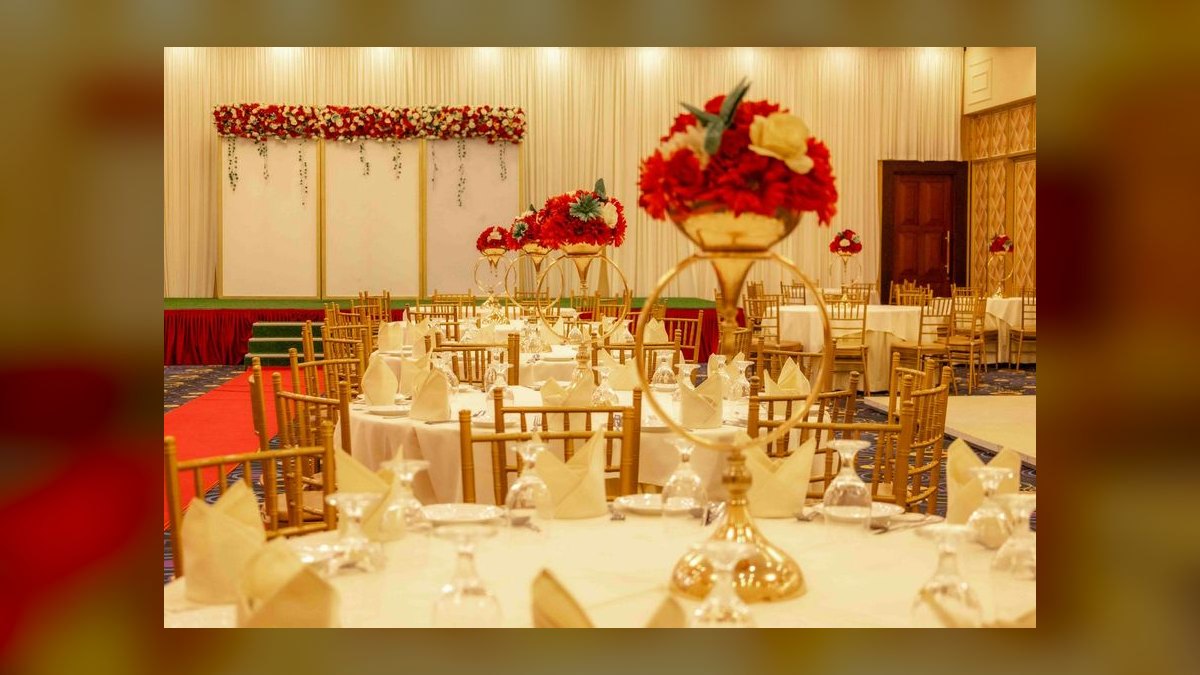
The $110 to $300 tier is the private clubs, the historic houses, and the landmark hotels. City Tavern Club in Georgetown, a restored 1796 Federal-style building on M Street, runs roughly $110 to $200 per person for seated dinners of 40 to 150 in rooms with working fireplaces. The Army and Navy Club on Farragut Square, an ornate 1912 building founded in 1885 for military officers, handles up to about 300 at roughly $120 to $220 — and for a military or veteran honoree, the building itself does emotional work no other room can. The Hay-Adams, the 1928 Italian-Renaissance hotel across Lafayette Square built on the former residences of John Hay and Henry Adams, tops the range: its Top of the Hay rooftop holds about 120 for a reception or 80 seated, with packages commonly $150 to $300 per person and direct views of the White House and the Washington Monument.
Venue-fee-plus-caterer pricing works differently and confuses people. The Carnegie Institution for Science near Dupont Circle — a 1910 building with a marble rotunda and grand staircase, holding roughly 400 for a reception or 220 seated — charges a rental fee and then requires an approved caterer, so your all-in typically lands around $120 to $220 per head once catering, rentals, staffing, and the fee are combined. Decatur House on Lafayette Square, the 1818 Benjamin Henry Latrobe mansion managed by the White House Historical Association, is a full-buyout proposition in the $10,000 to $25,000 range for up to about 250 guests. The Wharf's restaurant private rooms, including spaces like The Salt Line, price on food-and-beverage minimums of roughly $2,000 to $6,000 depending on room and day rather than on a per-head rate — which is excellent news for a group of 30 that eats and drinks well and bad news for a group of 60 that wants passed appetizers only.
The hidden money is consistent across every tier. Service charges in this market typically run 22% to 24% and are applied to food and beverage — and in most cases to the room rental too. D.C. taxes restaurant meals and alcohol at rates higher than the general sales tax, and Virginia jurisdictions layer a local meals tax on top of state sales tax. Then come the line items nobody quotes in the first proposal: coat check attendants for a winter event, valet or garage validation, chair covers or linen upgrades beyond house standard, a cake-cutting fee of a few dollars per person if you bring an outside cake, security for events over a certain size at some institutional venues, and overtime billed in half-hour increments if the party runs past the contracted end. The working rule is simple and reliable: take the quoted per-person figure, add 30%, and that is your realistic all-in.

Timeline varies more by day-of-week than by season. Saturday evenings at the marquee venues book three to six months out, and spring and fall Saturdays can go further. Weeknight evenings typically need six to ten weeks. Weekday lunches — the federal-retirement standard — can often be secured in four to eight weeks, sometimes less in the soft months. Deposits usually run 25% to 50% at signing, with the balance due somewhere between two weeks and the day of. Final guaranteed headcount is typically due 72 hours out, and you are billed on the guarantee or the actual count, whichever is higher. Overestimating your guarantee by ten people is a pure donation to the venue.
The mistakes that turn a good venue into a bad party
Treating AV as an afterthought. This is the number one failure mode for retirement parties specifically, because retirement parties are program-heavy in a way that anniversary dinners and holiday parties are not. There will be a slideshow. There will be four to eight speakers. There may be a video from someone who could not travel. If the room does not have a house sound system, a podium mic, a wireless handheld for the roaming toast, and a screen large enough to read from the back table, you are renting all of it — and AV rental in this market for a modest package runs meaningfully into four figures. Venues with built-in production, like The Hamilton or the National Press Club, absorb that cost invisibly. A stunning historic parlor with no infrastructure does not.
Booking for the planner's taste instead of the honoree's. A 35-year-old organizer picks the rooftop with the DJ. The 63-year-old honoree wanted a long table, a real dinner, and enough quiet to talk to people they will never see again. Ask. Then honor the answer even if it is less photogenic.
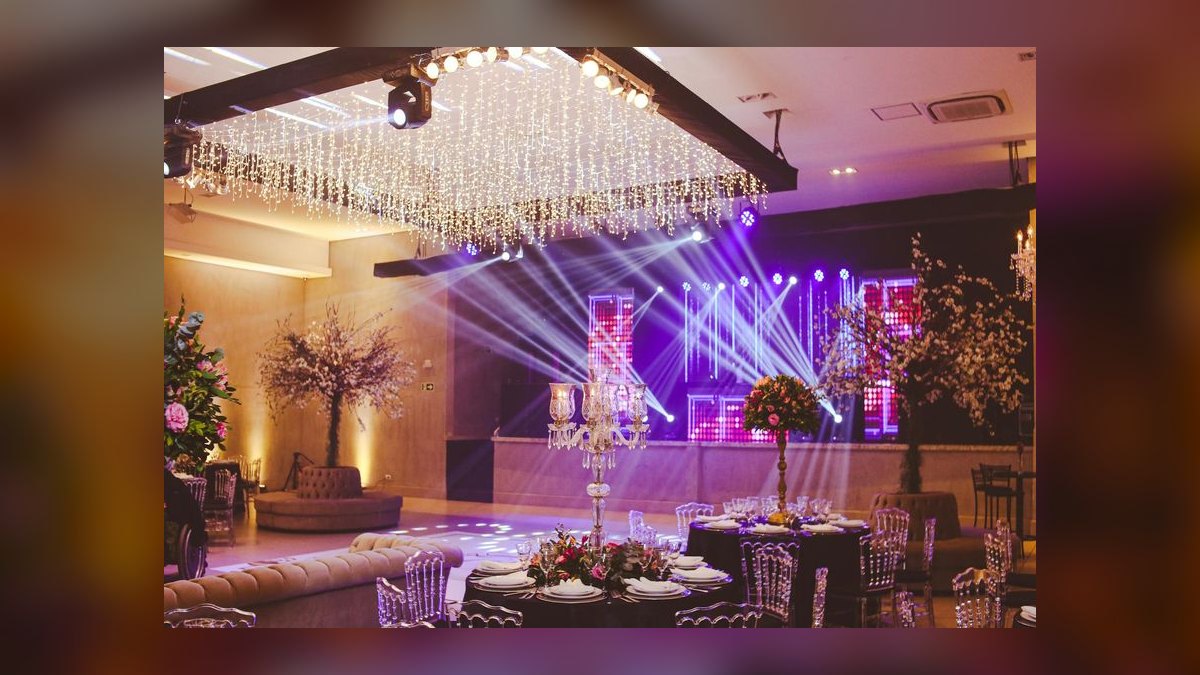
Ignoring the guarantee mechanics. Committees invite 200 and guarantee 180 and 140 show up, and the group eats a five-figure overage on food that goes in the trash. Retirement parties have unusually soft RSVP rates because so many invitees are former colleagues with loose ties to the honoree. Guarantee conservatively; most venues will set additional covers on the day for a modest number of walk-ins.
Choosing a room whose capacity math does not match the format. A space rated for 250 reception is often rated for 120 seated with a dance floor and a podium. Reception capacity assumes everyone is standing and circulating. If you want rounds of ten, a head table, a stage, a screen, and a buffet line, your usable capacity drops by roughly half. Always ask for the seated-with-staging number, not the fire-code number.
Underestimating access. Downtown D.C. parking is scarce and expensive, several beautiful Georgetown and Capitol Hill venues have historic entrances with steps and no ramp, and some upper-floor historic spaces have small or slow elevators. For a guest list that includes people in their seventies and eighties, a step-free entrance, an elevator, and either valet or an adjacent garage are not luxuries. Arlington and the near-suburbs win on this dimension almost every time.
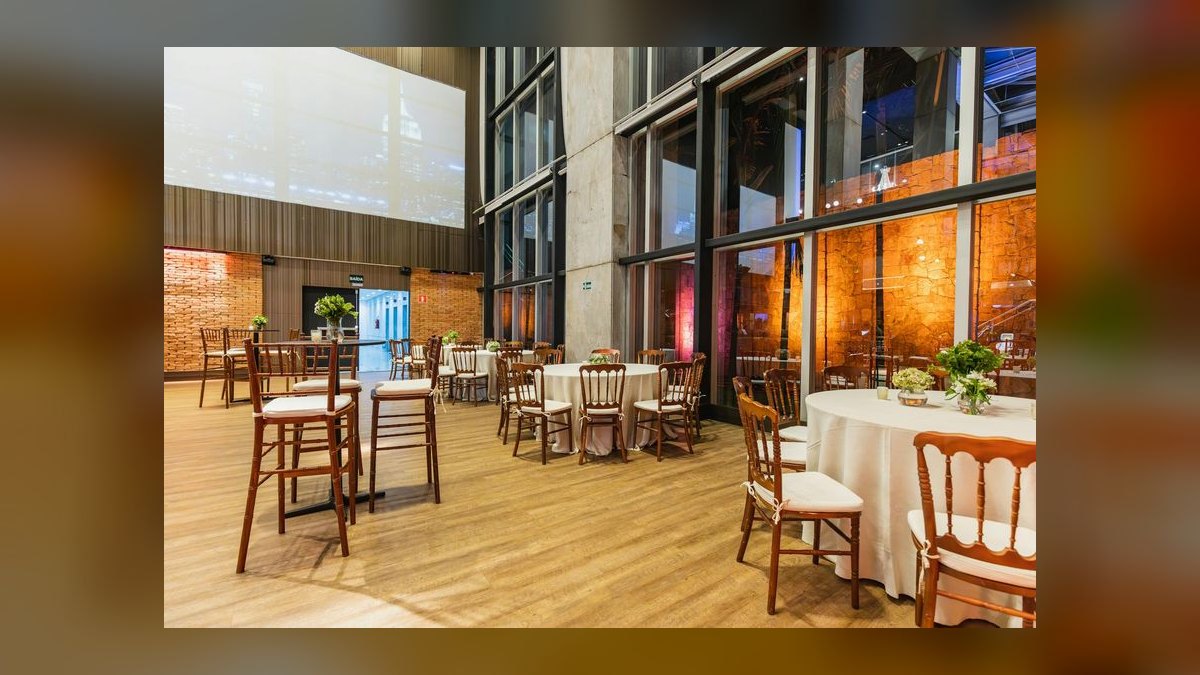
Missing the alcohol and gift rules. For federal and military honorees, there are real constraints on solicitation of contributions and on what constitutes an acceptable gift from subordinates. Check with the agency's ethics official before you circulate a collection envelope — this is routine, they answer these questions constantly, and it is far better than unwinding it afterward.
Forgetting the parking spouse test. The honoree's spouse or partner is often the one person at the event who knows nobody. Seat them well, brief a host to look after them, and pick a venue where a coat, a purse, and a walker have somewhere to go.
Not doing a sound check with the actual slideshow file. Aspect ratios, missing fonts, autoplay video with no audio routing — all of it fails at 6:55 p.m. for a 7:00 p.m. program. Test the actual file on the actual system at least an hour before doors.
Choosing the right room: a decision framework
Rather than ranking venues absolutely, sort by the constraint that binds hardest for your particular event. In practice one of five constraints dominates.

If the binding constraint is prestige and the career deserves a landmark, you are choosing among the Hay-Adams rooftop, Decatur House, and the Army and Navy Club. These are the rooms where the building itself is part of the tribute — a White House view for a public-service career, a Lafayette Square mansion for someone who spent thirty years working within sight of it, a military officers' club for a service retirement. Expect $150 to $300 per person or a five-figure buyout, and expect the guest list to feel honored rather than merely fed.
If the binding constraint is budget, go to the winery, brewery, and restaurant private-room tier, and go to lunch. City Winery's Ivy City rooms at $50 to $90 with food and house wine included, or a restaurant private room on a Tuesday, will deliver a genuinely warm event at a third of the landmark price. Accept that the room is nice rather than spectacular, and spend the savings on a good photographer and a printed program.
If the binding constraint is guest count above 200, your list shrinks fast: the National Press Club ballroom (about 400), the Carnegie rotunda (about 400 reception), Top of the Town in Arlington (about 300), the Army and Navy Club (about 300), and hotel ballrooms. Large retirement receptions also change the format — at 300 people you are running a stand-up reception with a short program, not a seated dinner, because a seated dinner at that scale doubles your cost and triples your timeline.

If the binding constraint is the program — a long slideshow, a roast, live music, a video tribute — prioritize built-in production over architecture. The Hamilton's upstairs spaces exist for exactly this: a real stage, a real rig, a kitchen behind it, and the option to put a live act or DJ on a stage that is already there. The National Press Club is the formal equivalent, built for podium events.
If the binding constraint is accessibility and travel, weight parking, elevators, and step-free entry above everything, and look hard at Arlington, Bethesda, and Tysons. Free surface parking, a single-level ballroom, and a fifteen-minute drive from the suburbs where most of the guest list lives will produce a higher attendance rate than a prestigious downtown address that requires a garage hunt.
Two adjacent formats deserve mention because they solve the same problem differently. A daytime office reception in the honoree's own building — conference center, cafeteria, or lobby atrium — costs a fraction of any venue and captures colleagues who cannot leave for an evening; many organizers run this as the official send-off and then hold a small private dinner of twelve for family and close friends at a restaurant that evening. That two-event split is often the best answer, and it is chronically overlooked. A Potomac dinner cruise from the Wharf or Old Town Alexandria is the other adjacent option: it bundles venue, catering, and entertainment, handles 50 to 400 depending on vessel, and gives you a monument-lit backdrop — at the cost of a hard boarding time and no way for a guest to leave early.
Related questions
How much should a retirement party cost per person in D.C.?
Plan on $50 to $90 for a winery or restaurant private room, $85 to $175 for a mid-market ballroom or music venue, and $150 to $300 for a landmark hotel or private club. Add roughly 30% for service charge and tax.
Can colleagues legally pool money for a federal employee's retirement party?
Generally yes, within limits — federal ethics rules govern gift solicitation and what a departing employee may accept from subordinates. Check with your agency's designated ethics official before circulating a collection, since the rules differ for gifts versus event costs.
What's the best day of the week to book?
Thursday and Friday lunches are the D.C. standard for federal send-offs and typically carry the lowest minimums. Saturday evenings cost the most and book furthest out. Tuesday and Wednesday evenings are the best-value evening slots.
Should I do a seated dinner or a standing reception?
Under 100 guests with a speech-heavy program, seated. Over 150, reception — a seated dinner at that size roughly doubles cost and lengthens the evening past most guests' patience. Between 100 and 150, let the honoree's preference decide.
Do private clubs require a member to sponsor the event?
Usually, yes. City Tavern Club and the Army and Navy Club generally require a member sponsor for private events. Ask around your organization early — most D.C. workplaces have several members, and sponsorship is routine.
FAQ
What is the typical cost range for a retirement party venue in the Washington area?
Per-person pricing generally falls between $50 and $300 depending on tier. Most venues also impose a food-and-beverage minimum, a 22–24% service charge, and local meals tax, so the realistic all-in is roughly 30% above the quoted per-person rate. A $95 menu price commonly lands near $124 once everything is applied.
How far in advance should I book?
Saturday evenings at marquee venues typically book three to six months out, more in spring and fall. Weeknight evenings need six to ten weeks. Weekday lunches — the most common shape for a federal send-off — can often be arranged in four to eight weeks, and sometimes faster in January, February, July, or August.
Can I host a retirement party for fewer than 30 guests?
Yes. Most restaurants and clubs have private or semi-private dining rooms sized for 10 to 30. Expect a higher effective per-person cost, because a fixed food-and-beverage minimum divided across a small group raises the per-head number. Some venues waive minimums entirely for small weekday lunches — always ask.
Do venues allow outside catering?
Rarely. Hotels, clubs, and restaurants require in-house catering as a condition of the room. Historic and institutional venues — Decatur House, the Carnegie Institution — typically require you to choose from an approved caterer list rather than bring anyone you like. Confirm the policy in the first call, since it changes your budget structure entirely.
What AV should I confirm before signing?
A podium with a wired mic, at least one wireless handheld, a screen and projector or a large display, an audio feed for slideshow video sound, and a house engineer or a designated staff contact during the program. Ask whether these are included or rented, and get the rental figure in writing before you commit.
Is parking a real problem downtown?
Yes. Downtown D.C. venues largely rely on valet or nearby commercial garages, and evening rates add up quickly across a large guest list. Arlington and suburban Maryland venues frequently offer free on-site parking, which matters disproportionately for a retirement guest list that skews older and drives in from the suburbs.
Sources
- https://www.hayadams.com/
- https://www.press.org/
- https://carnegiescience.edu/
- https://www.whitehousehistory.org/
- https://citywinery.com/washingtondc/
- https://live.thehamiltondc.com/
- https://www.topofthetown.com/
- https://www.oge.gov/
- https://otr.cfo.dc.gov/
- https://www.wharfdc.com/
Related on PULSE
- [Best 30th Birthday Party Venues in Nashville, Tennessee (2027)](/knowledge/ev0098)
- [Best Corporate Holiday Party Venues in Chicago (2027)](/knowledge/ev0094)
- [Best Graduation Party Venues in Austin, Texas (2027)](/knowledge/ev0093)
- [Top 10 Milestone Birthday Party Venues in the US in 2027](/knowledge/ev0092)
- [Best Milestone Birthday Party Venues in New York City (2027)](/knowledge/ev0091)
- [Top 10 Bachelor Party Destinations in the Mountain West in 2027](/knowledge/ev0089)
This page will be disappearing soon. Save it to your device for $1 — or read it free while it is here.
@Kory-White- · if Venmo asks, the last 4 of my number are 2012
 pulse-eventsWhat is the best way to approach Events in 2027?
 pulse-events10 Best Family Reunion Destinations in the Southeast for 2027
 pulse-eventsThe 10 Best NYC Wedding Venues in 2027
 pulse-eventsThe 10 Best Las Vegas Bachelor Party Experiences for 2027
 pulse-eventsHow much does a custom trade show booth cost in 2027?
 pulse-events10 Best Corporate Retreat Venues in California (2027)
 pulse-eventsBest Corporate Holiday Party Venues in Chicago (2027)
 pulse-eventsTop 10 Anniversary Celebration Getaways in the US in 2027
 pulse-eventsTop 10 Events strategies for 2027
 pulse-events10 Best Beach Resorts for Family Reunions in 2027