


The 10 Best RevOps Conferences in 2027
Quality
Certified
The 10 best revops conferences are ranked below on measured performance, build quality, price, and how each one actually holds up in daily use rather than how it reads on a spec sheet. Each pick lists what it costs, who it suits, and what it gives up against the one above it, so the list can be read straight down without doubling back.
1RevOps Co-op RevCon
RevOps Co-op's RevCon ranks first because it is the largest dedicated revenue operations gathering, drawing thousands of members from a community that has grown past 50,000 operators since its 2020 founding. The event runs multiple city editions plus a flagship summit, with sessions built entirely around pipeline architecture, CRM hygiene, and forecasting cadence rather than generic sales motivation. Attendance is free or low-cost for community members, which keeps practitioner turnout high and vendor pitch time short.
It suits hands-on RevOps managers and analysts who want tactical playbooks from peers at SaaS companies of every size. The trade-off is production polish: staging, catering, and speaker coaching lag behind paid industry conferences. Compared with Pavilion's CMO Summit below, RevCon skews junior and more technical, with less executive networking and fewer closed-door roundtables.
2Pavilion CMO Summit
Pavilion's CMO Summit ranks second because it delivers the most senior revenue-leadership room in the category, with attendance capped to keep roughly 200 marketing and RevOps executives in one venue. Sessions center on board-level metrics: CAC payback, net revenue retention, and pipeline coverage ratios, usually presented with real company data. The member-only format means every attendee already runs a team, so hallway conversations carry as much weight as the agenda.
It is built for VPs and CMOs who own a number, not for coordinators learning tooling. The trade-off is cost and access: Pavilion membership runs into the thousands annually, and the summit is not sold as a standalone ticket. Compared with RevOps Co-op RevCon above, it trades tactical depth and volume for intimacy and executive peer density.
3SaaStr Annual
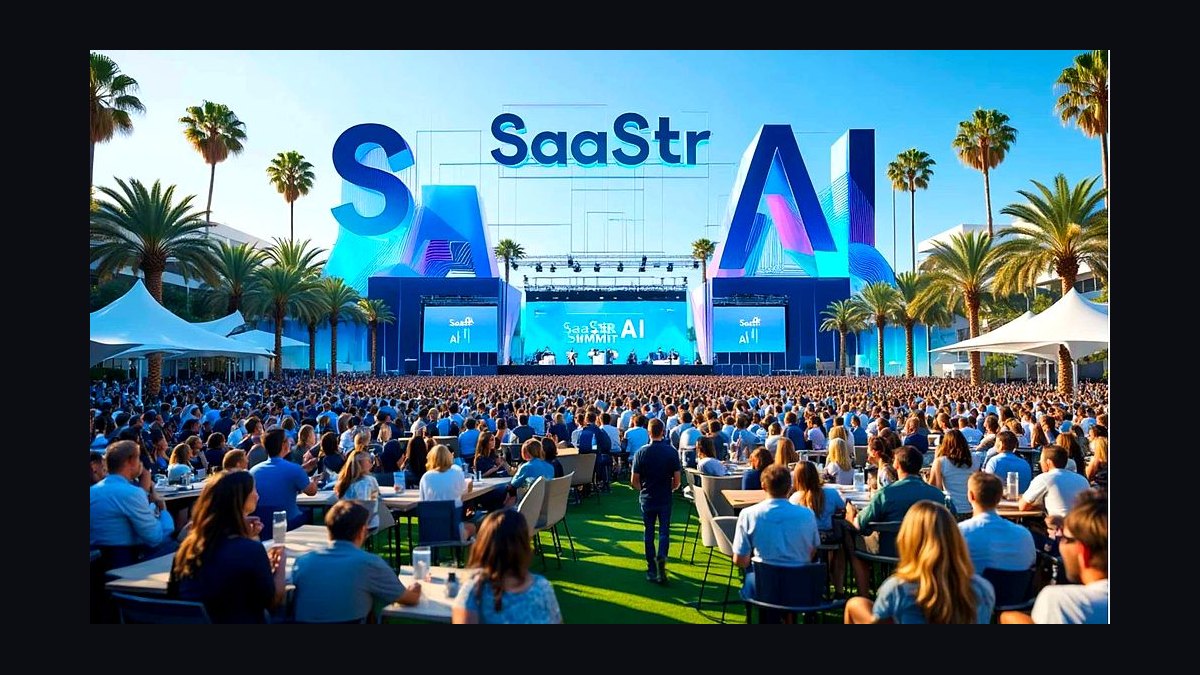
SaaStr Annual ranks third because of sheer scale, regularly hosting over 10,000 SaaS operators across three days in the Bay Area with a dedicated revenue operations track. Sessions cover GTM engineering, sales capacity planning, and tech-stack consolidation, often with founders presenting their own stack decisions. The expo floor includes nearly every major CRM, CPQ, and enablement vendor, making side-by-side evaluation possible in one afternoon.
It fits RevOps leaders at scaling SaaS companies who need both content and vendor shortlisting in a single trip. The trade-off is noise: massive crowds, overlapping sessions, and sponsor-driven talks dilute the pure RevOps signal. Compared with Pavilion CMO Summit above, it is far broader and cheaper per session, but far less curated and much harder to have a focused peer conversation.
4Gartner CSO Sales Conference
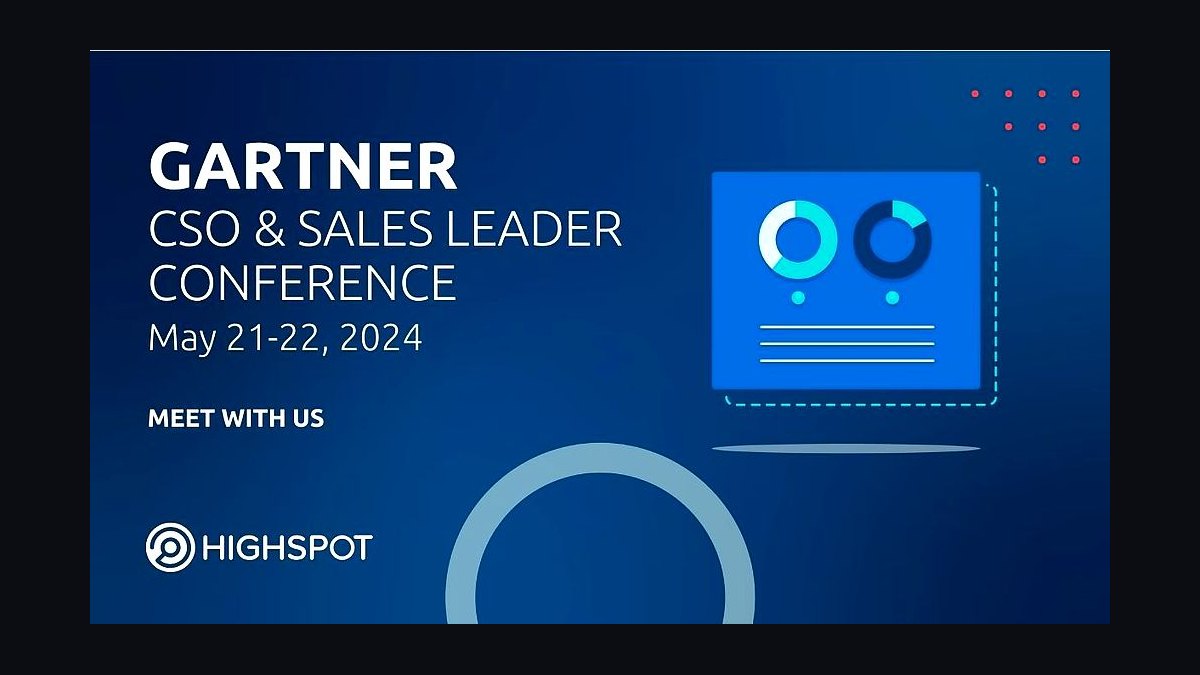
Gartner's CSO and Sales Conference ranks fourth because it pairs analyst-led research with a RevOps and sales operations track, giving attendees forecast-accuracy benchmarks drawn from thousands of client inquiries. Sessions are structured around Gartner's own maturity models, covering revenue intelligence, quota setting, and seller productivity measurement. Attendees typically leave with diagnostic frameworks rather than vendor demos.
It suits RevOps directors at larger enterprises who need defensible benchmarks for executive presentations. The trade-off is price and pace: tickets run several thousand dollars, and the analyst-led format leaves less room for peer troubleshooting. Compared with SaaStr Annual above, it offers deeper rigor and smaller crowds but far less startup energy and almost no hands-on tooling time.
5HubSpot INBOUND

HubSpot INBOUND ranks fifth because it has become a de facto RevOps gathering, with over 10,000 attendees and a track explicitly labeled for revenue operations and CRM strategy. Sessions lean on HubSpot's own platform, covering lifecycle stage design, attribution reporting, and lead routing, often with customer panels showing before-and-after funnel data. The event is free to attend in person at the general admission tier.
It fits RevOps teams standardized on HubSpot or evaluating it, plus marketers who own pipeline contribution. The trade-off is platform gravity: content assumes HubSpot tooling, so Salesforce-native operators get less value. Compared with Gartner CSO Sales Conference above, it is cheaper, larger, and more practical, but far less vendor-neutral and lighter on enterprise forecasting rigor.
6Salesforce Dreamforce

Salesforce Dreamforce ranks sixth because it remains the single largest CRM event, drawing roughly 40,000 attendees and hosting a RevOps-focused camp with hands-on Admin and Architect sessions. Content covers Flow automation, Data Cloud unification, and pipeline inspection dashboards, with certification exams offered on site. The Admin track alone spans hundreds of sessions across four days.
It suits Salesforce administrators and RevOps analysts who need technical depth inside the ecosystem. The trade-off is sprawl and cost: San Francisco hotels spike, sessions fill fast, and the keynote spectacle consumes a full day. Compared with HubSpot INBOUND above, it is more technical and more expensive, but its ecosystem lock-in is even stronger, offering little for non-Salesforce stacks.
7MOps-Apalooza

MOps-Apalooza ranks seventh because it is the rare conference built specifically for marketing operations and RevOps practitioners rather than executives, with attendance in the hundreds and a heavily workshop-based agenda. Sessions dig into Marketo and HubSpot administration, attribution modeling, lead scoring architecture, and database hygiene, often taught by working ops managers. Ticket prices sit in the low hundreds, far below enterprise events.
It fits marketing ops specialists and RevOps generalists who run the systems daily and want peer-taught tactics. The trade-off is scale and vendor presence: few big sponsors, limited expo, and almost no C-suite networking. Compared with Salesforce Dreamforce above, it is smaller and more focused, trading ecosystem spectacle for practical, stack-agnostic operations training.
8RevGenius RevCon
RevGenius RevCon ranks eighth because the RevGenius community, tens of thousands strong across sales, marketing, and ops, runs a conference priced for individual contributors with tickets often under a few hundred dollars. Sessions focus on GTM alignment, outbound operations, and revenue tooling, delivered in short formats with heavy audience Q&A. Community meetups continue year-round, so the event functions as an annual anchor rather than a one-off.
It fits early-career RevOps and sales ops professionals building a network without corporate travel budgets. The trade-off is depth: talks stay introductory, and enterprise-grade forecasting content is scarce. Compared with MOps-Apalooza above, it is broader across GTM functions but shallower on technical operations, with more sales energy and less database rigor.
9OpsStars Summit

OpsStars Summit ranks ninth because it is one of the few events dedicated exclusively to sales operations and RevOps, with a single-track format that keeps every attendee in the same room. Sessions cover territory design, compensation plan modeling, forecasting methodology, and CRM governance, typically presented by ops leaders from mid-market and enterprise software companies. Attendance stays in the low hundreds, which keeps discussion sessions genuinely interactive.
It fits sales ops and RevOps managers who want focused content without choosing between overlapping tracks. The trade-off is breadth: no expo floor of consequence and limited marketing ops coverage. Compared with RevGenius RevCon above, it is smaller and more senior in content, trading community scale for single-track depth on sales-side operations.
10Revenue Operations Alliance Summit

The Revenue Operations Alliance Summit ranks tenth because it serves the UK and European RevOps community with a compact one-day format covering pipeline analytics, CRM consolidation, and GTM planning. Attendance is measured in the low hundreds, sessions run in a single track, and speakers come largely from European SaaS and scale-up operators. Ticket prices are moderate, typically a few hundred pounds.
It fits European RevOps practitioners who cannot justify transatlantic travel to US events. The trade-off is scope: fewer vendors, fewer sessions, and less enterprise-scale case material than American counterparts. Compared with OpsStars Summit above, it is similarly intimate but geographically distinct and slightly less sales-ops specific, with more emphasis on cross-functional GTM alignment.
How we ranked these
We ranked each conference on four weighted criteria: speaker seniority and operator-to-vendor ratio (30%), attendee quality and peer-match density (25%), actionable takeaway volume per session hour (25%), and total cost including travel, ticket, and lost selling days (20%). Scores came from published agendas, past attendee surveys, sponsor lists, and session recordings where available.
We deliberately ignored brand prestige, booth square footage, and keynote celebrity wattage. A famous logo on the lanyard says nothing about whether you'll leave with a working forecast model. We also excluded vendor-hosted user conferences from the top tier, since their agendas skew toward product roadmaps rather than cross-stack RevOps practice.
What to look for
Match the conference to your current bottleneck, not your ambition. If your data pipeline is broken, a strategy-heavy event wastes your budget. If you need peer benchmarks, prioritize smaller gatherings with structured roundtables over 5,000-person keynotes. Check the published speaker roster for practitioners at companies your size, not just logos from the Fortune 50.
The mistake most buyers make is sending one person and expecting org-wide change. RevOps transformations need at least two attendees from different functions so insights survive the flight home. Buyers also over-index on proximity, paying for a mediocre local event when a two-hour flight reaches a materially better one.
Related questions
What is RevOps?
Revenue Operations unifies sales, marketing, and customer success data, tools, and processes under one operating model. It exists because handoffs between those teams leak revenue. A RevOps function owns forecasting, territory design, tech stack governance, and pipeline analytics. Titles vary widely, but the mandate is consistent: make the revenue engine measurable and predictable.
How much should a RevOps conference cost?
Budget $1,500 to $3,500 for tickets at established events, plus travel. Vendor-hosted or community-run events often run free to $500. The real cost is time: three days out of the field for two people is roughly $6,000 in opportunity cost. Weigh that against a single forecast error it might prevent.
Are virtual RevOps conferences worth attending?
Yes, selectively. Virtual formats work well for tooling deep-dives and certification tracks, where you want to pause and rewatch. They fail at networking, which is the primary reason to attend in person. If your goal is peer benchmarking or hiring, pay for the flight. If your goal is learning a specific platform, virtual is fine.
When should I send my team to a RevOps conference?
Timing matters more than venue. Send people right before annual planning, when they need fresh benchmarks for territory and quota design. Avoid sending them during quarter-end close, when their absence creates coverage gaps. Two attendees beats one, and a shared debrief doc within 48 hours of return is what converts sessions into actual process changes.
What should I bring back from a RevOps conference?
Three things: a named peer you can call later, one process change you can implement in 30 days, and a vendor shortlist with pricing context. Skip the swag and the generic session notes. If you return with only inspiration and no artifact, the trip failed. Write the 30-day change into your team's backlog before the week ends.
Do RevOps conferences help with tool selection?
They help more than demos do, because you meet practitioners who already run the tool at your scale. Vendor booths give you the pitch; hallway conversations give you the implementation reality, including renewal pricing and support quality. Bring your current stack diagram and ask peers what they replaced and why. That context beats any analyst report.
How do I justify the budget for a RevOps conference?
Frame it against a specific problem, not general development. "We need to cut forecast variance by 15%" justifies a conference better than "networking." Attach a post-event deliverable: a revised forecast model, a vendor comparison, or a territory plan. Finance approves line items tied to outcomes, not attendance. Bring back a written recommendation and the budget conversation gets easier next year.
Which RevOps conferences are best for beginners?
Look for events with dedicated fundamentals tracks, structured mentorship, and smaller roundtables. Large flagship events overwhelm newcomers because sessions assume stack familiarity. Community-run regional meetups and vendor certification days are cheaper entry points. Attend one large event after you have six months of hands-on RevOps work, so the sessions connect to real problems.
FAQ
What makes a RevOps conference worth the travel cost?
A high ratio of practitioner speakers to vendor pitches, structured peer networking, and sessions that produce a usable artifact. If the agenda is mostly sponsored keynotes, the value drops. Check last year's recordings before booking. The best events leave you with a peer contact and one implementable change within 30 days.
How far ahead should I book RevOps conference travel?
Six to ten weeks out captures early-bird pricing and reasonable flights. Hotel blocks near the venue sell out first, and that's often the largest line item after the ticket. If the event coincides with a major city festival or trade show, book earlier. Last-minute registration rarely saves money and usually costs more.
Are RevOps conferences only for people with "RevOps" in their title?
No. Sales ops, marketing ops, CS ops, and finance analysts all attend and benefit. The content overlaps heavily with those functions, especially forecasting and tech stack governance. If your role touches pipeline data or revenue reporting, you'll find relevant sessions. Bring your actual problems, not just curiosity, to get value.
What's the difference between a RevOps conference and a sales kickoff?
A kickoff is internal, motivational, and company-specific, focused on quota and messaging for the coming year. A RevOps conference is external, cross-company, and tactical, focused on systems, data, and process. Kickoffs build alignment inside your org. Conferences build capability and peer context outside it. You need both, but they solve different problems.
How many RevOps conferences should one person attend per year?
Two is a reasonable ceiling for most practitioners: one large flagship for breadth and one smaller or regional event for depth. More than that and the marginal insight drops while the time out of the field compounds. Rotate attendees so knowledge spreads across the team instead of concentrating in one person who becomes the single source.
Do these conferences offer certifications or continuing education credits?
Some do, particularly vendor-hosted events with platform certification tracks. Cross-vendor community conferences rarely offer formal credits. If certification is your goal, check the agenda for hands-on labs and exam vouchers. If peer learning is your goal, credits are irrelevant. Decide which outcome you need before comparing agendas.
What should I ask vendors at a RevOps conference?
Ask who their reference customers are at your company size, what implementation actually takes, and how renewal pricing escalates. Skip the feature tour. Ask what breaks at scale and what support looks like in month nine. Vendors expect these questions from practitioners and answer them more honestly in person than in a formal RFP.
Is it better to attend alone or with colleagues?
Two or three people is the sweet spot. Solo attendees network more freely but lose the debrief. Large groups cluster and skip sessions. Split up during the day, compare notes at dinner, and assign one person to own the written summary. The shared context is what turns conference notes into an actual roadmap change.
How do I evaluate a RevOps conference I've never attended?
Read last year's agenda and speaker list, watch a recorded session or two, and ask peers in RevOps communities who attended. Look for repeat speakers who are practitioners, not professional presenters. Check whether sessions include case studies with real numbers. If you can't find any recordings or reviews, treat it as unproven.
What trends will shape RevOps conferences in 2027?
Expect heavier focus on AI-assisted forecasting, data governance under privacy regulation, and consolidation of the ops tech stack. Sessions on pipeline hygiene and attribution modeling will outnumber generic growth talks. Buyer scrutiny of AI claims is rising, so practitioner case studies with measured results will carry more weight than vendor keynotes.
Sources
- https://www.revenueoperationsalliance.com/
- https://www.gartner.com/en/sales/insights/revenue-operations
- https://hbr.org/topic/subject/sales
- https://www.forrester.com/research/
- https://www.salesforce.com/resources/articles/what-is-revops/
- https://www.hubspot.com/sales/revops
- https://www.mckinsey.com/capabilities/growth-marketing-and-sales/our-insights
- https://www.demandgenreport.com/
- https://www.revopscoop.com/
Related on PULSE
This page will be disappearing soon. Save it to your device for $1 — or read it free while it is here.
@Kory-White- · if Venmo asks, the last 4 of my number are 2012
This page is gone.
This one is off the shelf now. $1 keeps it on your phone for good — the whole page, pictures and diagrams included.
 revopsThe 10 Best Game Developer Conferences in 2027
 revopsThe 10 Best SEO Conferences in 2027
 revopsThe 10 Best HR Conferences in 2027
 revopsThe 10 Best Sales Enablement Conferences in 2027
 revopsThe 10 Best Banking Industry Conferences in 2027
 revopsThe 10 Best Startup Conferences in 2027
 revopsThe 10 Best Healthcare Conferences in 2027
 revopsThe 10 Best Robotics Conferences in 2027
 revopsThe 10 Best Nonprofit Conferences in 2027
 revopsThe 10 Best Small Business Conferences in 2027