
Should I open or buy a Barberitos franchise in 2027?
 Curated byKory White · Fractional CRO · Maryland
 PULSEKNOWLEDGE LIBRARY
Quality
Certified
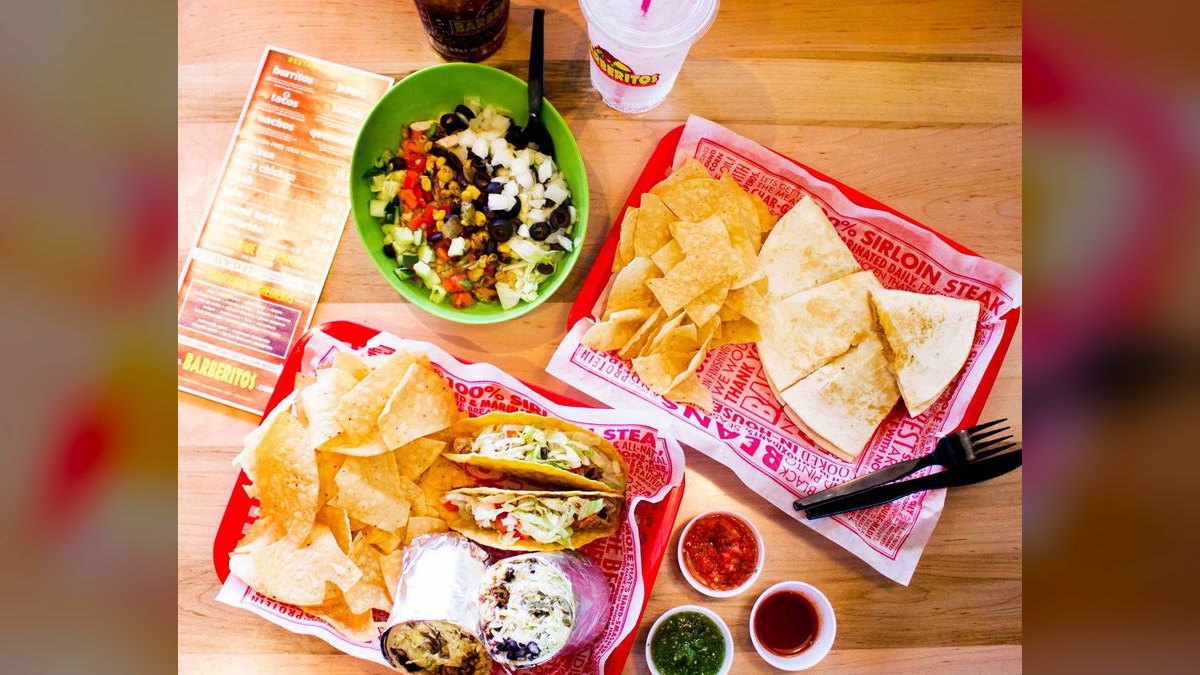
Probably not — unless you can drop $521,000 to $830,360 in total investment on a single Barberitos unit in a Southeastern college town or Sun Belt suburb, accept a 5.3 to 7.3-year payback, and you are already running one or more restaurants that prove you can execute against a 6% royalty plus 3% marketing fee on ~$1.04M AUV. Year-1 cash flow for a well-sited, owner-operated Barberitos lands at $124,690 to $155,862 of estimated earnings on $1,039,079 of average yearly gross sales per the 2026 FDD Item 19 read-out. First-time operators outside the Southeast with under $300K liquid should skip this brand — the 45-unit footprint and WOWorks portfolio brand status mean you are buying regional density, not a Chipotle-grade national flywheel.
The Real Numbers
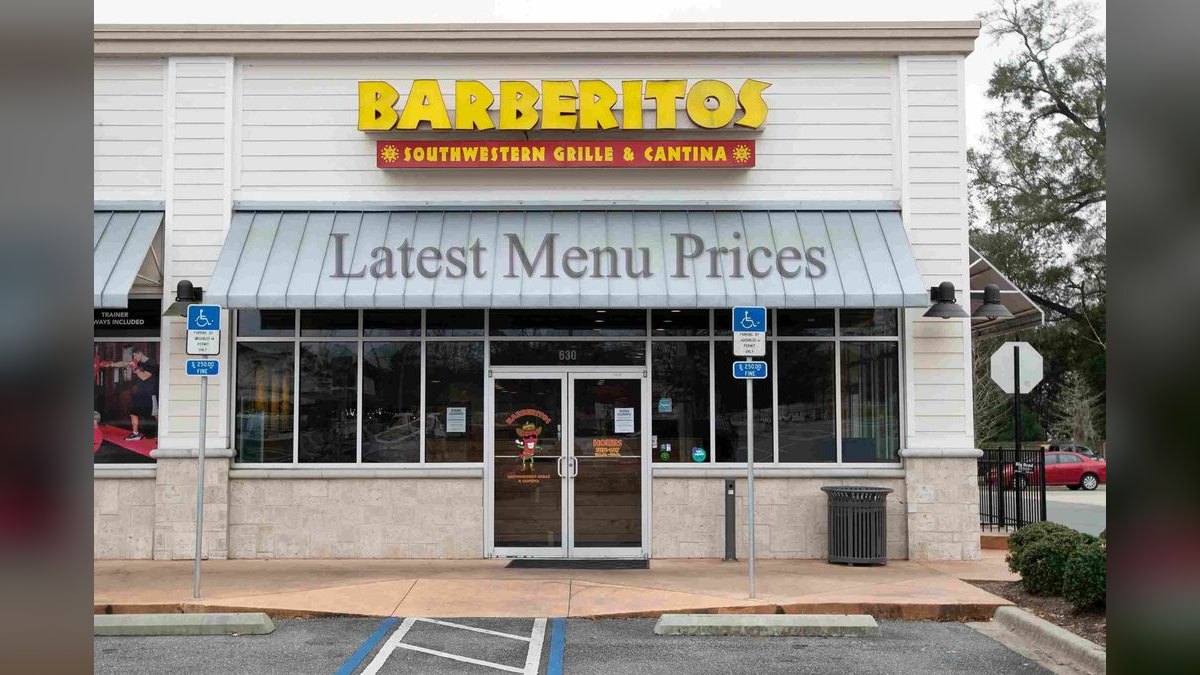
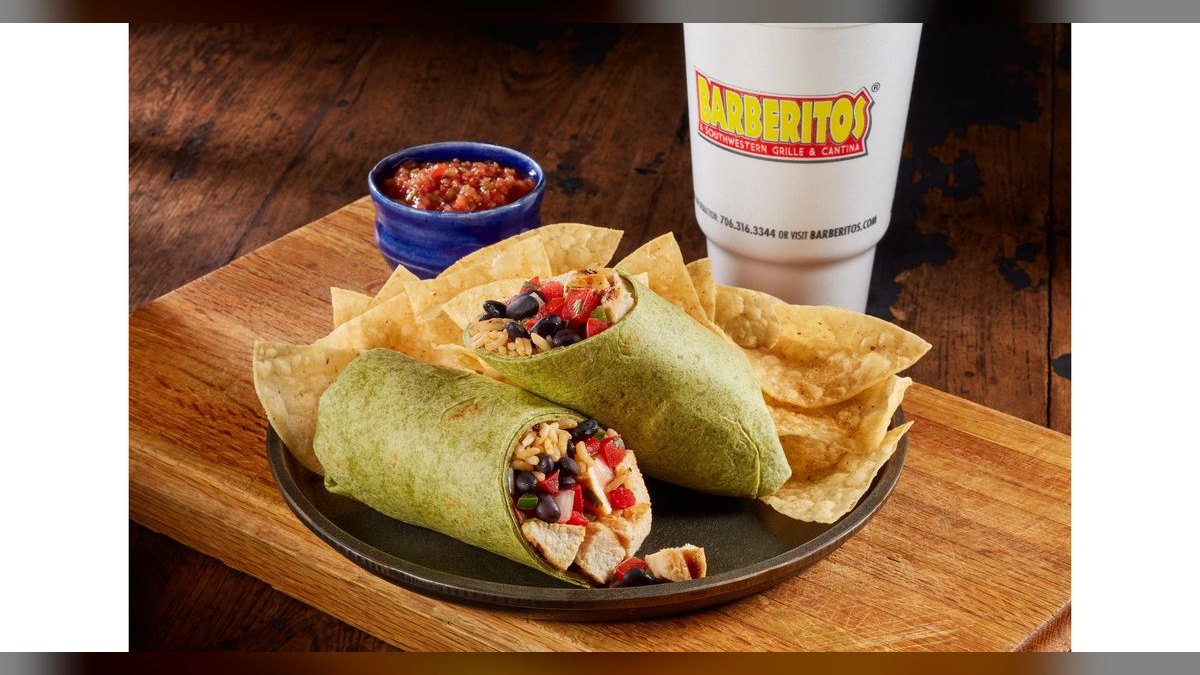
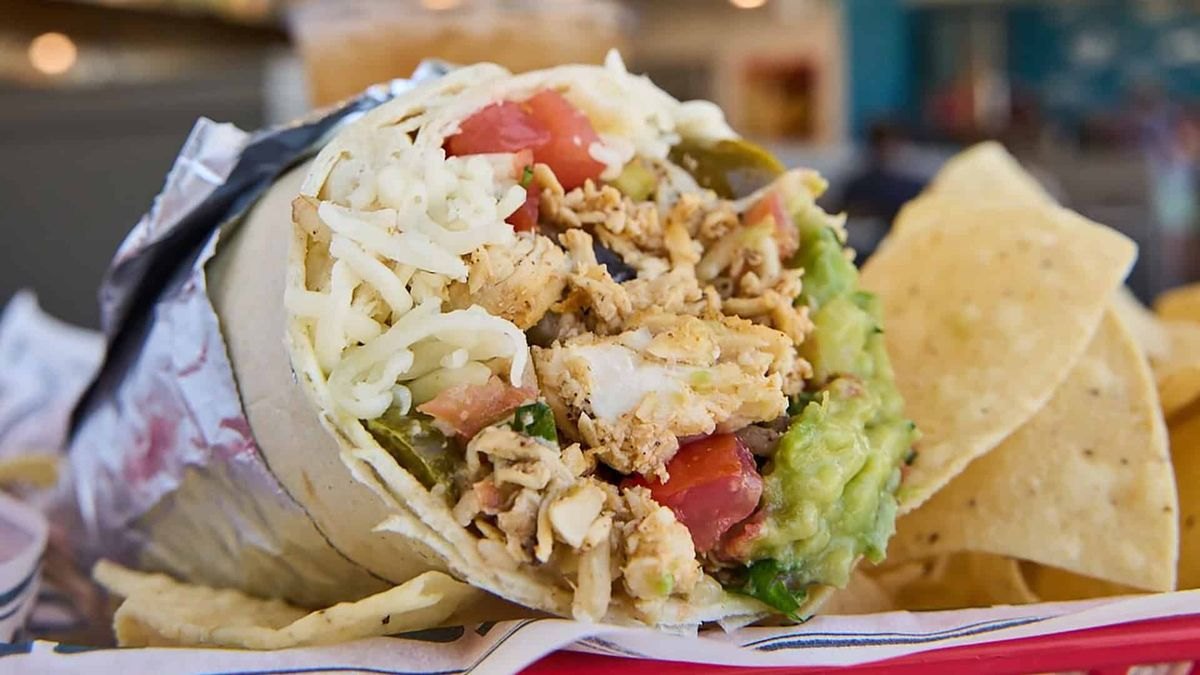
Barberitos is a fast-casual Southwestern grill founded in Athens, Georgia (2000), franchising since 2002, acquired by WOWorks in May 2022, and now sitting at roughly 45 open restaurants plus a 32-unit signed development pipeline as of the 2026 Top 100 Movers & Shakers announcement. Concept: build-your-own burritos, bowls, tacos, salads, quesadillas, nachos, fresh-prepped daily, counter-service line model mirroring Chipotle/Qdoba but with a Southeastern accent and smaller box (roughly 2,000-2,400 sq ft inline endcap is the standard prototype). 2027 underwriting should price the brand against the $32.44B Mexican fast-casual market growing at a 9.7% CAGR, where Chipotle owns ~3,800 corporate-only units, Qdoba is the franchised national play at ~818 units chasing 1,000 by 2027, and regional brands like Barberitos, Moe's, and Salsarita's fight for college-town and small-metro dominance the national chains underweight.
| Line Item | 2026/2027 Range | Source |
|---|---|---|
| Initial franchise fee | $35,000 | FDD Item 5/7 |
| Total initial investment | $521,000 – $830,360 | FDD Item 7 |
| Build-out + leasehold improvements | $280,000 – $430,000 | FDD Item 7 (build/equipment line) |
| Equipment + smallwares | $95,000 – $145,000 | FDD Item 7 |
| Signage + POS + tech | $28,000 – $48,000 | FDD Item 7 |
| Initial inventory + supplies | $12,000 – $18,000 | FDD Item 7 |
| Training + grand opening | $15,000 – $35,000 | FDD Item 7 |
| 3 months working capital | $45,000 – $90,000 | FDD Item 7 |
| Royalty | 6% of gross sales | FDD Item 6 |
| Marketing/brand fund | 3% of gross sales | FDD Item 6 |
| Reported gross revenue (AUV) | $966,317 | FDD Item 19 (2026 read-out) |
| Yearly gross sales (top-quartile) | $1,039,079 | FDD Item 19 |
| Estimated owner earnings | $124,690 – $155,862 | FDD Item 19 (12-15% margin range) |
| EBITDA margin (mature unit) | 12% – 15% | Derived from Item 19 |
| Payback period | 5.3 – 7.3 years | Item 7 + Item 19 math |
| Term | 10 years (10-year renewal) | FDD Item 17 |
| Liquid capital (estimate) | $150,000 – $250,000 | Brand portal disclosure |
| Net worth (estimate) | $500,000 – $750,000 | Brand portal disclosure |
The math operators actually run: $1,039,079 AUV × 15% EBITDA = $155,862 before debt service. Finance $600K of the $675K midpoint build at 10.5% SBA 7(a) on 10 years = ~$96K annual debt service. Free cash to owner ≈ $60K if you manage on-site, $30K-$45K if you hire a $55-65K GM. Underperformers running at the $700K-$800K AUV bottom-quartile burn cash from month one — 6% royalty + 3% marketing = 9% off the top before food cost, and food + paper at 30% plus labor at 30% plus occupancy at 9-11% leaves no air for a sub-$850K unit.
Who Wins With This Business
Existing multi-unit restaurant operators in Georgia, Alabama, South Carolina, North Carolina, Tennessee, Florida, and Virginia win first. The brand's 45-unit footprint is dense in the Southeast, which means co-op marketing, distribution discounts via Performance Food Group, and regional brand awareness all work in your favor. The 2026 Alabama multi-unit deal for Birmingham and Tuscaloosa and the Florida growth push with an existing franchisee are the clearest signals: WOWorks rewards proven operators with territory expansions, not first-timers.
College-town operators are the second winner cohort. Barberitos was born in Athens, GA next to the University of Georgia, and the highest-volume units historically sit in college towns: Auburn, Clemson, Tuscaloosa, Knoxville, Athens, Columbia SC. University foot traffic, late-night lunch/dinner overlap, and delivery-app order density all push AUV toward the $1.2M+ top-tier.
Operators with an existing Saladworks or Zoup! footprint under the WOWorks umbrella get shared-services leverage — same back-office, same supply chain, same broker network. Multi-brand WOWorks operators are explicitly the growth target.
Owner-operators with line experience win on labor cost discipline. 30% labor at $15-16/hr Southeast wages is achievable; 35%+ labor kills the model. Hands-on owners running the lunch rush and Friday/Saturday close save the unit.
Who Loses With This Business
First-time franchisees with $150K liquid lose. The SBA 7(a) loan requires 20-25% equity injection on a $675K project, which is $135K-$170K cash plus closing, and lenders want a co-signer or second income if you have no restaurant P&L history. Single-unit, single-income new operators default at a higher rate than multi-unit operators in this segment.
Northeast, Midwest, and West Coast operators lose on brand awareness. Barberitos has near-zero recognition outside the Southeast; opening in Boston, Chicago, Denver, or Phoenix means paying full freight for marketing against a dominant local incumbent (Chipotle, Qdoba, Moe's, Rubio's). Unit economics break when you have to buy your own demand.
Absentee owners lose. 6% royalty + 3% marketing = 9% before you see a dollar; a $60K-$70K GM to replace yourself takes another 6-7% of revenue. Absentee Barberitos units trend toward the $700K AUV bottom-quartile, which is cash-flow negative after debt service.
Operators planning to flip in 3 years lose. The resale market for sub-50-unit regional brands is thin; buyers underwrite at 3.0-3.5x EBITDA, and a $60K cash-flow unit is worth ~$200K, well below your $675K build. Plan a 7-10 year hold or skip the brand.
Anyone shopping "the next Chipotle" loses. Barberitos is not chasing Chipotle scale — WOWorks is building a multi-brand regional portfolio. Buy it for cash flow, not equity appreciation.
2027 Market Conditions
The fast-casual Mexican category entered 2027 with $32.44B in U.S. sales and a 9.7% projected CAGR through 2032 per Metastat Insight. The category headline is Qdoba's franchised national breakout — net 100 openings in 2027 targeting 1,000 systemwide units, backed by a $527M Butterfly Equity continuation fund announced in late 2025. For franchise operators, Qdoba is the obvious comp: $1.7M AUV vs. Barberitos $1.04M, but a $1.2M-$1.6M total investment vs. Barberitos $675K.
Chipotle does not franchise in the U.S. — confirmed by Restaurant Dive and QSR Magazine coverage — so all franchise capital chasing the category flows to Qdoba, Barberitos, Moe's Southwest Grill, Salsarita's, Fuzzy's Taco Shop, Pancheros, Tijuana Flats. Barberitos competes for the same operator dollar as Qdoba, Moe's, and Salsarita's, with the lowest investment threshold of the four.
Inflation tailwind/headwind: 2027 beef prices are projected to stay elevated post-2026 herd contraction; avocado supply normalized in 2026 post-Mexico trade friction. Food cost at 30% is achievable but tight. Labor: Southeast minimum wage stays at federal $7.25 in GA/AL/SC/TN; effective fast-casual wage is $14-16/hr with tighter labor markets in college towns.
Real-estate tailwind: Class-B endcap and inline spaces in secondary Southeast metros are $22-32/sf triple-net — half the cost of comparable Texas or Florida coastal spaces. Build-out cost inflation has plateaued after 2024-2025 spikes.
Tech reality: Third-party delivery is 18-25% of mix for fast-casual Mexican in 2027; DoorDash/Uber Eats commission of 25-30% eats most of the margin on delivery dollars. Native app and loyalty is mandatory — Barberitos has a functional loyalty program but lags Qdoba and Chipotle on digital sophistication.
The 90-Day Decision Tree
- Days 1-7: Pull the FDD. Request the 2026 Barberitos FDD from
franchising.barberitos.com. Read Item 7 (investment), Item 19 (financial performance), Item 20 (unit count + closures), Item 21 (audited financials of franchisor). Closures matter — count terminations and non-renewals over the last 3 years. - Days 8-21: Validate AUV by calling 12+ existing operators. WOWorks/Barberitos must provide the full franchisee list in Item 20. Call at least 12 operators across mature units (5+ years) and newer units (under 2 years). Ask specifically: what is your actual AUV, what is your EBITDA margin, what is your labor %, would you sign again.
- Days 22-35: Site selection in your home market. Target college towns and Sun Belt suburbs in GA/AL/SC/NC/TN/FL/VA. Hit-list criteria: 25K+ daytime population within 3 miles, median HHI $55K+, near university or hospital, endcap with patio, co-tenancy with grocery anchor or fitness.
- Days 36-50: Financing pre-qualification. SBA 7(a) preapproval with a restaurant-experienced lender (Live Oak Bank, Bank of America SBA, ApplePie Capital). Bring 12 months of P&Ls if you have an existing restaurant; personal financial statement otherwise.
- Days 51-65: Discovery Day at WOWorks HQ. Travel to corporate. Meet operations, training, marketing, supply chain. Pressure-test the brand's 2027 unit-growth plan, digital roadmap, and POS/tech stack (currently Toast or Aloha-based).
- Days 66-80: Legal review of the FDD. Hire a franchise attorney (Marks & Klein, Garner & Ginsberg, Mario Herman). Negotiate territorial rights, development schedule, and right of first refusal on adjacent markets.
- Days 81-90: Go/no-go and territory deposit. Sign the franchise agreement with a 3-unit development schedule if you can support it (most multi-unit operators get better terms), or walk away if closure rate, AUV validation, or unit-level economics fail your underwriting bar.
Alternative Plays
Buy a Qdoba franchise instead if you have $1.2M-$1.6M total project capital and want national brand recognition, $1.7M AUV, and the Butterfly Equity-backed growth engine chasing 1,000 units by 2027. Higher capital bar, materially higher AUV.
Buy an existing Barberitos unit from a retiring operator instead of building new. Mature 5+ year units in the Southeast trade at 3.0-3.5x EBITDA, which means a $120K cash-flow unit sells for $360K-$420K — half the cost of greenfield and immediate cash flow from day one. Search BizBuySell, Restaurant Brokers, and Sunbelt Network for Barberitos resales.
Open a Moe's Southwest Grill (Focus Brands portfolio) — comparable Southeast footprint, slightly higher AUV (~$1.2M), 6% royalty + 3% marketing, $700K-$1.1M total investment. Stronger national co-op marketing than Barberitos.
Open a Salsarita's Fresh Mexican Grill — smaller chain (~80 units) but lower investment ($350K-$650K) and lower royalty (5%). Better for first-time operators with tighter capital.
Skip the franchise entirely and open an independent Southwestern grill in a college town. No 6% royalty, no 3% marketing fee — that's 9% of $1M = $90K/year in your pocket instead of corporate's. Trade-off: no brand recognition, no supply-chain leverage, no operations support. Works only if you have 10+ years of independent restaurant operating experience.
FAQ
Is Barberitos a good franchise for first-time restaurant owners? Probably not. The total investment of $521,000 to $830,360 is steep, and the brand’s Item 19 shows average unit volumes near $1.04 million, but first-time operators outside the Southeast often struggle without existing restaurant experience. You’d need at least $300,000 liquid to have a realistic shot, and even then, the 5.3 to 7.3-year payback is longer than many newer concepts.
How much money can I actually make from a Barberitos franchise in year one? Based on the 2026 FDD, a well-sited, owner-operated location can generate estimated earnings of $124,690 to $155,862 on roughly $1.04 million in average yearly gross sales. That’s after paying a 6% royalty and 3% marketing fee, but before your own salary or debt service. Actual results vary widely by location and management.
What are the biggest hidden costs in opening a Barberitos franchise? Beyond the initial investment, you’ll face ongoing royalty and marketing fees totaling 9% of gross sales, plus real estate costs that can run 8–12% of revenue in prime college-town spots. Build-out expenses often exceed initial estimates, especially if you need to retrofit an existing space. Also, inventory and labor costs in the Southeast have been rising 3–5% annually.
How does Barberitos compare to Chipotle or Qdoba for franchisees? Barberitos has a much smaller footprint—about 45 units versus thousands for Chipotle—so you’re buying regional density, not a national brand. Its average unit volume of $1.04 million is lower than Chipotle’s typical $2.5 million-plus. However, the initial investment is also lower, and Barberitos offers more flexibility in menu customization for local tastes.
What kind of support does Barberitos provide to franchisees? The franchisor offers training, site selection assistance, and marketing support, but as a WOWorks portfolio brand, resources are shared across multiple concepts. Franchisees report that field support is decent in core Southeastern markets but thins out in newer territories. You’ll largely be responsible for local store marketing and community engagement.
Is the Southeast the only viable region for a Barberitos franchise? Not exclusively, but it’s where the brand has its strongest presence and supply chain relationships. Opening outside the Southeast—like in the Midwest or West—means higher logistics costs and less brand recognition. Most successful franchisees are in college towns or Sun Belt suburbs within a few hours of the corporate office in Athens, Georgia.
Bottom Line
Barberitos is a regional Southeastern fast-casual play for proven multi-unit operators, not a national flagship franchise. The economics work when you build for $521K-$675K in a college town or Sun Belt suburb, hit the $1.04M system AUV, and stay hands-on for 5-7 years. The economics break for absentee owners, first-time operators, out-of-region builds, and anyone targeting a 3-year flip. WOWorks portfolio backing gives the brand supply-chain leverage and back-office stability that independent regional chains lack, but the 45-unit footprint means you are buying density, not national scale. If your capital sits at $250K+ liquid, your restaurant operating experience is 5+ years, and your home market is in the Southeast Barberitos heartland, the brand is worth a 90-day diligence cycle. Outside those bands, look at Qdoba, Moe's, or an existing-unit Barberitos resale instead.
Sources
- Barberitos Franchise FDD, Costs & Fees (2026) — Franchise Payback
- Barberitos Franchise 2026: Costs, Fees & Item 19 — VetMyFranchise
- Barberitos Franchise Insights: FDD, Costs & Fees — VettedBiz
- Barberitos Named to Fast Casual's 2026 Top 100 Movers & Shakers — PR Newswire
- Barberitos Targets Florida Growth With Existing Franchisee — Franchise Times
- Barberitos Eyes Growth With Pair of Multi-Unit Deals in Alabama — Franchise Times
- WOWorks Acquires Barberitos Southwestern Grille and Zoup! Eatery — Restaurant Business
- WOWorks Acquires Barberitos and Zoup — Restaurant Dive
- After Years Under the Radar, QDOBA Eyes National Breakout — QSR Magazine
- How Qdoba is plotting growth in Chipotle's shadow — Restaurant Dive
- Mexican Fast Casual Restaurant Market Size & Share by 2032 — Metastat Insight
- Barberitos Franchise FDD, Profits & Costs — Sharpsheets
Related on PULSE
This page will be disappearing soon. Save it to your device for $1 — or read it free while it is here.
@Kory-White- · if Venmo asks, the last 4 of my number are 2012
This page is gone.
This one is off the shelf now. $1 keeps it on your phone for good — the whole page, pictures and diagrams included.
 franchiseShould I open or buy a Dream Vacations franchise in 2027?
 franchiseShould I open or buy a Doc Popcorn franchise in 2027?
 franchiseShould I open or buy a Playa Bowls franchise in 2027?
 franchiseShould I open or buy a Tutor Doctor franchise in 2027?
 franchiseShould I open or buy a Roto-Rooter franchise in 2027?
 franchiseShould I open or buy a Freddy's Frozen Custard franchise in 2027?
 franchiseShould I open or buy a Scooter's Coffee franchise in 2027?
 franchiseShould I open or buy a Maui Wowi franchise in 2027?
 franchiseShould I open or buy a Bibibop Asian Grill franchise in 2027?
 franchiseShould I open or buy a solidcore franchise in 2027?