


Should I open or buy a Cabinet IQ franchise in 2027?
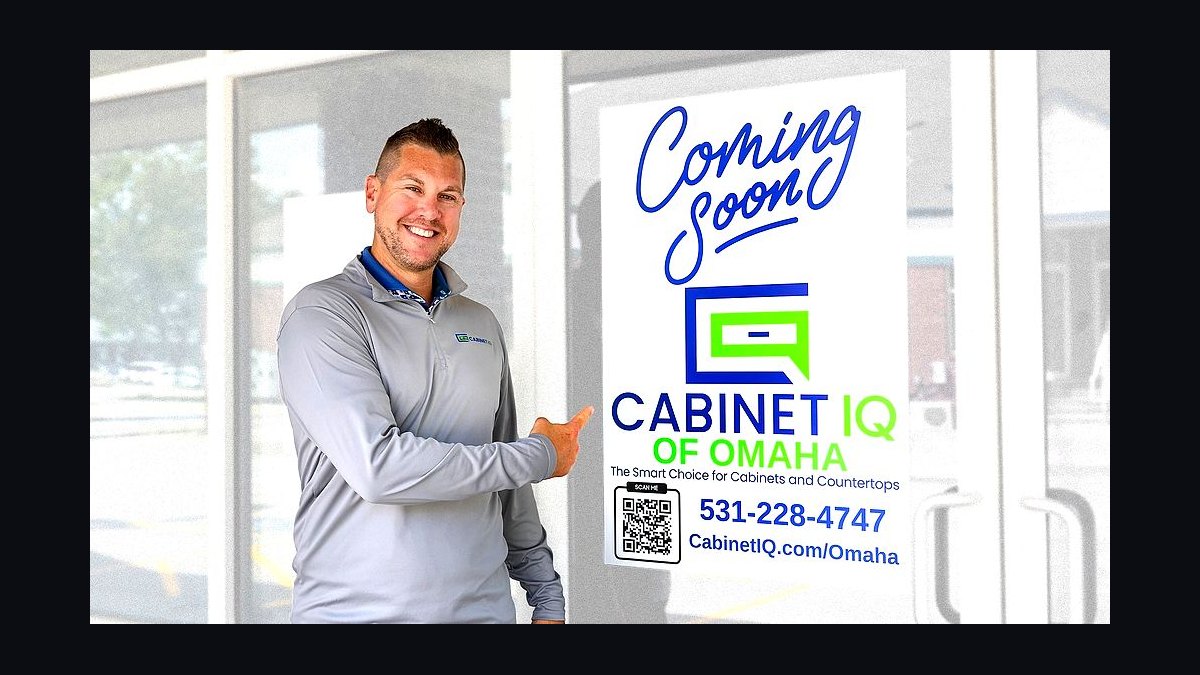
Yes for a sales-and-design-minded operator who wants a fast-growing cabinet-and-countertop franchise with a showroom model — Cabinet IQ combines kitchen design, cabinet/countertop sales, and installation. Cabinet IQ, founded in 2018, franchises kitchen and bath cabinet-and-countertop businesses with a showroom-and-design model — customers visit a showroom (or get in-home consultations), select cabinets/countertops, and Cabinet IQ designs and installs. The 2026 FDD lists a franchise fee around $50,000, total Item 7 investment of roughly $200,000 to $400,000, a royalty near 6%, and a marketing fee. Mature locations gross $800,000-$2,200,000, with owners clearing $120,000-$320,000. Its edge is a design-and-showroom model, high project tickets, and fast growth; the considerations are validating a fast-scaling young brand, in-home/showroom sales, and installation management.
The Real Numbers
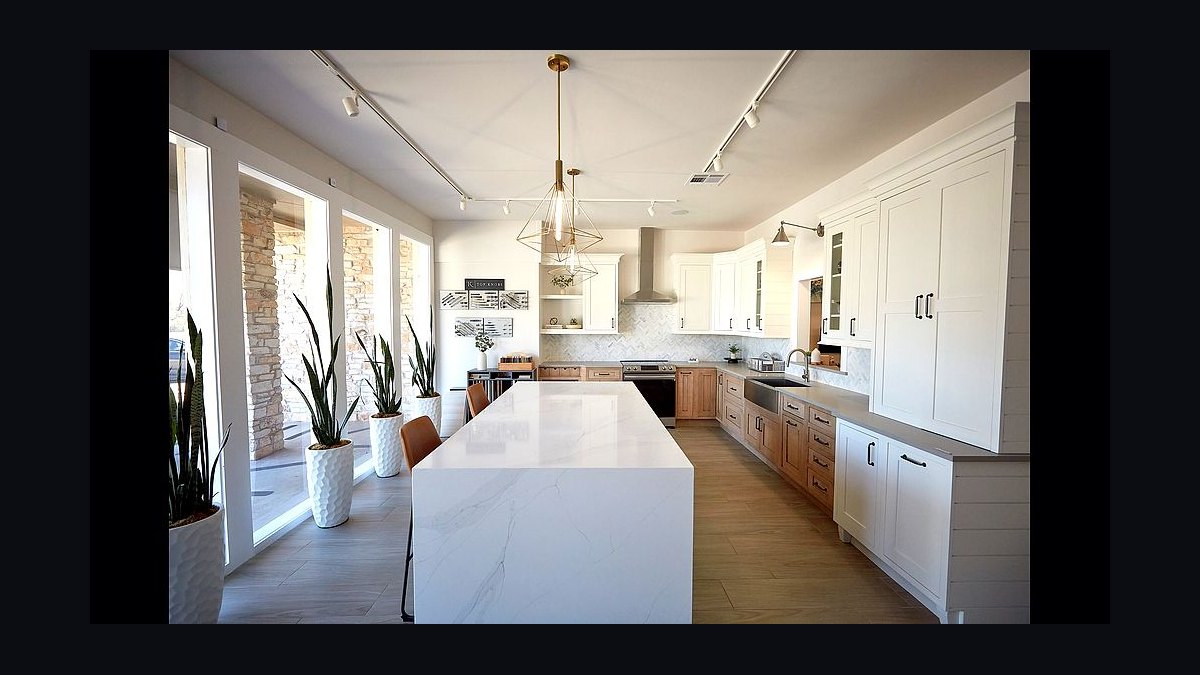
A Cabinet IQ location runs a showroom plus design and installation — customers select cabinets and countertops, Cabinet IQ designs the kitchen/bath and manages installation. The showroom and design service support higher conversion and tickets.
| Line Item | Low | High | Notes |
|---|---|---|---|
| Franchise fee | $50,000 | $50,000 | Per 2026 FDD |
| Showroom buildout | $50,000 | $170,000 | Showroom + design space |
| Equipment, displays, tools | $25,000 | $80,000 | Displays, install tools |
| Technology & software | $8,000 | $25,000 | Design, CRM, estimating |
| Initial inventory/samples | $15,000 | $50,000 | Display samples |
| Initial marketing | $20,000 | $60,000 | Lead generation |
| Insurance & licensing | $5,000 | $18,000 | GL + contractor |
| Working capital | $30,000 | $90,000 | Project float |
| Total Item 7 | ~$200,000 | ~$400,000 | Per 2026 FDD |
| Royalty | ~6% of gross | ||
| Marketing fee | ~2% of gross |
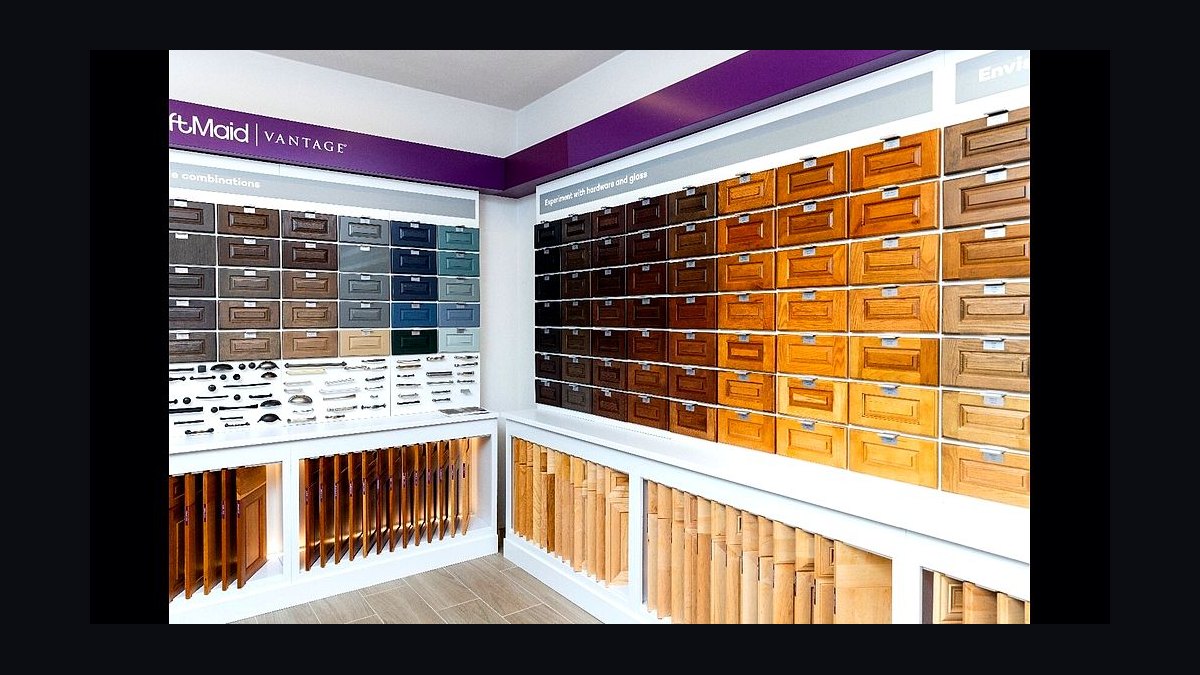
Revenue reality: mature locations gross $800K-$2.2M on cabinet/countertop kitchen-bath projects. With materials and installation labor as costs but moderate overhead (showroom), owner margins run 13%-23%, or $120K-$320K. The design-and-showroom model supports higher conversion and project tickets than mobile-only competitors, and kitchen/bath demand is strong. The considerations are validating the fast-scaling brand, sales execution, and installation management.
Who Wins With This Business
- Capital required: $200K-$400K, with $80,000-$150,000 liquid.
- Time commitment: business-hours, project-and-showroom-based.
- Skills: design/sales, showroom operations, and installation management.
- Geographic fit: suburban homeowner markets with kitchen-renovation demand.
- Lifestyle fit: showroom-and-project operation.
The winners are design-and-sales-minded operators who leverage the showroom for conversion.
Who Loses With This Business
- Owners who under-validate a fast-scaling young brand.
- Operators weak at design/sales conversion.
- Those who mismanage installation crews/quality.
- Markets with low kitchen-renovation demand.
- Under-capitalized buyers.
2027 Market Conditions
- Demand: kitchen/bath remodeling is a top home-improvement category.
- Differentiation: showroom + design service supports higher conversion and tickets.
- Fast growth: Cabinet IQ is scaling quickly — validate unit economics and support.
- High tickets: cabinet/countertop projects drive strong revenue.
- Competition: Kitchen Solvers, Kitchen Tune-Up, big-box, and local cabinet/remodel firms (in the Pulse library).
The 90-Day Decision Tree
- Day 1-20: Read the 2026 FDD and assess the fast-scaling brand and support.
- Day 21-45: Interview owners; ask about showroom conversion, scaling support, and net profit.
- Day 46-65: Validate a suburban kitchen-renovation market.
- Day 66-100: Build the showroom and installation crews.
- Day 101-130: Generate leads and execute design-and-showroom sales.
- Open with quality-focused installation.
- Ongoing: scale projects and ensure install quality.
Alternative Plays
- Kitchen Solvers — home-based cabinet-refacing kitchen remodeler (lower capital).
- Kitchen Tune-Up — kitchen-update franchise (in the Pulse library).
- N-Hance — cabinet refinishing.
- Floor Coverings International — mobile flooring.
- Independent cabinet/kitchen showroom — full control, but no brand.
- Other home-renovation franchises — adjacent models.
Market Position and Competitive Landscape in 2027
Cabinet IQ operates in a fragmented $150–$200 billion U.S. kitchen and bath remodeling market, where no single player holds more than 3–5% national share. By 2027, the brand will have approximately 80–120 units open (up from roughly 40–60 in 2025), placing it in the "emerging growth" tier alongside competitors like Kitchen Tune-Up (250+ units), Kitchen Solvers (70+ units), and Closet Factory (100+ units). What distinguishes Cabinet IQ is its higher average ticket — typically $15,000–$45,000 per project versus $5,000–$15,000 for cabinet-refacing or closet-only franchises — and its full-service design-to-installation model that captures more wallet share per customer.
The competitive advantage narrows when comparing against local independent kitchen designers and custom cabinet shops. Independents often offer lower overhead and more flexible pricing, but they lack national brand recognition, centralized purchasing power, and proven operational systems. Cabinet IQ’s franchisees benefit from negotiated vendor pricing on cabinetry lines (e.g., Fabuwood, Wolf, and other semi-custom brands) that can yield 20–35% cost savings versus retail pricing. However, the brand faces increasing competition from online-first competitors (e.g., IKEA kitchen planners, CliqStudios, and RTA cabinet retailers) who offer lower upfront costs and DIY installation options. A franchisee’s edge lies in providing white-glove design consultation, professional measurement, and turnkey installation — services that 60–70% of homeowners still prefer over self-installation.
The 2027 landscape also includes pressure from big-box retailers (Home Depot, Lowe’s) expanding their in-store design services and installation networks. Cabinet IQ’s showroom model competes by offering a curated, less overwhelming experience (typically 1,200–2,000 square feet) versus a cavernous big-box aisle. Franchisees should expect to invest $10,000–$25,000 annually in local marketing to build showroom traffic, with a typical cost-per-lead of $80–$150 in suburban markets.
Operational Realities: Installation, Labor, and Project Management
The single largest operational challenge for Cabinet IQ franchisees is managing installation crews and project timelines. Unlike a pure sales franchise, Cabinet IQ is responsible for delivering finished kitchens — meaning franchisees must either employ in-house installers (typically 3–8 full-time carpenters/installers per location) or subcontract to vetted crews. In 2027, skilled labor shortages persist across the construction trades, with experienced kitchen installers commanding $35–$55 per hour (plus benefits) in most metro areas. Franchisees who subcontract will pay 40–55% of the project’s labor revenue to subs, leaving a net margin of 8–12% on the labor portion if managed tightly.
A typical project timeline runs 6–12 weeks from signed contract to completion: 1–2 weeks for design and ordering, 4–6 weeks for cabinet manufacturing/delivery (depending on line and customizations), and 1–2 weeks for installation. Countertop fabrication adds another 1–3 weeks if not handled in-house. Franchisees must master scheduling coordination — a single delay in cabinet delivery can cascade into rescheduling countertop templating, installation crews, and final punch work. The FDD likely requires franchisees to carry a performance bond or escrow account (often $25,000–$50,000) to cover potential customer refunds or rework costs.

The design consultation phase is equally critical. Cabinet IQ franchisees (or their designers) spend 2–4 hours per client on in-home or showroom measurements, CAD renderings, and product selection. Converting a lead into a signed contract typically requires 1–3 follow-ups, and the average close rate for well-run locations is 25–40%. Franchisees should budget for design software licensing ($200–$500/month per seat), 3D rendering tools, and sample display updates (new cabinet door styles, finishes, and countertop slabs every 12–18 months, costing $5,000–$15,000 per refresh).
Financial Modeling and Exit Strategy Considerations
Beyond the initial investment range of $200,000–$400,000, franchisees should plan for working capital of $50,000–$100,000 to cover payroll, showroom rent, and marketing during the first 6–12 months of ramp-up. Most locations take 12–18 months to reach break-even monthly revenue of $60,000–$100,000. At mature scale ($1.2M–$1.8M annual revenue), the owner-operator can expect a salary of $80,000–$140,000 plus a distribution of $40,000–$180,000 in retained earnings — yielding a total owner benefit of $120,000–$320,000 as noted. However, these figures assume the owner works 45–55 hours weekly and personally handles sales or design. A semi-absentee owner (hiring a general manager at $70,000–$90,000 plus bonus) will see net profit drop by 40–60%, making the franchise less attractive as a passive investment.

Exit strategy options are limited for a young franchise brand. Resales of Cabinet IQ units are rare (fewer than 10 known transfers through 2026), and valuation multiples typically range from 1.5–2.5x annual SDE (seller’s discretionary earnings) for a single-unit operation — lower than established brands like Budget Blinds (3–4x) due to higher owner involvement and brand infancy. Franchisees planning a 5–7 year hold should focus on building a multi-unit operation (2–3 locations) to increase enterprise value and attract strategic buyers. The franchisor’s area development agreements (often $30,000–$50,000 per additional territory) can accelerate growth but require $500,000–$800,000 in total capital for a 3-unit rollout.
Franchisees should also monitor the renewal and transfer terms in the FDD. Cabinet IQ’s initial term is likely 10 years, with renewal fees around $10,000–$20,000 and conditions requiring the franchisee to be in good standing, complete brand updates, and pay any outstanding royalties. Transfer fees (if selling the franchise) typically run $10,000–$25,000 plus a percentage of the sale price (often 5–10%). Given the brand’s youth, franchisees should negotiate for a right of first refusal on future territories and a clear dispute resolution clause — protections that may not be standard in the 2026 FDD.
FAQ
What is the typical timeline from signing to opening a Cabinet IQ franchise?

From signing the franchise agreement to opening your showroom, most franchisees report a timeline of 4 to 8 months. This includes site selection, lease negotiation, build-out, training, and hiring. The actual duration depends on real estate availability and contractor schedules.
Do I need prior experience in cabinets, countertops, or construction? No, Cabinet IQ does not require industry experience, but they prefer candidates with sales, design, or management backgrounds. The franchise provides training on product knowledge, design software, and installation oversight. Many successful owners come from unrelated fields like real estate or retail.
What is the typical profit margin for a Cabinet IQ franchise? Owner earnings (net profit after all expenses, including your own salary) typically range from $120,000 to $320,000 annually for mature locations. Gross profit margins on projects usually fall between 30% and 45%, but the final net depends on your local overhead, labor costs, and project mix.
How much working capital should I have beyond the initial investment? Franchisees recommend having at least $50,000 to $100,000 in additional working capital to cover the first 6 to 12 months of operations. This cushions slow initial sales, payroll, and unexpected expenses before your showroom builds a steady client pipeline.
Can I operate a Cabinet IQ franchise from a home office or do I need a showroom?
A physical showroom is required — the model relies on customers visiting to see cabinet displays and countertop samples. Most showrooms are 1,500 to 3,000 square feet in a retail or mixed-use area. In-home consultations supplement showroom visits but do not replace the need for a fixed location.
What support does Cabinet IQ provide for marketing and lead generation? The franchise provides a national marketing fund (funded by a marketing fee) that handles brand advertising, a website, and digital campaigns. Local franchisees are expected to invest in local SEO, community events, and builder/real estate agent relationships. Lead generation varies by market, but many owners report 30% to 50% of leads come from the national efforts.
Bottom Line
Open a Cabinet IQ if you want a fast-growing cabinet-and-countertop franchise with a design-and-showroom model supporting high-ticket conversion, you can fund a $200K-$400K build, and you'll validate the young brand while driving design sales and managing installs. Its showroom-and-design differentiation and strong kitchen/bath demand are genuine strengths. Skip it if you can't validate a fast-scaling brand, are weak at design/sales, or are in a low-renovation market. For design-and-sales-minded operators, Cabinet IQ offers a higher-conversion entry into kitchen/bath remodeling — validate the scaling brand and compare with Kitchen Solvers.
Sources
- Cabinet IQ Franchise Disclosure Document (2026 filing) — Items 5, 6, 7, 19, 20
- Cabinet IQ official franchise site — investment range and showroom/design model
- Entrepreneur Franchise listings — Cabinet IQ
- Franchise Business Review — home-remodeling franchise satisfaction data
- IBISWorld — Kitchen & Bath Remodeling in the US, 2026 industry report
- Statista — US kitchen/bath-remodeling market, 2025-2026
- International Franchise Association (IFA) — 2027 Franchise Economic Outlook
- Joint Center for Housing Studies — remodeling-market data 2026
- NKBA — kitchen/bath remodel data 2026
- US Census — homeowner and renovation demographic data, 2025-2026
Related on PULSE
This page will be disappearing soon. Save it to your device for $1 — or read it free while it is here.
@Kory-White- · if Venmo asks, the last 4 of my number are 2012
This page is gone.
This one is off the shelf now. $1 keeps it on your phone for good — the whole page, pictures and diagrams included.
 franchiseShould I open or buy a Shine Window Care franchise in 2027?
 franchiseShould I open or buy a Biscuitville franchise in 2027?
 franchiseShould I open or buy a Snap Fitness franchise in 2027?
 franchiseShould I open or buy a Fantastic Sams franchise in 2027?
 franchiseShould I open or buy an Ideal Image franchise in 2027?
 franchiseShould I open or buy a CoCo Fresh Tea & Juice franchise in 2027?
 franchiseShould I open or buy a Paul Davis Restoration franchise in 2027?
 franchiseShould I open or buy a Wetzel's Pretzels franchise in 2027?
 franchiseShould I open or buy a LunchBox Wax franchise in 2027?
 franchiseShould I open or buy a Cruise Holidays franchise in 2027?