

Best vending machine franchises to buy in 2027
 Curated byKory White · Fractional CRO · Maryland
Quality
Certified
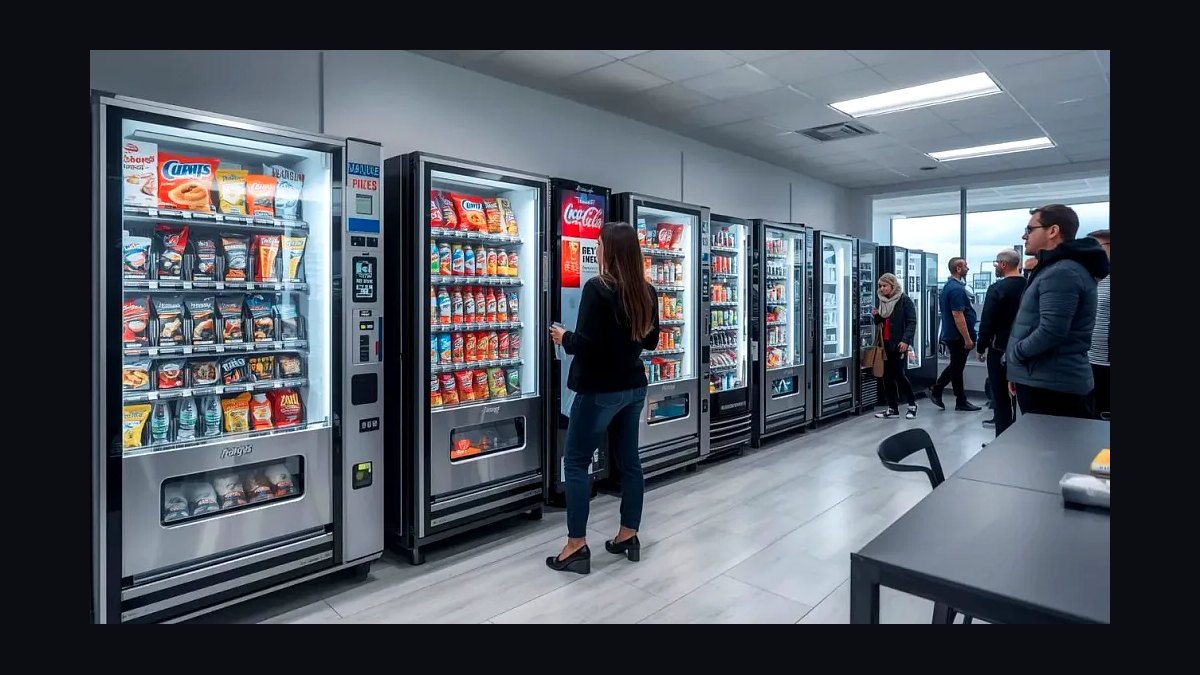
The best vending machine franchise buys in 2027 are established, low-overhead brands with proven placement support and honest earnings claims — healthy-snack and micro-market brands, coffee-service systems, and specialty concepts. Vet every opportunity through Item 19 of the Franchise Disclosure Document, verify locations before signing, and treat placement access as the real asset.
A route operator's first ninety days, and what they wish they had checked
Picture a buyer — call them a former operations manager taking a severance package into a semi-passive business. They sign a franchise agreement for a healthy-snack vending concept, wire a franchise fee in the mid five figures, and take delivery of ten machines with a promised "locator service" that will place each one in a high-traffic account. Ninety days later, six machines are placed. Two of those six sit in a warehouse breakroom with forty employees on a single shift. One is in a gym that closes at 8 p.m. and does most of its volume in protein bars the operator did not stock. Four machines are still on pallets in a storage unit costing $180 a month.
This is the single most common failure pattern in vending franchising, and it has almost nothing to do with the machines. The equipment is largely commoditized. A glass-front snack merchandiser with a card reader, remote monitoring board, and refrigeration is a known quantity, available from several manufacturers, and it does roughly the same job regardless of whose decal is on the front. What varies enormously between franchise systems is *placement* — whether the franchisor has genuine relationships with property managers, facility directors, hospital food-service buyers, and multi-site employers, or whether "placement support" means an outsourced call center dialing small businesses from a list.
So the buying question in 2027 is not really "which vending machine franchises are best." It is "which franchisors control something I could not easily build myself in eighteen months." That something is usually one of four assets: national account agreements that put you inside locations a solo operator cannot open, a genuinely differentiated product the location wants and cannot get elsewhere, a technology stack that meaningfully cuts windshield time, or a brand that makes a facility manager say yes without a sales conversation. Everything else — the machines, the wraps, the training binder, the territory map — is available on the open market.
The adjacent scenario worth studying is the operator who skipped franchising entirely. Independent vending route buyers purchase existing routes from retiring operators, often for a multiple of monthly gross rather than a franchise fee. They inherit placed machines with billing history and known collections. Their trade-off is no brand, no supply agreements, no training — and frequently machines a decade old with mechanical bill validators nobody wants to service. Understanding why that path exists clarifies what a franchise fee is actually buying: it is a substitute for the years of relationship-building and route accumulation that an independent operator spends to reach the same placed-machine count. Whether that substitution is fairly priced is the entire underwriting question.
There is a third scenario that has grown considerably: the micro-market conversion. A facility with 150 or more employees is increasingly a poor fit for a bank of vending machines and a good fit for an unattended retail kiosk — open shelving, a cooler, a self-checkout terminal with camera-based loss control. Several franchise systems now lead with micro-markets and treat traditional machines as the entry-level product. If the accounts you can realistically win have headcounts in that range, buying a franchise that only sells machines means buying into the wrong form factor for your own market.
How the mechanism actually works, from franchise fee to placed machine to cash flow
A vending franchise is a layered arrangement, and each layer takes margin. Understanding the stack is how you evaluate whether the price is fair.
Layer one: the franchise fee. This buys the license to operate under the brand, the training program, the initial territory, and — critically — whatever placement assistance is contractually promised. Read that promise in the franchise agreement, not the brochure. The operative questions are: how many locations are guaranteed, over what period, with what remedy if the franchisor fails to deliver, and does a "location" mean a signed agreement or merely an introduction? Many agreements promise "assistance in securing locations" — a phrase with no enforceable content.
Layer two: the equipment. Some franchisors sell machines directly at a markup; others require you to buy from an approved vendor, sometimes with a rebate flowing back to the franchisor. Item 8 of the FDD discloses required purchases and whether the franchisor receives revenue from suppliers. A system that takes a spread on every machine and every case of product has an incentive to sell you more machines than your route can support. That is not necessarily disqualifying, but it changes how you read their growth advice.
Layer three: product supply. Vending gross margin on snacks and beverages typically runs meaningfully below what new operators expect once shrink, spoilage, and commissions are counted. Cost of goods, location commissions (often a percentage of gross paid to the host account), card-processing fees on an increasingly card-heavy transaction mix, and route fuel all come off the top before you have paid yourself for a single hour of stocking.
Layer four: ongoing fees. Royalties in vending systems vary widely in structure — some charge a percentage of gross, some a flat monthly per-machine fee, some almost nothing on the theory that they made their margin on equipment. A flat per-machine fee is punishing on underperforming placements and cheap on strong ones, which is precisely backwards from the operator's risk profile. A percentage royalty aligns better but compresses margins on a low-margin business.
The loop that matters is the one from idle machine back to placement. An operator whose machines cycle through that loop quickly builds a route. One whose machines sit in the storage-unit node is financing depreciation. When you interview existing franchisees — and you should interview a dozen, not three — the highest-signal question is not "are you happy" but "how many of your machines have been idle for more than sixty days in the last two years, and what did the franchisor do about it?"
Downstream of placement sits the operational rhythm that determines whether the business is semi-passive or a second job. A route with telemetry — remote monitoring that reports which coils are empty — lets an operator service on demand rather than on a fixed schedule. Without it, you drive to every machine every week whether it needs it or not. The difference across a thirty-machine route can be several hundred miles and a full working day each week. This is the single most defensible reason to pay a franchise premium in 2027: a well-implemented telemetry and dynamic-routing stack is genuinely hard for a solo operator to assemble, and it converts directly into hours reclaimed.
Real numbers, ranges, and how to read an Item 19 without fooling yourself
Vending franchising has a long history of inflated earnings representations, and several vending and "unattended retail" business-opportunity sellers have drawn regulatory attention over the years for exactly that. Approach every number with the assumption that it describes the top of the distribution unless the disclosure says otherwise.
Where the real numbers live. Item 19 of the FDD is the Financial Performance Representation. It is optional — a franchisor may decline to make one at all, and many do. If Item 19 is absent, the franchisor is legally barred from telling you what you might earn, and any salesperson who does so anyway is committing a violation you should document. If Item 19 is present, read it forensically: Does it report gross sales or net profit? What subset of franchisees is included — all of them, or only those open more than two years, or only the top quartile? How many units are in the sample? Are outliers included? A representation drawn from twelve units in a system of four hundred tells you almost nothing.
The cost structure you should model. Rather than trusting a projection, build your own from components you can verify independently:
- *Equipment cost per machine.* Get quotes directly from major manufacturers and from the used market. Refurbished glass-front machines with modern payment systems cost substantially less than new units; the trade-off is service risk and shorter remaining life.
- *Payment processing.* Card readers carry both a monthly connectivity fee per machine and a per-transaction cost. On low-ticket vending transactions, per-transaction fees are a meaningful percentage of gross — model them explicitly rather than folding them into a vague "expenses" line.
- *Location commission.* Many host accounts expect a percentage of gross sales. Larger and more desirable accounts command more. Assume you will pay commission on any account worth having.
- *Product cost.* Your margin depends heavily on buying power. A franchisor with real supply agreements may deliver better landed cost than you can get from a club store; verify this with actual invoices from existing franchisees rather than accepting a claimed discount percentage.
- *Shrink and spoilage.* Refrigerated and fresh products carry real waste. Healthy-snack concepts often have shorter shelf lives and higher spoilage than candy-and-chips routes — a genuine trade-off against their better placement appeal.
- *Vehicle and fuel.* Model actual route miles, not a guess. A cargo van's fuel, insurance, and maintenance are a fixed cost that a small route cannot absorb.
The metric that governs everything: revenue per machine per week. This single number, multiplied by machine count, drives the entire model. It varies enormously by location type — a 24-hour manufacturing facility with three shifts is a fundamentally different asset from a small office with twenty people and a nearby coffee shop. When a franchisor quotes a per-machine average, ask for the distribution and the location mix behind it. Ask specifically what percentage of machines in the system fall below the level at which a machine covers its own service cost. Franchisors rarely volunteer that figure, and the reluctance itself is informative.
Breakeven arithmetic. Work it backwards. Total your fixed monthly costs — vehicle, insurance, storage, telemetry fees, royalties, loan service. Divide by your modeled gross margin per machine per week. That quotient is the number of *placed, performing* machines required before you earn anything. Now compare it to how many machines your capital buys and how fast the franchisor actually places them. If the answer requires every machine placed in a strong location within four months, you are underwriting a best case as though it were a base case.
Financing. SBA lending is available for franchise concepts listed in the SBA Franchise Directory, and equipment financing is common. Both add fixed debt service to a business whose revenue is unusually sensitive to placement quality. Leverage on a route that has not yet been placed is the most reliable way to turn a marginal investment into a loss.
What separates the concepts worth buying from the ones that only look like it
Rather than ranking brand names — the field shifts, systems get acquired, and any static ranking is stale within a year — evaluate along the axes that actually predict outcomes.
Healthy and better-for-you snack systems. These concepts lead with the placement pitch: a wellness-conscious employer, school, hospital, or gym would rather host a machine stocked with better products, and some jurisdictions impose nutritional standards on machines in public buildings. The pitch is genuinely effective at opening doors. The trade-offs are real too: higher product cost, shorter shelf life, more spoilage, and a consumer who may buy less frequently than the candy-bar buyer. The best of these systems pair the product story with actual national or regional account relationships. The weakest ones sell the story alone.
Coffee and office refreshment services. Adjacent to vending and frequently more durable. An office coffee service account is stickier than a snack machine because the equipment is often placed at the operator's cost and the consumable relationship recurs weekly regardless of foot traffic. Margins on coffee and related consumables are typically stronger than on packaged snacks. The trade-off is more service touchpoints and a business that looks more like B2B account management than route work. Many multi-unit vending operators eventually add refreshment services precisely because it raises revenue per account without adding stops.
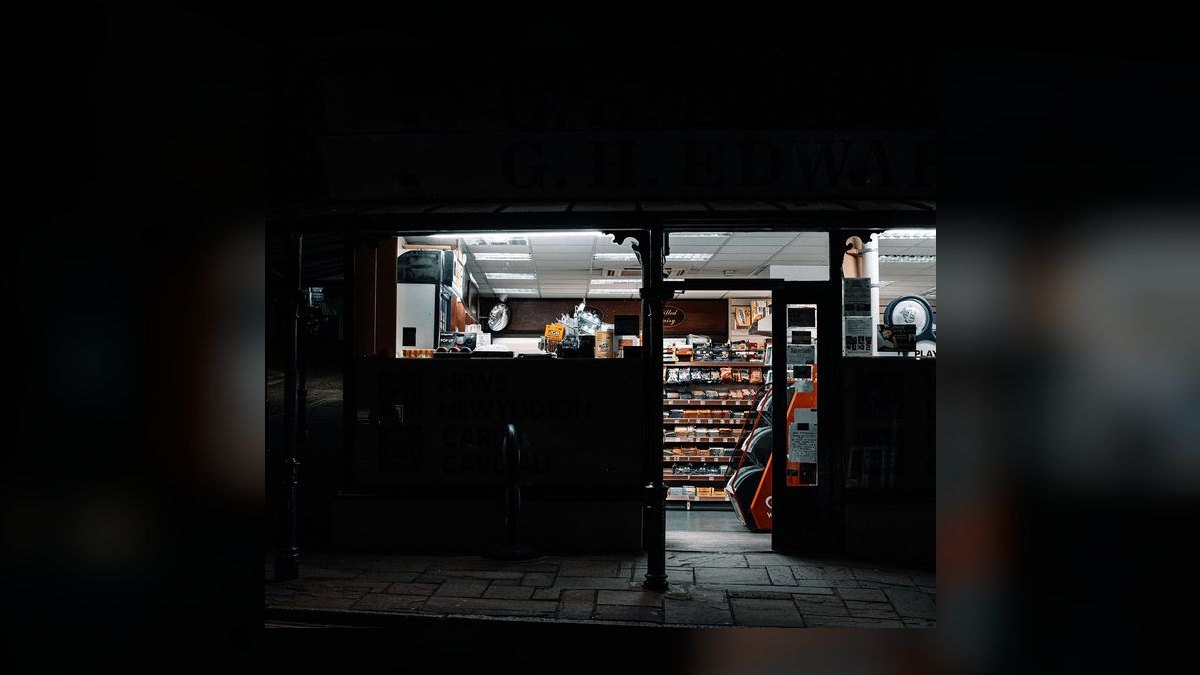
Micro-markets and unattended retail. The growth story in the segment. A self-checkout market in a large facility carries far more SKUs than a machine bank, generates higher revenue per location, and often improves margin because fresh food and larger-format items carry better absolute contribution. It requires larger headcount accounts, a higher install cost, and tolerance for shrink that machines structurally prevent. If your target market is office parks, distribution centers, and hospitals, a franchise with a credible micro-market program is worth more than a machine-only system.
Specialty and non-food concepts. Everything from PPE and electronics to ice and beverage-specific formats. These trade the reliability of impulse snacking for differentiation and, sometimes, dramatically better margin per vend. They also concentrate risk: a specialty machine works in a narrow set of venues, and if that venue category softens, redeployment options are limited. Underwrite these on venue availability in *your* territory, not on the concept's appeal in the abstract.
Franchise versus independent versus route purchase. The honest comparison:
The decision tree is honest about something franchise marketing rarely admits: if you already have the relationships, the franchise fee buys you comparatively little. Former facility managers, food-service veterans, and people with a dense network of local employers are frequently better off independent. The franchise premium is most defensible for buyers with capital and no industry access.
Common pitfalls, and the diligence sequence that catches them
The locator trap. Third-party locating services sell placements to franchisors and independents alike. A placement obtained by cold-calling a small business and offering a machine at no cost is not the same asset as a placement negotiated into a multi-site employer's facility contract. Ask the franchisor directly: are locations sourced in-house or purchased from a locating company? If purchased, you are paying a franchise premium for a service you could buy directly, and the quality-control incentive sits with a vendor who is paid per placement, not per performing placement.
Confusing the FDD with a prospectus. The Franchise Disclosure Document is a disclosure instrument, not a regulatory endorsement. Registration in a state that reviews filings means the paperwork met a filing standard, not that the business model works. Read Item 3 (litigation), Item 4 (bankruptcy), Item 19 (financial performance), and Item 20 (outlet counts and turnover) with equal care. Item 20's transfer and termination columns are the most underread pages in the entire document: a system where franchisees exit at a high rate is telling you something the earnings claim will not.
Not calling enough franchisees — including the ones who left. Item 20 includes contact information for franchisees who left the system in the prior year. Those calls are the highest-value diligence available to you and the ones prospective buyers most often skip because they are uncomfortable. Ask departed operators what their machine count peaked at, what their idle-machine rate was, and whether the franchisor's placement support matched the sales presentation.
Underestimating the physical work. Vending is described as semi-passive and is not, at least not below roughly thirty to forty performing machines with telemetry and a route optimized for density. Loading a van, driving a route, hauling cases, clearing jams, chasing a bill validator that eats dollars, and handling a location's complaint about a stale product are the actual daily job. Buyers who model the business as a portfolio of cash-generating boxes and discover it is a delivery route with retail merchandising attached tend to exit inside two years — which is what shows up in Item 20's turnover column.
Territory that sounds exclusive but isn't. Read the territory clause carefully. Exclusivity in vending often protects against another franchisee soliciting the same *account*, not the same geography, and frequently carves out national accounts the franchisor services directly. A territory defined by population rather than by named accounts may include very few facilities actually worth placing a machine in.
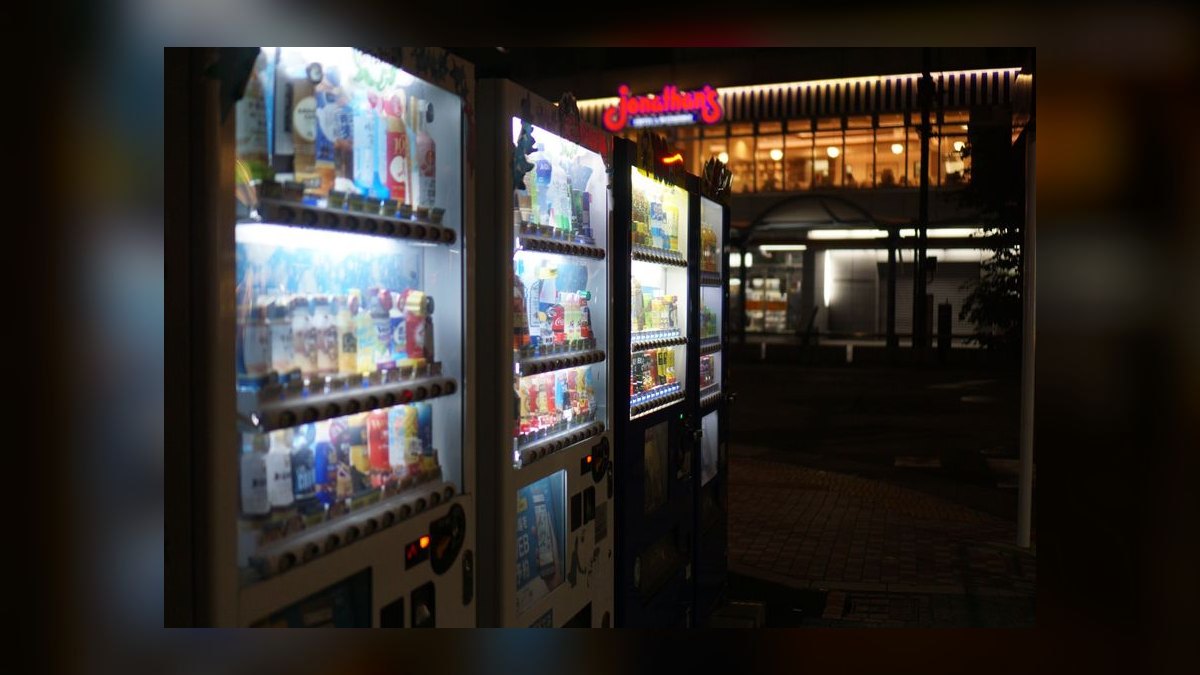
Ignoring route density. Two operators with twenty machines each can have completely different businesses depending on whether those machines sit in six buildings or twenty. Density drives service cost more than any other variable. When evaluating a franchisor's placement performance, ask about the geographic clustering of placements, not just the count. A promise of ten placements spread across a metro area is materially worse than six in two office parks.
Payment and compliance drift. Card acceptance is now the default expectation, and payment hardware requires periodic certification and firmware maintenance. Sales tax on vended items varies by state and sometimes by product category, and the operator — not the host location — carries the obligation. Health-department requirements attach to any refrigerated or fresh offering. None of these are dealbreakers; all of them are costs and administrative load that projections tend to omit.
The diligence sequence, in order. Request the FDD and read it completely before any conversation about money. Model the unit economics independently from first-principles component costs. Call at least ten current franchisees and every reachable departed one. Ask for the placement guarantee in writing with a remedy clause. Verify equipment pricing against the open market and the used market. Physically visit placed machines in your own metro and observe traffic for an hour at peak. Have a franchise attorney review the agreement — the money spent there is trivially small against a five- or six-figure commitment. Only then discuss signing.
Related questions
How many vending machines do I need to replace a full-time income?
It depends entirely on revenue per machine per week and route density, both of which vary by an order of magnitude across location types. Build the number backwards from your own verified cost model and a conservative per-machine revenue assumption rather than accepting any franchisor's benchmark.
Is buying an existing vending route better than buying a franchise?
Often, if you can verify collections. A route delivers placed machines with billing history immediately; a franchise delivers brand, training, and a placement promise. Routes typically price off a multiple of monthly gross. Inspect equipment age and account contract terms carefully before committing.
What does Item 19 of the FDD actually tell me?
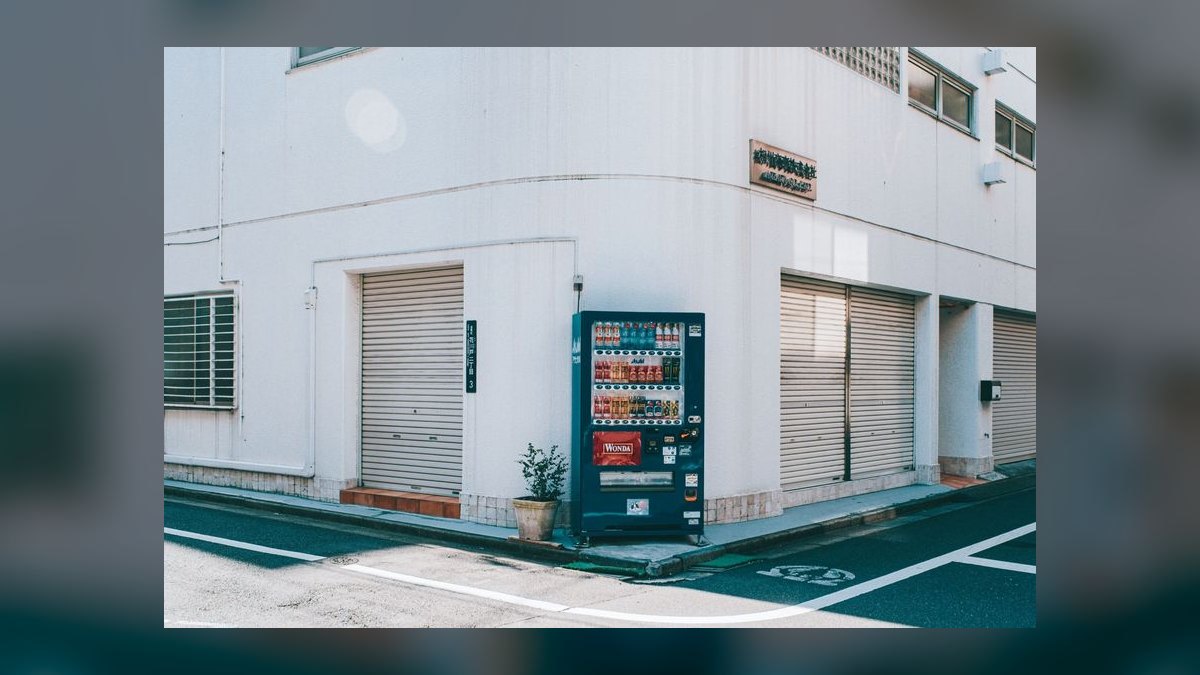
It is the franchisor's optional financial performance representation. It may show gross sales, net profit, or neither, drawn from any subset of units the franchisor defines. Read the sample size, the inclusion criteria, and whether outliers were removed before treating any figure as predictive.
Are micro-markets replacing traditional vending machines?
Not replacing — segmenting. Micro-markets win in facilities with larger headcounts where SKU breadth and fresh food justify the install and shrink risk. Traditional machines remain the right form factor for smaller sites, unstaffed hours, and locations where open shelving would invite loss.
Can vending be run alongside a full-time job?
Below roughly ten to fifteen machines in a tight geographic cluster, plausibly — with evening and weekend service runs. Beyond that, restocking, collections, repairs, and account management typically exceed what remains after a full-time job, especially without telemetry to eliminate unnecessary stops.
FAQ
How much does it cost to buy a vending machine franchise?
Total investment varies widely by concept and machine count, and the only reliable figure is Item 7 of the specific FDD you are considering, which itemizes the estimated initial investment range including franchise fee, equipment, vehicle, initial inventory, and working capital. Treat the low end of that range as achievable only with used equipment and a minimal starting route, and add a personal reserve for the months before machines are placed and producing.
What is the biggest difference between vending franchises?
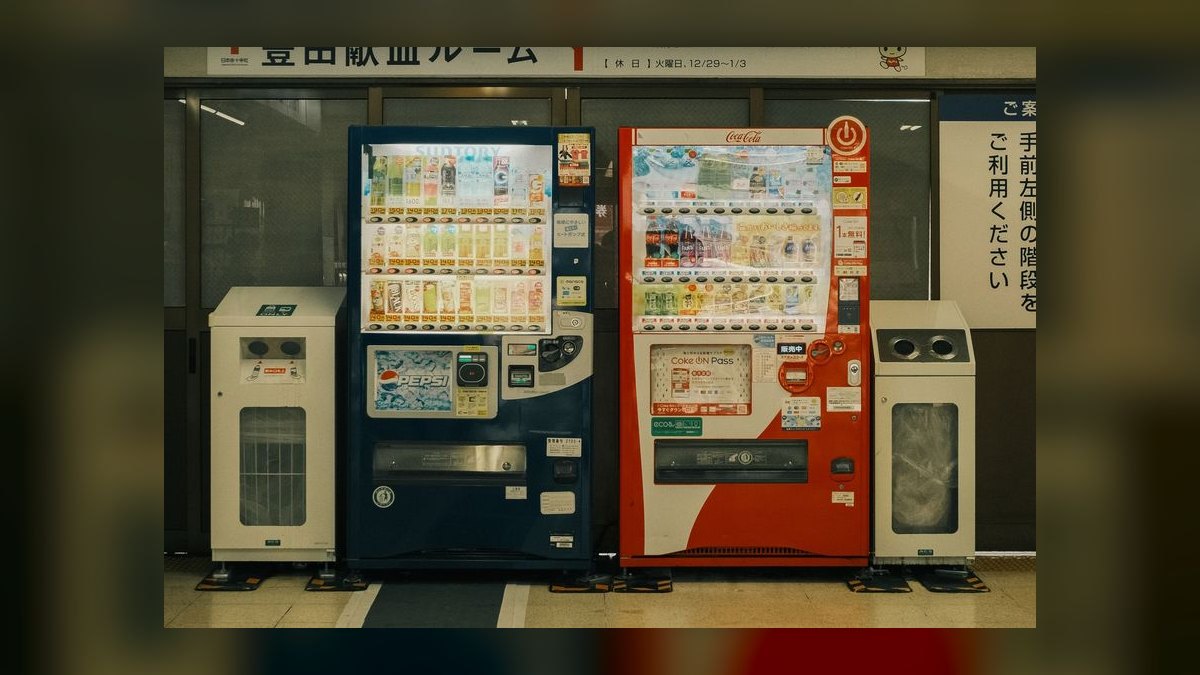
Placement capability. Machines and product are broadly commoditized; access to good locations is not. A franchisor with genuine multi-site employer relationships, hospital or education contracts, or a brand facility managers already recognize is selling something you cannot easily replicate. A franchisor whose placement support is an outsourced locating service is reselling a commodity at a franchise markup.
Do I need employees to run a vending route?
Not initially. Most operators run solo up to the point where route hours exceed a full week, then hire a part-time route driver. The hiring threshold depends on machine count, geographic density, and whether telemetry lets you skip stops. Adding a second person changes the economics substantially, so model the labor cost at the machine count you intend to reach, not the one you start with.
Is vending still a good business given card payments and delivery apps?
The segment has adapted rather than shrunk. Card acceptance raised average transaction size and removed the coin barrier; telemetry cut service cost; micro-markets expanded what an unattended location can sell. The pressure point is location quality — remote and hybrid work reduced headcount in some office settings, which makes account selection more consequential than it was a decade ago.
How do I verify a franchisor's earnings claims?
Cross-check three sources: Item 19 in the FDD, direct conversations with a wide sample of current franchisees, and departed franchisees listed in Item 20. If a salesperson gives you a number that does not appear in Item 19, that is a disclosure violation — write down what was said, by whom, and when. Consistency across all three sources is the only meaningful validation.
What should I never sign without?
A written placement commitment with a defined count, a defined timeline, and a stated remedy if the franchisor misses it; a territory definition you understand precisely; and an attorney's review of the full franchise agreement. Verbal placement promises are the most common source of buyer regret in this segment and are unenforceable once the agreement is executed.
Sources
- https://www.ftc.gov/business-guidance/resources/franchise-rule-compliance-guide
- https://www.ftc.gov/business-guidance/industry/franchises-business-opportunities
- https://www.sba.gov/funding-programs/loans
- https://www.sba.gov/document/support-sba-franchise-directory
- https://consumer.ftc.gov/articles/buying-franchise-consumers-guide
- https://www.franchise.org/
- https://www.nama.org/
- https://www.sba.gov/business-guide/plan-your-business/calculate-your-startup-costs
- https://www.irs.gov/businesses/small-businesses-self-employed/starting-a-business
Related on PULSE
- Best low-cost franchises to buy with under $50,000
- How to read an FDD Item 19 without getting misled
- Micro-markets vs traditional vending: which fits your accounts
- Buying an existing route vs starting from scratch
- Office coffee service as an add-on revenue line
- What franchise royalty structures actually cost you at scale
This page will be disappearing soon. Save it to your device for $1 — or read it free while it is here.
@Kory-White- · if Venmo asks, the last 4 of my number are 2012
This page is gone.
This one is off the shelf now. $1 keeps it on your phone for good — the whole page, pictures and diagrams included.
 franchiseShould I open or buy a Pearle Vision franchise in 2027?
 franchiseShould I open a window cleaning business in 2027?
 franchiseShould I open or buy a Honest-1 Auto Care franchise in 2027?
 franchiseShould I open a solar installation business in 2027?
 franchiseShould I open a independent laundromat in 2027?
 franchiseShould I open or buy a GarageExperts franchise in 2027?
 franchiseShould I open or buy a Tokyo Joe's franchise in 2027?
 franchiseShould I open or buy an Another Broken Egg Cafe franchise in 2027?
 franchiseShould I open or buy a mobile franchise in 2027?
 franchiseShould I open or buy a Wing Zone franchise in 2027?