
Should I open or buy a Pizza Hut franchise or open an independent sandwich shop in 2027?
 Curated byKory White · Fractional CRO · Maryland
 PULSEKNOWLEDGE LIBRARY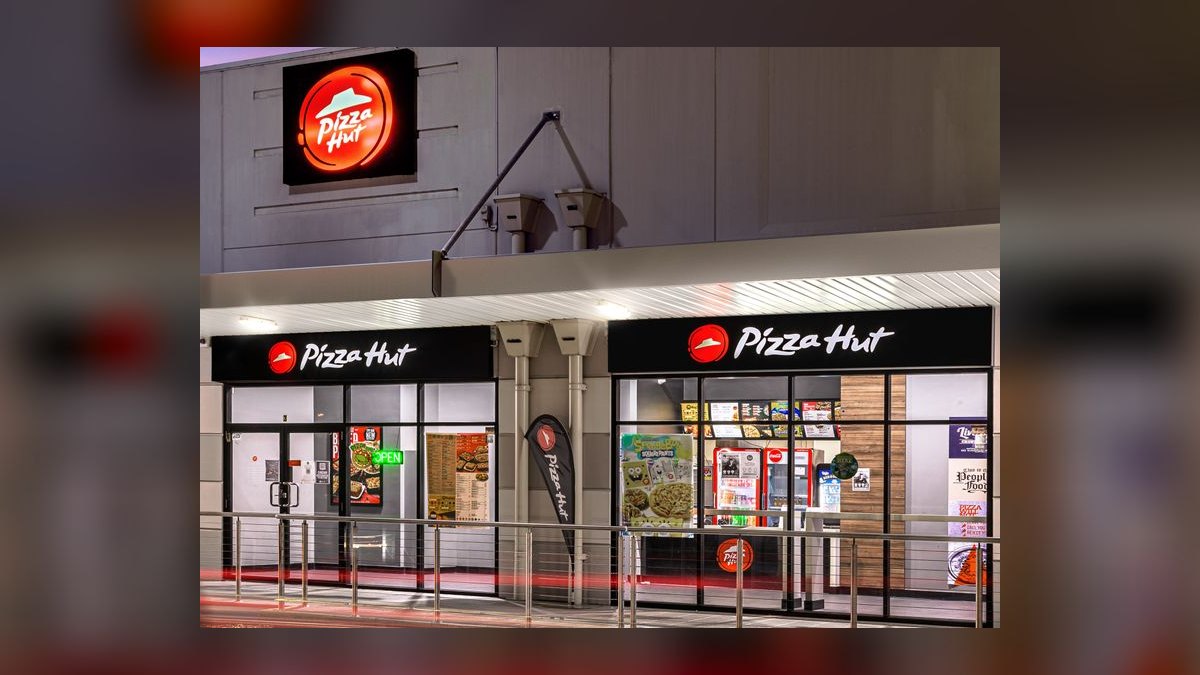
For most first-time owners weighing this in 2027, an independent sandwich shop is the lower-risk, higher-control choice — no franchise fee, no royalty, full menu freedom — while a Pizza Hut franchise fits someone with $300,000+ in capital who wants brand recognition, a proven operating system, and accepts ongoing fees in exchange for reduced marketing and menu-development risk.
The two options compared
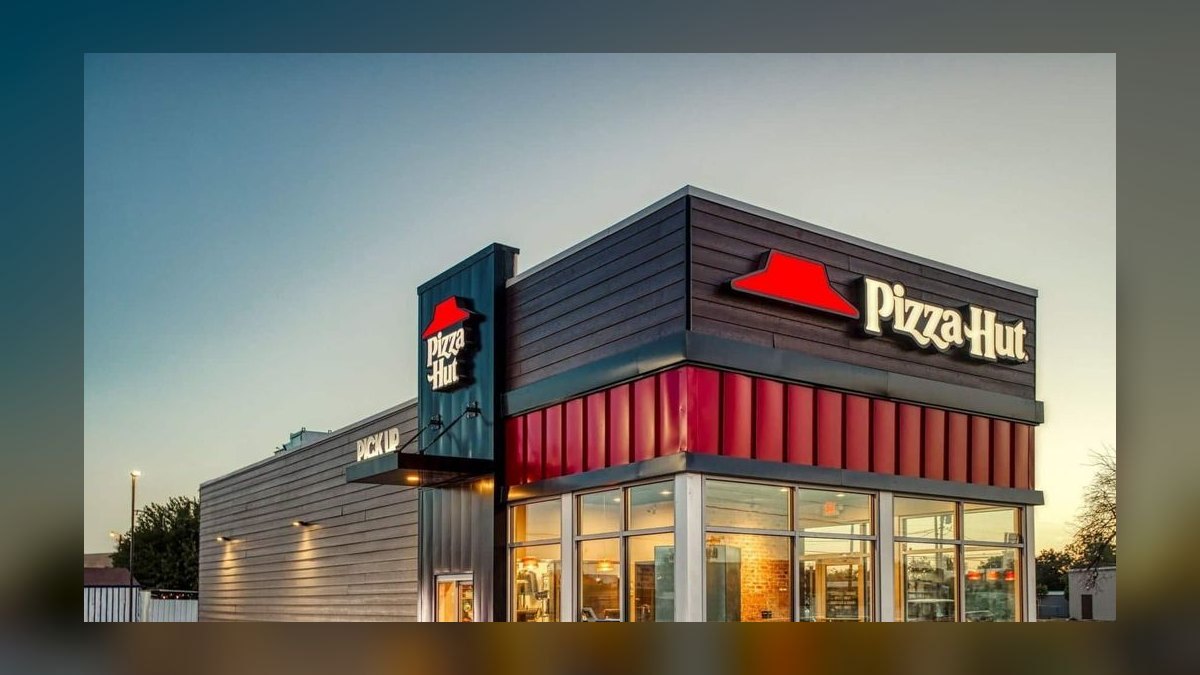
Buying into a Pizza Hut franchise means licensing an established brand: you get a tested menu, national advertising, supplier relationships, a real estate and buildout playbook, and a support structure that tells you exactly how to run the store. In exchange, you pay an upfront franchise fee, ongoing royalties (typically mid-single-digit percentages of gross sales), and a mandatory contribution to a regional or national ad fund. You also give up menu control — you cannot swap in a new pizza topping or pricing structure without corporate approval — and you're bound by a multi-year franchise agreement with renewal terms, territory restrictions, and operational standards you don't write.
An independent sandwich shop is the opposite bet. You build the brand from nothing, which means no franchise fee and no royalty stream eating into margin, but it also means no built-in customer awareness, no corporate marketing engine, and no proven playbook — every decision, from bread supplier to lease negotiation to point-of-sale software, is yours to make and yours to get wrong. The sandwich category has a real advantage here: it's one of the easiest quick-service formats to differentiate on quality, local sourcing, or a signature build, and the capital bar to open a small shop is meaningfully lower than a full-service pizza concept with delivery infrastructure.
The honest framing is that these aren't really two versions of the same decision — they're two different risk profiles. Franchise buyers are purchasing a system and accepting less upside per unit in exchange for a higher probability of survival. Independent operators are purchasing freedom and unlimited upside in exchange for carrying 100% of the execution risk with none of the brand cover. Neither is objectively "better" — the right answer depends on your capital, your risk tolerance, your local market, and whether you actually want to run someone else's concept or build your own.
How to decide between them
The decision tree below is the fastest way to sort this for your own situation. Start with capital, then move to control preference, then local market saturation.
Run through this honestly before you fall in love with either idea. If your available capital sits under roughly $150,000, a traditional Pizza Hut buildout usually isn't reachable once you account for the franchise fee, leasehold improvements, kitchen equipment, and required liquidity reserves most franchisors demand on top of the investment range — an independent sandwich shop, which can be opened profitably in a smaller footprint with lighter equipment needs, is the more realistic path. If you're in the $150,000-$300,000 band, look at whether Pizza Hut's smaller express or delivery/carryout formats (rather than a full dine-in unit) fit your budget — these carry lower buildout costs than a traditional store. Above $300,000 in accessible capital, the franchise route opens up fully, but it still hinges on whether your target territory is actually available and whether the local market can support another pizza option without cannibalizing an existing franchisee's sales — Pizza Hut, like most established chains, protects existing operators with territory rights, so you may not get to choose your location freely.
The control question matters as much as the capital question. If you've never run a restaurant before, a franchise's operating manual, training program, and supply chain can compress your learning curve dramatically and reduce the odds of a rookie mistake killing the business in year one. If you already have restaurant experience — or a strong point of view on what makes a sandwich shop worth visiting — that structure will feel like a straitjacket, and an independent concept lets you actually execute your vision instead of someone else's.
Concrete numbers behind each option
Franchise economics for an established pizza brand like Pizza Hut typically break down into several buckets, and the ranges below reflect the kind of figures published in franchise disclosure documents (FDDs) for full-service pizza chains — always confirm current numbers directly with the franchisor since they change by format and year. Expect an initial franchise fee in the tens of thousands of dollars (commonly in the $20,000-$30,000 range per unit), a total investment that can run from roughly $300,000 for a smaller delivery/carryout format up to $2 million or more for a full traditional dine-in location with a dining room, kitchen build-out, signage, and equipment package. On top of that, ongoing royalties are typically charged as a percentage of gross sales in the mid-single digits (commonly cited around 5-6% in the pizza QSR category), plus a separate advertising fund contribution often in the 3-5% range. Multiply those two together and a franchise doing $900,000 in annual sales could easily be sending $80,000-$100,000 a year back to the franchisor in fees before any local marketing spend.
An independent sandwich shop's cost structure looks very different. A small counter-service sandwich concept — 1,000-1,800 square feet, limited seating, a simple make-line and prep kitchen rather than a full pizza oven and delivery fleet — can often be built out for somewhere between $100,000 and $300,000 depending on lease condition, local construction costs, and how much equipment you buy new versus used. There's no franchise fee and no royalty, so 100% of gross margin after cost of goods, labor, and occupancy stays with the owner. The tradeoff is that you're also responsible for figuring out your own unit economics from scratch: food cost percentage, labor scheduling, and pricing all have to be tested and refined without a franchisor's benchmark data to compare against. Many independent operators target a food cost in the 28-32% range and labor around 25-30% of sales as general industry benchmarks for quick-service formats, but your actual numbers will depend heavily on your menu and local wage rates.
Break-even timelines diverge too. A franchise's proven traffic model and marketing support can shorten the ramp-up period to profitability, though the fixed royalty and ad fund obligations mean the store needs to hit a higher sales floor before it's actually cash-flow positive after fees. An independent shop has a lower fixed-cost floor but typically takes longer to build the customer awareness needed to hit steady volume, since there's no national brand recognition doing marketing work for you on day one.
Implementation details and sequencing
The two paths also differ sharply in process, timeline, and who's driving each step.
On the franchise side, the sequence starts with formally requesting the Franchise Disclosure Document and having a franchise attorney review it — pay particular attention to territory protection language, renewal terms, transfer/resale rights, and the list of required suppliers, since franchisors often mandate purchasing from approved vendors at set prices. Talk to at least five current franchisees, ideally some who've owned their unit for 3+ years, and ask directly about actual net income after royalties, not just gross sales. Once approved, financing typically runs through SBA loans (7(a) or 504 programs are common for franchise buildouts) or conventional bank debt, and the franchisor will usually have to approve your site before you sign a lease, since they're protecting brand standards and existing territory. The buildout itself is heavily guided by corporate specifications — kitchen layout, signage, even paint colors are often locked down — which reduces decision fatigue but also removes your ability to differentiate. Training programs typically run several weeks and are mandatory before you can open.
The independent path puts every one of those steps on your shoulders. You develop the concept and menu yourself — this is where a sandwich shop's flexibility is a real asset, since you can build a menu around a niche (all-local ingredients, a regional style, dietary-specific options) that a rigid franchise menu can't accommodate. Financing is harder to secure without a franchisor's track record behind you; expect lenders to scrutinize your personal experience, credit, and collateral more closely, and expect to possibly need outside investors or a partner with restaurant experience to get approved. You'll negotiate your own lease without a franchisor's real estate team, which means either hiring a commercial broker or doing the market research yourself on foot traffic, demographics, and competing sandwich or lunch options nearby. Health department permits, business licensing, and staff hiring/training all fall on you with no template to follow, which takes longer but also means you're not locked into a corporate playbook that might not fit your local market.
One sequencing point that applies to both paths: don't sign a lease before financing is fully committed, and don't finalize financing before you've stress-tested your break-even sales number against realistic (not best-case) foot traffic and average ticket assumptions for your specific location.
Related questions
How much cash reserve should I keep beyond the initial investment?
Most lenders and experienced operators recommend 3-6 months of operating expenses in reserve beyond your buildout budget, since new restaurants — franchise or independent — rarely hit projected sales in the first few months.
Can I negotiate Pizza Hut's franchise fee or royalty rate?
Generally no — franchise fees and royalty structures are typically standardized across all franchisees in the system and disclosed in the FDD; what you can sometimes negotiate is financing terms, territory boundaries, or multi-unit development incentives.
Is a sandwich shop easier to sell later than a franchise unit?
It depends: a franchise unit has a built-in buyer pool familiar with the brand's economics, but the franchisor must approve any sale; an independent shop's sale value depends entirely on the brand and systems you personally built.
What licenses does an independent sandwich shop need that a franchise handles for me?
Business licensing, food service permits, health inspections, sign permits, and often liquor licensing (if applicable) all fall on the independent owner directly, whereas franchisors typically provide checklists and sometimes direct support navigating these steps.
Does location matter more for a franchise or an independent shop?
Both need strong location fundamentals, but a recognized franchise can survive a slightly weaker location on brand-driven traffic alone, while an independent shop depends almost entirely on location and word-of-mouth since it has no existing customer awareness.
FAQ
Is a Pizza Hut franchise a good investment in 2027? It can be, for an owner with sufficient capital, restaurant or franchise management experience, and access to a territory with real unmet demand — but returns depend heavily on local market saturation, the specific format (traditional vs. delivery/carryout), and how disciplined you are about controlling labor and food cost within corporate guidelines.
How much money do I need to open an independent sandwich shop? A modest counter-service sandwich shop can often be opened for $100,000-$300,000 depending on your market's construction and lease costs, though a full-service concept with more seating and equipment can run higher; get multiple contractor and equipment quotes before finalizing a budget.
Do I need restaurant experience to buy a Pizza Hut franchise? Many franchisors prefer or require some management or business ownership experience, and Pizza Hut's training program is designed to fill operational gaps, but prior food service experience meaningfully improves your odds of survival regardless of which path you choose.
What's the biggest risk with an independent sandwich shop versus a franchise? The biggest independent risk is building customer awareness and consistent operations from zero with no brand cover; the biggest franchise risk is being locked into fixed royalty and ad fund obligations even in a slow month, which can compress margin when sales dip.
Can I convert an independent sandwich shop into a franchise later, or vice versa? You cannot convert an independent concept into a Pizza Hut franchise — you'd have to close or sell it and separately apply as a new franchisee; some independent operators do eventually franchise their own concept once it's proven, which is a different path entirely.
Which option has better margins — Pizza Hut franchise or independent sandwich shop? On paper, independent shops keep more of each sales dollar since there's no royalty or ad fund fee, but franchises often generate higher gross sales volume from brand recognition and marketing support, so net profitability can end up comparable — it depends on execution in both cases.
Sources
- https://www.entrepreneur.com/franchises/directory
- https://www.ftc.gov/business-guidance/resources/franchise-rule-compliance-guide
- https://www.sba.gov/business-guide/plan-your-business/franchise-business
- https://www.franchisedirect.com/
- https://www.restaurantbusinessonline.com/
- https://www.qsrmagazine.com/
- https://www.score.org/resource/business-plan
- https://www.bls.gov/ooh/management/food-service-managers.htm
Related on PULSE
- How much does it cost to open an independent restaurant in 2027?
- What should I look for in a franchise disclosure document before buying?
- How do I choose between a delivery/carryout format and a full dine-in franchise unit?
- What financing options exist for first-time restaurant owners?
- How do I calculate break-even sales for a new food service business?
- Should I hire an experienced GM or manage a new restaurant myself?
 franchiseShould I open or buy a Domino's franchise or open an independent sandwich shop in 2027?
 franchiseShould I open or buy a McDonald's franchise or open an independent sandwich shop in 2027?
 franchiseShould I open or buy an Epic Wings franchise in 2027?
 franchiseShould I open or buy an Atomic Wings franchise in 2027?
 franchiseShould I open or buy a Young Rembrandts franchise in 2027?
 franchiseShould I open or buy a Jacuzzi Bath Remodel franchise in 2027?
 franchiseShould I open or buy an uBreakiFix franchise in 2027?
 franchiseShould I open or buy a Salsarita's franchise in 2027?
 franchiseShould I open or buy a Pet Wants franchise in 2027?
 franchiseShould I open or buy a Wayback Burgers franchise in 2027?