


What are the concrete steps to planning a family reunion in 2027?
Quality
Certified
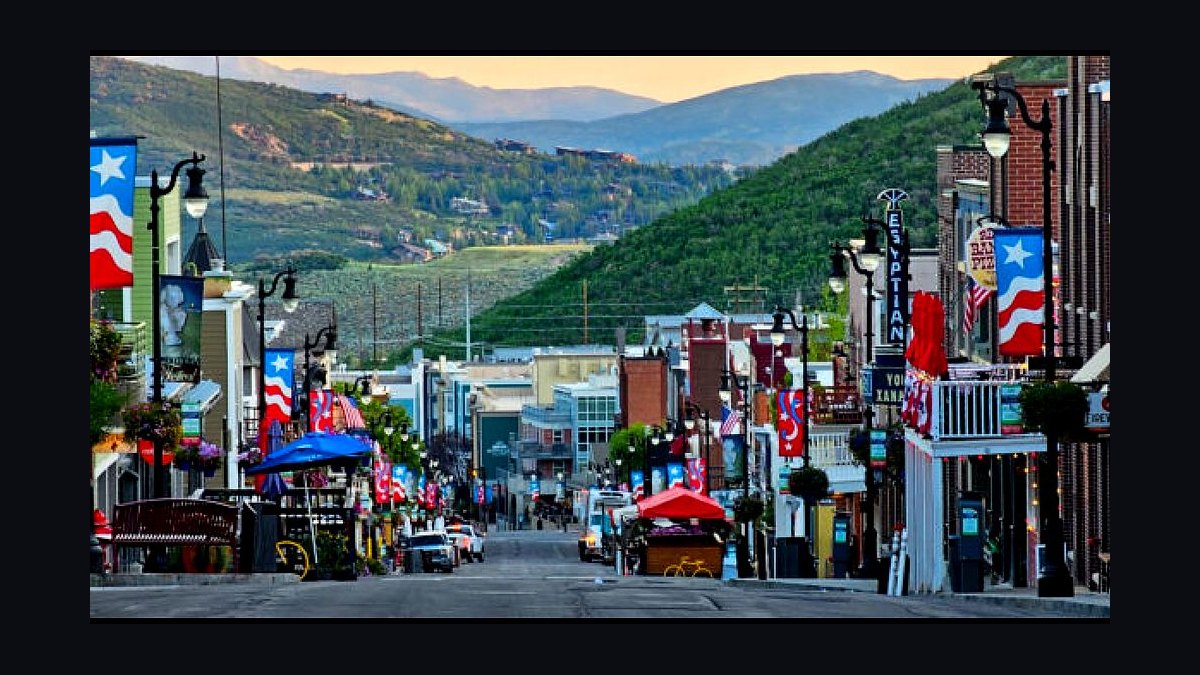
Start 12–18 months out: form a 3–5 person committee, poll the family on dates and budget, lock a 2027 weekend and venue by mid-2026, then send save-the-dates. Collect deposits early, assign lodging, food, and activities to owners, and run a simple headcount tracker until the final week.
Two ways to run a 2027 reunion: the destination package versus the hometown build
Almost every family reunion collapses into one of two shapes, and picking the wrong one is the single most expensive mistake a planning committee makes. The first shape is the destination package — a resort, cruise, campground, or all-inclusive property where the venue absorbs lodging, food service, and most logistics into one contract. The second is the hometown build — a park pavilion, church hall, VFW post, community center, or a relative's backyard in the town where the family originated, assembled from a dozen separate vendors and a lot of volunteer labor.
The destination package trades money for time. You sign one contract, hand over a rooming list, and the property handles beds, breakfast, banquet setup, and cleanup. A committee of three can run a 90-person destination reunion because the property does the operational work. The cost is that per-person spend climbs, and every family unit has to be able to absorb both travel and lodging on the same weekend. Families with a wide income spread — a retired grandparent on fixed income, a cousin with four kids, a nephew in his first job — get sorted by price, and you end up with a reunion that half the family cannot attend. That is the failure mode nobody names out loud until the RSVP list comes back at 40% of the invite list.
The hometown build trades time for money. A county park pavilion rental in most of the U.S. runs somewhere in the low tens to low hundreds of dollars for a full day, and a church fellowship hall is often free or donation-based if a family member is a congregant. You supply everything else: tables, ice, coolers, a grill or a caterer, restrooms if the site lacks them, a sound system, trash removal, and a cleanup crew. That means a bigger committee — realistically six to ten people with real assignments — and it means somebody's garage becomes the staging area for three weeks. But the entry price for a family unit can drop to almost nothing beyond gas and a covered dish, which is exactly what you want if the goal is maximum attendance across four generations.
There is a third shape worth naming because it keeps showing up in reunions that actually succeed: the hybrid. A hometown daytime core — a Saturday all-day pavilion event that is free or nearly free — bracketed by optional paid add-ons: a Friday night restaurant dinner for whoever wants it, a Sunday brunch, a block of rooms at a mid-tier hotel for the travelers. The free core protects attendance. The paid brackets give the people who want a fuller weekend something to buy. It is more coordination than either pure option, but it solves the income-spread problem better than anything else, and it is the shape I would default to for a first-time reunion in 2027 where you do not yet know how the family will respond.
One more distinction that matters more than people expect: single-day versus multi-day. A single Saturday is dramatically easier — no lodging coordination, no multi-meal planning, no second-day energy collapse. A three-day weekend produces the deeper reconnection people say they want, but it also produces the friction people don't anticipate: teenagers bored by hour thirty, in-laws who didn't sign up for this, and a committee that is exhausted before Sunday. If the family has not gathered in a decade, run a single strong day in 2027 and use the goodwill to justify a longer 2029.
How to choose between them
The decision is not about taste. It is about four measurable facts you can gather in a single survey: how geographically scattered the family is, how wide the income spread is, how many people are over 75 or under 6, and whether anyone in the family has the time to run a build.

Run the survey first, before you fall in love with a location. Use a free form tool, keep it to eight questions, and give people three weeks. Ask: what's your ZIP code, how many people in your household would come, what's the maximum per-person you'd spend, which of these three date windows works, do you need accessible facilities, would you travel by air, would you stay in a hotel, and would you volunteer on a committee. That last question is the one that decides destination versus build, because a build with two volunteers is a build that fails in week nine.
Plot the ZIP codes. If 70% of respondents are within a four-hour drive of one town, you have a hometown build and you should not be looking at resorts. If the family is genuinely scattered across four time zones with no center of mass, everyone is flying regardless, and a destination package stops looking expensive because travel cost was unavoidable anyway.
The budget ceiling question is the one people answer honestly on an anonymous form and dishonestly in a group text. Take the *median* answer, not the average — one wealthy uncle willing to spend $800 will drag an average upward and convince you the family can afford something it cannot. Then take the 25th percentile and treat that as your real design constraint for the core event, because that is roughly where you start losing households.
Accessibility deserves its own gate. If you have people using walkers, oxygen, or wheelchairs, a rustic campground with gravel paths and pit toilets is not a venue, it is an exclusion. Same with a second-floor hall in a building without an elevator. Ask about it explicitly on the survey; people rarely volunteer the information because they don't want to be the reason the plan changes.
Concrete numbers behind each option

Real budgeting means per-person math, not a lump sum, because the lump sum hides who can and cannot come. Build the budget as a per-household cost for a family of four, then check it against your 25th-percentile survey answer.
Hometown build, single Saturday, 80 people. Pavilion rental typically lands in the tens to low hundreds of dollars for a full day at a county or municipal park, with a refundable deposit on top; reserve as early as the park district allows, because popular pavilions on summer Saturdays book out the day reservations open. Add portable restrooms if the site's facilities are thin. Food is the big line: self-catered barbecue with volunteer grillers runs a few dollars a head if families bring sides, while a drop-off caterer doing pulled pork, sides, and rolls generally sits in the mid-teens to mid-twenties per person before tax and tip. Ice, drinks, and water for eighty people in July is more than you think — plan multiple coolers and buy ice the morning of, not the night before. Then: tablecloths, disposable plates and utensils, trash bags and a plan for hauling trash out, a canopy or two for shade, a Bluetooth speaker, name tags, and a printed schedule. T-shirts, if you do them, are usually the second-largest line after food and should be pre-ordered and pre-paid, never speculatively printed.
Hybrid, hotel block plus catered hall, 80 people, two days. Hotel blocks are usually free to reserve — you sign a room-block agreement, the hotel gives a group rate, and families book individually. Read the attrition clause: some agreements make the signer liable if fewer than a set percentage of rooms are booked. Ask for a courtesy block with zero attrition liability, which most mid-tier properties will grant for a leisure group if you ask directly. Banquet rooms at hotels and event halls commonly carry a food-and-beverage minimum rather than a flat rental fee, and plated dinners run meaningfully more per head than buffets. Add the service charge and sales tax — a "$32 per person" buffet quote frequently lands north of $40 all-in once a service charge in the low-to-mid twenties percent and tax are applied. Get every quote as an all-in number and put it in writing.

Destination package, resort or cruise, 60 people, three nights. Here lodging dominates and the range is enormous depending on season and region. The mechanics matter more than the sticker: ask about a group rate with a group booking code, ask whether the property will comp a suite or a hospitality room per some number of booked room-nights (many will, and a free hospitality room is genuinely valuable — it becomes your reunion's living room), and ask what the deposit and cancellation schedule looks like. Cruises are the one destination option where the pricing is unusually legible: the fare covers lodging, most meals, and entertainment in a single number, which makes per-household math easy and makes the "what will this really cost me" conversation short. The trade-off is passport requirements, a fixed itinerary, and no ability to accommodate a day-tripper cousin.
Lines every budget forgets. Insurance — some parks and halls require a certificate of liability, and a one-day event policy is inexpensive but must be arranged weeks ahead. Payment processing fees if you collect money through an app. Printing for a memory book or family tree. A contingency of roughly ten percent, because something always breaks. Postage for physical save-the-dates to relatives who are not reliably reachable by email, which in most extended families is a real and non-trivial group.
How to actually collect the money. Set a per-adult and per-child contribution, publish it with the save-the-date, and collect through one channel with one person's name on it. Peer-to-peer payment apps are fine for small reunions but have per-transaction limits and no refund mechanism; a dedicated checking account opened for the reunion is better above roughly fifty people and makes the treasurer's accounting defensible. Publish a simple ledger to the family at least twice — once after deposits and once after the event. Money opacity is how reunion committees generate a decade of resentment.
The concrete build sequence, month by month

This is the part people ask for and rarely get: the actual ordered steps with dates attached. For a summer 2027 reunion, count backward from the event weekend.
18 months out (early 2026): form the committee. Three to five people minimum, more for a build. Name real roles, not vague ones: a chair who owns the calendar and breaks ties, a treasurer who owns the money and the ledger, a communications lead who owns the contact list and every announcement, a logistics lead who owns venue, tables, and equipment, and a program lead who owns activities and the schedule. Deliberately pull one person from each branch of the family — it distributes the work and, more importantly, it distributes the buy-in. A committee that is all one branch produces a reunion that feels like one branch's party.
16–17 months out: build the contact list. This is the unglamorous task that determines attendance more than anything else. Start from whatever list exists, then work branch by branch: each committee member is responsible for verified contact info for their own branch's descendants. Capture name, household size, email, mobile, mailing address, and branch. Expect this to take two months and expect to find people nobody has talked to in fifteen years. Keep it in a shared spreadsheet, and decide early who is allowed to see it — a family contact list is genuinely sensitive data and should not be pasted into a public group chat.
15 months out: run the survey. Three date windows, budget ceiling, geography, accessibility, volunteer willingness. Three weeks of collection, one reminder at the halfway mark, one final reminder in the last three days. Expect 50–65% response; chase the non-responders by phone through their branch representative rather than blasting the whole list again.
12–14 months out: lock date and venue. Book the venue and get the contract signed. This is the irreversible commitment and everything downstream depends on it. Avoid the obvious traps: major holiday weekends inflate travel costs and hotel rates; the first and last weekends of the school year are bad for families with kids; and check for local events — a marathon, a county fair, a big graduation weekend — that will eat every hotel room in town. For 2027 specifically, check school calendars in the two or three states where most of the family lives, because they don't align.

10–12 months out: save-the-dates. Email plus physical mail for the relatives who need it. Include the date, city, a one-line description of the event shape, and a rough per-person cost range. That cost range is important — sending a save-the-date without one produces a wave of "how much is this going to be" texts and lets people build wrong assumptions.
8–9 months out: hotel block and vendor shortlist. Sign the room block. Get three catering quotes in writing with all-in pricing. If you need rentals — tables, chairs, linens, a tent — shortlist now; summer weekend rental inventory in small markets is genuinely finite.
6 months out: formal invitation and RSVP opens. Now you publish the real details: full schedule, exact costs, lodging options with the booking code, what to bring, and the RSVP deadline. Open deposit collection at the same time. A deposit — even a small one — converts soft interest into a real headcount, and the difference between "probably coming" and "paid $25" is the difference between a caterer order you can trust and one you cannot.
4 months out: program and activities. Lock the schedule hour by hour. The reliable structure is: an arrival window with easy food and name tags, a mid-day anchor activity, a group photo at a fixed time announced in advance, a meal, and an evening wind-down. Build in genuine downtime — over-programming is the most common reunion mistake, and adults who have not seen each other in years mostly want to sit and talk. Plan for the age bands separately: a kids' area with supervision on a rota, a shaded seating area for elders, and something physical for teenagers who will otherwise vanish into their phones.
2–3 months out: chase RSVPs. Whatever your response rate is, it is lower than you think. Phone calls through branch representatives, not another mass email. Set a hard deadline and honor it publicly, because a soft deadline teaches people the next one is soft too.

3 weeks out: final headcount to the caterer. Most contracts require a guarantee somewhere in the 7-to-14-day window and bill you for the guarantee even if fewer show. Give the number you actually believe, typically your paid RSVPs plus a small buffer, not your optimistic number.
Final week: run of show. A one-page document: who arrives when, who sets up what, where the ice comes from, who has the venue contact's phone number, who runs the photo, who handles cleanup. Distribute it to the committee and print copies. Assign a setup crew and a teardown crew as separate lists of names — teardown is where volunteer enthusiasm evaporates and the same three people end up loading trucks at 9pm.
The parts that go wrong, and the adjacent things worth planning
Attendance falls short of the survey. Universally. People say yes on a form and no in June. Design for it: pick a venue that looks fine at 60% capacity, keep the food order adjustable until the guarantee date, and never sign a contract whose minimum requires your optimistic number.
The work concentrates on one person. The chair ends up doing everything, resents it, and refuses to organize the next one. The fix is structural: written role definitions, a shared task list with owner names and due dates, and a standing thirty-minute committee call — monthly through 2026, biweekly in the last quarter, weekly in the final month. Short and scheduled beats long and ad hoc.
Family conflict. Every extended family has at least one pair of people who should not be seated together and at least one estrangement nobody discusses. Handle it quietly and structurally: open seating rather than assigned, a venue with multiple zones so people can orbit rather than collide, and a private conversation in advance with anyone whose attendance is genuinely fraught. Do not attempt reconciliation as a reunion agenda item.

Weather. An outdoor event without a covered fallback is a coin flip. Either book a pavilion with real roof coverage, rent a tent, or hold a backup indoor space. Decide the go/no-go trigger and the notification method in advance, and tell everyone the plan when you send the formal invitation.
Worth planning alongside the event, because these are what people remember: a shared photo repository — one cloud album, link published in advance, so the hundreds of phone photos don't scatter. A family tree or memory board — even a printed poster with names and a marker for corrections generates more conversation than any scheduled activity. Recorded interviews with the oldest generation — a phone on a tripod in a quiet corner, twenty minutes each, is the highest-value thing that happens at a reunion and the thing families most regret skipping. A next-reunion vote before people leave, while momentum is high, along with a volunteer for the next chair.
The upstream and downstream workflows matter too. Upstream: the genealogy work that produces the contact list often uncovers relatives nobody knew about, and that discovery is worth budgeting time for. Downstream: publish the ledger, post the photos within two weeks while attention holds, and write a one-page retrospective — what the actual headcount was versus the RSVP, what the real per-person cost came to, which vendors delivered — and hand it to the next committee. A reunion that documents itself is a reunion that gets easier every cycle, and the second one is always better than the first because somebody wrote down what happened.
Related questions
How far in advance should we book a park pavilion for summer 2027?
As early as the park district permits — many open reservations 6–12 months ahead, some on a fixed date each January. Popular summer Saturday pavilions can book the day the window opens, so find out the exact policy and set a calendar reminder.
What is a reasonable RSVP-to-attendance ratio?

Expect real attendance below your RSVP count, and RSVP count well below survey interest. Collect a deposit to firm up numbers, set a hard deadline, and give the caterer your paid count plus a small buffer rather than your hopeful count.
Should we require a deposit?
Yes, even a small one. A deposit converts soft interest into a countable headcount and protects the committee from personally covering a catering guarantee. Offer a quiet hardship waiver through branch representatives so cost never silently excludes a household.
Who should be on the planning committee?
Three to five people minimum, drawn deliberately from different branches, with named roles: chair, treasurer, communications, logistics, program. Branch diversity distributes both the workload and the buy-in, and it prevents the reunion from feeling like one branch's private party.
How do we handle relatives who can't afford to attend?
Design the core event to be free or near-free and put the paid elements in optional brackets. Handle individual hardship privately through a branch representative, never in a group thread, and consider a small subsidy fund from voluntary over-contributions.
FAQ
How long should a family reunion be?
For a first reunion or one after a long gap, a single strong Saturday is the right call — no lodging coordination, no multi-meal planning, and no Sunday energy collapse. Multi-day weekends produce deeper reconnection but require more committee capacity and lose people to fatigue and cost. Use the goodwill from a successful one-day event to justify a longer format next cycle.
What time of year is best for a 2027 reunion?
Summer maximizes attendance for families with school-age children, but it also collides with peak travel pricing and everyone else's vacation plans. Check school calendars in the two or three states where most of the family lives — they don't align. Avoid major holiday weekends, which inflate flights and hotel rates, and check for local events that would consume every room in the host town.
How do we collect money without it getting messy?
One channel, one named treasurer, one published ledger. Peer-to-peer apps work under roughly fifty people; above that, open a dedicated checking account so accounting is clean and defensible. Publish the ledger at least twice — after deposits and after the event. Financial opacity is the most reliable way to turn a reunion into a decade of family resentment.
What activities actually work across four generations?
Fewer than you think. A group photo at an announced time, a shared meal, a memory board or family tree people can annotate, and recorded interviews with the oldest generation. Then stop programming and let people talk — over-scheduling is the most common mistake. Provide separate zones for kids, teens, and elders rather than one activity everyone is supposed to enjoy.
Do we need event insurance?
Often yes, and increasingly it's non-negotiable: many public parks, community centers, and halls require a certificate of liability insurance naming them as additional insured. One-day event policies are inexpensive but take weeks to arrange, so read the venue contract the day you receive it and start the process immediately rather than discovering the requirement a month out.
What's the single most common planning failure?
Concentrating the work in one person. The chair absorbs every task, burns out, and never volunteers again — which is why so many families reune once and then stop. The countermeasure is structural, not motivational: written roles with named owners, a shared task list with due dates, and a short recurring committee call that escalates in frequency as the date approaches.
Sources
- https://www.nps.gov/planyourvisit/permits.htm
- https://www.usa.gov/state-parks
- https://www.ready.gov/severe-weather
- https://www.archives.gov/research/genealogy
- https://www.familysearch.org/en/wiki/Family_Reunion
- https://www.loc.gov/programs/veterans-history-project/
- https://www.consumerfinance.gov/consumer-tools/money-transfers/
- https://www.ada.gov/resources/title-iii-primer/
- https://www.cdc.gov/foodsafety/communication/bbq-iq.html
- https://www.irs.gov/charities-non-profits/other-non-profits/social-clubs
Related on PULSE
- How to build a contact list for a large extended family
- Choosing between a hotel room block and short-term rentals for group travel
- Event budgeting: per-person math versus lump-sum planning
- How to run a volunteer committee that doesn't burn out its chair
- Recording oral histories with older relatives: a practical setup
- Setting and enforcing an RSVP deadline that people respect
This page will be disappearing soon. Save it to your device for $1 — or read it free while it is here.
@Kory-White- · if Venmo asks, the last 4 of my number are 2012
This page is gone.
This one is off the shelf now. $1 keeps it on your phone for good — the whole page, pictures and diagrams included.
 pulse-recentWhat is the ideal length for a corporate retreat in 2027?
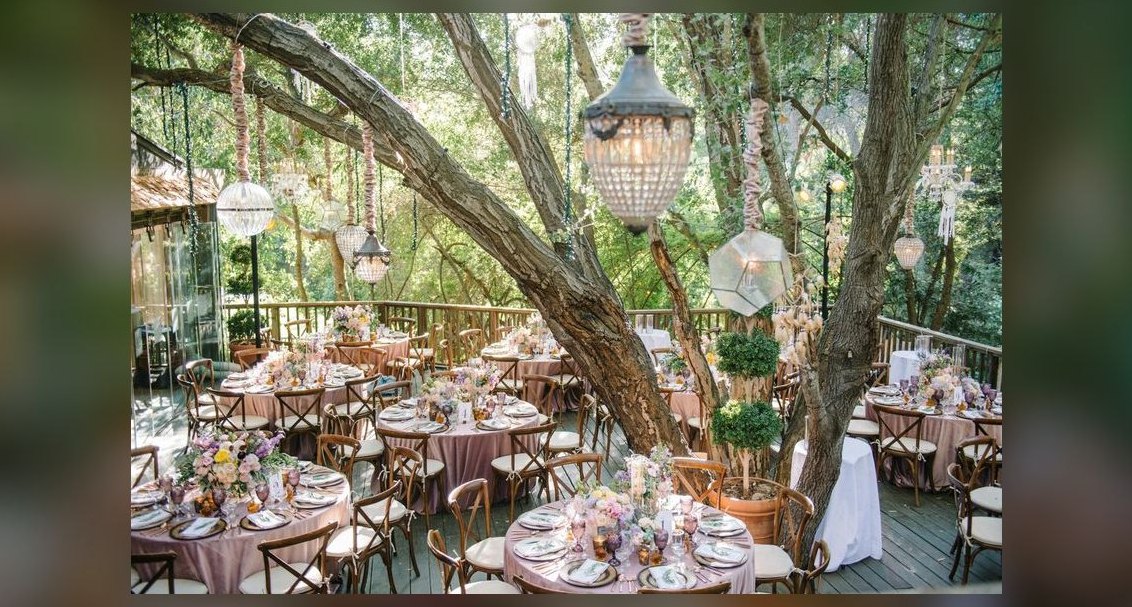 pulse-gatheringsThe 10 Best Malibu Wedding Venues in 2027
 pulse-recentThe 10 Best Affordable Wedding Venues Under $10,000 in 2027
 pulse-gatheringsThe 10 Best Chicago Wedding Venues in 2027
 pulse-gatheringsIs Gatherings worth it in 2027?
 pulse-recentThe 10 Best All-Inclusive Family Reunion Resorts Under $500 Per Person in 2027
 pulse-recentWhat are the concrete steps to planning a family reunion, from first phone call to final headcount in 2027?
 pulse-gatheringsThe 10 Best Asheville Wedding Venues in 2027
 pulse-gatheringsThe 10 Best Nashville Wedding Venues in 2027
 gaWhat are the most common mistakes in Gatherings in 2027?