
Podcast Production Agency GTM Playbook 2027 — Video-Podcast Multi-Platform, Executive Thought-Leadership, and the $148M Wondery Operator Path
 Curated byKory White · Fractional CRO · Maryland
 PULSEKNOWLEDGE LIBRARY
Quality
Certified

The 2027 podcast production agency playbook stacks six revenue lines: monthly production retainers at $14,500–$48,500 per show, launch projects at $48K–$148K, ad-sales commissions of 28–38%, booking retainers, executive thought-leadership programs, and a video-podcast distribution premium worth 28–48%. Winners hold 48–64% gross margin and reinvest into proprietary IP before year five.
What changes by company stage
The operating model that works at $400K of annual revenue will actively break a $14M agency. What shifts is not the craft — editing, sound design, and booking discipline stay constant — but the *unit economics around the craft*: how many shows a single producer can carry, whether the founder is still the top of the funnel, and whether the agency owns anything a buyer would pay a multiple for.
At the smallest stage, the founder is simultaneously the creative director, the sales team, and often the senior editor. Revenue is overwhelmingly retainer-based — call it 85–90% — because project work is unpredictable and cash-flow-hostile. A single anchor client paying $14,500 monthly can represent 40%+ of revenue, which is a concentration risk that no acquirer will forgive later.

By the $1.4M–$4.8M band, the founder's calendar has become the binding constraint. The fix is not "hire more editors" — it is separating the *production* function from the *relationship* function. A senior producer who owns client communication and show strategy lets the founder spend 60%+ of their week on pipeline. This is also the stage where the Executive thought-leadership line becomes viable as a standalone product, because a single producer can service three or four executive shows at $4,800–$14,500 each with far less editorial overhead than a full branded show.
Between $4.8M and $14M, the agency must decide whether it is a services business or a media business. Services businesses sell at 1.4–3.4x revenue. Media businesses with owned IP have transacted far higher — Amazon's acquisition of Wondery is the canonical example of what premium podcast IP is worth to a platform. The practical move is not to bet the company on one owned show, but to allocate 8–12% of gross profit into a small portfolio of owned or co-owned shows over 24–36 months, monetized through host-read ads and licensing.

Above $14M, the constraint becomes delivery consistency at scale. Enterprise buyers — Fortune 500 marketing organizations — will not sign a $88K–$148K monthly network retainer with an agency that cannot show documented Production SLAs, redundant editor coverage, and a named account lead. This is where a real operations layer (delivery management, QA review, standardized show bibles) earns its cost.
The constant across every stage: revenue quality matters more than revenue quantity. A $4M agency with 90% retainer and 60% gross margin is worth more than a $7M agency with 50% project work and 42% margin, because the first one has predictable cash and transferable client relationships.

Stage-by-stage playbook
The sequence below is the order most operators should execute in. Skipping a stage — particularly jumping to owned IP before retainer delivery is stable — is the most common cause of margin collapse.
Stage 1 — $200K to $1.4M. Two to three people. The founder sells and produces. Target 4–6 retainer clients at $14,500–$28,500 monthly. Do not discount below $14,500 for a weekly show — the delivery cost (producer time, editing, sound design, show notes, transcription, audiograms, video cutdowns, distribution to Spotify and Apple, LinkedIn promotion) runs $10K–$12K monthly, and anything under $14,500 leaves no room for a bad month. Deliverable discipline matters more than client count here.

Stage 2 — $1.4M to $4.8M. Five to eight producers, editors, and sound designers. Add an outbound function — either a dedicated SDR or a founder-plus-CRM motion using prospecting tools. Partner referrals from PR firms, content agencies, and HubSpot/Salesforce implementation shops should start producing 20–30% of new logos. Launch the Executive podcast line as a lower-commitment entry product; it converts to full branded shows at roughly 25–35% over 18 months in most agencies that run it.
Stage 3 — $4.8M to $14M. Add ad sales and booking as distinct service lines. Ad sales is commission-based (28–38% of ad revenue) and requires a person who understands host-read vs. programmatic pricing — host-read commands a meaningful premium because it converts better. Booking is a retainer product at $4,800–$14,500 monthly per show and doubles as a lead source, since the guests you book for clients are often the executives who later buy their own show. This is also the stage to formalize video-podcast delivery: recording in a setup that produces both audio and video natively, not as an afterthought.

Stage 4 — $14M to $48M. Enterprise tier. Multi-show network retainers at $88K–$148K monthly. Named account leads, documented SLAs, and a real QA layer. Begin allocating gross profit into owned or co-owned shows. Target 14–22% EBITDA at this scale.
Stage 5 — $48M to $148M. Either a strategic sale to a platform (Spotify, Amazon Music, iHeartMedia, Audacy, SiriusXM have all been active acquirers in this category) or a PE-backed roll-up, or continued independence as a platform-partner agency. Buyers at this level are paying for audience relationships and IP, not for editing capacity.
Numbers that matter at each stage
Different metrics govern different stages. Tracking the wrong one — for example, obsessing over new-logo count at $8M revenue when net revenue retention is the actual lever — is a common and expensive mistake.

Gross margin. Blended target is 48–64%. Enterprise retainer work typically lands at 54–64%; mid-market retainer at 54–64%; executive thought-leadership at 58–68% because the production footprint per dollar is lighter; launch projects at 64–74% because they are scoped and finite; booking and ad sales at 48–58%. Any agency running below 44% blended cannot support senior producer, editor, and sound designer compensation plus tooling costs.
CAC and payback. Customer acquisition cost varies sharply by channel. Founder-content-attributed logos typically cost $485–$2,485; partner referrals land in a similar range; outbound SDR-sourced logos run $2,485–$8,800; paid social on LinkedIn runs $1,485–$4,800. Payback should land inside 6–18 months. If CAC exceeds roughly $14K, the agency needs LTV above $148K and payback under 18 months to justify it.

LTV/CAC. Healthy range is 4–12x. Below 4x, the growth motion is destroying value. Above 12x, the agency is likely underinvesting in acquisition and leaving growth on the table.
Net revenue retention. Target 88–118%. Retainer businesses should clear 100% consistently. Expansion comes from adding episodes, adding shows, adding the executive line, or adding video production — not from price increases mid-contract.

Utilization. Senior producers should run 64–78% billable utilization at $148–$285 per hour effective rate. Below 60% means overstaffing; above 80% sustained means burnout risk and quality drift.
Revenue mix by stage. Year 1: roughly 88% retainer, 12% launch. Year 2: 68% retainer, 14% launch, 14% executive, 4% ad sales. Year 3: 58% retainer, 18% executive, 14% ad sales and booking, 10% owned IP. The pattern is deliberate — retainer share declines as higher-margin and higher-multiple lines come online, but retainer never drops below roughly half, because it funds everything else.

Decision framework
The two decisions that most shape outcomes are (a) whether to invest in owned IP, and (b) how aggressively to push video-first production. Both have real trade-offs.
On owned IP. The upside is real — premium podcast IP has transacted at multiples far above pure-service agency valuations, and platform acquirers have repeatedly paid up for audience. The downside is that most owned shows fail, and funding them from operating cash before the services business is stable is how agencies end up insolvent with a great-sounding back catalog. The gate is 12 months of operating reserves and a services business already clearing 48%+ blended margin.

On video. Video-first production is no longer optional for new show launches — the majority of new podcasts now launch with a video component, and YouTube functions as a genuine discovery engine for podcast content. The trade-off is delivery cost: video adds editing, thumbnail and clip production, and platform-specific publishing work. Agencies that built this into the base retainer rather than selling it as a bolt-on captured a 28–48% pricing premium; agencies that treated it as a free add-on absorbed the cost and watched margin compress.
On vertical specialization. Generalist podcast agencies compete on price. Agencies known for a specific vertical — B2B SaaS, healthcare, financial services — command higher retainers and shorter sales cycles, because the buyer is not explaining their category from scratch. The cost is a smaller addressable market and higher concentration risk if the vertical softens.
Related questions
How long does it take to move from founder-led sales to a repeatable pipeline?
Typically 12–24 months. The trigger is hiring a dedicated seller and documenting the founder's qualification criteria. Until the founder's judgment is written down as a scorecard, new sellers cannot replicate it, and pipeline quality drops for two to three quarters before it recovers.
What retainer floor should a podcast agency refuse to go below?
$14,500 monthly for a weekly show. Below that, the delivery cost of producer time, editing, sound design, show notes, transcription, audiograms, video cutdowns, and distribution leaves no margin buffer for scope creep or a bad production month.
Does the executive thought-leadership line cannibalize full branded shows?
Rarely, and usually the opposite. Executive shows at $4,800–$14,500 monthly are a low-commitment entry point. A meaningful share convert to full branded shows within 18 months, and the executive relationships built during the smaller engagement become the internal champions for the larger buy.
When should an agency start selling ad sales as a service?
Once it has at least 8–12 shows with consistent download numbers and a host willing to read ads. Below that threshold, there is not enough inventory to interest sponsors, and the commission revenue will not cover the cost of the person managing it.
How much of revenue should owned IP represent at $14M?
Roughly 10%. That is enough to demonstrate the capability and build a track record for a future sale, without putting the services business at risk. Scaling beyond 20% before the services business is mature is a common failure pattern.
FAQ
What blended gross margin should a podcast production agency target?
Target 48–64% blended. Line-level targets differ: enterprise and mid-market retainers at 54–64%, executive thought-leadership at 58–68%, launch projects at 64–74%, and booking or ad sales at 48–58%. Agencies below 44% blended cannot fund senior producer, editor, and sound designer compensation alongside recording, editing, distribution, and analytics tooling.
Is video-podcast production worth the added delivery cost?
For most new shows, yes. Video-first launches now dominate new podcast creation, and YouTube serves as a genuine discovery surface. The key is pricing it correctly — building video into the base retainer rather than giving it away. Agencies that priced it properly captured a 28–48% premium; those that bundled it free absorbed the cost.
How important is the Executive thought-leadership podcast line to overall revenue?
It typically contributes 8–18% of agency revenue at 58–68% gross margin. Its strategic value exceeds its revenue share: it builds direct relationships with senior executives, shortens the path to enterprise retainer conversations, and diversifies away from a small number of large branded-show clients.
What is a realistic CAC for a podcast production agency?
Roughly $1,485–$8,800 per new logo depending on channel. Founder content and partner referrals sit at the low end ($485–$2,485); outbound SDR motion runs $2,485–$8,800; paid LinkedIn lands $1,485–$4,800. Payback should fall within 6–18 months, and LTV/CAC should sit between 4x and 12x.
Should a podcast agency build proprietary IP or stay purely service-based?
Pure-service agencies have transacted at roughly 1.4–3.4x revenue; agencies with meaningful owned IP have commanded materially higher multiples. The gate is financial: build 12 months of operating reserves and confirm 48%+ blended margin before allocating 8–12% of gross profit into owned or co-owned shows. Doing it earlier risks the services business.
Which acquirers have been active in podcast production and IP?
Platforms and media companies have been the most consistent buyers — Spotify, Amazon Music, iHeartMedia, Audacy, and SiriusXM have all completed podcast-related acquisitions in recent years. Private equity has also participated through roll-ups. Buyers at scale are paying for audience relationships, IP, and distribution, not editing capacity.
Sources
- https://www.ibisworld.com/united-states/market-research-reports/podcasting-industry/
- https://www.edisonresearch.com/
- https://www.iab.com/insights/podcast-advertising-revenue-study/
- https://www.profitwell.com/
- https://www.bridgegroupinc.com/
- https://pavilion.com/
- https://www.credocareer.com/
- https://www.linkedin.com/business/marketing/blog
- https://www.spotify.com/us/podcasters/
- https://podcasters.apple.com/
Related on PULSE
- [Content Marketing Agency GTM Playbook 2027 — Executive Thought-Leadership, AI-Assisted Production, and the $88M Brafton Operator Path](/knowledge/gp0213)
- [Podcast Hosting Platform GTM Playbook 2027 — Creator + Indie Podcast Hosting + AI-Augmented Podcast Production + Programmatic Dynamic Ad Insertion and the 485M Spotify for Podcasters Operator Path](/knowledge/gp0256)
- [Branding and Design Agency GTM Playbook 2027 — AI-Augmented Production, Cannes Lions Awards, and the $148M Pentagram Operator Path](/knowledge/gp0216)
- [Executive Recruiting Firm GTM Playbook 2027 — Retained Search + PE Portfolio CEO + AI-Augmented Sourcing and the 48M True Search Operator Path](/knowledge/gp0230)
- [SEO Agency GTM Playbook 2027 — AI Overview Optimization, Vertical Specialization, and the $148M NP Digital Operator Path](/knowledge/gp0212)
This page will be disappearing soon. Save it to your device for $1 — or read it free while it is here.
@Kory-White- · if Venmo asks, the last 4 of my number are 2012
This page is gone.
This one is off the shelf now. $1 keeps it on your phone for good — the whole page, pictures and diagrams included.
 gtm-playbookHow do you build the GTM playbook for a convenience-store (C-store) operator in 2027?
 gtm-playbookHow do you handle a channel partner who is sandbagging deals or sitting on registered leads without working them in 2027?
 gtm-playbookGTM Playbook for IoT Hardware — The Complete Operator Guide in 2027
 gtm-playbookSupplement DTC GTM Playbook 2027 — GLP-1 Stack Positioning, Amazon Mastery, and the .2B AG1 Operator Path
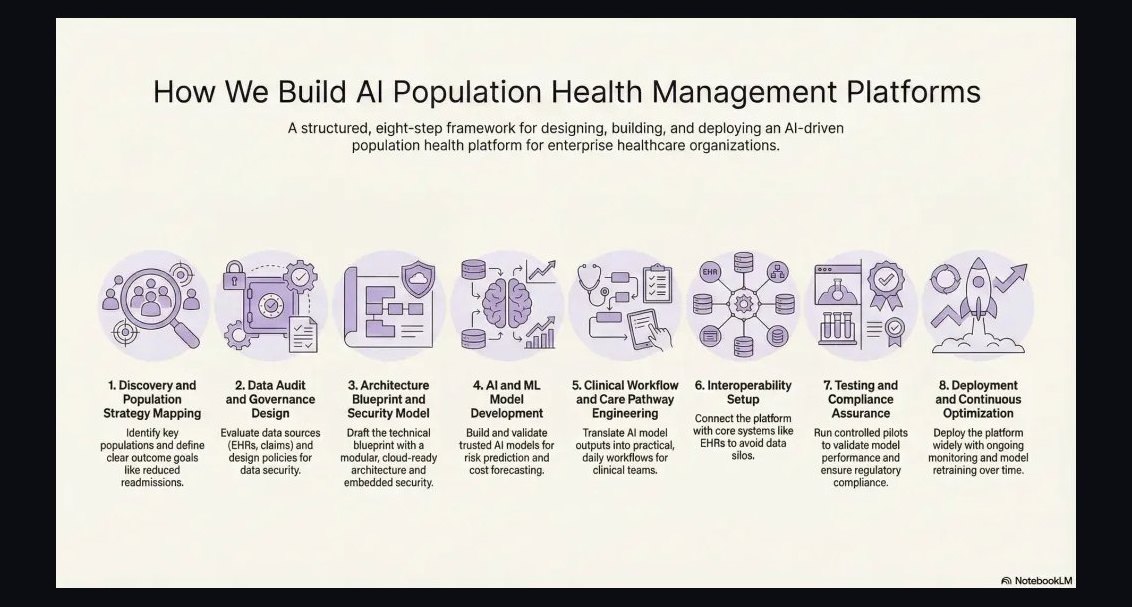 gtm-playbookHow do you build a population health platforms (Arcadia / Innovaccer) go-to-market motion in 2027?
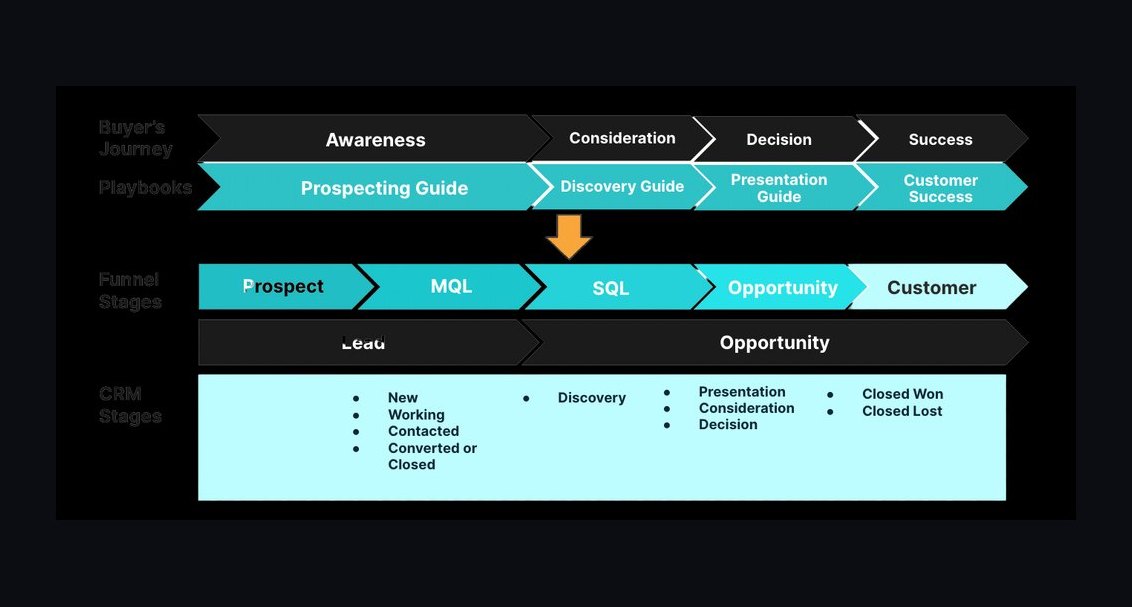 gtm-playbookGTM Playbook for GovTech — The Complete Operator Guide in 2027
 gtm-playbookHome Goods DTC GTM Playbook 2027 — Bed Bath Beyond Aftermath, Amazon Mastery, and the $1.8B Yeti Operator Path
 gtm-playbookHow do you build a generative AI for marketing (Jasper / Copy.ai) go-to-market motion in 2027?
 gtm-playbookMembership Community Software GTM Playbook 2027 — Creator + Indie + SMB Community Platform + AI-Augmented Community Moderation + Creator Monetization Tiered Subscription and the 685M Discord Operator Path
 gtm-playbookGTM Playbook for Childrens Hair Salons in 2027