
Event-led and field-marketing GTM playbook in 2027
 Curated byKory White · Fractional CRO · Maryland
 PULSEKNOWLEDGE LIBRARY
Quality
Certified

An event-led and field-marketing GTM playbook treats conferences, dinners, roadshows, and user conferences as measurable pipeline channels rather than brand spend. Field marketing ties each event to named accounts, territories, and reps, engineers pre-booked meetings, qualifies on-site, and enforces 24–48 hour follow-up. Grade it on sourced and influenced pipeline, cost per opportunity, and pipeline-to-spend ratio.
The go-to-market motion in one picture
The motion is easiest to understand as a loop with four gates, not a calendar of dates. Gate one is selection: which accounts, in which territory, at which deal stage, justify the cost of getting a human in a room with them. Gate two is commitment: how many of those accounts have a confirmed calendar hold before anyone books a flight. Gate three is capture: what gets recorded during the conversation beyond a scanned badge. Gate four is conversion: how fast, and how specifically, the follow-up lands.
Teams that struggle almost always have gates one and two collapsed into a single vague step called "promote the event." The invitation goes to a list, the list is the marketing database, and the on-site outcome is whoever happened to walk by. That is a lottery ticket with a five-figure entry fee. When the gates are separated and each is owned by a named person with a number attached, the same budget produces dramatically different results, because you are no longer paying for attendance — you are paying for a set of pre-agreed conversations that happen to be co-located.
A useful mental model borrowed from outbound: the event is not the channel, the meeting is the channel. The event supplies the pretext, the venue, and the density of buyers. Everything else — the invitation, the agenda, the qualification, the recap — is a sales motion that would work in a hotel lobby if the conference did not exist. This is why the strongest field marketers come from an SDR or sales background rather than a brand background; they instinctively count meetings, not impressions.
The same logic extends to adjacent motions worth borrowing from. Partner-led co-selling runs the identical loop with a different sourcing input: the partner supplies the account list instead of intent data. Customer advisory boards run it with retention as the goal instead of net-new pipeline. Executive briefing centers — a permanent room instead of a rented one — run it continuously. If you build the operating rhythm once, you can point it at any of these with modest changes to the target list and the success metric.
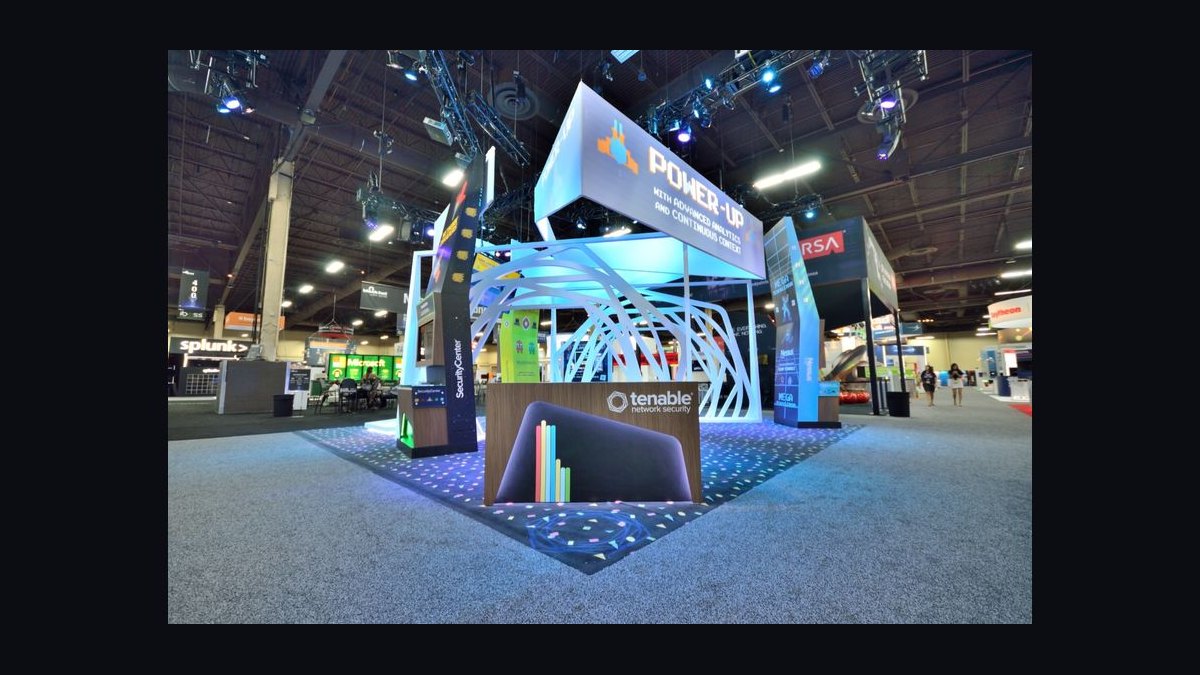
Note where the loop closes. The post-event review is not a retrospective slide deck; it is the input to the next target list. Accounts that took a meeting but did not progress get a different treatment next cycle than accounts that never engaged. Over three or four cycles this compounds into a genuinely differentiated list, which is the actual moat in this motion — not the booth design.
Who owns what across the revenue org
Ambiguous ownership is the most reliable predictor of a wasted event budget. The fix is boring: write down who owns each gate, what number they carry, and when the handoff happens.
Field marketing owns selection and the pre-event motion. The field marketer builds the target account list with the regional sales leader, sets the meeting target, runs the invitation campaign, and owns logistics. Their number is meetings booked and, downstream, pipeline-to-spend. In most orgs a field marketer covers a geography (Northeast, DACH, ANZ) or a vertical (healthcare, financial services, public sector), and runs somewhere between six and a dozen meaningful activations a year plus a long tail of smaller lunch-and-learns.
Sales development owns booking and on-site scheduling. SDRs work the target list with a sequence that references the event, the specific session, or a named executive who will be present. Reasonable per-event targets for a dedicated SDR: a double-digit count of confirmed meetings for a large conference, a much smaller but higher-quality set for an executive dinner where eight to twelve seats is the entire program. SDRs also work the floor — rebooking no-shows, catching walk-ups, and filling cancelled slots in real time.

Account executives own the conversation and the follow-up. The rep runs the meeting, sets the next step in the room, and owns the CRM record afterward. The single highest-leverage rule in the whole playbook is that the rep books the next meeting before the prospect leaves the booth. Everything that gets deferred to email decays.
Solutions engineering owns technical depth. For active opportunities, an on-site SE turns a hallway conversation into a technical validation step that would otherwise take three weeks of scheduling. Bringing an SE to a conference is expensive and almost always pays for itself if their calendar is pre-booked rather than left open.
Customer success owns the retention and expansion side. At user conferences and regional customer dinners, CS runs advisory sessions, roadmap previews, and reference-building. A renewal-risk account that sends two people to your user conference and leaves with a direct line to your product team is materially less likely to churn. CS should carry an explicit attendee target for at-risk and expansion accounts, not just an open invitation.
Marketing operations owns the plumbing. Registration data, badge scans, and app engagement must land in the CRM as structured fields — event name, engagement type, session attended, qualification notes — not as an untyped list import. If ops cannot report event-influenced pipeline six months later, the attribution argument gets lost every budget cycle.
Revenue operations owns the scoreboard. RevOps defines what counts as sourced versus influenced, sets the attribution window, and publishes the same numbers to everyone. Without a single owner here, sales and marketing will produce two different pipeline figures for the same event and the debate will consume more time than the event did.
The cadence that holds this together is a weekly stand-up during event season with field marketing, the regional sales leader, SDR lead, and CS. Agenda: target list changes, meetings booked versus target, logistics blockers, and post-event follow-up completion for the last event. Fifteen minutes, every week, no slides.
Metrics, targets, and realistic ranges
Grade the program on a small set of numbers and refuse to report the rest.
Event-sourced pipeline is net-new opportunity value where the event is the first qualifying touch. Event-influenced pipeline is open opportunity value where an event touch occurred inside the attribution window. Both matter; conflating them destroys credibility. Publish them as two separate lines, define the window explicitly (90 days is common for influence, though long enterprise cycles justify longer), and never change the definition mid-year.
Pipeline-to-spend ratio is the headline. Total pipeline attributed divided by fully loaded event cost — booth, travel, staff time, swag, agency fees, everything. Different formats sit in genuinely different bands: a tightly targeted executive dinner with eight of the right accounts can post a ratio that a 30,000-person trade show will never match, while the trade show does awareness and partner work the dinner cannot. Compare like formats to like formats, and track each format's own trend rather than ranking dinners against conferences.
Cost per opportunity is the ratio's more honest cousin because it is harder to inflate with one large deal. Watch both. If cost per opportunity is climbing while the ratio looks fine, a single whale is carrying the program and the underlying motion is deteriorating.
Meetings booked before the event is the leading indicator that actually predicts everything else. Measure it weekly in the run-up. If you are two weeks out and under half your meeting target, the outcome is already largely determined — that is the moment to add SDR hours, escalate to reps for personal outreach, or scale down the on-site investment.
Meeting-to-opportunity conversion tells you whether your targeting is real. High meeting counts with low conversion means the SDR team is booking anyone with a pulse to hit a number. That is a compensation design problem, not an effort problem.
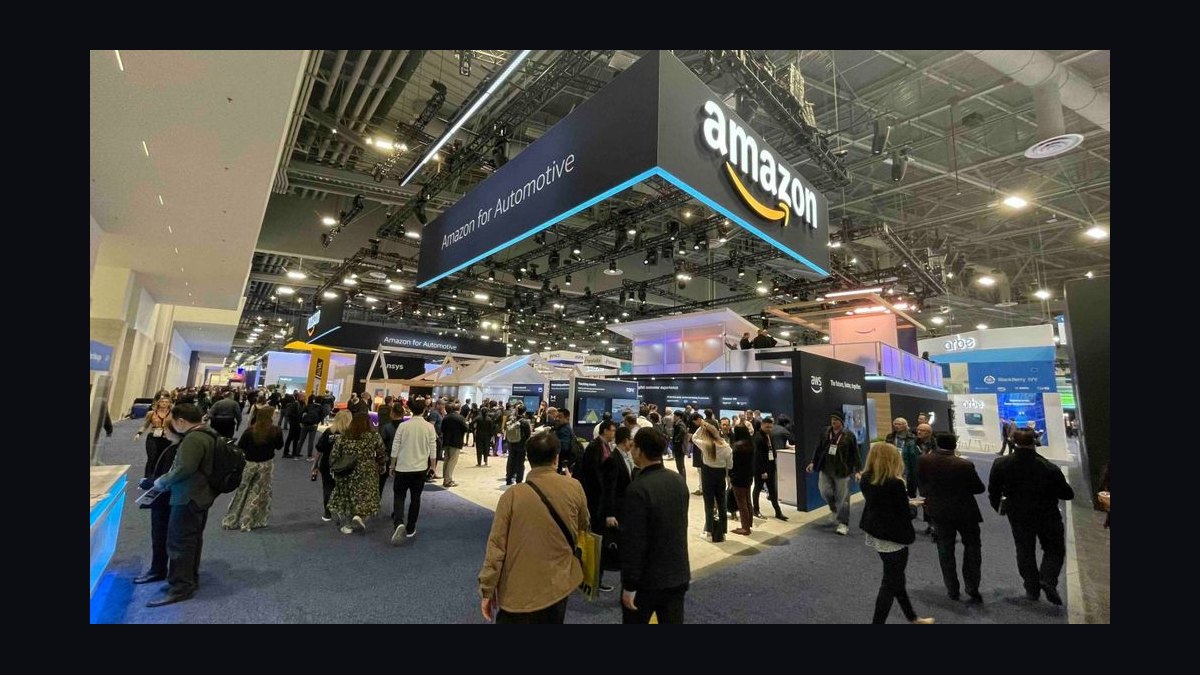
Follow-up completion within 48 hours, measured as a percentage of captured leads with a logged activity, is the operational metric that separates functioning programs from theatrical ones. Report it by rep. It gets fixed quickly once it is visible.
Two anti-metrics deserve explicit banishment: badge scan counts and attendee headcount. Both are inputs, both are trivially gamed, and both are what teams retreat to when the real numbers are bad. Booth traffic can appear in an operational recap, never in a revenue review.
Set targets before the event, in writing, in the same document as the budget request. A one-page pre-brief with target accounts, meeting target, sourced-pipeline target, and named owners turns the post-event review from an argument into a comparison. It also makes the decision to stop sponsoring an event far easier, because you have two or three years of the same four numbers for that specific event.
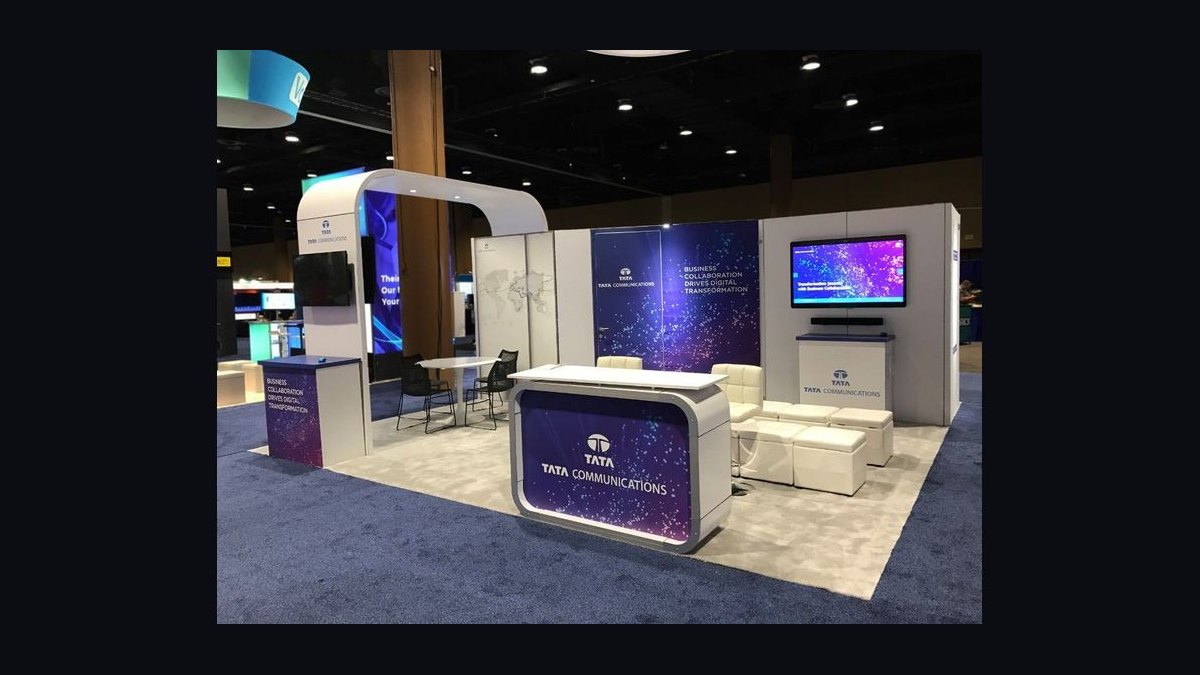
On budget shape: mature programs tend to concentrate spend rather than spread it. Sponsoring twelve events at a token level generally underperforms sponsoring four properly with full staffing, pre-booked meetings, and a private meeting space. The fixed cost of running the motion well — SDR hours, rep travel, follow-up discipline — does not scale down gracefully, so thin sponsorships tend to buy logo placement and nothing else.
Where the motion breaks down
Follow-up rot. The most expensive failure and the most common. Leads captured on Thursday get emailed the following Wednesday with a generic template. By then the prospect has attended forty other conversations and remembers none of them. The fix is structural, not motivational: same-day CRM entry with notes, an owner assigned per lead before anyone flies home, and a follow-up completion report published on Monday morning. Some teams run a mandatory 30-minute "wheels-up" working session at the airport or hotel on the last day purely to clear the capture backlog while memory is intact.
Badge scans without context. A scan records that someone existed near your booth. It does not record what they cared about, what stage they are in, or what you promised them. Require every captured lead to carry three fields: what they are trying to solve, what stage they are at, and the agreed next step. If staff cannot fill those in, they were not having a qualifying conversation.
No-shows and calendar decay. Confirmed meetings evaporate at conferences — competing sessions, delayed flights, executive schedules. Expect meaningful slippage and plan for it: confirm the morning of, send a text rather than an email, have a floating SDR who can rebook on the spot, and deliberately overbook against your target rather than treating the initial confirmation count as the plan.

The unstaffed booth. Six people crowded behind a counter talking to each other is the classic failure image. Set a rotation, assign zones, and give each staffer an explicit role — one person qualifying at the front, one running the demo, one escorting scheduled meetings to the private room.
Optimizing for the wrong buyer. Trade shows attract practitioners; executive dinners attract economic buyers. If your deal requires a VP signature and your booth conversations are all with individual contributors, you are generating a pile of leads that will never convert and then blaming follow-up. Match the format to the buying committee member you actually need.
Attribution arguments consuming the program. When sourced-versus-influenced is undefined, every post-event review becomes a debate about whose number is right. Settle the definitions once at the RevOps level, write them down, and enforce them. An imperfect definition applied consistently beats a perfect one relitigated quarterly.
Sponsorship inertia. Teams re-sponsor the same event for years because it is on the calendar and someone in leadership likes it. Without three years of the same four metrics per event, there is no evidence to cut anything, so nothing gets cut and the budget calcifies. Build the per-event scorecard early specifically so you can kill underperformers later.

Under-investing in the private room. The booth generates volume; the private meeting space generates deals. Programs that skip the suite or meeting room to save money frequently lose more in deferred technical validation than they saved in rental fees.
Ignoring the customer side. Field programs skewed entirely toward net-new leave expansion and retention value on the table. Existing customers at an event are the cheapest reference generation available, the most credible booth speakers, and the most likely source of expansion conversations. Give CS an explicit slot in the plan.
Hybrid as an afterthought. Streaming a session to a virtual audience with no follow-up owner produces a list nobody works. Either staff the virtual audience with the same rigor — assigned owner, capture fields, 48-hour follow-up — or do not offer it.
How to sequence the build
If you are standing this up from nothing, do not start with a trade show. Start with the smallest format that exercises the whole loop, prove the follow-up discipline works, then scale the spend.

Weeks 1–2: definitions and scoreboard. RevOps defines sourced versus influenced, the attribution window, and the CRM fields that must exist. Marketing ops builds the capture fields and the follow-up completion report. Do this first — you cannot retrofit attribution onto an event that already happened.
Weeks 3–4: pick a small format and a real target list. An executive dinner or a regional roundtable for a single territory. Ten to fifteen target accounts drawn from the rep's actual pipeline and the ICP, not from a database pull. The regional sales leader signs off on the list.
Weeks 5–8: run the pre-event motion. SDR sequences referencing the event, rep personal outreach to the top accounts, and weekly tracking of confirmed attendance against target. This is where you learn whether your list is real. If nobody will take a free dinner, the problem is your targeting or your relevance, and finding that out for the cost of a dinner is cheap.
Event week: capture discipline. Assign roles, require the three capture fields, and hold the wheels-up session before anyone leaves.

Weeks 9–10: follow-up and honest review. Publish the four numbers against the pre-brief targets. Write down what you would change. Then run the same format again in a different territory before adding a new format — repetition is what turns a checklist into a competence.
Quarter two onward: scale by format, not by volume. Add one new format per quarter, each with its own pre-brief template and scorecard. Only then consider the large conference, and when you do, treat it as a container for pre-booked meetings rather than an awareness buy.
The sequencing matters because the failure modes are ordered. Attribution problems make everything else unmeasurable. Targeting problems make follow-up discipline pointless. Follow-up problems make spend increases actively harmful. Fix them in that order and each stage makes the next one legible.
One broader note on where this motion sits. Event-led GTM rarely stands alone. It works best as the acceleration layer on top of an account-based program that is already running — the display and outbound touches warm the account, the event converts the relationship, and the post-event nurture carries the ones who were not ready. Teams that run events in isolation from their ABM and outbound motions end up paying twice for the same account's attention. Teams that sequence them get the compounding effect, where a prospect has seen the message, met the rep, and then receives the follow-up from a name they recognize.
Related questions
How many events should a field marketer own per year?
A common range is six to a dozen meaningful activations per territory or vertical, plus smaller lunch-and-learns. More than that and pre-event targeting and follow-up quality degrade, because the fixed operational work per event does not shrink with volume.
Should the sales rep or the field marketer own the follow-up?
The rep owns the follow-up conversation; field marketing owns the process, the segmentation, and the completion reporting. Splitting it this way keeps the relationship with the rep while making non-compliance visible rather than invisible.
Is a large trade show worth it for an early-stage company?
Usually not as a first move. The fixed cost of doing one properly — booth, staff, travel, meeting space, follow-up capacity — is high, and the format favors volume over targeting. Prove the loop on dinners and roundtables first.
How long should the event attribution window be?
Match it to your sales cycle. Ninety days is a common default for influence, but enterprise motions with nine-month cycles need longer. The critical thing is picking one, documenting it, and not changing it mid-year.
What belongs in a post-event review?
The four core metrics against the pre-brief targets, follow-up completion by rep, a list of accounts met that did not progress, and one written decision: re-sponsor, change format, or stop.
FAQ
What is the difference between event-led growth and field marketing?
Event-led growth describes using events as a primary pipeline source. Field marketing is the operating discipline that makes it accountable — aligning each event to named accounts, specific territories, and individual reps so the program carries a pipeline number rather than an attendance number. In practice most teams use the terms together: event-led is the strategy, field marketing is the execution layer that owns the target list, the meeting targets, and the follow-up process.
How do you keep an event from becoming brand theater?
Attach a pre-brief to every budget request with four things: the target account list, the confirmed-meeting target, the sourced-pipeline target, and the named owner for each gate. Review the same four numbers afterward. Events without a pre-brief drift toward awareness spend because nobody agreed in advance what success looked like, which makes any result defensible after the fact.
What tools does this motion actually require?
At minimum a CRM that can store structured event engagement fields, marketing automation for invitations and nurture, and a lead capture method that records context rather than just a badge scan. Dedicated event platforms handle registration, sessions, and app engagement at scale. Sales engagement tooling helps with sequenced follow-up. The tooling matters far less than whether captured context reaches the rep the same day.
How fast does follow-up need to be?
Within 24 to 48 hours, and segmented. Hot leads who took a private meeting get a call from their rep, not an email. Warm leads get a personalized note referencing the specific conversation. General attendees get a relevant nurture track. Measure completion by rep and publish it — visibility fixes this faster than any tooling change.
Which event formats suit which stage of the funnel?
Trade shows and industry conferences deliver top-of-funnel reach and partner density. Executive dinners and small roundtables suit mid-funnel relationship building with a curated account set. Roadshows create territory-specific demand. Owned user conferences drive retention, expansion, and advocacy. Webinars and hybrid sessions scale demand capture between in-person moments. A balanced program spans the funnel instead of concentrating everything in one annual show.
How do you decide whether to stop sponsoring an event?
Compare three years of the same metrics for that specific event against comparable formats, not against the whole portfolio. If cost per opportunity is trending up while meeting-to-opportunity conversion is flat or falling, and the format is not delivering non-pipeline value like partner meetings or analyst access, cut it and redeploy the budget into a format that is working.
Sources
- Cvent — Event Management Platform
- Goldcast — B2B Event Marketing Platform
- Bizzabo — Event Experience Platform
- Splash — Event Marketing Platform
- Salesforce — Sales Cloud
- HubSpot — Marketing Hub
- Adobe Marketo Engage
- Gartner — Marketing Insights
- Forrester — Research and Insights
Related on PULSE
- [Inbound demand-capture GTM playbook in 2027](/knowledge/gp0511)
- [Reseller and VAR channel GTM playbook in 2027](/knowledge/gp0509)
- [International and geo-expansion GTM playbook in 2027](/knowledge/gp0508)
- [Account-based marketing GTM playbook in 2027](/knowledge/gp0510)
- [Outbound sales-led GTM playbook in 2027](/knowledge/gp0507)
This page will be disappearing soon. Save it to your device for $1 — or read it free while it is here.
@Kory-White- · if Venmo asks, the last 4 of my number are 2012
 gpHow do you get started with GTM Playbooks in 2027?
 pulse-gtmAccount-based marketing (ABM) GTM playbook for enterprise in 2027
 pulse-gtmHow do you set pricing tier thresholds for a cybersecurity SaaS targeting SMBs in 2027?
 pulse-gtmOutbound GTM playbook for a seed-stage startup in 2027
 pulse-gtmInbound demand-capture GTM playbook in 2027
 pulse-gtmTop 10 pricing tier thresholds for dental clinic software in 2027
 pulse-gtmWhat are the optimal pricing tiers for a salon booking software in 2027?
 pulse-gtmThe Education-First GTM Playbook: Using Webinars and Certifications to Generate Demand
 pulse-gtmFounder-led sales GTM motion in 2027
 pulse-gtmWhat are the common mistakes in setting pricing tier thresholds for a nonprofit donor management software in 2027?