
Top 10 Sales KPIs for Commercial Locksmith and Access Control in 2027
 Curated byKory White · Fractional CRO · Maryland
 PULSEKNOWLEDGE LIBRARY
Quality
Certified

What are the key sales KPIs for the Commercial Locksmith and Access Control industry in 2027?
> TL;DR: The nine KPIs that decide whether a commercial locksmith and access control shop scales past $5M are: 1) project quote-to-close 22-32%, 2) average project ACV $18K-$95K, 3) recurring monitoring contract attach 45-65%, 4) RMR (recurring monthly revenue) growth 12-18% YoY, 5) emergency callout response SLA under 90 minutes urban / 180 minutes suburban, 6) callback rate under 4%, 7) technician billable utilization 68-78%, 8) gross margin by line (install 32-42%, service 48-58%, monitoring 55-72%), 9) credential/badge attach revenue $8-$22 per active user per month. Track these weekly in ServiceTitan, BuildOps, or Salesforce Field Service plus a manufacturer portal (Genetec, LenelS2, Brivo, Openpath). Operators selling into facility managers, IT/security directors, and property managers win when they price the install as the trojan horse for 5-7 years of monitoring and credential revenue.
---
Why Commercial Locksmith and Access Control Sells Differently
Four mechanics make this industry behave unlike standard field service or generic B2B SaaS, and the KPI design has to reflect them.
1. Triple-revenue stack: project + recurring + emergency. A single account generates lumpy project revenue (door hardware refresh, card access install, biometric upgrade), predictable monitoring RMR ($45-$280 per door per month), and unpredictable 24/7 callout revenue (lockouts, system failures, rekey). Pipeline math that only tracks new logos misses 60-70% of the lifetime value. A 150-door office tower install at $62K ACV typically anchors $9K-$18K in annual monitoring plus 4-7 callouts a year at $385-$650 each. KPIs need separate lanes for each revenue type, or your forecast will be off by half.
2. Two decision committees inside the same account. Facility managers buy doors, hinges, mechanical hardware, and rekey services. IT/security directors buy credentials, cloud access platforms, video integration, and identity management. Property managers buy whatever the lease and insurance carrier mandate. The same building can have three buyers who never talk to each other. Sales cycles split: facility-led deals close in 38-65 days; IT-led deals close in 95-180 days because they pull in cybersecurity review, SOC 2 questions, and IdP integration scoping. KPI segmentation by buyer persona is mandatory.
3. Manufacturer-locked specialization. Access control is not generic. A shop certified on Genetec Synergis cannot drop in a LenelS2 head-end without retraining. Brivo and Openpath cloud platforms have different dealer programs, margin tiers, and renewal mechanics than legacy on-prem Lenel or Software House C-CURE. Allegion (Schlage, Von Duprin, LCN), ASSA ABLOY (HID, Yale, Corbin Russwin), and dormakaba each have separate distributor agreements. Win rate, ACV, and gross margin shift 8-15 points depending on which manufacturer stack the customer already runs. Track quote-to-close by platform, not just by rep.

4. Compliance and insurance pull-through. Healthcare (HIPAA physical safeguards), education (Clery Act, state lockdown mandates post-2023), multifamily (key control liability), government (FIPS 201, PIV-I), and retail (PCI for cash rooms) each force specific products and audit cadences. A win here is rarely "they liked the demo" — it's "their cyber insurance renewal required MFA on server room doors by Q3." KPI for pipeline source should include "compliance-driven" as a distinct category; those deals close at 55-70% versus 22-32% for cold outbound.
---
The 9 KPIs, In Depth
1. Project quote-to-close rate: 22-32% blended, 38-52% on warm referral. Cold outbound on a $40K+ access control install converts at 14-19%. Referral and compliance-driven deals run 38-52%. Below 22% blended means either your qualification is sloppy or you're quoting against incumbents on price alone. Above 35% blended without referral lift usually means you're under-pricing. Break this down by manufacturer platform — Brivo and Openpath cloud deals close 6-9 points higher than legacy LenelS2 retrofits because the buyer pool is younger IT-led and the install is simpler.

2. Average project ACV: $18K-$95K, with a long tail to $400K+. Single-door rekey jobs sit at $480-$1,200 and shouldn't even be in the pipeline KPI — track those as service tickets. Real projects start at 12+ openings. Office building card access refresh: $18K-$42K. Healthcare wing with biometric and integration: $65K-$180K. Multi-site retail rollout: $120K-$400K. Track ACV by vertical because mix shift is the silent killer — a quarter heavy on multifamily ($22K average) versus healthcare ($88K average) will tank revenue even with stable deal counts.
3. Recurring monitoring contract attach: 45-65% of installs. This is the most underweighted KPI in the industry. Every project install should have a monitoring/managed service quote attached. Best operators hit 65%+ attach by bundling 12 months free with a 5-year auto-renewal. Below 45% attach means the rep is selling boxes, not relationships. Brivo and Openpath cloud platforms naturally drive higher attach (70-82%) because the recurring license is mandatory. Legacy on-prem installs drop to 28-40% attach unless you bundle monitoring upfront.
4. RMR growth: 12-18% YoY net. Recurring monthly revenue is the valuation multiplier — a shop with $80K RMR sells for 4-6x annual recurring (so $3.8M-$5.8M) on top of project EBITDA. Track net RMR (new contracts minus churn and downgrades). Churn under 4% annually is good; over 8% means accounts are leaving for cloud-native competitors. RMR per door: $45-$120 for basic monitoring, $140-$280 for full managed access with video integration. ADT Commercial and Securitas (post-Stanley acquisition) operate at 22-28% gross RMR growth because they bundle alarm + access + video.
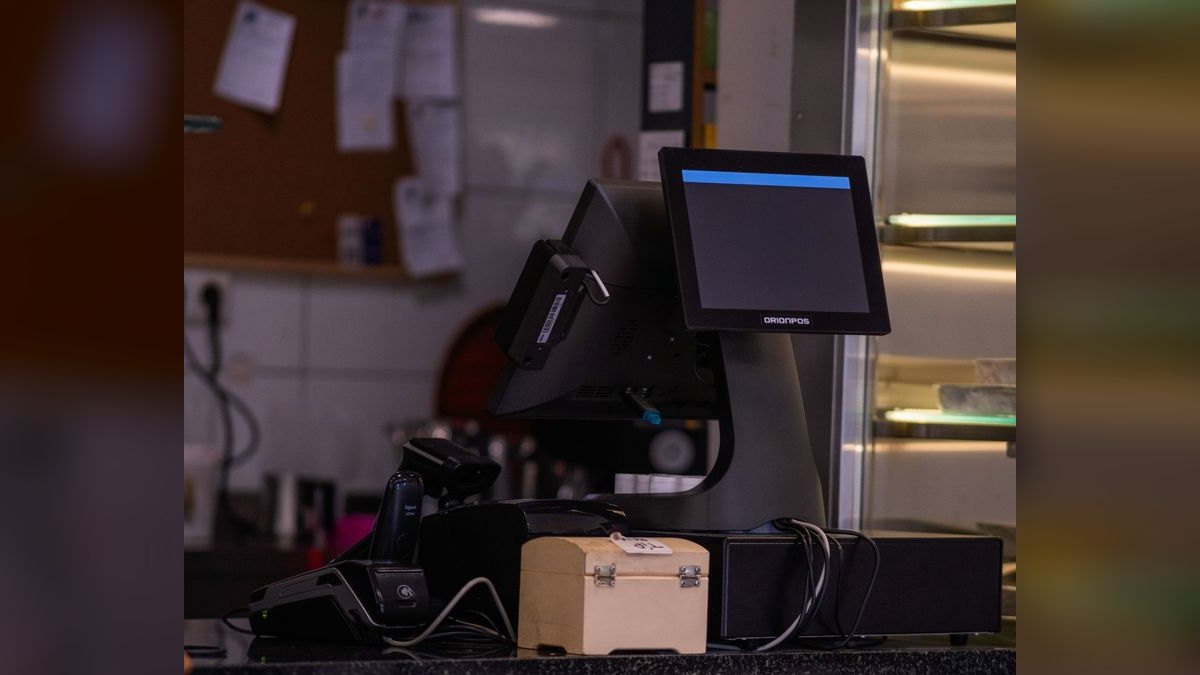
5. Emergency callout response SLA: <90 min urban / <180 min suburban. This is the contract clause that wins healthcare and multifamily. 24/7 lockouts and panic hardware failures have hard SLAs in monitoring contracts — miss them and you eat the next month's RMR or face a credit. Track first-response time (truck rolling), on-site time, and resolution time separately. Best operators run dispatch on ServiceTitan or BuildOps with GPS-integrated routing. Callback fees: $185-$485 base plus parts and labor. A region with consistently 110+ min response time will lose 18-25% of monitoring contracts at renewal.
6. Callback rate: <4% of completed jobs. Callback = returning to fix something that should have worked the first time. Industry average is 6-9%; best operators hold 2-3%. Drivers: wrong hardware spec at quote, undertrained tech, missing parts on truck, miscommunicated scope. Each callback costs $280-$650 in truck and tech time, plus reputational damage. Tie callback rate to the originating salesperson AND the installing tech — fix it at the quoting stage, not the install stage.
7. Technician billable utilization: 68-78%. Billable hours divided by paid hours. Below 68% means dispatch is broken or you're overstaffed. Above 82% sustainably means techs are skipping documentation, training, and callback prevention — you'll pay for it in callback rate within 90 days. Senior access control techs certified on Genetec or LenelS2 should run 72-78%. Mechanical hardware techs 70-76%. Apprentices 55-65% (ramping). Use ServiceTitan, BuildOps, or FieldEdge to measure.
8. Gross margin by revenue line. Install: 32-42% (hardware is 45-55% of cost, labor 25-32%, freight and permits eat the rest). Service callouts: 48-58% (labor-heavy, billed at $145-$225/hour). Monitoring: 55-72% (high gross margin but real network operations center cost). Credential/badge management: 62-75%. A blended 38-45% gross margin is healthy. Below 32% blended means you're discounting installs to chase RMR — fine as a strategy if monitoring attach is 60%+, fatal if attach is under 40%.
9. Credential/badge attach revenue: $8-$22 per active user per month. The hidden compounding KPI. Once a customer is on Brivo, Openpath, LenelS2 OnGuard, or Genetec Synergis, every employee badge is recurring revenue. A 400-employee customer at $14/user/month is $67K annually beyond the install. Track active users monthly because terminations and additions move the number constantly. Best operators automate provisioning sync with the customer's IdP (Okta, Microsoft Entra) and bill on the integration.

---
Real Operators
ASSA ABLOY Group — Global hardware giant (HID Global for credentials, Yale, Corbin Russwin, Sargent, Medeco). Dealer network feeds most of the commercial integrator channel. Their HID Mobile Access program drives credential RMR for thousands of regional integrators. Margin tier shifts at $250K, $1M, $5M annual purchases.
Allegion (Schlage, Von Duprin, LCN, Steelcraft) — Dominant in education and healthcare mechanical hardware. Schlage NDE/LE wireless locks bridge mechanical and access control, opening dealer revenue on retrofits without head-end installs. Allegion's ENGAGE platform pulls dealers into managed services.
dormakaba — Strong in multifamily, hospitality, and electronic locks. Saflok and Confidant Hotel platforms anchor hospitality verticals; Aperio wireless integrates with most access control head-ends. Dealer program rewards specialization in healthcare and senior living.

Securitas (acquired Stanley Security in 2022, fully integrated by 2025) — Enterprise commercial monitoring and integration. Runs national accounts for retail (Walmart, Target, Lowe's) and financial services. Heavy on alarm + access + video bundled monitoring contracts.
Johnson Controls / Tyco Integrated Security — Enterprise integrator owning the C-CURE 9000 platform (Software House). Strong in government, critical infrastructure, and large healthcare systems. Sales cycle 6-14 months on enterprise deals.
ADT Commercial (rebranded Everon in 2024) — Mid-market and enterprise commercial monitoring. Strong RMR machine; aggressive on bundling intrusion, fire, access, and video on single contracts. National footprint with regional install crews.

Convergint — Privately held global integrator with ~10,000 colleagues. Strong on enterprise access control (Genetec, LenelS2, Software House), video, and cybersecurity for physical security systems. Acquisition-heavy growth, deep manufacturer relationships.
Anderson Lock and Security (Chicago region) — Example regional operator covering mechanical, electronic, and access control with strong commercial portfolio. Mid-market sweet spot $25K-$150K projects, ~$45K-$95K average ACV, monitoring attach in mid-50s.
Pop-A-Lock Commercial Division — National brand with franchise commercial arms; strong in property management and multifamily verticals. High service callout volume drives utilization and feeds into card access upsell.
Kratos Public Safety & Security — Federal and DoD-focused integrator on FIPS 201, PIV-I, and high-security applications. Long sales cycles (9-18 months) but ACVs run $250K-$2M+.

---
Failure Modes
1. Selling boxes instead of contracts. The rep closes a $48K card access install at 38% margin and walks away. No monitoring attach, no credential management, no service agreement. The customer is on Brivo paying the manufacturer directly within 14 months, and the integrator never sees another dollar. Fix: compensate reps on RMR attach, not just project margin. Best operators pay 3-5% of project value plus 8-15% of first-year RMR.
2. Manufacturer platform sprawl. A 12-tech shop tries to certify on Genetec, LenelS2, Brivo, Openpath, AND legacy Software House. Result: every tech is mediocre at everything, callback rate climbs to 8-11%, and the shop loses bids to specialists. Fix: pick 2 platforms (one legacy/on-prem, one cloud) and dominate. Add the third only after $4M+ revenue.
3. Ignoring the IT buyer. Facility-manager-led sales work until the customer's IT/security director gets pulled into a cyber insurance renewal and demands SOC 2 documentation, IdP integration, and zero-trust network design. The integrator fumbles the response, and a cloud-native competitor (Openpath, Verkada) eats the renewal. Fix: every account team needs an IT-fluent solution engineer by deal #5.

4. Underpricing emergency callouts. Lockout response at $145 flat rate sounds competitive until you realize a 11pm dispatch costs $310 in labor and truck. Best operators charge $285-$485 base plus $145-$225/hour after 30 minutes, with overnight and weekend multipliers. Below-cost callouts hide as "customer service" in the P&L and silently destroy gross margin.
---
Reporting Cadence
Daily (15 min, dispatch + ops lead):
- Open callouts and SLA status (response time tracker in ServiceTitan/BuildOps)
- Tech utilization yesterday and today's schedule
- Quotes sent in last 24 hours and aging quotes >5 days
Weekly (45 min, sales + ops):
- Pipeline by stage, by buyer persona (facility/IT/property), by manufacturer platform
- Quote-to-close rate trailing 4 weeks
- Monitoring attach rate on closed-won projects
- Callback rate by tech and by salesperson
- Top 5 at-risk accounts (SLA misses, slow payment, complaint volume)

Monthly (90 min, full leadership):
- RMR: new, churn, expansion, net growth
- Gross margin by revenue line (install, service, monitoring, credential)
- Technician utilization by tier (senior/mid/apprentice)
- ACV trend by vertical
- Manufacturer purchasing run-rate vs. tier thresholds
Quarterly (half-day, exec + sales leadership):
- Manufacturer tier review (ASSA ABLOY, Allegion, dormakaba, Genetec, LenelS2, Brivo, Openpath) — are we hitting thresholds for better pricing?
- Vertical mix and target adjustments
- Competitive win/loss by platform
- Annual contract renewals due in next 90 days
- Compensation plan review against KPI outcomes
---

30/60/90 Day Plan
Days 1-30: Instrument and baseline.
- Pick the field service platform (ServiceTitan, BuildOps, or FieldEdge for service-heavy shops; Salesforce Field Service for larger integrators with enterprise IT).
- Stand up dashboards for: quote-to-close, ACV by vertical, monitoring attach rate, callback rate, tech utilization, RMR.
- Pull last 12 months of jobs from QuickBooks/Sage Intacct and tag by revenue line, manufacturer platform, and buyer persona.
- Interview top 3 reps and top 3 techs on what they think the KPI gaps are — almost always they know.
- Audit current monitoring contracts: how many installs in the last 24 months had no monitoring attached?
Days 31-60: Fix the obvious leaks.
- Mandate monitoring/managed service quote on every install proposal — no exceptions, no exclusions.
- Tighten quote aging — anything over 7 days gets a sales manager touch, anything over 21 days gets reassigned or killed.
- Rebuild service callout pricing tiers with overnight, weekend, and holiday multipliers.
- Launch weekly callback review with installing tech and quoting rep both present.
- Set callback target at 4% for Q1, with cash bonus at 3%.
Days 61-90: Compound the gains.
- Roll out comp plan with monitoring attach and RMR components (3-5% of project + 8-15% of first-year RMR).
- Pick the 2 manufacturer platforms to dominate; deprioritize or exit the others within 6 months.
- Add an IT-fluent solution engineer if you're over $3M revenue and have any IT-led deals in the pipeline.
- Build the compliance-driven pipeline source — partner with cyber insurance brokers, healthcare facility consultants, education risk managers.
- Set Q+1 RMR growth target at 14% net and credential-attach revenue target at $14+ per active user per month.
---
FAQ
Q1: How does pricing work for a typical commercial access control install? A: Hardware is 45-55% of project cost, labor 25-32%, freight/permits/programming 8-12%, gross margin 32-42%. Per-door pricing for cloud access (Brivo, Openpath): $1,800-$3,200 installed for a basic card reader on existing wiring; $2,800-$5,500 for new opening with mag-lock or electric strike, panic hardware, and integration. Per-door for legacy on-prem (LenelS2, Genetec): higher install ($2,500-$6,500) but lower recurring.
Q2: What's the right monitoring contract length? A: 5 years auto-renewing is the standard for managed access. 3 years for monitoring-only. Below 3 years the math breaks because customer acquisition cost (CAC) isn't recovered. Build in 3-5% annual escalators. Multifamily and property management often push for 1-year, which is fine if RMR is high enough ($180+ per door) to absorb the renewal cost.
Q3: How do I sell against cloud-native competitors like Verkada and Openpath direct? A: Lead with integration and service depth. Verkada and Openpath sell platforms; you sell a fully integrated security posture — access, video, intrusion, fire, identity sync — installed and serviced under one SLA. The pitch is "one truck, one number, one contract." Win rate against direct-cloud sales is 55-65% when you're already the incumbent integrator on something else (cameras, alarm, hardware); 22-30% on greenfield.
Q4: Should I get certified on more manufacturer platforms? A: Only if revenue per platform justifies it. Rule of thumb: each new platform certification costs $18K-$45K in training, demo gear, and ramp time, and takes 9-15 months to break even. Pick 2 platforms (one cloud, one on-prem) and saturate them before adding a third. Going from 2 to 3 platforms usually drops margin 3-5 points unless you cross $4M revenue.
Q5: What tools should I run my shop on? A: ServiceTitan or BuildOps for dispatch, scheduling, and field tickets if you're under $15M. Salesforce Field Service if you're over $15M and have enterprise IT-led deals. QuickBooks Enterprise or Sage Intacct for accounting. Manufacturer portals: Genetec Synergis, LenelS2 OnGuard, Brivo Onair, Openpath/Avigilon Alta. Avoid stitching 6 tools together — pick the one that's the system of record and integrate the rest.
Q6: How do I price emergency callouts profitably? A: $285-$485 base service fee (covers truck roll and first 30 minutes), then $145-$225/hour. Overnight (10pm-6am) multiplier 1.5x. Weekend multiplier 1.25x. Holiday multiplier 2x. Annual maintenance agreement holders get 15-25% discount; non-contract customers pay full rate. Anything below this and you're subsidizing emergencies with monitoring revenue, which kills gross margin.
---
Related on PULSE
- What are the key sales KPIs for the Commercial Locksmith & Access Control Services industry in 2027?
- What are the key sales KPIs for the Zero Trust Network Access (ZTNA) Vendors industry in 2027?
- What are the key sales KPIs for the Industrial Scaffolding & Access Services industry in 2027?
- What are the key sales KPIs for the Commercial Pest Control Services industry in 2027?
- What are the key sales KPIs for the Commercial Bird Control & Wildlife Exclusion Services industry in 2027?
- What are the key sales KPIs for the Commercial Pest Control and Vegetation Management industry in 2027?
Sources
- ASSA ABLOY Group dealer program documentation and annual report investor disclosures, 2024-2025
- Allegion (NYSE: ALLE) annual report and ENGAGE platform dealer briefing materials, 2024
- dormakaba investor relations and Aperio/Saflok product line revenue breakdowns
- Securitas annual report covering Stanley Security integration and commercial monitoring segment
- Johnson Controls (JCI) Building Solutions North America segment reporting, 2024-2025
- ADT/Everon commercial security investor materials and RMR disclosures
- Convergint Technologies press releases on acquisition activity and platform specialization
- Security Industry Association (SIA) 2024-2025 industry benchmarking reports
- Security Sales & Integration magazine SSI Installation Business Report (annual)
- ESA (Electronic Security Association) state-of-the-industry research on RMR, attach rates, and callback benchmarks
- Genetec, LenelS2 (Honeywell), Brivo, and Openpath/Avigilon Alta partner program documentation
- ServiceTitan and BuildOps industry benchmark dashboards for field service KPIs in security and access control
This page will be disappearing soon. Save it to your device for $1 — or read it free while it is here.
@Kory-White- · if Venmo asks, the last 4 of my number are 2012
This page is gone.
This one is off the shelf now. $1 keeps it on your phone for good — the whole page, pictures and diagrams included.
 pulse-industry-kpisTop 10 Sales KPIs for Shopify Plus Merchant in 2027
 pulse-industry-kpisTop 10 Sales KPIs for Department Store in 2027
 pulse-industry-kpisTop 10 Sales KPIs for Streaming Music Services in 2027
 pulse-industry-kpisTop 10 Sales KPIs for Vector Database in 2027
 pulse-industry-kpisTop 10 Sales KPIs for Athletic Apparel and Footwear in 2027
 pulse-industry-kpisTop 10 Sales KPIs for Cruise Line Operations in 2027
 pulse-industry-kpisTop 10 Sales KPIs for Penetration Testing and Offensive Security Services in 2027
 pulse-industry-kpisTop 10 Sales KPIs for Medical Device OEM in 2027
 pulse-industry-kpisTop 10 Sales KPIs for Commercial Modular & Prefabricated Building Manufacturing in 2027
 pulse-industry-kpisTop 10 Sales KPIs for GenAI / RAG Platform in 2027