
What is the best way to approach Collectibles in 2027?
 PULSEKNOWLEDGE LIBRARY
**The best way to approach collectibles in 2027 is to decide *why* you are collecting before you spend a dollar, then let that purpose govern every downstream choice — category, budget, authentication, storage, and exit.** If your goal is enjoyment, buy what you love and treat any appreciation as a bonus. If your goal is return, treat collectibles like the illiquid, high-friction alternative asset they actually are: concentrate on established categories with deep sales histories, insist on third-party grading and verifiable provenance, buy the best condition you can afford rather than the most items, and plan your exit before you buy. Most successful collectors sit in the middle — a "passion-first, profit-aware" posture — where the core of the collection is built for love and a smaller, disciplined sleeve is built for value.
Concretely, a sound 2027 approach looks like this: pick one or two niches you genuinely understand; learn the grading standards and price history for that niche cold; verify authenticity through recognized third parties (PSA, CGC, SGC, WATA and similar) rather than a seller's word; buy fewer, higher-quality pieces; store them in acid-free, UV-protected, humidity-controlled conditions; insure anything you would be upset to lose at replacement value; and keep meticulous records of what you paid, when, and what you can prove about the item. Avoid leverage, avoid hype-driven "drops" you don't understand, and assume liquidity will be worse and fees higher than you expect. Do that consistently and you will outperform the vast majority of buyers who chase trends, overpay for raw (ungraded) items, and never plan how they'll sell. A reader who stops here has the whole strategy; the sections below are the detailed playbook.
First principles: collector, investor, or both?
Every good decision in collectibles flows from one honest answer: what is this collection *for*? The three postures pull in different directions, and confusing them is the single most common way people manage to lose money and enjoyment at the same time.
A collector optimizes for meaning: completeness of a set, personal nostalgia, artistry, or the pleasure of the hunt. Price volatility barely matters because the collector isn't planning to sell. The risk here is overspending on emotion and neglecting preservation — a beloved item stored badly is a slow-motion loss whether or not you ever intend to part with it.
An investor optimizes for risk-adjusted return. That means treating a graded card, a comic, a watch, or a coin as an asset with a bid-ask spread, carrying costs (storage, insurance, grading fees), and a tax profile. The risk here is buying "stories" instead of liquidity, and dramatically underestimating how much friction eats returns. A collectible has to appreciate a surprising amount just to break even after fees, so the investor's discipline is mostly about avoiding overpayment and thin markets.

A hybrid — the realistic majority — wants both. The clean way to run a hybrid strategy is to separate the two mentally and financially: a passion sleeve you'd keep through any crash, and an investment sleeve you evaluate coldly and are genuinely willing to sell. Blending them is where people get hurt, because they refuse to sell a "winner" out of sentiment, or they talk themselves into an emotional purchase by pretending it's an investment.
Write your answer down before you buy. It becomes the filter for everything: a pure collector doesn't need to pay grading fees on a low-value keepsake; a pure investor shouldn't tie up capital in a category with thin sales data just because it's cool. The written purpose also protects you in the moment that matters most — when you're standing in front of an item you want, with a seller applying gentle pressure, and your only defense is a rule you set while you were calm.
How do you authenticate and grade collectibles in 2027?
Authentication is the foundation, because a fake or misrepresented item is worth a fraction of a genuine one — sometimes nothing. In 2027 the practical standard for most mainstream categories is third-party grading and authentication from a recognized company. For trading cards, that means firms such as PSA, Beckett (BGS), SGC, and CGC; for comics, CGC and CBCS; for coins, PCGS and NGC; for video games and sealed media, WATA and CGC. These services encapsulate the item in a tamper-evident holder ("slab") with a certification number you can look up in the grader's public population and verification database.

Grading does three things at once. It authenticates (confirms the item is genuine and not altered, trimmed, restored, or recolored), it assigns a condition grade on a standardized numeric scale, and it creates liquidity, because buyers trust a slab far more than a seller's description. The trade-off is cost and time: grading fees and shipping only make sense when the graded value materially exceeds the raw value plus fees. For low-value items, grading destroys returns; for high-value items, skipping it is usually a mistake. There is a genuine judgment call in the middle band, and getting good at that judgment — knowing when a raw item is likely to grade well enough to justify the submission — is one of the most valuable skills a serious collector can build.
Before you send anything in — or buy anything already slabbed — verify the certification number on the grading company's own website, and confirm the label details and any photo they publish match the item in hand. Slab tampering, cracked-and-reholdered fakes, and counterfeit labels all exist, so the cert lookup matters as much as the slab itself. For raw purchases, buy from sellers with strong track records, insist on high-resolution photos of every relevant surface (corners, edges, centering, surface gloss, any signatures), and be skeptical of prices that are "too good." A steep discount is not a bargain; it is usually a warning.
Provenance — a documented ownership and origin history — adds value especially for high-end items, autographs, and memorabilia. Keep receipts, letters of authenticity from reputable authenticators (for autographs, firms like PSA/DNA and JSA are widely recognized), and any chain-of-custody records. For digital collectibles and NFTs, "authentication" means verifying the smart contract address against the official project source and confirming the token was minted by the legitimate creator; a matching image is not proof, since anyone can copy an image or mint a look-alike collection. Treat unofficial marketplaces and unsolicited direct-message offers as high-risk regardless of how convincing they look, because the entire scam economy in this space is built to look legitimate.

The workflow below captures the decision path from "item in front of me" to "safely owned and recorded."
What categories are worth understanding in 2027?
The honest guidance is to go *deep in one or two* categories rather than shallow across many, because your edge comes from knowing a niche better than the average buyer. Depth is what lets you spot the underpriced item, recognize the doctored one, and hold a view on value that isn't just the last asking price you saw. That said, it helps to understand the broad landscape before you commit.
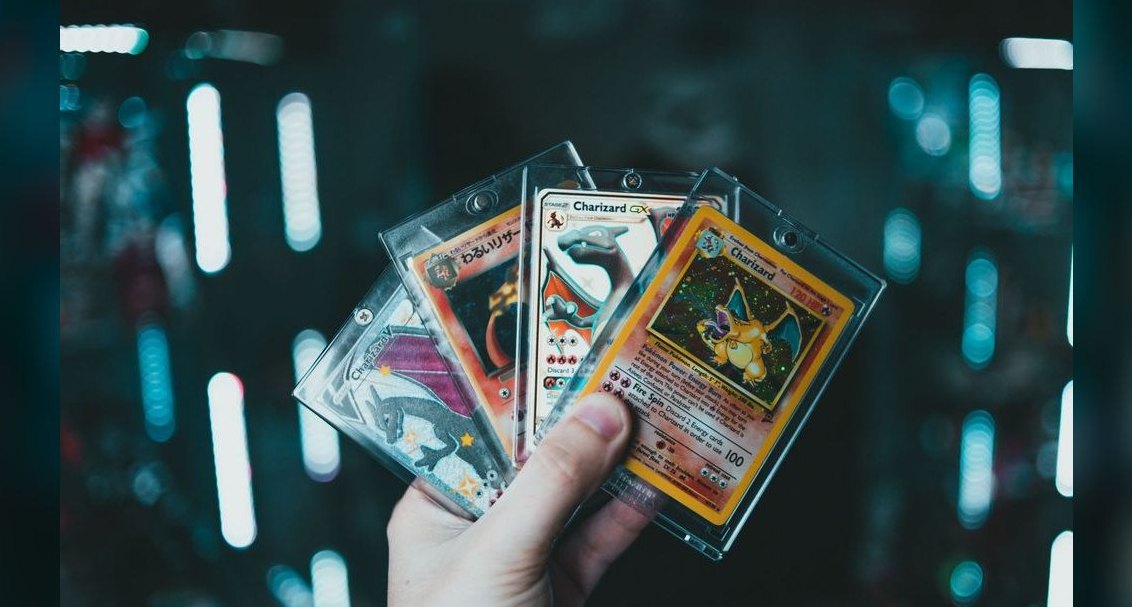
Trading cards remain one of the largest and most liquid collectible markets, spanning sports (baseball, basketball, football, soccer) and non-sport franchises like Pokémon. They have rich sales data, established grading, and active communities — which makes them relatively transparent, but also efficiently priced, so real bargains require real knowledge. Vintage cards in high grades and iconic rookie cards tend to be the most durable stores of value; modern mass-printed product is far more speculative, because print runs are enormous and today's "hot rookie" can cool off fast.

Comics have a mature grading ecosystem and a long track record, with key issues — first appearances, first cover appearances, significant story beats — commanding the premiums. Condition and "key" status dominate value, and film or streaming adaptations can move prices sharply, which cuts both ways.
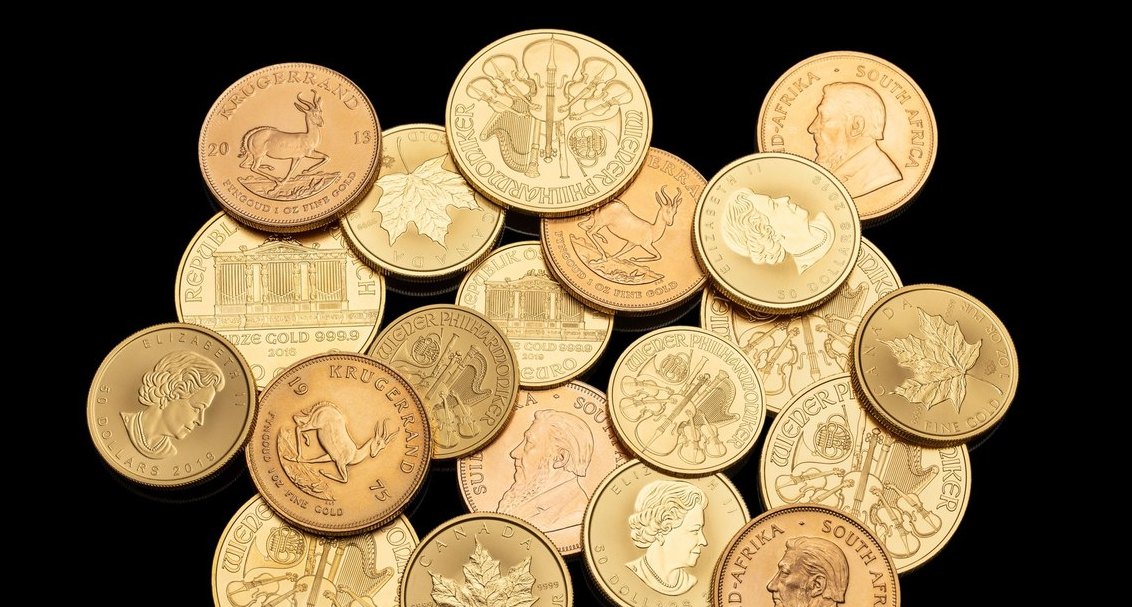
Coins and currency (numismatics) and precious-metal bullion occupy the more conservative end. Numismatic value depends on rarity, grade, and history; bullion tracks metal prices with a collectible premium on certain issues. This is one of the oldest and best-documented markets, with grading standards that have been refined for decades.
Watches blend utility, craftsmanship, and brand. Certain established brands and references hold value well, but the market is nuanced, service costs are real and recurring, and counterfeits are sophisticated enough to fool casual buyers — so provenance, original parts, and service history matter enormously.

Video games and sealed media, vinyl records, and other physical media have benefited from nostalgia and renewed interest in analog and boxed formats. Sealed and high-grade examples of culturally significant titles draw the strongest demand, but "sealed" carries its own authentication challenges — reseals and reproduction shrink-wrap are a known problem, which is exactly why third-party grading emerged here.
Sneakers and streetwear combine wearability with resale, with authentication and condition central; specialized marketplaces have made pricing more transparent while also compressing some of the easy margins that early resellers enjoyed.
Art and prints, including limited editions, reward knowledge of the artist, edition size, printing method, and condition, and generally require more expertise and capital than the entry-level end of other categories.
Digital collectibles / NFTs matured after the speculative frenzy of the early 2020s cooled. The more durable use cases lean toward utility — game assets, memberships, event ticketing — rather than pure speculation on a picture. Treat this category as high-risk, understand the technology and custody model before you buy, and never commit money you can't afford to lose entirely.

The unifying rule across all of these: condition, rarity, authenticity, and demand drive value. A category being "trendy" is not a reason to buy — trends invite overpaying at the top, and the people selling into a frenzy are usually the ones who bought before it. Depth of sales data and durability of demand are far better signals than social-media excitement.
How do you store and insure collectibles properly?
Storage is where value quietly erodes if you're careless. The universal enemies are humidity, temperature swings, ultraviolet light, dust, pests, and physical handling. General best practices: keep items in a stable, cool, low-to-moderate humidity environment (roughly 40–50% relative humidity is a commonly cited target for paper-based collectibles), out of direct sunlight, and in archival-quality, acid-free materials. For cards, that means penny sleeves plus top-loaders or one-touch holders, or slabs for graded items; for comics, acid-free bags and backing boards, stored vertically so they don't slump; for coins, inert holders and avoiding anything that off-gasses or contains PVC; for textiles and sneakers, acid-free tissue and structural support to prevent creasing and yellowing.
Avoid basements and attics, where humidity and temperature are hardest to control and where a single leak or heat wave can wipe out years of careful buying. Handle items with clean, dry hands (or gloves where appropriate), and minimize handling of high-value pieces altogether. For serious collections, consider third-party vaulting services, which store graded items in secure, climate-controlled facilities and can simplify buying and selling by keeping the item in trusted custody through a transaction.

Digital collectibles demand a different kind of storage discipline: custody of the private keys. A hardware wallet keeps keys offline and away from exchange hacks; keep your recovery phrase offline, backed up in more than one secure physical location, and never entered into a website. Large holdings sitting on an exchange are exposed to that exchange's solvency and security, not just your own — a lesson that has been learned expensively more than once.
Insurance matters because standard homeowners' or renters' policies frequently cap or under-cover collectibles, and rarely account for appreciation. Specialty collectibles insurers and scheduled-personal-property riders can cover named perils — theft, fire, accidental damage, and sometimes market value — often with lower or no deductibles compared to a base policy. To make coverage work, you need documentation: an itemized inventory, photographs, purchase records, grading certs, and periodic appraisals so your coverage tracks current value. Re-appraise meaningful pieces every few years, because both under-insuring (you lose value in a claim) and over-insuring (you pay premiums for coverage you can't collect) are costly mistakes.
What role does community play?
Community is a genuine edge, not a nicety. Active communities — subreddits, Discord servers, category-specific forums, and local clubs — are where you learn grading nuances, spot counterfeits circulating in the market, hear about scams early, find fair trades, and calibrate what things actually sell for versus what people are asking. In many niches, the best acquisitions come through relationships rather than public listings, because trusted members get first look at collections, estate sales, and pieces that never hit the open market.

Community also provides accountability and enjoyment, which matters more than it sounds: collecting is a long game, and the social layer is what keeps people engaged, sharing knowledge, and buying wisely instead of impulsively. To benefit, contribute before you extract — share your collection, answer beginner questions, post honest condition assessments — and you'll build the reputation that unlocks better deals and better information.
Two cautions. First, communities have hype cycles; the same enthusiasm that surfaces good information can also inflate a fad, and the loudest voices are often the most invested (literally). Second, influencers and some "helpful" members have financial incentives — they may be quietly trying to sell you what they're holding, or to talk up a category they're heavily long on. Weigh advice against verifiable sales data, not against confidence, charisma, or follower count.
How do you balance passion versus profit?
A durable framework is to split your collecting into two clearly labeled buckets and fund them separately. The passion bucket holds items you buy purely because you love them; you judge these on joy, not price, and you don't agonize over short-term swings. The investment bucket holds items you evaluate coldly — condition, comps, liquidity, fees, and a defined exit — and are genuinely willing to sell when the thesis plays out or breaks.

A common heuristic is to weight the majority of your budget toward passion and a minority toward speculation, but the exact split is personal; the point is that the *rule exists and is written down*. This structure prevents the two classic mistakes: refusing to sell an investment winner out of sentiment, and rationalizing an emotional splurge by pretending it's a can't-miss investment.
For the investment sleeve, discipline beats prediction. Use recorded sales data to understand a niche's price history rather than trusting a single asking price. Recognize that most items will never appreciate meaningfully, that collectibles are illiquid and can take months to sell, that fees (marketplace, consignment, grading, shipping, insurance) are substantial and stack up quickly, and that a collectible produces no yield while you hold it — it costs you money to own. Never use money you can't afford to lock up for years, and never borrow to buy. Treat any collectible allocation as the speculative, "have fun with it" corner of a portfolio — not a retirement plan and not a substitute for diversified investing.
The framework below shows how the two sleeves run in parallel from purchase to exit.

How do you sell collectibles effectively in 2027?
Selling well starts long before the listing: plan your exit when you buy. Match the channel to the item. Broad marketplaces like eBay offer the largest audience and rich sold-comp data, at the cost of fees and effort. Category-specialized platforms — for sneakers, watches, cards, or live-auction formats — can reach more serious, better-paying buyers and reduce fraud through built-in authentication. For high-end pieces, established auction houses attract deep-pocketed bidders but take meaningful commissions and control the timing of the sale. Peer-to-peer sales within trusted communities can cut fees dramatically but require you to manage authentication, payment safety, and shipping yourself — which is fine once you're experienced and risky when you're not.
Presentation drives price. Accurate, high-resolution photos of every relevant surface, an honest and specific condition description, and — where it applies — a verifiable grading cert reduce buyer uncertainty, which is precisely what buyers pay a premium to avoid. Price against *recently sold* comparables, not optimistic active listings that may sit unsold forever, and factor in all fees before you decide a channel is worth it. Timing helps too: some categories are seasonal or move with news — a franchise release, a player's performance, an anniversary, a rediscovery — so patience can be worth real money. Be ready to negotiate reasonably, and prioritize secure payment and tracked, insured shipping, because a lost or damaged shipment can erase the entire gain in a single afternoon.
Finally, keep your records. When you sell, you'll want your original purchase price and date to understand your actual return and to handle taxes correctly. The collector who tracks basis, fees, and dates from day one has a far easier time both evaluating performance and staying compliant than the one reconstructing it from memory years later.
FAQ
Should I buy collectibles as an investment in 2027?
Only with eyes open. Collectibles are illiquid, carry high transaction and holding costs, produce no income, and can be volatile. If you invest, concentrate on established categories with deep sales data, buy authenticated high-condition items, size the allocation as speculative money you can afford to lock up for years, and plan your exit in advance. Never borrow to buy, and don't count on any specific appreciation. Think of it as the entertaining, high-risk sleeve of your finances, not a core wealth-building strategy.
What is the single most important factor in a collectible's value?
There isn't one factor — it's the interaction of authenticity, condition, rarity, and demand. Authenticity is the gate: a fake is worth little regardless of everything else. After that, condition and grade usually swing price the most within a category, but a common item in perfect condition can still be worth less than a rare one in average condition. Demand ties it together: rarity only matters if people actually want the thing, so durable, broad-based demand is the quality that makes the other three pay off.
How do I start collecting on a limited budget?
Pick one niche you genuinely enjoy and learn it deeply before spending much. Start with lower-cost, authentic items in good condition rather than damaged "keys" you can't really afford. Use community knowledge to learn grading and fair prices, buy from reputable sellers, and upgrade gradually as your knowledge and budget grow. Buying fewer, better items you understand beats accumulating a pile of cheap ones you don't — the pile is usually the harder thing to ever sell.
How do I avoid scams and counterfeits?
Verify authenticity through recognized third-party graders and check certification numbers on the grader's official site, not a link the seller sends you. Buy from sellers with strong reputations, insist on detailed photos, use secure and traceable payment methods, and be skeptical of prices that are too good to be true. For NFTs, confirm the official contract address from the project's verified source. Lean on community warnings about known bad actors, and slow down — urgency and pressure are the scammer's main tools.
How are collectibles taxed when I sell?
Rules vary by country and change over time, so treat this as general information, not advice. In many jurisdictions collectibles are subject to capital gains, and some tax systems apply a distinct or higher rate to collectibles than to ordinary investments. Keep detailed records of purchase prices, dates, fees, and sale proceeds, and consult a qualified tax professional for your specific situation before you sell anything significant.
Are digital collectibles and NFTs still worth considering in 2027?
They can be, but treat them as high-risk and technology-dependent. Favor projects with real, ongoing utility over pure speculation on an image, verify authenticity via the official smart contract, and take custody seriously with a hardware wallet and offline backups of your recovery phrase. Only commit money you can afford to lose entirely, and remember that a thin, hype-driven market can become effectively unsellable very quickly.
Is a graded item always better than a raw one?
Not always. Grading adds authentication, a standardized condition, and liquidity, which usually justifies the cost on higher-value items. But grading fees and shipping can exceed the value they add on inexpensive pieces, and a poor grade can even confirm a low value you'd have been better off not advertising. Grade selectively, where the expected graded value clearly beats the raw value plus fees — and be honest with yourself about how a borderline item is likely to come back.
Sources
- Professional Sports Authenticator (PSA)
- Certified Guaranty Company (CGC)
- Beckett Grading Services
- Professional Coin Grading Service (PCGS)
- Numismatic Guaranty Company (NGC)
- Heritage Auctions
- WATA Games
- The Library of Congress — Caring for Your Collections
- Smithsonian — Collections Care
- U.S. Internal Revenue Service — Topic 409, Capital Gains and Losses
Related on PULSE
- [What are the best collectible categories for beginners in 2027?](/knowledge/best-collectible-categories-2027)
- [How do you value a collectible collection?](/knowledge/value-collectible-collection)
- [What is the role of NFTs in modern collecting?](/knowledge/nfts-modern-collecting)
- [How to sell collectibles online effectively](/knowledge/sell-collectibles-online)
- [Collectibles insurance: a complete guide](/knowledge/collectibles-insurance-guide)
People also search for: best way to approach collectibles · how to start collecting in 2027 · are collectibles a good investment · how to authenticate collectibles
Recently Added — Related
- [What should you know before investing in Collectibles in 2027?](/knowledge/co151)
- [The 10 Best Vintage Concert Posters to Collect in 2027](/knowledge/co0088)
 pulse-collectiblesTop 10 best Collectibles options in 2027
 pulse-collectiblesHow much does Collectibles cost in 2027?
 pulse-collectiblesHow do you get started with Collectibles in 2027?
 pulse-collectiblesIs Collectibles worth it in 2027?
 pulse-collectiblesWhat are the most common mistakes in Collectibles in 2027?
 pulse-collectiblesWhat should you know before investing in Collectibles in 2027?
 pulse-collectiblesTop 10 Collectibles strategies for 2027
 pulse-collectiblesTop 10 Muscle Cars 1971 — Best Overall + Best Value
 pulse-collectiblesBest American Muscle Cars in 2027
 pulse-collectiblesTop 10 Muscle Cars 1966 — Best Overall + Best Value