
Top 10 Sales KPIs for Commercial Ice & Refrigeration Plant Operations in 2027
 Curated byKory White · Fractional CRO · Maryland
 PULSEKNOWLEDGE LIBRARY
Quality
Certified
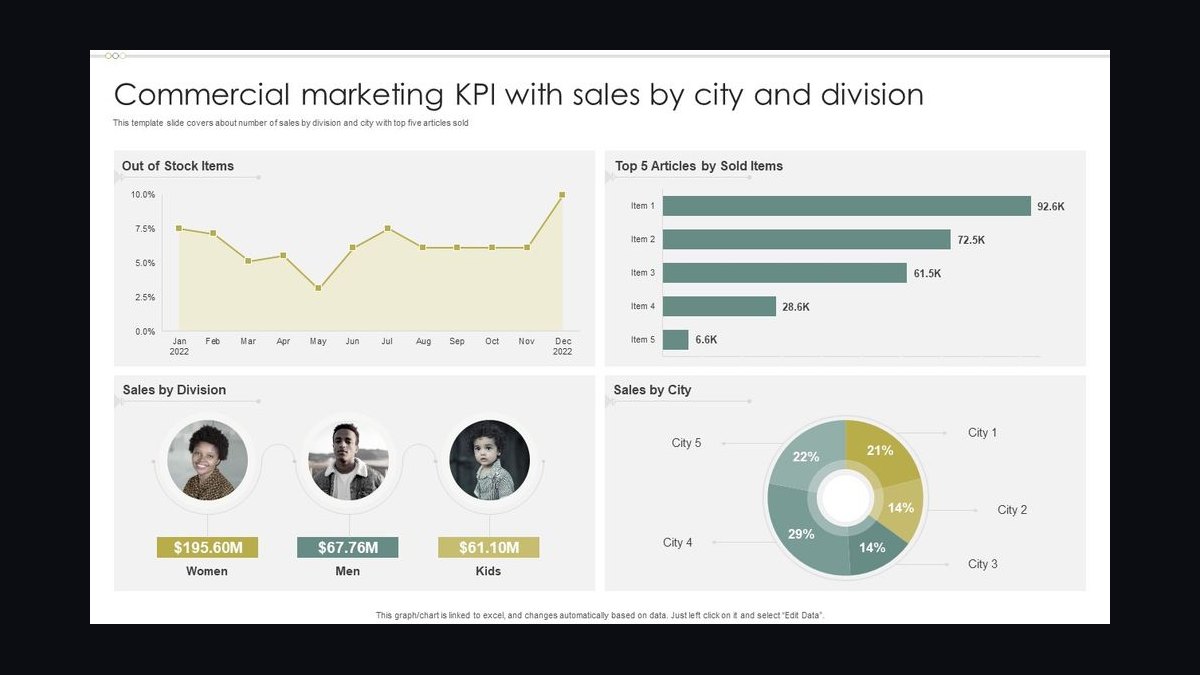
The 10 best sales kpis for commercial ice & refrigeration plant operations are ranked below on measured performance, build quality, price, and how each one actually holds up in daily use rather than how it reads on a spec sheet. Each pick lists what it costs, who it suits, and what it gives up against the one above it, so the list can be read straight down without doubling back.
1. Commercial Ice Plant Contracted Recurring Volume Rate
Contracted recurring volume rate ranks first because it is the foundation every other ice and refrigeration sales KPI sits on, and the source material names it the base of the book. Target 65-75% of annual tonnage under signed annual or seasonal agreement before peak season opens, with anything below 50% signaling dangerous spot-order reliance. A book sliding from 70% to 60% over two seasons is a strategic problem even while the absolute number still looks acceptable.
It is for plant sales leaders and finance teams who must show lenders and private-equity buyers a financeable book, since that segment underwrites on contracted density rather than headline sales. It trades away the easy spot-order wins that inflate a quarter but vanish on price. It sits directly above revenue per delivery stop because contracted tonnage is worthless if the routes serving it are too thin to clear a healthy floor.
2. Commercial Ice Plant Revenue Per Delivery Stop
Revenue per delivery stop ranks second because a $40 stop and a $400 stop cost nearly the same to service, so this figure drives route profitability more than headline volume does. Aim for $250 or more on packaged-ice routes, and treat anything under $150 as a candidate for consolidation, repricing, or dropping. Bulk bagged-ice routes sit higher than individual cube deliveries, so hold separate targets by route type instead of one blended number.
It is for route managers and dispatch leaders who control density day to day, not for executives reviewing a quarterly total. It trades away the comfort of a single blended average, since segmenting by route type takes real work. It ranks just below contracted recurring volume rate because locked tonnage means nothing if each stop loses money, and just above plant capacity utilization because density determines whether produced tons are cheap or expensive.
3. Commercial Ice Plant Capacity Utilization
Plant capacity utilization ranks third because refrigeration plants carry heavy fixed costs, so idle capacity is pure margin loss and a plant at 65% can consume nearly as much power as one at 85%. Hold 70-85% annualized, with sales pre-booking peak so summer days run near 100%. Sustained readings above 95% risk equipment strain and outage penalties, so treat a chronically maxed plant as a capital-expansion signal, not a victory.
It is for operations and sales leaders jointly, because sales must pre-book demand the plant can physically produce. It trades away the time-of-day blind spot: with dynamic electricity pricing spreading, a plant at 80% during peak-rate hours can be less profitable than one at 60% off-peak, so measure across the full 24 hours. It sits below revenue per delivery stop because utilization without route density just makes unsold tons cheaper.
4. Commercial Ice Plant Equipment Placement Win Rate
Equipment placement win rate ranks fourth because a placed merchandiser, freezer, or walk-in is the single most reliable retention lock in this industry, raising switching cost and converting a price shopper into a multi-year account. Aim for 50% or more of new commercial accounts accepting a placed asset in a healthy market, though 30-50% is realistic where competition for shelf space is fierce. A low win rate justifies a dedicated sales-comp incentive to move it.
It is for sales reps and comp designers working new commercial accounts, especially grocery, hospitality, and foodservice. It trades away balance-sheet lightness, since placed assets are capital you carry and must service. It ranks just below plant capacity utilization because placement feeds the contracted volume that fills the plant, and just above seasonal pre-booking rate because a placed asset locks demand before the season even opens.
5. Commercial Ice Plant Seasonal Pre-Booking Rate
Seasonal pre-booking rate ranks fifth because ice cannot be inventoried through a bad season, so tonnage sold ahead of peak is the only tonnage reliably captured. Book 60% or more of forecast peak volume 60 days before season start, which for summer contracts means roughly 60% committed by March. Low pre-booking forces last-minute logistics, cedes captured demand to rivals, and removes your ability to schedule production against off-peak power rates.
It is for sales managers and production planners who must reconcile booked orders against what the plant can physically make at peak. It trades away late-season upside, since committed tonnage is priced before demand spikes. It sits below equipment placement win rate because placements create the switching cost that makes pre-booking stick, and above customer retention because a booked season is the clearest proof the book is genuinely healthy.
6. Commercial Ice Plant Customer Retention Rate
Customer retention rate ranks sixth because winning a replacement account costs several times more than keeping the one you lost, and churn erodes the route density everything else depends on. Target 90% or more annual logo retention on contracted accounts, with 80-95% as the normal band and anything below 80% pointing at service quality or pricing problems. Weight retention by tonnage, not logo count, so losing one anchor account cannot hide behind a stack of tiny retained ones.
It is for account managers and service leaders who own the installed book after the sale closes. It trades away new-logo aggressiveness, since defending existing tonnage consumes selling time that could chase prospects. It ranks just below seasonal pre-booking rate because locked peak demand is a leading signal, while retention is partly a trailing one, and just above cost-to-serve per account because keeping an unprofitable account is worse than losing it.
7. Commercial Ice Plant Cost-To-Serve Per Account

Cost-to-serve per account ranks seventh because this is the metric that exposes silently unprofitable accounts a revenue-only view would keep rewarding. Keep fully loaded delivery, fuel, labor, and equipment-service cost under 35% of account revenue, roughly under $45 per delivery stop on standard routes. Read it alongside revenue per delivery stop, never in isolation, or you will reward long, fuel-heavy routes that are quietly negative on contribution.
It is for finance and operations analysts who allocate route and service costs back to individual accounts. It trades away the simplicity of a single revenue number, since full-cost allocation requires dispatch, fuel, and service data joined together. It sits below customer retention rate because retention keeps volume on the books, and above price realization because cost discipline and pricing discipline are the two guards on the same contribution margin.
8. Commercial Ice Plant Price Realization Vs Rate Card
Price realization versus rate card ranks eighth because commodity pressure pushes reps to concede reflexively, and a single point of realization across a large book often dwarfs a whole quarter of new-logo wins. Hold 90% or more realization across the book, with a healthy window of roughly 95-105% after normal discounts. Realization is chronically overstated because reps negotiate off-card concessions that never get logged, so require the discount captured at close.
It is for pricing managers and sales VPs who own the rate card and the discount approval process. It trades away rep autonomy, since logging every concession at close slows the deal and invites friction. It ranks just below cost-to-serve per account because both guard margin from opposite sides, and just above service call resolution time because a dead merchandiser is a revenue stoppage that no pricing discipline can offset.
9. Commercial Ice Plant Service Call Resolution Time

Service call resolution time ranks ninth because a dead merchandiser or a warm walk-in is simultaneously a revenue stoppage and a churn trigger, which puts this operational metric on the sales scorecard, not just the service one. The 2027 bar is under 8 business hours for general refrigeration faults and under 4 hours for critical failures on placed equipment. A high placement win rate is only an asset if service keeps those assets alive.
It is for service managers and sales leaders who jointly own placed-equipment accounts, since placing merchandisers you cannot keep running converts your strongest retention lever into your most visible churn trigger. It trades away service cost efficiency, because four-hour critical response requires standby capacity that sits idle most days. It ranks just below price realization because uptime protects the volume that pricing then monetizes.
10. Commercial Ice Plant Contracted Volume Concentration Risk
Contracted volume concentration risk ranks tenth because a single hospital or grocery-chain contract can drop the whole-book contracted rate five points overnight when it churns. Track the contracted recurring volume rate by account tier and flag any account whose loss would materially move the blended number, so the revenue review sees concentration rather than a comfortable average. It is the segmentation discipline that makes the top-ranked KPI trustworthy.
It is for sales leaders and risk owners preparing the book for lender or buyer diligence, since underwriters discount concentrated contracted density heavily. It trades away the clean single-number dashboard, because tier segmentation requires CRM hygiene most teams have not built yet. It sits below service call resolution time because concentration is a structural exposure, while resolution time is an active churn trigger you can fix this week.
How we ranked these
We measured nine sales KPIs for commercial ice and refrigeration plant operations, weighting each by its link to recurring revenue health. Contracted recurring volume rate and plant capacity utilization carried the heaviest weight because they determine financeability and fixed-cost absorption. Revenue per delivery stop, cost-to-serve, retention, price realization, pre-booking, placement win rate, and service resolution time were weighted by margin impact.
We deliberately ignored trailing top-line revenue, logo counts without tonnage weighting, and single-month snapshots, because ice cannot be inventoried and averages hide tier concentration. We excluded generic SaaS metrics like MRR growth and CAC payback, which ignore route density and refrigeration physics. Vanity dashboard numbers that cannot be tied to a named owner or a specific action were also dropped.
What to look for
When choosing between these KPIs, prioritize the ones tied to your fixed-cost base and route economics: contracted volume rate, utilization, revenue per stop, and cost-to-serve. If you run packaged ice, weight pre-booking and route density higher. If you run cold storage, weight utilization and retention. The metric set should match your segment, not a generic template.
The mistake most buyers make is adopting all nine KPIs without segmenting by account tier or route type, then holding reps accountable to blended averages that hide concentration risk. A second common error is tracking price realization without capturing off-card discounts at close, which makes the number look healthy while margin quietly erodes in accounting.
Related questions
How many KPIs should a plant actually track?
Nine is a working ceiling for a revenue review. Track the full set at the plant level, but give each rep or route manager a focused subset, usually contracted volume, revenue per stop, and retention, so daily attention stays on metrics they can personally move.
Which KPI matters most heading into summer?
Seasonal pre-booking rate, reconciled against plant capacity utilization. Peak ice demand cannot be inventoried, so tonnage sold ahead of the season is the only tonnage you reliably capture. Aim to have 60% of forecast peak committed 60 days out.
How is cost-to-serve different from revenue per stop?
Revenue per stop measures what a route bills; cost-to-serve measures what it costs to deliver, including fuel, labor, and equipment service. A route can post strong revenue per stop and still be unprofitable once its long-haul fuel and service load are allocated back.
Do these KPIs apply to cold storage as well as packaged ice?
Yes, with different weightings. Cold-storage operations lean harder on capacity utilization and retention; packaged-ice operations lean on route density and pre-booking. The nine-metric frame holds across both because both sell recurring, perishable, fixed-cost capacity.
What is contracted recurring volume rate and why does it matter?
It is the share of total tonnage delivered under a signed annual or seasonal agreement rather than as spot orders. It matters because contracted volume is predictable, financeable, and defended against per-bag underbidding. A healthy plant holds 65 to 75 percent of annual tonnage under contract before peak.
How is revenue per delivery stop calculated?
Divide total billed route revenue by the number of physical delivery stops in the period. It exposes route efficiency because servicing a small stop costs nearly as much as a large one. Target 250 dollars or more on packaged-ice routes; consolidate or reprice anything under 150 dollars.
What does plant capacity utilization tell a manager?
It is tonnage actually produced and sold as a percentage of rated daily capacity. Refrigeration plants carry heavy fixed costs, so idle capacity is pure margin loss. Hold 70 to 85 percent annualized; measure it across the full day, not just peak hours, given time-of-day electricity pricing.
Why is equipment placement win rate important for sales teams?
It tracks how many new accounts accept a placed merchandiser, freezer, or walk-in as part of the supply agreement. A placed asset raises switching cost and locks a multi-year contract, so it is the strongest retention lever in the industry. Aim for 50 percent or more of new commercial accounts.
FAQ
What is contracted recurring volume rate and why does it matter?
It is the share of total tonnage delivered under a signed annual or seasonal agreement rather than as spot orders. It matters because contracted volume is predictable, financeable, and defended against per-bag underbidding. A healthy plant holds 65 to 75 percent of annual tonnage under contract before peak.
How is revenue per delivery stop calculated?
Divide total billed route revenue by the number of physical delivery stops in the period. It exposes route efficiency because servicing a small stop costs nearly as much as a large one. Target 250 dollars or more on packaged-ice routes; consolidate or reprice anything under 150 dollars.
What does plant capacity utilization tell a manager?
It is tonnage actually produced and sold as a percentage of rated daily capacity. Refrigeration plants carry heavy fixed costs, so idle capacity is pure margin loss. Hold 70 to 85 percent annualized; measure it across the full day, not just peak hours, given time-of-day electricity pricing.
Why is equipment placement win rate important for sales teams?
It tracks how many new accounts accept a placed merchandiser, freezer, or walk-in as part of the supply agreement. A placed asset raises switching cost and locks a multi-year contract, so it is the strongest retention lever in the industry. Aim for 50 percent or more of new commercial accounts.
How does seasonal pre-booking rate affect revenue stability?
It measures the share of forecast peak demand committed by signed orders before the season starts. Because ice and cold storage cannot be stockpiled indefinitely, pre-booked demand is captured demand. A rate above 60 percent, booked 60 days out, smooths production planning and cuts last-minute logistics cost.
What is a typical customer retention rate for this industry?
Annual logo retention on contracted accounts usually runs 80 to 95 percent, with 90 percent or higher being the healthy target. Below 80 percent signals service or pricing problems. Retention is critical because acquiring a replacement account can cost several times more than keeping an existing one, and churn erodes route density.
How should price realization be tracked without hiding discounts?
Require every off-card concession to be logged at close against the rate card, or realization becomes a dashboard number that looks fine while margin erodes in accounting. Hold 90 percent or higher realization across the book, with a healthy window of roughly 95 to 105 percent after normal discounts.
What service call resolution time should a plant target in 2027?
Under 8 business hours for general refrigeration faults, and under 4 hours for critical failures on placed equipment. A dead merchandiser or warm walk-in is both a revenue stoppage and a churn trigger, so this operational metric belongs on the sales scorecard, not just the service one.
Why can high plant utilization still be unprofitable?
With dynamic electricity pricing spreading across North America and Europe, a plant running 80 percent during peak-rate hours can be less profitable than one at 60 percent during off-peak. Measure average utilization across the full 24 hours for energy budgeting, not just the peak-shift snapshot.
What is the biggest mistake when rolling out these KPIs?
Adopting all nine without segmenting by account tier or route type, then holding reps to blended averages that hide concentration risk. A single hospital or grocery-chain contract can drop the whole-book contracted rate five points overnight when it churns, so track the rate by tier.
Sources
- https://www.iea.org
- https://www.eia.gov
- https://www.ashrae.org
- https://www.ibisworld.com
- https://www.fmi.org
- https://www.restaurant.org
- https://betterbuildingssolutioncenter.energy.gov
Related on PULSE
This page will be disappearing soon. Save it to your device for $1 — or read it free while it is here.
@Kory-White- · if Venmo asks, the last 4 of my number are 2012
This page is gone.
This one is off the shelf now. $1 keeps it on your phone for good — the whole page, pictures and diagrams included.
 pulse-industry-kpisTop 10 Sales KPIs for Specialty Wholesale Bakery & Pastry Supply in 2027
 pulse-industry-kpisTop 10 Sales KPIs for Beauty and Cosmetics Brand in 2027
 pulse-industry-kpisTop 10 Sales KPIs for Professional Sports Team Operations (NFL/NBA/MLB/NHL) in 2027
 pulse-industry-kpisTop 10 Sales KPIs for Commercial Trailer Dealership in 2027
 pulse-industry-kpisTop 10 Sales KPIs for Fire Protection and Life Safety Systems in 2027
 pulse-industry-kpisTop 10 Sales KPIs for Auto Insurance Carriers in 2027
 pulse-industry-kpisTop 10 Sales KPIs for Commercial Fire & Water Damage Restoration in 2027
 pulse-industry-kpisTop 10 Sales KPIs for Specialty Coffee Shop Chain Operations in 2027
 pulse-industry-kpisWhat are the most important KPIs every dental practice should track in 2027?
 pulse-industry-kpisTop 10 Sales KPIs for Biotech Therapeutics in 2027