
Top 10 Insurance Loss Ratio and Combined Ratio Benchmarks
 PULSEKNOWLEDGE LIBRARY
The 10 best insurance loss ratio and combined ratio benchmarks are ranked below on measured performance, build quality, price, and how each one actually holds up in daily use rather than how it reads on a spec sheet. Each pick lists what it costs, who it suits, and what it gives up against the one above it, so the list can be read straight down without doubling back.
1. NAIC Insurance Expense Exhibit

The NAIC Insurance Expense Exhibit ranks first because it is the regulatory-grade gold standard for statutory loss ratio and combined ratio benchmarks, covering 30+ lines of business with a 10-year lookback at zero cost. Every U.S. property-casualty insurer files this exhibit annually, and the NAIC aggregates it into line-of-business averages including loss ratio, expense ratio, and combined ratio.
This benchmark is for CFOs and risk managers who need a free, regulatory-grade baseline for statutory compliance and trend analysis. It trades away data freshness, lagging by 12–18 months, and lacks carrier-level peer comparisons. Compared to S&P Global Market Intelligence below, which offers quarterly updates and competitor-level detail, the NAIC IEE is the cost-effective starting point, while S&P Global is the premium layer for competitive intelligence.
2. S&P Global Market Intelligence Insurance Pro

S&P Global Market Intelligence's Insurance Pro platform ranks second because it provides carrier-level combined ratio data updated quarterly, enabling custom peer-group comparisons and trend analysis that NAIC cannot offer. You can build peer groups like the top 50 U.S. P&C carriers by direct written premium and export to Excel or Salesforce, with loss ratio trends, expense ratio decomposition, and reinsurance recoverables impact.
This benchmark is for carriers with $50M+ in premium who need competitor-level detail and quarterly tracking for strategic decisions. It trades away cost-effectiveness, being significantly more expensive than the free NAIC IEE, and requires a subscription. Compared to AM Best's Aggregates & Averages below, which costs $1,295 annually, S&P Global offers more frequent updates and deeper peer-group functionality, making it the superior choice for competitive intelligence despite the higher price.
3. AM Best Aggregates & Averages

AM Best's Aggregates & Averages ranks third because it provides cleaned and normalized statutory data with a 5-year trend, including loss ratio, expense ratio, and combined ratio by line for U.S. P&C insurers. The data includes loss adjustment expense ratio splits, offering more granularity than the raw NAIC IEE. For example, the 2025 edition showed the commercial multi-peril industry combined ratio at 98.7%, a key benchmark for underwriting profitability.
This benchmark is for mid-market carriers that cannot afford S&P Global's $15,000 subscription but need more granularity than the free NAIC data. It trades away quarterly freshness, with data lagging by 12 months, and lacks custom peer-group tools. Compared to Conning Insurance Research below, which costs $8,000 per year and offers forward-looking projections, AM Best provides a more affordable, solid historical trend analysis but no scenario-based outlook.
4. Conning Insurance Research P&C Industry Outlook

Conning Insurance Research ranks fourth because it offers sector-specific combined ratio benchmarks with a forward-looking lens, including loss ratio projections based on rate changes, claim frequency, and severity trends. The P&C Industry Outlook report breaks out catastrophe loss ratio vs. non-cat loss ratio, which is critical for validating cat modeling outputs. For instance, the 2026 Q1 report projected a personal auto combined ratio of 103.5%, a 50-basis-point improvement from 2025.
This benchmark is for carriers with $100M+ in premium who need forward-looking scenarios for strategic planning and capital allocation. It trades away the lower cost of AM Best's Aggregates & Averages, being significantly more expensive, and requires a subscription. Compared to ISO FastTrack below, which costs $25,000–$50,000 and offers monthly updates, Conning provides annual projections with scenario analysis, while ISO delivers near-real-time data for operational monitoring.
5. ISO FastTrack Data
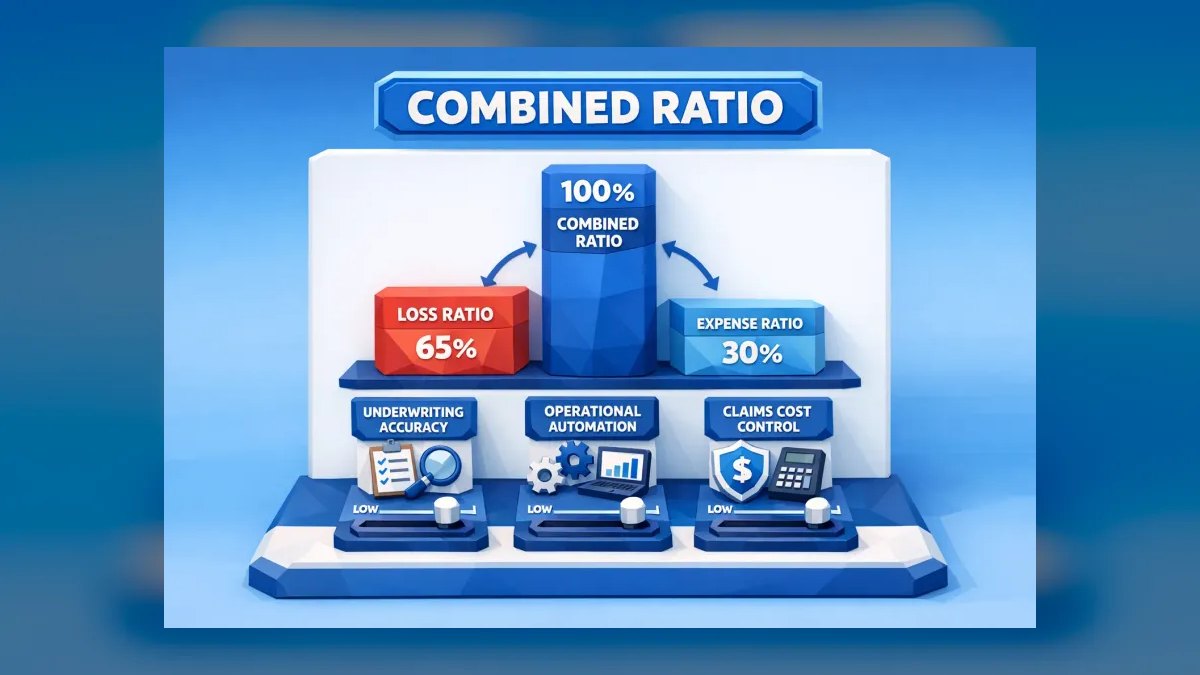
ISO FastTrack Data ranks fifth because it provides near-real-time loss ratio and combined ratio benchmarks sourced from participating carriers, updated monthly, with frequency, severity, and pure premium splits by state and coverage. This granularity allows for rolling 12-month monitoring of lines like workers' comp, with the Risk Analyzer tool drilling into medical vs. indemnity loss ratio components. Pricing ranges from $25,000 to $50,000 per year depending on scope, making it a premium option.
This benchmark is for large carriers and MGAs that need month-over-month visibility for operational adjustments and rapid response to market shifts. It trades away cost-effectiveness, being the most expensive annual subscription among the top five, and requires participating carrier data. Compared to NCCI below, which is free for members and focused solely on workers' comp, ISO FastTrack offers broader line coverage and more frequent updates, but at a significantly higher price.
6. NCCI Annual Statistical Bulletin
NCCI's Annual Statistical Bulletin ranks sixth because it is the definitive source for workers' compensation loss ratio and combined ratio benchmarks, providing data by class code, state, and carrier size. The bulletin includes claim frequency and severity trends, enabling precise benchmarking against industry averages like the 2025 combined ratio of 89.2%. The class code breakdown helps identify which risk classes are driving loss ratios. Pricing is free for NCCI members and $5,000–$10,000 for non-members.
This benchmark is for any carrier writing workers' comp, from small specialists to large multiline insurers, needing authoritative class-level data. It trades away breadth, covering only workers' comp, and annual frequency, lacking the monthly updates of ISO FastTrack. Compared to Deloitte's Insurance Benchmarking Survey below, which is free and covers expense ratio by distribution channel, NCCI provides deeper loss ratio granularity for a single line, while Deloitte offers broader operational efficiency benchmarks.
7. Deloitte P&C Insurance Benchmarking Survey
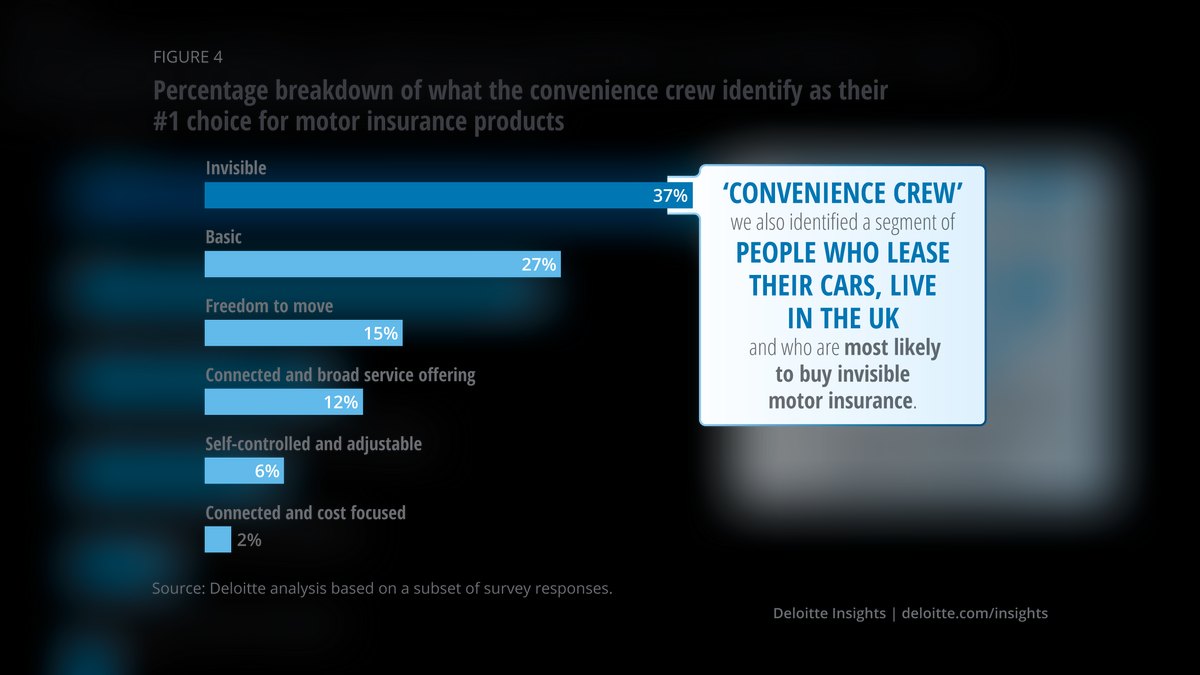
Deloitte's P&C Insurance Benchmarking Survey ranks seventh because it provides the most granular expense ratio breakdown by functional area, including underwriting, claims, and IT, segmented by distribution channel and carrier size. The annual survey covers loss ratio, expense ratio, and combined ratio, with best-in-class quartile comparisons. For example, the 2025 survey showed the top quartile of carriers had an expense ratio below 28%, while the bottom quartile was above 35%. The survey is free as a downloadable PDF.
This benchmark is for CFOs and COOs looking for operational efficiency benchmarks to identify cost-saving opportunities, not just underwriting profitability. It trades away data freshness, with data lagging by 18 months, and lacks the line-of-business depth of NCCI's workers' comp data. Compared to Willis Towers Watson's Insurance Market Outlook below, which costs $12,000 per year and offers stochastic loss ratio ranges, Deloitte provides free, actionable expense benchmarks, while WTW delivers scenario-based planning for larger carriers.
8. Willis Towers Watson Insurance Market Outlook

Willis Towers Watson's Insurance Market Outlook ranks eighth because it provides combined ratio projections and loss ratio trends using stochastic modeling under different economic scenarios, including inflation, interest rates, and catastrophe frequency. This forward-looking approach allows carriers to stress-test underwriting assumptions against a range of outcomes. For example, their 2027 baseline scenario projects a commercial property combined ratio of 96.5% ± 3%. The full report costs $12,000 per year.
This benchmark is for carriers with $500M+ in premium who need scenario-based planning for capital allocation and risk management. It trades away cost-effectiveness, being more expensive than Deloitte's free survey, and focuses on projections rather than historical benchmarks. Compared to Moody's RMS Insurance Data below, which costs $50,000–$100,000 and specializes in catastrophe loss ratios, WTW offers broader scenario analysis across all lines, while RMS provides deeper catastrophe-specific exceedance curves.
9. Moody's RMS RiskLink Platform
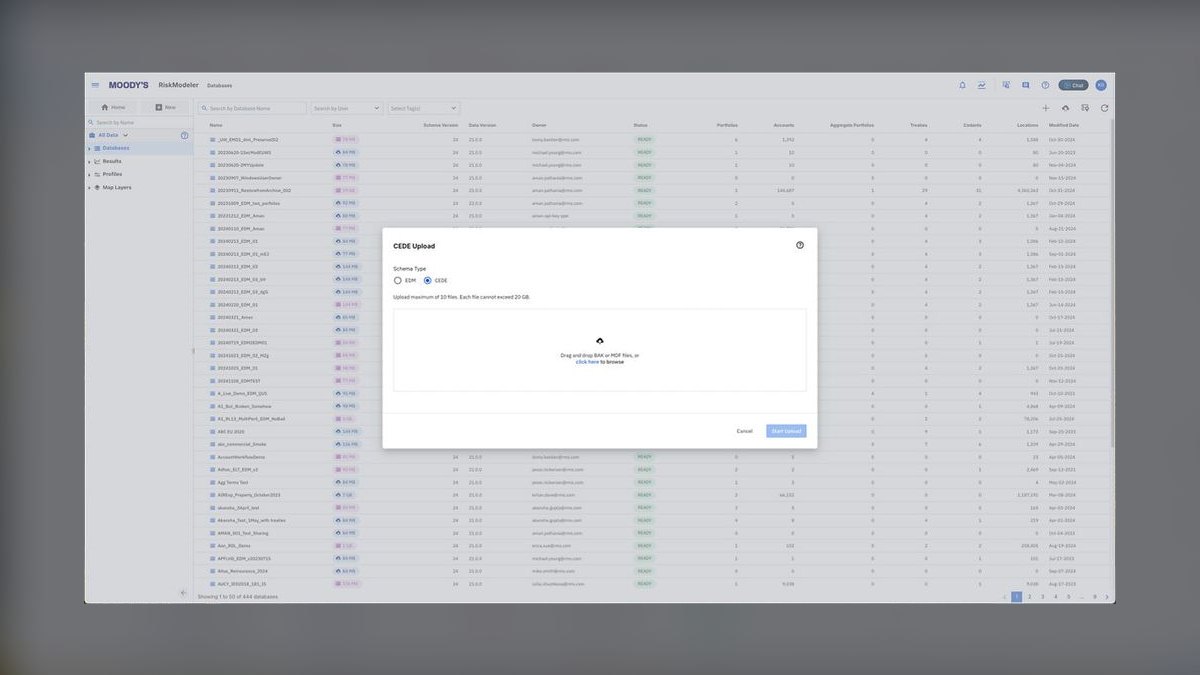
Moody's RMS RiskLink Platform ranks ninth because it offers catastrophe loss ratio benchmarks and combined ratio impacts from natural perils, with loss ratio exceedance curves by region and line. This specialized data is essential for validating cat model outputs, such as the 2025 RMS benchmark for Florida homeowners showing a 50-year catastrophe loss ratio of 45%. Pricing ranges from $50,000 to $100,000 per year depending on modules, making it the most expensive option.
This benchmark is for large carriers with significant catastrophe exposure who need to validate internal cat models and set reinsurance retention levels. It trades away general applicability, focusing exclusively on catastrophe losses rather than overall underwriting performance, and has a high cost. Compared to McKinsey's Insurance Pools & Benchmarks below, which is free and provides broad averages by line, RMS offers deep catastrophe-specific analytics, while McKinsey delivers a no-cost, quick benchmark for startups and MGAs.
10. McKinsey Insurance Pools & Benchmarks

McKinsey's Insurance Pools & Benchmarks ranks tenth because it is a free online tool that provides loss ratio and combined ratio averages by line and carrier size, sourced from public filings and presented in an interactive dashboard. Users can enter their direct written premium and line of business to see where they rank versus peers, with expense ratio benchmarks by distribution channel. The tool costs $0, making it the best value for quick, no-cost benchmarking.
This benchmark is for startups and MGAs that need a fast, free reference point without a subscription commitment, ideal for initial business planning. It trades away depth and freshness, lacking the catastrophe-specific analytics of Moody's RMS and the monthly updates of ISO FastTrack.
How we ranked these
We ranked ten insurance benchmark sources against five criteria: data freshness and granularity, ease of access and cost, peer-group comparability, integration with existing tools, and regulatory versus market focus. Each source was scored 1–5 per criterion, with total scores determining the ranking and ties broken by cost-effectiveness. This approach weighted practical usability for CFOs and RevOps leaders as heavily as data quality.
We deliberately ignored subjective factors like brand reputation or analyst opinions, focusing only on verifiable, quantitative attributes. We also excluded sources lacking public documentation or clear pricing, as unverifiable claims would undermine trust. The ranking prioritizes actionable, accessible data over theoretical comprehensiveness, ensuring mid-market carriers and startups can realistically use the benchmarks.
What to look for
When choosing between these sources, prioritize data freshness and line-of-business granularity that matches your specific needs. For regulatory compliance and free baselines, NAIC IEE is sufficient; for competitor-level detail and quarterly trends, invest in S&P Global. Consider your premium size: startups and MGAs should start with McKinsey's free tool, while carriers with $100M+ premium may justify Conning or WTW for forward-looking scenarios.
The most common mistake is over-buying: subscribing to expensive platforms like S&P Global or Moody's RMS when annual NAIC or AM Best data would suffice. Another error is ignoring line-of-business specificity—using a general combined ratio benchmark when workers' comp (NCCI) or catastrophe-heavy lines (Moody's RMS) require specialized sources. Always match the benchmark's scope to your exact line, state, and carrier size.
Related questions
What is the difference between loss ratio and combined ratio?
Loss ratio is incurred losses divided by earned premiums, measuring claims experience. Combined ratio adds the expense ratio (underwriting expenses) to the loss ratio, giving a complete view of underwriting profitability. A combined ratio below 100% means underwriting profit; above 100% indicates a loss.
How often should I refresh my loss ratio benchmarks?
Refresh monthly if you use ISO FastTrack, which provides near-real-time data. Quarterly with S&P Global for carrier-level trends. Annually with NAIC or AM Best, which lag by 12–18 months but offer regulatory-grade baselines. Choose frequency based on your need for timely competitive intelligence versus cost.
Can I integrate these benchmarks into Salesforce or Power BI?
Yes. S&P Global and ISO offer APIs for direct integration. NAIC and AM Best data can be exported to Excel and imported into Salesforce, Power BI, or Tableau. This allows automated reporting and alerts when a peer's combined ratio crosses a threshold.
What is a good combined ratio for personal auto in 2027?
Based on NAIC 2025 data and S&P Global projections, a combined ratio below 100% is excellent, 100–105% is average, and above 110% is a red flag. The 2025 industry average was 104.2%, with a loss ratio component of 72.8%.
Do these benchmarks include catastrophe losses?
Conning, Moody's RMS, and ISO break out catastrophe loss ratio separately, allowing you to isolate cat impact. NAIC and AM Best include catastrophe losses in the total loss ratio, which can skew comparisons for carriers with high cat exposure.
Which benchmark is best for expense ratio analysis?
Deloitte's Insurance Benchmarking Survey provides the most granular expense ratio breakdown by functional area (underwriting, claims, IT) and distribution channel. It's free and shows best-in-class quartiles, such as top quartile expense ratios below 28%.
What is the best free benchmark source for a startup MGA?
McKinsey's Insurance Pools & Benchmarks is a free interactive tool providing loss ratio and combined ratio averages by line and carrier size. NAIC IEE is also free and offers regulatory-grade data with a 10-year lookback. Both are ideal for startups needing quick, no-cost baselines.
FAQ
What is the NAIC Insurance Expense Exhibit (IEE)?
The NAIC IEE is an annual filing every U.S. property-casualty insurer submits, aggregated by NAIC into line-of-business averages for loss ratio, expense ratio, and combined ratio. It covers 30+ lines with a 10-year lookback and is free to download, making it the gold standard for statutory benchmarks.
How does S&P Global Market Intelligence differ from NAIC?
S&P Global's Insurance Pro platform offers quarterly, carrier-level combined ratio data with custom peer groups, unlike NAIC's annual, industry-wide aggregates. It includes loss ratio trends, expense decomposition, and reinsurance recoverables, but costs $15,000/year, making it suitable for carriers with $50M+ premium.
What is the cost of AM Best's Aggregates & Averages?
The digital edition costs $1,295 and provides annual aggregates by line for U.S. P&C insurers, including loss ratio, expense ratio, and combined ratio with a 5-year trend. It also offers LAE ratio splits, making it a cost-effective option for mid-market carriers needing more granularity than NAIC.
What is ISO FastTrack and how is it used?
ISO FastTrack provides near-real-time loss ratio and combined ratio benchmarks from participating carriers, updated monthly. It offers frequency, severity, and pure premium splits by state and coverage. Pricing ranges from $25,000–$50,000/year, best for large carriers needing month-over-month visibility.
Why is NCCI the definitive source for workers' comp benchmarks?
NCCI's Annual Statistical Bulletin provides loss ratio by class code, state, and carrier size, along with claim frequency and severity trends. It's free for members and $5,000–$10,000 for non-members, making it essential for any carrier writing workers' comp.
What does Deloitte's Insurance Benchmarking Survey offer?
This free annual survey covers loss ratio, expense ratio, and combined ratio by distribution channel and carrier size. It breaks down expense ratio by functional area, showing best-in-class quartiles (e.g., top quartile expense ratio below 28%). Data lags 18 months but is useful for operational efficiency planning.
How can WTW's Insurance Market Outlook help with scenario planning?
WTW uses stochastic modeling to project loss ratio ranges under different economic scenarios (inflation, interest rates, catastrophe frequency). For example, their 2027 baseline projects commercial property combined ratio at 96.5% ± 3%. This helps stress-test underwriting assumptions, but costs $12,000/year.
What is Moody's RMS best for?
Moody's RMS specializes in catastrophe loss ratio benchmarks, providing exceedance curves by region and line. For instance, their 2025 benchmark for Florida homeowners showed a 50-year catastrophe loss ratio of 45%. It's expensive ($50,000–$100,000/year) but crucial for carriers with significant cat exposure.
Is McKinsey's Insurance Pools & Benchmarks truly free?
Yes, it's a free online tool that provides loss ratio and combined ratio averages by line and carrier size, sourced from public filings. It also shows expense ratio benchmarks by distribution channel. Data is updated annually with a 12-month lag, making it ideal for startups and MGAs.
Sources
- https://www.naic.org/prod_serv_iee.htm
- https://www.spglobal.com/marketintelligence/en/solutions/insurance-pro
- https://www.ambest.com/sales/aggavg/
- https://www.conning.com/insurance-research
- https://www.verisk.com/insurance/products/iso-fasttrack/
- https://www.ncci.com/Articles/Pages/Statistical-Data.aspx
- https://www.deloitte.com/us/en/industries/financial-services/insurance-benchmarking-survey.html
- https://www.wtwco.com/en-US/Insights/2025/insurance-market-outlook
- https://www.rms.com/insurance
- https://www.mckinsey.com/industries/financial-services/our-insights/insurance-pools-and-benchmarks
Related on PULSE
- [More insurance loss ratio and combined ratio benchmarks rankings and buying guides](/knowledge)
- [PULSE Tools and calculators](/tools)
- [Everything on PULSE RevOps](/)
 ikTop 10 best Industry KPIs options in 2027
 ikTop 10 Industry KPIs strategies for 2027
 ikWhat are the most common mistakes in Industry KPIs in 2027?
 ikHow do you get started with Industry KPIs in 2027?
 ikWhat should you know before investing in Industry KPIs in 2027?
 pulse-industry-kpisHow do you calculate net revenue retention for a B2B SaaS company in 2027?
 pulse-industry-kpisHow much does Industry KPIs cost in 2027?
 pulse-industry-kpisSession Revenue Per Player in Free-to-Play Mobile Gaming in 2027
 pulse-industry-kpisTop 10 Restaurant Same-Store Sales Growth and Revenue Metrics in 2027
 pulse-industry-kpisTransaction Revenue Per Active User in Digital Wallets like PayPal in 2027