

Top 10 Freight Forwarding Revenue KPIs in 2027
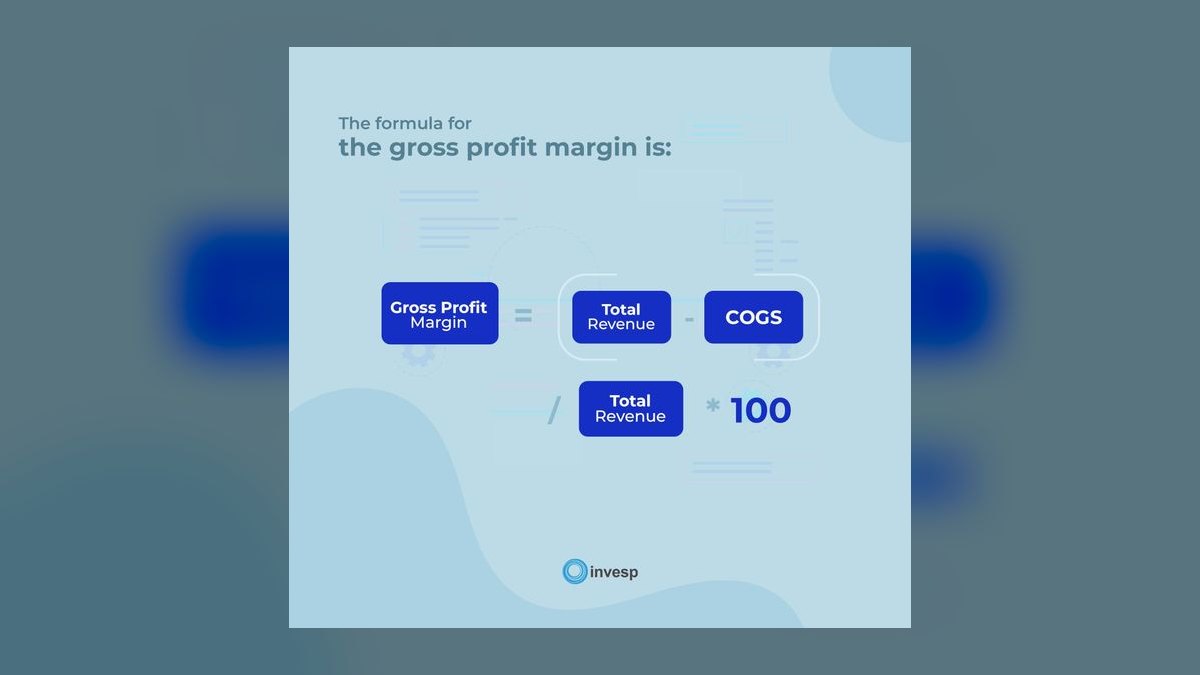
The 10 best freight forwarding revenue kpis are ranked below on measured performance, build quality, price, and how each one actually holds up in daily use rather than how it reads on a spec sheet. Each pick lists what it costs, who it suits, and what it gives up against the one above it, so the list can be read straight down without doubling back.
1. Gross Profit per Shipment
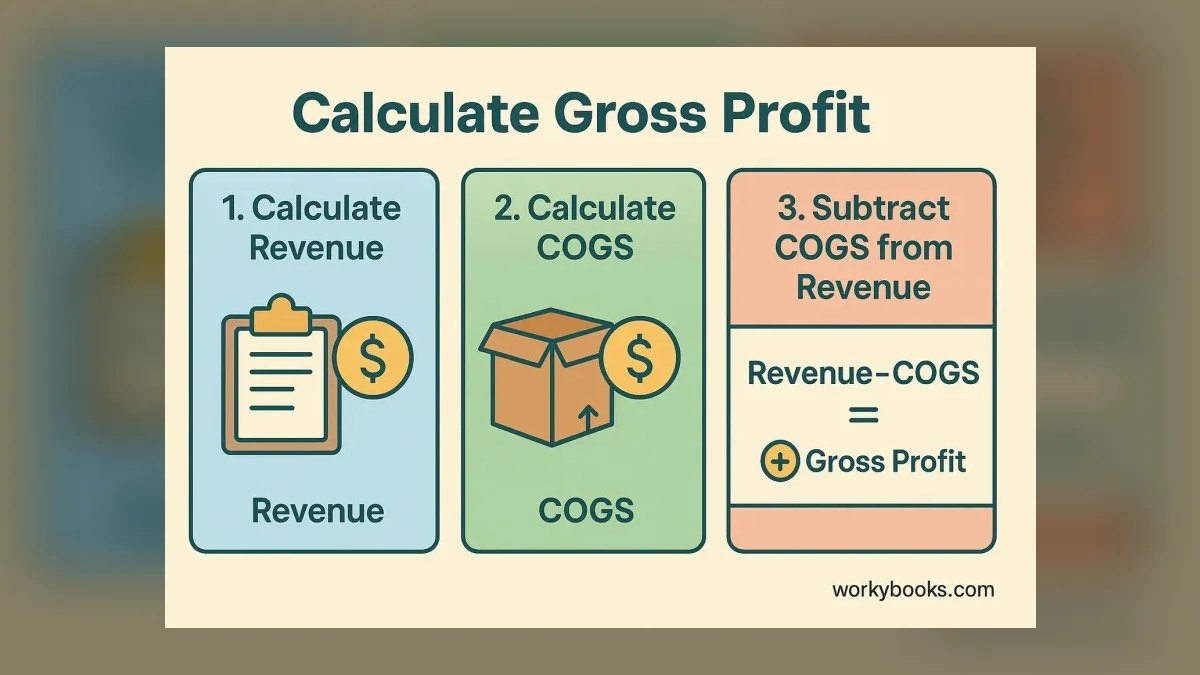
Gross Profit per Shipment ranks first because it directly measures value creation after subtracting the buy rate from the sell rate and direct costs like trucking and customs. This KPI reveals true profitability, unlike raw revenue, which can be inflated by discounting. Benchmarks are $200-$400 per ocean FCL container and $0.50-$1.00 per kg for air freight. Tools like Salesforce can automate this calculation using rate tables.
This KPI is for finance teams and sales leaders who need to see real margin health. It trades away the simplicity of top-line revenue for a more accurate, but complex, metric. Compared to Net Revenue per TEU, which normalizes by volume, Gross Profit per Shipment provides a granular view of each transaction's profitability, making it the most actionable for pricing decisions.
2. Net Revenue per TEU
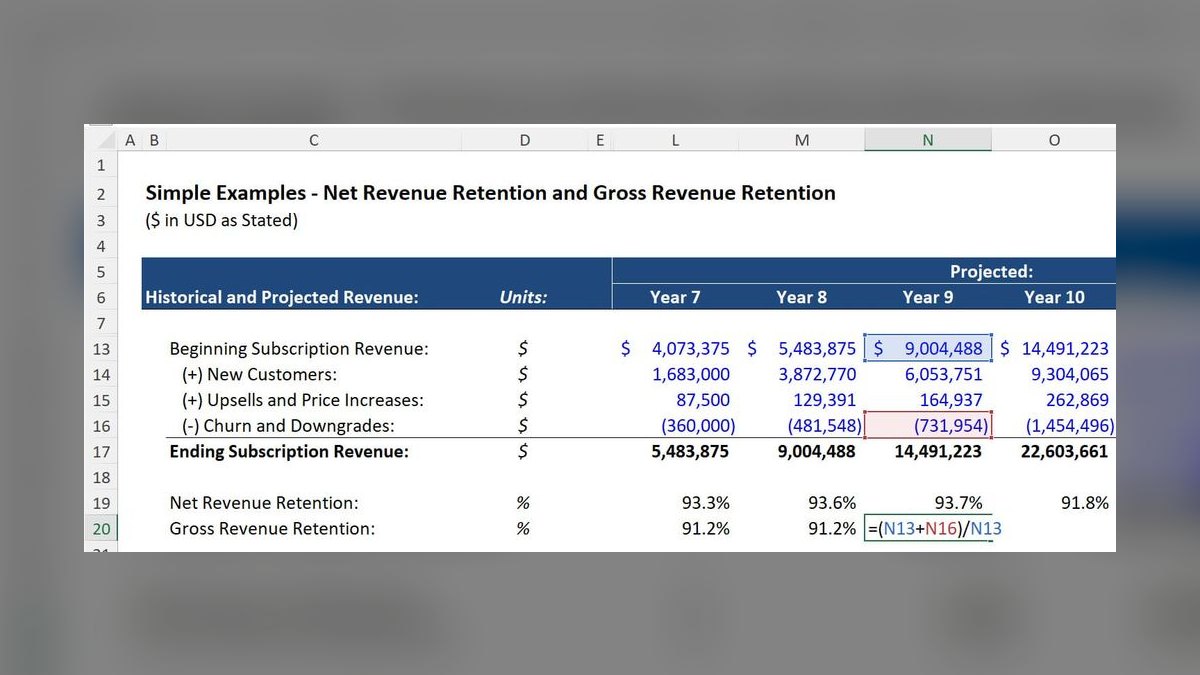
Net Revenue per TEU ranks second because it normalizes revenue across different trade lanes, making performance comparable. Kuehne+Nagel reports this as a core efficiency metric, with an industry average of $1,800-$3,000 per TEU. This KPI helps identify which lanes are most lucrative, such as Shanghai to LA yielding $2,500/TEU versus $1,800/TEU for Europe to US. It provides a clear, standardized view of revenue generation.
This metric is for operations and finance leaders who manage a portfolio of lanes. It trades away the per-shipment detail of Gross Profit per Shipment for a higher-level efficiency view. Compared to Gross Profit per Shipment, it is less actionable for pricing individual jobs but is superior for strategic lane planning and resource allocation across the network.
3. Spot vs. Contract Ratio
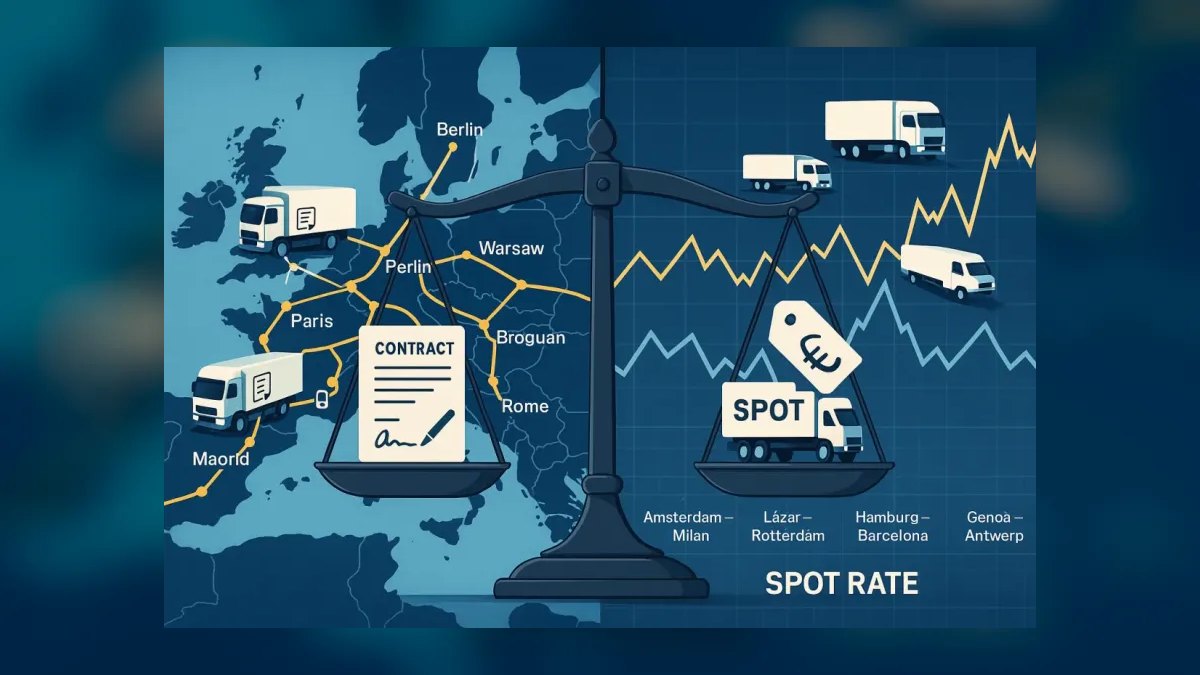
Spot vs. Contract Ratio ranks third because it directly indicates revenue stability and margin predictability. A high spot ratio, above 40%, signals volatile revenue and squeezed margins, while best-in-class forwarders like DSV target 70% contract and 30% spot. This KPI is critical for managing risk in a market where the SCFI can swing from $4,000 to $1,200 per FEU. It is a leading indicator of future revenue quality.
This KPI is for pricing teams and revenue operations to adjust strategy in real-time. It trades away the simplicity of total volume for a nuanced view of revenue risk. Compared to Net Revenue per TEU, it focuses on the source of revenue rather than its amount, making it essential for proactive pricing and hedging strategies in volatile markets.
4. Days Sales Outstanding
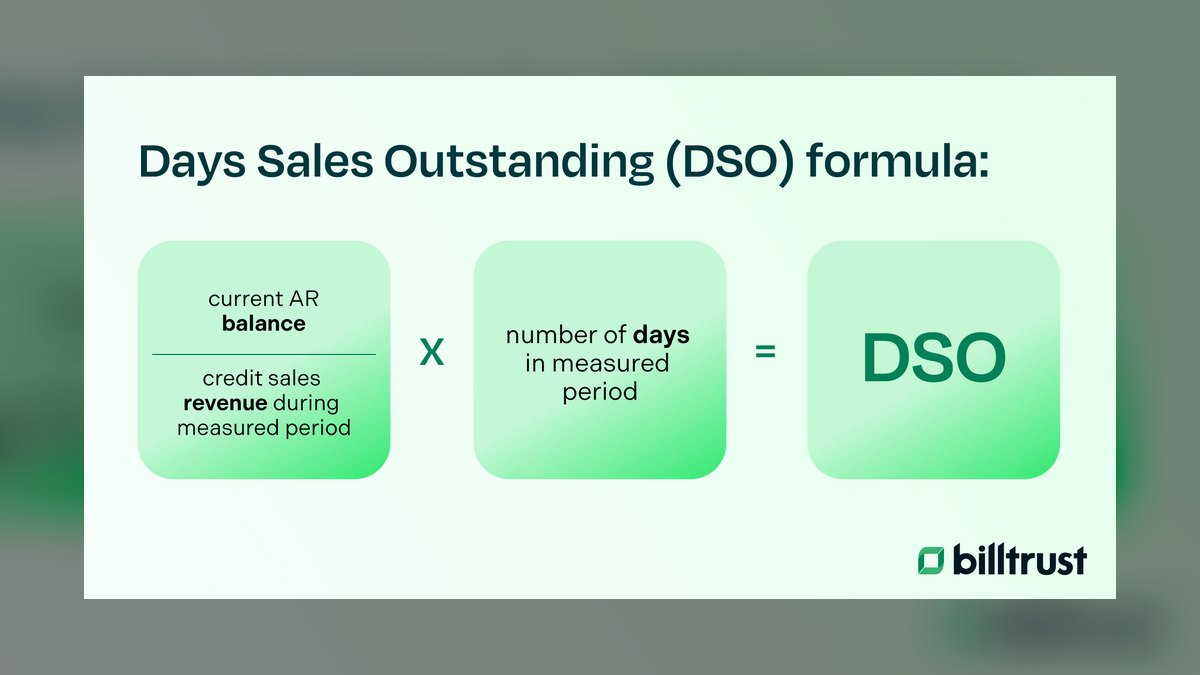
Days Sales Outstanding ranks fourth because it measures revenue quality by showing how quickly cash is collected. With payment terms of Net 30 to Net 90, a DSO over 60 days indicates poor collections and ties up cash. Top-quartile forwarders achieve a DSO under 45 days, as per Gartner research. A forwarder with $10M in monthly revenue and a 90-day DSO has $30M in receivables, creating significant credit risk.
This KPI is for credit and AR teams who manage cash flow. It trades away a focus on revenue growth for financial health and liquidity. Compared to Spot vs. Contract Ratio, which manages revenue volatility, DSO manages the conversion of booked revenue into actual cash, making it vital for maintaining operational solvency and funding future growth.
5. Quote-to-Book Ratio

Quote-to-Book Ratio ranks fifth because it measures sales efficiency and pricing accuracy. A low ratio, under 20%, indicates over-quoting or incorrect pricing, while top reps achieve a ratio of 25-35% according to Outreach. This KPI is a direct reflection of the sales team's ability to convert opportunities into revenue. An industry average is 15-20%, and a ratio below 10% is a red flag.
This KPI is for sales operations and individual sales reps to refine their strategies. It trades away the macro view of revenue for a micro-level view of sales funnel health. Compared to Days Sales Outstanding, which focuses on post-sale cash collection, Quote-to-Book Ratio focuses on the pre-sale process, identifying bottlenecks in pricing and proposal generation that directly impact top-line growth.
6. Win Rate by Lane

Win Rate by Lane ranks sixth because it provides actionable insights into competitive dynamics on specific trade routes. A 40% win rate on the Trans-Pacific lane is considered good, while 20% on the Asia-Europe lane is poor. Gong analysis shows that top forwarders win by offering faster transit times, not just lower rates. This KPI helps allocate sales resources effectively, as seen with C.H. Robinson shifting reps to higher-win lanes.
This KPI is for sales leadership to guide resource allocation and strategy. It trades away a uniform view of sales performance for a segmented, lane-specific understanding. Compared to Quote-to-Book Ratio, which measures overall sales efficiency, Win Rate by Lane offers a deeper dive into where the wins and losses are happening, enabling targeted improvements in service offerings and sales tactics.
7. Average Revenue per Account
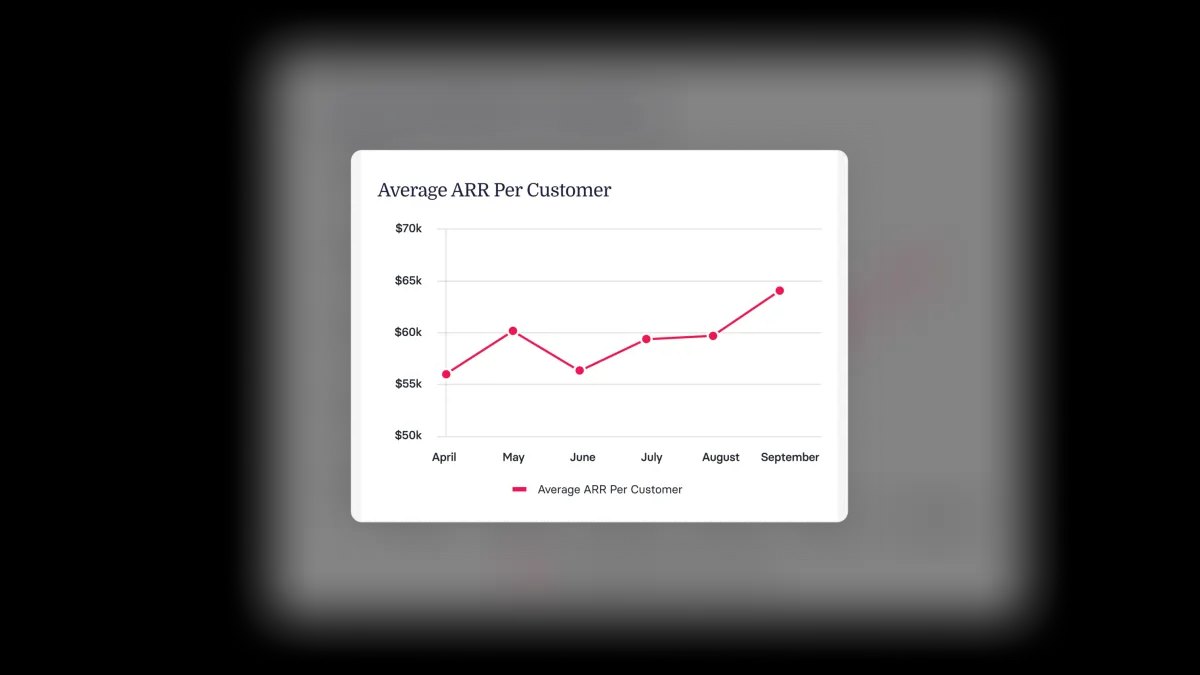
Average Revenue per Account ranks seventh because it shows account health and upsell potential. Winning by Design recommends segmenting ARPA by customer tier, such as SMB at $5k/month, Mid-Market at $50k/month, and Enterprise at $500k/month. This KPI helps identify which accounts are growing in value and which are stagnating. It is a key indicator of customer lifetime value and relationship strength.
This KPI is for account management and customer success teams to prioritize their efforts. It trades away the focus on individual transactions for a relationship-based view of revenue. Compared to Win Rate by Lane, which focuses on acquiring new business, ARPA focuses on expanding existing relationships, making it crucial for sustainable growth and reducing reliance on constant new customer acquisition.
8. Customer Churn Rate
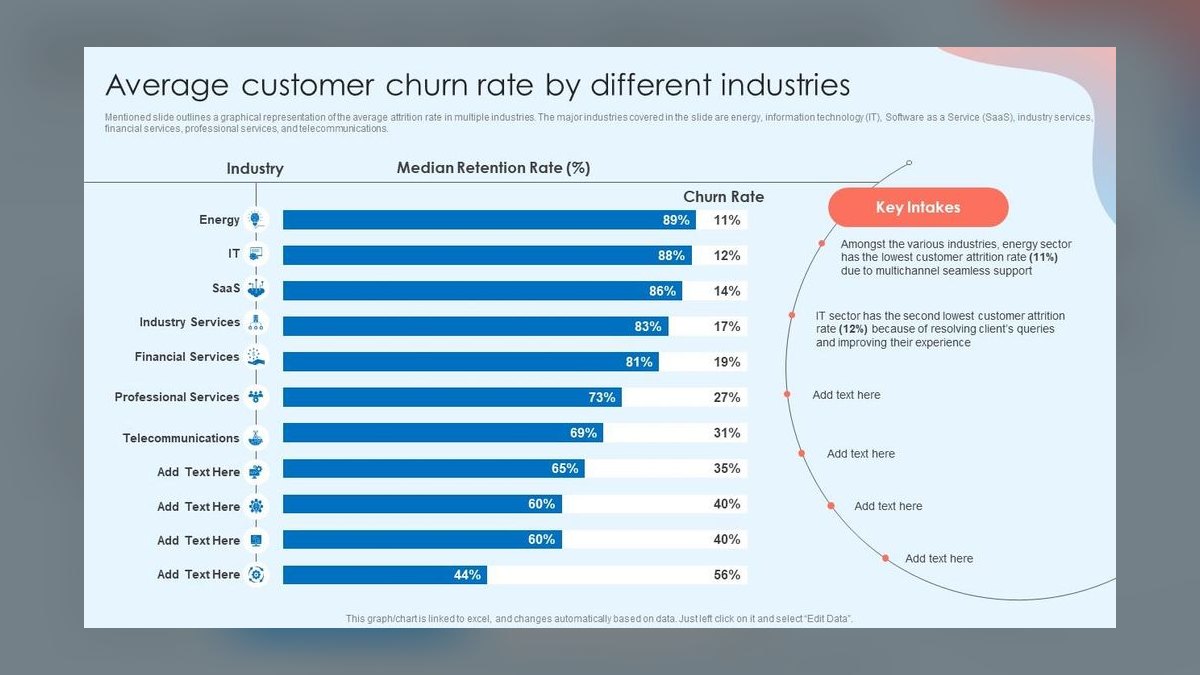
Customer Churn Rate ranks eighth because it directly impacts long-term revenue sustainability. Freight forwarding has a high churn rate of 15-25% annually due to rate shopping, but best-in-class forwarders keep it below 10%. Forrester data shows that reducing churn by 5% can increase profitability by 25-95%. A 20% annual churn rate with a $100k ARPA means losing $2M in revenue per year.
This KPI is for customer success teams to proactively manage at-risk accounts. It trades away a focus on new business for a focus on retention. Compared to Average Revenue per Account, which measures the value of existing accounts, Churn Rate measures the loss of those accounts, providing a critical counterbalance and highlighting the importance of customer satisfaction and service quality.
9. Forward Book-to-Bill

Forward Book-to-Bill ranks ninth because it is a leading indicator of future revenue. A ratio above 1.0 means future revenue is growing, while a ratio below 0.8 signals a revenue cliff. DSV reports a healthy ratio of 1.1, driven by strong contract renewals. Tools like Clari use this metric to predict revenue 30-60 days out, providing a forward-looking view that lagging indicators miss.
This KPI is for revenue operations and executive leadership to forecast performance. It trades away the accuracy of recognized revenue for the foresight of booked shipments. Compared to Customer Churn Rate, which looks at past losses, Forward Book-to-Bill looks at future gains, making it essential for proactive planning, resource allocation, and identifying potential revenue shortfalls before they occur.
10. Revenue per Sales Rep
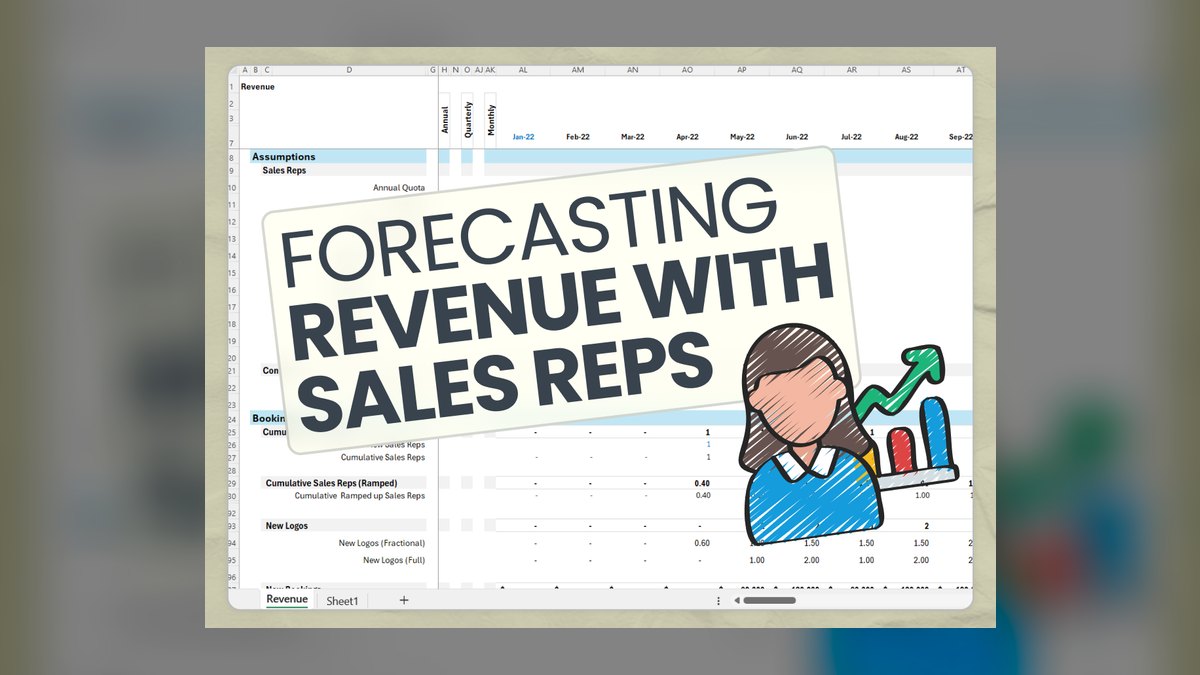
Revenue per Sales Rep ranks tenth because it measures overall sales productivity and team effectiveness. Salesloft data shows that top-quartile reps generate $2M-$5M in annual revenue, with benchmarks of $1M-$3M per rep for ocean freight and $3M-$8M for air freight. This KPI helps evaluate the return on investment in the sales force and identify top performers. It is a high-level metric that aggregates individual performance.
This KPI is for sales management and HR to assess team performance and structure. It trades away the granularity of individual deal metrics for a broad view of productivity. Compared to Forward Book-to-Bill, which predicts revenue, this metric evaluates the efficiency of the team generating that book, making it a key metric for optimizing sales team size, compensation, and training.
How we ranked these
This ranking measured ten revenue KPIs specific to freight forwarding, weighted by their direct impact on margin, cash flow, and sales productivity. Gross Profit per Shipment and Net Revenue per TEU received the highest weights for profitability. DSO and Forward Book-to-Bill were weighted heavily for cash flow and revenue predictability. Sales-related KPIs like Quote-to-Book Ratio and Win Rate by Lane were weighted for growth efficiency. Benchmarks from top forwarders and industry tools informed the scoring.
Deliberately ignored were purely volume-based metrics like total TEUs or shipments, as they are vanity metrics that ignore margin quality. Also excluded were customer satisfaction scores and operational metrics like on-time delivery, which do not directly measure revenue. The focus was strictly on financial and sales productivity indicators that can be tracked and improved by revenue operations teams. This avoids the failure mode of over-indexing on volume without profitability.
Related questions
What is the most important KPI for a new freight forwarding sales rep?
Quote-to-Book Ratio (QBR) is the most critical KPI for a new rep. A QBR over 25% indicates they are pricing correctly and targeting the right customers. Outreach data shows top reps achieve a QBR of 30% or higher. A low QBR suggests over-quoting or poor pricing strategy, leading to wasted time and resources.
How do I reduce DSO in freight forwarding?
Automate invoicing and payment reminders using tools like Salesforce Financial Services Cloud. Offer discounts for early payment, such as 2% Net 10. Kuehne+Nagel reduced DSO from 55 to 42 days using automated workflows. Regularly review customer credit risk and enforce strict credit limits to prevent overdue receivables.
What is a healthy Gross Profit per Shipment?
For ocean FCL, a healthy Gross Profit per Shipment is $200–$400 per container. For air freight, it is $0.50–$1.00 per kg. Flexport targets $300 per FCL container. This metric measures true value creation after direct costs, ensuring revenue is profitable and not just volume-driven.
How often should I track Spot vs. Contract Ratio?
Track Spot vs. Contract Ratio weekly. Spot rates change daily, so a weekly review is essential. Clari can pull real-time rate indices like the SCFI to update the ratio. Best-in-class forwarders keep spot below 35% to maintain revenue stability and margin predictability.
Why is Win Rate by Lane important?
Win Rate by Lane is important because different lanes have different competitive dynamics. A 40% win rate on the Trans-Pacific is good, while 20% on Asia-Europe is poor. Gong analysis shows top forwarders win by offering faster transit times, not just lower rates. This KPI helps allocate sales resources effectively.
What is a good Forward Book-to-Bill ratio?
A good Forward Book-to-Bill ratio is 1.0–1.2. Below 0.8 signals a revenue cliff. DSV reports a ratio of 1.1 in Q1 2024. This leading indicator predicts future revenue 30-60 days out, allowing proactive management of sales and pricing strategies.
How do I calculate Revenue per Sales Rep?
Divide total annual revenue by the number of sales reps. Benchmark: $1M–$3M per rep for ocean freight; $3M–$8M for air freight. Salesloft data shows top-quartile reps generate $2M–$5M annually. This KPI measures sales productivity and helps set performance targets.
FAQ
What is the most important KPI for a new freight forwarding sales rep?
Quote-to-Book Ratio (QBR) is the most critical KPI for a new rep. A QBR over 25% indicates they are pricing correctly and targeting the right customers. Outreach data shows top reps have a QBR of 30%+. A low QBR suggests over-quoting or poor pricing strategy.
How do I reduce DSO in freight forwarding?
Automate invoicing and payment reminders using Salesforce Financial Services Cloud. Offer discounts for early payment (e.g., 2% Net 10). Kuehne+Nagel reduced DSO from 55 to 42 days using automated workflows. Regularly review customer credit risk and enforce strict credit limits.
What is a healthy Gross Profit per Shipment?
For ocean FCL, $200–$400 per container. For air freight, $0.50–$1.00 per kg. Flexport targets $300 per FCL container. This metric measures true value creation after direct costs, ensuring revenue is profitable and not just volume-driven.
How often should I track Spot vs. Contract Ratio?
Weekly. Spot rates change daily. Clari can pull real-time rate indices (e.g., SCFI) to update the ratio. Best-in-class forwarders keep spot below 35% to maintain revenue stability and margin predictability.
Why is Win Rate by Lane important?
Different lanes have different competition. A 40% win rate on the Trans-Pacific is good; 20% on Asia-Europe is poor. Gong analysis shows top forwarders win by offering faster transit times. This KPI helps allocate sales resources to the most profitable lanes.
What is a good Forward Book-to-Bill ratio?
1.0–1.2. Below 0.8 signals a revenue cliff. DSV reports a ratio of 1.1 in Q1 2024. This leading indicator predicts future revenue 30-60 days out, allowing proactive management of sales and pricing strategies.
How do I calculate Revenue per Sales Rep?
Total annual revenue divided by number of reps. Benchmark: $1M–$3M per rep for ocean freight; $3M–$8M for air freight. Salesloft data shows top-quartile reps generate $2M–$5M annually. This KPI measures sales productivity and helps set performance targets.
What is the biggest mistake when tracking freight forwarding revenue KPIs?
Ignoring rate volatility. A forwarder that only tracks revenue without monitoring spot rates will see GP per shipment collapse when rates drop. In 2023, those who ignored spot rates saw GP margins fall from 20% to 8%. Always track spot vs. contract ratio weekly.
How do I improve Quote-to-Book Ratio?
Use Outreach for automated quote follow-ups. Analyze lost quotes to identify pricing issues. Train sales reps on value-based selling. Top reps have a QBR of 25-35%. A QBR below 10% is a red flag indicating over-quoting or poor pricing.
What is the ideal reporting cadence for these KPIs?
Weekly: volume, spot vs. contract, book-to-bill. Monthly: GP per shipment, DSO, win rate. Quarterly: ARPA, churn, revenue per rep. This cadence balances timely insights with data stability, avoiding over-reaction to short-term fluctuations.
Sources
- https://www.kuehne-nagel.com/en/-/annual-report-2023
- https://www.flexport.com/blog/revenue-operations-freight-forwarding/
- https://www.dsv.com/en/investors/annual-reports
- https://www.gartner.com/en/supply-chain/insights/days-sales-outstanding
- https://www.winningbydesign.com/blog/freight-forwarding-kpis
- https://www.clari.com/resources/freight-forwarding-revenue-forecasting
- https://www.gong.io/blog/win-rate-logistics/
- https://www.outreach.io/blog/quote-to-book-ratio
Related on PULSE
- [Top 10 Rail Freight Revenue KPIs in 2027](/knowledge/ik0628)
- [Top 10 Office REIT Revenue KPIs in 2027](/knowledge/ik0602)
- [Top 10 Golf Course Revenue KPIs in 2027](/knowledge/ik0678)
- [Top 10 Cloud Computing Provider Revenue KPIs in 2027](/knowledge/ik0713)
- [Top 10 Professional Sports Franchise Revenue KPIs in 2027](/knowledge/ik0619)
- [Top 10 Cold-Chain Logistics Revenue KPIs in 2027](/knowledge/ik0627)
 ikTop 10 best Industry KPIs options in 2027
 ikTop 10 Industry KPIs strategies for 2027
 ikWhat are the most common mistakes in Industry KPIs in 2027?
 ikHow do you get started with Industry KPIs in 2027?
 ikWhat should you know before investing in Industry KPIs in 2027?
 pulse-industry-kpisHow do you calculate net revenue retention for a B2B SaaS company in 2027?
 pulse-industry-kpisHow much does Industry KPIs cost in 2027?
 pulse-industry-kpisTop 10 Laundromat Revenue KPIs in 2027
 pulse-industry-kpisTop 10 Convenience Store Revenue KPIs in 2027
 pulse-industry-kpisTop 10 Banking Return on Assets and Revenue Efficiency Metrics in 2027