
What Are the Monthly Expenses of Living in a Top-Rated Suburb in 2027?
 PULSEKNOWLEDGE LIBRARY
Monthly expenses of living in a top-rated suburb in 2027 typically run $6,500–$11,000 for a household of four. Housing dominates at $2,800–$5,200, followed by taxes, two vehicles, childcare, insurance, and utilities. Premium school districts add roughly $900–$1,600 monthly versus an average suburb nearby.
The two suburb archetypes your budget actually chooses between
Almost every "top-rated suburb" search collapses into two distinct cost structures, and the monthly expenses look nothing alike even when the sticker price of the house is similar.
Archetype A — the established school-district suburb. Think a town that has been highly rated for thirty years: mature tree canopy, 1950s–1990s housing stock, a school district in the top decile of its state, a walkable-ish downtown, and a commuter rail stop or a highway interchange. The defining financial feature is a *high effective property tax rate on a high assessed value*. These towns fund their reputation through the levy. Housing itself may be older and smaller than you expect — a 1,900 sq ft colonial rather than a 3,200 sq ft new build — but the tax line is enormous and permanent. Maintenance is also structurally higher, because you are buying a 45-year-old roof, boiler, and sewer lateral along with the ranking.
Archetype B — the new-growth exurban suburb. A master-planned community twenty to forty minutes further out, built after 2010, often ranked highly on newer metrics (safety, income growth, new school construction, amenities). Property tax rates here are frequently *lower* per dollar of value in the Northeast/Midwest sense, but the total tax burden is masked by special assessment districts — MUDs in Texas, CDDs in Florida, Mello-Roos in California, PIDs elsewhere — plus a mandatory HOA. Maintenance is near zero for the first eight years. Commuting cost is the hidden line: two cars, more miles, more fuel, faster depreciation.
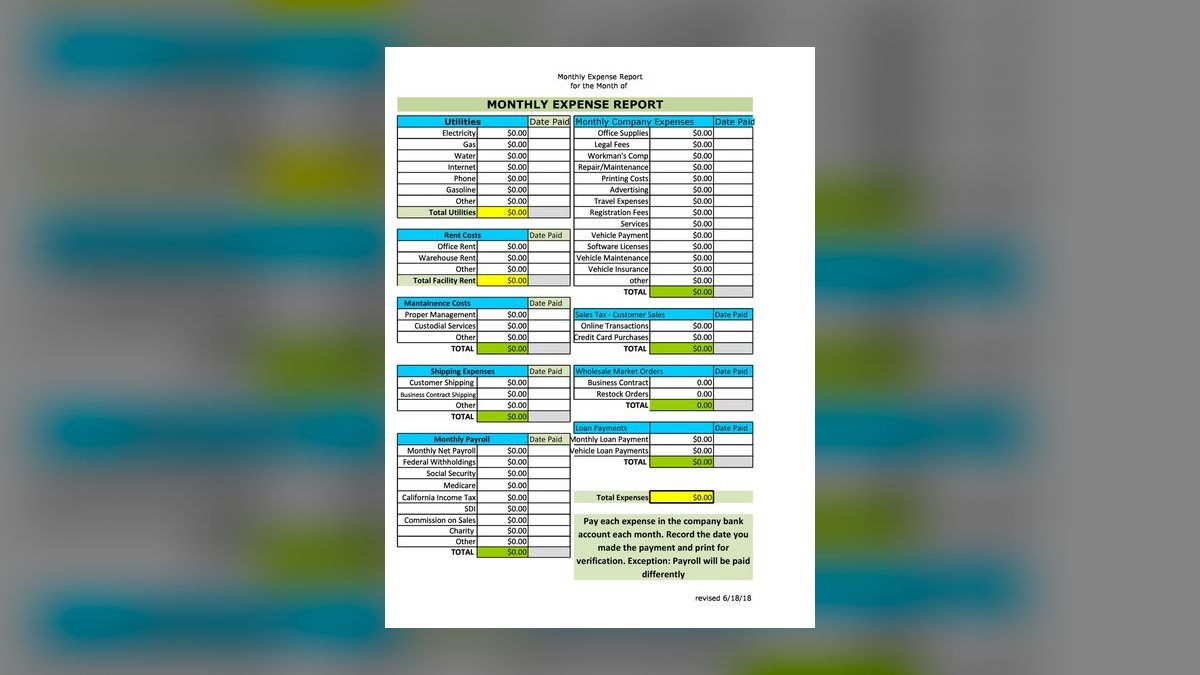
The practical consequence is that these two archetypes trade the *same total monthly living cost* in wildly different buckets. Archetype A might be $3,100 mortgage + $1,450 property tax + $0 HOA + $420 maintenance reserve. Archetype B might be $3,400 mortgage + $780 property tax + $310 HOA + $190 special district assessment + $140 maintenance reserve + $380 extra vehicle cost. Both land near $5,000 monthly on housing-and-place, but only one of them is *indexed to reassessment* and only one of them is *indexed to fuel prices and car depreciation*.
A third pattern is worth naming because it wrecks budgets: the inner-ring suburb that recently became top-rated. These are older close-in towns where the school ratings and safety metrics climbed over the last decade and prices followed. You get Archetype A's aging housing stock and Archetype A's rising tax base, but you bought at Archetype B's post-run-up price. Monthly expenses here are the least forgiving because the maintenance reserve is real, the tax reassessment is aggressive, and there is no equity cushion from a long hold.
There is a fourth consideration that is not really an archetype but changes every number below: whether the state has an income tax and whether property taxes are capped. A household earning $210,000 in a no-income-tax state with high property taxes and a household earning $210,000 in an income-tax state with capped property taxes can have identical *total* monthly outflow with a $1,200/month difference in the housing line. Comparing suburbs across state lines on the property tax line alone is the single most common budgeting error people make.
How to decide between them
The decision is not "which suburb is better" — it is "which cost structure survives my specific ten-year plan." Work through it in this order rather than starting from house price.
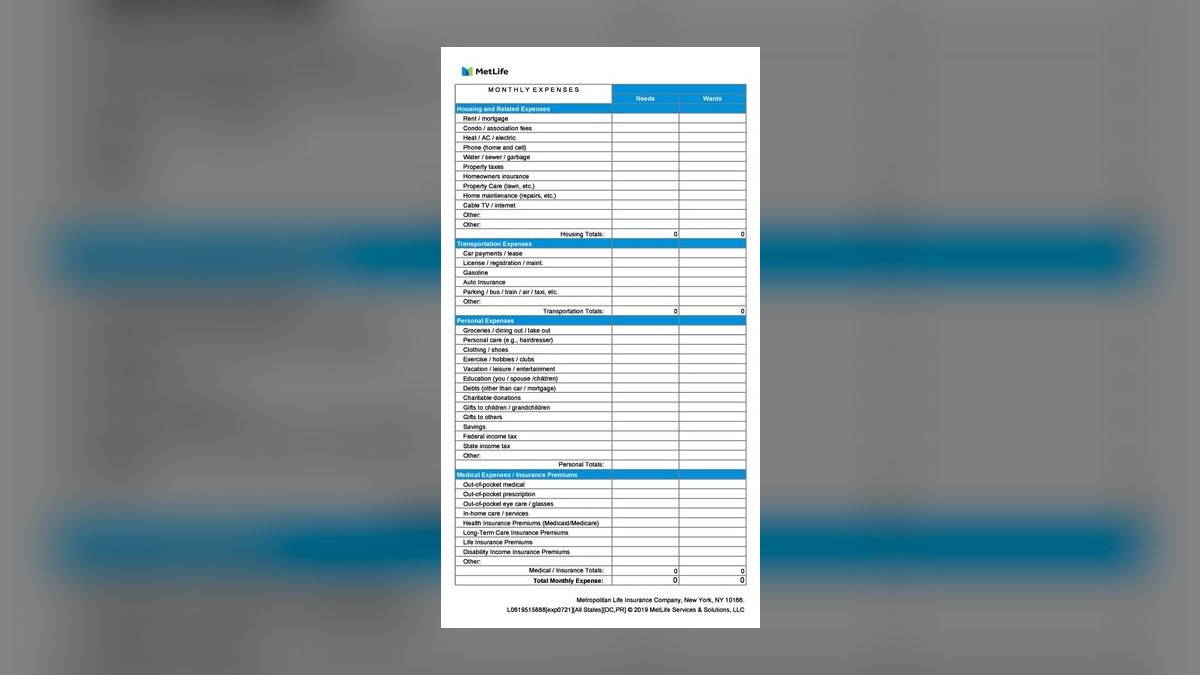
Step 1 — Set your ceiling from take-home, not gross. Take net monthly pay after 401(k), health premiums, and taxes. Multiply by 0.32 for the housing-and-place ceiling (mortgage + property tax + insurance + HOA + assessments + maintenance reserve). A household netting $13,500/month gets a $4,320 housing ceiling. Every number after this is checked against that ceiling, not against what a lender approves — lenders underwrite gross income and ignore childcare entirely.
Step 2 — Price the tax line before the house line. Pull the actual tax bill for three specific addresses in each candidate suburb from the county assessor portal. Do not use the median. Do not use the "tax rate" — use the dollar bill on a comparable house. Then find out the reassessment trigger: does the county reassess on sale? If yes, the current owner's bill is fiction and you should model the bill at your purchase price times the current rate.
Step 3 — Count vehicles and minutes. Multiply the round-trip commute distance by 2, by 21 workdays, by the number of commuters. At roughly $0.58–$0.70 per mile all-in (fuel, insurance, depreciation, maintenance, tires), a 34-mile round trip for two commuters is about $840–$1,000 a month. That single number frequently exceeds the property tax difference between the two archetypes.

Step 4 — Add the childcare cliff. Childcare in a top-rated suburb is priced against local income, not against national averages. If your youngest is under five, this line is often larger than the mortgage and it disappears entirely on a known date. Model both the with-childcare and post-childcare monthly, and make sure the *with* version fits.
Step 5 — Stress the structure, not the payment. Archetype A breaks when the town passes a levy or the county reassesses; model +18% on the tax line. Archetype B breaks when fuel spikes or the HOA/special district raises dues after the developer hands over control; model +25% on transportation and +30% on HOA plus assessments.
The order matters. People habitually run this backwards — they pick a house, get approved, then discover the tax bill reassesses and the childcare center charges $1,900 a month. Running the ceiling first means the house search starts inside a budget that already survived the stress test.

One more decision input that is easy to overlook: how long you will actually stay. Archetype A's high tax line is partly a purchase of stability — the schools were good before you arrived and will be good after. Archetype B's low early-maintenance line is a genuine benefit that expires; years 9–15 in a master-planned community bring roof, HVAC, fence, and appliance replacement all at once, often across the whole neighborhood simultaneously, which drives up local contractor pricing exactly when you need it. If your horizon is under seven years, Archetype B's early years are cheap. If it is fifteen-plus, the archetypes converge and the tax structure dominates.
Concrete numbers behind each line item
Here is a line-by-line monthly budget for a household of four in a genuinely top-rated suburb in 2027, with realistic ranges rather than a single fabricated total. Ranges are wide because geography drives them harder than any other variable.
Mortgage principal and interest — $2,400 to $4,600. On a $560,000 home with 15% down at a rate in the mid-6s, principal and interest runs roughly $3,000. At $750,000 with 20% down, roughly $3,750. The lower end of the range assumes a Midwest or Southeast top-rated suburb; the upper end assumes coastal metro or high-demand Mountain West. Rate sensitivity is brutal at this size: each full percentage point moves the payment about $400 on a $600,000 loan.
Property taxes — $450 to $1,900. This is the single widest line. Effective rates in top-rated suburbs commonly run 0.6%–2.3% of market value annually. A $650,000 home at 0.7% is $379/month; the same home at 2.1% is $1,138/month. In the highest-tax school-district suburbs of New Jersey, Illinois, and parts of New York, $1,500–$1,900 monthly on a $700,000–$850,000 house is ordinary, not exceptional.
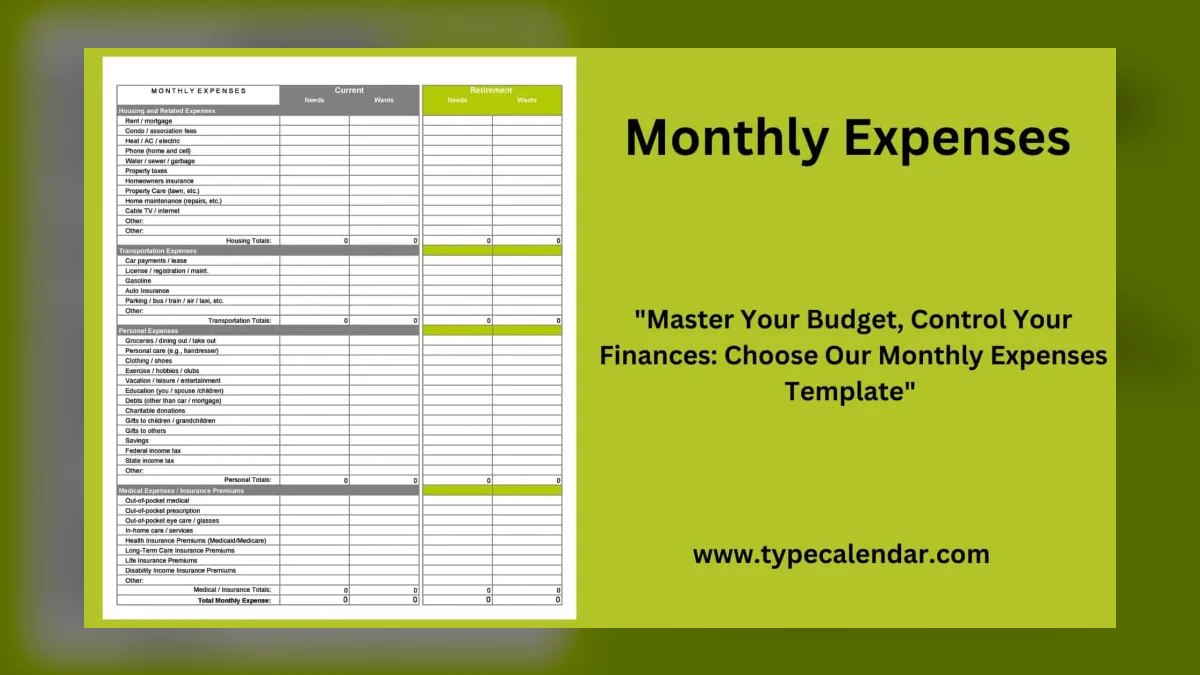
Homeowners insurance — $110 to $420. The upper end reflects wildfire, wind, hail, and coastal exposure zones, where premiums have risen sharply and deductibles have moved to percentage-of-value structures. Get an actual quote on the actual address before you commit; suburb-level averages hide enormous within-town variation.
HOA and special assessment districts — $0 to $600. Zero in most established Archetype A towns. In master-planned communities, $180–$350 HOA is typical, and a MUD, CDD, or Mello-Roos assessment can add $150–$400 more, often collected on the tax bill so people miss it entirely when comparing.
Maintenance and capital reserve — $150 to $700. The honest planning figure is 1%–1.5% of home value annually for housing stock over 25 years old, and closer to 0.4%–0.6% for a home under ten years old. On a $650,000 older home that is $540–$810 monthly; on a newer one, $215–$325. Most people budget zero here and then finance the roof.
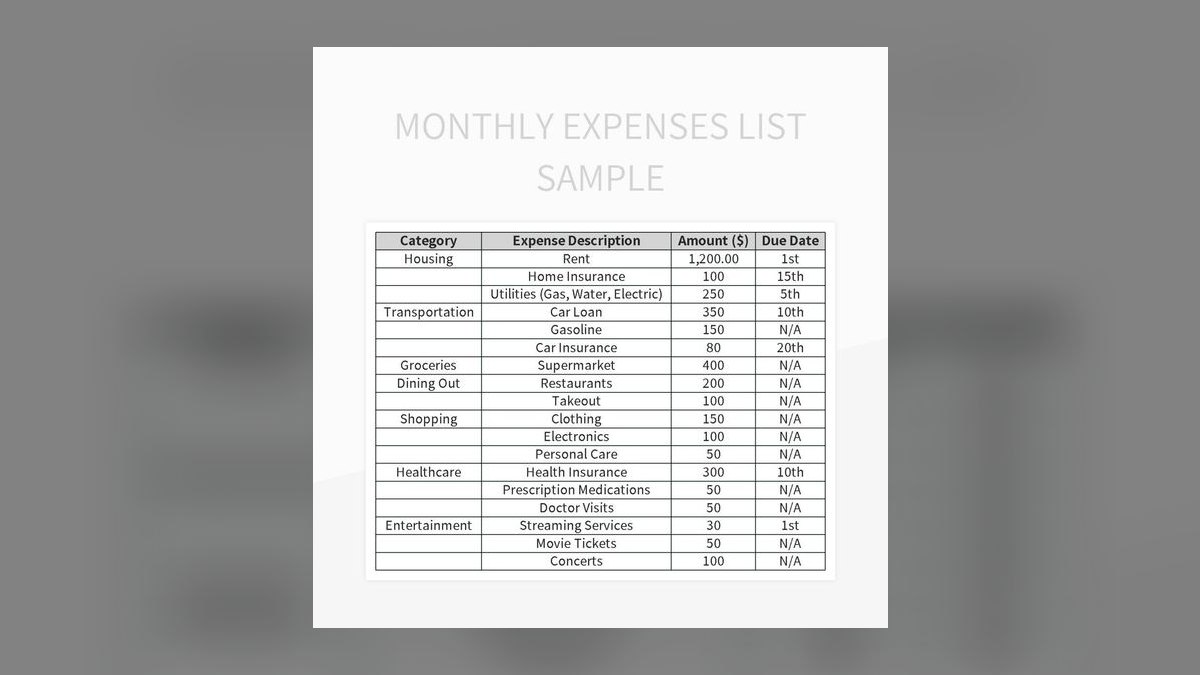
Utilities — $290 to $620. Electricity, gas, water, sewer, trash. Larger suburban square footage and actual yards push this well above apartment norms. Summer cooling in the Sun Belt and winter heating in the Upper Midwest both spike single months to $350–$450 on their own.
Transportation — $700 to $1,500. Two vehicles is the suburban default. Payments, insurance, fuel, maintenance, registration. Auto insurance in a low-crime suburb is cheaper than urban rates, which partly offsets the extra mileage. Commuter rail passes in Northeast and Chicago-area suburbs run $200–$450 monthly per commuter and substitute for one vehicle in some households.
Childcare — $0 to $3,200. Full-time care for two children under five in a high-income suburb routinely exceeds $2,600 monthly and can pass $3,200. After-school care and summer camp for school-age kids run $400–$900 monthly on a blended basis. This line is why "we can afford the house" and "we can afford the life" are different questions.
Groceries and household — $950 to $1,500. A family of four eating mostly at home. Suburban grocery prices are not meaningfully lower than urban ones and the retail mix is often narrower.

Health insurance and out-of-pocket — $400 to $1,400. Employer-sponsored family premium share plus deductibles and copays. Self-employed households on marketplace plans land at the top of this range or beyond.
Everything else — $600 to $1,300. Phones, internet, streaming, gym, youth sports fees (which are genuinely higher in top-rated suburbs — travel teams, club fees, equipment), personal care, gifts, pets, and the small discretionary layer.
Adding the midpoints for a two-earner, two-child household with one child in preschool: roughly $3,400 mortgage + $950 taxes + $210 insurance + $180 HOA/assessments + $420 maintenance + $430 utilities + $1,050 transportation + $1,700 childcare + $1,200 groceries + $700 health + $850 other = about $11,090 monthly. Drop childcare and you are near $9,400. Move to a lower-cost region and the same lifestyle lands near $6,800. That spread — $6,800 to $11,100 — is the honest answer, and anyone quoting a single national number for the monthly expenses of living in a top-rated suburb is not describing a real household.

Two adjustments worth making before you trust your own version of this table. First, property tax and mortgage interest deductibility: if you itemize, part of the tax and interest lines comes back, but the SALT cap means high-tax suburb residents often get far less relief than they expect — model the after-tax cost, not the gross. Second, the escrow shock: your first-year escrow payment is usually built on the seller's tax bill. When the reassessment lands, the servicer collects the shortfall plus a forward-looking increase, and the payment can jump $200–$500 in month 14. Budget for it in year one.
Implementation and sequencing over the first eighteen months
Knowing the numbers is different from surviving them. The sequence below is what separates households that comfortably absorb these monthly expenses from those that are cash-tight for three years.
Months −6 to −3: build the tax and insurance file. Pull actual assessor records and get real insurance quotes for three specific addresses per candidate suburb. Call the county about reassessment-on-sale rules and any pending levies or bond referendums on the ballot — a passed school bond raises everyone's bill for twenty years and is public information months in advance.

Months −3 to 0: pre-fund three separate reserves, not one. A closing reserve, a six-month emergency reserve, and a distinct *first-year suburb reserve* of $8,000–$15,000. The last one exists because moving into a house triggers a predictable wave of spending: window treatments, a mower or lawn service contract, a second vehicle if you were a one-car household, appliances the seller took, and the immediate repairs the inspection flagged.
Month 0 to 3: lock the recurring lines before the discretionary ones. Set utilities on budget billing so summer and winter spikes are smoothed. Bundle auto and home insurance and re-shop it — suburban address changes frequently change the rate materially. Confirm trash, water, and sewer are municipal or private; private haulers in unincorporated areas cost $40–$70 monthly that municipal residents don't pay.
Month 3 to 6: audit the transportation assumption. Track actual miles for ninety days. Many households discover the commute is either lighter than modeled (hybrid schedule holding) or heavier (school runs, activities, grocery trips add 200+ miles monthly nobody counted). If it is heavier, the fix is usually a cheaper second vehicle, not a smaller house.
Month 6 to 12: fund the capital reserve automatically. Move the maintenance number to a separate account by standing transfer on payday. This is the discipline that prevents a $9,000 HVAC replacement from becoming credit card debt at 24%.

Month 12 to 18: handle the escrow reassessment and appeal if warranted. When the new assessment arrives, compare it to recent comparable sales. Assessment appeals succeed often enough to be worth the two hours, particularly if the county used an automated valuation that missed condition or lot issues.
Two sequencing mistakes are worth calling out because they are so common. The first is buying furniture on credit in month one. The house feels empty and the impulse is strong, but a $12,000 furnishing spend financed at promotional rates that convert to 26% is the most reliable way to turn a workable monthly budget into a fragile one. Live with the empty rooms for six months. The second is committing to activities before the escrow settles. Travel sports, a club membership, or a private lesson schedule signed in month two becomes very hard to unwind in month fourteen when the tax bill resets. Hold discretionary commitments until you have seen a full year of actual bills, including one full summer and one full winter.
Finally, revisit the whole model annually rather than at purchase only. Property tax, insurance, and HOA dues all ratchet upward and none of them are negotiable once you own. Mortgage principal and interest is the only major line that stays flat, which means your housing-and-place cost as a percentage of income rises every year unless income rises faster. Households that assume "the payment is fixed" are the ones surprised in year five.
Related questions
Are suburbs actually cheaper than the nearby city?
Housing per square foot usually yes; total monthly cost often no. Suburbs add two vehicles, higher utilities on larger square footage, property tax on a larger assessed value, and yard maintenance. City households frequently spend less overall while occupying far less space.
How much does a top school district add to the monthly cost?
Roughly $900–$1,600 per month versus an adjacent average-rated district, split between higher home price and higher effective property tax rate. Compare that against private school tuition, which typically runs $1,200–$3,000 monthly per child in the same metros.
What is a realistic maintenance reserve?
Budget 1%–1.5% of home value annually for housing over 25 years old, and 0.4%–0.6% for homes under ten years old. On a $650,000 older home that is $540–$810 monthly. Fund it by standing transfer, not by intention.
Do HOA fees replace municipal services?
Sometimes partly — private roads, trash, or shared amenity upkeep. But HOA fees almost never reduce your property tax bill, and special districts like MUDs or CDDs are additional to both. Always ask what the fee covers and what the reserve study says.
How much do property taxes rise after purchase?
In counties that reassess on sale, expect the bill to reset to your purchase price times the current rate — often a 20%–60% jump over the prior owner's bill. Model this before closing rather than discovering it in your month-14 escrow analysis.
FAQ
What are the monthly expenses of living in a top-rated suburb in 2027?
For a household of four, a realistic all-in range is $6,500–$11,000 monthly. The midpoint case — mortgage, taxes, insurance, HOA, maintenance reserve, utilities, two vehicles, one child in preschool, groceries, health costs, and discretionary — lands near $9,400 without childcare and above $11,000 with it. Region drives the spread more than lifestyle does.
Which single line item most often blows up the budget?
Property taxes, because they reassess on sale in many counties and rise with levies afterward. The second is childcare, which is priced against local incomes and can exceed the mortgage. Both are frequently modeled using the wrong number — the seller's tax bill and a national childcare average.
How much income do I need to live comfortably in a top-rated suburb?
Work backward from a 32% housing-and-place ceiling on net pay. If the realistic housing-and-place total is $5,200 monthly, you need roughly $16,250 net monthly, or gross household income in the $230,000–$270,000 range depending on state tax and retirement contributions. Lower-cost regions cut that requirement substantially.
Is a newer master-planned community cheaper monthly than an established suburb?
In years one through eight, usually yes, because maintenance is near zero. From year nine onward the archetypes converge as roofs, HVAC, and appliances all age at once. Meanwhile special district assessments and HOA dues rise on their own schedule, so the early savings are real but temporary.
How do I verify a suburb's real monthly cost before committing?
Pull actual tax bills for three specific addresses from the county assessor, get real insurance quotes on those addresses, request the HOA reserve study and dues history, check the ballot for pending school bonds, and drive the commute at actual rush hour for a week. Averages hide the variance that will hit you.
Should I count on the mortgage payment staying fixed?
Principal and interest stays fixed on a fixed-rate loan, but your total housing payment does not. Escrowed taxes and insurance both rise annually, and insurance in particular has climbed steeply in wind, hail, and wildfire zones. Plan for total payment growth of 3%–6% per year even with a fixed rate.
Sources
- https://www.bls.gov/cex/ — Bureau of Labor Statistics Consumer Expenditure Surveys
- https://www.census.gov/programs-surveys/ahs.html — U.S. Census Bureau American Housing Survey
- https://www.taxpolicycenter.org/briefing-book/how-do-state-and-local-property-taxes-work — Tax Policy Center on property taxes
- https://www.consumerfinance.gov/owning-a-home/ — CFPB Owning a Home
- https://www.irs.gov/taxtopics/tc503 — IRS Topic 503, deductible taxes
- https://www.energy.gov/energysaver/energy-saver — U.S. Department of Energy Energy Saver
- https://www.iii.org/fact-statistic/facts-statistics-homeowners-and-renters-insurance — Insurance Information Institute
- https://www.aaa.com/autorepair/drivecost — AAA Your Driving Costs
- https://www.childcareaware.org/ — Child Care Aware of America
- https://www.federalreserve.gov/consumerscommunities/shed.htm — Federal Reserve Survey of Household Economics and Decisionmaking
Related on PULSE
- How to build a household budget that survives a move
- What a realistic home maintenance reserve looks like by build year
- Commute cost per mile: what driving actually costs a household
- Property tax reassessment on sale: what changes at closing
- HOA fees, reserve studies, and special assessment districts explained
- Childcare costs versus a second income: when it pencils
 pulse-livingTop 10 Best Suburbs Near Major US Cities for Retirees in 2027
 pulse-livingTop 10 Best Towns to Live in Anne Arundel County, Maryland in 2027
 pulse-livingTop 10 Best Places to Buy a Home in Nevada in 2027
 pulse-livingTop 10 Best Towns to Live in Pennsylvania in 2027
 pulse-livingTop 10 Best Towns to Live in Wisconsin in 2027
 pulse-livingTop 10 Best Towns to Live in Tennessee in 2027
 pulse-livingTop 10 Best Places to Live in the United States in 2027
 pulse-livingTop 10 Best Towns to Live in North Carolina in 2027
 pulse-livingTop 10 Best Towns to Live in on a Budget in 2027
 pulse-livingTop 10 Best Towns to Live in the Midwest in 2027