
How does streaming affect a film's chances at winning an Oscar in 2027?
 Curated byKory White · Fractional CRO · Maryland
 PULSEKNOWLEDGE LIBRARY
Quality
Certified

Streaming does not disqualify a film from Oscar contention, but it reshapes the campaign. A streaming-first release can still win Best Picture, yet it must overcome voter skepticism about theatrical intent, spend heavily on physical screenings and festivals, and navigate eligibility rules that vary by category. Theatrical presence still measurably improves a film's chances.
The scenario that forces the question
Imagine a mid-budget drama acquired at a festival in early 2026 by a global streamer for a reported eight-figure sum. The film is critically adored, has a name director, and two performances that critics call career-best. The streamer plans a limited theatrical run of roughly two weeks in ten to fifteen markets, then a global drop on its platform about three weeks later. Everyone involved assumes this is an awards play. Then the season begins, and the arithmetic turns uncomfortable.
The studio's awards team has a budget in the low single-digit millions for the campaign. A traditional theatrical distributor with a comparable film would spend two to three times that, because the campaign is the product. Screeners go out, but the streamer's talent has other commitments and cannot attend every guild Q&A. The film's theatrical footprint is small enough that many Academy members in Los Angeles, New York, and London never see it on a big screen with an audience — the format that historically generates the emotional response that turns a good film into a winner.
Meanwhile, a competitor with a wide theatrical release and a conventional 90-day window is doing the opposite. It is holding screenings for every guild, flying cast to every festival, and keeping the film in theaters through the holidays so that voters can walk in any weekend and find it. By the time nominating ballots are due, the theatrical film has been seen by far more voters in the optimal setting. The streaming film has been seen by many more total humans — tens of millions of subscribers — but almost none of them are Academy members, and total viewership has never been a voting criterion.

This is the core tension the question is really about. In 2027, streaming is not a barrier to a nomination. It is a change in the physics of a campaign: how voters see the film, when they see it, and whether the distributor's release strategy signals that the film is a serious awards contender rather than a content asset. The streamer has to decide early whether it is running a marketing campaign for subscribers or an awards campaign for voters. Those are different campaigns with different budgets, calendars, and success metrics — and conflating them is where most streaming awards efforts underperform their potential.
The scenario also explains why the question has become sharper rather than softer. As more streamers have entered the awards space, the Academy has adjusted its rules repeatedly, and voters have grown more sophisticated about distinguishing a genuine theatrical commitment from a token qualifying run. A film that opens in two theaters for one week to satisfy a rule is now widely recognized as such. That recognition affects how the campaign is received, and it affects a film's chances in ways that are hard to quantify but easy to observe in the nomination patterns of recent seasons.
How the mechanism actually works
The mechanism has four moving parts: eligibility, visibility, perception, and campaign resources.

Eligibility. The Academy's rules for the Best Picture category require a qualifying theatrical release in specified markets for a specified period before the eligibility window closes, with additional requirements that have been tightened over time. Other categories — documentary, international feature, short films — have their own rules, and some allow streaming-only or festival-based qualification. The practical implication is that a streaming-first film almost always needs a theatrical partner or a self-distributed qualifying run to be eligible in the top categories. This is a hard gate, not a soft preference. A film that skips it is not "disadvantaged"; it is ineligible.
Visibility. Once eligible, the question becomes whether voters actually watch. Academy membership is several thousand people, heavily concentrated in Los Angeles, New York, and London, and older on average than the general audience. These voters receive dozens of screeners and invitations every season and cannot watch everything. The films that get watched are the ones with sustained presence: festival premieres, guild screenings, press coverage, and a theatrical run that keeps the title in the cultural conversation for months rather than days. A streaming drop generates a spike of attention and then algorithmic decay. An awards campaign needs a plateau, not a spike.
Perception. Voters are not immune to the narrative around a release. A film perceived as a streaming asset that was dumped onto a platform can be treated as less prestigious than the same film released theatrically, even when the craft is identical. This is not snobbery so much as a heuristic: theatrical release is a costly signal that a distributor believes in the film. When a streamer buys a film and gives it a minimal qualifying run, the signal is weaker, and voters who are on the fence may default to the film that was treated like an event. The perception effect is real and it is why streamers now routinely hire experienced theatrical awards consultants rather than running campaigns entirely in-house.

Campaign resources. An awards campaign is a months-long operation: screeners, guild events, talent travel, trade advertising, consultant fees, and screening room rentals. Traditional distributors build this into their release plans. Streamers often have to build it from scratch, and their internal incentives can conflict — the marketing team is measured on subscriber acquisition and retention, while the awards team is measured on nominations and wins. When budgets tighten, the awards line item is vulnerable because its return is prestige rather than subscriptions. Films with a dedicated awards budget protected from the subscriber-marketing P&L consistently outperform those without one.
The interaction of these four parts explains the empirical pattern. Streaming-first films with genuine theatrical commitments and serious campaign spending do win major awards. Streaming-first films treated as content with a token qualifying run mostly do not. The variable is not the platform. It is the campaign built around it.
Real numbers, ranges, and benchmarks
Qualifying run length. The Academy's Best Picture eligibility rules have required a theatrical run in specified markets for a defined period, and those requirements have been adjusted multiple times. In practice, awards consultants now advise a run of at least several weeks in a meaningful number of top markets, not the minimum one-week booking in two cities that was once common. The difference between a token run and a real one is often a few hundred thousand dollars in marketing and exhibition costs, and it is the single highest-leverage spending decision a streaming-first campaign makes.

Screener timing. Screeners typically go out between October and December for a February or March ceremony. Films that distribute screeners early and widely get watched earlier, which matters because voters often fill out nominating ballots based on what they have already seen. A streaming film can distribute digital screeners at essentially zero marginal cost, which is a genuine advantage — but only if the campaign actually does it early and to the full eligible membership rather than waiting for a platform release date.
Campaign budgets. Awards campaign spending for a serious Best Picture contender commonly runs from roughly $5 million to $15 million or more, with the high end reserved for films with a real shot at winning. Streaming-first campaigns have historically clustered at the lower end, sometimes under $5 million, which is enough to secure nominations in weaker years and rarely enough to win against a well-funded theatrical competitor. The gap is not about the film's quality; it is about how many voters can be reached repeatedly.
Theatrical footprint correlation. Films that win Best Picture almost always have a theatrical release that extends well beyond the qualifying minimum, often into the thousands of theaters at peak and sometimes back into theaters after nominations are announced. A re-release or expansion after nominations is a standard tactic because it converts nomination attention into visible box office, which in turn reinforces the perception that the film is a major event. Streaming-first films can replicate this with a post-nomination theatrical expansion, and some have, but it requires the streamer to prioritize exhibition over platform exclusivity during the most valuable weeks of the campaign.

Guild overlap. The Academy's membership overlaps heavily with the guilds — actors, directors, writers, producers, editors, cinematographers. Winning guild awards is one of the strongest predictors of Oscar success. Guild eligibility and guild screening culture are more theatrical-friendly than the Academy's, so a streaming-first film must invest in guild outreach specifically: SAG-AFTRA screenings, DGA and WGA events, and craft-specific panels. Campaigns that treat guilds as an afterthought lose the strongest available signal.
Timing relative to the eligibility window. A film released in the first half of the year is at a disadvantage compared with a film released in the fourth quarter, because voter memory is short and the campaign has to sustain attention for many months. Streaming-first films sometimes drop early in the year to serve platform programming needs, which can be commercially rational and awards-damaging. If the awards goal is real, the release date should be set with the campaign calendar in mind, not the platform's content calendar.

Viewership versus voter density. A streaming film might be seen by tens of millions of subscribers. The Academy is a few thousand voters. The ratio of total viewers to voters is enormous, which is why raw viewership numbers have almost no predictive power for nominations. What matters is how many of those few thousand voters watched, in what setting, and how many times they were reminded of the film between watching and voting.
Trade-offs and alternatives
Wide theatrical first, streaming later. This is the traditional path and still the strongest for awards. The film builds a box office narrative, stays in theaters through the voting window, and signals seriousness to voters. The cost is that the streamer waits months for the title, which conflicts with platform content calendars and subscriber-acquisition targets. For a film with genuine Best Picture potential, this trade-off is usually worth making, and several streamers have moved toward longer theatrical windows for their awards titles precisely because the results justified it.
Streaming-first with a substantial qualifying run. The film opens in a meaningful number of theaters for several weeks, then moves to the platform while the campaign continues. This preserves the platform's release timing and satisfies eligibility, but the theatrical run is often too short to build the box office narrative that reinforces a campaign. The mitigation is a post-nomination theatrical expansion, which converts the nomination into a second theatrical moment. This hybrid has produced nominations and occasional wins, and it is the most common streaming awards strategy today.

Day-and-date release. The film hits theaters and the platform simultaneously. This maximizes total audience and minimizes the window conflict, but it undermines the theatrical signal because voters know the film is available at home. Day-and-date has historically correlated with weaker awards performance in the top categories, though it remains attractive for films where the commercial goal outweighs the awards goal.
Token qualifying run. The film opens in the minimum required theaters for the minimum required period, often in a single market, purely to satisfy eligibility. This is the weakest strategy and increasingly recognized as such. It saves money and it costs nominations, because the campaign has no theatrical narrative to build on and voters can tell the difference.
No theatrical release, category-specific path. Some categories — documentary feature, international feature, short films — have qualification paths that do not require a traditional theatrical run, and streaming-only films have competed and won in those categories. If a film's realistic awards ceiling is a documentary or international feature nomination rather than Best Picture, the calculus changes entirely and a streaming-first release can be optimal. The mistake is applying documentary logic to a Best Picture campaign.

Acquisition versus production. A streamer that produces a film in-house controls the release plan from the start and can build theatrical into the budget. A streamer that acquires a finished film at a festival inherits a release plan that was designed for a different buyer. Acquisition deals increasingly include theatrical commitments negotiated at the point of sale, and the streamers that win awards most consistently are the ones that make those commitments early rather than deciding after the festival buzz fades.
Common pitfalls and how to avoid them
Confusing platform viewership with voter viewership. A film that tops a streamer's most-watched list has demonstrated commercial success, not awards strength. Campaigns that lead with viewership numbers in trade advertising are talking to the wrong audience. The fix is to measure voter reach separately: how many Academy members received a screener, how many attended a screening, how many guild members voted in the relevant guild awards.
Underinvesting in the qualifying run. The difference between a token run and a real one is often a few hundred thousand dollars, and it is the cheapest way to improve a film's chances. A run that puts the film in front of voters in the top markets for several weeks, with real showtimes and real marketing support, does more for a campaign than an equivalent spend on trade ads.

Skipping the festival circuit. Festival premieres generate the critical coverage and early guild attention that sustain a campaign for months. Streaming-first films sometimes skip festivals to protect a platform release date, which saves logistics and costs momentum. The festivals that matter most for awards are the fall ones, and a film that premieres there enters the season with an established narrative.
Treating guilds as optional. Guild awards are the strongest precursor signal, and guild members are Academy members. A campaign that focuses only on Academy screenings and ignores SAG-AFTRA, DGA, WGA, and the craft guilds leaves the most persuasive evidence on the table. Guild outreach should be planned at the same time as the theatrical run, not after nominations.
Letting the platform release date drive the campaign calendar. Platform release dates are set for subscriber reasons — filling a content gap, countering a competitor's launch, hitting a quarter. Awards campaigns are set for voter reasons — festivals, guild deadlines, nominating windows. When the platform date wins the argument, the campaign is compressed and the film underperforms its potential. The fix is to set the awards release date first for titles with genuine awards ambitions and let the platform schedule accommodate it.

Assuming the rules are static. The Academy has changed eligibility requirements repeatedly, and further changes are likely. A campaign built on last season's rules can fail on a technicality. The practical safeguard is to have counsel or an experienced awards consultant confirm eligibility before the release plan is locked, not after the qualifying run has already happened.
Neglecting the post-nomination window. Many campaigns treat the nomination as the finish line. It is the midpoint. The weeks between nominations and final voting are when undecided voters make up their minds, and they are the best time for a theatrical expansion, a second wave of screenings, and targeted outreach to voters in the categories where the film is competitive. Streaming-first campaigns that go quiet after nominations routinely lose categories they could have won.
Over-indexing on a single precursor. Winning one guild award or one critics' prize is not a prediction. The campaigns that win build a consistent case across many precursors, and they adjust when the early results suggest a different film is surging. Rigidity is a pitfall; so is chasing every signal. The discipline is to identify the two or three precursors that matter most for the film's categories and invest there.
Related questions
Can a streaming-only film win Best Picture?
It can be nominated only if it satisfies the Academy's theatrical eligibility requirements, which generally require a qualifying run in specified markets. A film with no theatrical release at all is typically ineligible for Best Picture, though some other categories have different paths.
Do streaming films win acting awards?
Yes, and they do so regularly. Acting categories depend heavily on the performance and on guild support, and streaming-first films with strong performances and serious campaigns have won. The theatrical advantage matters more in Best Picture and directing.
Does a long theatrical window help or hurt a streaming film's awards chances?
It generally helps. A longer window sustains the film in the cultural conversation through the voting period and signals distributor commitment. The cost is a delayed platform release, which is a commercial trade-off rather than an awards one.
How much does an awards campaign cost for a streaming film?
Serious Best Picture campaigns commonly run from roughly $5 million to $15 million or more. Streaming-first campaigns have often spent less, which is a major reason their win rate trails theatrical competitors with comparable films.
Are the Academy's streaming rules likely to change again?
They have changed repeatedly as the industry has shifted, and further adjustments are plausible. Any campaign should confirm current eligibility requirements with the Academy or an experienced awards consultant before locking a release plan.
FAQ
Does streaming hurt a film's Oscar chances?
It does not hurt eligibility in categories that allow it, but it can hurt competitiveness if the release strategy weakens the theatrical signal, reduces voter reach, or compresses the campaign calendar. Streaming-first films that invest in a real qualifying run, early screeners, and guild outreach compete on equal footing.
Why do streaming films seem to lose Best Picture more often than they win?
The pattern reflects campaign spending and theatrical footprint more than platform bias. Winning campaigns typically reach voters repeatedly across many months, and that reach is easier to build around a wide theatrical release. Streaming-first campaigns that match that reach have won.
Do Academy members watch screeners on streaming platforms?
Yes. Digital screeners are now standard, and most voters watch at least some contenders at home. The advantage of a theatrical run is not that voters cannot watch at home; it is that theatrical presence keeps the film visible and signals seriousness over a longer period.
Is a theatrical release required for Oscar eligibility in 2027?
For Best Picture and most major categories, a qualifying theatrical release in specified markets for a specified period is required, and the specifics have been tightened over time. Other categories, including documentary and international feature, have different qualification paths.
Can a film win an Oscar without any theatrical release?
In a few categories with alternative qualification paths, yes. In Best Picture and the major craft and acting categories, a qualifying theatrical run is generally required, so a purely streaming release without any theatrical component is usually ineligible.
What is the single most important thing a streaming film can do to improve its Oscar chances?
Commit to a genuine theatrical run and a campaign budget that matches it. The qualifying run, early screener distribution, festival presence, and sustained guild outreach together do more than any platform-side marketing spend.
Sources
- https://www.oscars.org/rules
- https://www.oscars.org/news
- https://variety.com/v/film/awards/
- https://www.hollywoodreporter.com/c/awards/
- https://deadline.com/awards/
- https://www.indiewire.com/category/awards/
- https://www.sagaftra.org/awards
- https://www.dga.org/Awards
- https://www.wga.org/awards
- https://www.boxofficemojo.com/
Related on PULSE
- How do Oscar eligibility rules differ between Best Picture and documentary feature?
- What does an awards campaign budget actually cover for a mid-budget drama?
- How do guild awards predict Oscar outcomes in acting categories?
- Top 10 Highest-Grossing Movies of 2026 in 2027
- Top 10 Best Movie Soundtracks of All Time in 2027
This page will be disappearing soon. Save it to your device for $1 — or read it free while it is here.
@Kory-White- · if Venmo asks, the last 4 of my number are 2012
This page is gone.
This one is off the shelf now. $1 keeps it on your phone for good — the whole page, pictures and diagrams included.
 revopsWhat made Casablanca a classic when it was considered a routine studio picture at the time in 2027?
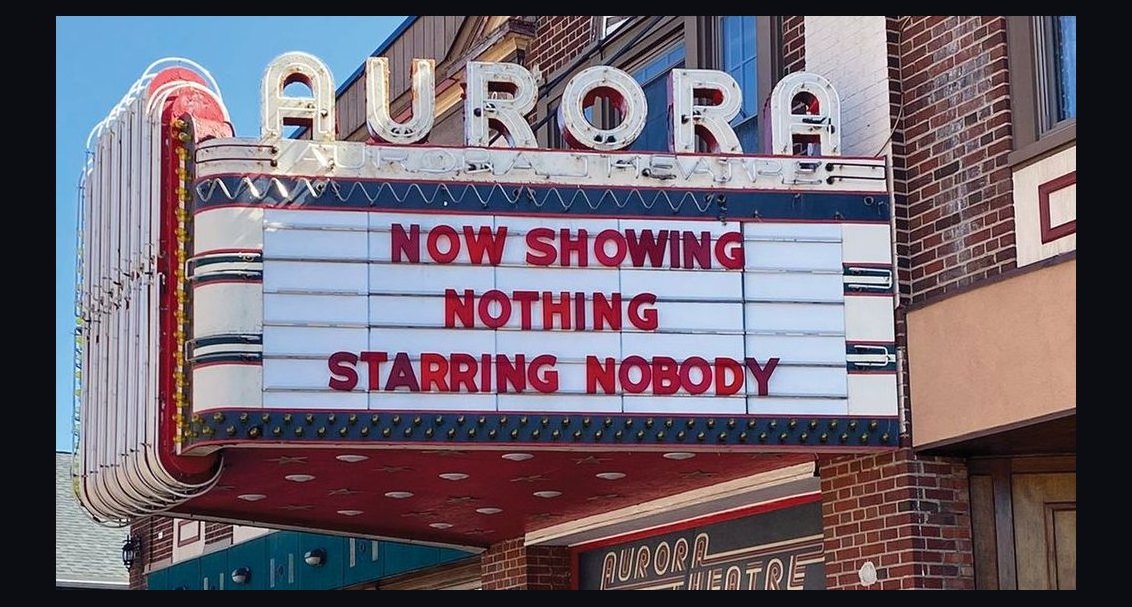 revopsHow do movie studios decide which films to release during the summer blockbuster season versus other times of year in 2027?
 revopsWhat makes a movie's sound design win an Oscar in 2027?
 revopsHow does streaming a movie in 4K actually affect data usage compared to HD in 2027?
 revopsHow much does it cost to restore and preserve an original 35mm film print in 2027?
 revopsHow does a movie earn an NC-17 rating instead of an R in 2027?
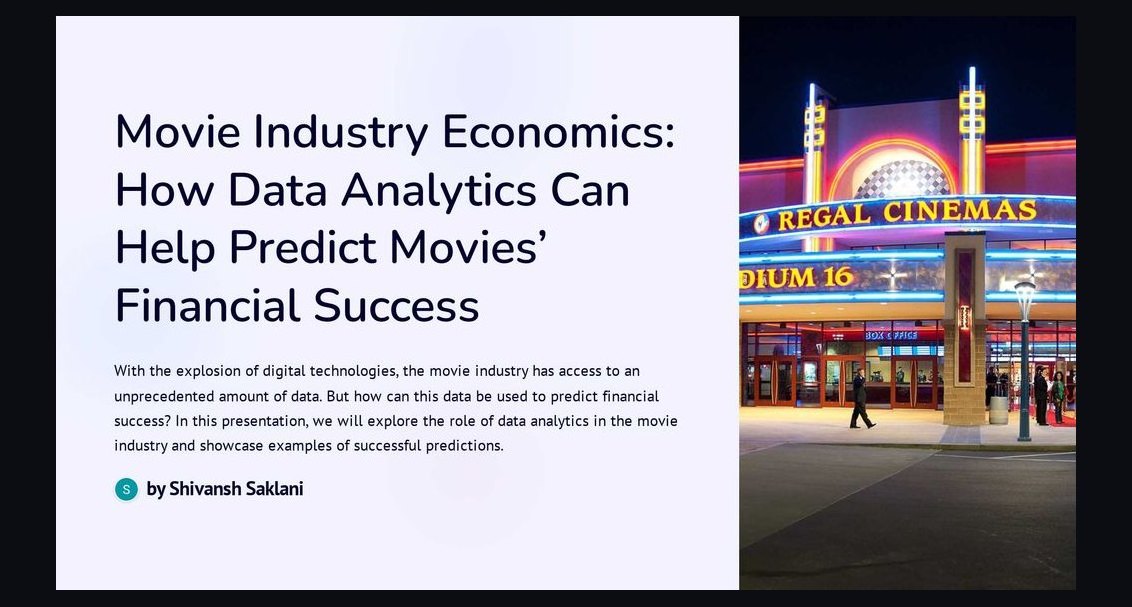 revopsHow does the industry decide which movies get preserved in the National Film Registry in 2027?
 revopsWhat's the age difference between Robert De Niro and Al Pacino in 2027?
 pulse-toolsHow do I structure a fractional CRO's first 90-day plan when the sales team has no documented handoff between marketing and sales in 2027?
 pulse-toolsHow Many Sales Reps Do I Need to Hire for My Home Security and Alarm Company in 2027?