
What are the steps to find movies similar to a specific title in 2027?
 PULSEKNOWLEDGE LIBRARY
Start with the title's own metadata — director, writer, genre, decade, tone — then pull recommendation lists from a streaming service, a database like TMDB or Letterboxd, and a human source such as a subreddit or critic list. Cross-reference the three, discard titles that only share a genre tag, and rank the survivors by which specific element you actually want repeated.
The scenario: you loved one film and every recommendation engine hands you the wrong twenty
You finish a movie on a Friday night in 2027. It lands. The next morning you want another one like it, so you tap the "More Like This" row your streaming app helpfully placed under the credits, and you get twenty tiles that share a single crude attribute — same decade, same headline star, same one-word genre bucket. You watch two of them. Neither one is remotely similar in the way that mattered to you.
This is the actual problem, and it is a matching problem, not a search problem. The reason the row failed is that "similar" is not one thing. When someone says they want movies similar to a specific title, they are usually pointing at exactly one axis of that film and treating it as the whole. One viewer who loved *Arrival* wants more quiet, grief-shaped science fiction. Another wants more Denis Villeneuve. A third wants more first-contact plots. A fourth wants more films built around a nonlinear reveal. All four typed the same title into the same box, and a single ranked list cannot serve them, because those four axes point at four almost disjoint sets of films.
So the first move in any workable process is not searching. It is decomposition. Before you open a single tool, write down in one sentence what you actually want repeated. Not "I liked it" — the specific thing. Was it the pacing? The cinematographer's palette? The moral ambiguity of the lead? The fact that it was a two-hander shot mostly in one location? A single sentence of intent turns a vague vibe into a filterable attribute, and every step after this one gets easier because you now have a test you can apply to candidates.

The second reality worth naming up front: no single source is good at this. Streaming "more like this" rows are optimized for retention on that platform's own catalog, so they will never recommend a film you would have to rent elsewhere. Algorithmic similarity on databases is largely keyword and co-watch driven, which surfaces the popular neighbors and buries the genuinely close ones. Human-curated lists are the most accurate on tone and the least complete on coverage. The steps below work because they triangulate across all three failure modes rather than trusting any one of them.
Budget expectation: a careful pass takes about twenty to thirty minutes and produces a shortlist of five to eight titles with a hit rate you'll actually be happy with. A lazy pass takes ninety seconds and produces the twenty tiles you already rejected. The rest of this page is the twenty-minute version, broken into steps you can run on any title.
How the mechanism actually works: the five-step pipeline
Here is the process end to end. Run it in order; each step narrows the field the next one operates on.
Step one — decompose the source title into attributes. Open the film's page on a database (TMDB, IMDb, Letterboxd, Wikipedia) and write down eight to twelve concrete attributes: director, writer, director of photography, composer, release year, country of origin, runtime, primary genre, two or three secondary genres, keyword tags, and the structural shape (ensemble, two-hander, heist, road film, single-location, nonlinear). Wikipedia's plot section and the production section are especially useful because they name the influences the filmmakers themselves cited — those cited influences are frequently the single best recommendation source available, and they are free.

Step two — mark which attributes carry the similarity. Circle two or three from your list. Ignore the rest, deliberately. If what you loved was a slow-burn single-location thriller, then "2019" and "American" are noise and "single-location," "under 100 minutes," and "sustained tension without a score" are your filters. This is the step almost everyone skips, and skipping it is why generic recommendation lists feel random — they weight all attributes roughly equally, and you don't.
Step three — run three independent sources. Not one. Three, of different kinds: (a) an algorithmic source — the recommendations tab on TMDB or the "Similar" tab, or your streaming app's row; (b) a structured-data source — search by your circled attributes directly, e.g. a Letterboxd or JustWatch filter for genre plus decade plus runtime, or a crew search for the same director of photography; (c) a human source — a Letterboxd list, a subreddit thread, a critic's year-end column, or the "influences" trail from step one. Each source has a different bias, so the overlap between them is signal.
Step four — cross-reference and cut. Take the union of the three lists and mark every title that appeared in at least two of them. Those are your primary candidates. Then apply a hard test to each: does it repeat the specific attributes you circled in step two, or does it merely share a genre label? Anything that fails that test gets cut, no matter how many lists it appeared on. Popularity is a co-watch artifact, not a similarity signal.

Step five — verify before committing two hours. For each survivor, watch the trailer at 1.5× or read two paragraphs of a spoiler-light review that describes tone rather than plot. You are checking one thing: does this reproduce the attribute you circled? A ninety-second check saves a two-hour mistake at a roughly eighty-to-one time ratio, which is the best return in the whole process.
The pipeline is deliberately cheap at the front and expensive at the back. Steps one and two cost five minutes of thinking. Step three costs ten minutes of clicking. Steps four and five cost the remaining time but only run against a field you've already narrowed, which is why the whole thing fits in half an hour instead of an evening.
Real numbers: how many candidates each source yields and what survives
Concrete expectations, so you know when a step has gone wrong.
Attribute extraction (step one) should produce eight to twelve attributes. Fewer than six usually means you only read the genre tags and skipped the crew and structural attributes, which are the ones that actually predict similarity. Databases typically list twenty to forty keyword tags per film; you want the four or five that are specific ("nonlinear timeline," "hitman," "single location") and none of the generic ones ("based on a novel," "friendship"), which appear on tens of thousands of titles and carry near-zero discriminating power.

Algorithmic sources (step 3a) return roughly twenty titles per query. Expect a low hit rate here — in practice a handful feel genuinely similar and the rest are same-genre, same-era, or same-star filler. That is not a bug in the tool; those systems optimize for broad engagement across all users who watched the source title, which is exactly the four-different-viewers problem from the previous section. Treat this list as a candidate generator, never as an answer.
Structured filters (step 3b) are the highest-precision source and the narrowest. A crew-based search — same director of photography, same composer, same screenwriter — often returns only five to twenty films total across a career, and the hit rate within that set is high because craft signatures transfer between projects far more reliably than genre labels do. Same-director searches are the obvious version; same-DP and same-editor searches are the underused version and frequently the better one, because a cinematographer's palette and an editor's rhythm are often the thing you actually responded to.
Human sources (step 3c) vary enormously in size. A well-curated list runs twenty to a hundred titles. A good forum thread produces five to fifteen suggestions with reasons attached, and the reasons are worth more than the titles — a comment that says "similar because of the way it withholds the antagonist" tells you whether the recommendation matches your circled attribute. Prefer sources where people explain *why* something is similar. Bare lists without reasoning are barely better than algorithmic output.

Overlap rate (step 4). Across three independent sources of twenty to forty candidates each, expect meaningful overlap on only a small fraction — often five to fifteen titles appear on two or more lists, and one to three appear on all three. Titles hitting all three are your strongest bets. If you get zero overlap, one of your sources was mis-specified: usually the structured filter used the wrong attribute, or the human source was about a different film in the same franchise.
Final shortlist. Five to eight titles is the right output size. Below five, you filtered too aggressively or the source title is genuinely unusual (very common with formally experimental films, which have few close neighbors by construction). Above twelve, you didn't actually apply the step-two attribute test and you're back to a genre list.
Time budget. Roughly five minutes on steps one and two, ten on step three, five on step four, and one to two minutes per survivor on step five. Half an hour, once, produces a queue that lasts several weeks — the amortization is what makes the effort worth it versus re-running a lazy search every single night.
Recency in 2027. Databases lag theatrical release by days for metadata but weeks to months for useful keyword tags and user lists, because tags are crowdsourced and accumulate over time. For a film released in the last three months, the human sources dominate — the algorithmic recommendations haven't gathered enough co-watch data yet, and the tag set is thin. For anything older than about a year, all three sources are usable.

Trade-offs: which approach to reach for, and what each one costs you
There is no single best method, only methods with different failure modes. Pick based on what you know about your own preference.
Crew-based matching — follow the director, DP, writer, editor, or composer. Highest precision, lowest recall. If you loved a film's look, following the cinematographer is close to a cheat code. The cost: it produces small sets, it misses the many films with similar qualities made by entirely different people, and it fails completely when the thing you loved was a story structure rather than a craft signature.
Tag and keyword matching — filter on the specific descriptive tags. Medium precision, high recall, very fast. The cost: tag quality is inconsistent because it's crowdsourced, and generic tags will flood your results if you don't prune them by hand.

Collaborative filtering — the "people who watched this also watched" engines behind most streaming rows. High recall, low precision, zero effort. It optimizes for what's popular among people who share one data point with you. The cost is the entire problem this page exists to solve, though it is genuinely useful as a raw candidate generator in step three.
Human curation — lists, threads, critics who write comparatively. Highest precision on tone and mood, which is exactly what the machines are worst at. The cost: coverage is spotty and idiosyncratic, and popular films have thousands of lists while obscure ones have none.
Chronological and influence tracing — read the production notes, find the films the filmmakers cited, then find what *those* films cited. Excellent for finding the ancestors of a style. The cost: it moves backward in time only, so it will never surface a film made after the one you loved.
LLM-assisted search — describe the specific attributes in natural language and ask for matches. Strong at the decomposition step and at understanding a request like "similar in structure but not in genre," which no filter UI expresses well. The cost is real and worth stating plainly: models will confidently produce plausible-sounding titles that do not exist, or attribute a film to the wrong director. Every title an LLM returns must be verified against a database before it enters your shortlist. Used as a brainstorming layer feeding step three, with verification, it is genuinely useful; used as the final answer, it will waste your evening.

The practical answer for most people is a blend weighted toward whichever axis they circled in step two. If you can't decide which axis matters, that itself is information: run the human-curation path first, because tone is the most common unstated reason a film lands.
Common pitfalls and how to avoid them
Mistaking genre for similarity. The single most common failure. Two horror films can share nothing meaningful. Two films that share no genre tag at all can be near-twins in structure. Avoid it by writing your step-two attributes as sentences, not tags: "a long con revealed in the last ten minutes" is filterable in a way "thriller" never is.
Anchoring on the star. Star-based recommendation is the laziest signal a system has and it dominates streaming rows. An actor's filmography spans wildly different films. Unless the performance itself was the thing you loved, and specifically that actor's register in it, drop the star from your attribute list entirely.

Trusting a single source. If you only run the streaming row, you get that platform's catalog filtered by that platform's retention goals. If you only run a subreddit thread, you get whatever three people happened to reply that day. The cross-reference in step four is the entire quality mechanism — a title that appears independently in an algorithmic list, a structured filter, and a human recommendation is far more likely to be a real match than one that appears on any single list, however confidently.
Accepting unverified titles. Applies to LLM output most sharply, but also to forum comments where someone half-remembers a title. Before a film enters your shortlist, confirm it exists on a database with the year and director you expect. This takes ten seconds and eliminates an entire failure class.
Franchise contamination. Searching for films similar to one entry in a series returns the rest of the series, which you already know about, plus other franchise entries that share only the property structure. Filter sequels and same-franchise entries out explicitly before you cross-reference; they crowd out genuinely new discoveries.
Over-filtering into an empty set. If you circle five attributes and demand all five, you will find nothing, because the film you loved may be the only one that combines them. Two or three attributes is the working range. If you hit zero results, relax the least important one and re-run rather than abandoning the process.

Ignoring availability until the end. Nothing is more deflating than a perfect eight-title shortlist where six are unavailable in your region. Run availability as a *late* filter, not an early one — but do run it. A streaming-availability search engine handles this in a single pass across services, and it's worth doing before you get attached to a title. Keep the unavailable ones on a separate watchlist rather than deleting them; catalogs rotate constantly and a title unavailable this month often returns.
Confusing "acclaimed" with "similar." Recommendation lists drift toward highly rated films because ratings are the easiest available proxy for quality. A brilliant film is not thereby similar to the one you loved. Judge candidates purely against your circled attributes, and keep quality as a tiebreaker between titles that already passed the similarity test.
Not writing anything down. Six weeks later you will not remember which of the twenty candidates you already rejected and why. A three-line note per rejected title — name, source, reason cut — makes the next run on the next title dramatically faster, because rejection reasons generalize across searches in a way the acceptances don't.
Related questions
How do I find movies similar to a specific title when it's very obscure?
Skip algorithmic sources entirely — they need co-watch volume that obscure films don't have. Go straight to crew searches and to the film's own cited influences in its Wikipedia production section, then find niche curated lists and forum communities built around the specific style or era.
Does searching by director actually work for finding similar films?
Often, but not reliably. Directors change registers deliberately across a career, so a same-director search can return films with nothing in common beyond the credit. It works best when the director has a strong, consistent formal signature, and worst for versatile journeyman filmmakers.
What's the fastest version of these steps if I only have five minutes?
Decompose the title into two attributes, run one algorithmic list and one human list, keep only the overlap, and check one trailer. You lose the structured-filter precision, but the two-source cross-reference alone eliminates most of the bad recommendations.
Should I use an AI chatbot to find similar movies?
As a brainstorming and decomposition layer, yes — it's good at parsing "similar in structure but different in genre." As a final source, no. Verify every title it returns against a real database before adding it to your list, because confident fabrication is its characteristic failure mode.
How many similar movies should I end up with?
Five to eight. That's enough to survive two or three misses and still have a queue, and small enough that you actually apply the verification step to each one. Twenty-title lists never get verified, which is why they underperform.
FAQ
What are the steps to find movies similar to a specific title in 2027?
Decompose the title into eight to twelve concrete attributes, circle the two or three that carry the similarity you actually want, run three independent sources — an algorithmic recommendation list, a structured filter on your circled attributes, and a human-curated list or thread — keep titles that appear in at least two, apply an attribute test to cut genre-only matches, and verify each survivor with a trailer or a tone-focused review before committing.
Why do streaming "more like this" rows recommend films that aren't similar?
Because they optimize for engagement across everyone who watched the source title, not for your specific reason for liking it, and they're restricted to that platform's catalog. Four viewers can love the same film for four incompatible reasons; a single ranked list can't serve all four, so it defaults to broad genre and popularity signals.
Which database is best for this?
They're complementary rather than ranked. Use a metadata-rich database for crew and keyword attributes, a social film-logging site for human lists and tag-based filtering, an encyclopedia entry for production notes and cited influences, and an availability search engine for the late-stage regional filter. The cross-reference between them is where the value comes from.
How do I search for a film's look rather than its plot?
Search by crew. Find the director of photography, then look at their other credits — a cinematographer's palette, lens choices, and lighting approach transfer between projects far more consistently than genre labels do. The same works for composers when it was the score that landed, and for editors when it was the rhythm.
What if the cross-reference produces no overlapping titles at all?
One of the three sources was mis-specified. Check whether the structured filter used a generic tag instead of a specific one, whether the human source was actually discussing a different entry in the same franchise, and whether the film is recent enough that algorithmic data hasn't accumulated. Re-run the weakest source with a corrected query.
Do these steps change for films released in the last few months?
Yes. Crowdsourced keyword tags and co-watch recommendation data both need time to accumulate, so for very recent releases the algorithmic and tag-based sources are thin. Lean harder on human sources — reviews, threads, critic comparisons — and on crew searches, which work immediately because credits are published at release.
Sources
- https://www.themoviedb.org/
- https://www.imdb.com/
- https://letterboxd.com/
- https://www.justwatch.com/
- https://www.rottentomatoes.com/
- https://www.metacritic.com/
- https://www.criterion.com/
- https://en.wikipedia.org/wiki/Recommender_system
- https://www.bfi.org.uk/
Related on PULSE
- How to build a personal watchlist system that you actually use
- Why streaming recommendation algorithms surface the same titles repeatedly
- How to research a director's filmography before committing to a deep dive
- What crew credits tell you about how a film will look and feel
- How to verify AI-generated recommendations before acting on them
 pulse-recentTop 10 Movies to Watch on a Rainy Day in 2027
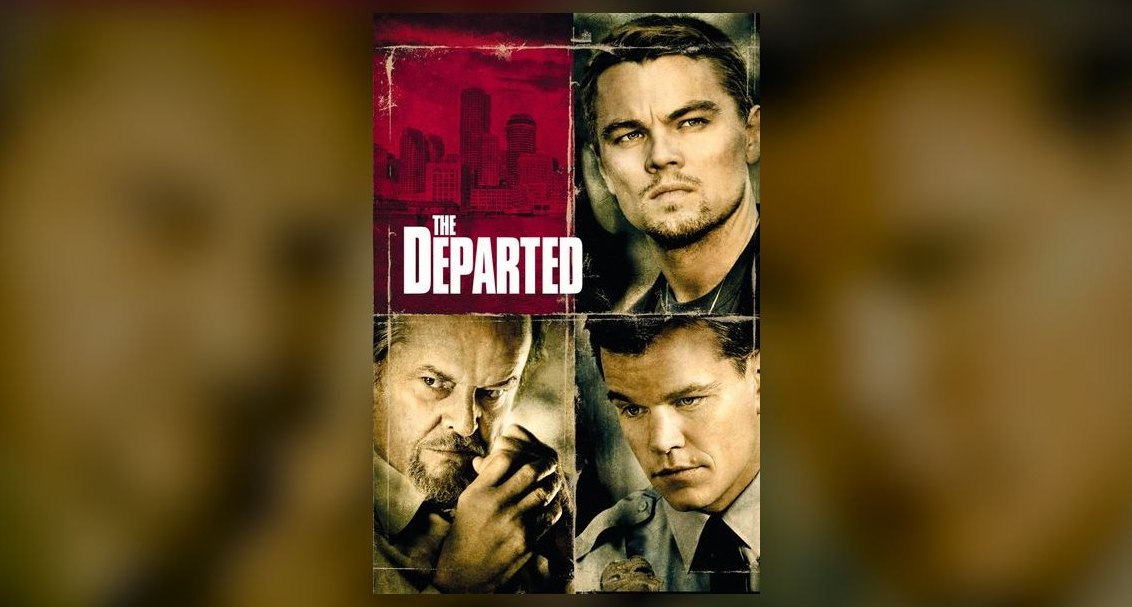 pulse-recentTop 10 Movies Like The Departed in 2027
 pulse-recentTop 10 Movies Like The Dark Knight in 2027
 pulse-recentTop 10 Movies Like Fight Club in 2027
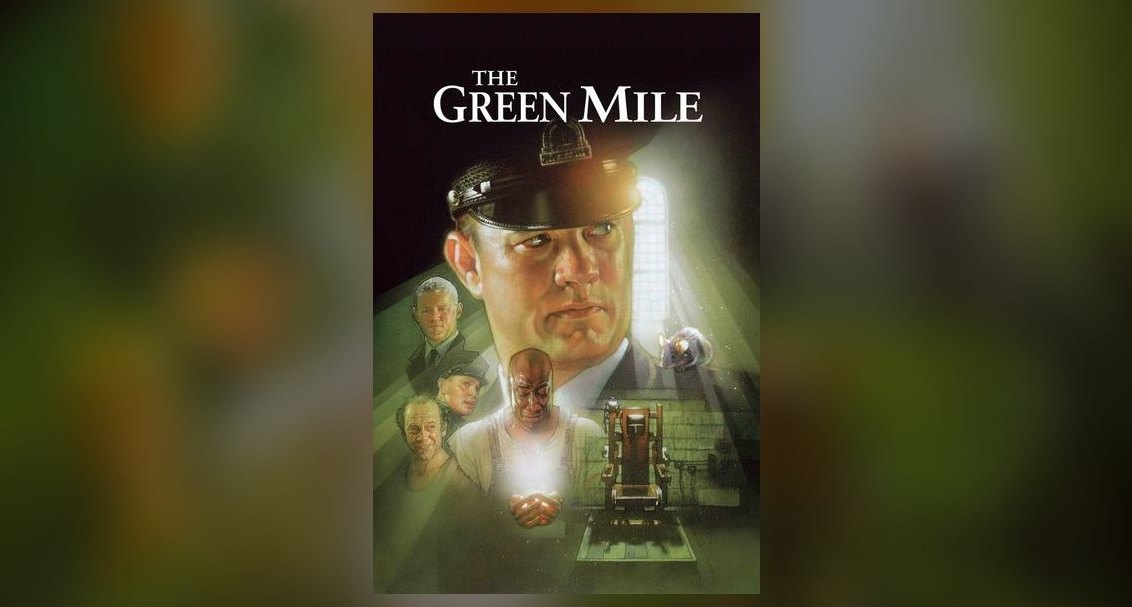 pulse-recentTop 10 Movies Like The Shawshank Redemption in 2027
 pulse-recentTop 10 Movies Like Parasite in 2027
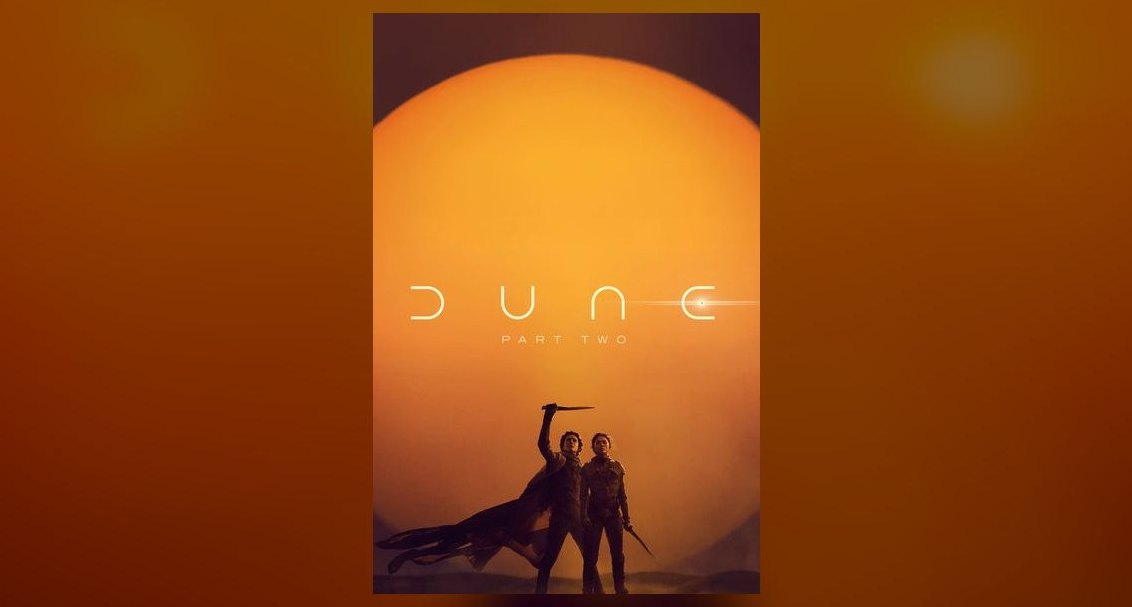 pulse-recentTop 10 Movies Like Interstellar in 2027
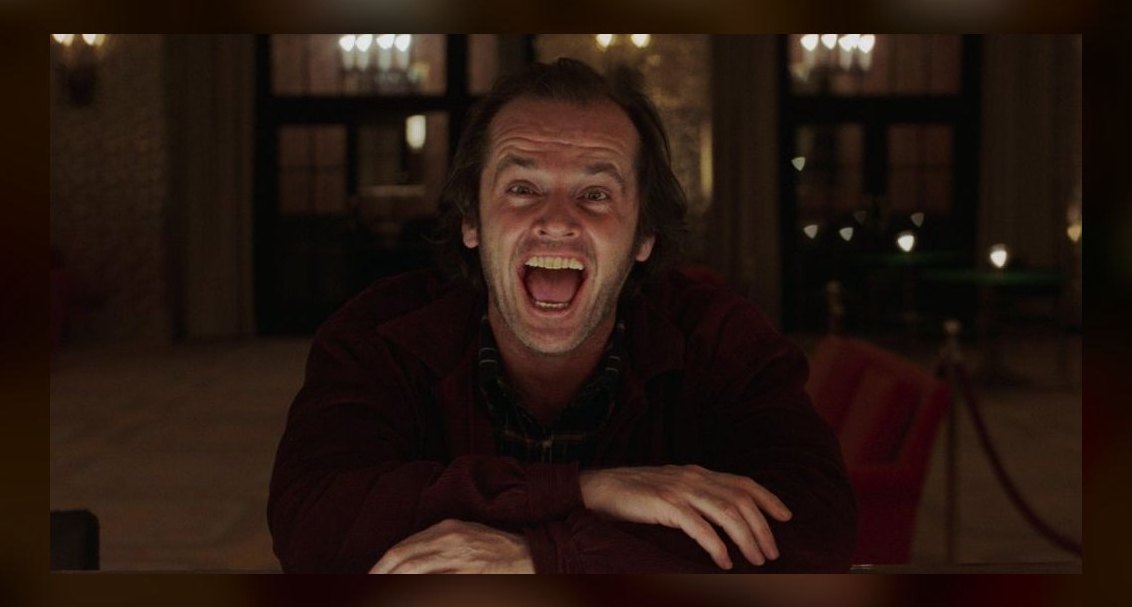 pulse-recentTop 10 Movies Like The Shining in 2027
 pulse-recentTop 10 Movies Like The Godfather in 2027
 pulse-recentTop 10 Movies Like Goodfellas in 2027