


What are the top 10 NIL deals signed by college cross country runners in 2027?
Quality
Certified

No independently verified, single-source "top 10" ranking of 2027 NIL deals for college cross country runners exists publicly, because distance running sits far outside the football/basketball NIL disclosure spotlight that outlets like On3 and Opendorse track closely. What can be answered concretely: the deals that do get signed by college cross country runners cluster around running-shoe and apparel endorsements, supplement and recovery-brand partnerships, local business sponsorships, and university collective payments — typically ranging from a few hundred dollars in product-only deals up to low five figures for a runner with strong social reach or a marquee NCAA finish.
What it is and why it matters
NIL — name, image, and likeness — is the mechanism that lets a college athlete get paid for endorsements, appearances, social media promotion, and camps without losing NCAA eligibility. For revenue sports, the numbers make headlines: seven-figure quarterback deals, collective-funded rosters, and dedicated marketplaces tracking every signed agreement. Cross country sits in a completely different tier. It is a non-revenue Olympic sport with a fall season, individual scoring alongside team scoring, and a fan base that is passionate but small compared to football Saturdays. That structural reality shapes everything about how NIL money reaches a cross country runner.
The reason this question matters — and the reason it is hard to answer with a clean "top 10" list — is that most cross country NIL activity is undisclosed. Unlike some states and universities that publish aggregate NIL data for compliance reasons, individual deal terms for non-revenue-sport athletes rarely surface unless the athlete or brand posts about it. A runner who signed a New Balance or Brooks development-team-adjacent deal, or a local physical therapy clinic sponsorship, has no obligation to publish dollar figures, and most don't. So when someone asks "what are the top 10 deals signed by college cross country runners," the honest answer is that the data infrastructure to produce a verified, ranked list at that granularity doesn't exist in the way it does for football. What does exist is a consistent pattern of deal types, deal sizes, and negotiation mechanics that any college cross country runner — or the coach, parent, or agent advising them — can use to understand where the real money sits and how to go get it.

This matters for three groups: the runners themselves, who need to know what's realistic and how to position themselves; the collectives and compliance offices at NCAA member schools, who have to structure payments defensibly; and brands, who are increasingly interested in distance running as an authentic, unpaid-media-friendly space precisely because it isn't as saturated with NIL noise as football is.
The step-by-step process
A cross country NIL deal, whether it's a $200 product package or a $15,000 collective payment, moves through a fairly consistent pipeline from first contact to signed agreement. Understanding each step tells you where value gets created and where deals fall apart.
Step one is visibility. A runner's marketability starts with objective performance — conference titles, NCAA regional qualification, an appearance at nationals in Terre Haute — combined with a story that travels beyond the results page: a comeback from injury, a walk-on-to-scholarship arc, or simply consistent, high-quality content about training and racing. Step two is brand or collective discovery, which increasingly happens through NIL marketplaces (Opendorse, INFLCR, Icon Source) rather than cold outreach, though direct-to-athlete contact from regional running stores and supplement companies remains common in the sport. Step three is the actual negotiation, where a runner (often with a parent, coach, or NIL-focused agent involved) and the brand settle on deliverables — a set number of Instagram or TikTok posts, a wear-test period, an appearance at a race expo — and the payment structure, which for cross country is more often a flat fee or product-plus-small-fee hybrid than a royalty or bonus-laden structure.
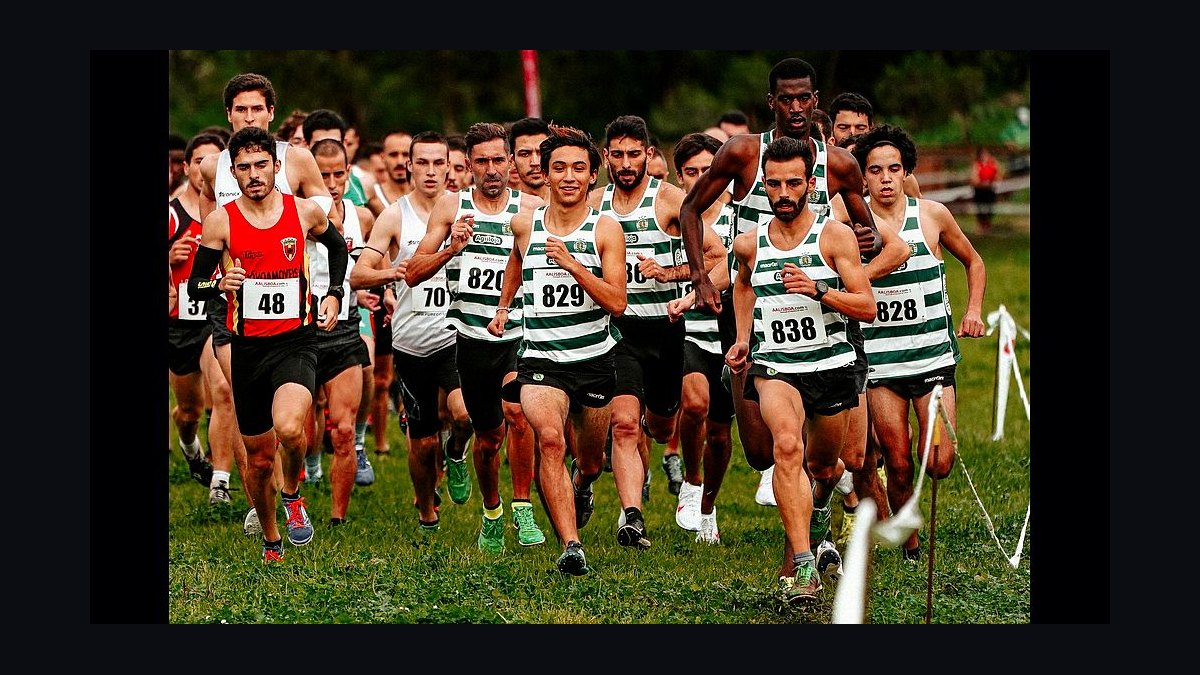
Step four is the part unique to college sports: every deal has to clear the athlete's school NIL compliance office, which checks for conflicts with existing team sponsorships (a runner can't easily sign with a shoe brand that competes with the team's official apparel provider without a carve-out), state law compliance, and NCAA policy on pay-for-play (the deal must be for legitimate promotional activity, not disguised recruiting inducement). Only after that review does the contract get signed and deliverables begin. The final step — tracked but often skipped by less experienced runners — is measuring whether the deal performed (engagement, sales codes redeemed, race-day visibility) so it can be renewed or renegotiated the following season.
Costs, timelines, and typical ranges
Because verified public disclosure is thin in distance running, the honest way to talk about cost and timeline is in ranges drawn from the deal types that consistently appear in the sport, not from named individual contracts.

Product-only deals — free shoes, apparel, supplements in exchange for social posts and a testimonial — are the entry point and cost the brand almost nothing beyond product and shipping; they typically run on a semester or full-season basis and require two to six posts. Small cash-plus-product deals from local businesses (running stores, physical therapy practices, juice bars, orthotics companies near campus) tend to run from roughly $100 to $1,500 per semester, negotiated directly and closing within one to three weeks of first contact since there's no marketplace intermediary slowing things down. Regional or category brand deals — a supplement company, a recovery-tech brand, a running-specific apparel label looking for a roster of college ambassadors — generally land in the $500 to $5,000 range per year, often paid quarterly, and take four to eight weeks to finalize because they usually route through a marketplace platform and involve a standard contract template plus a compliance check.
At the top of the realistic range for a college cross country runner — someone with an NCAA nationals appearance, strong regional name recognition, or a large running-content social following — collective payments and multi-deliverable brand ambassadorships can reach the low five figures annually, though this remains rare and concentrated among a small number of standout individual performers rather than being typical for the sport. Multi-year deals are uncommon in cross country NIL compared to football; most agreements are single-season or single-academic-year, renewed based on performance and content output rather than locked in with escalators. Timeline-wise, expect two to four weeks from signed letter of intent to first payment for straightforward product-and-cash deals, and six to ten weeks for anything routed through a collective, since those payments often batch on a semester disbursement schedule tied to team-wide NIL fund allocation rather than paying out per-athlete on demand.
Where teams get it wrong

The most common mistake schools and collectives make is treating cross country and track NIL as an afterthought bolted onto a football-first program, which produces two recurring failures. First, compliance offices sometimes apply football-scale contract templates and disclosure thresholds to a $300 shoe-brand deal, creating so much administrative friction that the runner or the brand simply walks away rather than complete the paperwork. A cross country program that wants NIL activity to actually happen needs a lightweight, sport-appropriate intake process — not the same eight-page compliance form used for a seven-figure quarterback deal.
Second, collectives frequently under-invest in cross country and track athletes relative to the return those sports can generate in reputational and recruiting value, because the dollar-for-dollar comparison to football looks unfavorable on paper. This ignores that a distance program with visible, well-supported NIL activity becomes a real recruiting differentiator against peer programs that offer nothing, at a fraction of the cost of a single football NIL deal. Programs that get this right — often at schools with strong track and field tradition — build a small, dedicated NIL pool specifically for Olympic sports rather than letting football absorb the entire collective budget.
A third, athlete-side error is signing exclusivity clauses without understanding the tradeoff: a runner who signs an exclusive shoe deal for $400 can accidentally forfeit the ability to accept a $2,000 opportunity from a competing brand later that season, because the exclusivity term was written broadly instead of scoped narrowly to "athletic footwear" or a specific time window. Runners and their advisors should push back on open-ended exclusivity language, especially in low-dollar deals where the exclusivity cost far outweighs the payment received. Finally, many runners simply don't ask — cross country athletes are far less likely than football or basketball players to have an agent or NIL-savvy advisor walking them through negotiation, which means they frequently accept the first offer rather than countering, even though brands in this space typically have real room to negotiate on deliverable count or payment terms.
Decision framework: when to choose what
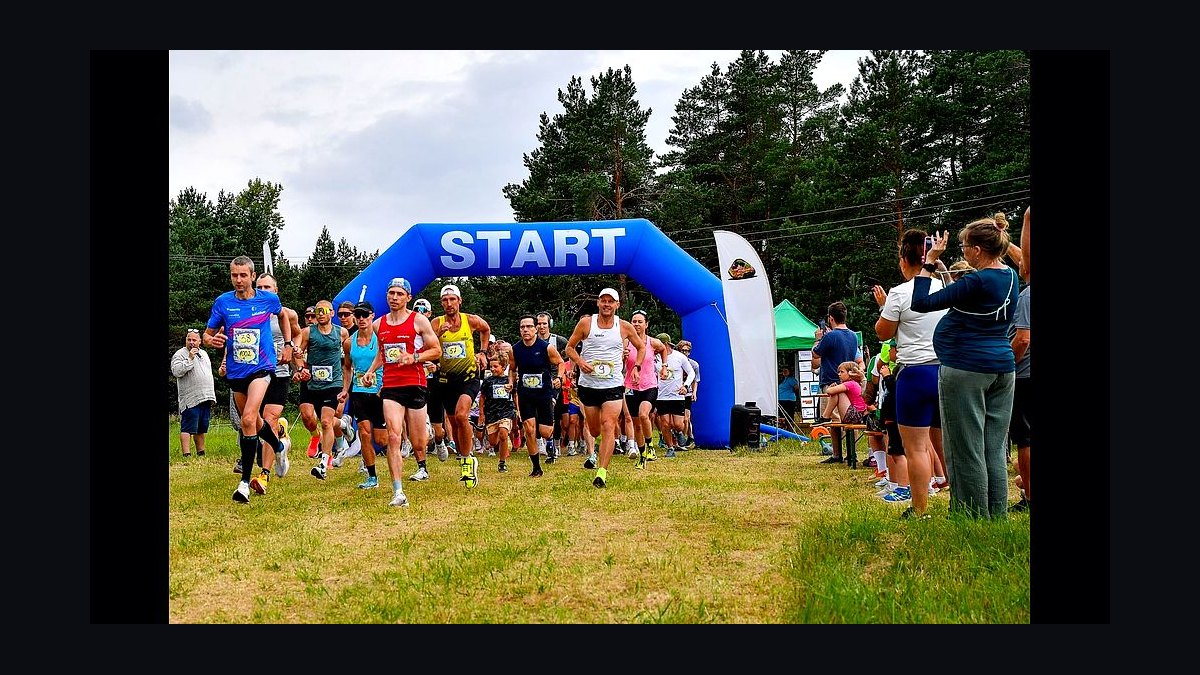
Not every opportunity is worth signing, and not every runner should chase the same deal structure. The right choice depends on where the runner is in their competitive career and what they're optimizing for — cash now, long-term brand relationship, or exposure that supports a post-collegiate professional running attempt.
A runner early in their career with limited race results should lean toward product-and-content deals that build a portfolio and social proof, even at low or no cash value, because the goal at that stage is establishing a track record that makes the next, better-paying deal easier to land. A runner with a breakout season — a conference title, an NCAA regional win, a fast time drop — has genuine leverage in that moment and should prioritize cash-forward deals over pure product arrangements, since brand interest in distance runners spikes hard right after a headline result and fades within weeks. A senior planning to turn professional after college should weight decisions toward brands that could plausibly extend into a post-collegiate sponsorship (shoe companies with development programs, running-specific apparel brands with elite teams) over one-off local business deals, even if the immediate payment is smaller, because the relationship continuity matters more than any single semester's paycheck. Across all of these, the non-negotiable checkpoint is compliance: any deal that creates ambiguity about pay-for-play or conflicts with an existing team sponsorship needs a school compliance sign-off before a signature goes on anything, regardless of how good the terms look.
Related questions

How much can a college cross country runner actually earn from NIL?
Most earn nothing to a few hundred dollars in product value; standout performers with strong results or social reach can reach low four to low five figures annually through combined brand and collective deals.
Which brands sponsor college cross country athletes?
Running shoe and apparel companies, supplement and recovery brands, and local businesses near campus (running stores, physical therapy, nutrition shops) are the most consistent sponsors.
Do NIL collectives pay track and field or cross country athletes?
Some do, through dedicated Olympic-sport funding pools, but allocation varies enormously by school and is almost always smaller than football or basketball collective spending.
Can a cross country runner lose eligibility over an NIL deal?
Only if the deal is structured as pay-for-play or violates state/NCAA rules; deals cleared through school compliance for legitimate promotional work do not affect eligibility.
FAQ
Is there an official, verified top 10 list of cross country NIL deals for 2027? No centralized, verified disclosure source publishes deal-level rankings for cross country specifically; most tracked NIL rankings focus on football and basketball, where valuations and payments are more consistently reported.

What's a realistic first NIL deal for a college cross country runner? A product-based deal with a local running store or supplement brand, usually free product plus a small stipend, in exchange for a handful of social media posts each semester.
Do cross country runners need an agent to sign NIL deals? Not for smaller product or local-business deals, but an agent or NIL-savvy advisor is valuable once cash offers or exclusivity clauses enter the picture, since negotiating leverage is often left on the table otherwise.
How does a runner's race result affect their NIL value? A strong conference, regional, or national result creates a short window of elevated brand interest; runners who have content and outreach ready to go immediately after a breakout race capture more value than those who wait.
Are NIL deals for cross country runners public information? Rarely in full detail; some schools publish aggregate NIL totals by sport for compliance transparency, but individual contract terms are typically private between the athlete, brand, and school compliance office.
What should a runner check before signing any NIL contract? Deliverable count and deadlines, exclusivity scope, payment schedule, and whether the school's compliance office has approved it — skipping the compliance check is the single most common way a deal goes wrong.
Sources
- https://www.on3.com/nil/
- https://www.opendorse.com/
- https://www.ncaa.org/sports/2021/6/9/name-image-and-likeness.aspx
- https://www.sportico.com/tag/nil/
- https://frontofficesports.com/tag/nil/
- https://www.letsrun.com/
- https://ustfccca.org/
- https://www.usatf.org/
Related on PULSE
- How do NCAA NIL collectives decide funding for non-revenue sports?
- What NIL rules apply to walk-on college athletes?
- How do college coaches help athletes find NIL sponsorships?
- What's the difference between an NIL collective and a booster club?
- How do track and field athletes negotiate shoe sponsorship deals?
This page will be disappearing soon. Save it to your device for $1 — or read it free while it is here.
@Kory-White- · if Venmo asks, the last 4 of my number are 2012
This page is gone.
This one is off the shelf now. $1 keeps it on your phone for good — the whole page, pictures and diagrams included.
 pulse-recentWhat percentage commission do NIL agents typically charge student-athletes in 2027?
 pulse-recentHow do NIL sneaker deals for Air Jordan and Yeezy athletes differ in 2027?
 pulse-recentWhat are the top 10 NIL deals signed by college field hockey players in 2027?
 pulse-recentWhat are the top 10 NIL deals signed by female college athletes in 2027?
 pulse-recentHow do NIL deals for sneaker endorsements differ from traditional apparel sponsorships in 2027?
 pulse-recentHow do universities prevent NIL deals from violating Title IX in 2027?
 pulse-recentCan international student-athletes on F-1 visas legally accept NIL payments in 2027?
 pulse-recentWhat are the top 10 NIL deals signed by gymnasts in 2027?
 pulse-recentWhat are the top 10 NIL deals signed by high school football recruits in 2027?
 pulse-recentHow do state laws on NIL differ across the country in 2027?