
What type of gravel is safe for goldfish that might eat it in 2026?
 Curated byKory White · Fractional CRO · Maryland
 PULSEKNOWLEDGE LIBRARY
Quality
Certified
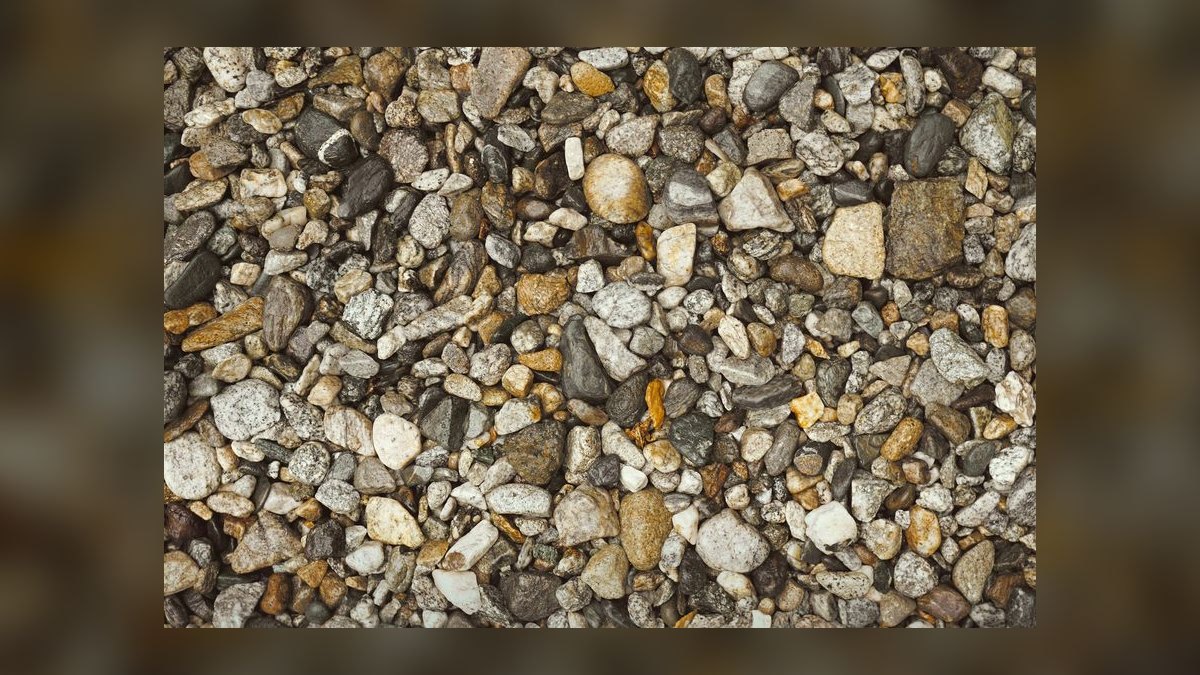
Safe goldfish gravel is smooth, rounded, chemically inert stone sized either well above or well below the fish's gape — practically, pebbles 6 mm or larger that cannot be swallowed, or fine sand under 1 mm that passes harmlessly through. Avoid the dangerous middle range, sharp crushed rock, coated or dyed gravel, and calcium-carbonate substrates.
The scenario every goldfish keeper eventually hits
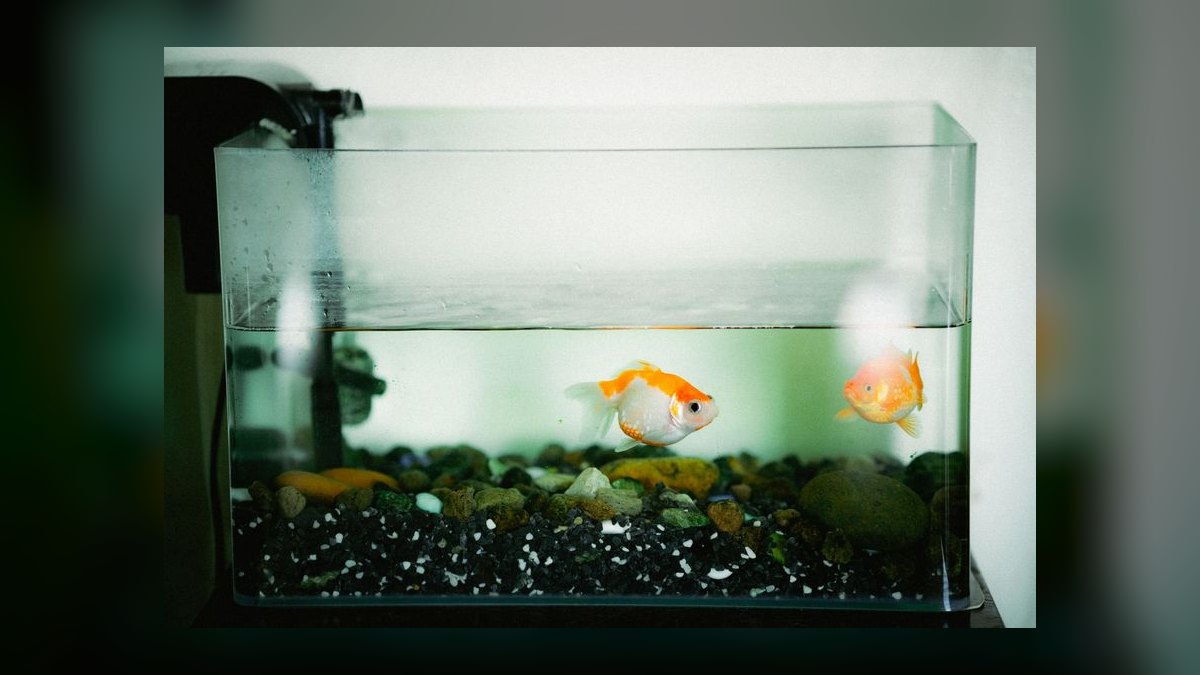
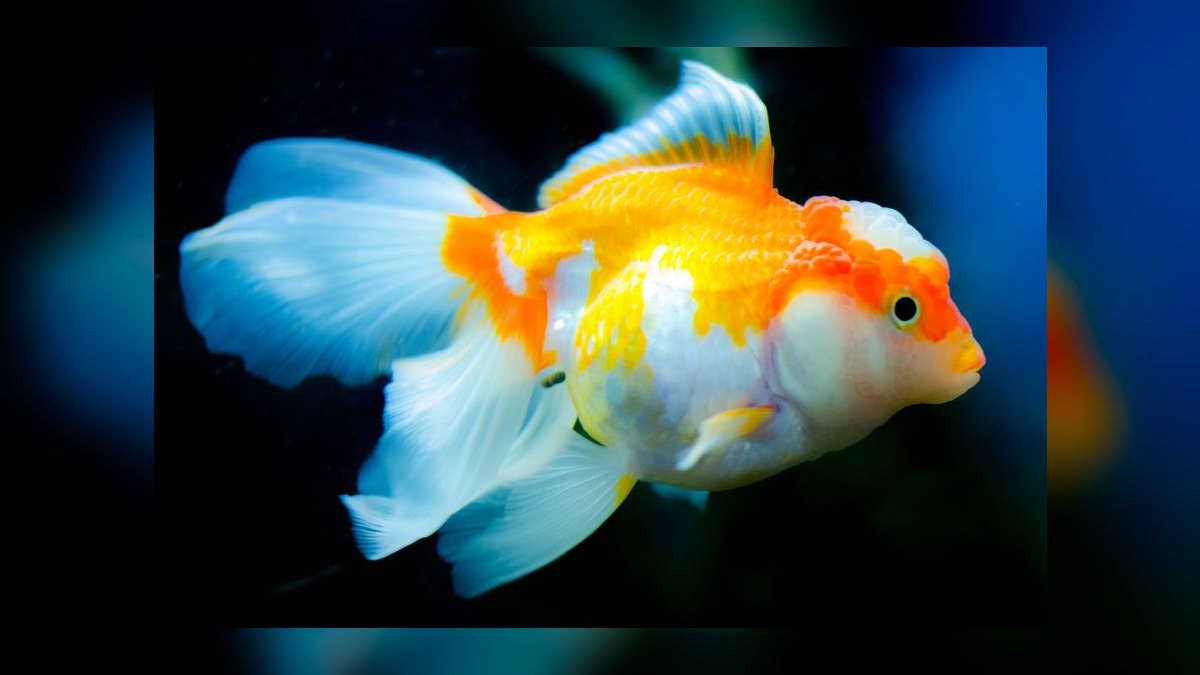
A fantail sits nose-down over the substrate, mouths a stone, chews at it, and spits it back out. Ninety-nine times out of a hundred that is completely normal foraging behavior — goldfish are cyprinids with pharyngeal teeth set back in the throat, and sifting the bottom for food particles is what they do all day. Then, on the hundredth pass, the stone does not come back out. It slides past the pharyngeal jaws, wedges in the mouth or the throat, and the fish starts gaping, shaking its head, and refusing food.
That is the failure mode this question is really about. Keepers usually arrive at it in one of three ways. The first is the pet-store starter kit: a 10-gallon tank bundled with a bag of brightly coated gravel in the 2–4 mm range, which is almost perfectly sized to jam in a young fancy goldfish's mouth. The second is the upgrade: someone moves a fish that has lived on bare glass for a year into a "proper" planted setup and buys whatever substrate the plant guide recommended, without checking it against the mouth of a fish that grew four inches in the interim. The third is the mixed tank — gravel bought in two batches, or a landscaping bag with an unscreened range of particle sizes, where 90% of the stones are safely large and 10% are not. The 10% is the whole problem.
The mechanical reality is unforgiving in a specific way. Goldfish cannot vomit efficiently, and they have no true stomach — food passes from the esophagus directly into a long intestine. A stone that clears the throat does not get broken down; it either travels the length of the gut and exits, or it does not. Small, smooth, and round tends to travel. Small, angular, or oddly shaped tends to lodge. And a stone stuck in the mouth or gill plate — the far more common presentation — causes rapid distress because the fish cannot close its mouth to pump water over the gills.
The good news is that this is a purchasing decision, not a husbandry skill. You solve it once, at the store, and it stays solved for years. There is no ongoing technique to master, no daily check, no water parameter to chase. You just have to know which bag to pick up and which to put back.
How the mechanism actually works
The safety of a substrate is not a single property. It is the intersection of four independent variables, and a gravel can pass three of them and still kill a fish by failing the fourth.
Particle diameter relative to gape. This is the dominant variable. A goldfish's functional gape — the widest object it can pull into the buccal cavity — scales roughly with body length. A two-inch juvenile can typically take in something in the 2–3 mm range. A mature five- to six-inch common goldfish can take in 5–6 mm objects without difficulty, and a large single-tail approaching eight inches can mouth stones bigger than that. This is why "3 mm is safe" advice fails: it may be true for the fish you bought and dangerously false for the fish it becomes eighteen months later. Substrate is a multi-year purchase and a goldfish is a growing animal, so size for the adult, not the juvenile.
Shape and edge geometry. Rounded river-tumbled stone slides. Crushed or fractured rock — crushed granite, crushed coral, chipped slate — has conchoidal edges that catch on soft tissue. Goldfish mouths are lined with delicate, highly vascular membrane, and a laceration there is an open door for columnaris and other opportunistic bacterial infections. Angular substrate also damages the barbels and lips of bottom-oriented fancy varieties.
Chemical reactivity. Carbonate-bearing rock (limestone, dolomite, aragonite, crushed coral, most "cichlid" and marine substrates) slowly dissolves in water, buffering pH upward and raising general hardness. Goldfish are broadly tolerant and actually do fine in moderately hard, slightly alkaline water — this matters less than the internet insists — but it removes your ability to control parameters, and it makes the tank hostile to many plants you might want later. Silica-based stone, quartz, basalt, and inert ceramic do not react.
Surface coating integrity. Dyed or epoxy-coated gravel relies on a bond between pigment and stone. In a tank with goldfish constantly abrading the substrate, that bond degrades. The chips are then in the swallowable size class regardless of how large the parent stone was.
The four-variable structure explains why the answer to "what gravel is safe" is bimodal rather than a single number. There are two safe zones — clearly too big to swallow, and small enough to pass through completely — separated by a danger band that spans exactly the range most decorative aquarium gravel is sold in. That is an unfortunate accident of the retail market, not a coincidence you can reason your way around.
Real numbers, sizes, and what to actually buy
Work from the fish backward.
Adult size targets. Common, comet, and shubunkin goldfish reach 8–12 inches of body length in adequate volume, and considerably more in ponds. Fancy varieties — fantail, ryukin, oranda, ranchu, telescope — typically settle in the 5–8 inch range including the tail, with a body of roughly 4–6 inches. Size your substrate against these figures, not against the two-inch fish in the bag.
The two safe bands.
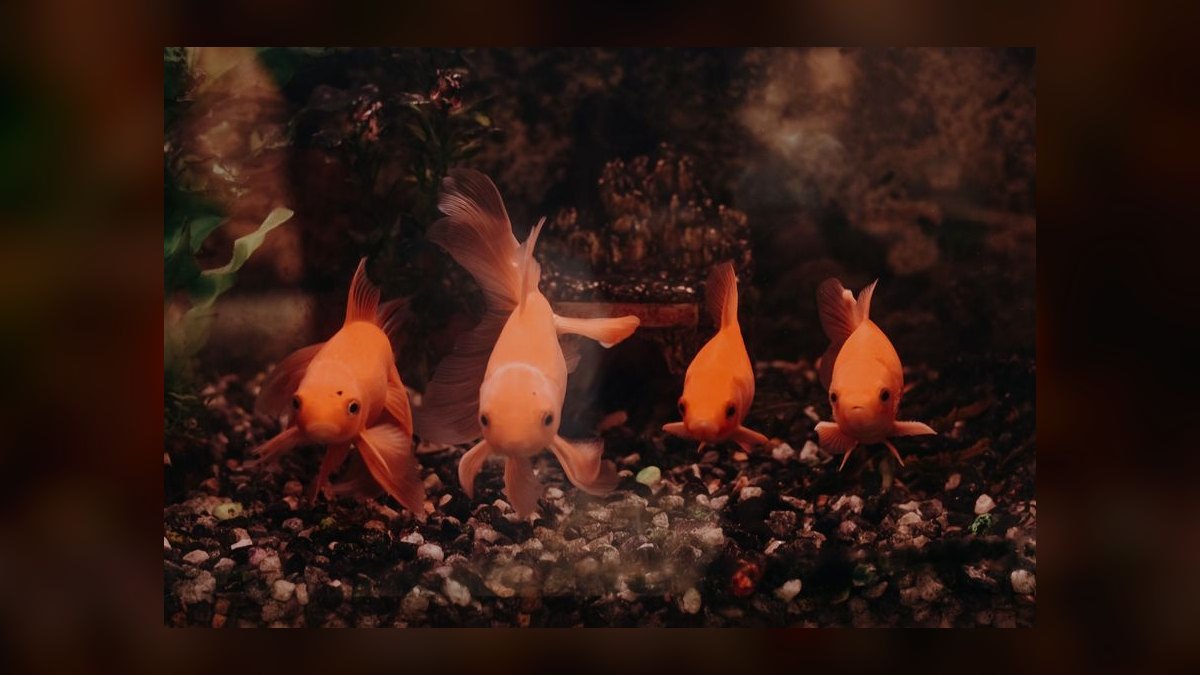
*Large pebble path:* aim for 8–15 mm as the minimum stone dimension, and treat 6 mm as the absolute floor for a fancy in a mature tank. Stones in the 10–20 mm range are unambiguously safe for any goldfish and still hold plants adequately if you anchor roots with plant weights or use pots. Landscape-grade "river pebble" or "Mexican beach pebble" in the 10–20 mm grade is inexpensive and widely available, but you must verify the mineralogy with the vinegar test — landscape suppliers do not screen for carbonate content.
*Fine sand path:* aim for 0.5–1.0 mm effective grain size. Pool filter sand is the standard choice here: it is silica-based, uniformly graded, and typically sold in 50 lb bags at a fraction of aquarium-brand pricing. Goldfish will take mouthfuls of sand and spit them out through the gills all day with no harm — this is exactly the behavior they evolved for. Keep the bed shallow, 15–25 mm, and stir it during water changes so anaerobic pockets do not develop.
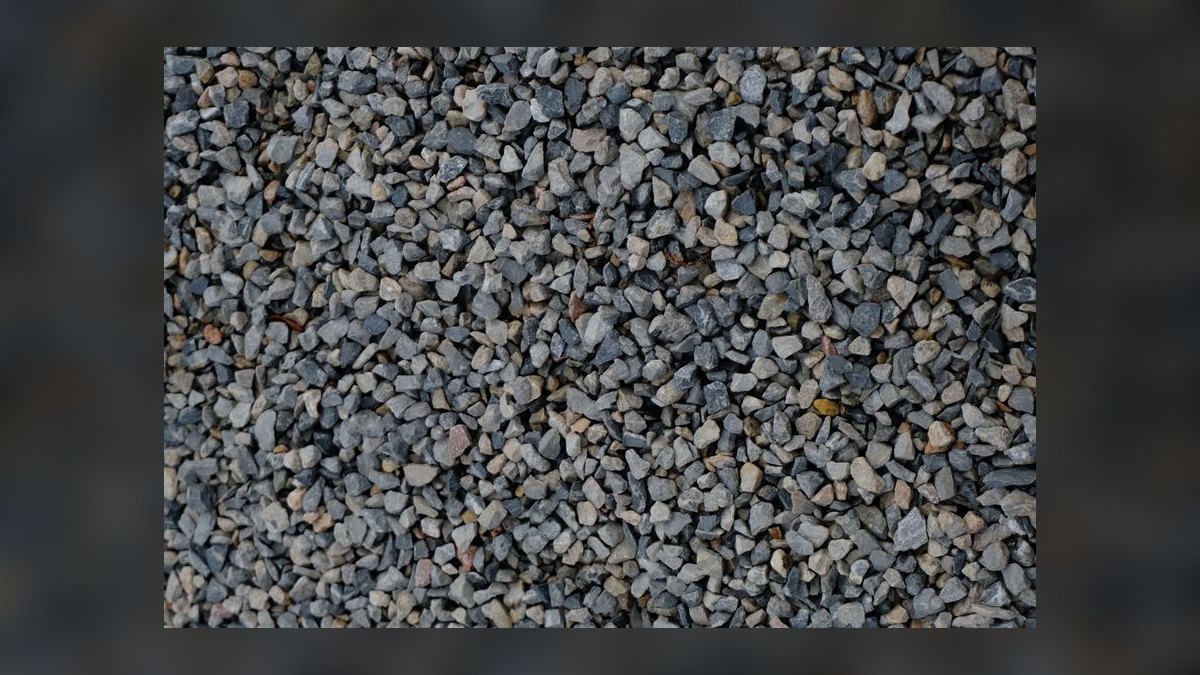
The danger band: roughly 1–6 mm. This covers standard pea gravel, most "aquarium gravel" sold in pet stores, and a lot of natural-look substrate marketed for planted tanks. Avoid it for goldfish specifically. Other fish are fine with it; goldfish are not, because of how they feed.
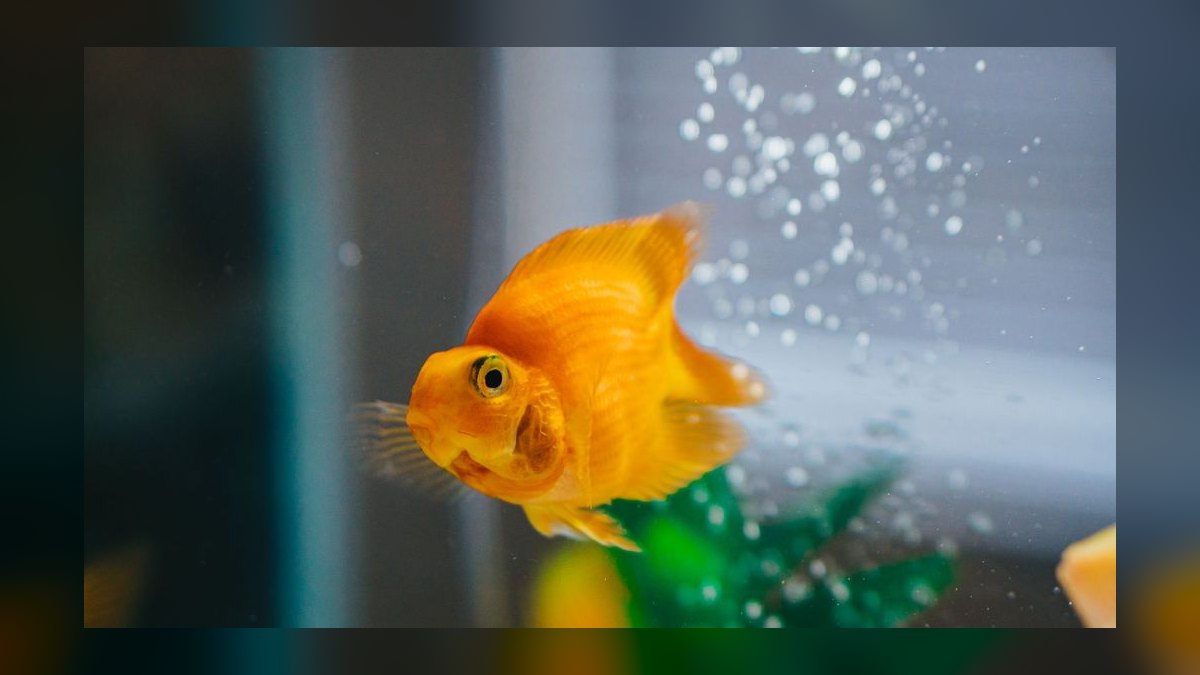
Depth and quantity. For a pebble bed, 25–50 mm of depth looks right and gives roots something to hold. Rough estimate: a US gallon of dry gravel covers about one square foot at 1.5 inches deep, and aquarium gravel runs roughly 1–1.5 lb per gallon of tank volume for a standard 2-inch bed. A 40-gallon breeder (36 × 18 inches) at 1.5 inches deep needs somewhere around 45–60 lb. Buy a little over — running short mid-setup is miserable.
Cost ranges. Branded aquarium gravel typically runs several dollars per pound. Pool filter sand and landscape river pebble typically run well under a dollar per pound in 40–50 lb bags. For a large goldfish tank the difference is real money, and the cheap options are frequently the safer ones on the size criterion.
Rinse time. Budget 20–40 minutes of rinsing for a 50 lb bag of sand and 10–20 minutes for pebble. Rinse in batches in a bucket, agitating and pouring off the cloudy water until it runs nearly clear. Under-rinsed sand will haze a tank for days and can clog filter impellers.
Observation window. After installing new substrate, watch feeding behavior closely for two weeks. Normal: mouthing and spitting stones, sifting, occasional rearrangement. Abnormal: repeated head-shaking, a stone visibly held in the mouth, gaping without gill movement, sudden food refusal, or stringy white feces persisting past a few days. The first two warrant immediate intervention; the last two warrant a fast, a check of water parameters, and a close look at the substrate size you actually installed.
Trade-offs, alternatives, and the bare-bottom argument
There is no free option here, and it helps to see the whole decision surface rather than just the safety axis.
Large pebble. Safest on ingestion, most forgiving on maintenance, and visually it reads as natural. The trade-off is detritus: goldfish are heavy waste producers, and food and feces fall into the voids between large stones where a gravel vacuum cannot easily reach. You will need to work the siphon down into the bed rather than skimming it, and you should expect to disturb the substrate more thoroughly at every water change. Large pebble also holds plants poorly without pots or weights.
Fine sand. Excellent for natural foraging behavior, and waste stays on the surface where a siphon picks it up in one pass — arguably the easiest substrate to keep genuinely clean in a goldfish tank. The trade-offs are compaction and anaerobic pockets if the bed is too deep, cloudiness if under-rinsed, and the risk of sand reaching a canister filter impeller if you siphon carelessly. Fancy goldfish with poor swim-bladder control sometimes get sand in the gill rakers, though this is rare and usually self-clearing.
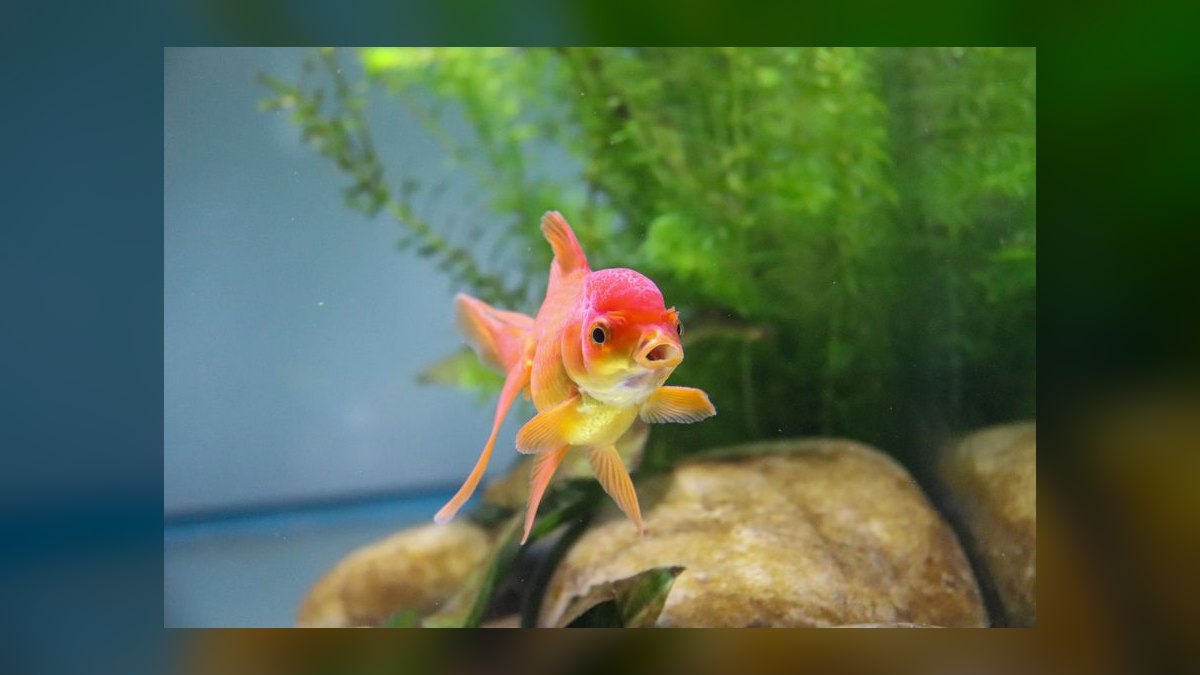
Bare bottom. Genuinely worth considering, and it is what most serious goldfish breeders use. Zero ingestion risk, trivially easy to clean, and you can see waste accumulating so you actually deal with it. It looks stark, but a dark background and a few smooth river stones too large to move solve most of the aesthetic objection. The real cost is biological: you lose surface area for nitrifying bacteria, so your filter has to carry the entire load. Oversize the filtration accordingly.
Large smooth river stones over bare glass. A middle path — a handful of fist-sized stones for visual interest, no small particles at all. Easy to lift and clean under, no ingestion risk whatsoever.
Mixed or graded substrate. Avoid. A bag that ranges from 2 mm to 12 mm contains a swallowable fraction, and the fish will find it. If you already have mixed substrate, sieving through a colander with roughly 6 mm holes will separate the problem fraction out.
Two adjacent decisions ride along with this one and are worth settling at the same time. First, filtration sizing — substrate choice changes how much biological surface area you have, so a bare-bottom or sand tank generally wants more filter media than a deep pebble bed. Second, plant strategy — if you want rooted plants, sand or fine gravel is the natural fit, which pushes you toward the sand path; if you want anubias, java fern, and floating plants, substrate is irrelevant to the plants and you can choose purely on safety.
Common pitfalls and how to avoid them
Sizing for the fish you have, not the fish you get. The single most common mistake. A two-inch fancy goldfish will be a five-inch fancy goldfish within a year or two on decent feeding, and its gape roughly doubles along the way. Substrate that was too large to swallow in month one can become the perfect choking size by month eighteen. Buy for the adult.
Trusting the label. "Aquarium safe" on a bag means it will not poison the water. It says nothing about whether the particles are the wrong size for your species. Similarly, "natural" does not mean inert — limestone and aragonite are entirely natural and will still buffer your pH upward. The vinegar test takes thirty seconds and settles the question empirically: put a tablespoon of the gravel in a dish, cover it with plain white vinegar, and watch for fizzing over the next minute or two. Fizz means carbonate.
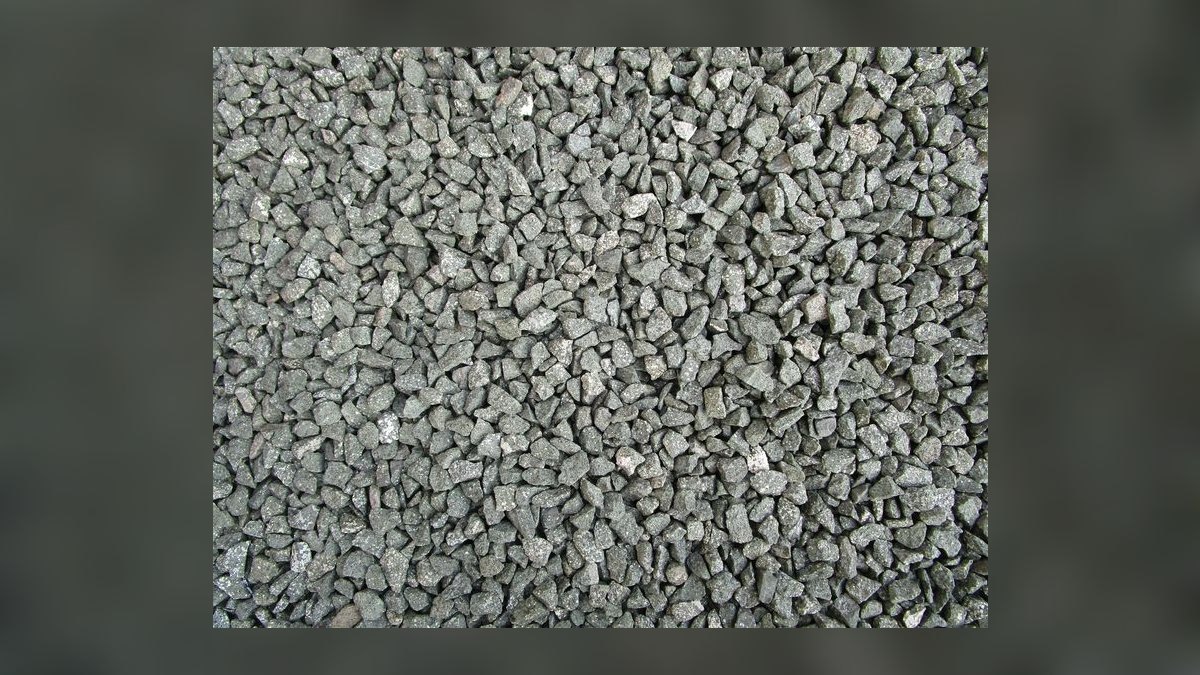
Skipping the sharpness check. Run a handful across your palm and squeeze gently. Anything that scratches or bites is too angular. Crushed coral and crushed lava rock both fail this badly, and both are commonly sold in aquarium aisles.
Buying coated gravel because it looks good. Coated substrate is the aesthetic temptation and the practical trap. The coating abrades, the chips are swallowable regardless of parent stone size, and you have introduced an unknown material into the tank. Natural uncoated stone in an interesting grade looks better anyway once it is wet.
Making the sand bed too deep. Sand is safe on ingestion but creates anaerobic zones if you pile it up. Keep it to 15–25 mm and disturb it during water changes. If you get a rotten-egg smell when you stir, the bed is too deep or too undisturbed.
Under-rinsing. Both sand and pebble ship with dust and fines. Skipping the rinse gives you a cloudy tank for a week and can foul a filter. Rinse in batches until the runoff is nearly clear.
Panicking at normal behavior. Mouthing and spitting gravel is not a symptom — it is a goldfish being a goldfish. Do not tear down a correctly-sized substrate because you saw a fish pick up a stone. Intervene when a stone stays in, when the fish shakes its head repeatedly, or when it cannot close its mouth.
Doing nothing when a stone is actually stuck. If a stone is visibly lodged, net the fish into a shallow container of tank water, wet your hands, hold it gently in a soft wet net or cloth, and use blunt-tipped tweezers to remove the stone. Work fast — under thirty seconds out of water — and return the fish immediately. If the stone is past the mouth and into the throat, or if you cannot see it, this becomes a veterinary matter; find a vet who treats fish rather than improvising. A fish that stops eating for more than a couple of days after a suspected ingestion needs professional attention, not another week of watchful waiting.
Fixing it the expensive way. If you already have danger-band gravel and healthy fish, you do not necessarily have an emergency — but you do have a known risk. The cheap fix is to sieve out everything under 6 mm. The clean fix is a full substrate swap, done in stages so you do not crash the biofilter: replace half the bed, wait two to three weeks while the new surface colonizes, then replace the rest.
Related questions
Can goldfish live safely on bare glass with no substrate at all?
Yes, and many breeders keep them that way permanently. Bare bottoms eliminate ingestion risk entirely and make waste removal trivial. The trade-off is lost biological surface area, so increase filter media to compensate. Add a few large smooth stones if the look bothers you.
Is play sand the same thing as pool filter sand?
No. Pool filter sand is graded silica with a consistent 0.45–0.85 mm grain and minimal dust. Play sand is finer, less uniform, often contains significant clay and silt, and clouds tanks badly. Pool filter sand is the better choice for aquariums.
What size gravel is safe for a two-inch juvenile goldfish?
Size for the adult it will become, not the juvenile. A fish that takes 2 mm stones today will take 5 mm stones within a year. Install 8–15 mm pebble or sub-1 mm sand now rather than replacing the substrate mid-growth.
Does gravel type affect how often I need to do water changes?
Not directly — waste load drives water change frequency, and that comes from stocking and feeding. Substrate affects how *easy* cleaning is. Sand keeps waste on the surface; deep pebble hides it in voids and demands more aggressive vacuuming.
Will smooth river pebble still support beneficial bacteria?
Yes, though large stones offer less surface area per volume than fine substrate. The bulk of nitrifying capacity in most tanks lives in the filter media anyway. If you run a large-pebble or bare-bottom tank, add sponge or ceramic media to the filter to compensate.
FAQ
What type of gravel is safe for goldfish that might eat it?
Smooth, rounded, inert stone either 8–15 mm or larger — too big for the fish to swallow — or fine silica sand under 1 mm that passes through harmlessly. Skip anything in the 1–6 mm range, skip crushed or angular rock, skip coated and dyed gravel, and skip carbonate substrates like crushed coral and aragonite unless you specifically want hard, alkaline water.
Can a goldfish actually die from swallowing gravel?
It can, though the more common outcome is a stone lodged in the mouth or gill plate causing acute distress rather than a full intestinal blockage. Either way, a stuck stone is a genuine emergency: the fish may be unable to close its mouth or pump water over its gills. Remove it promptly, or get veterinary help if it is out of reach.
Is colored or coated gravel safe?
Treat it as unsafe. The coating is a bonded layer that abrades over time in a tank with fish constantly working the substrate, and the resulting chips are in the swallowable size class no matter how large the underlying stone was. Uncoated natural stone gives you a known material and, once wet, generally looks better anyway.
How do I tell whether my gravel is chemically inert?
Use the vinegar test. Put a spoonful in a dish, cover it with plain white vinegar, and watch for a minute or two. Fizzing means carbonate — limestone, dolomite, aragonite, or crushed coral — which will slowly raise pH and hardness. No reaction means silica, quartz, basalt, or similar inert stone that leaves your water chemistry alone.
Can I use sand instead of gravel?
Yes, and for goldfish it is arguably the better choice. Coarse silica sand around 0.5–1.0 mm lets them forage naturally, sifting mouthfuls and expelling them through the gills the way they evolved to. Keep the bed shallow, 15–25 mm, stir it at water changes to prevent anaerobic pockets, and rinse it thoroughly before it goes in.
I already have small gravel and my fish are fine — do I have to change it?
Not urgently, but you are carrying a known risk that grows as the fish grow. The cheap remedy is sieving out the fraction under 6 mm. The thorough remedy is a substrate swap done in halves, two to three weeks apart, so the biofilter has time to recolonize the new surface before you remove the rest of the old.
Sources
- Cornell University College of Veterinary Medicine — Aquavet and fish health resources
- University of Florida IFAS Extension — Goldfish and ornamental fish care
- AVMA — Finding a veterinarian and animal health resources
- Merck Veterinary Manual — Fish disorders and diseases
- NOAA Fisheries — Aquatic species and water quality information
- USGS Water Science School — Water hardness and pH
- Smithsonian's National Zoo and Conservation Biology Institute — Aquatic animal care
- Michigan State University Extension — Pond and aquatic management
Related on PULSE
This page will be disappearing soon. Save it to your device for $1 — or read it free while it is here.
@Kory-White- · if Venmo asks, the last 4 of my number are 2012
This page is gone.
This one is off the shelf now. $1 keeps it on your phone for good — the whole page, pictures and diagrams included.
 petsHow do I dechlorinate tap water before adding it to a freshwater aquarium in 2027?
 pulse-petsTop 10 aquarium maintenance tips 2027
 pulse-petsTop 10 Blue Acara Peaceful Cichlids 2027
 petsWhat vegetables are safe for rabbits to eat daily in 2027?
 petsHow to acclimate saltwater fish from the LFS without drip acclimation in 2026?
 petsHow long after adding dechlorinator to tap water is it actually safe to pour into the tank in 2027?
 pulse-petsTop 10 Celestial Pearl Danios 2027
 pulse-petsTop 10 Chinese Algae Eater Alternatives 2027
 petsBest way to quarantine new plants to avoid snail infestation?
 pulse-petsTop 10 Betta Fish Tail Types 2027