
What is the safest cat collar with quick-release buckle for indoor cats in 2027?
 Curated byKory White · Fractional CRO · Maryland
 PULSEKNOWLEDGE LIBRARY
Quality
Certified

The safest option is a lightweight breakaway collar whose plastic buckle separates under roughly 2–5 pounds of pull, sized so two fingers slide beneath it. Verify the release force yourself with a luggage scale, skip elastic inserts entirely, and treat the microchip — not the collar — as your cat's permanent identification.
Breakaway buckles versus everything else on the shelf
Walk down a pet-store aisle and you will find three fastening systems sold for cats, and only one of them belongs on an unsupervised indoor animal.
The breakaway (quick-release) buckle is a two-piece plastic clasp engineered to pop apart when the collar is pulled against a fixed object. The two halves are held by shallow interlocking tabs rather than the deep, ridged catch used on a dog's side-release buckle. The whole point is failure: the collar is designed to lose. When a cat leaps off a bookshelf and the collar catches a drawer pull, the buckle opens, the cat drops free, and you find a collar on the floor. That is the system working exactly as intended, not a defect. Most breakaway buckles are molded from acetal or a similar engineering plastic precisely because it fails predictably at a consistent load rather than stretching first.
The elastic-insert collar is the middle option and the one most owners buy by mistake. It looks safe — there is visible give — but a stretch panel is the worst possible behavior in a snag. Elastic lets the cat's lower jaw or a forelimb slip through the loop and then contract back down, converting a neck collar into a shoulder tourniquet or a foreleg trap. Cats found this way often have degloving injuries in the armpit that require surgical repair. Some elastic collars also stretch enough to slip over the ears and then not enough to release, which is the worst of both worlds. If a collar has a stretch panel and no breakaway buckle, it should not be worn indoors, outdoors, or anywhere else.

The fixed buckle — a metal pin-and-hole belt buckle or a heavy-duty side-release clasp borrowed from dog hardware — has zero release path. A dog's side-release buckle is typically rated to hold well over 20 pounds because a leash must not fail. Cat necks are not built for that load. A fixed collar on a cat is a fixed anchor point on an animal that routinely wedges itself into 4-inch gaps.
There is a fourth path worth naming because many indoor-cat owners land there: no collar at all, backed by a registered microchip. For a strictly indoor, microchipped cat who has never approached an open door, this is a legitimate and defensible choice. The counterargument is that a visible collar tells a neighbor or a shelter intake worker at a glance that this cat has a home, which speeds a return by days. Microchips only work when someone scans them, and a cat who looks feral gets treated as feral. The strongest setup is both: chip for permanence, breakaway collar with a tag for speed.
Deciding which fastening system fits your cat
The right answer depends less on your cat's breed or the collar's marketing copy than on three practical variables: body weight, how often the cat encounters a door to the outside world, and whether the animal has a history of getting caught on things.
Weight matters because the release force must be low enough that the cat's own body weight can trigger it. A 6-pound cat hanging by the neck generates about 6 pounds of downward force at the buckle, but only if the cat is fully suspended — in most real snags the cat still has one or two feet on a surface, so the effective load is a fraction of body weight. That is why the safe window sits at the low end, in the 2-to-5-pound band, rather than being scaled up proportionally to a heavier cat. A large cat can trigger a light buckle easily; a small cat cannot trigger a heavy one at all.
Door exposure changes the calculation on identification, not on the buckle. An indoor-only cat in a fifth-floor apartment with no balcony has a genuinely low escape risk, and some owners reasonably decide that the collar's snag risk exceeds its ID benefit. A cat in a house with children, deliveries, and a screen door that does not latch is functionally an indoor-outdoor cat several times a year, and needs visible ID.
Snag history is the variable owners underweight. If you have already found the collar on the floor twice, that is not a bad collar — that is evidence your home has snag points and that the buckle is doing its job. The correct response is to buy a spare collar and a spare tag, not to switch to something that holds tighter.
Read the diagram as a filter rather than a decision you make once. Cats change — a kitten who ignored the collar at four months may start chewing it at eight, and a senior cat who loses muscle mass may need the fit taken in a notch. Run the loop again after any move, any new pet, or any change in the cat's routine.
The numbers that actually matter
Four measurable specifications separate a safe collar from a decorative one, and all four are checkable at home.
Release force: 2–5 pounds. This is the load at which the buckle separates. Below roughly 2 pounds the collar falls off during ordinary grooming and you will lose several a month. Above 5 pounds you are relying on the cat to generate more force than many cats can produce from an awkward, half-suspended position. Test it: clip a luggage scale or a small kitchen scale to the collar's D-ring, hold the opposite side of the loop, and pull steadily — not in a jerk — until the buckle opens. Read the peak. Repeat five times, because the number that matters is the *consistent* release, not the best one. A buckle that opens at 3 pounds twice and 9 pounds three times is a failed buckle.
Weight: under about 10 grams for the whole assembly. That includes webbing, buckle, D-ring, tag, and bell. Tags are the sneaky part of this budget — a solid brass tag can weigh as much as the collar itself. Slide-on tags that thread flat onto the webbing eliminate both the dangle weight and a snag point. If you want a bell, a single small bell is usually 1–2 grams; two bells on a small cat is real, constant load on the cervical spine.
Width: roughly 3/8 inch for most adult cats. Narrower webbing concentrates pressure and can cut into fur; wider webbing adds stiffness and weight and rides up under the jaw. Kittens do better on the narrow end.
Fit: two fingers flat between collar and neck. Not two fingers stacked, and not one. Too loose is the actual danger — a loose collar is the one that goes over the jaw or under a leg. Too tight causes hair loss and pressure sores under the chin. Because cats grow, gain, and lose weight seasonally, recheck fit monthly on an adult and every two weeks on a kitten.
Two more numbers worth holding onto. Replacement interval: 6–12 months, sooner if the buckle feels gritty, looks chalky or discolored, or has visible hairline cracks. Plastic fatigues, and saliva plus sunlight accelerates it — a buckle that has spent a year in a sunny window is not the buckle you tested on day one. And collar-free hours: if your cat's collar leaves a visible fur indentation that does not spring back within a few minutes, or if the cat scratches at the neck repeatedly, build in a daily collar-free stretch or move to chip-only.
Be skeptical of marketing labels. "Safety collar," "quick-release," and "breakaway" are not regulated terms with a certified test behind them the way a child car seat rating is. A collar can carry all three words and still take 12 pounds to open. The scale test costs about ten dollars and takes ninety seconds, and it is the only claim you actually control.
Materials, tags, and the adjacent gear decisions
The webbing material changes comfort more than safety, but comfort determines whether the cat leaves the collar alone — which is itself a safety issue.
Nylon is the default: cheap, strong, colorfast, and available everywhere. Its weaknesses are stiffness and fraying. Cut nylon ends must be heat-sealed, and once a sealed end splits it produces stiff filaments that abrade the neck. Check the tail end of the strap whenever you check the buckle.
Polyester is slightly softer, dries faster, and frays less readily than nylon at the same weight, which makes it a good default for a cat who drinks messily or gets bathed. Cheaper polyester blends can pill and fade, but pilling is cosmetic.
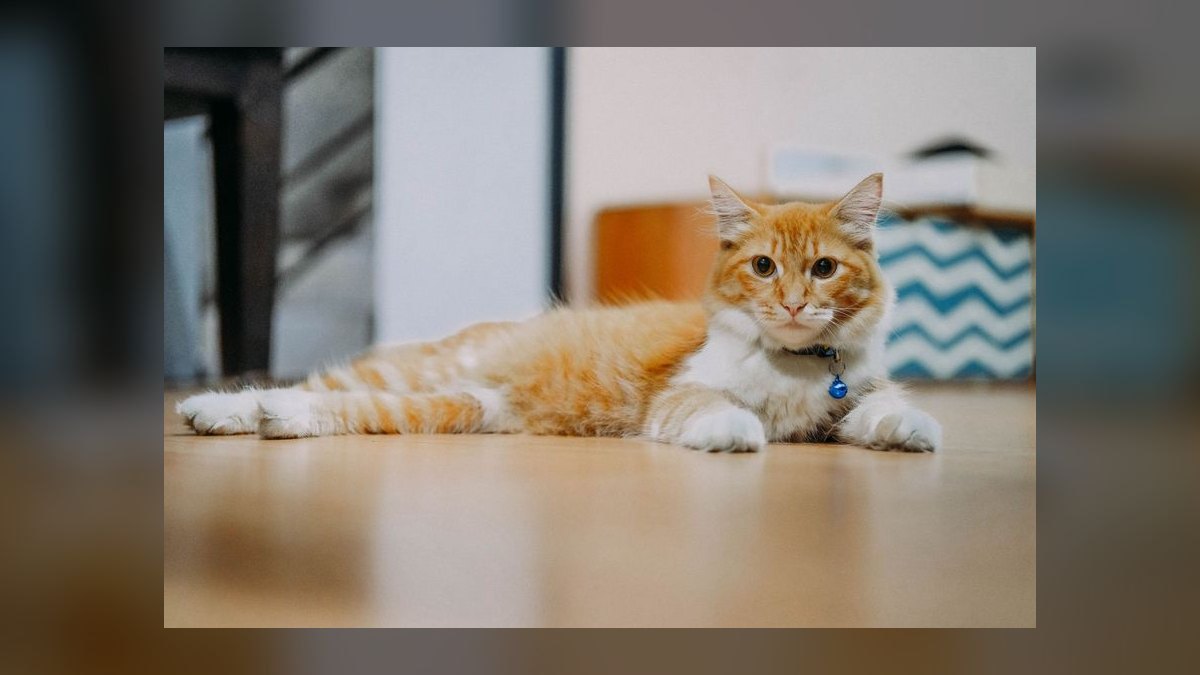
Neoprene and soft-lined webbing (velvet, microsuede, or a padded neoprene core) is the gentlest against skin and the right call for a cat with thin neck fur, a healed hot spot, or a history of collar rub. The trade-off is absorbency: neoprene holds moisture and odor, so it needs washing every few weeks, and a damp collar against skin invites yeast and irritation. It is also thicker, so watch the total weight budget.
Leather looks handsome and ages well, but it stiffens as it dries, absorbs saliva, and is rarely offered with a genuine low-force breakaway. Skip it for cats.
On tags: engraved slide-on tags beat dangling discs for an indoor cat — no jingle, no snag loop, no swinging weight. Put a phone number on it, not the cat's name and address; a name printed on a tag makes it easier for a stranger to coax the animal. Two lines of contact are better than one. A QR tag can hold more information but only works if the finder has a charged phone and the hosting service still exists in five years, so treat it as a supplement to an engraved number rather than a replacement.
Two adjacent categories deserve a word because owners often reach for them next. Harnesses are the right tool for deliberate outdoor time — leash walks, catio transfers, vet trips — and they distribute load across the chest rather than the throat. But a harness has no breakaway path by design, so it must never be left on an unsupervised cat. It is supervised equipment, full stop. GPS and Bluetooth trackers are increasingly common; the honest assessment for an indoor cat is that a tracker's weight often exceeds the entire collar-weight budget, and mounting one requires either a heavier collar or a strap that resists breaking away. If you fit a tracker, fit it to a breakaway collar and accept that you will occasionally find the tracker on the carpet — losing a tracker is a far better outcome than the alternative.
Putting it on and sequencing the first two weeks
Most collar failures are introduction failures. The cat decides on day one that this thing is a predator attached to its neck, and everything after that is a fight.
Start before the cat wears anything. Leave the collar near the food bowl for a day or two so it picks up house scent and stops being novel. Then do a scent transfer: rub the webbing on the cat's cheek glands, or on a blanket the cat sleeps on.
First fitting should be short and paired with something good — a meal, a treat, a play session. Five to ten minutes, then off, while the cat is still relaxed rather than after it starts pulling. Ending on a calm note is the whole trick; if you wait until the cat is frantic, you have taught it that struggling makes the collar disappear. Extend the sessions over several days: ten minutes, then thirty, then a couple of hours, then through a full day, then overnight. A week to two weeks is a normal ramp.
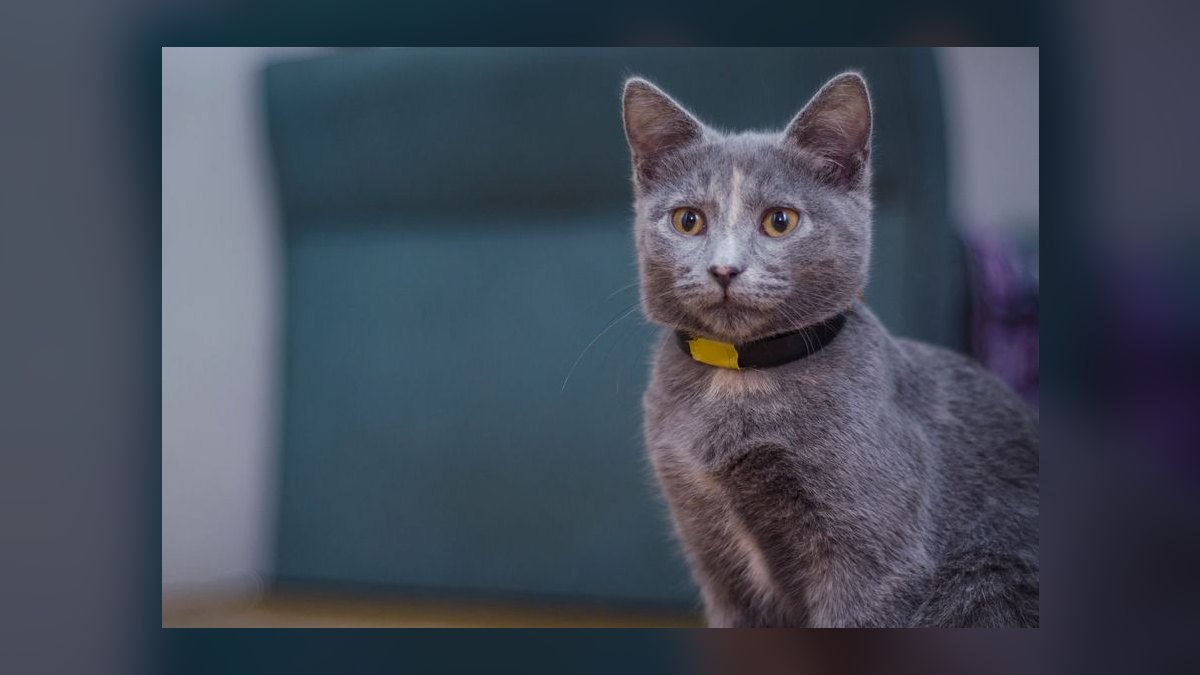
Watch for four specific signals during that ramp. Freezing or flopping — the cat goes limp and refuses to walk — is common and usually resolves in a day or two; keep sessions short and keep the treats coming. Constant scratching at the neck after the first 48 hours means the fit is wrong or the material is irritating; check for tightness first, then switch to a softer lining. Chewing at the strap, especially in kittens, is a snag risk in itself and argues for a slide-on tag and a shorter strap tail. Any hair loss, redness, or damp fur under the collar means take it off and let the skin recover fully before trying a different material.
There are also moments to pull the collar entirely: the first few weeks in a new home, the introduction period with a new pet, after any surgery or skin treatment near the neck, and during any illness where the cat is hiding in tight spaces. A stressed cat wedges itself behind appliances and under furniture — exactly the geometry that turns a collar into a hazard, and exactly when you are least likely to hear the struggle.
Keep a spare. A breakaway collar that never comes off is a breakaway collar you should be suspicious of, and a cat whose collar is sitting under the couch is an unidentified cat. Buying two identical collars and two identical tags at the outset means a lost collar is a two-minute fix rather than a week-long gap in identification.
Where collars fit in a whole indoor-safety picture
A collar is one control in a layered system, and it is not the strongest one. Ranking them honestly changes how much you should spend on the collar.
Microchip and current registration is the top layer, and the registration half is where most people fail. A chip implanted at adoption in 2019 and never updated after two moves is a dead end. Log into the registry, confirm your current phone number, and add a secondary contact. This costs nothing and outperforms every collar ever made.
Door discipline is second. Most indoor-cat escapes happen at a threshold during a distraction — groceries, a delivery, a guest. A cat who has learned to sit for a treat away from the door is worth more than any tag.
Snag reduction is third and the layer most connected to collars. Walk your home at cat height and look for the hooks: drawer pulls, cabinet knobs, dangling blind cords, loose vent grates, the gap behind a dryer, wire shelving with open ends. Blind cords in particular are a strangulation hazard independent of collars — cut the loop or fit a cord cleat. Every hook you remove lowers the frequency with which the buckle has to save your cat.
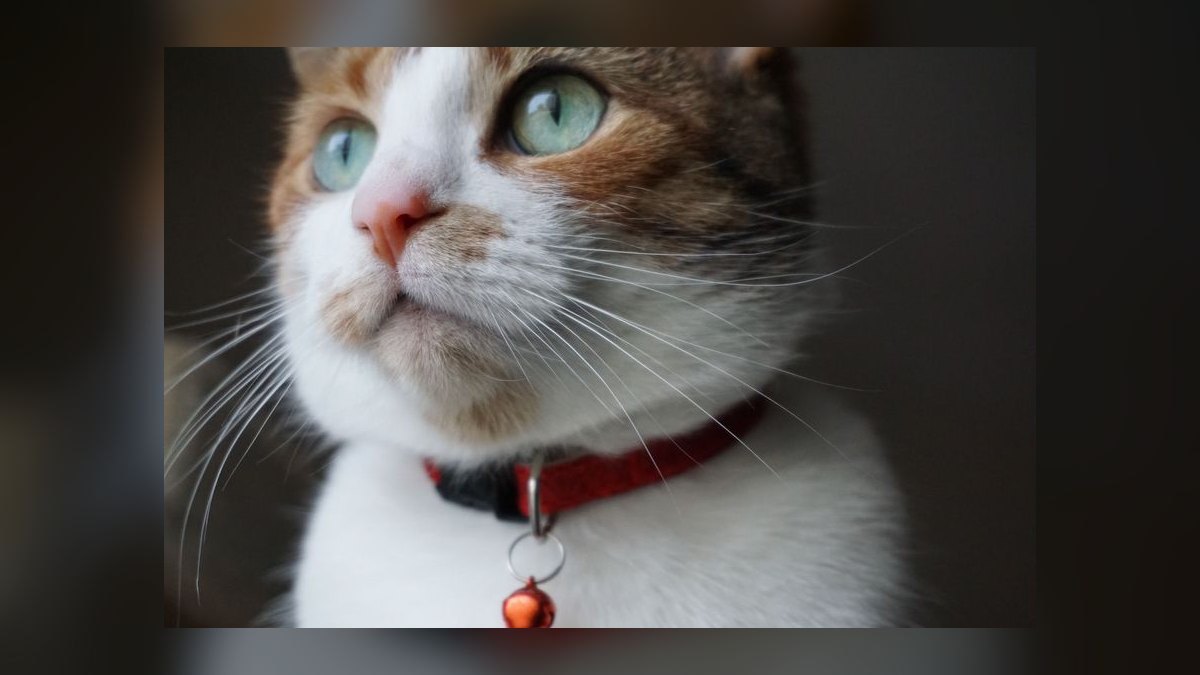
Then the collar. It is the visible layer, so it gets the attention, but it functions mostly as a *speed* improvement on recovery rather than a prevention measure — it converts a found stray into a returned pet in hours instead of days.
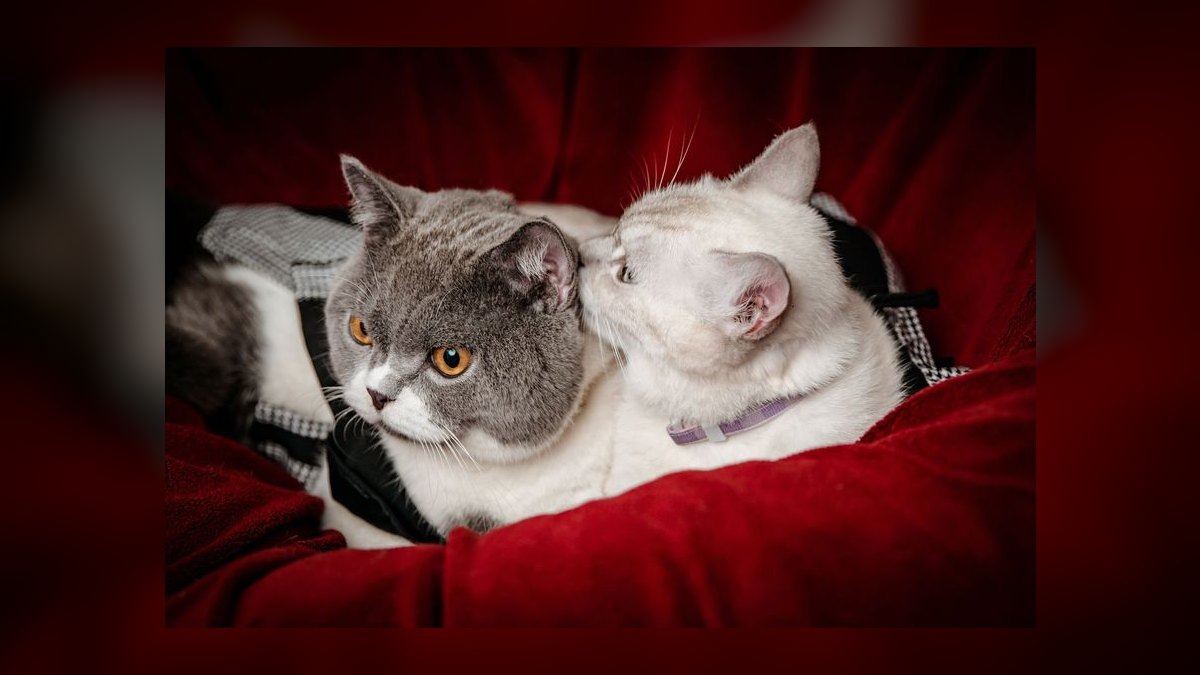
Two adjacent scenarios worth planning for. Multi-cat households multiply the risk in a specific way: cats wrestle, and a paw or a jaw ends up inside a housemate's collar. This is one of the more common breakaway-collar incidents, and it is precisely the case where a fixed or elastic collar causes serious injury. If your cats play rough, the low end of the release range is the right end. Kittens need the lightest available collar, the most frequent fit checks — every week or two during growth spurts — and a low tolerance for anything that catches. Many owners simply wait until six months and rely on the chip in the meantime, which is a reasonable call.
One last note on cost. Good breakaway collars are inexpensive, and that is not a signal of low quality — it is a simple product. The money is better spent on chip registration upkeep, a proper harness for supervised outings, and the ten-dollar scale that lets you verify the buckle instead of trusting the packaging.
Related questions
Does a bell make a collar less safe?
Not directly, but it adds weight and constant noise. A single small bell is fine for most cats; two is excessive on a small animal. Some cats habituate quickly, others stay stressed — watch for hiding or reduced eating in the first week.
Should an indoor cat wear a collar at night?
Overnight wear is fine once the cat has adjusted, provided the buckle tests correctly and the home has been checked for snag points. If your cat sleeps in tight spaces behind furniture or appliances, a nightly collar-free period is a reasonable precaution.
Can I attach a leash to a breakaway collar?
No. The buckle is built to fail under a few pounds of pull, so it will open the moment the cat pulls against the leash. Use a properly fitted harness for any leash work, and remove the harness whenever the cat is unsupervised.
What if my cat keeps losing collars?
Each loss is the buckle doing its job. Audit your home for the snag points causing it, keep two spares with tags already attached, and confirm the fit is two fingers — a too-loose collar comes off far more often than a correctly fitted one.
Are breakaway collars safe for kittens?
Yes, with the lightest collar you can find and the lowest release force available. Check the fit every week or two during growth spurts. Many owners skip collars entirely until six months and rely on a registered microchip in the meantime.
FAQ
How do I test the release force at home?
Clip a luggage scale or small kitchen scale to the collar's D-ring, hold the opposite side of the loop, and pull steadily until the buckle opens. Read the peak value. Repeat five times — you are looking for a consistent release in the 2-to-5-pound range, not a single lucky result. Inconsistency is itself a failure.
Are elastic collars a safe alternative to a breakaway buckle?
No. Elastic stretches enough for a jaw or foreleg to slip through the loop and then contracts back down, which can trap a limb or shift the collar into the armpit. That produces worse injuries than a plain snag. If a collar has a stretch panel and no breakaway buckle, do not use it.
Can I put a dog collar on my cat?
No. Dog side-release buckles are built to hold a leashed animal and will not open under the few pounds a cat can generate. A dog collar on a cat is a fixed anchor point on an animal that squeezes into gaps. Use cat-specific breakaway hardware only.
How often should the collar be replaced?
Every six to twelve months, and immediately if the buckle feels gritty, opens inconsistently, or shows chalky discoloration or hairline cracks. Plastic fatigues with saliva and UV exposure, so a collar that has spent a year in a sunny window is not the same collar you tested on day one.
My cat hates the collar — what now?
Slow the ramp down. Short sessions paired with meals or play, ending while the cat is still calm. Check the fit for tightness and switch to a softer lining if there is scratching or rubbing. If two weeks of patient conditioning does not work and the cat is strictly indoors and chipped, chip-only is a legitimate outcome.
Is a microchip enough on its own for an indoor cat?
For a strictly indoor, chipped cat with current registration, it is defensible. The gap is speed: a chip needs someone to bring the cat somewhere with a scanner, while a visible tag gets a phone call from the neighbor who found it. Keep the registration current either way.
Sources
- ASPCA — Cat Care and General Pet Care
- American Veterinary Medical Association — Microchipping of Animals
- Cornell Feline Health Center
- International Cat Care — Advice on cats
- The Humane Society of the United States — Pet care resources
- RSPCA — Cat care advice
- AAHA — Microchipping and pet identification resources
- ASPCA Animal Poison Control and pet safety resources
Related on PULSE
- Top 10 Cat Treat Puzzles for Overweight Indoor Felines
- Can cats eat freeze-dried minnows as a training treat?
- What are the signs of a food allergy in cats and how do I switch their diet safely?
- How do I introduce a new cat to my resident cat peacefully?
- How often should I feed my adult cat wet food versus dry food?
This page will be disappearing soon. Save it to your device for $1 — or read it free while it is here.
@Kory-White- · if Venmo asks, the last 4 of my number are 2012
This page is gone.
This one is off the shelf now. $1 keeps it on your phone for good — the whole page, pictures and diagrams included.
 petsTop 10 Automatic Aquarium Dosing Pumps for Reef Tank Additives (2027)
 pulse-petsTop 10 Shrimp Breeding Tanks 2027
 pulse-petsTop 10 peaceful community fish 2027
 pulse-petsTop 10 fish swim bladder issues 2027
 pulse-petsTop 10 aquarium maintenance tips 2027
 pulse-petsTop 10 LPS Corals for Beginners 2027
 pulse-petsTop 10 Aquarium Tweezers and Scissors 2027
 petsWhat are the exact steps for a 25% water change in a heavily planted tank without stressing the fish in 2027?
 petsTop 10 High-Tech Automated Fish Feeders for Busy Aquarium Owners in 2027
 pulse-petsTop 10 aquarium siphon brands 2027