
What is the correct temperature and humidity for a bearded dragon enclosure?
 Curated byKory White · Fractional CRO · Maryland
 PULSEKNOWLEDGE LIBRARY
Quality
Certified
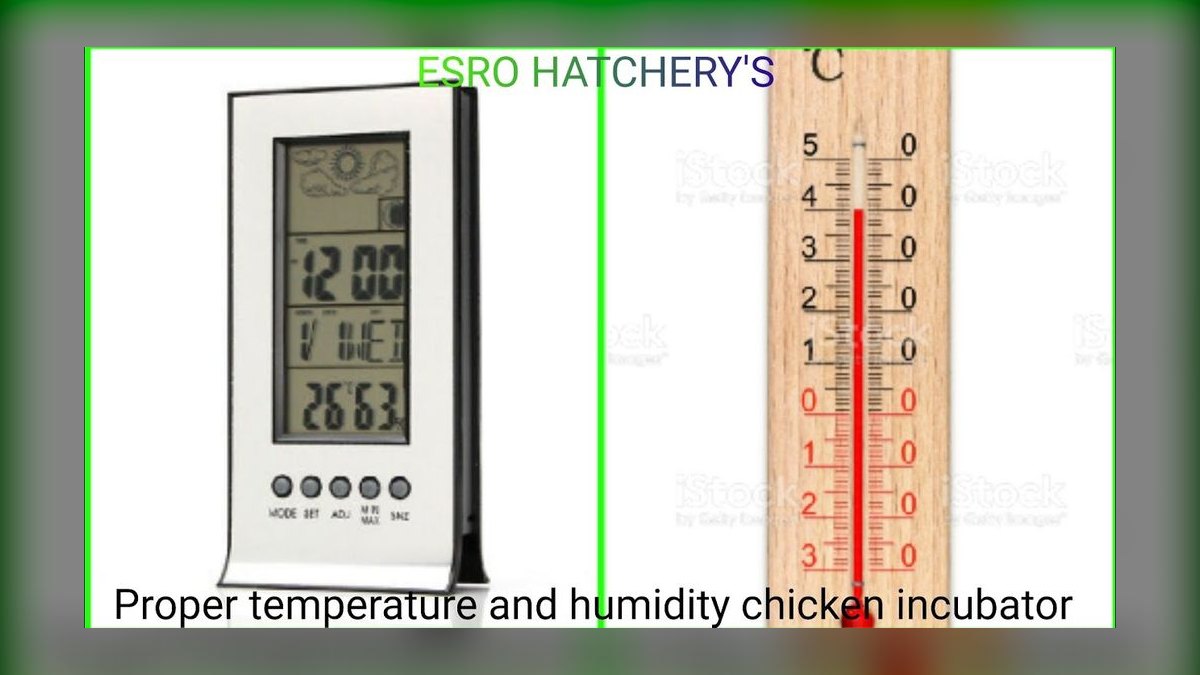
A bearded dragon enclosure needs a basking surface of 100–110°F (38–43°C), a warm side near 85–92°F, and a cool end of 75–85°F (24–29°C), with nights falling to 65–75°F. Humidity belongs at 30–40%. Sustained readings above 50–60% invite respiratory infection; below 20% causes stuck shed and dehydration.
What a thermal and humidity gradient actually is, and why it decides everything downstream
A bearded dragon is ectothermic, which means it does not burn calories to make heat the way you do. It borrows heat from its environment and moves between hot and cool zones to hold its body at the temperature its physiology needs at that moment. That behavior is called thermoregulation, and it is the single organizing principle behind every number in this article. When keepers ask "what temperature should the tank be," the honest answer is that there is no one temperature — there is a *range* the animal walks through, and your job is to build that range and let the dragon choose.
Picture the enclosure as a slope rather than a box. At the top of the slope is the basking surface: the rock, branch, slate tile, or ledge directly under the heat source, reading 100–110°F on the surface itself. Adults sit at the lower half of that band, 100–105°F, and hatchlings and juveniles do better at 105–110°F because they are digesting aggressively to fuel growth. At the bottom of the slope is the cool end, 75–85°F, where the dragon retreats when it has absorbed enough. The warm middle, roughly 85–92°F, is the transition. That spread — call it 25 to 35 degrees from end to end — is what gives the animal somewhere to go.
Digestion is where the stakes become concrete. Bearded dragons cannot properly break down insect chitin or vegetable matter without reaching a core temperature that gut enzymes require, and that core temperature comes from basking. A dragon kept at a flat 85°F everywhere eats, then sits on undigested food. Impaction, regurgitation, weight loss, and lethargy follow — and the keeper usually blames the feeder insects or the substrate when the real cause is a basking spot reading 88°F because the bulb is two inches too far away or has quietly aged out. Immune function tracks the same curve. An animal that cannot reach its preferred body temperature mounts a weaker response to the bacteria that are always present in any enclosure.
Humidity is the quieter half of the equation and the one more keepers get wrong, because there is no visible behavior that screams "humidity is off" until damage is already done. Bearded dragons evolved in the arid and semi-arid interior of Australia — scrubland, woodland, and desert margins where relative humidity commonly sits in the 20–40% band for most of the year. Their respiratory tract is not built for persistently damp air. Hold an enclosure at 60% and you create conditions where opportunistic bacteria in the airway multiply faster than the animal clears them. The result is the classic respiratory infection presentation: open-mouth gaping that is not heat-related, audible clicking or wheezing on the exhale, bubbles or mucus at the nares, and a dragon that stops basking because breathing in the hot zone has become work.
The failure runs the other direction too. Air below 20% for weeks makes shedding difficult. Skin releases in patches rather than sheets, and the tight spots — toes, tail tip, the ridge around the eyes — retain a band of old skin that constricts as it dries. Constricted toes lose circulation, and keepers who ignore stuck shed on a tail tip long enough sometimes lose the tip. Neither extreme announces itself on day one, which is precisely why a correct 30–40% baseline matters more than any single intervention you might make later.
One more upstream factor deserves attention because it shares hardware with heat: ultraviolet output. UVB drives the dragon's synthesis of vitamin D3, without which dietary calcium is not absorbed and metabolic bone disease follows. UVB and heat are separate jobs, but they interact — a linear T5 UVB fixture mounted alongside the basking bulb adds no meaningful heat, while an older mercury-vapor bulb combines both and makes independent temperature control harder. If you are troubleshooting a basking spot that runs hot no matter what wattage you install, look at whether a combination bulb is doing two jobs at once. Splitting them gives you a temperature dial you can actually turn.
Building the gradient, step by step
Getting to correct numbers is a sequence, not a purchase. Work it in order; skipping ahead is how people end up with a $400 setup that still reads 88°F on the basking rock.
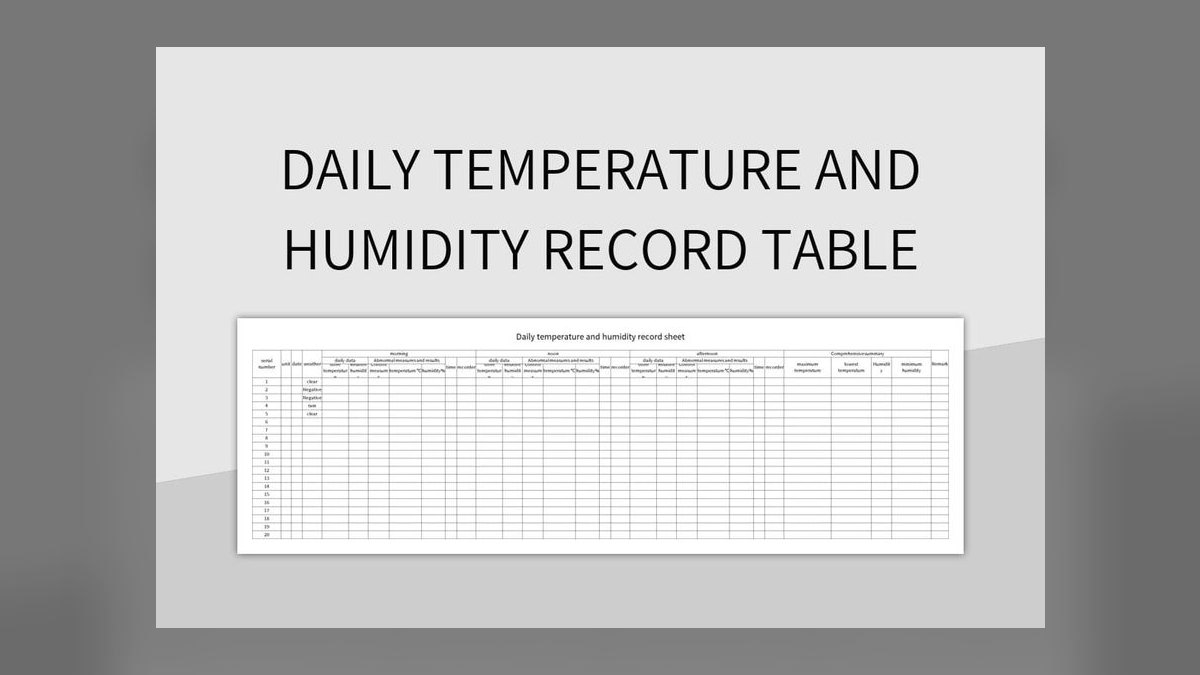
Start with enclosure size and material. An adult bearded dragon needs a minimum footprint of 4 feet by 2 feet — 120 gallons in aquarium terms — and bigger is genuinely better here, because a small box physically cannot hold a 30-degree spread. In a 40-gallon breeder, the heat lamp warms the whole volume and your "cool end" reads 90°F. Material matters for humidity: glass tanks with screen tops vent moisture readily and tend to run dry, while PVC and sealed wood enclosures hold both heat and moisture, which is efficient for temperature but means you will fight humidity creep. If you keep a PVC build in a humid climate, plan for ventilation from the start rather than retrofitting it.
Mount the heat source overhead, never underneath. A white incandescent or halogen flood bulb in a ceramic-socket dome is the standard. Halogen floods deliver a tighter, more intense beam that mimics sun better and often reaches target surface temperature at lower wattage. Under-tank heat mats and heat rocks are the two products to avoid outright: dragons detect heat primarily through their eyes and dorsal surface, not their bellies, so they do not reliably move off a belly-heat source that is burning them. Heat rocks in particular have a long history of thermal burns because a failed internal thermostat can push the surface past 120°F with no warning.
Dial wattage by distance, not by the box label. Wattage ratings tell you almost nothing on their own — a 75W bulb at 8 inches and a 150W bulb at 18 inches can land on the same surface temperature. Set the fixture, let it run 45–60 minutes to stabilize, then measure. If you are low, lower the fixture or raise the basking platform an inch at a time. If you are high, do the reverse. Change one variable per test.
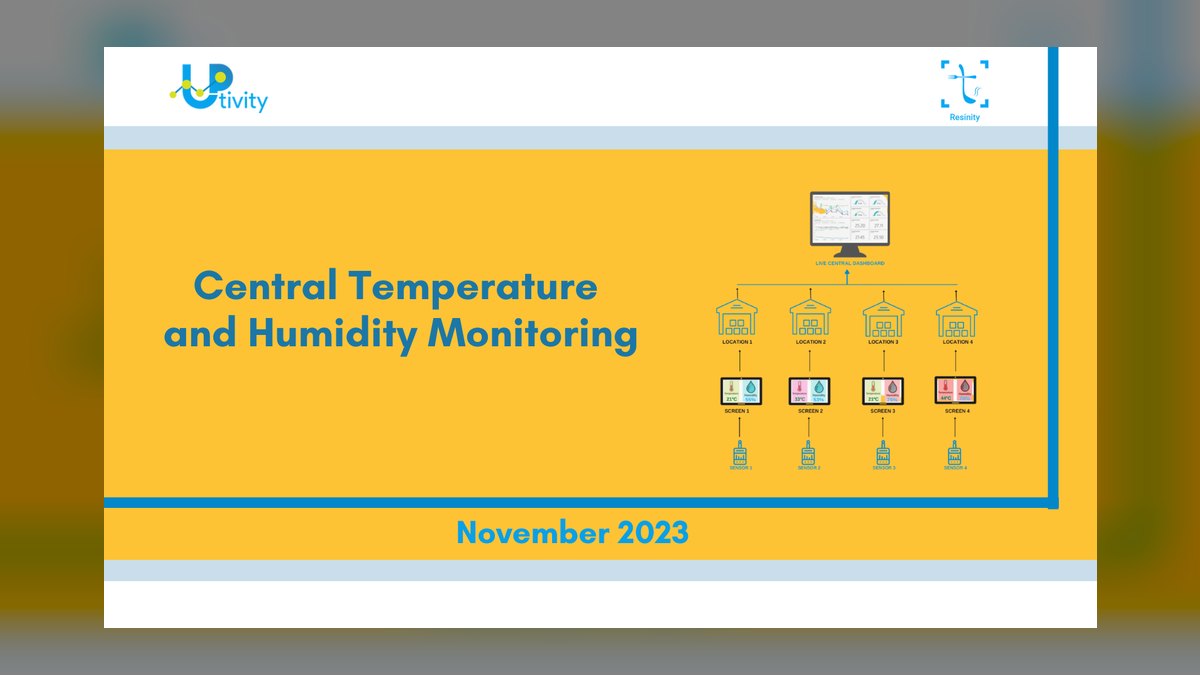
Measure the surface, not the air. This is the step most keepers skip. A probe dangling in mid-air over the basking rock can read 95°F while the slate itself reads 112°F, because dark stone absorbs radiant energy and re-emits it. An infrared temperature gun aimed at the exact spot where the dragon's belly will rest gives you the number that matters. Take a second reading at the cool end floor, and a third at the warm middle, so you can see the whole slope rather than a single point.
Put a thermostat in line. A dimming or pulse-proportional thermostat with its probe positioned at the basking surface holds the target within a couple of degrees as room temperature drifts through the day. Without one, a lamp tuned perfectly on a 68°F morning overshoots on an 80°F afternoon. On/off thermostats work but cycle visibly with incandescent bulbs; dimming units are worth the extra cost for basking control.
Set the photoperiod and the night drop. Twelve to fourteen hours of light in summer, ten to twelve in winter, on a simple timer. At night, all lights go off. Most homes stay in the 65–75°F range overnight, which is exactly what the dragon wants — the drop is natural and beneficial, not something to prevent. Only if your room falls below about 60°F should you add supplemental night heat, and then it must be a non-light source: a ceramic heat emitter or a radiant panel on its own thermostat. Colored "night bulbs," red or blue, emit visible light and disrupt sleep; skip them.
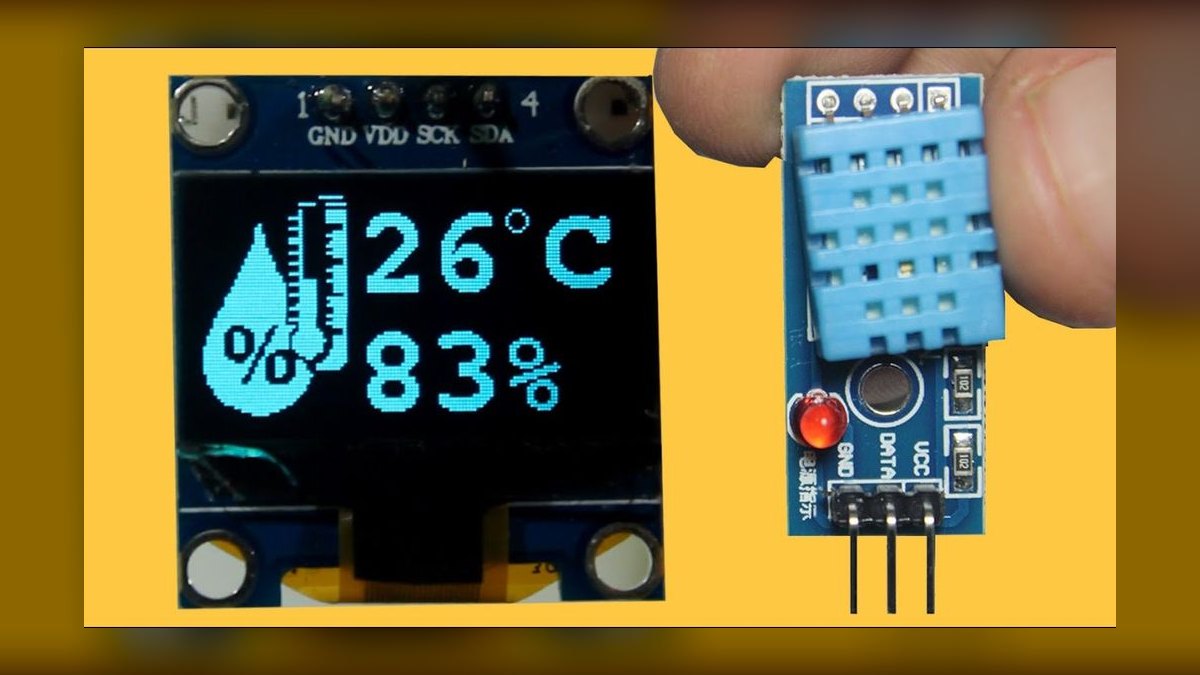
Establish humidity last, after heat is stable. Heat lamps dry air, so measuring humidity before your lighting is finalized gives you a number that will not hold. Once the lamps run on schedule, place a digital hygrometer with a remote probe at the cool end — the humid end of the gradient — and read it across a full day.
What correct conditions cost, how long they take to dial in, and the ranges to expect
Budget honestly and the whole thing gets easier, because the expensive mistake is buying cheap twice.
Instrumentation is the cheapest high-value spend. An infrared temperature gun runs roughly $20–40 and is the only practical way to read a basking surface. A dual-probe digital thermometer with a humidity channel lands around $15–30. A standalone digital hygrometer with a remote probe is $10–15. Total instrumentation for a correct setup is typically under $60, and it replaces guesswork permanently. Compare that to analog stick-on dial gauges at $4 each, which routinely read 5–10°F off and lag humidity changes by hours. If you own only one instrument, make it the IR gun.

Thermostats sit in a wider band. Simple on/off units start around $25–35. Dimming and pulse-proportional models generally run $50–120 depending on features and whether they include alarms or data logging. Wi-Fi-enabled environmental sensors that push alerts to a phone are an optional layer, useful if you travel or keep multiple enclosures, but they are a convenience on top of a correct setup rather than a substitute for one.
Heating and lighting hardware is recurring, not one-time. Bulbs and fixtures are modest — a dome fixture and flood bulb together are often $25–50 — but UVB tubes degrade on a schedule. Output falls off well before the tube stops emitting visible light, so most manufacturers specify replacement every 6–12 months depending on the model. Write the install date on the tube in marker; it is the only reliable way to remember. Heat bulbs typically last months rather than years and can drift in output as they age, which is a common hidden cause of a basking spot that "suddenly" reads low.
Electricity is the running cost people forget. A 100W basking bulb running 12 hours a day consumes roughly 1.2 kWh daily — around 36 kWh a month. At typical U.S. residential rates that lands in the low single-digit dollars per month per bulb, more in high-rate regions. Add a UVB fixture and any supplemental night heat and a single enclosure is a small but real line item. This matters most for keepers running several enclosures, where the difference between a correctly sized 75W halogen and an oversized 150W bulb fighting a thermostat compounds across the collection.
Timelines. Building the physical enclosure is an afternoon. Dialing the gradient takes about a week of daily readings, because room temperature swings between morning and evening and you want to see both ends of that swing. Humidity takes longer to characterize — plan on two weeks of logging before you trust your baseline, since it moves with weather, HVAC cycling, and whether anyone showered nearby. Seasonal recalibration is a twice-yearly job: once when heating season starts and indoor air dries out, once when summer humidity arrives.
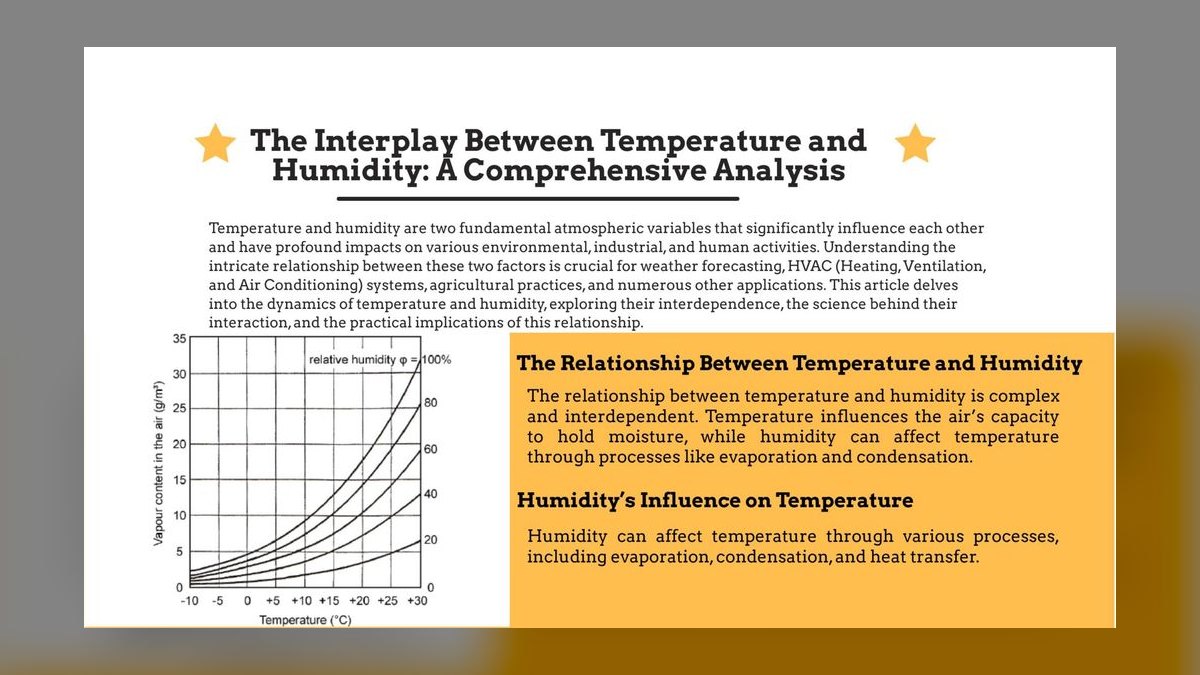
Expected fluctuation ranges. Do not chase perfect stability; live enclosures breathe. Humidity commonly spikes 10–15% right after misting or a water change, then settles over 2–4 hours. That is fine as long as the daily average sits in the 30–40% band. Basking surface temperature typically swings 3–5°F over a day without a thermostat, tighter with one. Cool-end temperature tracks the room almost directly. A bioactive setup with soil and live plants generally runs 5–10% higher humidity than a bare-bottom enclosure on tile or paper — normal, but it means your misting schedule should be lighter or absent entirely.
Veterinary cost is the number that reframes all the others. A reptile-experienced exotics vet visit for a respiratory infection, with imaging and a course of medication, typically runs into the low hundreds of dollars, and the animal spends weeks recovering. A $30 hygrometer that would have flagged 65% humidity six weeks earlier is inexpensive by comparison.
Where keepers go wrong, and the fixes that actually hold
The water bowl parked under the basking lamp. This is the most common single error, and it fails twice: evaporation drives local humidity to 50–60% in exactly the zone that should be driest, and the evaporative cooling drops the basking surface 5–10°F. The fix is trivial — move the bowl to the cool end. Keep it shallow, and if your ambient humidity already runs high, shrink it further or offer water in a dish only on a schedule.
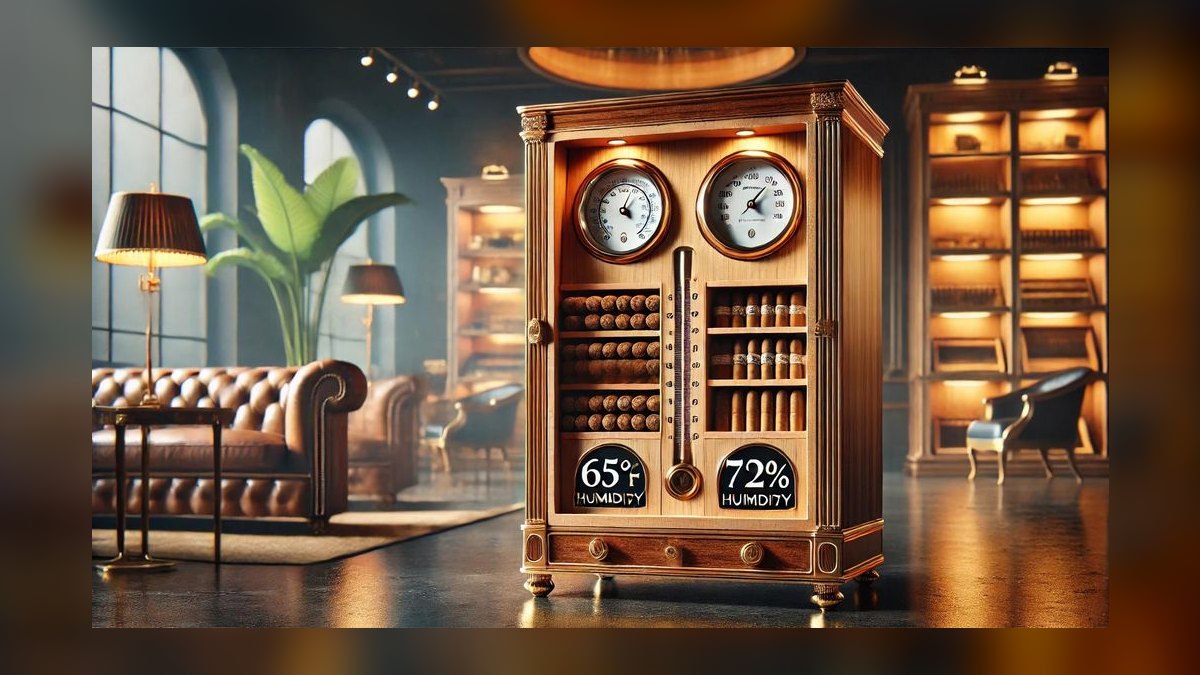
Trusting analog gauges. Stick-on dial thermometers measure the glass they are attached to, not the surface the dragon occupies, and analog hygrometers drift badly. Keepers running these will insist their tank is at 100°F while an IR gun reads 87°F on the rock. Replace them; do not calibrate around them.
Reflexive misting. Many care sheets written for tropical species leak into bearded dragon advice and produce keepers misting twice daily by default. For an arid species, routine misting is unnecessary and often harmful — standing water on substrate promotes bacterial growth and pushes humidity into the danger band. Mist for a reason: during an active shed, or when your logged humidity genuinely sits below 20%. Otherwise, don't.
Substrate chosen without regard to moisture. Coconut fiber, cypress mulch, and moisture-holding soil mixes hold water by design and can hold an enclosure above 50% indefinitely. Paper towel, tile, non-adhesive shelf liner, and sealed slate run dry and clean. If you want a naturalistic bioactive build, that is a legitimate choice — just recognize you have chosen a wetter baseline and compensate with ventilation and a bone-dry basking zone. Loose particulate substrate carries a separate impaction discussion, but on the humidity axis alone the trade-off is straightforward.

Enclosure placement. A tank in a bathroom, a basement, a laundry room, or against an exterior wall inherits that room's conditions. Humidity readings that will not come down often trace to the room, not the enclosure. Similarly, a tank in direct sunlight through a window can overheat catastrophically in an afternoon — glass amplifies solar gain, and there is no thermostat protecting against the sun.
Ignoring the seasons. Winter heating dries indoor air, and enclosures that held 35% in September read 18% in January. Summer humidity does the reverse. Both are predictable and both require a schedule adjustment, not a redesign. In arid climates like the U.S. Southwest, reaching even 30% may take a small room humidifier running part of the day. In the humid Southeast, a screen top instead of glass, a small dehumidifier nearby, or improved airflow does the work.
Misreading the animal's signals. A dragon gaping on the basking spot is usually just venting excess heat — normal behavior, not distress. A dragon gaping at the cool end, with labored breathing or nasal discharge, is a different picture entirely and points toward respiratory infection. A dragon that abandons the basking spot altogether may be telling you the surface exceeds 115°F. Glass surfing, digging, and darkening beard can mean many things, but persistent refusal to bask almost always means the thermal gradient is wrong at one end or the other. Prolonged appetite loss in an animal with correct temperatures warrants a vet, not another equipment change.
Assuming brumation is illness. Adult dragons frequently slow down in winter — sleeping more, eating less, spending days in a cool hide. Brumation is normal, and during it a dragon uses the cool end far more than the basking spot. The correct response is to keep offering the full gradient and reduce feeding, not to crank heat to force activity. The distinguishing question is whether the animal is losing weight rapidly or showing respiratory signs; a brumating dragon should hold condition.
Choosing between competing setups when the answer isn't obvious
Most real decisions are trade-offs between temperature control, humidity control, and cost. Here is how to reason through the common forks.
Glass versus PVC. Glass with a full screen top vents heat and moisture, costs less, and is widely available — good for humid climates, worse for cold rooms and dry-air control. PVC insulates, holds heat at lower wattage, and is lighter, but retains humidity, which is a liability in a damp house. Pick for the climate you actually live in.
Halogen flood versus standard incandescent versus ceramic emitter. Halogen floods give the most sun-like, tightly focused basking spot and are the default recommendation for daytime heat. Standard incandescent floods work and cost less. Ceramic heat emitters produce no light and are the correct choice for supplemental night heat in cold rooms — but they make a poor primary basking source, because dragons orient toward bright light when choosing where to bask.
Linear T5 UVB versus compact coil versus mercury vapor. A linear T5 tube spanning roughly two-thirds of the enclosure length gives broad, even coverage at a usable distance and is the current standard. Compact coil bulbs cover a narrow footprint and historically had output-quality problems. Mercury-vapor bulbs combine heat and UVB in one unit, which is convenient but couples the two variables — you cannot dim it on a thermostat without killing UVB output, so temperature tuning becomes a distance-only exercise.
Humid hide versus whole-enclosure misting. When shedding is difficult, the targeted answer beats the global one nearly every time. A small container with a cut entrance and damp sphagnum moss on the cool end creates a localized 60–80% microclimate the dragon enters voluntarily, without raising ambient humidity. A supervised shallow warm-water soak is a second option. Whole-enclosure misting to fix stuck shed raises humidity everywhere, including the respiratory-risk zone, to solve a problem confined to the toes.
Thermostat class. If your room temperature is stable within a few degrees year-round, a basic on/off thermostat plus careful bulb distance is defensible. If your room swings 15°F between morning and evening, or if you are away for long stretches, a dimming thermostat pays for itself in avoided overshoot. Any enclosure with supplemental night heat should be thermostatted without exception.
Related questions
Do baby bearded dragons need different temperatures than adults?
Yes. Hatchlings and juveniles do best with a basking surface of 105–110°F, slightly hotter than the 100–105°F adults prefer, because they digest heavily to fuel rapid growth. The cool end and humidity targets stay the same: 75–85°F and 30–40%.
Is a night-time heat lamp necessary?
Usually not. A drop to 65–75°F overnight is natural and beneficial. Only add heat if the room falls below roughly 60°F, and then use a non-light ceramic heat emitter or radiant panel on a thermostat — never a colored night bulb, which disrupts sleep.
How high can humidity go safely during shedding?
A localized humid hide at 60–80% is fine because the dragon enters it by choice and leaves when done. What causes harm is ambient enclosure humidity sitting above 50–60% around the clock. Target the microclimate, not the whole box.
Why is my dragon gaping with its mouth open?
On the basking spot, gaping is normal heat regulation — the same way a dog pants. Gaping at the cool end, especially with wheezing, clicking, or mucus at the nose, suggests a respiratory infection and warrants a reptile veterinarian.
Does enclosure size affect temperature and humidity control?
Substantially. A 4x2-foot adult enclosure has the volume to sustain a genuine 25–35°F gradient. Undersized tanks heat through completely, leaving no true cool end, and small air volumes swing humidity faster after any misting or water change.
FAQ
What is the correct basking temperature for a bearded dragon?
Measure the basking *surface*, not the air above it: 100–110°F (38–43°C). Adults sit comfortably at 100–105°F; hatchlings and juveniles benefit from the upper end, 105–110°F, to support digestion during rapid growth. Use an infrared temperature gun pointed at the exact rock, branch, or tile the dragon rests on, since air readings can differ from surface readings by 10°F or more.
What should the cool side of the enclosure be?
75–85°F (24–29°C). This end is not optional decoration — it is where the dragon goes to shed excess heat and stop digesting. Without a genuine cool retreat the animal has no way to thermoregulate, and chronic overheating produces the same lethargy and appetite loss that chronic underheating does. If your cool end reads above 90°F, the enclosure is too small or the lamp is too central.
What humidity level does a bearded dragon need?
30–40% relative humidity across most of the enclosure, reflecting the arid and semi-arid Australian habitat the species comes from. Sustained readings above 50–60% create conditions for respiratory infection; readings persistently below 20% cause dehydration and stuck shed. Brief spikes after misting or a water change are normal — judge by the daily average, not a single spot reading.
How do I lower humidity that stays too high?
Work through the causes in order: move the water bowl off the hot end and shrink it, swap moisture-retaining substrate for tile or paper, replace a solid lid with a screen top, and stop any routine misting. If readings still hold high, the room itself is likely the source — a basement, bathroom, or humid regional climate — and a small dehumidifier nearby or better airflow addresses it.
How do I raise humidity in a very dry room?
Add a humid hide — a small container with a cut entrance and damp sphagnum moss on the cool end — which lifts the microclimate where it matters without wetting the whole enclosure. A single light morning mist on the cool end helps during shedding. In genuinely arid climates, a room humidifier running part of the day is often the practical answer.
Do I need a thermostat, or is a bulb at the right distance enough?
A thermostat is strongly recommended. Room temperature drifts several degrees between morning and evening, so a lamp tuned on a cool morning overshoots by afternoon, and bulbs also drift in output as they age. A dimming or pulse-proportional unit with its probe at the basking surface holds the target within a couple of degrees automatically. Any supplemental night heat should always be thermostatted.
Sources
- https://www.rspca.org.uk/adviceandwelfare/pets/other/beardeddragon
- https://vcahospitals.com/know-your-pet/bearded-dragons-housing
- https://www.merckvetmanual.com/exotic-and-laboratory-animals/reptiles/reptiles-as-pets
- https://reptifiles.com/bearded-dragon-care/
- https://www.thesprucepets.com/bearded-dragons-as-pets-1236789
- https://www.zoomed.com/bearded-dragon-care-sheet/
- https://arav.org/find-a-vet/
- https://australian.museum/learn/animals/reptiles/eastern-bearded-dragon/
Related on PULSE
- [Top 10 Dog Breeds for Families in 2027](/knowledge/pt0001)
- [Top 10 Small Pet Breeds for Children in 2027](/knowledge/pt0003)
- [Top 10 Fresh Dog Food Brands for 2027](/knowledge/pt0004)
- [Top 10 Grain-Free Cat Foods for 2027](/knowledge/pt0005)
- [Top 10 Insect-Based Pet Foods for 2027](/knowledge/pt0006)
This page will be disappearing soon. Save it to your device for $1 — or read it free while it is here.
@Kory-White- · if Venmo asks, the last 4 of my number are 2012
This page is gone.
This one is off the shelf now. $1 keeps it on your phone for good — the whole page, pictures and diagrams included.
 petsWhat are the exact steps for a 25% water change in a heavily planted tank without stressing the fish in 2027?
 pulse-petsTop 10 Chinese Algae Eater Alternatives 2027
 petsWhat is the best quiet canister filter for a 40-gallon breeder tank in a bedroom?
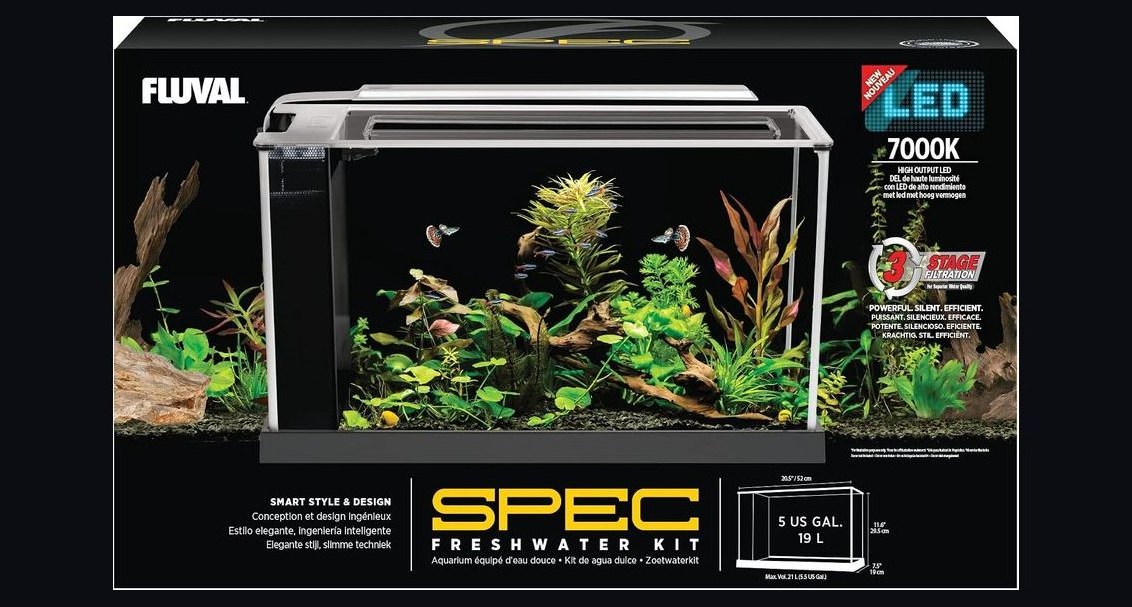 pulse-petsTop 10 aquarium tanks under 20 gallons 2027
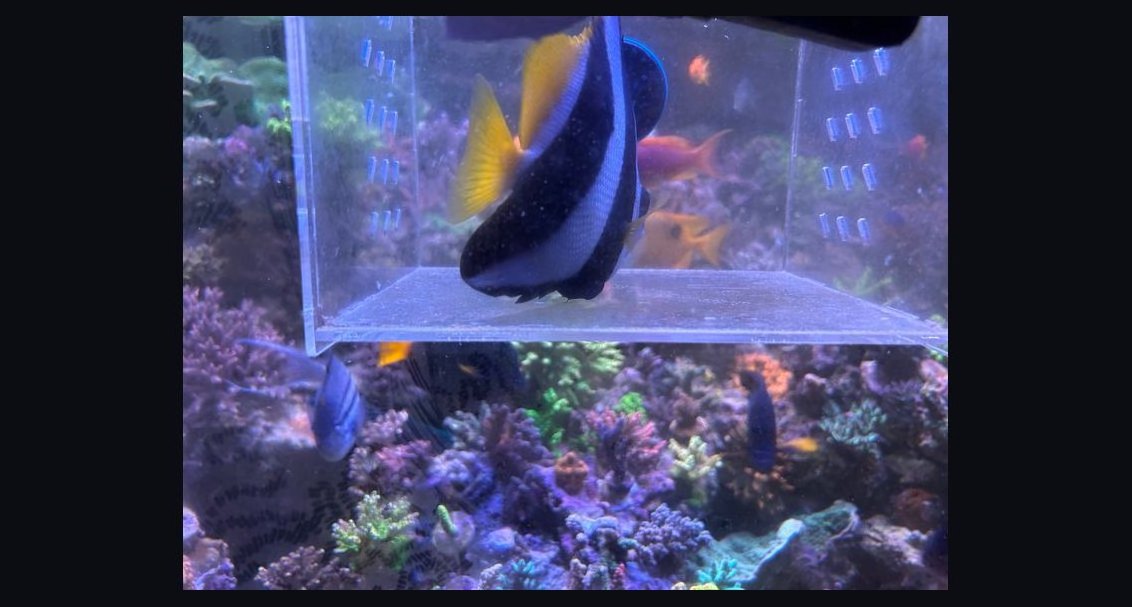 petsHow to acclimate saltwater fish from the LFS without drip acclimation?
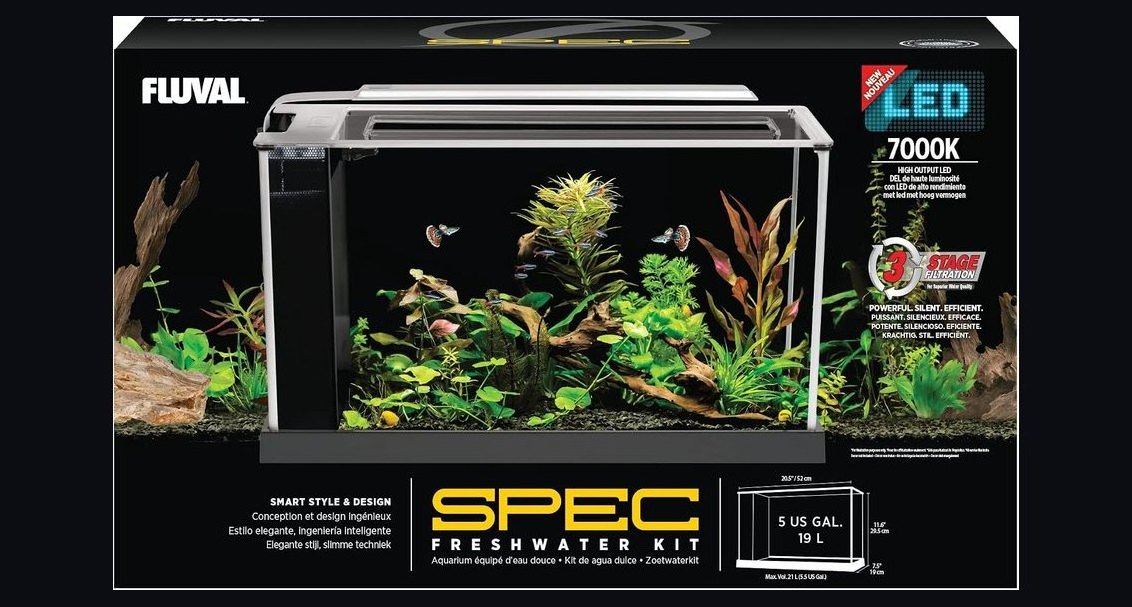 pulse-petsTop 10 5-Gallon Aquariums 2027
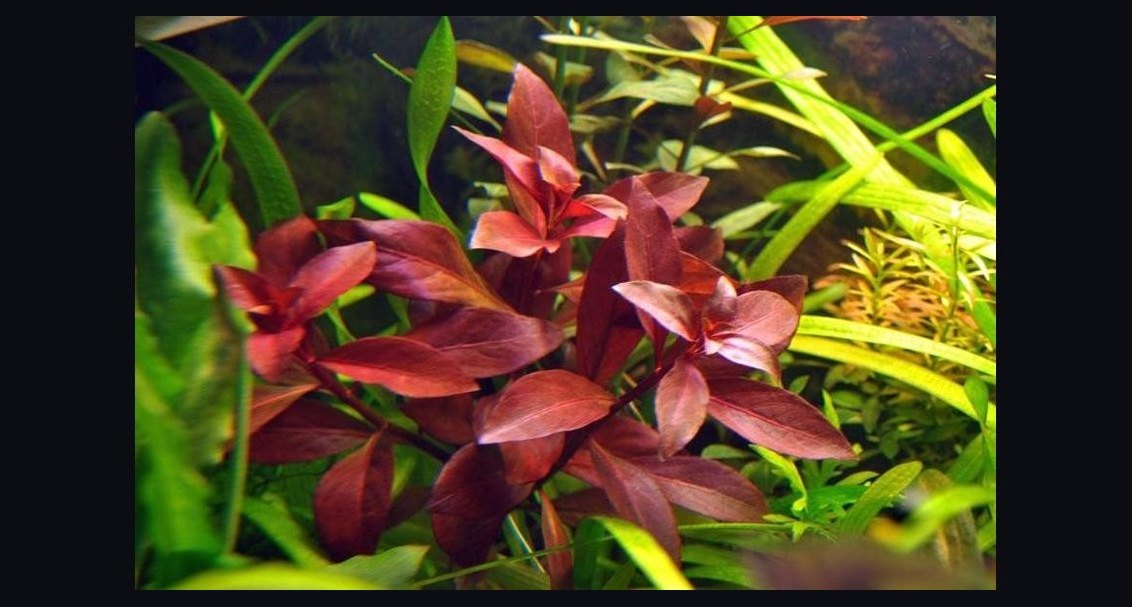 pulse-petsTop 10 red aquarium plants 2027
 petsWhat is the best way to introduce a new kitten to a resident adult cat?
 pulse-petsTop 10 Zoo Med Aquatic Products 2027
 pulse-petsTop 10 Bucephalandra Varieties 2027