
How long does tap water need to sit out before it's safe to add to an aquarium in 2027?
 Curated byKory White · Fractional CRO · Maryland
 PULSEKNOWLEDGE LIBRARY
Quality
Certified
Plain tap water does not become aquarium-safe just by sitting out. Standing water only dissipates chlorine gas, typically within 24 to 48 hours in a wide, open container. Chloramine, which most U.S. utilities now use, does not off-gas and requires a chemical conditioner. So "how long" depends entirely on your water treatment method.
A concrete scenario: the 20-gallon quarantine tank on moving day
Picture a Tuesday evening in early 2027. You have just moved into a new apartment, and your 20-gallon quarantine tank is the last thing to set up. The fish are in bags, the filter media is in a bucket of old tank water, and the only tap available is the kitchen sink. You fill a clean 5-gallon bucket, drop in a spare air stone, and face the classic question: how long does this need to sit before it can go into the tank?
If you assume "24 hours solves everything," you may be right — or you may be poisoning your fish. The answer hinges on what your municipal water system put into that water, not on the clock. A utility using free chlorine (still common in smaller systems and many well-fed municipal supplies) can see that chlorine gas off in roughly a day under good surface agitation. A utility using chloramine — the dominant disinfectant in large U.S. systems since the early 2000s — leaves a compound that will still be present after a week of sitting. Meanwhile, heavy metals like copper and lead from household plumbing do not evaporate at all, and neither does fluoride or the nitrate that sometimes rides along in agricultural areas.
That 5-gallon bucket is therefore not a universal dechlorinator. It is a gas-exchange vessel. It can remove exactly one class of contaminant — dissolved chlorine gas — and only if the water is warm enough, shallow enough, and agitated enough. Everything else requires either a chemical reaction (a conditioner), a physical process (reverse osmosis, carbon filtration), or dilution. Understanding that distinction is what turns a guess into a decision. The rest of this page walks through the mechanism, the numbers, the trade-offs, and the mistakes people make when they rely on time alone.
A useful mental shortcut: ask yourself what you are trying to remove. If the answer is "chlorine gas," time and surface area work. If the answer is "chloramine," "heavy metals," "chloride," or "whatever the water report lists," time does almost nothing and you need a different tool. The scenario above resolves in about 15 minutes with a conditioner and about 24 to 48 hours with a bucket and air stone — but only if the utility uses free chlorine. Without knowing that, the bucket is a coin flip.

How the mechanism actually works
The core science is simple enough to reason about without a chemistry degree. Municipal water treatment adds a disinfectant to kill pathogens between the treatment plant and your tap. That disinfectant is either free chlorine (Cl₂, which forms hypochlorous acid in water) or chloramine (monochloramine, NH₂Cl, formed by combining chlorine with ammonia). Both are toxic to fish at concentrations as low as 0.02 to 0.05 mg/L for extended exposure, and both are regulated in drinking water at residual levels typically between 0.5 and 2.0 mg/L at the tap, sometimes higher.
Free chlorine is a dissolved gas in equilibrium with the atmosphere. When water is exposed to air, chlorine migrates from the liquid phase into the gas phase until equilibrium is reached. The rate depends on four things: temperature, surface area to volume ratio, agitation, and the starting concentration. A shallow tray at 78°F with a bubbler will strip most free chlorine in 12 to 24 hours. A deep, still bucket at 60°F may take 48 to 72 hours to reach the same point. This is why "let it sit overnight" is unreliable advice — it is a rule of thumb for one specific set of conditions.
Chloramine is a different molecule entirely. The ammonia-chlorine bond is strong enough that monochloramine does not readily volatilize at aquarium temperatures. Studies and utility guidance consistently show that standing chloraminated water for days or weeks leaves most of the chloramine intact. It must be broken chemically. Most aquarium conditioners do this with sodium thiosulfate or a related reducing agent, which converts chloramine into chloride and ammonium. The ammonium is then processed by the biofilter — which is why a conditioner can cause a small, temporary ammonia reading that is not a crisis.
Heavy metals behave differently again. Copper, lead, zinc, and iron enter tap water from pipes and fixtures, not from the treatment plant. They do not evaporate, do not break down, and do not respond to aeration. Copper in particular is lethal to invertebrates at very low concentrations — shrimp and snails are far more sensitive than fish. If your building has older plumbing or you are on a well with acidic water, a water report or a home test kit is the only way to know what you are dealing with. The flowchart below shows the decision path from tap to tank.
The takeaway from the diagram is that "sitting out" is only one branch of the decision tree, and it is the branch that applies to the smallest number of aquarists in 2027. If you do not know your utility's disinfectant, the safe default is to treat chemically and skip the waiting entirely.
Real numbers, ranges, and benchmarks
Concrete numbers make this topic actionable. The figures below are drawn from general aquarium and water-treatment practice, and they are the ranges you should expect rather than exact guarantees — every tank, utility, and household is different.
Free chlorine off-gassing. At a starting residual of 1.0 mg/L, a shallow container (2 to 3 inches deep) at 75 to 80°F with an air stone typically reaches undetectable chlorine in 12 to 24 hours. The same water in a 5-gallon bucket filled to the top, still, at 65°F, may take 48 to 72 hours. Doubling the surface area roughly halves the time. Raising the temperature by 10°F speeds the process noticeably. These are the numbers behind the old "let it sit overnight" advice — it works, but only for the favorable end of the range.
Chloramine persistence. Standing chloraminated water for 24 hours, 48 hours, or even a week leaves the vast majority of the chloramine present. Published utility and aquarium-hobby testing consistently shows minimal reduction from passive standing. This is the single most important number on this page: time does not solve chloramine. A conditioner does, in seconds to minutes.
Conditioner dosing. Most liquid conditioners dose at roughly 1 mL per 10 gallons for standard tap water, or about 1 drop per gallon for small volumes. A 5-gallon bucket therefore needs about 5 drops or 0.5 mL. Overdosing by 2x to 5x is generally safe with common thiosulfate-based products; underdosing is not. Always read the specific label, because concentrations vary by brand and some products are sold in concentrated form.
Temperature matching. New water should be within 1 to 2°F of tank water for routine changes. A swing of 5°F or more stresses fish, suppresses appetite, and can trigger ich outbreaks. A thermometer in the bucket is a two-dollar insurance policy. For large changes (over 30% of tank volume), match temperature and pH as closely as practical.
Volume benchmarks. A 10% water change on a 20-gallon tank is 2 gallons. A 25% change is 5 gallons. A 50% change is 10 gallons. Most community tanks do well with 10 to 25% weekly, while heavily stocked or goldfish tanks may need 30 to 50% weekly. The volume you are preparing determines how much conditioner you use and how long temperature matching takes.

Ammonia and nitrite safety. In an established tank, ammonia and nitrite should read 0 ppm. After adding conditioned water that contained chloramine, a transient ammonia reading of 0.25 to 0.5 ppm is possible and usually clears within 24 hours as the biofilter consumes it. Nitrate is the end product and is managed by water changes; 5 to 20 ppm is a common target for freshwater community tanks, with some planted tanks running lower.
Water hardness and pH. Most community fish tolerate a pH of 6.5 to 7.8 and a general hardness of 4 to 12 dGH. African cichlids want 7.8 to 8.6 and 10 to 20 dGH. Discus and many South American tetras prefer 6.0 to 7.0 and 2 to 8 dGH. Tap water parameters vary enormously by region, so test before you assume. A $15 liquid test kit gives you pH, ammonia, nitrite, and nitrate — the four numbers that matter most.
How long conditioner-treated water takes. Once dosed, conditioner-treated water is ready in about 1 to 2 minutes of stirring, or as long as it takes to temperature-match. There is no waiting period required for the chemical reaction itself; thiosulfate neutralizes chlorine and chloramine almost instantly at aquarium doses.
How long RO or distilled water takes. Essentially zero waiting for chlorine, because these processes remove it. However, RO and distilled water have near-zero hardness and can swing pH if added directly. They are usually remineralized or blended with tap water before use, which adds a few minutes of measuring.

How long well water takes. Well water has no chlorine or chloramine, so no off-gassing is needed. But it can carry iron, manganese, sulfur, nitrate, and bacteria. A water test is essential. If the well is fine, well water can be temperature-matched and added in minutes. If it is not, filtration or treatment is required before it touches the tank.
These benchmarks give you a decision framework: identify the disinfectant, measure the volume, match the temperature, and dose accordingly. The clock is only one variable, and rarely the deciding one.
Trade-offs and alternatives
Every method for making tap water aquarium-safe has a cost, a speed, and a failure mode. The table below is the honest comparison, and the second diagram maps the alternatives visually.
Standing out (time only). Cost: free. Speed: 12 to 72 hours. Works for: free chlorine only. Fails for: chloramine, heavy metals, high nitrate. Risk: temperature drift, mosquito larvae in open containers, spilled buckets, and the false confidence that "it sat out, so it's safe." Best used as a supplement to aeration, not as a standalone method.
Aeration with an air stone. Cost: a few dollars for a pump and stone. Speed: cuts chlorine off-gassing time roughly in half. Works for: free chlorine. Fails for: chloramine and metals. Risk: noise, evaporation, and the same false-confidence problem. This is the best version of the "let it sit" approach.
Liquid conditioner. Cost: pennies per water change. Speed: 1 to 2 minutes. Works for: chlorine and chloramine. Fails for: heavy metals (unless the product explicitly binds them), high nitrate, and extreme pH. Risk: underdosing, expired product, or using a chlorine-only conditioner on chloraminated water. This is the default recommendation for most aquarists in 2027.
Carbon filtration. Cost: moderate — a filter housing and replacement cartridges. Speed: depends on flow rate; a few minutes to an hour for a few gallons. Works for: chlorine, chloramine (with catalytic carbon), some organics, and some metals. Fails for: nitrate, phosphate, and dissolved solids. Risk: channeling, exhausted media, and bacterial growth in a wet filter if left idle.
Reverse osmosis (RO). Cost: high upfront, plus wastewater. Speed: minutes to hours depending on system and pressure. Works for: nearly everything — chlorine, chloramine, metals, nitrate, phosphate. Fails for: nothing much, but it also strips beneficial minerals, so remineralization is required. Risk: wasted water (often 3 to 4 gallons per gallon produced), membrane fouling, and pH instability if used straight.

Distilled or bottled water. Cost: high per gallon. Speed: immediate. Works for: everything, since it is already purified. Fails for: practicality at scale — hauling and storing dozens of gallons is expensive and heavy. Risk: some bottled water is mineral-added or not sterile, and plastic waste adds up.
Blending tap with RO. Cost: moderate. Speed: minutes. Works for: reducing hardness and nitrate while retaining some minerals. Fails for: nothing specific, but requires testing to get the ratio right. Risk: inconsistent ratios between batches, which stresses fish over time.
The trade-off summary: standing out is free but narrow and slow. Conditioner is cheap, fast, and covers the two disinfectants that matter most. Carbon and RO cover more contaminants but cost more and require maintenance. The right choice depends on your water report, your tank's sensitivity, and how much time you are willing to spend.
One more trade-off worth naming: predictability. Standing out introduces variability — the same bucket behaves differently in winter and summer, in a still room and a drafty one. Conditioner introduces consistency. For a beginner or anyone keeping sensitive invertebrates, consistency is worth more than the few cents a dose costs.

Common pitfalls and how to avoid them
Pitfall 1: Assuming all tap water is chlorinated. Chloramine is now used by a large share of U.S. water systems, and the share has grown over the past two decades. If you have moved recently, or your utility has switched disinfectants (some do seasonally), your old method may silently fail. Fix: check your utility's annual water quality report, which is published online and lists the disinfectant and residual range. If you cannot find it, call the utility or treat as if chloramine is present.
Pitfall 2: Trusting the smell test. Chlorine has a distinct odor, but chloramine's odor is weaker and can be masked. More importantly, the absence of smell does not mean the water is safe — residual disinfectant can be present below the odor threshold and still harm fish. Fix: use a test kit or conditioner rather than your nose.
Pitfall 3: Letting water sit in an open, uncovered container for days. This invites dust, insects, and airborne contaminants, and it lets temperature drift to room temperature, which may be far from tank temperature. Fix: cover the container loosely, use it within 48 hours, and always temperature-match before adding.

Pitfall 4: Forgetting heavy metals. Copper plumbing, brass fixtures, and older solder can leach metals into standing water, especially if the water has been sitting in the pipes overnight. Fix: run the tap for 30 to 60 seconds before collecting water, and use a conditioner that explicitly binds heavy metals if your plumbing is older or your invertebrates are sensitive.
Pitfall 5: Using hot tap water to temperature-match. Hot water dissolves more metals and can carry sediment from the water heater. Fix: draw cold water and warm it with a dedicated aquarium heater or by blending with a small amount of boiled water that has cooled.
Pitfall 6: Overdosing or underdosing conditioner. More is not always better, and less is definitely worse. Fix: measure with a syringe or dropper, follow the label, and replace expired products. Most conditioners have a shelf life of one to two years once opened.
Pitfall 7: Skipping the temperature match on large changes. A 50% change with water 8°F colder than the tank can shock fish and trigger disease. Fix: always float a thermometer in the bucket and adjust before pouring.
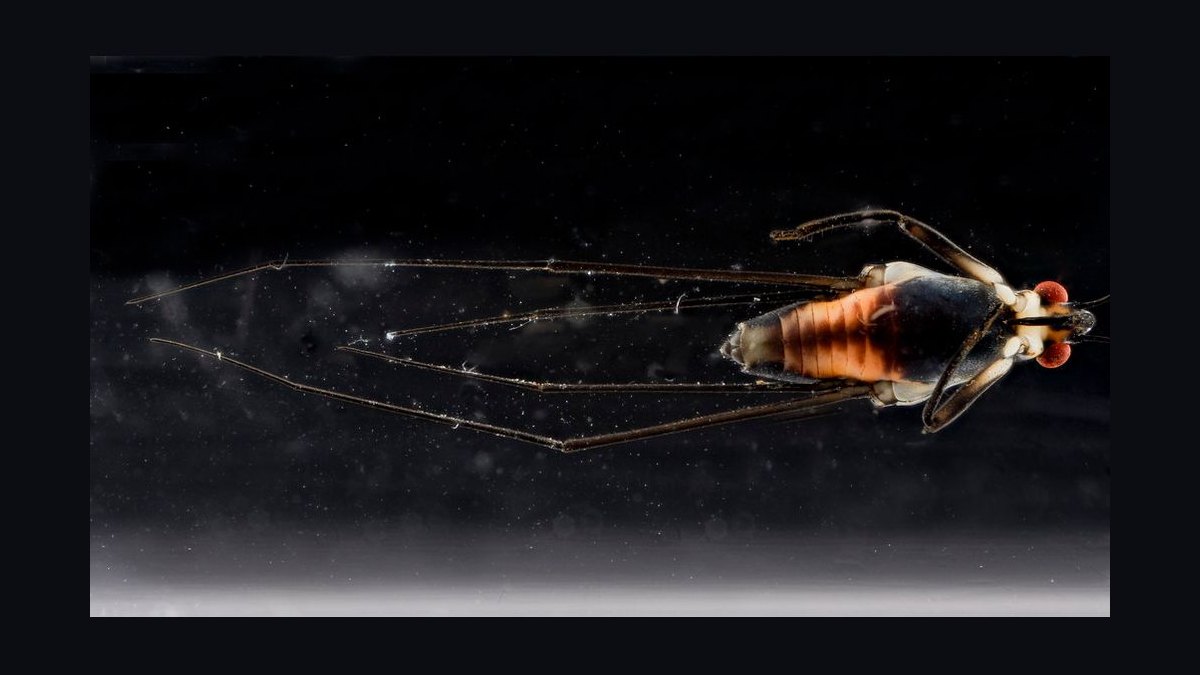
Pitfall 8: Assuming "it sat out, so it's safe" for all contaminants. This is the central error the page is written to correct. Time removes chlorine gas and almost nothing else. Fix: identify what is in your water, then choose a method that actually addresses it.
Pitfall 9: Not testing the tank after a water change. A transient ammonia spike from chloramine breakdown, or a pH swing from RO water, can go unnoticed until fish show symptoms. Fix: test ammonia, nitrite, and pH within a few hours of a large change, especially when trying a new water source.
Pitfall 10: Storing prepared water too long. Conditioned water kept in a sealed container for a week is generally fine, but open containers grow bacteria and lose temperature control. Fix: prepare only what you need for the next change, and keep it covered and labeled.
Each of these pitfalls has the same root cause: treating water preparation as a waiting game rather than a chemistry problem. Once you know what you are removing, the correct method and the correct timeline become obvious.
Related questions
Does boiling tap water make it safe for an aquarium?
No. Boiling removes chlorine gas faster but concentrates chloramine, heavy metals, and nitrate because water evaporates and leaves contaminants behind. It also drives off oxygen. Never use boiled water as a shortcut for aquarium use.
Can I use tap water directly if I add conditioner to the tank?
You can, but it is riskier. Conditioner works fastest when mixed into the new water before it enters the tank, and dosing the whole tank volume wastes product. Mix in the bucket, then add.
How long can prepared aquarium water sit before use?
Conditioned water in a sealed, covered container is generally fine for 24 to 48 hours. Beyond that, temperature and bacterial growth become concerns. Prepare close to when you need it.
Does a water softener make tap water aquarium-safe?
No. Softeners swap calcium and magnesium for sodium, which is not ideal for freshwater fish and does nothing about chlorine or chloramine. Softened water still needs conditioner and is often better avoided for tanks.
Is well water safer than municipal water for aquariums?
Not automatically. Well water has no disinfectant, but it can carry iron, sulfur, nitrate, and bacteria. Test it before use. If it tests clean, it can be used after temperature matching.
FAQ
How long does tap water need to sit out to remove chlorine?
Under good conditions — shallow container, 75 to 80°F, air stone running — free chlorine typically off-gasses in 12 to 24 hours. In a deep, still bucket at cooler temperatures, allow 48 to 72 hours. Test or use a conditioner if you are unsure.
Does sitting out remove chloramine?
No. Chloramine does not volatilize at aquarium temperatures, and standing water for days or weeks leaves most of it intact. You must use a conditioner, carbon filter, or RO system to remove it.
What is the fastest safe way to prepare tap water?
Dose a liquid conditioner at the label rate, stir for a minute, and temperature-match. This takes about 5 to 10 minutes total and covers chlorine, chloramine, and (with the right product) heavy metals. It is faster and more reliable than standing out.
Can I add tap water straight to my aquarium without waiting?
Only if you have dosed conditioner for the volume being added and matched the temperature. Adding untreated tap water directly exposes fish to chlorine or chloramine, which can cause gill damage and death within hours.
How do I find out what my water utility uses?
Check your utility's annual water quality report, usually published on its website. It lists the disinfectant, residual range, and other parameters. If you cannot find it, call the utility or treat as if chloramine is present.
Does the 2027 answer differ from previous years?
The chemistry has not changed, but chloramine use has continued to expand across U.S. water systems. More aquarists in 2027 are on chloraminated water than a decade ago, which makes conditioner the safer default and "let it sit" less reliable than it once was.
Sources
- U.S. Environmental Protection Agency — Chloramine in drinking water: https://www.epa.gov/dwreginfo/chloramines-drinking-water
- U.S. Environmental Protection Agency — Chlorine in drinking water: https://www.epa.gov/dwreginfo/chlorine-drinking-water
- Centers for Disease Control and Prevention — Water treatment and disinfection: https://www.cdc.gov/healthywater/drinking/public/water_treatment.html
- U.S. Geological Survey — Water quality information: https://www.usgs.gov/mission-areas/water-resources
- American Water Works Association — Disinfection and water quality: https://www.awwa.org/
- National Oceanic and Atmospheric Administration — Aquaculture and water quality basics: https://www.noaa.gov/
- University of Florida IFAS Extension — Aquarium water quality: https://edis.ifas.ufl.edu/
- Texas A&M AgriLife Extension — Pond and aquarium water management: https://agrilifeextension.tamu.edu/
Related on PULSE
- How to cycle a new aquarium filter before adding fish
- Water conditioner dosing: how much is too much
- Testing tap water for aquarium use: what to measure
- Reverse osmosis vs. tap water for freshwater tanks
- Temperature matching during water changes
- Chloramine vs. chlorine: what every aquarist should know
This page will be disappearing soon. Save it to your device for $1 — or read it free while it is here.
@Kory-White- · if Venmo asks, the last 4 of my number are 2012
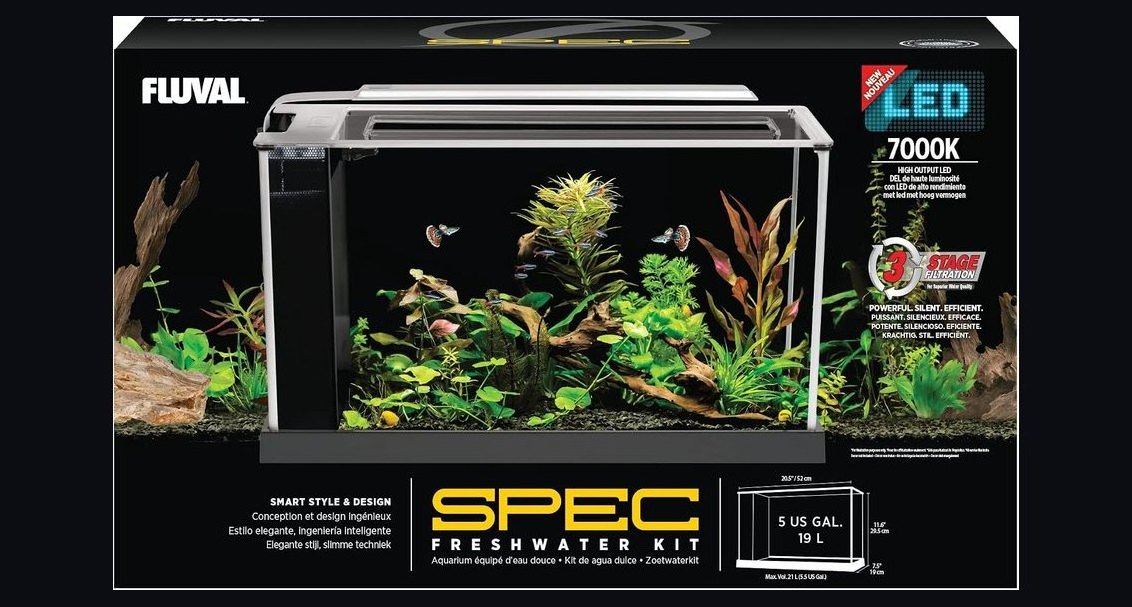 pulse-petsTop 10 5-Gallon Aquariums 2027
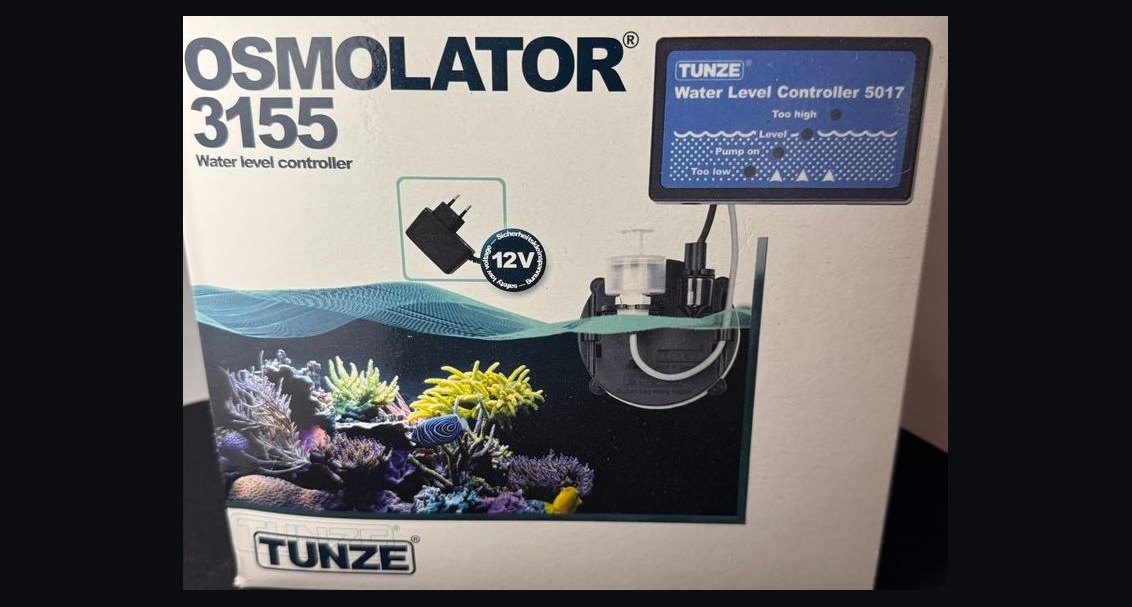 pulse-petsTop 10 Auto Top-Off Systems for Aquariums 2027
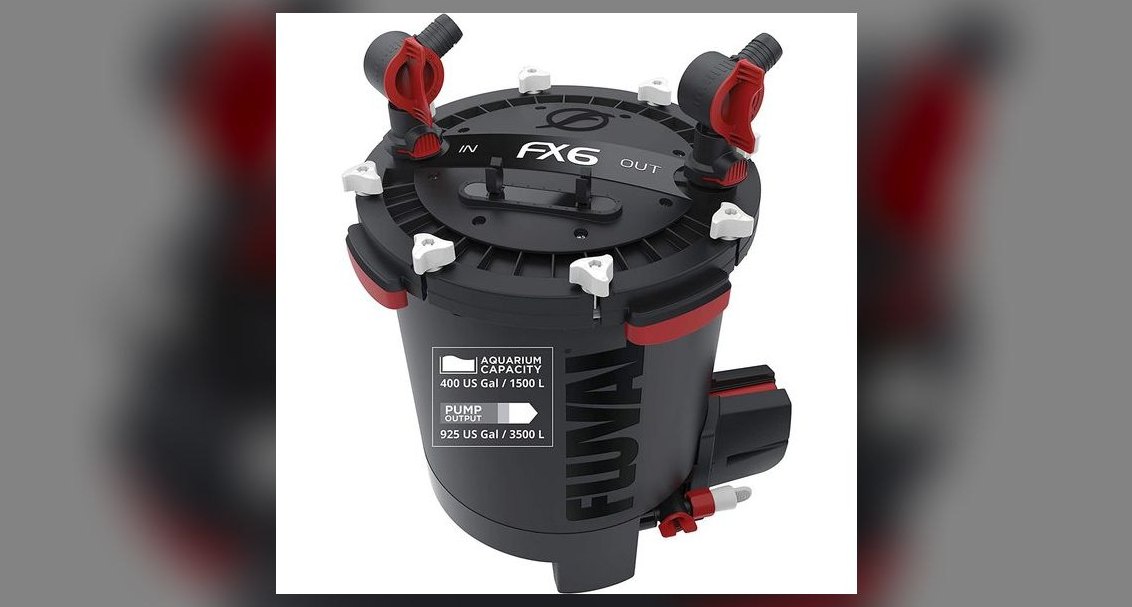 petsTop 10 gallons per hour for aquarium water pumps in 2027
 pulse-petsTop 10 best aquarium snail varieties 2027
 pulse-petsTop 10 Wild Type Betta Species 2027
 pulse-petsTop 10 Aquarium LED Lights 2027
 petsWhat percentage of tank water should I actually change each week in 2027?
 pulse-petsTop 10 best frozen fish foods 2027
 pulse-petsTop 10 Oscar Cichlid Tank Mates 2027
 pulse-petsTop 10 common fish diseases 2027