


How do you set sales quotas that reps actually hit in 2027?

A quota reps actually hit is one where roughly 60–70% of the team finishes at or above plan, ramp is honored for every new hire, and the OTE math lands at 4–6x quota by segment. The cleanest path is a hybrid model: build bottoms-up from account potential times realistic win-rate, reconcile against the top-down revenue plan, then layer a 90–180 day ramp before any rep carries full number. If more than 80% are blowing past, the quota is too soft. If fewer than 50% are landing it, the quota is broken and attrition is already starting.
TL;DR
- Healthy attainment band is 60–70% of reps at or above quota — Pavilion 2024 and Bridge Group both anchor here.
- Quota-to-OTE ratio: 4–5x for enterprise AEs, 5–6x for mid-market, 6–8x for SMB.
- Hybrid (bottoms-up reconciled to top-down) is the dominant methodology in growth-stage SaaS.
- Always honor ramp — Month 1 at 0%, Month 3 at ~50%, Month 6 at 100% of monthly quota.
- The three killers: ignored ramp, territory imbalance, and "board stretch goal as carried quota."
The 3 Methodologies + When Each Wins
Top-down starts with the board number — say $40M new ARR — divides by productive headcount, and hands each rep the quotient. It is fast, simple, and useful for a Series A team where territory data is thin. It is also the methodology most likely to produce the 35% attainment death-spiral, because it treats reps as interchangeable units against a number finance picked to satisfy investors. Use top-down only when you genuinely have no historical territory data, and even then, sanity-check the per-rep number against industry win-rates before publishing.

Bottoms-up starts at the account level. You take each rep's named-account list, multiply average opportunity size by realistic conversion rate (usually 18–25% for outbound, 28–35% for inbound qualified pipeline per ICONIQ benchmarks), and roll the territory totals upward. This methodology is honest — it tells you what the territory can actually produce — but founders hate it because it almost always lands 15–25% short of the board number. That gap is the conversation that actually matters.

Hybrid is what every mature RevOps team converges on. You build bottoms-up, then negotiate the delta to top-down by either (a) adding accounts to under-potential territories, (b) adding headcount, (c) extending the ramp curve, or (d) accepting that the top-down number was fantasy and renegotiating with finance. Alexander Group's 2024 quota-setting research found 71% of B2B sales orgs above $50M ARR use hybrid as their primary method, with bottoms-up as the anchor and top-down as the stretch ceiling. The hybrid model is also the only one that produces defensible quotas reps will not revolt against in QBR.
Quota-to-OTE Math by Segment
The ratio of annual quota to on-target earnings is the single best diagnostic of whether a comp plan is survivable. Too low and you cannot afford the rep at scale. Too high and reps cannot make the math work. Here is the standard band, drawn from CaptivateIQ's 2024 compensation benchmarks cross-referenced with OpenView's SaaS Benchmarks report:

| Segment | Quota-to-OTE Ratio | Typical Quota | Typical OTE | Notes |
|---|---|---|---|---|
| Enterprise AE | 4–5x | $1.2M–$2.0M | $280K–$400K | Long cycles, fewer deals, high ACV |
| Mid-Market AE | 5–6x | $700K–$1.1M | $160K–$220K | Sweet spot for most SaaS |
| SMB AE | 6–8x | $500K–$800K | $90K–$140K | High velocity, lower ACV, transactional |
| SDR | 4–6x of pipeline | $4M–$8M pipeline | $70K–$95K | Measured on SQLs and pipeline, not closed ARR |
Tools like CaptivateIQ, Spiff, and QuotaPath exist specifically to model these ratios across scenarios — what happens to attainment if you raise quota 12%, what happens to comp expense if you drop the accelerator threshold, and so on. Modeling in spreadsheets is fine for sub-30-rep teams, but past that, you need a real compensation platform or your accruals will be wrong by the end of Q2.

A useful tripwire: if quota-to-OTE drops below 3x, finance will eventually flag the cost of sales as unsustainable. If it climbs above 9x, your reps cannot mathematically clear OTE even at 100% attainment unless commission rates are wildly inflated, and you will lose your best people first. The ratio also tells you something about your win-rate assumptions — when you push past 7x at the mid-market segment, you are implicitly betting your reps will close at rates above industry norms, which they almost never sustain past the first two quarters of a plan year.
The 3 Quota Failures That Crash Attainment

Ramp ignored. A new AE gets handed full quota in Q1 because the board needed the number on the plan. By Month 9, that rep is at 38% attainment, demoralized, and looking on LinkedIn. The Bridge Group's 2024 SaaS AE Metrics Report puts median ramp at 5.3 months for mid-market and 7.1 months for enterprise. Plan for it. A ramped quota schedule (0%, 25%, 50%, 75%, 100% across the first five months) costs you a small amount of plan-year revenue and saves you the entire CAC of replacing the rep when they quit.
Territory imbalance. One AE gets the named list with three Fortune 500 logos already in late-stage. Another gets a greenfield SMB book with no marketing air cover. Both carry the same quota. The first hits 180%, the second hits 41%, and you fire the second one — even though the second rep was the better seller. Healthy territory design uses a potential score (TAM by account size, propensity model, install-base proximity) and balances aggregate potential within 15% across reps. This is non-negotiable for fairness and is the single highest-leverage thing RevOps does each year.

Stretch goal as quota. The board wants $10M. Realistic bottoms-up says $7.5M. Leadership sets quota at $10M anyway, "to push the team." Attainment lands at 35%, comp accruals collapse, and the next year you have to set quota at $6M to claw back morale — net result is worse than if you had been honest in the first place. Pavilion's 2024 data on companies missing plan by more than 25% shows a 40% sales rep attrition rate the following year. Set quotas based on what the territory can produce, and let leadership argue about the gap separately.
Related on PULSE
- How do you set sales quotas fairly in 2027?
- How do you set sales quotas in 2027 when AI generates a large share of the pipeline?
- How do you set SDR quotas and comp in 2027?
- How do you design ramp-adjusted quotas for new sales reps in 2027?
- How do we adjust comp when a product changes pricing mid-year and reps' quotas become misaligned?
- When and how should you reset sales quotas mid-year?
The Quota-Setting Calendar: When to Set, Review, and Adjust
Timing is everything in quota setting. The most successful revenue operations teams follow a structured calendar that prevents the common trap of setting quotas once and forgetting them. Start the process 60-90 days before the fiscal year begins—this gives you time to analyze territory potential, account for market shifts, and run multiple scenarios without rushing. During the quarter, conduct a mid-period pulse check at week 6: are reps on pace? Is the pipeline healthy? This is not a time to change quotas (that destroys trust), but to assess whether coaching or resource reallocation is needed. At quarter-end, do a formal review comparing actual attainment against the original quota, noting any systemic patterns like a specific territory consistently underperforming or a product line that’s easier to sell. For annual adjustments, limit changes to no more than 10-15% of reps’ quotas year-over-year unless there’s a major market event or territory restructuring. Reps need predictability to plan their earnings, and wild swings in quota from year to year erode confidence faster than a slightly lower number ever could.
The Psychology of Quota Ownership: Why Reps Buy In or Check Out
A quota that reps actually hit is one they feel they own—not one that was handed down from finance. The difference is in how the number is communicated and what happens after. When a rep understands the math behind their quota—how many accounts, at what average deal size, with what win rate—they can visualize the path. Without that transparency, the quota feels arbitrary and demotivating. The most effective leaders involve senior reps in the territory planning process, asking them to estimate their own potential based on their knowledge of accounts. This doesn’t mean reps set their own quotas (that invites sandbagging), but their input should inform the final number. When a rep’s estimate is within 10-15% of leadership’s target, you have alignment. When it’s wildly different, you have a conversation about what’s being missed—either the rep is underestimating their territory, or leadership is overestimating it. This collaborative calibration builds trust and makes the final quota feel fair rather than imposed. Also, never change a quota mid-quarter unless there’s a territory change or product launch that fundamentally alters the selling environment; doing so for any other reason signals that quotas are negotiable, and reps will stop treating them as commitments.
Common Quota-Setting Pitfalls That Sabotage Attainment
Even well-intentioned quota models fail because of three recurring mistakes. First is the “one-size-fits-all” quota: giving every rep the same number regardless of territory quality, account concentration, or tenure. A rep with 50 enterprise accounts in a mature market cannot be held to the same number as a rep with 200 SMB accounts in a new territory. The fix is segmenting quotas by role (hunter vs. farmer), territory tier, and ramp status. Second is ignoring the “dead zone” in the middle of the quota—where the gap between quota and actual attainment is too wide to bridge with normal activity. If a rep needs to close $500k in a quarter but only has $200k in committed pipeline with 30 days left, that gap is demoralizing. Smart leaders set quarterly milestones (e.g., first-month pipeline coverage targets) so reps can see progress toward the number, not just the final cliff. Third is failing to account for seasonality: if Q1 is historically slow in your industry, don’t set Q1 quotas at the same level as Q4. Use trailing 12-month data to set quarterly weights that reflect actual buying patterns. These adjustments don’t change the annual number—they just distribute it realistically, which keeps reps engaged all year instead of giving up after a bad first month.
FAQ
What percentage of reps should hit quota in a well-designed plan? A healthy range is 60–70% of the team finishing at or above plan. If more than 80% are blowing past, the quota is likely too soft. If fewer than 50% are hitting it, the quota is broken and attrition is already starting.
How long should a new rep’s ramp period be before they carry full quota? Most organizations use a 90–180 day ramp before any rep carries the full number. During ramp, quotas are typically reduced by 50–75% in the first quarter, then gradually increased to full weight.
What’s the best method for setting individual rep quotas? A hybrid model works best: build bottoms-up from account potential times realistic win-rate, then reconcile against the top-down revenue plan. This avoids the common trap of using only historical averages or only executive targets.
How do you calculate OTE relative to quota? A common healthy ratio is 4–6x quota by segment. For example, a rep with a $1M annual quota might have an OTE of $166K–$250K. This ratio ensures the economics work for both the rep and the company.
What should you do if your team is consistently missing quota? First check if fewer than 50% are hitting—that signals a broken quota, not a rep problem. Re-examine the bottoms-up account potential data, adjust for realistic win-rates, and ensure ramp periods are honored. If the plan is sound, then address coaching gaps.
How often should quotas be reviewed and adjusted? Quotas should be set annually but reviewed quarterly against actual attainment. If market conditions shift or account assignments change, mid-year adjustments may be needed—but avoid changing quotas more than once or twice a year to maintain rep trust.
Sources
- Pavilion — 2024 GTM Benchmarks Report.
- The Bridge Group — 2024 SaaS AE Metrics and Compensation Report.
- Alexander Group — 2024 Sales Compensation Trends Survey.
- ICONIQ Growth — Topline Operating Metrics, 2024 Edition.
- OpenView Partners — 2024 SaaS Benchmarks Report.
- CaptivateIQ — 2024 Sales Compensation Benchmarks.
- Spiff (by Salesforce) — State of Sales Compensation 2024.
- QuotaPath — Quota Attainment and Comp Plan Design Report 2024.
This page will be disappearing soon. Save it to your device for $1 — or read it free while it is here.
@Kory-White- · if Venmo asks, the last 4 of my number are 2012
This page is gone.
This one is off the shelf now. $1 keeps it on your phone for good — the whole page, pictures and diagrams included.
 revopsWhat's the right interview process for hiring a great B2B SaaS AE in 2027?
 revopsWhat are Notre Dame Fighting Irish football's 2027 NIL needs and strategy?
 revopsWhat are Florida Gators football's 2027 NIL needs and strategy?
 revopsHow do you compare quotas across sales segments in 2027?
 revopsHow should a 2027 sales and marketing team run joint forecasting?
 revopsHow do you do usage-data triggered outbound for PLG accounts in 2027?
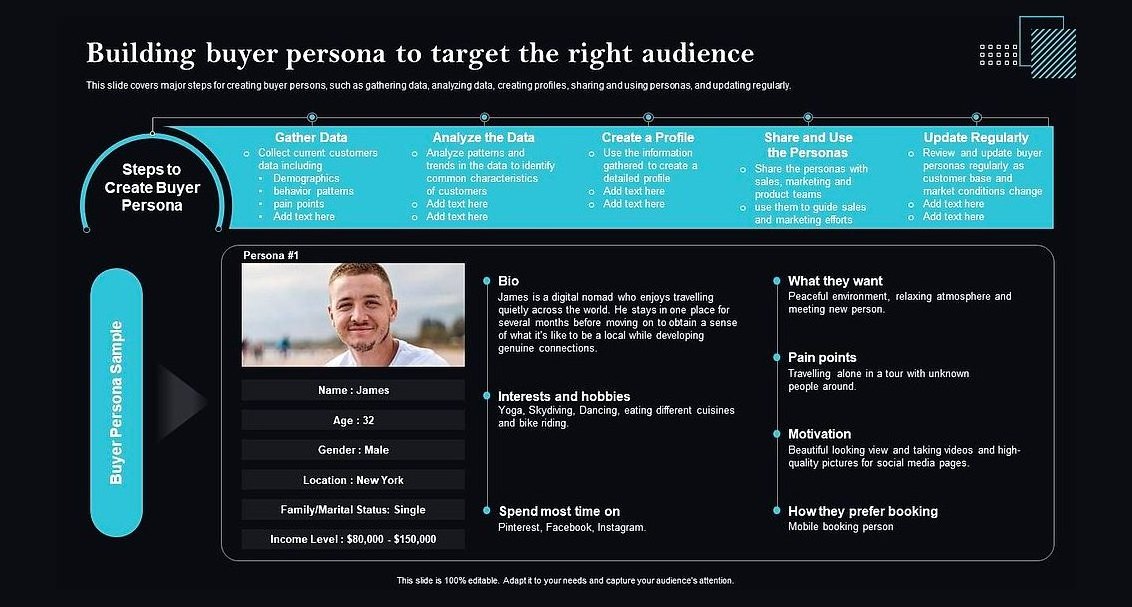 revopsHow do you build a buyer persona that sales actually uses in 2027?
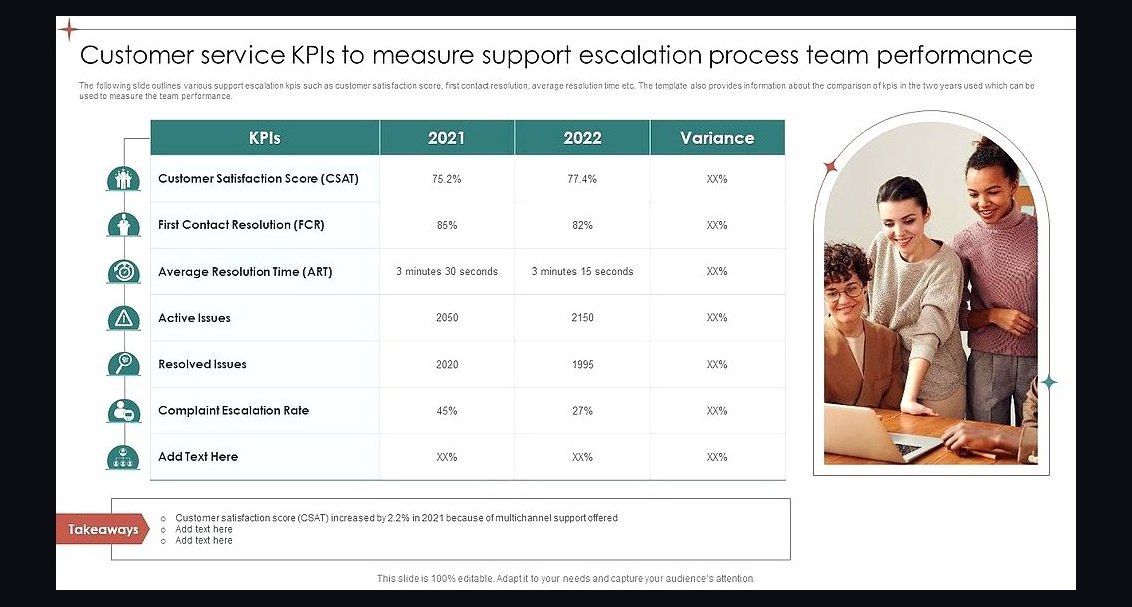 revopsHow should you handle mid-year comp plan resets without destroying trust in 2027?
 revopsHow do you operate sales during a system outage during end-of-quarter in 2027?
 revopsWhat are the basic qualifying criteria for a sales deal in 2027?