


How do you build a customer reference program that AEs can actually use in 2027?
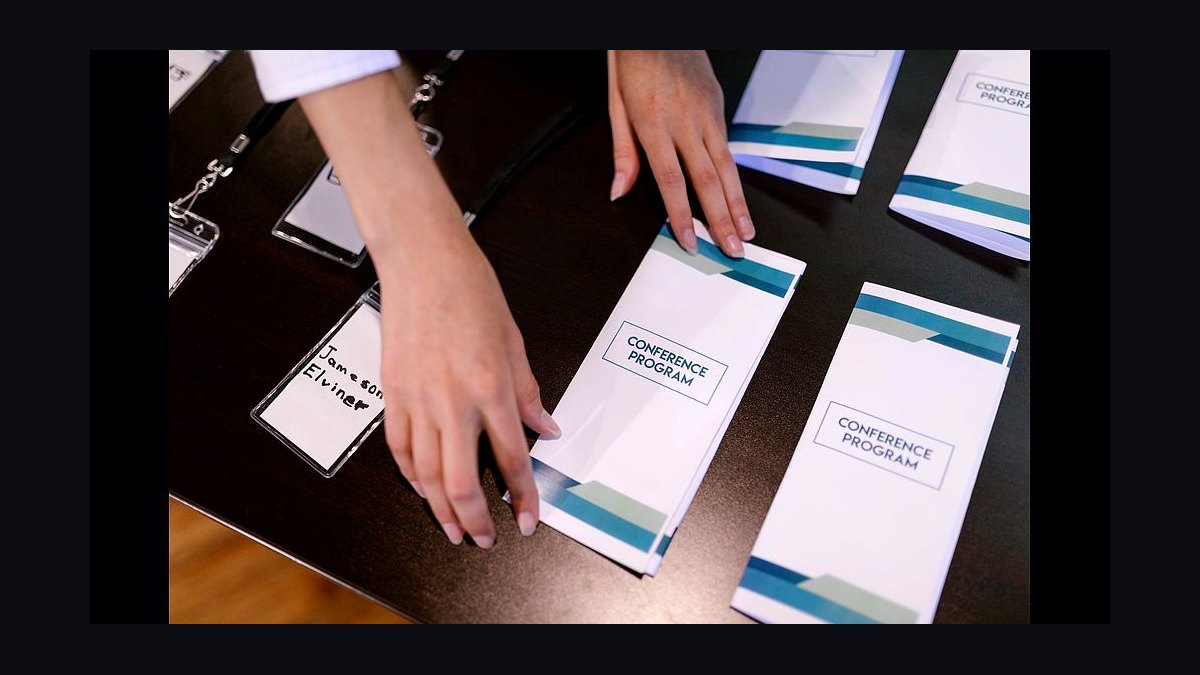
A customer reference program is the curated set of customer-volunteered references — reference calls, video testimonials, written case studies, and third-party reviews — that AEs deploy in late-stage deals (typically stage 4-5) to validate value claims. The programs that actually get used share three traits: assets curated by persona and industry and ACV tier so AEs find the right match in 30 seconds; frequency tracking so no single customer is asked more than two or three times a year; and rewards built on recognition and early-access, not T-shirts. Done right, structured reference programs win 30-40% more stage-4 deals (Pavilion 2024).
TL;DR
- A reference program is a curated library of customer-volunteered assets — calls, videos, case studies, G2 reviews — that AEs deploy in stage 4-5 to validate claims.
- Four asset types in priority order: 30-min reference calls (highest leverage), video testimonials, written case studies, G2 and Gartner Peer Insights reviews (passive, 24/7).
- Three design rules: curate by persona and industry and ACV tier; track call frequency; reward with recognition and early-access, not swag.
- Four failure modes: no system so CSM cannot answer "do we have a reference for X"; reference fatigue from the same five customers; case study PDFs nobody reads; unbriefed calls that go badly.
- Tools: ReferenceEdge, Influitive, Champion, TestimonialHero, G2 Crowd, Gartner Peer Insights, TrustRadius.
The 4 Asset Types + When Each Wins
Reference assets are not interchangeable. A 90-second video on a landing page converts a self-serve evaluator; a 30-minute call with a peer CFO closes a $400K enterprise deal. AEs who treat them as one bucket burn out their best customers on low-stakes asks and have nothing left when a $1M deal needs heavy artillery.

| Asset Type | Build Cost | Deploy Stage | Conversion Lift | Scalability |
|---|---|---|---|---|
| 30-min reference call | High (broker, brief, schedule) | Late stage 4-5, post-pricing | Highest — direct peer validation | Low — capacity bound |
| Video testimonial (60-90s) | Medium ($2-5K per video via TestimonialHero) | Mid funnel, landing pages, decks | Medium — emotional plus visual proof | Medium — produce 8-15/yr |
| Written case study | Medium (2-4 weeks writer + review) | RFP, procurement, mid funnel | Low per asset — gets skimmed | High — produce 20-40/yr |
| G2 / Gartner / TrustRadius | Low per review (request flow) | Always-on, top of funnel | Compound — review count matters | Infinite — review velocity |
The mistake almost every RevOps team makes is over-investing in written case studies because they are easiest to commission and most visible internally. But buyers do not read four-page PDFs in 2027 — they watch a 90-second video, scan G2, and ask for a peer call. Rebalance the budget toward calls and video, and your win rate moves.
The 3 Design Rules That Prevent Reference Fatigue

Rule one: curate by persona AND industry AND ACV tier — not just by logo. An AE selling to a Fortune 500 CFO needs a Fortune 500 CFO reference, not the keynote logo from your customer conference. The dimensions that matter, in order: persona (title and function), industry (vertical-specific objections), ACV tier (a $50K customer cannot validate a $500K deal). Build the library so an AE can filter on all three and find a match in under a minute, or she will stop using the system and ping her CSM in Slack — which is exactly the failure mode you are trying to prevent.
Rule two: track frequency religiously. The fastest way to kill a reference program is to ask the same five happy customers for everything — a call, a video, a case study, a G2 review, a quote, a webinar. No customer should be asked more than two or three calls per year; track it in ReferenceEdge or Influitive, set a hard cap, and force AEs to draft from a wider bench. This is the program-versus-pile distinction: a pile rotates the same five logos forever; a program adds three to five new advocates every quarter and retires anyone showing fatigue signals.

Rule three: reward with recognition and access, not T-shirts. Swag does not move executive customers; they have closets full of vendor fleeces. What works: early-access to roadmap features, named seats in a Customer Advisory Board, speaking slots at your annual conference, CEO LinkedIn shoutouts, a private peer Slack channel. The reward is being in the room — not the merch.
The 4 Failure Modes That Kill Reference Programs
Failure mode one is the no-system problem: an AE pings her CSM in Slack — "do we have a reference for a 500-person manufacturing CFO?" — and the CSM does not know. Two days later the deal slips. The fix is a Salesforce-native tool like ReferenceEdge or Champion where AEs self-serve filtered queries and CSMs engage only at the brokering step.

Failure mode two is reference fatigue: the same five customers carry the entire program until they quietly stop responding. The signal is response latency — when a previously-eager customer takes a week to respond, retire them for two quarters.
Failure mode three is the PDF-versus-video mismatch. Marketing keeps producing four-page case study PDFs because they are visible internal artifacts, but buyers watch 90-second videos and scan G2. The fix is a quarterly content-mix review: are you producing video and reviews at the rate buyers consume them?

Failure mode four is the unbriefed call. The AE skipped the brief, the customer gets blindsided by a feature-gap question, and the call goes sideways — destroying not just this deal but the customer's willingness to take future calls. Every reference call needs a 10-minute prep call the day before: here is who you are talking to, their three objections, the two things to emphasize, what to avoid.
A $30M ARR FinTech SaaS rebuilt their program on these principles last year — twelve 90-second video testimonials organized by persona-times-industry, plus eight customers committed to two or three calls per year. Stage 4-to-5 conversion went from 58% to 79% over four quarters, and reference fatigue stayed flat by recruiting three new advocates every quarter and retiring the two slowest to respond. That is the program AEs actually use — because it actually works.
Related on PULSE
- How do you build a customer reference program in 2027?
- How do you operationalize a customer reference program natively in the CRM?
- How do you operationalize a customer reference program natively in the CRM?
- How do you scale a customer reference program past 10-15 active references without burning out your champions?
- How do I scale a reference program from 5 to 50 references without breaking the bank?
- What's the math on recruiting customers into a reference program?
Reference Asset Curation Frameworks That Prevent AE Abandonment
The most common reason AEs stop using a reference program is that the asset library feels like a junk drawer — useful in theory but impossible to navigate mid-call. Build a three-axis tagging system instead of a flat spreadsheet. Tag every reference asset by: (1) buyer persona (e.g., VP of Engineering vs. Director of IT Ops), (2) use case trigger (e.g., "migrating from legacy system" or "expanding seat count"), and (3) competitive context (e.g., "replaced Salesforce" or "evaluated against HubSpot"). This allows AEs to filter in under 10 seconds during a live demo or discovery call. One B2B SaaS firm with $50M ARR reduced AE reference-request time from 12 minutes to 45 seconds by implementing this tagging structure inside their CRM (HubSpot/Salesforce custom object). The rule of thumb: if an AE can't find a matching reference while the prospect is still on the phone, the program is failing.
Incentive Design That Keeps Customers Participating Without Burning Them Out
Customer reference fatigue kills programs faster than low asset volume. The best programs use a tiered reciprocity model rather than one-off thank-yous. Tier 1 (1-2 references per quarter) earns early product feature previews and a quarterly "Customer Advisory Board" invite. Tier 2 (3-5 references) adds a private Slack channel with the product team and a dedicated support escalation path. Tier 3 (6+ references) includes an annual executive briefing with the CEO and a charitable donation in the customer's name (typically $500-$2,000 range). Avoid cash rewards — they create tax complications and often feel transactional. One enterprise SaaS company with 400 reference customers saw 70% of their top-tier references remain active for 18+ months using this tiered structure, compared to a 40% drop-off rate when they used gift cards ($50-$200). The key is making the recognition visible internally (e.g., "Customer Champion" badge in the CRM) and externally (LinkedIn shout-outs from the CRO).
Measuring Reference Program ROI Beyond Deal Velocity
While most teams track "deals influenced" or "win rate improvement," the real ROI comes from three less-obvious metrics. First, reference-to-referral conversion rate — customers who give a reference are 3-5x more likely to also provide a warm introduction to a peer company. Track this as a separate pipeline source in your CRM. Second, reference asset shelf-life — measure how long a case study, video, or call recording remains effective before it goes stale (typically 6-12 months for most B2B tech). Re-survey customers quarterly to update their willingness to participate. Third, AE adoption rate by segment — if your enterprise AEs use the program 80% of the time but your commercial AEs only 20%, you likely have a content mismatch (commercial teams need shorter, more transactional assets like 2-minute video clips rather than 30-minute case studies). A balanced program should see 60-70% adoption across all AE segments within six months of launch.
FAQ
What’s the biggest mistake teams make when building a reference program? The most common error is collecting references without any structure—no persona tags, no industry filters, no ACV tiers. That forces AEs to dig through a messy list during a live deal, so they just skip it and ask a random customer instead. A program that isn’t findable in under 30 seconds won’t get used.
How often should you ask a single customer to be a reference? Industry best practice is to limit requests to two or three times per year per customer. Exceeding that risks burning the relationship and turning a loyal advocate into an annoyed contact. Track frequency in your CRM so you can rotate in fresh voices.
What kind of rewards actually motivate customers to participate? Recognition and early access to new features or product betas consistently outperform cheap swag or small gift cards. Customers volunteer because they believe in your product and want to be seen as thought leaders—lean into that with public shout-outs, exclusive webinars, or advisory board invites.
How do you get AEs to actually use the reference program instead of asking customers directly? Make the program faster than their current workaround. If an AE can filter by industry, use case, and deal size and get a pre-vetted reference in one click, they’ll adopt it. Also, tie reference usage to sales stage milestones in your CRM so it becomes a natural part of the deal progression.
What’s a realistic win-rate lift from a well-run reference program? Teams typically see a 30–40% improvement in closing stage-4 deals when references are deployed effectively. The exact number varies by industry and deal complexity, but the lift is consistent enough that most programs pay for themselves within a quarter or two.
How many references do you need to start a program? You can launch with as few as 5 to 10 solid, diverse references—one per key persona or industry vertical. It’s better to start small with high-quality, willing advocates than to dilute the pool with lukewarm contacts. Grow the library gradually as you track usage and feedback.
Sources
- G2 2024 B2B Buyer Behavior Report — review-driven evaluation traffic share
- Gartner Peer Insights 2024 Research — peer-review influence on enterprise software decisions
- Pavilion 2024 Reference Program Survey — 30-40% stage-4 win-rate lift for structured programs
- Influitive 2024 State of Customer Advocacy Report — advocacy program ROI benchmarks
- Forrester 2024 Customer Advocacy Wave — vendor landscape and capability scoring
- ReferenceEdge Customer Case Studies 2024 — Salesforce-native deployment benchmarks
- TestimonialHero 2024 Video Conversion Report — landing-page testimonial conversion lift
- TrustRadius 2024 B2B Buying Disconnect Report — buyer reliance on peer reviews
This page will be disappearing soon. Save it to your device for $1 — or read it free while it is here.
@Kory-White- · if Venmo asks, the last 4 of my number are 2012
This page is gone.
This one is off the shelf now. $1 keeps it on your phone for good — the whole page, pictures and diagrams included.
 revopsHow do you use revenue intelligence for renewals and customer success in 2027?
 revopsWhat is lemlist and why is it a hot RevOps multichannel outreach platform for 2027?
 revopsHow do you design sales-assist for a PLG motion in 2027?
 revopsWhat are the 2027 best churn-save playbooks?
 revopsWhat are Kentucky Wildcats men's basketball's 2027 NIL needs and strategy?
 revopsWhat are the 2027 predictive interview signals for hiring AEs?
 revopsHow should a 2027 sales org structure deal review templates?
 revopsWhat is the product-led-sales (PLS) playbook in 2027?
 revopsWhat are the basic qualifying criteria for a sales deal in 2027?
 revopsWhat are UConn Huskies men's basketball's 2027 NIL needs and strategy?