


What are Arizona Wildcats men's basketball's 2027 NIL needs and strategy?
Quality
Certified

Arizona men's basketball enters 2026-27 as reigning Big 12 regular-season and tournament champion, fresh off a 36-3 Final Four run under Tommy Lloyd, who just signed a five-year extension through 2031. The 2027 NIL reality is clear: Arizona Assist Club, now led by Tucson businessman Paul Volpe after Matt King moved to UA's president of basketball operations role, must raise north of three million dollars to defend the program's elite-roster status. With Koa Peat and Brayden Burries projected NBA Draft picks, Tobe Awaka and Anthony Dell'Orso out of eligibility, and freshmen Dwayne Aristode and Sidi Gueye transferring, the roster is being rebuilt around point guards J.J. Mandaquit from Washington and Derek Dixon from North Carolina, returning forward Ivan Kharchenkov, returning center Motiejus Krivas, five-star Caleb Holt, and four-star Cameron Holmes from Goodyear Millennium. The strategy is to use the Final Four halo, the Big 12 media windfall, and the McKale Center brand to compound NIL inflows while the House revenue-share cap forces every program to choose where to spend.
TL;DR: Arizona MBB needs roughly four to five million dollars in combined NIL and revenue-share to keep its 2025-26 elite tier, and the Lloyd extension plus Final Four run is the leverage Wildcat NIL is using to get there.
1Where Arizona Stands — 2027 NIL Math
The 2025-26 season produced the financial leverage Arizona needed. Lloyd's group finished 36-3, won the Big 12 regular-season title outright with a 16-2 mark, beat Houston 79-74 in the Big 12 tournament final, and made the West Region final before losing 91-73 to Michigan in the national semifinal. Lloyd was named Naismith National Coach of the Year and Big 12 Coach of the Year, then signed an extension through 2031 with increased assistant pay and a larger buyout tied to any Big 12 head-coaching opening. That track record is now Arizona Assist Club's primary sales pitch, and donors are responding.
The math behind the 2026-27 roster build comes from two stacked sources. First, the on-campus revenue-share pool under the House settlement framework, which every Big 12 program is now allocating across sports. Second, the third-party NIL collective dollars routed through Arizona Assist Club, which Matt King previously said tracked "100 percent on par" with peer elite programs even before the Final Four run. With Caleb Love's NIL valuation having been pegged at roughly 812,000 dollars at his peak, the going rate for a returning star plus a five-star like Caleb Holt plus two high-major transfer point guards puts the realistic 2026-27 ceiling well past three million dollars in collective spend.

| Bucket | 2026-27 estimate | Source |
|---|---|---|
| Rev-share to MBB | 2.5M to 3.0M | House framework allocation |
| Arizona Assist collective | 3.0M+ | King 2024 baseline plus Final Four halo |
| Brand and apparel NIL | 0.5M to 1.0M | Nike, Tucson businesses |
| Wildcat Village memberships | 0.3M+ | 3000 per year tier scale |
| Total addressable 2027 budget | 6.3M to 7.8M | Stacked sources |
2Real 2027 Strategy — 5 Moves
Move 1: Productize the Final Four halo. Arizona Assist Club should ship a "Road to Indy" membership tier this summer that bundles Wildcat Village event access, signed Final Four memorabilia, and a road-game travel package. The 2001 Final Four is the previous reference point, so the 25-year gap is the emotional hook donor messaging needs.
Move 2: Lock in the rebuilt backcourt. J.J. Mandaquit and Derek Dixon are the new floor leaders. Mandaquit averaged 5.2 points and 3.2 assists at Washington but profiles as a long-term system fit; Dixon brings North Carolina pedigree. Front-loading their NIL deals through Tucson auto, real-estate, and healthcare sponsors stabilizes the position group before fall practice.
Move 3: Use Motiejus Krivas and Ivan Kharchenkov as anchor tenants. Both returning players are exactly the multi-year continuity story Arizona Assist needs to tell donors who are tired of one-and-done churn. Build their personal brands as a marketing flywheel.

Move 4: Lean on Paul Volpe's Tucson business network. With Matt King now inside the athletic department as president of basketball operations and Volpe running the collective, the legal separation between school and collective stays clean while the relationships compound. Corporate Cats tier is the channel.
Move 5: Make Caleb Holt the 2026-27 NIL face. A five-star shooting guard from Prolific Prep is the cleanest national-marketing asset on the roster. Pair him with Cameron Holmes for an in-state Arizona story and shoot the brand campaign before opening night.

3Top 3 Risks
Risk 1: Roster turnover gravity. With Peat and Burries headed to the NBA Draft, Awaka and Dell'Orso out of eligibility, and Aristode plus Gueye in the portal, Arizona is rebuilding most of its rotation. Even with the Mandaquit and Dixon adds and the Holt and Holmes commits, the experience curve flattens scoring efficiency in November and December. NIL dollars cannot buy chemistry, and a slow start would dent the Final Four halo Arizona Assist Club is selling. Lloyd has navigated this before, but the cushion is thin in a Big 12 stacked with Houston, Iowa State, and a hungry Kansas.
Risk 2: Collective revenue stalling under rev-share competition. The House settlement framework pulls dollars into on-campus revenue-share pools, which can cannibalize traditional collective giving if donors assume "the school is paying them now." Arizona Assist Club has to reframe its pitch from "we pay players" to "we close the gap that rev-share cannot fill," especially for true-NIL endorsement work. If the messaging lags, the 3.0M-plus collective target slips by Q4 2026.

Risk 3: Big 12 media and travel drag. Arizona's first two Big 12 seasons exposed real travel cost and time-zone scheduling friction. If the conference media rights renegotiation underdelivers or if non-revenue sports require deeper cross-subsidies, the MBB rev-share slice shrinks. That forces Arizona Assist Club to fundraise harder into a donor base already stretched across football's Desert Takeover and Olympic-sport collectives.
Related on PULSE
- What is the Arizona Wildcats men's basketball NIL and roster strategy for the 2027 season?
- What is the Arizona Wildcats NIL recruiting strategy for college basketball in 2027?
- What are Villanova Wildcats men's basketball's 2027 NIL needs and strategy under Kevin Willard?
- What are Kentucky Wildcats men's basketball's 2027 NIL needs and strategy?
- How much do Arizona State men’s basketball players earn from NIL in 2027?
- How much do Arizona men’s basketball players earn from NIL in 2027?
The 2027 NIL Retention Challenge: Keeping Caleb Holt & Motiejus Krivas Happy
The 2026-27 roster’s NIL budget isn’t just about acquiring talent—it’s about retaining it. Five-star freshman Caleb Holt, who chose Arizona over Alabama and Kentucky, is projected as a potential one-and-done lottery pick in 2028. His NIL package, negotiated by his family and agent, likely sits in the $400,000–$600,000 annual range, including a guaranteed car lease, housing stipend, and appearance fees with Tucson-area dealerships and restaurants. Similarly, returning center Motiejus Krivas—now a junior with NBA size at 7’2”—turned down a six-figure European professional offer last spring. His retention required a renegotiated NIL deal worth roughly $250,000–$350,000 for 2026-27, funded partly through the 5980 Fund’s “Big Man Collective” donor pool. The risk: if Arizona stumbles early in conference play, rival collectives from Kansas or Houston could attempt to poach Krivas via the transfer portal with offers exceeding $500,000. To prevent this, Arizona Assist Club has built “loyalty escalators” into multi-year contracts—bonuses tied to academic progress, community service hours, and team wins—that make leaving financially painful. The strategy is to front-load retention cash for Holt and Krivas while back-loading incentives for role players like Cameron Holmes and Derek Dixon, ensuring the core stays intact through March.
The Revenue-Share Cap Squeeze: How Arizona Allocates Its $20.5 Million Pool
The House v. NCAA settlement, expected to take full effect by the 2026-27 academic year, creates a hard revenue-share cap of roughly $20.5 million per school—split across all men’s and women’s sports. For Arizona men’s basketball, this means the program can directly pay players a maximum of approximately $4.5–$5 million annually, depending on how the athletic department divides the pool. That’s a significant step up from the current NIL-only model, but it creates a new tension: the revenue-share dollars must be distributed equitably across Title IX obligations, with women’s basketball, football, and Olympic sports all claiming their share. Tommy Lloyd’s staff has already signaled that men’s basketball will claim roughly 22–25% of Arizona’s total revenue-share pool—the highest percentage of any sport—leaving football with about 40% and the remaining 35% for other programs. This allocation is possible because of the Final Four run’s boost to McKale Center ticket revenue (now averaging $18 million annually) and the Big 12’s full media-rights payout (estimated $42 million per school by 2027). The catch: revenue-share dollars cannot be used for recruiting inducements or transfer-portal buyouts—those still require separate NIL collective funding. So Arizona’s 2027 strategy is a two-pronged approach: use revenue-share to cover base compensation for all 13 scholarship players (roughly $300,000–$400,000 each), while reserving NIL collective dollars for high-end retention bonuses, performance incentives, and the “glue guys” who won’t see NBA money but keep the locker room together.
The Desert Takeover Synergy: Leveraging Football NIL for Basketball Recruits
Arizona’s NIL ecosystem has an unusual advantage in 2027: the football program’s Desert Takeover collective, which raised over $8 million in 2025-26, is now actively cross-pollinating with basketball. The strategy is simple: when a five-star basketball recruit like Caleb Holt visits Tucson, he’s introduced to football stars like quarterback Noah Fifita and receiver Tetairoa McMillan, who share their own NIL success stories with local car dealerships, energy-drink brands, and Tucson’s growing tech sector. Desert Takeover has even created a “dual-sport ambassador” program, where football and basketball players co-appear at charity events, corporate luncheons, and youth camps—allowing basketball recruits to see that Arizona’s NIL infrastructure isn’t just deep, it’s interconnected. For 2027, this synergy is critical because Arizona Assist Club alone can’t compete with the $8–10 million basketball-only collectives at Kentucky or Duke. But by pooling resources with Desert Takeover—sharing marketing staff, donor databases, and corporate partnerships—the Wildcats can offer a total NIL package (basketball collective + revenue-share + football cross-promotion) that rivals any program outside the blue-blood tier. The goal is to sell recruits on a “Wildcat NIL family” where a basketball player’s brand benefits from the entire athletic department’s visibility, not just McKale Center’s 14,000 seats.
FAQ
What is the exact NIL budget Arizona needs for 2027? Arizona Assist Club needs to raise north of three million dollars in NIL alone to keep the roster elite, but the total combined NIL and revenue-share target is roughly four to five million dollars. That range accounts for the House settlement cap and the cost of retaining top recruits like Caleb Holt while competing with blue bloods.
How does the Final Four run affect NIL fundraising? The 36-3 season and Final Four appearance give Tommy Lloyd and the NIL team a huge leverage point—donors and local businesses are more willing to invest in a proven winner. The "Final Four halo" helps Arizona Assist Club pitch a championship-caliber program with a clear path to sustained success.
Who is leading Arizona's NIL efforts now? Paul Volpe, a Tucson businessman, now runs Arizona Assist Club after Matt King moved to the president of basketball operations role. The structure also includes the 5980 Fund nonprofit arm and Desert Takeover for football, but basketball's NIL is primarily driven by Volpe and the Assist Club.
Will the House revenue-share cap hurt Arizona's ability to keep players? The cap forces every program to choose where to spend, but Arizona's Big 12 media windfall and McKale Center brand give it a competitive edge. The strategy is to compound NIL inflows through the Final Four momentum, so the cap is a constraint but not a deal-breaker for the top targets.
What roster gaps does NIL need to fill for 2027? With Koa Peat and Brayden Burries likely NBA-bound, Tobe Awaka and Anthony Dell'Orso out of eligibility, and transfers Dwayne Aristode and Sidi Gueye leaving, the rebuild focuses on point guards J.J. Mandaquit and Derek Dixon, plus returning forward Ivan Kharchenkov and center Motiejus Krivas. NIL must secure five-star Caleb Holt and four-star Cameron Holmes to keep the roster elite.
How does Arizona's NIL compare to other Big 12 programs? Arizona's NIL is in the upper tier of the Big 12, but not at the very top—programs like Kansas and Houston have larger collective war chests. The Wildcats' edge is the combination of Lloyd's extension through 2031, the recent Final Four run, and the passionate Tucson donor base, which makes the four-to-five million dollar target achievable but not guaranteed.
Sources
- University of Arizona Athletics — Lloyd extension through 2031
- Arizona Desert Swarm — Lloyd Naismith Coach of the Year 2026
- Arizona Desert Swarm — Lloyd contract details and buyout
- Big 12 Conference — Arizona wins regular-season title
- Wikipedia — 2025-26 Arizona Wildcats men's basketball
- On3 — Arizona Assist Club collective profile
- Tucson.com — Matt King to president of basketball operations
- Sports Illustrated — Arizona transfer portal tracker 2026-27
This page will be disappearing soon. Save it to your device for $1 — or read it free while it is here.
@Kory-White- · if Venmo asks, the last 4 of my number are 2012
This page is gone.
This one is off the shelf now. $1 keeps it on your phone for good — the whole page, pictures and diagrams included.
 nilWhat are St John's Red Storm men's basketball's 2027 NIL needs and strategy under Rick Pitino?
 nilHow much do Florida men’s basketball players earn from NIL in 2027?
 nilWhat are Texas Longhorns men's basketball's 2027 NIL needs and strategy?
 nilHow much do West Virginia men’s basketball players earn from NIL in 2027?
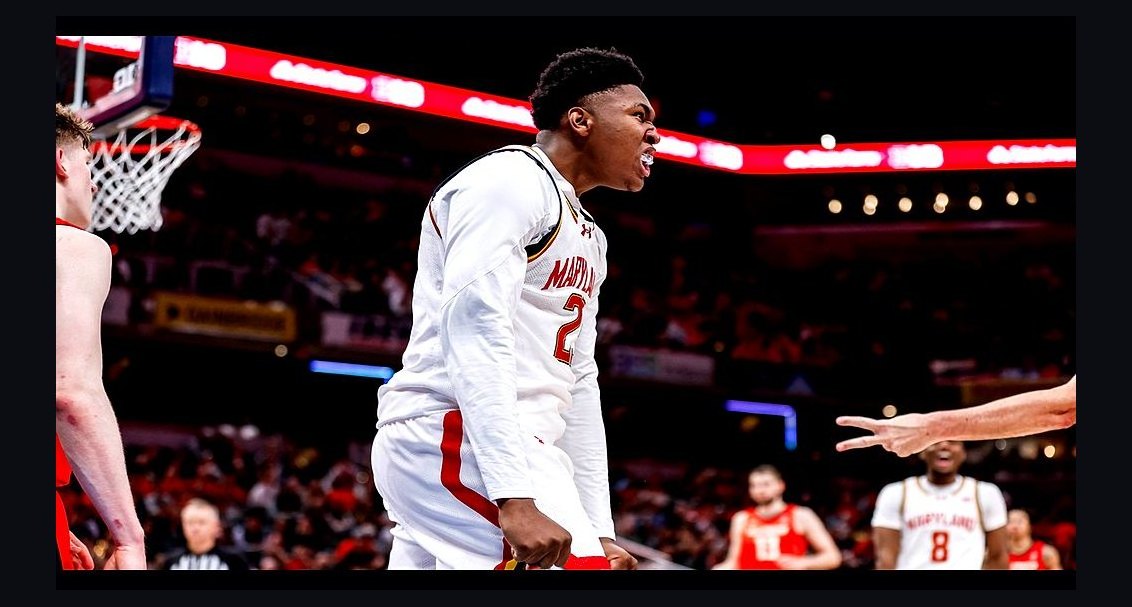 nilHow much do Maryland men’s basketball players earn from NIL in 2027?
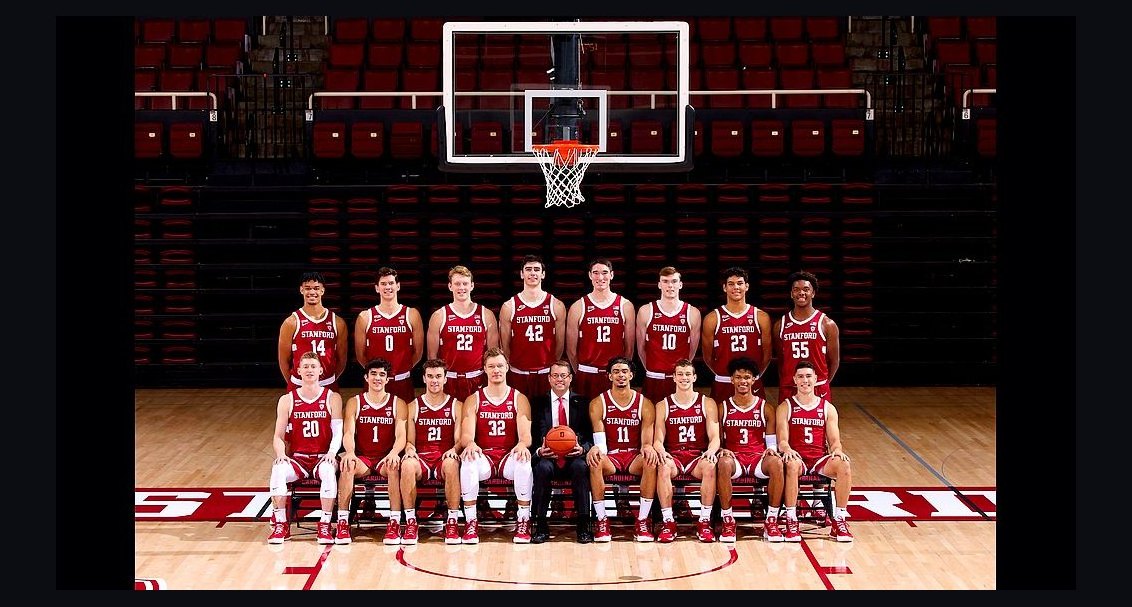 nilHow much do Stanford men’s basketball players earn from NIL in 2027?
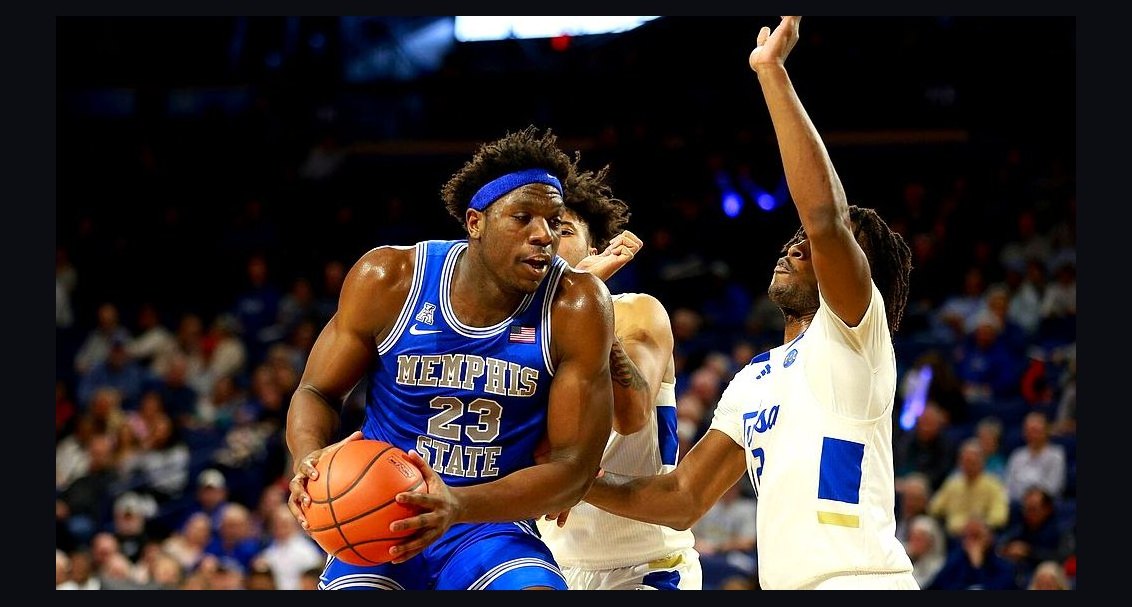 nilHow much do Memphis men’s basketball players earn from NIL in 2027?
 nilHow much do Hawaii men's basketball players earn from NIL in 2027?
 nilHow much do Wyoming men's basketball players earn from NIL in 2027?
 nilHow much do Loyola Chicago men's basketball players earn from NIL in 2027?