


CPI Security's contract auto-renewal - what to know before signing in 2027

CPI Security contracts in 2027 run 36 to 60 months when equipment is financed, and nearly every agreement contains an auto-renewal clause that re-enrolls the customer for an additional 12 months unless written cancellation notice is delivered 60 days before the term ends. Early termination triggers a fee equal to 75 percent of the remaining contractual balance, which on a typical $32.95 to $54.99 monthly plan can land between $1,000 and $3,000. The BBB has closed 43 complaints in three years, and Consumer Affairs, ComplaintsBoard, and PissedConsumer all show the same patterns: the auto-renewal window was never verbally disclosed at sale, cancellation requests get slow-walked past the 60-day deadline, and bank drafts continue even after a DocuSign cancellation. Before signing, read the renewal clause aloud, get the written-notice address, and refuse equipment financing if you want any realistic exit.
TL;DR: CPI's 36-60 month contract auto-renews 12 months at a time unless you mail written notice 60 days early; early termination costs 75 percent of the remaining balance, often $1,000-$3,000.
1The Contract Terms
CPI Security's standard 2027 residential agreement is built around three numbers buyers rarely see in writing until after the technician has installed the panel. The first is term length. If you finance any equipment, even a single door sensor, you are locked into a 36-month minimum, and the bundled packages CPI sales reps push most aggressively, the ones with outdoor cameras, video doorbells, and smart locks, almost always require the full 60-month term. Cash purchases unlock month-to-month monitoring, but reps rarely volunteer that option because the 60-month deal pays them a larger commission and locks in a higher lifetime customer value.
The second number is the auto-renewal window. Buried in the additional terms and conditions on cpisecurity.com is the clause that the agreement automatically renews for successive 12-month periods at the same rate unless the customer provides written notice no later than 60 days before the current term expires. Verbal notice does not count. Email to a sales rep does not count. Calling the customer service line and being told you are cancelled does not count. The clause specifies written notice, and CPI's retention team has been documented refusing cancellations that arrived 59 days out.

The third number is the early termination fee, which is calculated as 75 percent of the remaining contractual balance. On a 60-month agreement at $32.95 per month, terminating after 24 months still leaves 36 months on the clock, so the ETF math is 36 times $32.95 times 0.75, or roughly $889. On a premium $54.99 plan with cameras, the same scenario produces an ETF closer to $1,485. Move out of CPI's southeastern service footprint, sell your house, get divorced, or lose your job, and the fee still applies. CPI's published position is that ETFs cannot be waived because they are part of the service agreement.
2The Documented Consumer Complaints
Complaint patterns across BBB, Consumer Affairs, ComplaintsBoard, and PissedConsumer are remarkably consistent, which is the tell that points away from isolated bad experiences and toward a structural product problem. The most common thread is disclosure failure at sale. Customers repeatedly describe being told by door-knocking reps that the 60 months referred only to an equipment payment plan, not a monitoring lockup, and only learning the truth when they tried to cancel and were quoted a four-figure ETF. Consumer Affairs surfaces reviews from homeowners who signed 39-month contracts, fulfilled 30 months, and were still billed 75 percent of the remaining nine.

The second pattern is the cancellation slow-walk. A representative PissedConsumer complaint in 2026 described a customer who initiated cancellation on July 14, had a DocuSign termination executed the same day, and 15 days later found that CPI's internal cancel team had not processed the paperwork. Bank drafts continued. By the time the customer noticed, the 60-day renewal window had closed and they were locked into another 12 months. ComplaintsBoard hosts dozens of variants, often with billing creep tucked into the renewal, such as customers reporting they were charged $54.99 per month after agreeing to $49.99.
The third pattern is the life-event trap. Military relocations to states where CPI does not operate, deaths of the primary account holder, house sales, and house fires that destroyed the equipment all surface as situations where CPI declined to waive the ETF. One January 2026 Consumer Affairs reviewer called it the worst security system in 40 years of homeownership, citing the cancellation fight more than any technical failure.

The fourth pattern is the post-cancellation lockout. When service ends, CPI remotely disables the panel and proprietary sensors. Customers keep the hardware but lose the ability to use it with any other monitoring provider, which means the equipment financed for 60 months becomes wall decoration the moment they leave. Despite the volume, CPI keeps an A-plus BBB rating because the bureau credits responsiveness, not outcome.
3How to Avoid the Trap
If you are still considering CPI in 2027, walk through a five-step diligence checklist before any signature, digital or paper.
First, demand the full additional terms and conditions document by email, not just the one-page sales summary the rep hands you on a tablet. Read the renewal clause and the ETF clause aloud, in front of the rep, so the conversation is documented in your own memory.
Second, pay cash for equipment. The moment you finance, the 36-60 month monitoring lockup is mandatory. Buying the panel outright unlocks the month-to-month option that CPI does not advertise but does honor when asked.

Third, the day the contract starts, set two calendar reminders, one at 90 days before term end and one at 65 days before term end. Use certified mail with return receipt for the cancellation letter and keep the green card forever.
Fourth, get the specific written-notice mailing address in writing from the rep before signing. Multiple complaint records show CPI rejecting cancellation letters that were sent to the wrong department.

Fifth, photograph and video the entire installed system on day one. If you ever need to dispute equipment charges after cancellation, you will need proof of what was actually installed versus what the invoice claims.

Related on PULSE
- Chief's auto-renewal trap in 2027 — the 30-day window that catches members off-guard
- How do buying committees in 2027 use generative AI to compare contract terms before signing?
- 8 contract red flags every parent should check before signing a recruiting service in 2027
- Why do 2027 buying committees require access to a vendor's internal RevOps dashboard before signing?
- Why are 2027 buyer committees demanding AI explainability before signing contracts?
- What Questions Should I Ask Before Signing Any Commercial Lease?
How to Verify Your Contract’s Auto-Renewal Terms Before Signing
Before you put pen to paper, you need to see the exact language CPI Security uses for auto-renewal. The clause is typically buried in the “Term and Termination” section of the fine print, not in the sales summary or the welcome packet. Ask the sales representative to read that specific paragraph aloud in your presence, and then request a blank copy of the full contract (not just the signature page) to take home. Under the Federal Trade Commission’s Telemarketing Sales Rule, you have a three-day cooling-off period to cancel any door-to-door or telemarketing sale, but that window does not apply to in-store or online purchases. Once you sign, the auto-renewal clock starts ticking. If the salesperson refuses to provide a blank contract before signing, that is a red flag—legitimate companies have no reason to hide their standard terms. You can also ask for the exact mailing address and department name where cancellation notices must be sent (CPI’s current practice is to require certified mail to a specific P.O. box, not email or phone). Write that address down and confirm it matches the contract language, because sending notice to the wrong address or department can void your cancellation.
Practical Steps to Avoid the Auto-Renewal Trap in 2027
If you already have a CPI contract or are considering one, you can take proactive steps to prevent unwelcome auto-renewal. First, set a recurring calendar reminder 90 days before your contract’s end date—not 60 days, because you need a buffer for mailing delays. Use a free service like Google Calendar or Apple Reminders with a notification that reads: “Send CPI cancellation notice via certified mail today.” Second, when you do send the notice, use USPS Certified Mail with Return Receipt Requested (costs $7–9 in 2027). This gives you a green card signed by CPI as proof of delivery, which is essential if they later claim they never received it. Keep a photocopy of the letter, the certified mail receipt, and the green card in a safe place. Third, consider paying for monitoring month-to-month after your initial term ends, if CPI offers that option. Some customers report success by calling retention and explicitly stating, “I do not consent to auto-renewal; please convert my account to month-to-month billing.” Get a confirmation number and follow up in writing. If CPI refuses month-to-month, you may be better off switching to a no-contract competitor like Ring Alarm (no long-term commitment) or SimpliSafe (cancel anytime without penalty), which can save you from the $1,000–$3,000 early termination fee entirely.
What to Do If CPI Already Auto-Renewed Your Contract
If you missed the 60-day window and CPI has already auto-renewed your contract for another 12 months, you still have options—but time is critical. Within the first 30 days of the new term, send a written cancellation request via certified mail, citing the auto-renewal clause and stating that you did not intend to renew. Some customers have successfully argued that the auto-renewal was not properly disclosed under state consumer protection laws (such as California’s Automatic Renewal Law or New York’s General Business Law), which require clear and conspicuous disclosure of auto-renewal terms. File a complaint with your state’s attorney general’s office and the Better Business Bureau, noting that the auto-renewal was not verbally explained at the point of sale. If CPI refuses to cancel, you can dispute the charges with your bank or credit card company as unauthorized recurring billing, though this may trigger a collections attempt from CPI. For contracts signed online, check whether CPI used a pre-checked box for auto-renewal—this practice is illegal in several states. In extreme cases, you can hire a consumer attorney for a flat fee of $200–$500 to send a demand letter, which often resolves the issue without a lawsuit. The key is acting quickly: the longer you wait after the auto-renewal date, the harder it becomes to unwind.
FAQ
What exactly is CPI Security’s auto-renewal clause? It automatically extends your contract for another 12 months after the initial 36- to 60-month term ends. You must send written cancellation notice at least 60 days before the term expires to avoid renewal.
How much is the early termination fee if I cancel after the 60-day window? The fee equals 75% of the remaining balance on your contract. Depending on your monthly rate and remaining months, that typically ranges from about $1,000 to $3,000.
Can I cancel online or over the phone? No, CPI requires a physical written notice mailed to a specific address. Verbal or email cancellations are not accepted, and phone requests often get delayed past the 60-day deadline.
What happens if I miss the 60-day written notice deadline? Your contract auto-renews for another 12 months, and you’re locked in with the same terms. Canceling during that renewal period still triggers the 75% early termination fee.
Is equipment financing required, and does it affect my ability to cancel? Financing equipment is common but not mandatory. If you finance, the contract term is tied to the equipment payoff period (36-60 months), making early exit more expensive. Paying upfront for equipment gives you more flexibility.
Are there any documented complaints about CPI’s auto-renewal practices? Yes, the BBB has closed 43 complaints in three years, and consumer sites like Consumer Affairs, ComplaintsBoard, and PissedConsumer report the same issues: undisclosed auto-renewal at sale, slow-walked cancellations, and continued billing after a signed cancellation.
Sources
- BBB Complaints, CPI Security Systems profile, Better Business Bureau, Charlotte NC office.
- Consumer Affairs, CPI Security Systems Reviews and Complaints.
- ComplaintsBoard, CPI Security Systems homeowner and business owner reviews.
- PissedConsumer, 110 CPI Security reviews at cpi-security.pissedconsumer.com.
- CPI Security, Additional Terms and Conditions, cpisecurity.com/terms.
- SafeHome.org, CPI Security System Review for 2026.
- TopConsumerReviews.com, CPI Security Review for May 2026.
- The Home Security Advisor, CPI Security Reviews 2024 deep dive into CPI Home Security and the CPI inTouch app.
This page will be disappearing soon. Save it to your device for $1 — or read it free while it is here.
@Kory-White- · if Venmo asks, the last 4 of my number are 2012
This page is gone.
This one is off the shelf now. $1 keeps it on your phone for good — the whole page, pictures and diagrams included.
 cpi-securityCPI Security rural coverage gaps — when 'local' doesn't reach you in 2027
 cpi-securityCPI Security cellular monitoring upcharge — when free becomes $10+ a month in 2027
 cpi-securityCPI Security's lifetime warranty fine print — what's not covered in 2027
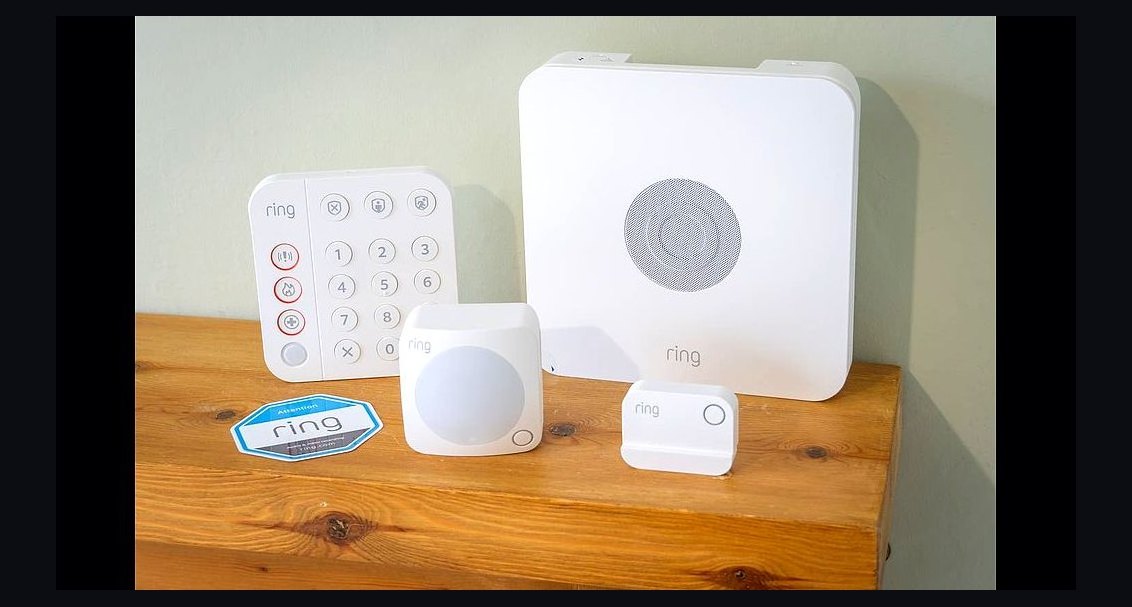 cpi-securityCPI Security false alarms and city fines — what customers don't know in 2027
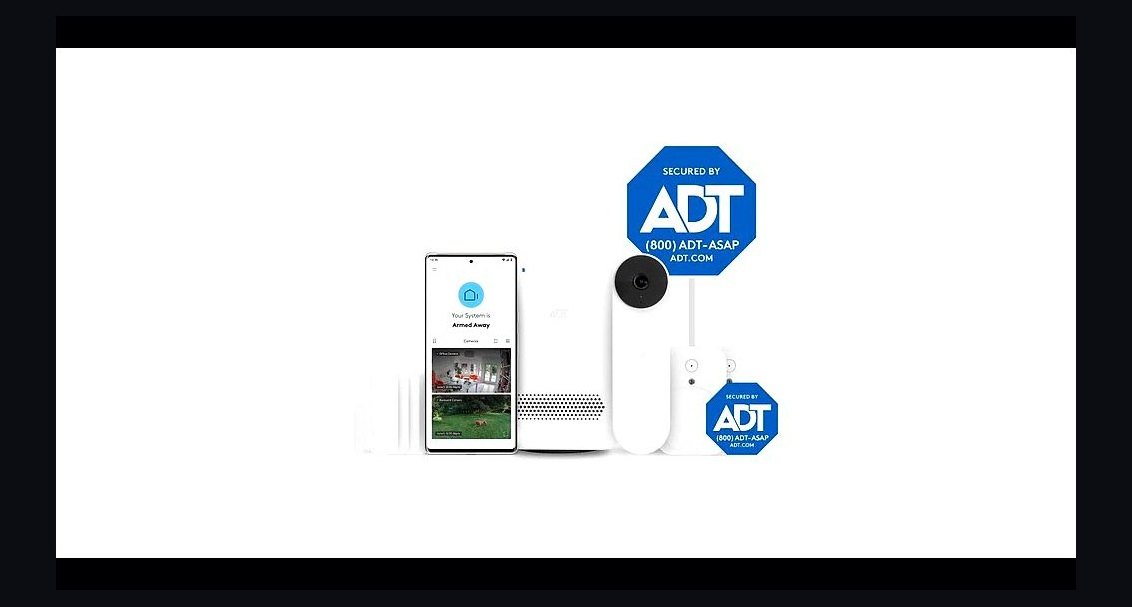 cpi-securityWhy ADT's Google Nest integration beats CPI's stack in 2027?
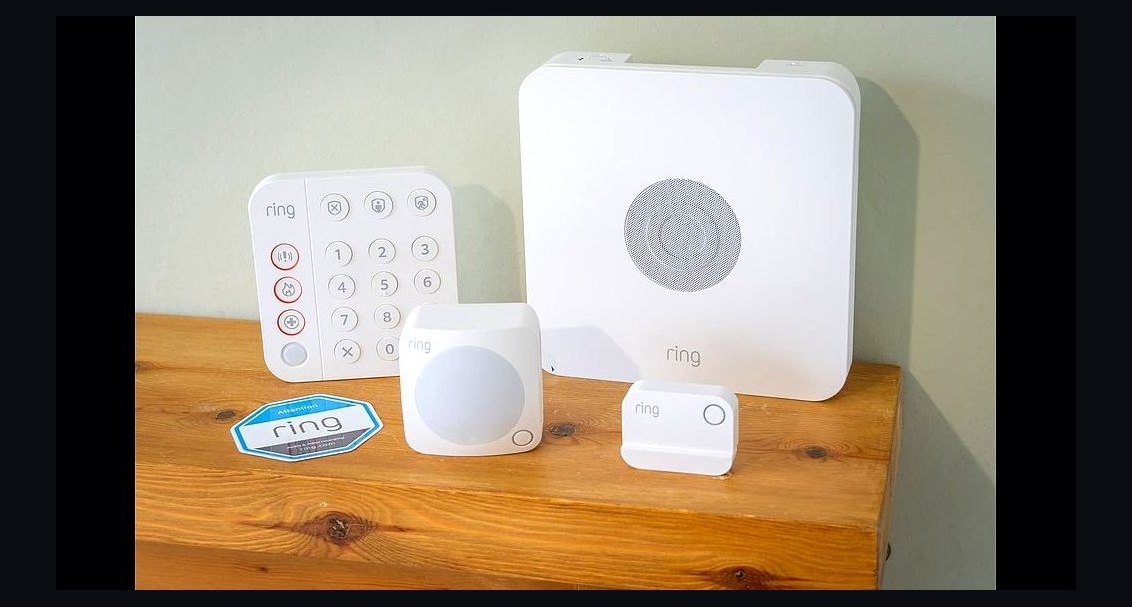 cpi-securityCPI Security vs Ring Alarm — when DIY beats pro-installed in 2027
 cpi-securityIs CPI Security's pricing transparent — or are there hidden contract traps in 2027?
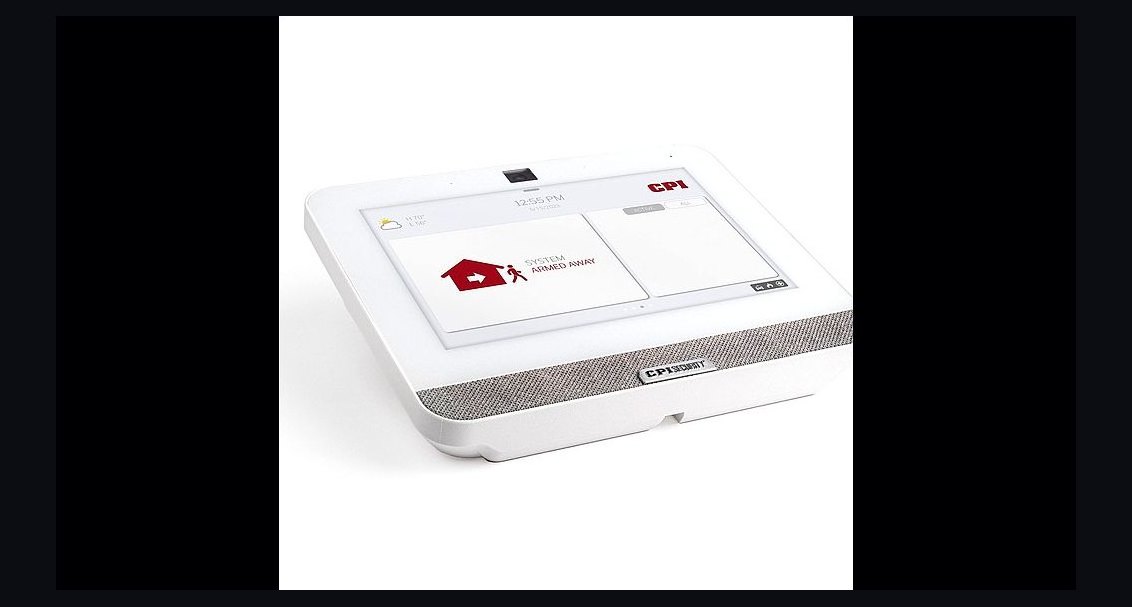 cpi-securityCPI Security's Alarm.com dependency — the third-party risk in 2027
 cpi-securityCPI Security panel upgrade fees — the 3G/4G sunset trap in 2027
 cpi-securityCPI Security sales tactics — what to watch for at the door in 2027