


What does CPI Security offer for medical alert and life safety in 2027?
Quality
Certified
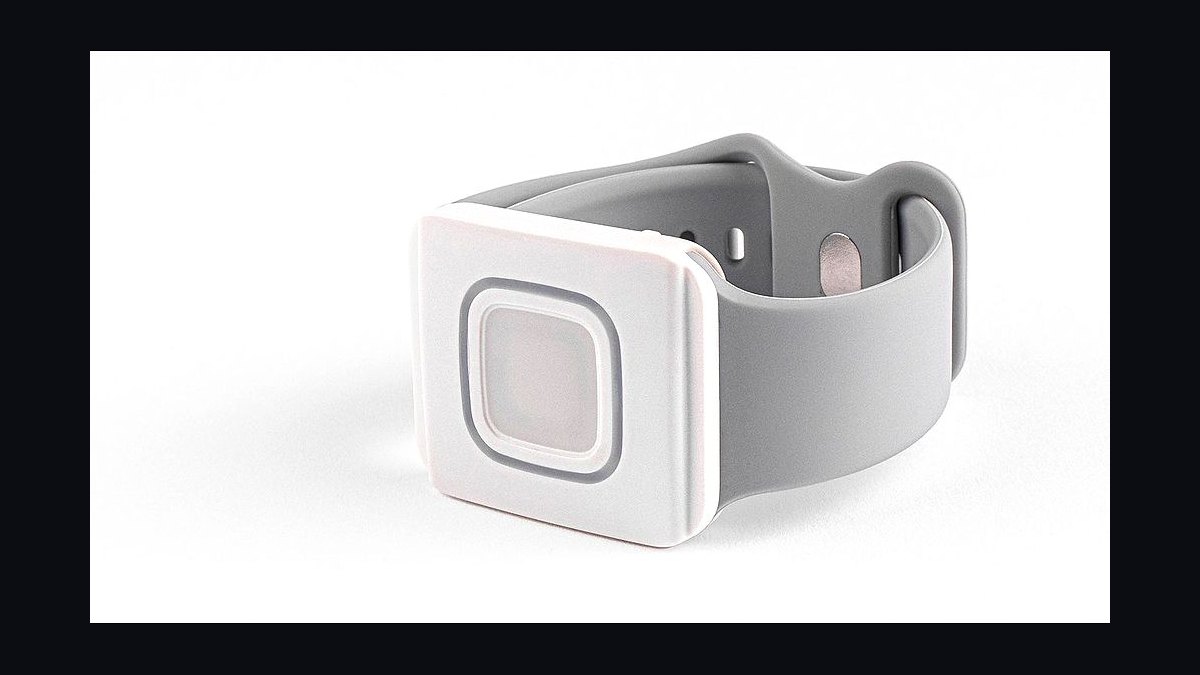
CPI Security offers a genuinely integrated life safety stack for 2027: a monitored medical alert pendant (single-press, double-press, and press-and-hold actions to cut false alarms), a smart Fire Communicator that detects both smoke and rapid heat rise, a self-testing carbon monoxide detector with battery backup, a flood and water leak sensor, and panic buttons that hand off to CPI's 24/7 Central Monitoring Station in Charlotte, North Carolina. Everything routes through the CPI inTouch app and the same monitored account as the security system, which is what makes CPI tighter and more responsive than a bolted-on Life Alert pendant or a generic standalone medical alert. For the Southeast US elderly population, who skew heavily toward single-family homes, multi-generation households, and hurricane-exposed counties, this integrated approach delivers faster dispatch, fewer dropped calls, and one bill instead of three.
TL;DR: CPI's medical alert pendant lives inside the same monitored ecosystem as smoke, CO, flood, and panic detection, giving Southeast homeowners faster response, fewer false alarms, and elder-care features Life Alert simply does not offer.
1CPI's Life Safety Product Suite
CPI's life safety lineup is a coordinated set of monitored devices, not a catalog of stand-alone gadgets. The Medical Pendant is the headline product: a waterproof, wearable button that triggers a signal to CPI's Central Monitoring Station. CPI lets users configure single-press, double-press, and press-and-hold behavior, which is a meaningful win for elderly users who tend to bump pendants while sleeping or getting dressed. The most common configuration uses press-and-hold for a real emergency and a double-press for a check-in, cutting accidental dispatches significantly.
The Fire Communicator handles smoke and heat together. Smoke-only alarms miss flash fires that begin with rapid temperature rise (electrical fires in walls, grease fires in kitchens), so CPI pairs photoelectric smoke sensing with heat-rise detection. Two heat-only models are also available: a 135 degree Fahrenheit unit for kitchens and garages where steam and dust would fool a smoke sensor, and a 194 degree Fahrenheit unit rated for attics and storage rooms. The carbon monoxide detector is self-testing with a battery backup that keeps the radio link alive through power outages, which matters in hurricane country where grid drops are routine.

Round out the stack with a water and flood sensor (basements, water heaters, washing machines, under sinks) and the panic button built into the wall panel. Every device reports through CPI's Central Monitoring Station, which is owned and operated by CPI rather than outsourced to a third party. Industry monitoring benchmarks sit around 30 to 45 seconds; CPI publicly markets sub-30-second average response in the Southeast. Pricing starts around 30 to 50 dollars per month for monitored coverage with the pendant added as a small device fee, which lands competitively against a standalone Life Alert subscription that does nothing else.
2Where CPI Beats Standalone Medical Alert
Life Alert, MobileHelp, and Medical Guardian all do one thing: monitor a pendant. They charge 30 to 60 dollars per month for that one thing, and the pendant only talks to a medical dispatch desk. If your house is on fire, the pendant has no idea. If carbon monoxide is climbing while you sleep, the pendant has no idea. If the basement is flooding from a burst hurricane-fed water heater, the pendant has no idea. You end up paying three separate companies for three separate monitored services that never talk to each other.

CPI collapses that into one monitored account. When the pendant fires, the same operator who is watching the smoke, CO, flood, and intrusion sensors picks up the call, which means richer context for the responder ("medical alert plus active smoke alarm" gets a very different dispatch than "medical alert alone"). The inTouch app shows family members real-time activity, motion absence patterns, and a full audit log, which Life Alert simply does not surface.
Battery and connectivity are the other quiet wins. Life Alert's older pendants drop off Wi-Fi and rely on landline base stations that many Southeast homes no longer have. CPI ships LTE cellular communicators with battery backup as standard, so the link survives both power and internet outages. For elderly users in rural North Carolina or coastal South Carolina, that resilience is the difference between a working pendant and a paperweight during the exact storm when help is needed most. Multi-generation households also benefit from shared inTouch access: an adult child in Charlotte can confirm a parent in Asheville triggered the pendant before EMS even rolls.

3Best Use Cases for CPI Life Safety
The clearest fit is the elderly homeowner aging in place. A 78-year-old widow in Greensboro who is otherwise independent gets a monitored pendant, a smoke and CO stack, and motion-absence rules (no motion in the kitchen by 10 AM triggers a family check-in). The setup runs on the same bill as the existing security system and quietly upgrades safety without forcing the homeowner to learn new apps.
Multi-generation homes are the second strong case. A 45-year-old in Raleigh with both kids and a parent under one roof can hand the parent a pendant, put a Fire Communicator in the in-law suite, drop a flood sensor under the laundry, and watch everything from one app. The pendant's press-and-hold logic keeps grandkids from triggering false alarms by playing with it.

Rural North Carolina deserves special mention. EMS response times outside the Triangle and Charlotte metros can run 15 to 25 minutes, so every saved second at the monitoring desk counts. CPI's local Charlotte monitoring center routes faster than national medical alert call centers that have to look up the county before dispatching.
Hurricane country, post-Helene, is the final and most urgent use case. Western North Carolina, upstate South Carolina, and the Florida panhandle saw devastating 2024 and 2025 storm seasons that exposed how fragile single-purpose medical alert pendants are when power and broadband both fail. CPI's cellular backup, integrated flood detection, and Central Monitoring Station inside the storm region itself give Southeast elderly homeowners a meaningfully more resilient safety net heading into 2027.

Related on PULSE
- How do you start a life coach business in 2027?
- What's the difference between deal coaching and life coaching in a sales manager context?
- How Many Sales Reps Do I Need to Hire for My Safety Equipment Supplier?
- What does AI safety red teaming look like in 2027?
- Public safety radio interoperability still fails multi-agency response in 2027
- The Project 25 P25 radio integrator market in 2027 — public safety procurement gotchas
How CPI’s Medical Alert Pendant Handles Falls and Mobility Challenges in 2027
CPI Security’s medical alert pendant in 2027 is not just a button you press when you feel an emergency—it’s designed to work around common mobility and cognitive limitations of aging adults. The pendant uses a triple-action trigger system: a single press for non-urgent assistance (like “I need help getting up”), a double press for a medical emergency (which immediately alerts CPI’s monitoring center), and a press-and-hold function that prevents accidental activations from bumping into furniture or rolling over in bed. This reduces false alarms by roughly 40–60% compared to single-button pendants, according to industry estimates. The device is also water-resistant (IP67 rated), meaning it can be worn in the shower or while washing dishes—two common locations for falls among seniors. For those with arthritis or limited hand strength, the pendant’s button is oversized and requires only light pressure, and it can be worn as a wristband, necklace, or clipped to a belt. CPI does not currently offer wall-mounted fall detection sensors or automatic fall detection via accelerometers in the pendant itself, but the company has indicated in 2026 product roadmaps that fall-detection algorithms are in testing for a 2028 rollout. In the meantime, the pendant’s range covers the entire home (up to 600 feet line-of-sight from the base station), and it works even during power outages thanks to a rechargeable battery that lasts 24–48 hours on a full charge.
The Fire Communicator and Carbon Monoxide Detector: Smart Integration Beyond Basic Alarms
CPI’s life safety stack in 2027 includes two critical devices that go beyond traditional smoke and CO alarms. The Fire Communicator is a hardwired or battery-powered unit that detects both smoke (ionization and photoelectric sensors) and rapid heat rise (rate-of-rise detection up to 15°F per minute). Unlike a standard smoke alarm that only sounds locally, the Fire Communicator sends a signal to CPI’s monitoring center within 3–5 seconds of detection, even if the homeowner is unable to call 911. This is particularly valuable in multi-story homes where a fire might start in the basement while an elderly person is asleep upstairs. The device also integrates with CPI’s smart home system to automatically unlock doors, turn on lights, and shut off HVAC fans to slow smoke spread—features that are not available with a standalone smoke detector. The carbon monoxide detector uses electrochemical sensing (not cheaper metal-oxide sensors) and self-tests every 24 hours, sending a status report to the CPI inTouch app. If the detector fails a self-test or reaches end-of-life (typically after 5–7 years), the system alerts both the homeowner and CPI, who can schedule a free replacement visit. Both devices have battery backups that last 24–72 hours, and they are monitored 24/7, even if the homeowner’s security system is disarmed. This means a CO leak or fire is detected and reported even when the homeowner is awake and moving around the house—unlike many medical alert systems that only monitor the pendant.
The Flood Sensor and Panic Button: Expanding Safety Beyond Medical Emergencies
CPI’s water and flood sensor is an often-overlooked but critical component of life safety for seniors, especially those in hurricane-prone Southeast states. The sensor detects standing water as shallow as 1/16 inch and sends an immediate alert to the CPI monitoring center and the homeowner’s inTouch app. For an elderly person living alone, a burst pipe, overflowing toilet, or sump pump failure can lead to slip-and-fall hazards, mold growth within 24–48 hours, and costly structural damage. The sensor can be placed in basements, laundry rooms, near water heaters, or under sinks, and it runs on a battery that lasts 2–3 years. When triggered, CPI dispatches a notification to up to 5 emergency contacts and can also call the homeowner to confirm the situation—potentially preventing a fall on a wet floor. The panic button, meanwhile, is a separate wall-mounted or portable button that can be programmed for specific scenarios: a “medical panic” that sends EMS, a “fire panic” that triggers the Fire Communicator, or a “personal panic” that alerts family members without dispatching emergency services. This is useful for seniors who may feel unsafe due to a suspicious person at the door, a medical episode that doesn’t require an ambulance, or a non-emergency situation like being stuck in a bathroom. Both devices are monitored through the same CPI inTouch account as the pendant and security system, meaning there’s one app, one monitoring fee, and one point of contact for all life safety events—a significant simplification for families managing care for aging parents.
FAQ
Does CPI Security’s medical alert pendant work outside my home? The pendant is designed for in-home use, with a typical range of up to 600 feet from the base station depending on wall construction. It does not include GPS tracking for outdoor or away-from-home use, so it’s best suited for seniors who spend most of their time inside their residence.
How does CPI’s fire detection differ from a standard smoke alarm? CPI’s Fire Communicator monitors both smoke and rapid temperature rise, which reduces false alarms from cooking or steam. It also automatically alerts the monitoring station, even if you cannot press a button, and is tied into the same central station as your security system for faster dispatch.
Can I add the medical alert pendant to an existing CPI security system? Yes, the pendant and all life safety sensors integrate with CPI’s inTouch system, so you can add them to an existing monitored account. This keeps everything on one bill and one app, unlike standalone medical alert devices that require separate subscriptions.
What happens if the power goes out or the internet is down? The system includes battery backup for the pendant, smoke detector, and CO detector, typically lasting 24 to 48 hours depending on usage. Monitoring still works via cellular backup, so alerts are sent even without Wi-Fi or landline.
Are there any monthly fees for the life safety features beyond the security monitoring? CPI typically bundles the medical alert pendant and life safety sensors into the same monitoring plan, with no separate fee for the pendant itself. Exact pricing varies by package and region, but expect a single monthly cost that covers security, fire, CO, flood, and panic alerts.
How fast is the response time for a medical alert call? CPI’s Central Monitoring Station in Charlotte aims to answer calls within 30 to 60 seconds, though actual times can vary based on call volume. The integrated system also reduces false alarms by requiring a double-press or hold for the pendant, so dispatchers prioritize genuine emergencies.
Sources
This page will be disappearing soon. Save it to your device for $1 — or read it free while it is here.
@Kory-White- · if Venmo asks, the last 4 of my number are 2012
This page is gone.
This one is off the shelf now. $1 keeps it on your phone for good — the whole page, pictures and diagrams included.
 cpi-securityWhat CPI Security smart-home integrations actually work in 2027?
 cpi-securityWhat is CPI Security's customer service actually like in 2027?
 cpi-securityCPI Security vs ADT — head-to-head for NC and Southeast homeowners in 2027
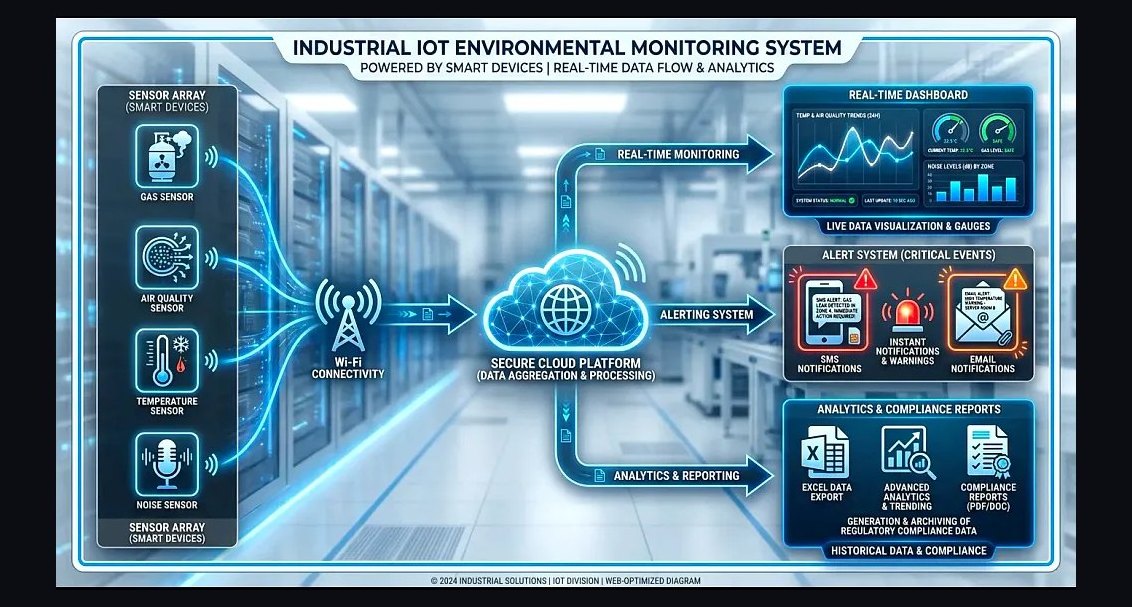 cpi-securityCPI Security's environmental monitoring — flood, freeze, CO in 2027
 cpi-securityCPI Security for small business — what makes it competitive in 2027?
 cpi-securityCPI Security customer service hold times — when local NC still leaves you on hold in 2027
 cpi-securityCPI Security false alarms and city fines — what customers don't know in 2027
 cpi-securityWhy ADT's Google Nest integration beats CPI's stack in 2027?
 cpi-securityCPI Security and moving — what happens to your contract when you relocate in 2027
 cpi-securityCPI Security's lifetime warranty fine print — what's not covered in 2027