


CPI Security false alarms and city fines — what customers don't know in 2027
Quality
Certified
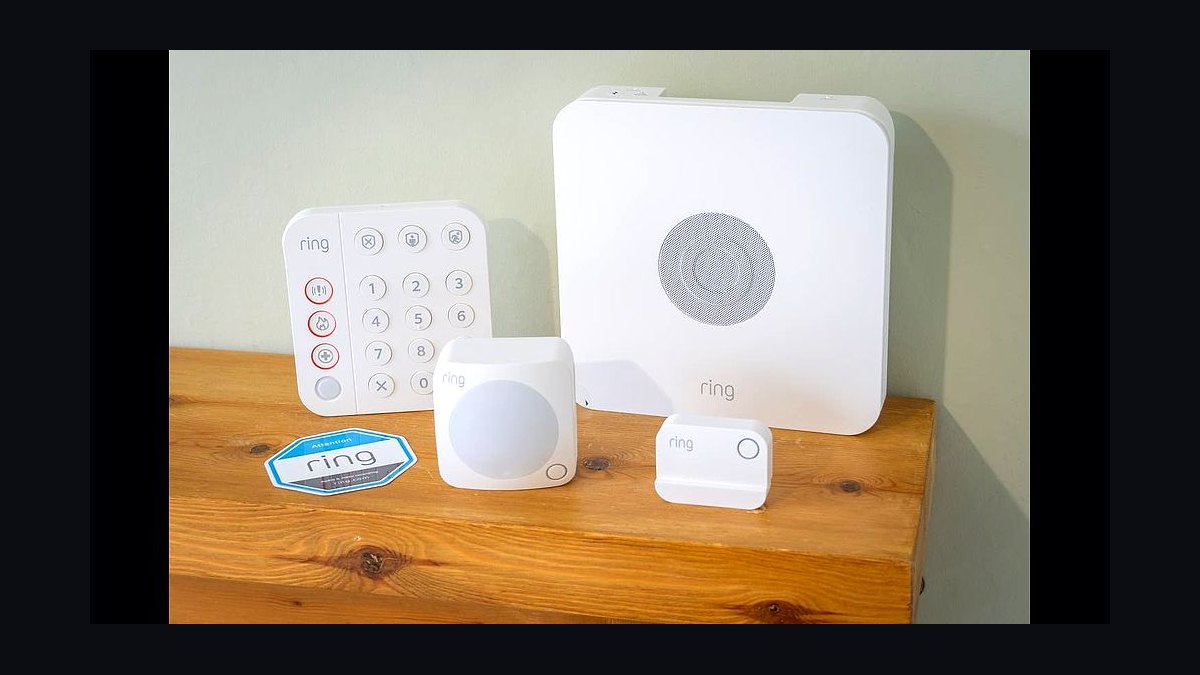
Most North Carolina municipalities — Charlotte, Raleigh, Greensboro, Durham, Asheville, and Clayton — fine homeowners between $50 and $500 per false alarm after the first one or two free responses each year. CPI Security customers often discover these penalties only after racking up multiple fines, because CPI does not sufficiently train customers on motion-sensor placement, pet-immune configuration, entry-delay timing, or basic prevention habits. The fines are a municipal issue, not a CPI line item, but the company sells, installs, and monitors the equipment that triggers them, which makes the education gap CPI's responsibility to close.
TL;DR: False-alarm fines in NC cities run $50 to $500 per incident after free responses are used up, and CPI's onboarding rarely tells customers how close they are to that first $50 hit.
1NC Municipal False Alarm Ordinances
The fee schedules are public, codified, and surprisingly steep once you get past the freebies. Charlotte-Mecklenburg, governed by Article VIII of the city code and administered through CryWolf Services, gives residential alarm holders two free false alarms per twelve-month permit cycle. The third costs $50. The fourth and fifth also cost $50 each. The sixth and seventh jump to $100 each. The eighth and ninth land at $250 each. The tenth and every subsequent false alarm hits $500. A household with a poorly placed motion detector and a curious labrador can clear $1,500 in fines in a single bad quarter without breaking a sweat.
Greensboro is structurally similar but front-loads pain faster. Only the first false alarm in a rolling twelve-month window is free. The second costs $50. The third and fourth cost $100 each. Fifth through ninth land at $250 each. The tenth and beyond cost $500. Raleigh runs its own ordinance through the fire department side and tacks on a $25 late fee if invoices are not paid within thirty days, which catches customers who assumed the unfamiliar envelope was junk mail. Durham operates a False Alarm Reduction Program with its own permit and fee tiers. Asheville requires a permit and provides two free responses per fiscal year, July 1 through June 30, which is a quirk most installers never mention. High Point and Clayton run their own programs as well — Clayton uniquely allows one false alarm per month before charging $50 each, which is friendlier but easier to forget about.

Permits themselves are not free. Most NC cities charge an annual registration fee in the $25 to $50 range, and an unregistered alarm typically incurs a separate non-registration penalty on top of any false-alarm fine. The NC Association of Chiefs of Police publishes a draft ordinance that smaller towns adopt nearly verbatim.
2Where CPI Fails Customer Education
CPI's contract paperwork mentions false alarms in fine print, and the sales rep usually points at the local permit requirement during install. That is roughly where the education ends. There are at least five places the company could meaningfully reduce customer fines and chooses not to invest.

First, motion sensor placement. Standard PIR motion detectors trip on heat differentials, which means HVAC vents blowing across a sensor's field of view will routinely cause false alarms. CPI installers are paid by the install, not by the long-term false alarm rate, and ceiling-corner placements near vents are common. A two-minute conversation about vent direction would prevent dozens of fines per customer per decade.
Second, pet immunity. Most CPI motion sensors support pet-immune modes rated up to 40, 60, or 85 pounds depending on model. The configuration is a dip switch or app toggle, but customers are rarely told it exists, and even more rarely shown how to test it. A 70-pound dog jumping on a couch under a non-pet-immune sensor will trip the system every single time the family leaves the house.

Third, entry and exit delay tuning. The default entry delay is often 30 seconds, which is too short for a homeowner walking in with grocery bags or for an elderly parent. Extending to 45 or 60 seconds is trivial in the panel settings, but customers do not know the option exists.
Fourth, two-call verification habits. CPI's monitoring center calls the primary contact, then the secondary, before dispatch. If both contacts are at work with phones on silent, dispatch is automatic. Customers are not coached to keep cell volume up, to add a third or fourth contact, or to use the app's "cancel" button proactively when they realize they tripped their own system.

Fifth, the permit itself. Charlotte customers are required to register their alarm before activation, and CPI's paperwork sometimes implies it is handled. It is not always handled, and unregistered alarms incur a separate non-permit fee on top of any false-alarm penalty.
The pattern is consistent. CPI optimizes for fast installs and recurring monitoring revenue. False alarms create municipal bills that customers absorb privately, which means the cost never appears on a CPI dashboard and never triggers internal pressure to fix the education gap.

3How to Avoid False Alarms
Customers can protect themselves with five habits. Register the permit the day the system activates and calendar the renewal. Walk every room with the installer and ask about vent direction, ceiling fan reflections, sunlight through blinds, and any pet exceeding the sensor's immunity rating. If a sensor is near an HVAC vent, ask for it to be relocated before the truck leaves.
Test pet-immune mode by arming the system in "Stay" mode and walking the pet through every motion sensor's field. If anything trips, the sensor is misconfigured. Extend the entry delay to at least 45 seconds in the app or panel settings. Keep at least three contact numbers on file with the monitoring center, including one non-spouse who is reachable during work hours. Practice using the cancel function in the CPI app so it is muscle memory before the first accidental trip.

Finally, when a false alarm does happen, call the monitoring center proactively to log the cause. Many municipalities accept appeals within ten to fourteen days, and a documented equipment or user-error explanation can sometimes get a fine waived on the first occurrence even after the free responses are used.

Related on PULSE
- How do you prevent AI-generated demos from triggering false positive in the 2027 buyer-intent signal stack?
- How are 2027 AI agents in the funnel creating false conversion spikes that mislead pipeline reports?
- What reference check questions expose false quota claims and predict actual ramp performance?
- Should I open or buy a City Barbeque franchise in 2027?
- Should I open or buy a Chip City franchise in 2027?
- Should I open or buy a Waxing the City franchise in 2027?
The Hidden Cost of "Verified Response" in CPI Contracts
Many CPI Security customers don't realize that their monitoring agreement includes a "verified response" clause that can actually increase false-alarm fines. Under verified response, CPI's monitoring center must confirm an actual threat—usually through audio or video verification—before dispatching police. However, if CPI dispatches based on a motion trigger alone (without two-way audio confirmation), the city still counts that as a false alarm. The fine structure remains the same: $50 to $500 per incident after free responses are exhausted. The twist? CPI's contract typically states they are not liable for any fines incurred, even if their verification process failed to prevent a dispatch. Customers in cities like Charlotte and Raleigh have reported receiving fines for alarms that CPI never attempted to verify—simply because the monitoring center couldn't reach them by phone. The contract language buries this risk in a "Limitation of Liability" section, often on page 6 or 7 of the 12-page agreement. Before signing, ask your CPI sales rep to show you the exact clause about false-alarm liability. If they can't point to it, assume you're on the hook for every dispatch, verified or not.
How to Audit Your CPI System for False-Alarm Risk Right Now
You don't need to wait for a fine to know if your system is a risk. Here's a quick self-audit you can do in 15 minutes. First, check your motion sensor placement: sensors should be at least 4 feet off the ground and never aimed at windows, heating vents, or drafty doors. Pet-immune sensors (often labeled "pet-friendly") can ignore animals up to 80 pounds, but only if installed at the correct height—typically 4 to 5 feet. Second, review your entry-delay settings in the CPI app or keypad. The default is often 30 seconds, which is tight for a typical homeowner to disarm after opening the door. Bumping it to 45 or 60 seconds can drastically reduce false triggers from forgetting to disarm in time. Third, test your system once a month by triggering a sensor and timing how long it takes CPI's monitoring center to call you. If they don't call within 90 seconds, your verification window is too narrow, and you're one missed call away from a $200 fine. Finally, check your city's false-alarm ordinance online—most publish the exact number of free responses and the fine schedule. Charlotte, for example, allows three free false alarms per year before fines start at $50. If you know your number, you can budget for it or adjust your behavior.
What Happens When You Fight a False-Alarm Fine from CPI's System
If you do receive a false-alarm fine, you have options—but they're limited. Most cities allow you to appeal a fine within 30 days by submitting a written explanation. Your best chance is to prove the alarm was triggered by a verified equipment malfunction, not user error. For example, if a sensor consistently fails due to a known CPI hardware issue (like the older wireless door sensors that lose signal in humid weather), you can argue the fine is CPI's responsibility. However, CPI's standard contract explicitly states they are not responsible for fines, so your appeal will need to focus on the city's ordinance, not CPI's liability. Some customers have successfully reduced fines by showing proof that CPI's monitoring center failed to attempt verification—such as a phone log showing no outgoing call at the time of the alarm. If you can demonstrate that CPI didn't follow its own verified-response protocol, the city may waive the fine. In cities like Durham and Greensboro, repeat offenders can face escalating fines up to $500 per incident, plus potential suspension of alarm permits. To avoid that, keep a log of every false alarm, including the date, time, sensor involved, and whether CPI attempted verification. That documentation is your only leverage if you need to appeal.
FAQ
How many free false alarm responses do most North Carolina cities allow before fining me? Most cities, including Charlotte, Raleigh, and Greensboro, allow one or two free police responses per calendar year. After that, each false alarm typically triggers a fine ranging from $50 to $500, depending on the municipality and how many prior violations you've had.
Does CPI Security cover or reimburse false alarm fines? No, CPI Security does not pay or reimburse municipal false alarm fines. The fines are issued by your city or town, not by CPI. However, CPI's lack of thorough customer training on sensor placement and pet-immune settings is a common reason customers end up with these fines.
What are the most common causes of false alarms with CPI systems? The most frequent causes are motion sensors triggered by pets, moving curtains or plants near HVAC vents, and doors or windows not fully closed before the alarm is armed. Improper entry-delay timing settings also lead to accidental trips when homeowners forget to disarm quickly enough.
Can I adjust my CPI system to reduce false alarms? Yes, you can. CPI offers pet-immune motion sensors (typically for pets under 40–80 pounds), adjustable entry-delay times (often 30–60 seconds), and you can reposition sensors away from vents, windows, or high-traffic pet areas. Contact CPI support to request these adjustments if they weren't set up during installation.
How will I know if I've used up my free false alarm responses? You won't be automatically notified by CPI. You must check with your city's alarm permit office or police department. Some cities send a warning letter after the first free response, but others only notify you when the first fine is issued, which can arrive weeks or months later.
What happens if I don't pay a false alarm fine? Unpaid fines can lead to escalating penalties, suspension of your alarm permit, and in some cities, additional fees or even a misdemeanor charge for repeated non-payment. Your city may also refuse to respond to future alarm calls until the fine is resolved.
Sources
- Charlotte False Alarm Reduction Program (CMPD)
- Charlotte Article VIII False Alarms Ordinance (Municode)
- CryWolf Services Charlotte Registration
- Greensboro Alarm Ordinance
- Raleigh False Alarm Ordinance
- Durham False Alarm Reduction Program
- Asheville Security Alarm Permit
- Alarm Grid: False Alarm Fines in Charlotte NC
This page will be disappearing soon. Save it to your device for $1 — or read it free while it is here.
@Kory-White- · if Venmo asks, the last 4 of my number are 2012
This page is gone.
This one is off the shelf now. $1 keeps it on your phone for good — the whole page, pictures and diagrams included.
 cpi-securityCPI Security's hidden internet dependency — when WiFi outages disable your alarm in 2027
 cpi-securityCPI Security customer service hold times — when local NC still leaves you on hold in 2027
 cpi-securityHow hard is it to cancel CPI Security service in 2027? The retention friction
 cpi-securityCPI Security's tiered support experience — when 'all customers matter' actually means VIPs first in 2027
 cpi-securityCPI Security equipment lock-in — can you switch providers in 2027?
 cpi-securityCPI Security billing issues — what customers complain about in 2027
 cpi-securityWhy CPI Security's long-tenure customers feel like they're being squeezed in 2027?
 cpi-securityCPI Security's inTouch app reliability — what reviews show in 2027
 cpi-securityCPI Security sales tactics — what to watch for at the door in 2027
 cpi-securityCPI Security's contract auto-renewal - what to know before signing in 2027