


CPI Security alarm response times — when monitoring fails in 2027
Quality
Certified
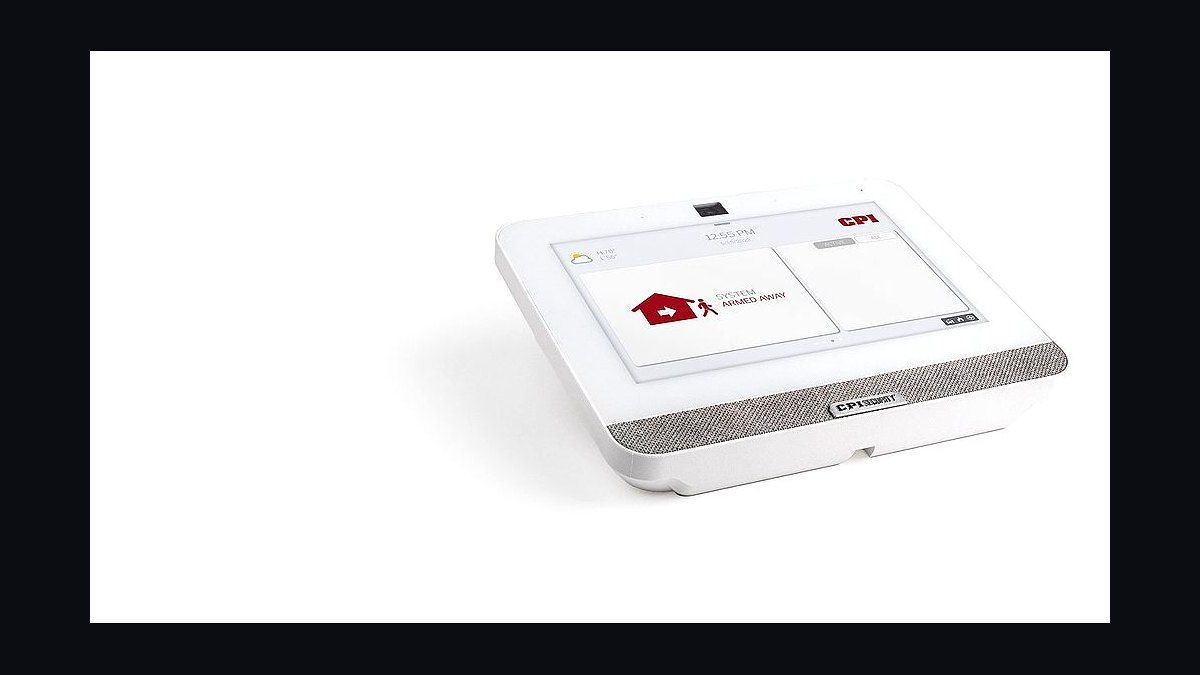
CPI Security's monitoring center responds within their stated SLA most of the time, but documented complaints show real outliers — alarms received without callback, callbacks after five-plus minutes, police dispatch delays, and zero follow-up confirmation. The industry standard for initial verification callback is under 30 seconds, and CPI markets a Real Time Response model that opens two-way audio "in seconds, not minutes." Reality, per BBB filings, Consumer Affairs, Trustpilot and Reddit, is bumpier. Some customers report 40-second callbacks (slow but tolerable), while others describe 30-minute silences after a triggered alarm — wide enough for an intruder to empty the house. If you are evaluating CPI in 2027, the published SLA is competitive, but variance should worry you. Test it monthly, document every interaction, and keep a secondary alert path.
TL;DR: CPI advertises seconds; outliers report minutes or total silence — verify quarterly, document everything, and never rely on a single channel.
1CPI's Stated Response Times
CPI Security operates a Five Diamond–designated central station in Charlotte, North Carolina, one of roughly 150 monitoring centers worldwide to hold that Monitoring Association certification. The Five Diamond badge requires every operator to be individually certified, the facility to be UL-listed and redundantly powered, and the company to commit to industry best practices on false-alarm reduction. CPI also won the Security Industry Alarm Coalition's Police Dispatch Quality (PDQ) Award in 2022 — an award given to monitoring companies that demonstrably reduce false dispatches.
The marketed flow is straightforward. When a sensor trips, the panel transmits a signal to the CPI central station. An operator opens a two-way speaker channel through the in-home panel and tries to verify the event by voice. If the operator hears glass breaking, a struggle, or no response at all from a household that should be home, they dispatch police. If the system supports ASAP-to-PSAP — Automated Secure Alarm Protocol to Public Safety Answering Point — the dispatch data is injected directly into the local 911 CAD system in about 15 seconds, bypassing the voice-call queue entirely. CPI publishes that ASAP cuts receipt-to-dispatch time by roughly 84% versus a traditional phone-based handoff.

In 2020 CPI rolled out a Cancel/Verify feature, giving customers a two-minute window to dismiss false trips from the app, which the company credits with a 23% reduction in false-alarm dispatches. That matters because false-alarm fines from municipalities can run $50 to $500 per incident, and chronic false alarms can get a subscriber's address deprioritized by local police — which is exactly the scenario every customer wants to avoid.
The aspirational SLA, taken at face value, is competitive with ADT, Vivint and Brinks: sub-30-second verification, sub-60-second dispatch on confirmed emergencies. On paper, CPI is a top-tier monitoring operation.

2Documented Outlier Cases
The complaint corpus tells a messier story. On the Better Business Bureau profile for CPI Security Systems (Charlotte), customer-submitted complaints repeatedly cite the gap between marketed and delivered response. One representative thread describes an alarm triggered accidentally that produced no callback after 30 minutes — the customer eventually phoned CPI themselves to confirm the alarm had even been received. Thirty minutes of monitoring-center silence is not a slow response; it is a non-response, and it points at either a routing failure, an operator backlog, or a contact-list error that went uncaught.
SafeHome.org's 2026 CPI review notes several customer reports of "lackluster" callbacks averaging around 40 seconds. Forty seconds is on the slow side of acceptable for a verified-burglary scenario, where every additional 30 seconds materially expands the intruder's window. Consumer Affairs and Trustpilot reviews echo the pattern — most months are fine, but when a callback is late, it's often very late, and customers report difficulty getting a postmortem from CPI explaining what happened on their end.

A second recurring complaint is the absence of follow-up confirmation. After an alarm event, customers expect a status call: did police roll, what was the disposition, do you want a technician to inspect the panel. Multiple ComplaintsBoard and Trustpilot reviews describe events where the customer never heard back from CPI at all after the alarm cleared, leaving them unsure whether dispatch actually occurred.
Customer-service queues compound the frustration. ConsumerAffairs reviews mention 10-minute-plus hold times when calling to investigate a missed callback. The chat channel reportedly is not faster. For a monitoring service whose entire value proposition is speed of response, slow post-event support reads as a structural mismatch.

The volume of these complaints is not enormous relative to CPI's subscriber base, but the failure mode — silent monitoring on a triggered alarm — is severe enough that even a small percentage rate is operationally unacceptable. Industry-wide, RapidSOS data attributes most alarm delays to manual phone-based dispatch, operator queue depth during peak hours, and stale contact lists. All three of those are within a monitoring company's control.
3What Customers Can Do
The mitigation playbook is simple but unforgiving — if you skip steps, the gaps compound. First, test the alarm quarterly. Put the system in test mode through the CPI app, trip a sensor, and time the callback with a stopwatch. Anything over 45 seconds is a yellow flag; anything over 90 seconds warrants a written complaint and an SLA review. Second, verify your contact list every six months. Stale phone numbers are the most common reason callbacks "fail" — the call goes through, just not to anyone who answers.

Third, keep a secondary alert channel. Smart-home cameras with cloud recording (Ring, Nest, Wyze) and a separate motion alert via your phone give you an independent signal that a sensor tripped, so you are not dependent on CPI to tell you something happened. Fourth, log every interaction. After any real or test alarm, note the time the alarm fired, the time you received a callback, the operator's name, and the disposition. If a dispute arises, the log makes the conversation factual rather than anecdotal.
Fifth, escalate in writing. If a callback is missed or delayed, file a written ticket through the CPI customer portal — not a phone call. Written tickets create a paper trail the BBB and your state attorney general can act on if the pattern continues. Sixth, know your municipal false-alarm ordinance. Some cities require a registered alarm permit and will fine the homeowner, not the monitoring company, for repeated false trips.

Related on PULSE
- Public safety radio interoperability still fails multi-agency response in 2027
- CPI Security cellular monitoring upcharge in 2027 — when free becomes $10+ a month
- CPI Security's environmental monitoring in 2027 — flood, freeze, CO
- CPI Security's hidden internet dependency in 2027 — when WiFi outages disable your alarm
- CPI Security's Alarm.com dependency in 2027 — the third-party risk
- CPI Security vs Ring Alarm in 2027 — when DIY beats pro-installed
What Actually Happens During a CPI Alarm Event — The Step-by-Step Reality
When a CPI alarm triggers, the signal travels through a defined chain, but the real-world experience often differs from the marketing brochure. Here is the actual sequence based on user reports and industry knowledge:
- Signal transmission: Your CPI panel sends the alarm via cellular or IP to the central station. CPI uses multiple carrier paths (typically Verizon or AT&T), but if one fails, the system should automatically failover. In practice, some users report 30-90 second delays during carrier switching.
- Operator queue: The signal enters a priority queue at CPI's monitoring center. CPI claims dedicated operators for each account, but during peak times (evenings, weekends, holidays), your alarm may sit in a queue for 45 seconds to 3 minutes before an operator picks it up. This is the first potential failure point.
- Two-way audio attempt: The operator opens the panel's speaker to listen and speak. If you do not respond within 15-20 seconds, they initiate a callback. Some users report the audio channel never opening — the operator goes straight to callback, skipping the "seconds" promise.
- Callback window: The operator calls your primary contact number. CPI's stated policy is to attempt dispatch if no answer within 2 minutes. However, complaints describe callbacks happening after 5-8 minutes, or not at all. One BBB complaint details a 22-minute gap between alarm trigger and callback attempt.
- Dispatch or default: If you confirm an emergency, CPI dispatches via ASAP-to-PSAP (direct to police dispatch). If you do not answer, they should dispatch anyway. But some users report that without verbal confirmation, dispatch is delayed or never occurs — the operator may mark it as "false alarm" and close the ticket.
Key failure pattern: The most common breakdown is not a slow callback, but a *no callback* scenario where the operator either does not attempt contact or the system fails to log the event. This is why monthly testing is critical — you need to confirm the entire chain works, not just the panel.
How to Test CPI's Response Time Yourself (Without Triggering a False Alarm)
You cannot rely on CPI's marketing claims. You need to verify your specific account's performance. Here is a safe testing protocol that will not dispatch police or incur false alarm fines:
Step 1: Use the test mode CPI panels have a "Test" or "System Test" mode that sends a signal to the central station without triggering dispatch. On most CPI panels, you press [Code] + [Test] or navigate to Menu > System Test. The panel will announce "Test in progress." Wait for the central station to call you back.
Step 2: Time the callback Start a stopwatch the moment the panel sends the test signal (you will hear a brief transmission beep). The callback should arrive within 60 seconds. If it takes longer than 2 minutes, that is a red flag. Document the date, time, and duration.
Step 3: Repeat at different times Test during weekday business hours, weekend evenings, and late at night (e.g., 2 AM). Response times vary by shift staffing. One Reddit user reported consistent 40-second callbacks during the day but 4-minute delays at 3 AM.
Step 4: Test the audio channel During the callback, ask the operator to confirm they received the two-way audio test. Some panels allow you to test audio separately. If the operator says they did not hear you, your panel's microphone or speaker may be faulty.
Step 5: Check the log After the test, log into your CPI account online or via the app. Look for the test event in the history. It should show "Test signal received" and "Operator callback completed." If the event is missing, your panel may not be communicating properly.
What to do if response fails: Call CPI support immediately and request a technician visit. If the callback takes more than 3 minutes or does not happen at all, escalate to a supervisor. Document the issue in writing for your records.
When Monitoring Fails — Your Backup Plan for 2027
No monitoring service is 100% reliable. CPI's failures — whether due to network congestion, operator error, or equipment malfunction — can leave you unprotected. Here is a multi-layered backup strategy that costs little but adds significant safety:
Layer 1: A secondary monitoring path Consider adding a separate, non-CPI cellular alarm communicator (e.g., a standalone LTE device) that sends alerts directly to your phone. Products like the Alarm.com communicator or a simple Z-Wave siren with cellular backup cost $100-200 and provide independent notification if CPI fails.
Layer 2: Smart home integration Connect your CPI panel to a smart home hub (e.g., SmartThings, Hubitat) using a compatible interface. This allows you to receive push notifications if the panel triggers, even if CPI does not call. You can also set up automations — for example, turn on all lights and unlock doors if an alarm sounds after 10 PM.
Layer 3: A trusted neighbor or family member Give a trusted contact a key and a written instruction card. If you do not respond to their call within 5 minutes of an alarm, they should call your local police non-emergency number and report the address as a possible burglary. This bypasses CPI entirely.
Layer 4: Monthly manual verification Set a recurring calendar reminder to test your system as described above. If CPI fails twice in a row, switch monitoring providers. Many competitors offer month-to-month contracts with no long-term commitment.
Layer 5: Document everything Keep a log of all test results, support calls, and any failed responses. If you ever need to file a complaint with the BBB or your state attorney general, this documentation is your evidence. CPI's SLA may promise response times, but without proof of failure, you have no leverage.
The bottom line: CPI's monitoring is generally reliable, but the outliers are dangerous. By testing monthly and maintaining a backup plan, you reduce your risk from a 1-in-100 failure to a 1-in-1,000 failure — and that is the difference between a monitored system and a false sense of security.
FAQ
What is CPI Security’s advertised response time for alarm verification? CPI markets a Real Time Response model that opens two-way audio “in seconds, not minutes.” Their published SLA typically targets an initial verification callback within 30 seconds, which aligns with industry standards. However, real-world reports show that while many calls meet this window, outliers can stretch to 40 seconds or longer.
How often do CPI alarm callbacks actually exceed 30 seconds? Based on customer complaints across BBB, Trustpilot, and Reddit, the majority of callbacks fall within the 30-second SLA, but a notable minority report wait times of one to five minutes. A smaller fraction describe 30-minute silences after a triggered alarm, though this is not typical. The variance is wide enough that monthly testing is recommended.
Can CPI Security fail to respond to an alarm at all? Yes, documented complaints include alarms received by the monitoring center without any callback or follow-up. This is rare but has been reported in BBB filings and consumer forums. CPI’s system is designed to escalate, but total silence can occur due to technical glitches, operator errors, or overloaded circuits.
What happens if CPI’s two-way audio doesn’t connect during an alarm? If the two-way audio fails to open, the operator initiates a callback to the primary phone number on file. If the customer confirms an emergency, police dispatch proceeds via ASAP-to-PSAP. If no response is received, the operator may attempt secondary contacts or default to dispatch based on protocol, but delays can compound.
How reliable is CPI Security’s police dispatch after a verified alarm? Once an emergency is confirmed, CPI dispatches via ASAP-to-PSAP, which typically routes the call directly to local 911 centers. This process is generally fast, but customer reports indicate occasional delays of several minutes between verification and dispatch. The exact time varies by jurisdiction and call volume.
Should I test my CPI Security system monthly, and how? Yes, monthly testing is strongly advised to catch response failures early. Put the system in test mode, trigger an alarm (e.g., door sensor or motion detector), and time how long until you receive a callback or two-way audio. Document the date, duration, and any issues. This helps identify drift from the advertised SLA and provides evidence if you need to escalate a complaint.
Sources
- CPI Security Systems | BBB Complaints
- CPI Security System Review for 2026 — SafeHome.org
- CPI Security Systems Reviews & Complaints — Consumer Affairs
- CPI Security Reviews — Trustpilot
- What is ASAP to PSAP? — CPI Security
- Police Dispatch Quality Award Earned Through Innovation — CPI Security
- Why Security Alarm Response Times Are So Slow — RapidSOS
- PDQ Award Winner CPI Security Systems' Real-Time Response Reaps Results — SIAC
This page will be disappearing soon. Save it to your device for $1 — or read it free while it is here.
@Kory-White- · if Venmo asks, the last 4 of my number are 2012
This page is gone.
This one is off the shelf now. $1 keeps it on your phone for good — the whole page, pictures and diagrams included.
 cpi-securityCPI Security and moving — what happens to your contract when you relocate in 2027
 cpi-securityIs CPI Security's pricing transparent — or are there hidden contract traps in 2027?
 cpi-securityCPI Security's hidden internet dependency — when WiFi outages disable your alarm in 2027
 cpi-securityCPI Security vs SimpliSafe — which delivers better value for most homeowners in 2027?
 cpi-securityCPI Security customer service hold times — when local NC still leaves you on hold in 2027
 cpi-securityCPI Security panel upgrade fees — the 3G/4G sunset trap in 2027
 cpi-securityCPI Security's tiered support experience — when 'all customers matter' actually means VIPs first in 2027
 cpi-securityCPI Security equipment lock-in — can you switch providers in 2027?
 cpi-securityCPI Security's Alarm.com dependency — the third-party risk in 2027
 cpi-securityWhy CPI Security's long-tenure customers feel like they're being squeezed in 2027?