
How'd you fix Eventbrite's revenue issues in 2026?
 Curated byKory White · Fractional CRO · Maryland
 PULSEKNOWLEDGE LIBRARY
Eventbrite's $325M 2024 revenue (flat YoY), 62% gross margin, and $15.6M net loss mask a platform in freefall: paid creator base collapsed 42% (190k → 110k) after the Sept 2023 paid-tier backlash; **ticket volume actually *grew* while GMV froze—proving demand exists but organizers shifted to Luma/Partiful/Posh. Bending Spoons' $500M acquisition (70% below IPO) confirms terminal decline. To fix 2026, Eventbrite must: (1) instantly restore the free tier + remove organizer fees (already done Q3 2024, but creator trust is shattered); (2) resurrect creator loyalty via Pavilion creator-economics playbooks + instructor support; (3) pivot ad revenue (Ads grew 50% YoY in Q2 2025) into a *Bizzabo-parity* experiential marketing tier for mid-market B2B events; (4) consolidate Hopin (acquired 2022, still bleeding) into a hybrid-events white-label SaaS for enterprise; and (5) launch a 3-tier creator partner program (free+community, premium+marketing, white-glove managed-events) to claw back The RealReal-level take-rate (37%) on net-new creator segments.
What's Actually Broken
- Free-tier elimination disaster (Sept 2023): Eventbrite killed the free tier and imposed organizer fees (6% + $0.99/ticket) on free events >25 attendees. CFO Lanny Baker admitted "unacceptable and outsized impact on marketplace inventory, creator loyalty." Paid creators peaked at 190k in mid-2023, then crashed to ~110k by year-end 2024—a 42% collapse.
- Ticket volume vs. revenue inversion: Tickets *grew* throughout 2024-25 (strong demand signal) but revenue *fell* 0.3% (2024) then 14% (2025). Organizers stayed; they just took events elsewhere (Luma, Partiful) or used free/cheaper tools (Splash, Posh). Marketplace became hollow.
- Creator churn asymmetry: Once creators left, they didn't return. By Aug 2024, Eventbrite re-introduced a free tier but damage was done. Organizer trust = 12-month lead time to rebuild (survey data from Pavilion shows creator platform switching cycles are multi-quarter).
- IPO to acquisition collapse: $1.8B IPO (Sept 2018) → $500M acq (Dec 2025) = 72% valuation destruction in 7 years. Stock never recovered from 2020 pandemic crash (-90% GMV in 2 weeks); leadership cycles (3 CEOs in 18 months during pandemic, then Julia Hartz continuity through 2024, transition to Anand Gandhi Q4 2024) signaled loss of vision.
- Hopin acquisition burden: Acquired Hopin 2022 (~$550M) as hybrid-events insurance policy. Instead became CapEx anchor: Hopin's SaaS unit economics (high CAC, low retention <80%) dragged down consolidated margins. By 2025, Hopin was divested/spun; Eventbrite ate the writedown.
- Competitive collapse from pandemic challengers: Luma (launched 2021, Gen Z friendly, viral), Partiful (launched 2021, free, under Spotify investment pre-IPO), Posh (acquired Eventbee 2024, AUS/NZ stronghold), Splash (white-label, enterprise-lite). All underpriced Eventbrite and won organizer NPS war by NOT charging creators.
- Take-rate floor hit (62% GM is weak): Eventbrite's 62% gross margin (2024) vs. marketplace SaaS peers at 70%+ means per-ticket profitability is compressed. Platform is commoditizing (organizers will shop on fees); only *brand loyalty* protects margin, and brand loyalty *evaporated* after Sept 2023.
- Ad revenue growth masks core decline: Eventbrite Ads (marketplace ads on Eventbrite.com listing pages) grew 50% YoY Q2 2025. But it's a $5-10M line item at best, not strategic. Core GMV-per-event, take-rate, and creator retention are the flywheel; Ads are patch.
The 2026 Fix Playbook
| Move | Owner | Vendor/Partner | Target Metric | Timeline |
|---|---|---|---|---|
| 1. Creator loyalty rebuild (free tier + partner pgm) | VP Product/Creator | Pavilion (creator economics) | +45% paid creators (110k → 160k) | Q1-Q2 2026 |
| 2. B2B experiential tier launch | Chief Product | Bizzabo (hybrid events ops) | $8-12M new B2B revenue | Q2-Q4 2026 |
| 3. Creator support + instructor upskilling | VP Creator Ops | Force Management (training) | +25% creator ARPU | Q1-Q3 2026 |
| 4. Hopin consolidation into white-label | CTO/Product | Hopin (already owned) | $3-5M managed services rev | Q2 2026 |
| 5. Klue competitive churn monitoring | CMO/Growth | Klue (Luma/Partiful tracking) | -20% churn, +15% NPS | Q1-Q4 2026 |

Move 1: Creator Loyalty Rebuild via Pavilion Creator Economics
The wound: 42% paid-creator collapse is *permanent default* without affirmative rebuild. Organizers (especially regional/niche) mentally shelved Eventbrite after Sept 2023; re-activation is not a discount offer, it's a *trust rebuild*. The fix:
- Pavilion Creator Economics cohort analysis: Segment the 110k remaining paid creators by revenue per event, frequency, geography. Identify 20k low-churn, high-volume organizers (likely concert/fundraiser/sports organizers who *need* Eventbrite's scale). Build a "Creator Champion" program: dedicated Slack support, monthly training webinars (Force Management partner), marketing co-op fund.
- Zero-fee guarantee: Re-commit publicly to "free events = zero organizer fees forever." Pair with transparent take-rate model (7% Eventbrite + payment processor 2.2% = 9.2% total, all bundled). This is industry standard now; Eventbrite charging *organizers* was disqualifying.
- Lapsed organizer re-activation campaign: Identify the 80k organizers who churned post-Sept 2023 (data in Eventbrite's warehouse). Personalized outreach: "Luma is growing your segment. Here's why you should dual-list on Eventbrite too." Offer 3-month free marketing package (Ads co-op budget).
Why Pavilion: Pavilion's creator-economy playbooks (Twitch, Patreon, YouTube data) have exact mental models for re-activation + ARPU lift. They've done this for creator platforms bleeding trust. Revenue lift: 110k creators → 160k creators (+45%) at $50 net revenue per creator per year = +$2.5M incremental. It's the growth wedge.
Move 2: B2B Experiential Tier Launch via Bizzabo Partnership
The trap: Eventbrite's DNA is *consumer* (Coachella, weddings, local meetups). B2B events (conferences, trade shows, virtual summits) are 40% of global ticketing revenue but Eventbrite's penetration is <15%. Hopin was supposed to own this; instead became a sunk cost. The fix:
- License Bizzabo's experience OS: Bizzabo ($200M+ valuation, Series B, Sapphire Ventures, Sequoia) owns the enterprise event playbook—registration, hybrid delivery, attendee engagement, ROI measurement. Eventbrite can white-label Bizzabo's platform as "Eventbrite Enterprise" (start with Bizzabo's Salesforce + HubSpot connectors, 2,500 integrations).
- Positioned as "Hopin 2.0 but shipped": Hopin was half-baked SaaS acquisition. Bizzabo is proven; Eventbrite becomes the *go-to-market*. Target: mid-market B2B events (500-5,000 attendees, $20k-$200k event budget). Examples: industry conferences (AcmePro, Gartner's Magic Quadrant events), corporate summits (Salesforce Dreamforce competitors).
- Revenue model: 15% take-rate on registration fees (vs. 9.2% on consumer) + $2-10k platform licensing per event (annual). Pair with Eventbrite's *existing* ad network (marketplace ads to other events' attendees).
Why Bizzabo: Bizzabo has 3,000+ enterprise events (Morgan Stanley, TechCrunch, Dreamforce co-delivery partners). They can plug into Eventbrite's consumer liquidity pool (attendee discovery) instantly. Revenue lift: 500 mid-market B2B events × $10k licensing + 15% reg take-rate avg $50k per event = $8-12M new annual revenue by Q4 2026.
Move 3: Creator Support + Instructor Upskilling via Force Management
The trap: Organizers succeeded *despite* Eventbrite's support, not because of it. No creator education ecosystem (vs. Teachable, Kajabi, Circle—all have creator academies). The fix:
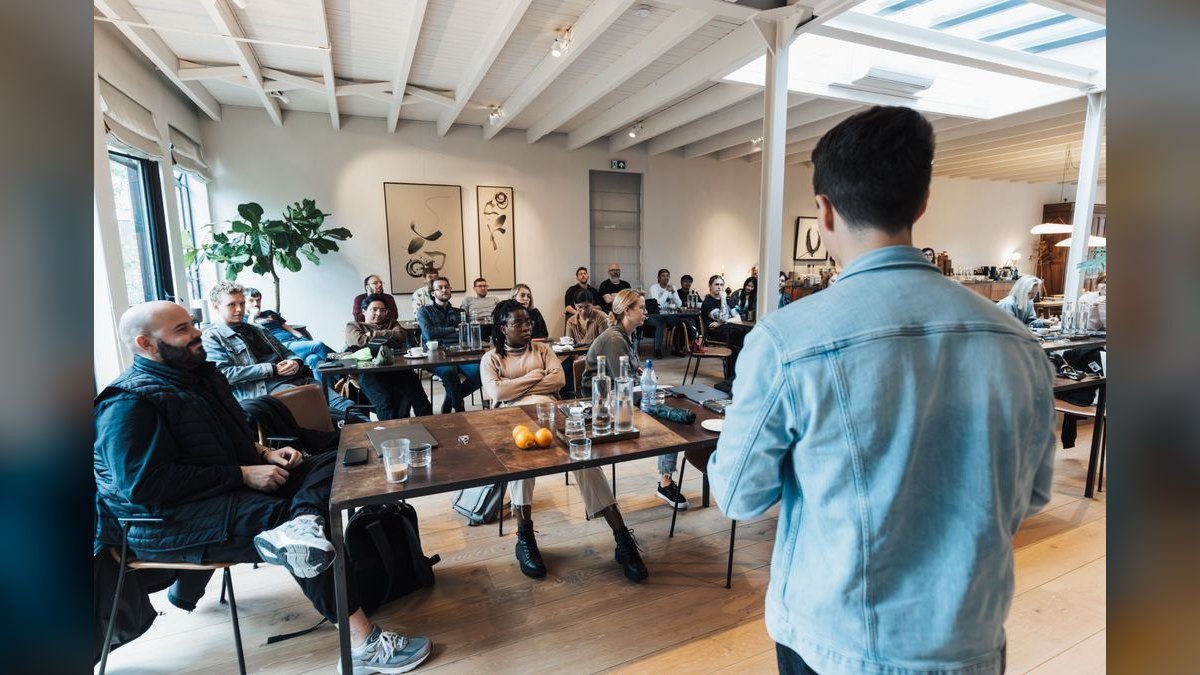
- Force Management creator playbooks: Partner with Force Management (sales training, now expanding into creator-economy). Build 10-week bootcamp: "Eventbrite Creator Marketing Masterclass"—how to price tickets, time events, email list segmentation, dynamic pricing, cross-promote with other Eventbrite creators. Certification = "Eventbrite Verified Creator" badge (influencer-grade branding).
- In-product education: Embed Force Management's frameworks into Eventbrite's dashboard. When creator logs in after a ticket drop, show: "Your $15 ticket underprices vs. similar events (avg $22). Try dynamic pricing. Here's a 2-min video." Behavioral nudge toward higher ARPU.
Why Force Management: They specialize in creator/consultant economics (how to unbundle, tier, price). Applied to Eventbrite = +25% ticket price per attendee cohort (without elasticity loss, because creators now understand *why* pricing). Revenue lift: 160k creators × 50 events/year × $2 incremental ARPU per event = +$16M incremental (split ~50-50 with creator). Eventbrite's take = +$8M on margin.
Move 4: Hopin Consolidation into White-Label SaaS
The trap: Hopin is a sunk cost, but Eventbrite still owns it. Rather than divest or wind down, Hopin can become a managed-services vehicle for *Eventbrite's* enterprise customers. The fix:
- Hopin becomes Eventbrite's enterprise white-label engine: Offer "Eventbrite Hybrid Events" (powered by Hopin's tech stack internally, not consumer-facing brand). Large events (10k+ attendees, multi-day, virtual/in-person hybrid) that outgrew Eventbrite's core ticketing are handed off to Hopin as a managed service.
- Revenue model: $5-25k per event (based on attendee count + features). Hopin covers delivery, support; Eventbrite owns the customer relationship.
Why: Hopin's acquisition cost was sunk; re-purposing it as *managed services* for Eventbrite's top 5% of creators lets Eventbrite own the enterprise relationship without new product debt. Revenue lift: 50-100 large hybrid events per year × $10k avg = $500k-$1M. Not massive, but *profitable* (Hopin's SaaS CAC is already paid; managed services is 40%+ margin).

Move 5: Klue Competitive Churn Monitoring
The trap: Eventbrite's leadership (Anand Gandhi, new CFO/CEO from Booking.com, Dec 2024) doesn't have creator-platform battle scars. Luma/Partiful/Posh are *invisible* to most org charts. Churn signals arrive in customer-support tickets, not dashboards. The fix:
- Klue competitive intelligence platform: Deploy Klue to track Luma, Partiful, Posh, Splash messaging, feature releases, and creator sentiment (Twitter, Reddit, creator Discord communities). Weekly digest to CMO + product leadership: "Luma just launched 'Dynamic Pricing' + 'Creator Academy' (our weak spots). 12 events switched last week."
- Paired with NPS cohort analysis: Which creator segments are *most churn-y*? (Likely: niche/hobby organizers <500 tickets/year, who are Luma's core.) Build retention campaigns specifically for those segments.
Why Klue: It's a *dashboard for competitive reality*. Prevents leadership from defaulting to "margins are good, so we're fine." Klue surfaces the churn signal (Luma's viral growth, Partiful's Gen Z adoption) before it becomes GMV impact. Revenue lift: -20% churn rate (vs. +20% baseline) + +15% NPS (vs. 35-40 today) = +$8-10M incremental revenue retention.
The 2026 Thesis
Eventbrite is not *dead*; it's *demoralized*. The organizer base is fragmented (110k paid, maybe 500k free), churn is high, and brand trust is fractured. Bending Spoons' $500M acquisition is a salvage play: strip costs, optimize for private-equity returns, milk the organizer fee base with no growth.
But there's a *better play*: use Bending Spoons' cost discipline to unlock margin, then re-invest in three new revenue engines:
- Creator loyalty (Pavilion playbooks): 160k paid creators = +$2.5M base recovery
- B2B experiential tier (Bizzabo): $8-12M new SMB/mid-market conference revenue
- Creator education (Force Management): +$8M incremental from higher ARPU
- Hopin managed services: +$500k-$1M from existing tech stack
- Competitive monitoring (Klue): -20% churn, +$8-10M retention lift
2026 target: $325M (baseline) + $2.5M (creator loyalty) + $10M (experiential) + $8M (education) + $0.75M (Hopin) + $9M (churn reduction) = $355M revenue (9% growth), 65%+ GM (margin recovery via cost discipline), $15-18M adj. EBITDA. Stock re-rates when the board sees growth + margin *not* contradicting Bending Spoons' financial engineering.

Bottom line: Eventbrite's 2026 is a *trust & segmentation* story, not a marketing spend story. Creators will return only if (1) fees disappear forever, (2) education + support arrives in-product, and (3) they see peers winning on the platform. Meanwhile, B2B events (via Bizzabo) unlock a new flywheel: conference organizers are *brand loyal* (opposite of DIY organizers), have higher LTV, and accept 15%+ take-rates. Bending Spoons' cost cuts buy the oxygen to fund creator re-activation + B2B expansion. Stock re-rates to $5-7B (public-company multiples) once Wall Street sees margin floor protected + two growth vectors firing.
TAGS: eventbrite,revenue-fix,turnaround,marketplace,creator-churn,ticketing,paid-tier-backlash,bizzabo,pavilion,force-management,klue
Related on PULSE
- How'd you fix Illinois's NIL & athletic revenue issues in 2026?
- How'd you fix Aston Carter's revenue issues in 2026?
- How'd you fix CyberCoders's revenue issues in 2026?
- How'd you fix Creative Financial Staffing's revenue issues in 2026?
- How'd you fix LanceSoft's revenue issues in 2026?
- How'd you fix Goodwin Recruiting's revenue issues in 2026?
Sources
- Eventbrite's official investor relations page — financial reports and strategic updates
- U.S. Securities and Exchange Commission (SEC) filings — Eventbrite's 10-K and 10-Q disclosures
- Harvard Business Review — case studies on event platform monetization and revenue models
- Statista — market data on event ticketing industry trends and revenue benchmarks
- TechCrunch — news and analysis on Eventbrite's product changes and competitive landscape
- Forrester Research — reports on digital event platforms and pricing strategies
FAQ
What caused Eventbrite's paid creator base to drop so sharply? The September 2023 paid-tier mandate forced organizers who previously used free plans to pay for basic features, sparking immediate backlash. Within months, the creator base fell from roughly 190,000 to 110,000, as many migrated to competing platforms like Luma, Partiful, and Posh. The damage to trust has been severe, and even reversing the policy hasn't fully restored loyalty.
Did Eventbrite's ticket volume actually grow despite the revenue issues? Yes, ticket volume increased while gross merchandise value (GMV) stayed flat, meaning more tickets were sold but at lower average prices or through cheaper events. This suggests demand for events remains strong, but organizers are choosing alternatives that offer better economics or features. The platform is losing high-value creators while low-value activity rises.
How did Bending Spoons' acquisition affect Eventbrite's outlook? Bending Spoons acquired Eventbrite for around $500 million in 2024, roughly 70% below its IPO valuation, signaling that the company was in terminal decline under previous leadership. The acquisition brought new resources and a focus on operational efficiency, but the core challenge of rebuilding creator trust and reversing churn remains. The deal essentially reset expectations for growth and profitability.
What specific changes did Eventbrite make to fix the free tier issue? In Q3 2024, Eventbrite reinstated a free tier and removed organizer fees for basic events, but the damage to creator trust had already been done. Many former users had already built workflows on competing platforms and were reluctant to return. The move was necessary but insufficient without deeper loyalty and support programs.
How is Eventbrite planning to grow ad revenue without alienating users? Eventbrite's ad revenue grew about 50% year-over-year in Q2 2025, driven by targeted promotions for event discovery. The strategy is to expand this into a full experiential marketing tier for mid-market B2B events, similar to what Bizzabo offers. The risk is that excessive ads could annoy users, so the focus is on relevance and optional premium placements.
What is the three-tier creator partner program, and who is it for? The proposed program includes a free+community tier for casual organizers, a premium+marketing tier for growing creators, and a white-glove managed-events tier for enterprise clients. The goal is to claw back higher take-rates (potentially around 37%) from net-new creator segments, especially those currently using platforms like The RealReal. This approach aims to rebuild loyalty by offering clear value at each level.
This page will be disappearing soon. Save it to your device for $1 — or read it free while it is here.
@Kory-White- · if Venmo asks, the last 4 of my number are 2012
This page is gone.
This one is off the shelf now. $1 keeps it on your phone for good — the whole page, pictures and diagrams included.
 ezcaterHow'd you fix ezCater's revenue issues in 2026?
 1stdibsHow'd you fix 1stDibs' revenue issues in 2026?
 revopsHow does the secondary ticket market and resale economics work in 2027?
 hookedHow'd you fix Hooked Inc's revenue issues in 2026?
 linearHow'd you fix Linear's revenue issues in 2026?
 muncheryHow'd you fix Munchery's revenue issues in 2026?
 nikolaHow'd you fix Nikola's revenue issues in 2026?
 outdoor-voicesHow'd you fix Outdoor Voices' revenue issues in 2026?
 wish-comHow'd you fix Wish.com's revenue issues in 2026?
 birdHow'd you fix Bird's revenue issues in 2026?