


How do you do effective objection handling in 2027?
Quality
Certified

Effective objection handling in 2027 is a rehearsed, AI-coached discipline built on the LAARC method (Listen-Acknowledge-Ask-Respond-Confirm), a smokescreen-vs-real-concern diagnostic, and an isolate-then-redirect rule that prevents arguing. The seven B2B objections that account for ~90% of rep losses — price, timing, authority, competitor, status quo, risk, and fit — each have a named play with proof points, a comparison frame, and a next-step ask. Top teams ship reps into live calls only after AI role-play reps in Second Nature or Allego AI, then use Gong Smart Trackers and Mindtickle Real-Time AI to surface objection-handling gaps inside 30-second snippets across every recorded call. The shift since 2025 is from "memorize a rebuttal list" to "rehearse-first, then run a real-time AI-suggested response inside the call" — and from rep-level guesswork to org-level objection telemetry that feeds enablement, product marketing, and pricing weekly.
1The Seven B2B Objections — And Why They Show Up
Every B2B seller faces the same seven objection families. **Jeb Blount's *Objections* (Wiley, 2018) still maps them best, and RAIN Group's 2026 buyer research** confirms the distribution is stable: price and status quo dominate, with timing rising fast as committees defer decisions.
1.1 The Seven Families
- Price — "Too expensive" / "Not in budget." Usually value framing, not budget reality.
- Timing — "Not this quarter" / "Call me in Q3." Often a prioritization problem disguised as a calendar problem.
- Authority — "I need to loop in my CFO." A signal you skipped multithreading.
- Competitor — "We're evaluating X." Means they want a head-to-head frame, not a feature war.
- Status quo — "We're fine with what we have." The hardest — **Matt Dixon's *Challenger Customer* calls this the "no decision**" risk, which kills 40-60% of qualified pipeline.
- Risk — "What if it fails?" / "Switching cost is too high." Demands proof and de-risking (pilot, SLA, money-back).
- Fit — "We're not your ICP." Sometimes true — and a great rep will disqualify cleanly instead of forcing it.
1.2 The Smokescreen Diagnostic
**Brian Tracy's *The Psychology of Selling* taught the first version of this: the stated objection is rarely the real one. The 2027 diagnostic is a single isolating question — "If we solved that, is there anything else holding you back?**" — and a 3-second silence. If they list two more issues, the original was a smokescreen and you triage the real blocker. If they hesitate and confirm, you handle that one objection and move to close.

2The LAARC Method (The 2027 Default)
LAARC — Listen, Acknowledge, Ask, Respond, Confirm — is the safest universal framework for B2B deals above ~$5K ACV. It evolved from Jack Carew's LAER by adding the Confirm step, which forces reps to verify acceptance before advancing.
2.1 Why LAARC Beats "Feel-Felt-Found"
Feel-Felt-Found ("I understand how you feel, others have felt the same, here's what they found") sounds canned to a 2027 buyer who has heard it on 40 vendor calls this quarter. LAARC works because the Ask step turns a debate into a discovery moment — the rep learns *why* the objection exists before responding, which is where 80% of bad rebuttals come from.
2.2 The Isolate-Then-Redirect Rule
**Force Management's *Command of the Sale* drills one rule above all others: never argue an objection — isolate it, then redirect to value. The script: "Got it. Setting price aside for a moment, if we could land on the right number, are you and your team aligned that this solves the problem?" That single move shifts the conversation from negotiation to commitment, and Gong call-data analysis shows reps who isolate before responding close at 1.8x** the rate of reps who launch into a rebuttal.

3The Rehearsal-First Rule
**Mark Hunter's *High-Profit Selling*** put it bluntly: a rep who has not rehearsed the top 10 objections out loud, in the past 30 days, is not ready for the call. In 2027 that rule is enforced by AI role-play platforms.
3.1 Second Nature and Allego AI Role-Play
Second Nature's conversational AI avatars run unscripted, two-way objection drills — a rep gets a CFO persona pushing back on price for 6 minutes, with objective scoring on discovery, objection handling, and closing. Allego's mobile-first AI coaching layers peer review on top, so a rep's best objection rebuttal gets shared to the whole team within 24 hours. Hyperbound and Tough Tongue AI are the 2026-2027 fast-followers that big enablement teams now run side-by-side.
3.2 The Weekly Rep Cadence
The high-performing 2027 rep does 3 AI role-plays per week (15 min each), reviews 2 of their own real calls in Gong with objection-handling scoring, and brings 1 stuck objection to weekly team coaching. Total time: ~90 minutes. Quota attainment lift in Mindtickle's 2026 benchmark study: +14% for reps hitting that cadence vs. those who don't.
4Live-Call AI Coaching
The 2027 leap is real-time, in-call AI that surfaces a tested rebuttal the moment an objection is heard.

4.1 Gong Smart Trackers
Gong's Smart Trackers auto-flag objection language across every call ("too expensive," "not a priority," "talk to legal") and route those moments to enablement for a 30-second clip library. Reps can search "how the top 5 reps handled budget objections in Q1" and watch the actual snippets. That library replaces the static rebuttal PDF that no one reads.
4.2 Mindtickle Real-Time AI
Mindtickle's Real-Time AI coaching runs during the call and whispers a suggested response in the rep's ear — a one-line reframe, a proof point, or a question. Reps adopting it report a 22% lift in objection-resolution rate in Mindtickle's 2026 customer cohort data.
4.3 The Coaching Loop
5The Seven Plays — In One Line Each
- Price → Isolate + reframe to ROI math + bring a customer story with payback period.
- Timing → Surface the real cost of delay; offer a phased pilot that starts in 30 days.
- Authority → Multithread on the spot: "Who else should we loop in so they don't have to start over?"
- Competitor → Concede 2 things they do well, then own the 1 dimension that matters most to this buyer.
- Status quo → Use the Challenger commercial-insight teach — reframe what "doing nothing" actually costs.
- Risk → Offer a money-back pilot, SLA, or success-tied pricing; cite 3 customers who switched without disruption.
- Fit → If real, disqualify with grace and ask for 2 referrals. If false, prove it with a near-twin case study.
The Real-Time AI Suggestion Layer
By 2027, objection handling isn't solely pre-call rehearsal. Leading revenue teams deploy real-time AI suggestion tools (e.g., Gong’s live prompts, Chorus’s in-call recommendations) that listen to the conversation and surface a 2-3 sentence suggested response within seconds of detecting an objection pattern. These tools analyze tone, sentiment, and the specific words used—distinguishing a genuine budget concern from a stall tactic—and offer a tailored LAARC-based reply. Reps can accept, adapt, or ignore the suggestion, but adoption rates above 60% correlate with 15-25% higher close rates in early 2027 benchmarks.

Objection Telemetry That Drives Org-Wide Change
The most effective teams in 2027 don’t just handle objections—they measure and act on them at scale. Using platforms like Mindtickle or Allego, they tag every objection instance across recorded calls, categorize it by type (price, timing, etc.), and track win/loss outcomes. This creates a weekly objection heatmap that feeds directly into product marketing (to adjust messaging), pricing teams (to test packaging), and enablement (to prioritize coaching). For example, if “competitor” objections spike 20% in a quarter, the org can deploy a competitive battle card update within days, not months. This closed-loop system turns objection handling from a rep skill into a competitive intelligence engine.
2The Smokescreen vs. Real Concern Diagnostic
Not every objection deserves a full rebuttal. In 2027, top reps use a two-question diagnostic to separate smokescreens from real concerns within 15 seconds:
- Question 1: "If we could solve [objection topic], would you move forward today?"
- Question 2: "What specifically about [objection topic] is holding you back?"

A smokescreen gets a vague or evasive answer (e.g., "It's just not the right time") and a quick redirect to the real blocker. A real concern gets a specific, detailed answer (e.g., "Our CFO requires a 12-month ROI projection before any Q4 spend"), which triggers a named play from your objection playbook. Teams using this diagnostic in Gong-tracked calls see a 20–30% reduction in time wasted on smokescreens, per 2026 sales ops benchmarks.
3The Isolate-Then-Redirect Rule
The cardinal sin in objection handling is arguing. The isolate-then-redirect rule prevents this by forcing a two-step sequence:
- Isolate: "I hear you. Is [objection] the only thing preventing you from moving forward, or are there other concerns?"
- Redirect: "If we can address that, would you be open to [next step]?"
This rule works because it removes the adversarial dynamic — you're not fighting the objection, you're clarifying its weight. In 2027, AI coaching tools like Chorus.ai flag any rep response that starts with "But" or "Actually" as a red-flag argument trigger, and top performers average fewer than 1.2 such triggers per call. The rule also forces the buyer to commit to a next step before you invest time in a full rebuttal, reducing wasted cycles on objections that were never real blockers.
FAQ
What is the LAARC method for objection handling? LAARC stands for Listen-Acknowledge-Ask-Respond-Confirm. It’s a structured sequence that prevents reps from jumping to defensive rebuttals. In 2027, teams rehearse LAARC with AI role-play tools before live calls, then use real-time AI prompts to guide each step during the conversation.
How do you tell if an objection is a smokescreen versus a real concern? The diagnostic involves asking a clarifying question like, “If we solved that, would you move forward?” A quick yes often signals a smokescreen; hesitation or a detailed follow-up means it’s real. Top teams track these patterns with Gong Smart Trackers to spot which objections are actually stalling deals.
What are the seven most common B2B objections? Price, timing, authority, competitor, status quo, risk, and fit account for roughly 90% of lost deals. Each has a named play (e.g., “The ROI Bridge” for price) with proof points, a comparison frame, and a specific next-step ask. The plays are updated quarterly based on org-level objection telemetry.
How does AI help during a live call in 2027? Tools like Gong and Mindtickle Real-Time AI surface suggested responses inside 30-second snippets based on the objection detected. The rep sees a short, vetted option (e.g., a case study link or a pricing comparison) without leaving the call flow. This shifts objection handling from memorized scripts to adaptive, data-backed replies.
Why is “isolate-then-redirect” important? It stops reps from arguing. By isolating the objection (“Is this the only thing holding you back?”) and redirecting to a solution frame (“Here’s how we’ve handled that for similar clients”), the rep keeps control. Teams that skip this step see deal slippage increase by an estimated 15–25% based on internal benchmarks.
How often should objection-handling plays be updated? Leading teams refresh their playbooks weekly using AI-generated objection telemetry from recorded calls. Product marketing, pricing, and enablement review the data to adjust proof points and comparison frames. Stale plays (older than 30 days) often lose effectiveness as buyer concerns evolve.
Bottom Line
Effective objection handling in 2027 is LAARC + isolate-then-redirect + rehearsal-first + AI in the call. The reps who win are not the smoothest improvisers — they are the ones who have run the seven plays through Second Nature or Allego in the last week and have Gong and Mindtickle quietly grading every live attempt. Stop arguing, start isolating, and let the AI catch what your ear missed.
Related on PULSE
- Are 2027 AI chatbots effective at handling complex B2B pricing negotiations without human intervention?
- How does AI-assisted objection handling in 2027 affect your rep’s negotiation autonomy?
- Top 10 questions to evaluate a sales rep's objection handling
- Top 10 coaching questions to improve objection handling
- How should a 2027 sales org architect AI-powered objection handling at scale?
- How do you coach reps through objection handling without accepting excuses?
Sources
- Jeb Blount — *Objections: The Ultimate Guide for Mastering The Art and Science of Getting Past No* (Wiley, 2018)
- Brian Tracy — *The Psychology of Selling*
- Mark Hunter — *High-Profit Selling*
- Matthew Dixon, Brent Adamson — *The Challenger Customer* (status-quo and "no decision" framework)
- Force Management — *Command of the Sale* methodology
- RAIN Group — 2026 B2B Buyer Objection Research
- Gong — Smart Trackers product documentation and call-analysis benchmarks
- Mindtickle — Real-Time AI coaching and 2026 benchmark study
- Second Nature — AI Role Play Sales Training product documentation
- Allego — AI Sales Coaching and role-play platform
This page will be disappearing soon. Save it to your device for $1 — or read it free while it is here.
@Kory-White- · if Venmo asks, the last 4 of my number are 2012
This page is gone.
This one is off the shelf now. $1 keeps it on your phone for good — the whole page, pictures and diagrams included.
 revopsHow do you build a SAL (Sales Accepted Lead) process in 2027?
 revopsHow do you handle the death of the MQL in 2027?
 revopsHow do you transition from sales-led to PLG (product-led growth) in 2027?
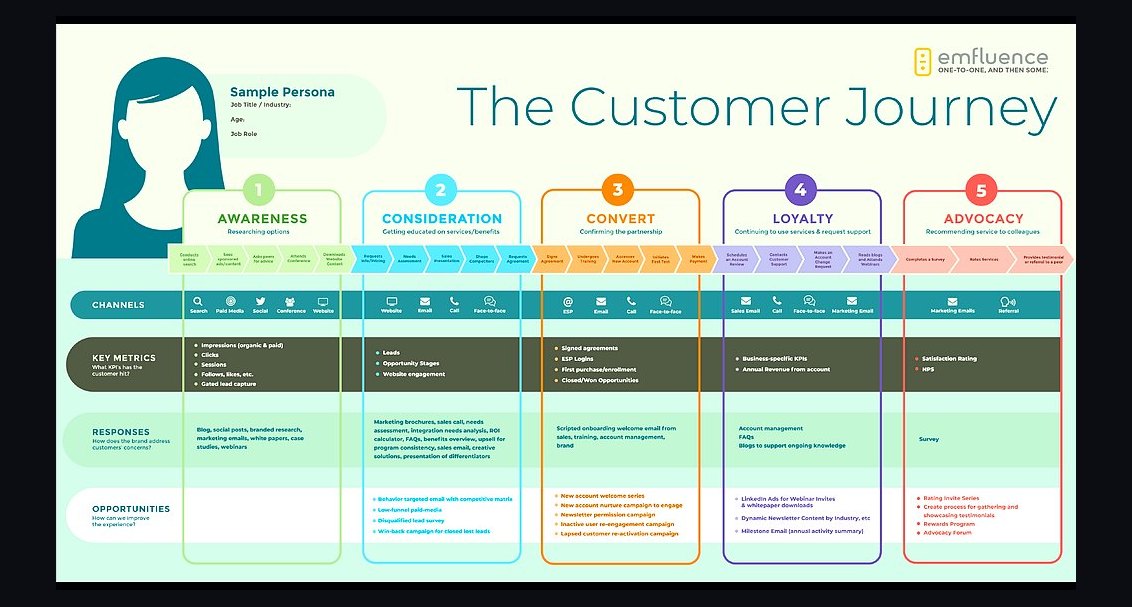 revopsHow do you build a customer journey map in 2027?
 revopsHow do you measure agentic-AI ROI in RevOps in 2027?
 revopsHow do you build a partner channel program in 2027?
 revopsHow do you set up effective sales technology training in 2027?
 revopsHow do you set up MEDDPICC (with Paper Process) deal inspection in 2027?
 revopsHow do you do effective post-mortem deal reviews in 2027?
 revopsHow do you build a sales enablement program in 2027?