
What is the best way to approach Sales Trainings in 2027?
 PULSEKNOWLEDGE LIBRARY
Yes, the best way to approach sales training in 2027 is through a continuous, data-driven, and personalized learning ecosystem that integrates AI, real-world practice, and behavioral science. The era of one-time, generic sales bootcamps is over, replaced by adaptive micro-learning paths and always-on coaching that ensures sales teams can rapidly adapt to evolving buyer behaviors, complex B2B buying groups, and the increasing use of AI in sales.
In 2027, successful sales training is not a single event but a strategic process woven into the daily workflow. It moves beyond teaching basic product knowledge or generic closing techniques to focus on critical thinking, active listening, and consultative problem-solving. The goal is to build a resilient, agile sales force that can thrive amidst constant market disruption. This transformation is driven by the recognition that buyers are more informed and empowered than ever, requiring sellers to bring unique value to every interaction.
Why is personalized, adaptive learning the foundation of 2027 sales training?
The one-size-fits-all training model fails because it ignores the unique skill gaps, learning styles, and experience levels of individual sales professionals. In 2027, AI-powered learning platforms analyze performance data, call recordings, and CRM activity to identify exactly where each rep needs improvement. For example, a junior rep might need more practice with discovery questions, while a senior rep requires advanced negotiation strategies for enterprise deals. This personalized approach, often delivered through micro-learning modules of 5-10 minutes, ensures training is relevant and immediately applicable, leading to higher engagement and retention. The key is that the training content itself adapts—not just the schedule—so that each rep receives precisely what they need to progress.
Furthermore, adaptive learning systems adjust the difficulty and content in real-time based on a rep's progress. If a rep consistently struggles with objection handling, the system will serve up more scenarios and coaching on that topic. This creates a truly individualized learning journey that maximizes development efficiency. The shift is from "training everyone on everything" to "training each rep on what they need, when they need it," a core principle of modern Revenue Operations. This approach also reduces the time spent on redundant content, freeing up reps to focus on selling.

How does AI and real-time coaching transform skill development?
The most significant shift in 2027 is the move from retrospective training to real-time, AI-powered coaching. Instead of waiting for a quarterly review, sales reps receive immediate feedback during or immediately after customer interactions. AI tools analyze the tone, pace, talk-to-listen ratio, and key phrases used in calls or meetings. For instance, an AI coach can whisper a reminder to ask a specific qualifying question or flag when a rep is talking too much. This just-in-time learning dramatically accelerates skill acquisition because feedback is contextual and immediately actionable, allowing reps to correct course in the moment.

This technology also powers realistic, low-stakes practice environments. Sales reps can role-play with AI-powered avatars that simulate difficult buyers, complex objections, or multi-stakeholder negotiations. These simulations are safe spaces to fail, iterate, and build muscle memory without risking a real deal. The best sales training programs in 2027 will blend this AI-driven practice with human-led coaching sessions, where managers review AI-generated insights to provide targeted, high-impact feedback. This combination of machine scalability and human judgment creates a powerful learning loop that continuously sharpens rep capabilities.
Why must training be continuous and integrated into the workflow?
Sales training in 2027 is no longer a separate event; it is a continuous, embedded part of the sales workflow. The "spray and pray" approach of a 2-day training session is ineffective because knowledge decays rapidly—research shows that without reinforcement, learners forget up to 70% of new information within 24 hours. Instead, leading organizations use "learn-it-all" cultures where training is delivered in small, frequent bursts directly within the tools reps already use, like their CRM, email platform, or sales engagement tool. A rep might receive a 3-minute micro-lesson on handling a specific price objection right before a scheduled call with a price-sensitive prospect.

This integration is crucial for reinforcing new skills and ensuring they translate into behavior change. It also allows for continuous reinforcement and spaced repetition, which are proven to improve long-term retention. By embedding learning into the flow of work, training becomes less of a chore and more of a natural support system. Reps no longer have to leave their selling environment to learn; the learning comes to them. This workflow integration also enables real-time performance support, where reps can access just-in-time resources like battle cards, objection handlers, or competitive intelligence without breaking their stride.

How does training focus on buyer empathy and critical thinking?
As AI automates many administrative and even some conversational sales tasks, the unique value of a human salesperson in 2027 lies in empathy, critical thinking, and complex problem-solving. Sales training must therefore prioritize these "soft skills" that are hard to automate. Programs focus on teaching reps to deeply understand buyer challenges, navigate multi-stakeholder dynamics, and build genuine trust. This involves training on active listening techniques, asking powerful questions, and framing solutions around the buyer's specific business outcomes. Reps learn to move beyond surface-level needs to uncover the underlying pains and motivations that drive purchasing decisions.
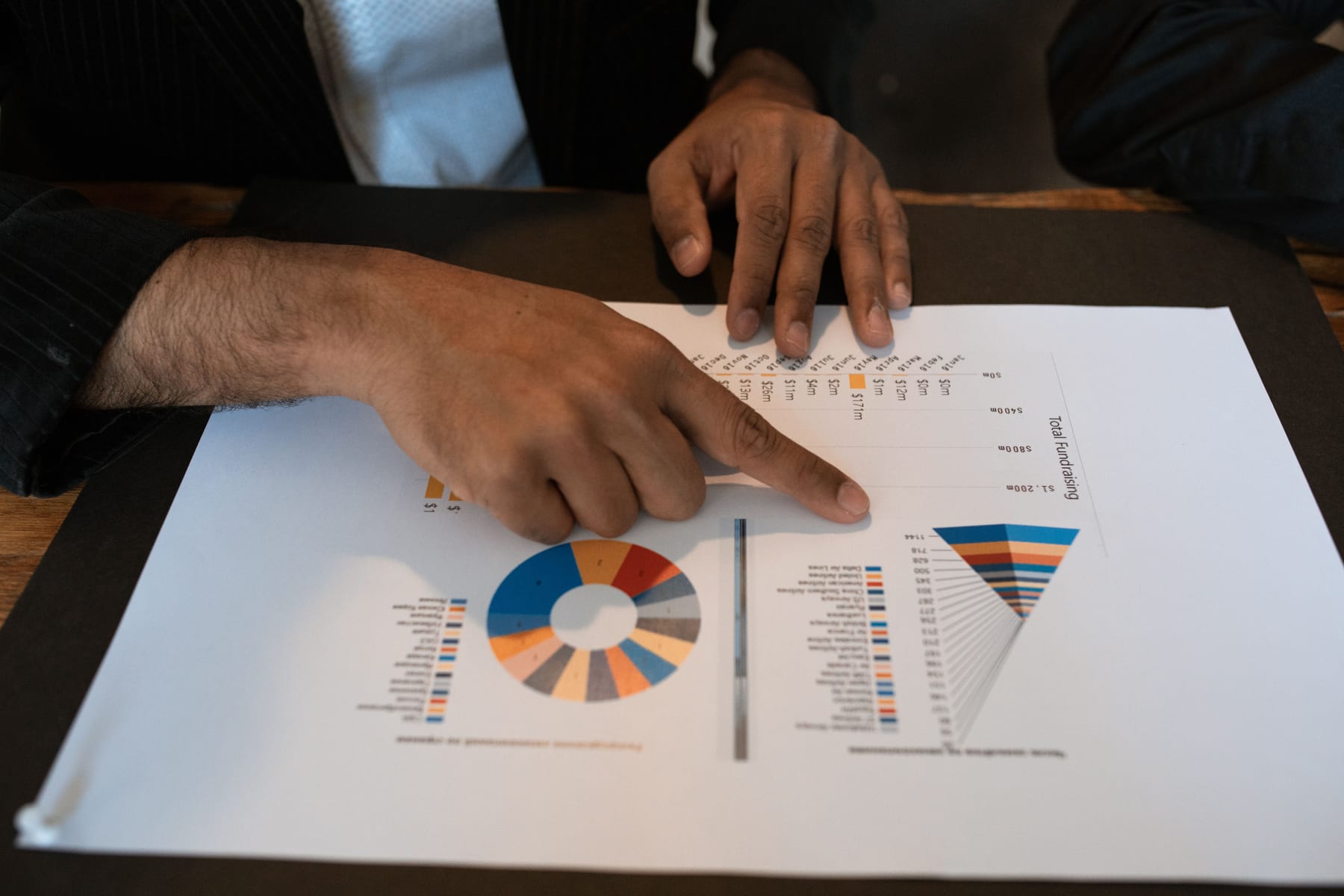
Training modules now include exercises on cognitive biases, emotional intelligence, and systemic thinking. Reps learn to deconstruct a buyer's situation, identify underlying needs beyond the surface request, and co-create solutions. This is a departure from feature-based selling. The best sales training programs in 2027 will use case studies, complex scenarios, and peer-to-peer learning to hone these critical human skills, ensuring sales professionals remain indispensable partners in the buying journey. These skills are particularly vital when dealing with buying groups of 6-10 stakeholders, where the rep must navigate conflicting priorities and build consensus across multiple decision-makers.

What role does data and measurement play in training effectiveness?
In 2027, sales training is a data-driven function, not a cost center. The best approaches are relentlessly measured against business outcomes. Key metrics move beyond simple completion rates to include behavioral change (e.g., adoption of a new sales methodology), performance lift (e.g., conversion rates, deal size), and time-to-competency for new hires. This data is captured directly from the CRM, sales engagement platform, and coaching tools, creating a closed-loop feedback system. The ability to link training activities directly to revenue outcomes is what separates world-class programs from those that are merely busy.
For example, if a training module on "value-based pricing" is completed, the system automatically tracks whether reps subsequently increase their average deal size or improve their win rates on competitive deals. If the data shows no improvement, the training content is revised or the coaching approach is adjusted. This continuous measurement and iteration cycle ensures that training investments directly contribute to revenue growth and sales force effectiveness. Without this data-driven approach, training is just an activity. Leading organizations also use predictive analytics to forecast which reps are at risk of underperformance and proactively deliver targeted training interventions.

FAQ
What is the single most important principle for sales training in 2027? The most important principle is that training must be continuous and embedded into the daily workflow, not a one-time event. This ensures skills are constantly reinforced and adapted to changing market conditions.
How can I use AI for sales training without replacing human interaction? Use AI for scalable, personalized practice (e.g., role-playing with avatars), real-time feedback on calls, and identifying skill gaps. Reserve human interaction for strategic coaching, complex feedback, and building emotional intelligence.
What skills should sales training focus on in 2027? Focus on high-value human skills like critical thinking, active listening, buyer empathy, consultative questioning, and navigating complex B2B buying groups. Also, train on how to effectively use AI tools as a sales aid.
How do I measure the ROI of a modern sales training program? Track leading indicators like behavioral change (e.g., adoption of a new call framework) and lagging indicators like win rate, average deal size, sales cycle length, and new hire ramp time to full productivity.
What is the role of the sales manager in a continuous training model? The sales manager becomes a coach and facilitator. They use data from AI tools to provide targeted, real-time feedback, conduct focused practice sessions, and reinforce learning from micro-modules during regular one-on-ones.
How do I get my sales team to actually use the training? Make it relevant, easy, and rewarding. Integrate training into their workflow (e.g., inside the CRM), use micro-learning for quick consumption, and tie completion and application to performance metrics and incentives.
Is role-playing still effective in 2027? Yes, but it has evolved. AI-powered role-plays with realistic avatars are highly effective for safe, repetitive practice. Human-to-human role-play is best for building emotional intelligence and handling nuanced, complex scenarios.
What is the biggest challenge in implementing a 2027 sales training strategy? The biggest challenge is the cultural shift from a "training event" mindset to a "continuous learning" culture. This requires buy-in from leadership, a change in manager behavior, and investment in the right technology.
Can small businesses afford a modern sales training approach? Yes. Many affordable AI-powered coaching and micro-learning platforms exist. The key is to start small, focus on the highest-impact gaps, and leverage free or low-cost tools for practice and feedback before scaling.
How does sales training differ for inside sales vs. field sales in 2027? While the core principles are the same, field sales training may place more emphasis on in-person relationship building and strategic account planning. Inside sales training may focus more on video call presence, digital communication, and using AI tools for real-time assistance.
Sources
- Gartner: The Future of Sales Training
- Forrester: The B2B Sales Organization in 2027
- Harvard Business Review: The New Sales Imperative
- Sales Hacker: Modern Sales Training Trends
- CSO Insights: World-Class Sales Practices Report
- LinkedIn Sales Solutions: The State of Sales
- McKinsey: The Future of Sales
- Rain Group: Buyer Preferences Study
- Challenger: The Challenger Sale
- PULSE RevOps: Sales Training Best Practices
Related on PULSE
- [The LinkedIn Social Selling Workshop — 90-Min Training — Pulse Sales Trainings](/knowledge/st253)
- [The Forecasting Calibration Workshop — 60-Min Training — Pulse Sales Trainings](/knowledge/st250)
- [The Pipeline Review Workshop — 60-Min Training — Pulse Sales Trainings](/knowledge/st244)
- [The Closing Techniques Bootcamp — 90-Min Training — Pulse Sales Trainings](/knowledge/st245)
- [The Multi-Threading Strategy Workshop — 90-Min Training — Pulse Sales Trainings](/knowledge/st247)
- [The Enterprise Account Planning Workshop — 120-Min Training — Pulse Sales Trainings](/knowledge/st243)
 stIs Sales Trainings worth it in 2027?
 stWhat is a typical sales compensation structure as a percentage of gross profit to the rep?
 stWhat are the most common mistakes in Sales Trainings in 2027?
 stHow much does Sales Trainings cost in 2027?
 stHow should sales leaders plan and manage territory sales expansion?
 pulse-sales-trainingsTop 10 Sales Trainings strategies for 2027
 pulse-sales-trainingsWhat should you know before investing in Sales Trainings in 2027?
 pulse-sales-trainingsSales Storytelling Workshop: Crafting Case Studies into Narratives
 pulse-sales-trainingsTop 10 underperformer workshop agendas for 2027
 pulse-sales-trainingsTop 10 Miller Heiman sales training drills for AEs in 2027