


What is the Alabama Crimson Tide NIL strategy for football in 2027?
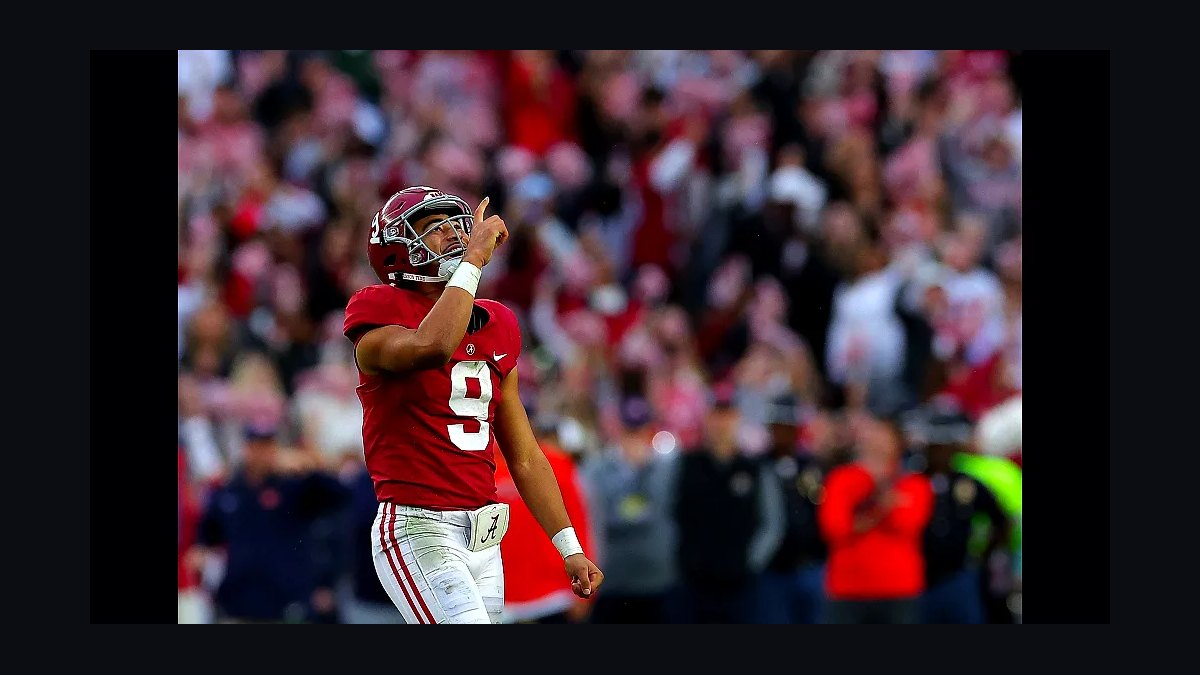
The Alabama Crimson Tide 2027 football NIL strategy is a disciplined revenue-share-first model that pairs the $20.5M House v. NCAA cap (about $13.5M routed to football) with Yea Alabama's donor-funded true-NIL deals, head coach Kalen DeBoer's "quality not quantity" recruiting board, and aggressive retention plays like the Austin Mack and Keelon Russell re-ups after Ty Simpson left $6.5M from Miami on the table for the NFL. Alabama is intentionally sitting in the $15M-$18M total spend tier rather than chasing Texas ($72M) or Texas A&M ($61M), betting the brand, Nike, the SEC stage, and the NFL Draft pipeline still close five-stars.
1The 2027 Cap Math And Where Football Sits
1a. The $20.5M school-wide pool
Under the House v. NCAA settlement approved by Judge Claudia Wilken in June 2025, every Power Four school can pay athletes directly up to a starting cap of $20.5M per year, escalating roughly 4% annually. By the 2026-27 academic year that cap rises to about $21.3M before climbing toward the widely-cited $22M mark in 2027-28. Athletic Director Greg Byrne announced Alabama will fully fund the cap rather than asking athletes to absorb the $2.5M new-scholarship carve-out SEC schools agreed to.
1b. Football's slice
Following the SEC norm, ~75% of the cap is earmarked for football. That puts Alabama football's direct rev-share payroll at roughly $13.5M in 2026 and $14M-$14.5M by 2027. The remaining ~25% is split across men's basketball, women's basketball, baseball, softball, gymnastics, and Olympic sports, with mbb projected to receive about $3M-$3.5M and wbb trailing further behind despite the Caitlin Clark ratings surge across the women's game.

1c. The stacking model
Rev-share is the floor, not the ceiling. Yea Alabama — explicitly not a collective but the Official Fan Experience and NIL facilitator under Alabama Athletics — layers true endorsement deals on top. The result is a two-bucket athlete pay structure: (1) the cap-counted rev-share check cut by the university every month starting July 1, 2025, and (2) arms-length NIL deals brokered through Yea Alabama and the player's own representation that, per the NIL Go clearinghouse, must show fair market value and a valid business purpose.
2Yea Alabama And The Donor Engine
2a. The membership ladder
Yea Alabama runs a tiered membership stack — Champions Club, Crimson, White, Houndstooth — that converts fan dollars into NIL opportunities. Donor contributions to Alabama athletics hit $67M in the 2024-25 cycle per Front Office Sports reporting, well behind Tennessee's $110M funnel into Spyre Sports. Closing that gap is priority one for the 2027 cycle, and Yea Alabama has retooled its pitch around the rev-share era: every dollar now funds real activations, not just pay-for-play roster checks.

2b. The brand bench
Active 2026 Alabama football deals already include Ryan Williams signing with Nike before his sophomore year (joining a roster of partnerships including Uber Eats and Hollister), pushing his On3 NIL Valuation above $2.3M. The Yea Alabama rolodex also routes deals through Beats by Dre, Bose, EA Sports College Football 27, Coca-Cola, Regions Bank, Buffalo Wild Wings, and Tuscaloosa Toyota — local-plus-national stacking that travels with the player into endorsement permanence.
2c. The clearinghouse reality
Every deal above $600 must clear NIL Go, the Deloitte-built clearinghouse stood up after the settlement. Alabama has built an in-house NIL operations team — led by an associate AD overseeing rev-share allocation and Yea Alabama compliance — that pre-vets every contract to avoid the deal denials that have already tripped up booster-heavy programs trying to push $2M-$5M "endorsements" with no real deliverables.

3Recruiting The 2027 Class The DeBoer Way
3a. Quality over quantity
Kalen DeBoer has publicly signaled the 2027 class will sit around 20-22 signees, not the 27-30 Nick Saban routinely landed. Six commits are already in the boat as of late spring 2026, headlined by quarterback Elijah Haven. The math: smaller class equals bigger per-recruit NIL bag, which lets Alabama compete on payroll without lapping Texas or Ohio State in total spend.
3b. The board
Top 2027 Alabama football targets per 247Sports and On3:

- WR Monshun Sales — Rivals' No. 1 WR, Alabama native, in a dogfight with Indiana, Miami, Ohio State, and Texas
- S Xavier Sabb — five-star, brother of current Tide DBs Keon and Amari Sabb, the family pipeline play
- CB John Meredith III — No. 1 overall player in the 247 Composite, "at the top" of Alabama's board
- RB Tai Phillips (Irmo, SC) and RB Nigel Newkirk (Gainesville, GA, 4-star)
- DB Gabriel Osborne — elite 2027 corner Alabama is chasing against deeper-pocket programs
3c. Where Alabama walks away
The Hollywood Smothers flip to Texas in early 2026 — On3 CEO Shannon Terry called it a "telling Alabama NIL statement" — is the template for what DeBoer's staff is willing to do: walk when the price moves into $2M+ true-freshman territory. The bet is that the Alabama brand, NFL Draft outcomes (12 picks in the 2024 Draft, top-three program every year of the last decade), and DeBoer's Washington-built offensive system close enough top-100s without auction-style overpays.

4The Retention War: Portal Math In 2026
4a. The Ty Simpson lesson
Ty Simpson's late-2025 decision to enter the 2026 NFL Draft instead of taking Miami's $6.5M transfer-portal offer (with Ole Miss and Tennessee both at $4M) is the cleanest case study in Alabama's retention philosophy: build players who value the Crimson Tide jersey on draft night more than a one-year mercenary check. Simpson's quote — "Hopefully in the draft whenever my name gets written on a card, they write the University of Alabama" — is now in every Yea Alabama donor deck.
4b. Pay to keep the developmental QBs
When Simpson left, Yea Alabama immediately closed deals to keep backup Austin Mack and five-star Keelon Russell (2025 class) in Tuscaloosa rather than letting them hit the portal. Industry reporting from Yahoo Sports and On3 placed both retention deals in the mid-six to low-seven figure range — a fraction of what a new QB1 transfer would have cost, and a textbook rev-share + true-NIL stack.

4c. The offensive line tax
Alabama has also raised its OL rev-share band in 2026-27, following the Michigan and Ohio State template of paying interior linemen $400K-$800K annually. The strategy: protect the QB1 development pipeline (Mack/Russell/Haven) by locking in a veteran front rather than rebuilding it through the portal every December.
5The Spend Gap And The Brand Hedge
5a. The leaderboard
The Sideline's NIL Tracker and Front Office Sports reporting peg the 2026 football spend market as: Texas ~$72M, Ohio State ~$68M, Texas A&M ~$61M, Oregon, Georgia, Tennessee in the $30M-$45M band, and Alabama ~$15M-$18M. Sports Illustrated's "powers falling behind" piece flagged Alabama, Tennessee, and Colorado as the names slipping in raw NIL spend.

5b. Why the gap is intentional
DeBoer and Byrne have privately framed the gap as a sustainability play: the booster-collective era is ending, NIL Go kills the inflated pay-for-play deals, and programs that overpay in 2026-27 will face an enforcement shock in 2028. Alabama's bet is that brand + development + NFL outcomes carry more weight once the auction floor stabilizes around true fair-market value.
5c. Where it could break
If Texas wins a national title in 2026 or 2027 while sustaining $70M+ rosters under NIL Go scrutiny, Alabama's restraint looks like underinvestment, not discipline. The fallback: Yea Alabama has runway to raise another $15M-$20M in donor commitments through its Houndstooth tier if DeBoer posts back-to-back two-loss seasons without a CFP semi.

6The 2027 Forward Look
6a. Roster construction by 2027
By the 2027 season, Alabama's roster will be 90%+ post-Saban-recruited, fully on the DeBoer-Wommack scheme, and operating with a fully integrated rev-share + true-NIL comp model. Expect 15-18 athletes earning over $500K all-in, 3-5 over $1.5M, and a top-of-roster QB1 (likely Keelon Russell or Elijah Haven) above $2.5M.
6b. The CFP equation
The 12-team College Football Playoff has reshaped the financial stakes: a CFP appearance is worth roughly $8M-$10M to the athletic department, and a national title path delivers $20M+. Alabama's rev-share strategy explicitly assumes two CFP appearances in the next three cycles to keep the donor flywheel turning.

FAQ
Does Alabama actually spend less on NIL than Texas and Texas A&M? Yes, Alabama’s 2027 football NIL spend is intentionally in the $15M–$18M range, well below Texas’s reported $72M and Texas A&M’s $61M. The strategy prioritizes efficiency and brand value over raw spending, betting that the program’s history, NFL pipeline, and Nike partnership can still attract top talent without matching those dollar figures.
How does the $20.5M House v. NCAA cap affect Alabama’s NIL budget? The cap funnels roughly $13.5M of the total to football, forming the base of the Crimson Tide’s revenue-share-first model. The remaining $1.5M–$4.5M in true NIL deals comes from the Yea Alabama collective, funded entirely by donors, to supplement the cap without exceeding the team’s disciplined spending ceiling.
Why did Ty Simpson leave $6.5M from Miami on the table for the NFL? Simpson chose to enter the NFL Draft rather than transfer for a larger NIL offer, reflecting Alabama’s retention strategy that emphasizes NFL development over short-term cash. The program’s track record of producing early-round picks helped convince him that his long-term earning potential was higher in the pros.
What role does Kalen DeBoer’s “quality not quantity” recruiting board play? DeBoer focuses on a smaller, more selective list of recruits who fit Alabama’s system and culture, rather than casting a wide net. This approach reduces the number of NIL offers needed and allows the program to concentrate its $15M–$18M spend on a handful of five-star targets and key retention deals.
How do the Austin Mack and Keelon Russell re-ups fit into the strategy? Both re-ups were retention moves designed to keep proven talent in the program, using a mix of cap-allocated funds and Yea Alabama donor dollars. These deals signal that Alabama will pay to keep its core players, even as it avoids bidding wars for unproven transfers.
Does Alabama’s NIL strategy hurt its chances of winning a national title? The strategy assumes that brand prestige, SEC exposure, and NFL development can compensate for a lower NIL spend. While it may lose some recruiting battles to bigger spenders, Alabama believes it can still compete for championships by retaining key players and developing under-the-radar talent within its budget.
Bottom Line
Alabama's 2027 football NIL strategy is a deliberately restrained, brand-anchored, rev-share-first model: route roughly $13.5M-$14.5M of the House cap to football, layer Yea Alabama true-NIL on top via Nike, Bose, EA Sports, and regional partners, sign a smaller-but-elite 2027 class under Kalen DeBoer, and pay premiums to retain developed talent like Austin Mack and Keelon Russell rather than enter bidding wars for transfers. The Texas and Texas A&M spend gap is intentional — Alabama is wagering that NIL Go enforcement, NFL Draft outcomes, and the Crimson Tide brand still close enough five-stars to keep the program in the CFP mix without lapping the field on payroll.
Related on PULSE
- What is the Alabama Crimson Tide football NIL and roster strategy for the 2027 season?
- What are Alabama Crimson Tide football's 2027 NIL needs and strategy?
- What are Alabama Crimson Tide men's basketball's 2027 NIL needs and strategy?
- How much do North Alabama football players earn from NIL in 2027?
- How much do South Alabama football players earn from NIL in 2027?
- How much do Alabama football players earn from NIL in 2027?
Sources
- On3 — Alabama Crimson Tide NIL Valuations and 2026 recruiting commit board
- 247Sports — 2027 Alabama football recruiting class rankings (Elijah Haven, Monshun Sales, John Meredith III)
- Sports Illustrated / FanNation — "3 College Football Powers Suddenly Falling Behind in NIL Spending" and Ty Simpson $6.5M Miami offer reporting
- Front Office Sports — "How Schools Are Raising Money for House v. NCAA Settlement"
- Yahoo Sports — Alabama football revenue-sharing payroll projections; Austin Mack and Keelon Russell retention deals
- CBS Sports — Ty Simpson NFL Draft declaration and turned-down NIL offers
- The Crimson White — Alabama Athletics fully funding rev-share announcement from AD Greg Byrne
- Bama Hammer / FanSided — DeBoer 2027 recruiting strategy and Hollywood Smothers flip coverage
- Yea Alabama official site (yea-alabama.com) — membership tiers and fan experience structure
- The Sideline NIL Tracker 2026 — school-by-school NIL spending estimates (Texas $72M, Texas A&M $61M, Ohio State $68M)
- Sportico — House v. NCAA settlement cap escalator math
People also search for: what is alabama crimson tide nil strategy for football · alabama crimson tide nil strategy for football explained · alabama crimson tide nil strategy for football definition
This page will be disappearing soon. Save it to your device for $1 — or read it free while it is here.
@Kory-White- · if Venmo asks, the last 4 of my number are 2012
This page is gone.
This one is off the shelf now. $1 keeps it on your phone for good — the whole page, pictures and diagrams included.
 nilHow much do Buffalo football players earn from NIL in 2027?
 nilHow much do Indiana State football players earn from NIL in 2027?
 nilWhat are Minnesota Golden Gophers football's 2027 NIL needs and strategy?
 nilHow much do Georgia Southern football players earn from NIL in 2027?
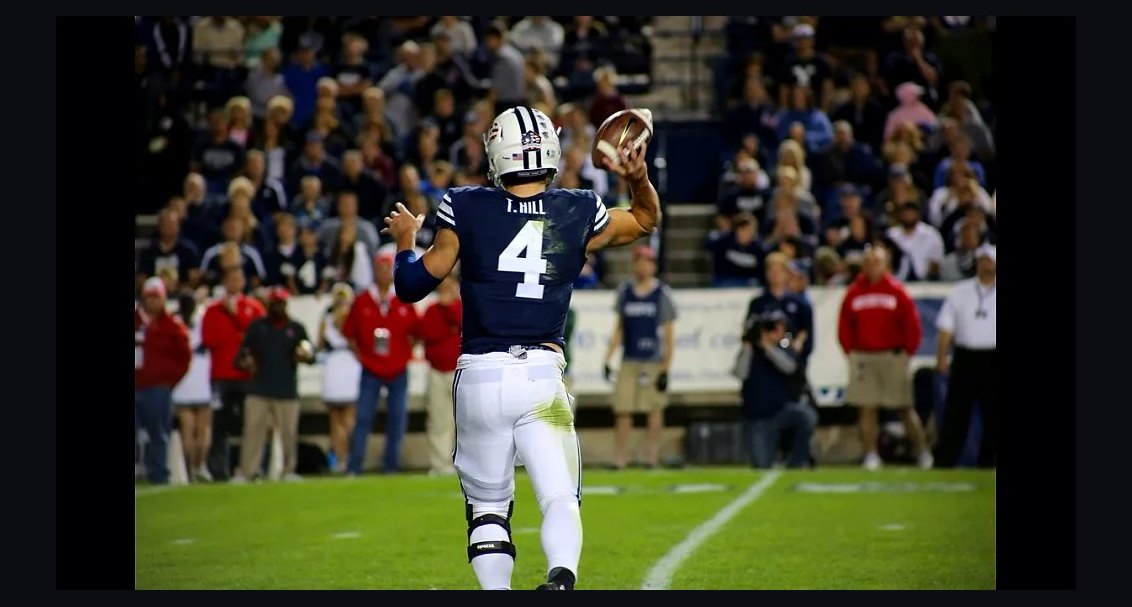 nilHow much do Utah State football players earn from NIL in 2027?
 nilHow much do Colorado State football players earn from NIL in 2027?
 nilHow much do Arkansas State football players earn from NIL in 2027?
 nilWhat are Purdue Boilermakers football's 2027 NIL needs and strategy?
 nilHow much do Florida International football players earn from NIL in 2027?
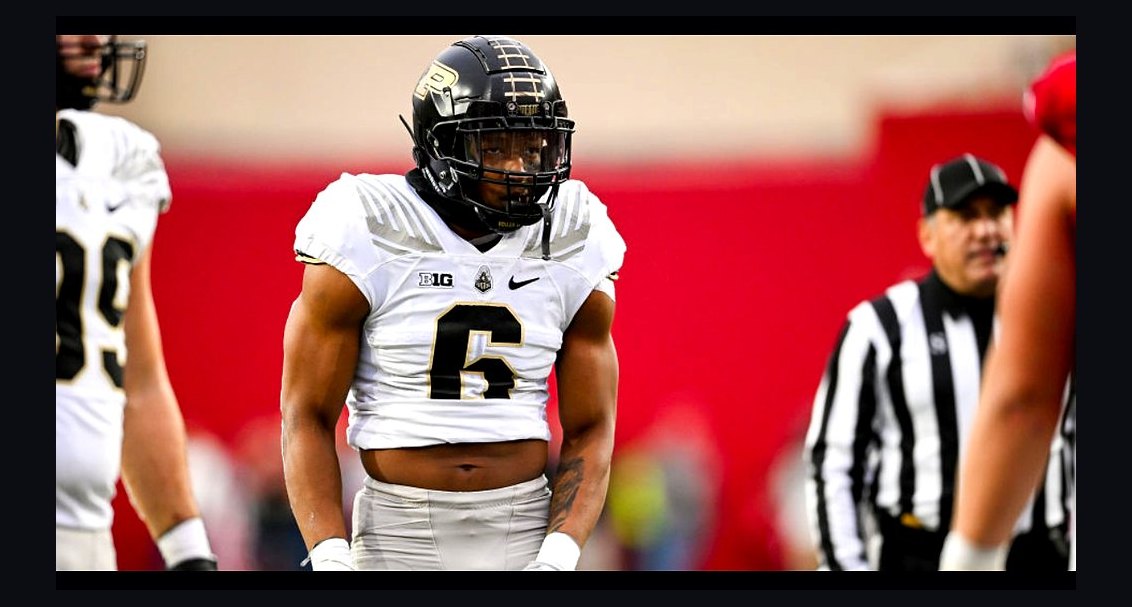 nilHow much do Purdue football players earn from NIL in 2027?