


How much do Duke basketball players earn from NIL in 2027?
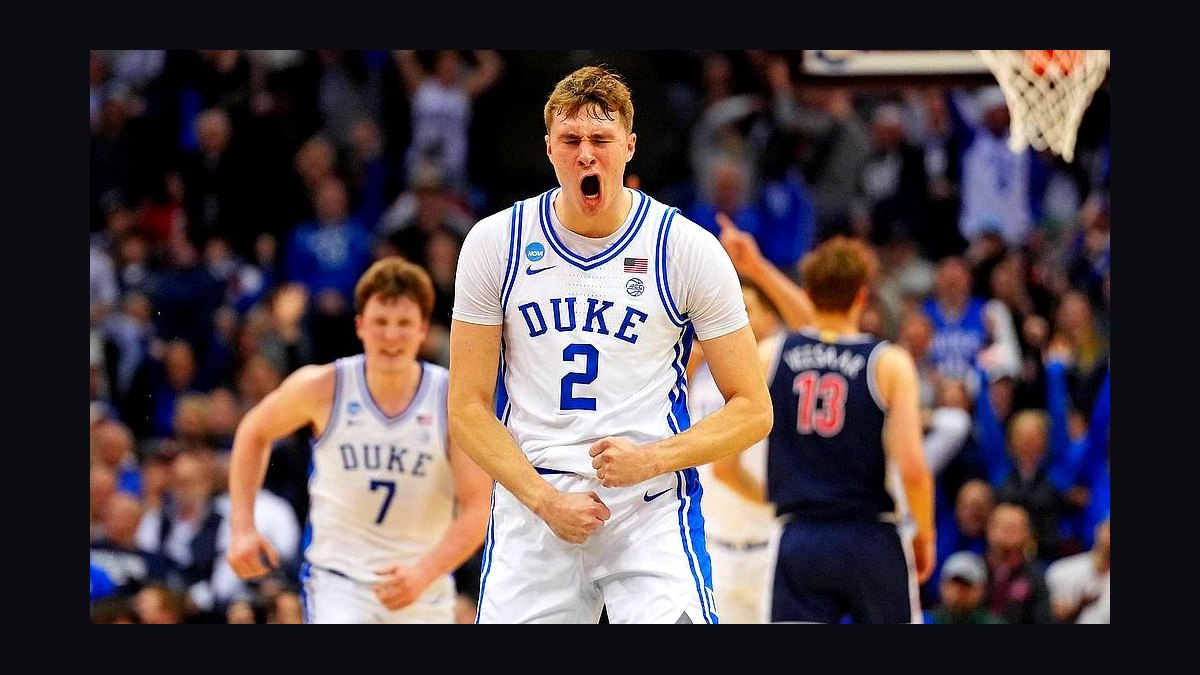
A Duke men's basketball player in 2027 can earn anywhere from modest five-figure deals to well over $1 million in combined NIL and revenue-sharing money, with projected top freshmen and lottery-bound stars frequently cited in the $1 million to $3 million+ range and rotation players landing in the low-to-mid six figures. Duke is one of the most valuable NIL programs in college basketball because it combines a blue-blood brand, constant national TV exposure, and an NBA pipeline that makes its players marketable far beyond Durham. After the House v. NCAA settlement took effect for 2025–26, Duke — like every power-conference school — can now pay players directly from a revenue-sharing pool capped near $20.5 million department-wide, and as a basketball-centric brand, Duke directs a meaningful share of that pool to the hoops roster. On top of that sits the third-party NIL layer: collective money, national brand deals, and the personal-brand value of playing for Duke on national television dozens of times a year. The biggest earners stack all three — a strong revenue-share allocation, collective support, and national endorsements — while their on-court role and pro projection drive the ceiling.
1Why Duke Basketball NIL Is Among the Most Valuable
Duke's NIL value rests on assets few programs can match:
- Blue-blood brand. Duke basketball is a national property with a massive fan and alumni base, which translates into collective funding and brand interest.
- TV exposure. Duke plays a heavy national-TV schedule, giving players repeated visibility that brands pay for.
- NBA pipeline. Duke routinely produces lottery picks, so its stars are marketable as future pros before they ever turn professional.
- Recruiting gravity. Top recruits arrive already famous, which front-loads their marketability.

These combine so that even role players gain national exposure, while stars become some of the highest-earning athletes in college sports.
2The Two Layers of Earnings
Layer one — direct revenue sharing. Since the House settlement, Duke can pay players directly. As a program where basketball is the marquee sport, Duke allocates a significant share of its capped pool to the men's basketball roster, weighted heavily toward starters and high-profile recruits.
Layer two — third-party NIL. Collective payments, brand endorsements, autograph and appearance deals, and social content. National brands reach Duke players through agencies and platforms like Opendorse, and the NIL Go clearinghouse (run with Deloitte) reviews third-party deals of $600 or more for fair-market value.

A player's total is the sum of both, which is why two similar players can earn very differently based on marketability and pro projection.
3What Different Players Earn
- Projected lottery picks / marquee freshmen: $1M–$3M+ combined. They anchor the revenue-share allocation and attract national deals.
- Established starters: $200K–$800K.
- Rotation players: $50K–$200K.
- Deep-bench/role players: $10K–$50K, often collective-driven appearance and social deals.

These bands shift with the cap, the roster's NBA-draft profile, and how Duke chooses to fund basketball versus other sports.
4Real Duke Earners and What They Prove
The recent Duke pipeline shows the ceiling in concrete terms. Cooper Flagg, the No. 1 overall pick of the 2025 NBA Draft, was the single most valuable player in college basketball during his lone season in Durham — On3 estimated his NIL valuation in the multi-million-dollar range, anchored by national deals with brands including New Balance, Gatorade, and Fanatics, plus collective support. Flagg arrived as the most hyped recruit in the country and immediately became the model for what a Duke superstar can earn: seven figures driven as much by national marketability as by production.

Behind him, Cameron Boozer — the consensus top recruit who followed Flagg to Durham — entered college already carrying one of the highest freshman NIL valuations in the country, again proving that Duke's recruiting gravity front-loads earning power before a player takes a college snap. Twin brother Cayden Boozer added to a class that turned Duke into the country's NIL benchmark for incoming talent. These cases share a pattern: the biggest checks at Duke go to players whose pro projection and national fame are established before they arrive, while the rest of the roster earns by role and exposure. The takeaway for a prospective Longhorn-of-the-hardwood is that Duke does not just pay for current production — it pays for the marketability that a blue-blood platform amplifies.
5How The House Settlement Reshaped Duke's Math
Before 2025, every dollar a Duke player earned came from collectives and brands; the school could not pay players. The House v. NCAA settlement, approved in June 2025 and effective for 2025–26, changed that with direct institutional revenue sharing under a cap that started near $20.5 million per department and rises roughly 4 percent per year toward the $22–23 million range by 2027–28. Because the cap is department-wide, Duke's basketball roster competes with football and Olympic sports for share — but as a basketball-first brand, Duke can prioritize hoops more heavily than a football powerhouse like Texas or Alabama would. The settlement also created the NIL Go clearinghouse, operated with Deloitte, which reviews third-party deals of $600 or more for fair-market value and a valid business purpose, pushing collectives toward structuring real endorsement deals rather than disguised recruiting payments. The net effect at Duke: a higher floor for rotation players who now receive revenue-share dollars, and a ceiling for stars that still depends on stacking national brand deals on top of the school check.
6The Organizations in Duke's NIL Economy
- Duke-affiliated collective(s) channel donor money into player deals.
- Opendorse and similar platforms manage and disclose deals.
- NIL Go / Deloitte clearinghouse reviews third-party deals ($600+) for fair-market value.
- National agencies (the likes of Excel Sports Management and Klutch-style representation) handle endorsements for top players.

A savvy Duke player treats NIL like a business — representation, disclosure workflow, tax planning, and a personal-brand strategy across social platforms.
7How a Duke Player Maximizes Earnings
- Earn a featured on-court role — minutes and production drive the revenue-share allocation and national attention.
- Build a genuine social following — brands pay for reach and engagement.
- Get real representation that understands clearinghouse rules.
- Stack all three layers — revenue share, collective, and national endorsements.
- Manage taxes and eligibility — NIL income is taxable and deals must clear fair-market-value review.

8How Duke Stacks Up Against Other Blue-Blood NIL Programs in 2027
Duke competes for the same elite recruits as a small group of rival blue bloods, and the NIL math is a major part of that fight. Kentucky, with its decades-long one-and-done model under a high-profile staff, has long paired heavy collective funding with an NBA-pipeline pitch nearly identical to Duke's. Kansas, the reigning-era standard-bearer in the Big 12, leans on a well-capitalized collective to keep pace. Arkansas drew national attention by assembling a roster widely reported among the most expensive in the sport, showing how aggressively a program can deploy collective and revenue-share dollars to buy a contender overnight. Against this field, Duke's edge is brand durability plus a proven draft record — the program does not have to overspend to attract the top recruit because the platform itself converts a Duke season into endorsement value and lottery positioning. Every one of these schools now operates under the same roughly $20.5 million department-wide revenue-share cap, so the differentiator increasingly is how much of that pool each chooses to funnel into basketball and how strong its collective remains on top. Duke, as a basketball-first brand within the ACC, can prioritize hoops more heavily than football-driven peers, which is a structural advantage when the cap forces hard internal trade-offs.
Frequently Asked Questions
How much can a Duke basketball star make in 2027? Marquee, NBA-bound players are frequently cited in the $1M–$3M+ range combining revenue share, collective money, and national endorsements. Cooper Flagg's valuation as a freshman, in the millions, set the recent benchmark.
Does Duke pay players directly now? Yes. Since the House settlement (effective 2025–26), Duke can pay players from a revenue-sharing pool capped near $20.5 million department-wide, with basketball receiving a significant share.

Do role players earn NIL money at Duke? Yes — typically $10K–$200K depending on role, much of it from collective appearance and social deals plus the exposure of Duke's national platform.
What is the NIL Go clearinghouse? The settlement-mandated review process, operated with Deloitte, that vets third-party deals of $600 or more for fair-market value to prevent disguised pay-for-play.

Are collectives still relevant now that schools pay directly? Yes. Collectives still fund deals, increasingly structured as legitimate endorsements that can pass clearinghouse review.
Why do Duke freshmen earn so much before playing a game? Because Duke's recruiting gravity and national platform front-load marketability. Players like Cameron Boozer arrived with top-of-the-nation NIL valuations because brands and collectives pay for the audience and pro projection a Duke commitment guarantees, not just college production.

Does revenue-share money affect a Duke player's NBA draft stock or eligibility? No. Revenue sharing is compensation under the House settlement and does not change a player's amateur eligibility or draft position; scouts evaluate on-court ability, and the income is simply treated as taxable earnings.
How does Duke's NIL compare to Kentucky, Kansas, or Arkansas? All four are top-tier basketball NIL programs operating under the same roughly $20.5 million department-wide cap, and each pairs revenue-share dollars with a strong collective. Arkansas and Kentucky have drawn attention for aggressive collective spending, while Duke leans on its brand durability and NBA-draft record so it rarely needs to outbid rivals to land the nation's top recruit.
Will Duke's revenue-share pool grow by 2027? Yes. The House settlement cap began near $20.5 million per department for 2025–26 and rises about 4 percent per year, trending toward the $22–23 million range by 2027–28. As a basketball-first brand in the ACC, Duke can direct a larger share of that growing pool to its hoops roster than football-driven peers can.

Can an international Duke recruit earn NIL money? Yes, but visa status matters. International student-athletes on F-1 visas face restrictions on earning U.S.-based active NIL income while in the country, so deals are often structured carefully or completed outside the U.S. Duke's compliance and representation teams help international players navigate the rules so they can still benefit from revenue sharing and eligible endorsements.
Related on PULSE
- How much do Duke women's basketball players earn from NIL in 2027?
- How much do Duke football players earn from NIL in 2027?
- What is the Duke Blue Devils NIL strategy for women's basketball in 2027?
- What is the Duke Blue Devils NIL recruiting strategy for college basketball in 2027?
- What is the Duke Blue Devils men's basketball NIL and roster strategy for the 2027 season?
- What are Duke Blue Devils men's basketball's 2027 NIL needs and strategy?
Sources
- House v. NCAA settlement terms and revenue-sharing cap documentation (effective 2025–26)
- NIL Go clearinghouse (Deloitte) fair-market-value review documentation ($600 threshold)
- On3 and Opendorse NIL valuation reporting for college basketball, 2026–2027 (Cooper Flagg, Cameron Boozer valuations)
- NCAA and ACC revenue-sharing implementation guidance, 2026–2027
- Opendorse NIL marketplace data and athlete-earnings reporting
- Sportico and Front Office Sports reporting on blue-blood basketball NIL values
- 2025 NBA Draft results (Cooper Flagg, No. 1 overall)
Duke basketball NIL review / reviews / rating / review 2027 / review of Duke NIL earnings
This page will be disappearing soon. Save it to your device for $1 — or read it free while it is here.
@Kory-White- · if Venmo asks, the last 4 of my number are 2012
This page is gone.
This one is off the shelf now. $1 keeps it on your phone for good — the whole page, pictures and diagrams included.
 nilWhat is the Duke Blue Devils men's basketball NIL and roster strategy for the 2027 season?
 nilHow much do Houston men’s basketball players earn from NIL in 2027?
 nilHow much do Eastern Washington men’s basketball players earn from NIL in 2027?
 nilHow much do Cincinnati men’s basketball players earn from NIL in 2027?
 nilHow much do Mississippi State men’s basketball players earn from NIL in 2027?
 nilWhat is the Auburn Tigers NIL recruiting strategy for college basketball in 2027?
 nilHow much do Memphis men’s basketball players earn from NIL in 2027?
 nilHow much do Utah men’s basketball players earn from NIL in 2027?
 nilHow much do Hawaii men's basketball players earn from NIL in 2027?
 nilHow much do Florida men’s basketball players earn from NIL in 2027?