
How much do Jackson State football players earn from NIL in 2027?
 Curated byKory White · Fractional CRO · Maryland
 PULSEKNOWLEDGE LIBRARY
Quality
Certified
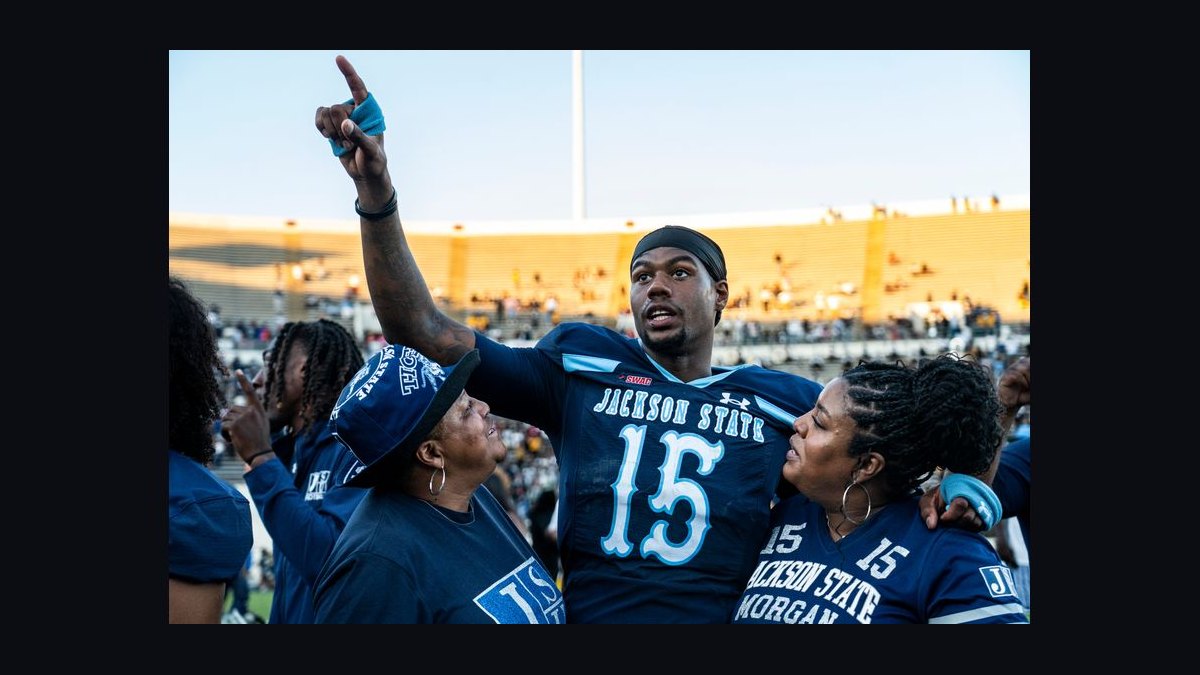
A Jackson State football player in 2027 earns money almost entirely through NIL collectives and brand deals rather than school-paid revenue sharing, since Jackson State competes in the FCS. A starting quarterback can realistically earn $75,000 to $300,000+, marquee skill players $20,000 to $100,000, and depth players a few hundred to a few thousand dollars.
What NIL means for a Jackson State roster
NIL — name, image, and likeness — is the legal framework that lets a college athlete get paid for endorsements, appearances, social content, and collective-funded deals without losing eligibility. For Jackson State, an FCS program in the SWAC, NIL is not a supplement to a big athletic-department paycheck; it is nearly the entire paycheck. Power-conference schools now layer direct revenue sharing on top of collective money under the House v. NCAA settlement, but Jackson State's budget doesn't support opting into that model at any meaningful scale. So when someone asks how much a Jackson State football player earns, the honest answer is built from two very different revenue streams: donor-funded collective payments and third-party brand deals, both of which flow through disclosure and review systems rather than a school payroll.
This matters because Jackson State occupies an unusual position. It is an FCS program, but its NIL market behaves more like a strong FBS Group of Five program because of residual brand equity from the Deion Sanders "Coach Prime" era, the size and loyalty of the HBCU football audience, and Jackson State's outsized national media exposure relative to its division. A player who wins the starting quarterback job or becomes a recognizable skill-position playmaker is stepping into a system where his market value is set less by traditional recruiting rankings and more by reach — social following, storyline, and how well he represents the Jackson State and HBCU brand. Understanding that distinction is the starting point for understanding every dollar figure that follows: Jackson State's NIL economy rewards visibility and cultural relevance at least as much as it rewards raw production, which is different from how a typical FBS booster collective tends to price players.
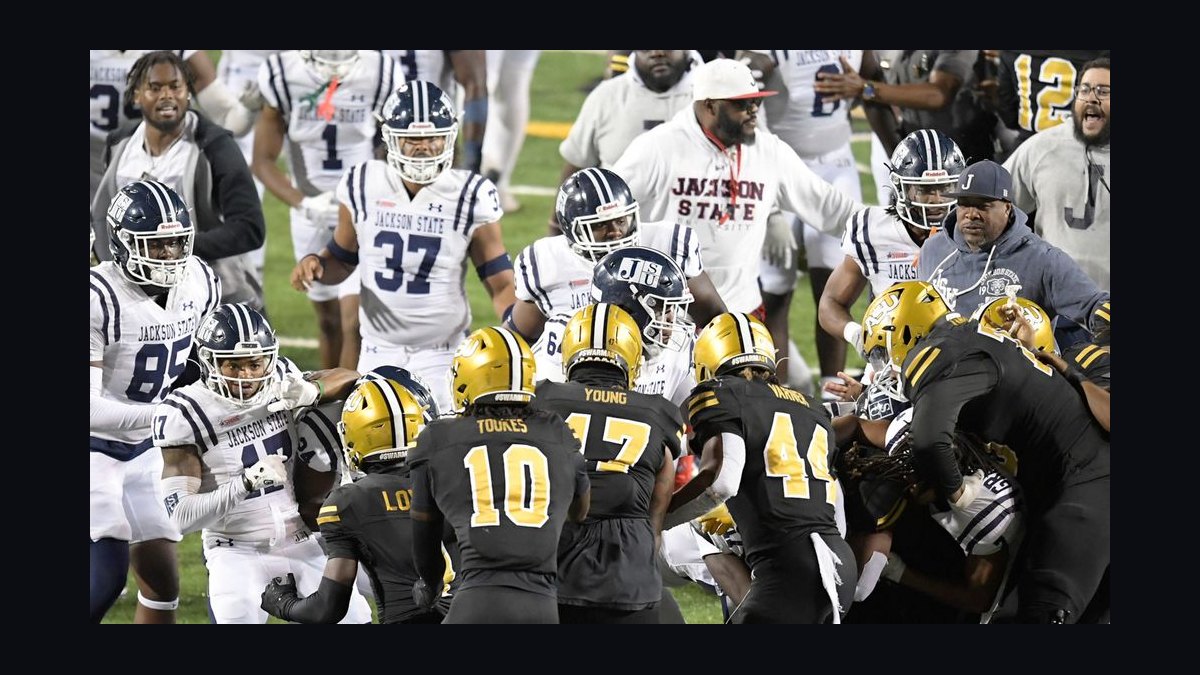
Think of it the way a RevOps team thinks about a pipeline with two very different lead sources — one high-volume and steady, one high-value but lumpy. Collective money at Jackson State behaves like the steady, process-driven pipeline: predictable donor contributions distributed on a rubric tied to role and performance. Brand and community deals behave like the lumpy, opportunistic pipeline: a viral clip, a strong Boombox Classic performance, or a feature story can spike a single player's earnings in a way that has nothing to do with a depth chart.
How a Jackson State player's NIL income actually gets built
The process a Jackson State player goes through to convert his football role into NIL income follows a fairly consistent sequence, even though the dollar amounts vary enormously by position and personal brand.
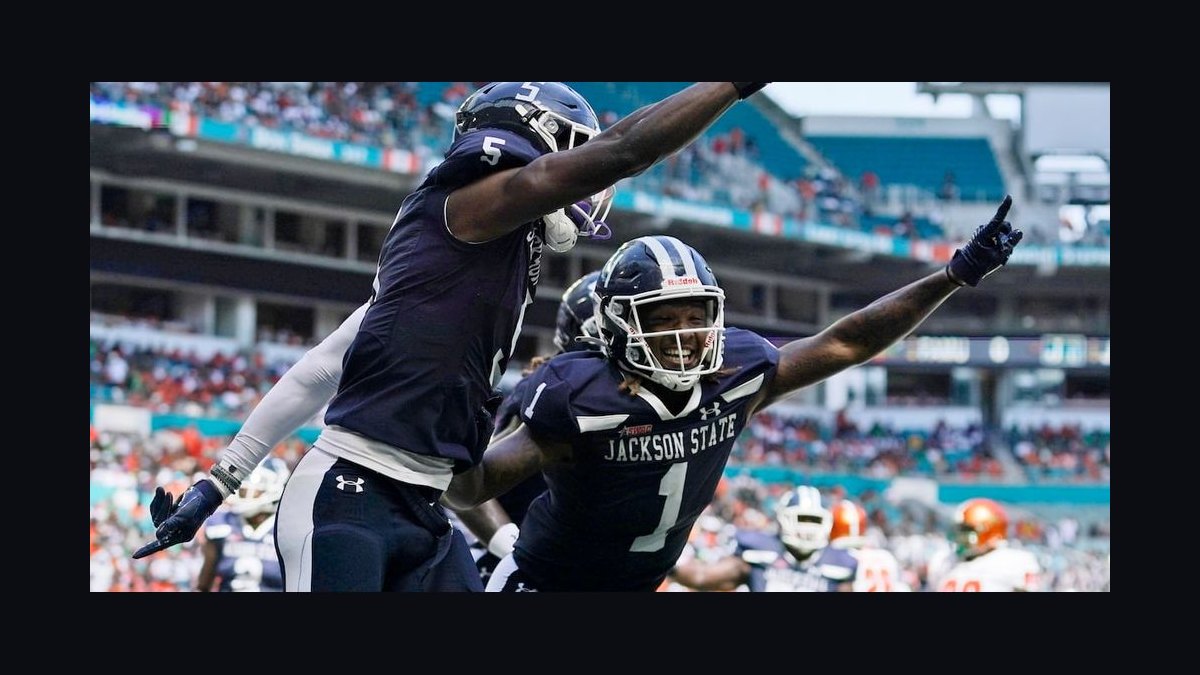
First, a player establishes his on-field role — starter, rotation player, or depth piece — because playing time and visibility are the single biggest determinants of collective interest. Second, the JSU-affiliated collective and its donor network evaluate that role against a rough compensation framework, weighting quarterbacks and marquee skill players far more heavily than linemen or special-teams contributors. Third, the player (usually through an agent or representative, since NIL income is taxable and deals carry real contractual terms) begins fielding outside interest: local Jackson-area businesses, HBCU-focused apparel and lifestyle brands, and occasionally a national sponsor drawn to the Jackson State story. Fourth, any third-party deal worth $600 or more has to clear the NIL Go clearinghouse, run in partnership with Deloitte, which checks the deal for fair-market value and a legitimate business purpose before it counts as compliant NIL rather than a disguised pay-for-play arrangement. Fifth, platforms like Opendorse are used to manage disclosure, payment tracking, and reporting across both the collective and brand-deal sides. Finally, the money lands — sometimes as a lump sum tied to signing or enrollment, sometimes as recurring monthly payments, and sometimes as one-off appearance or content fees.
A useful way to picture the full earnings stack: collective payments form the base layer, brand and community deals form a variable layer on top, and for a small handful of nationally known players, occasional national-brand interest forms a rare third layer that can dwarf the other two combined.
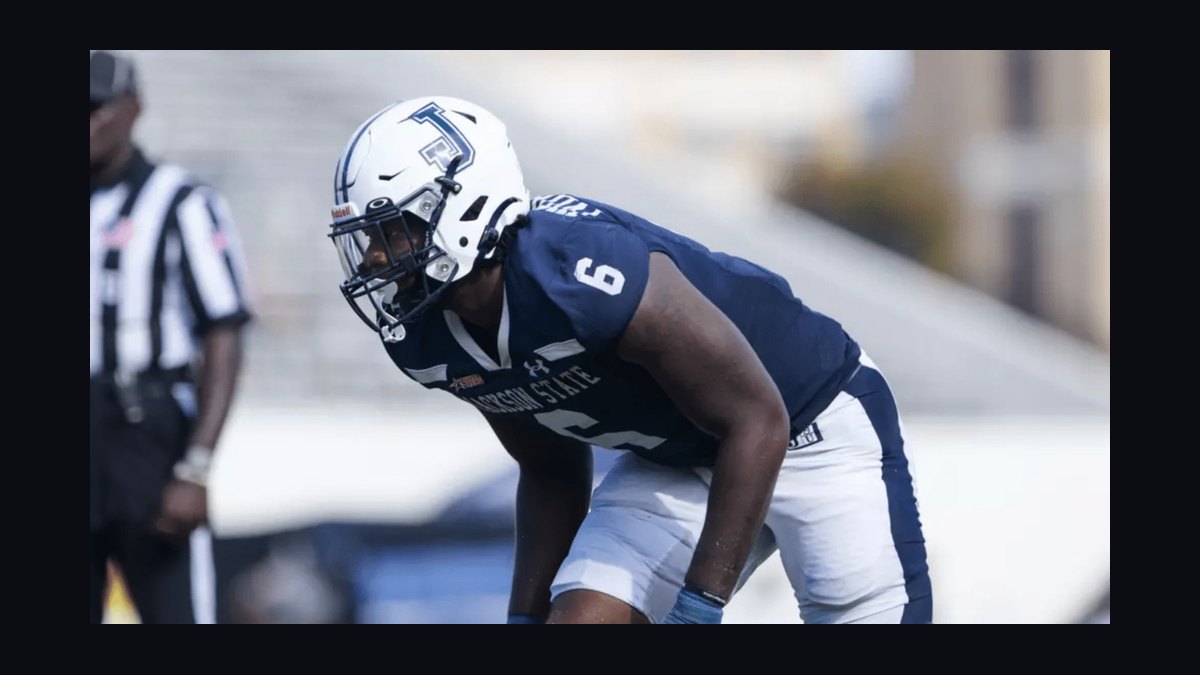
What a Jackson State player can expect to earn, by role
Dollar ranges at Jackson State compress sharply as you move down the roster, and timelines matter too — some money arrives before a season even starts, while other income depends on in-season performance and visibility.
- Starting quarterback (QB1): roughly $75,000 to $300,000+ across a season, with the outer edge reserved for a quarterback who becomes a genuine national storyline. This is consistently the single most valuable role on the roster.
- Marquee skill players (top wide receivers, running backs, and disruptive pass rushers): roughly $20,000 to $100,000, driven by a mix of collective tier payments and modest brand interest.
- Established starters at other positions: roughly $10,000 to $50,000, mostly collective-funded with occasional local sponsorships.
- Offensive and defensive linemen, rotation players: roughly $5,000 to $40,000, weighted toward community and collective money rather than national brand deals, since linemen rarely draw outside sponsor attention regardless of level.
- Depth and special-teams players: typically a few hundred to a few thousand dollars a year, usually from group-licensing or appearance-style payments rather than individual deals.
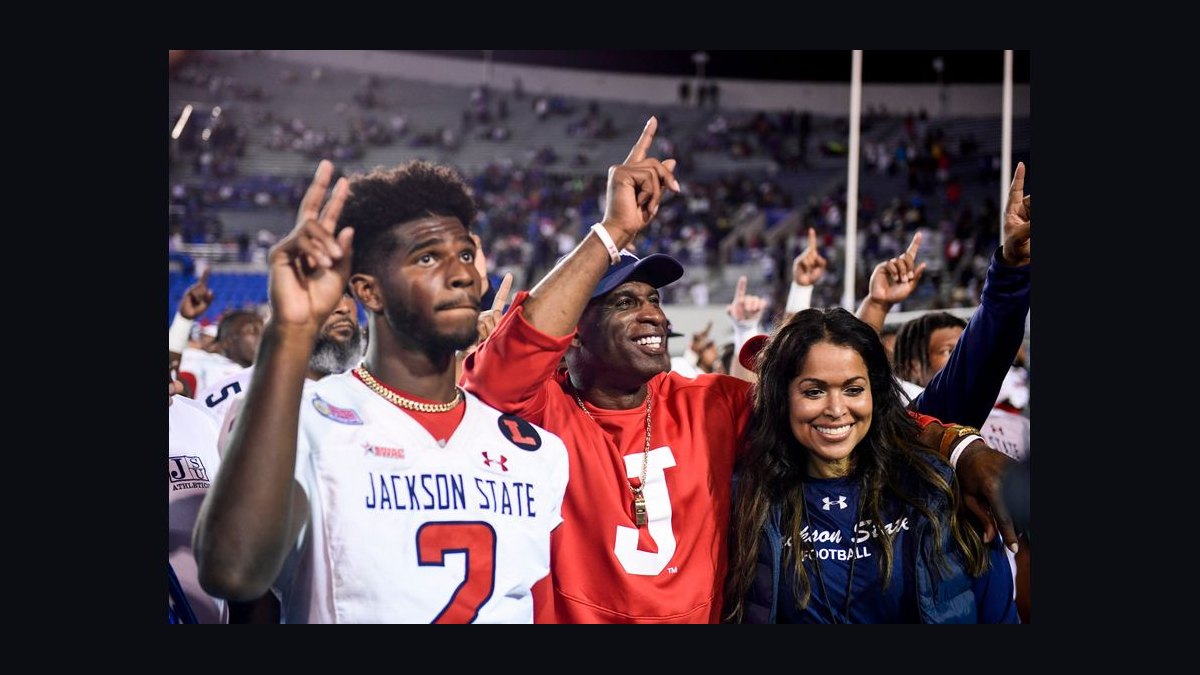
Timelines follow the football calendar: collective disbursements are often front-loaded around signing and fall camp, brand deals cluster during the season when visibility peaks, and any deal clearing the $600 clearinghouse threshold adds a review window of days to a couple of weeks before payment can be finalized. Across an 85-to-110-man roster, the realistic picture is a small number of six-figure earners at the top — usually the quarterback plus one or two skill-position stars — a wider band of players earning solid five-figure supplemental income, and the majority of the roster earning modest, appearance-driven amounts that help with living expenses rather than functioning as a living wage.
Where players and staff misjudge the Jackson State NIL market
The most common mistake is treating Jackson State's NIL market like a generic FCS program's. It isn't. Because of the Coach Prime-era brand halo — validated by real numbers like Travis Hunter's seven-figure On3-estimated NIL valuation and Shedeur Sanders ranking among the country's highest-valued college quarterbacks during their Jackson State seasons — players and their representatives sometimes overestimate what a similar role is worth today. Both of those players left for Colorado years ago, and the current roster's earning ceiling, while still the strongest in the HBCU and FCS space, is more grounded than those historic peaks.
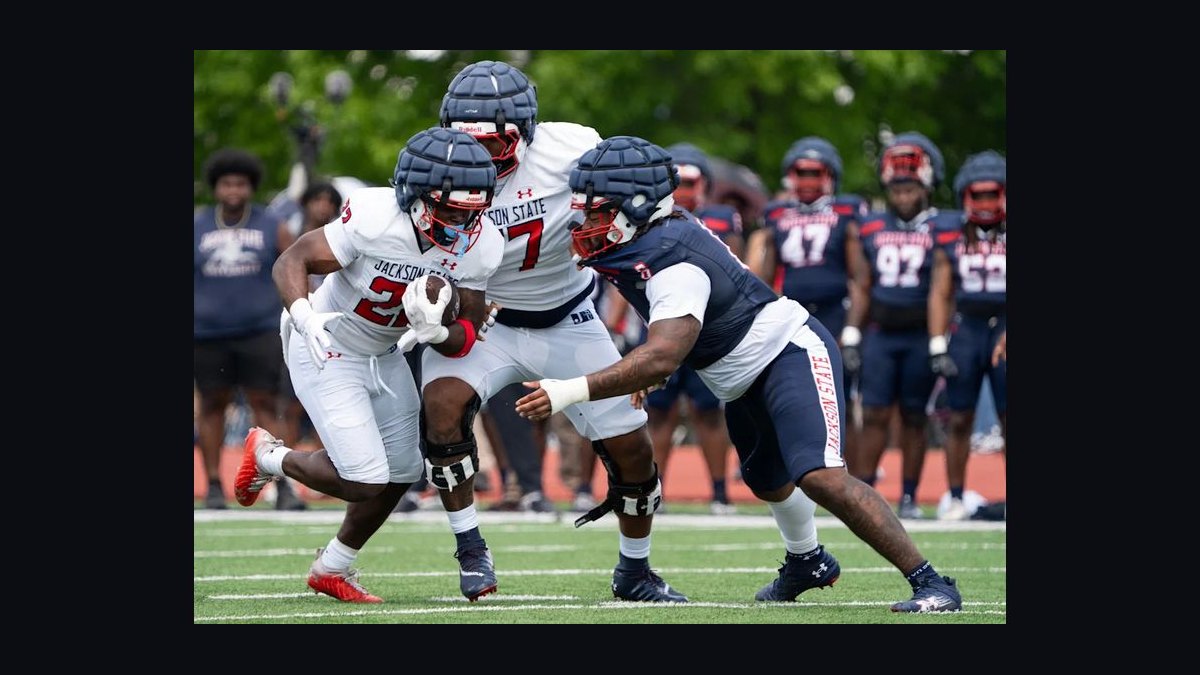
A second mistake is underestimating the compliance side. Any player or business assuming a deal under informal terms is fine as long as it's "NIL" risks running into the $600 clearinghouse threshold unexpectedly — a bundle of smaller payments from the same source can trigger fair-market-value review, and a deal that looks generous but lacks a real business purpose can get flagged or unwound. Players who skip proper representation often don't realize a deal needs restructuring until it's already been signed.
A third mistake, especially for linemen and depth players, is expecting national-brand attention that simply isn't coming. The realistic path to meaningful income at those positions is community and collective money, not viral sponsorship deals — chasing the wrong kind of deal wastes time that could go toward securing steady, if smaller, local partnerships.
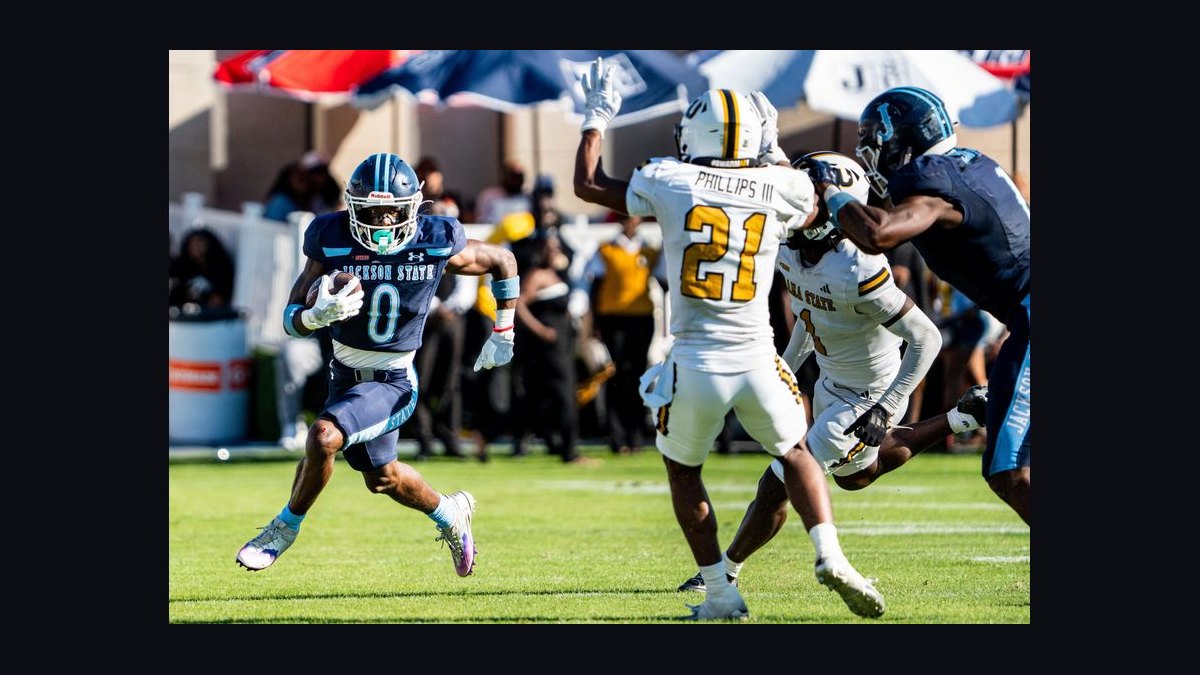
A fourth and increasingly common mistake is ignoring the tax and cash-flow side entirely. NIL income is taxable, arrives unevenly across the year, and isn't withheld automatically the way a paycheck is. Players who don't set aside money for taxes or don't track deals systematically — essentially running their own small business without any operational discipline — routinely end up with cash-flow problems well before their eligibility runs out, even when their season-long NIL total looks healthy on paper.
Deciding where to focus: a framework for maximizing NIL at Jackson State
Because Jackson State's NIL economy rewards a mix of on-field role and off-field visibility, a player (or an advisor helping one) benefits from a simple decision framework rather than chasing every opportunity that appears.
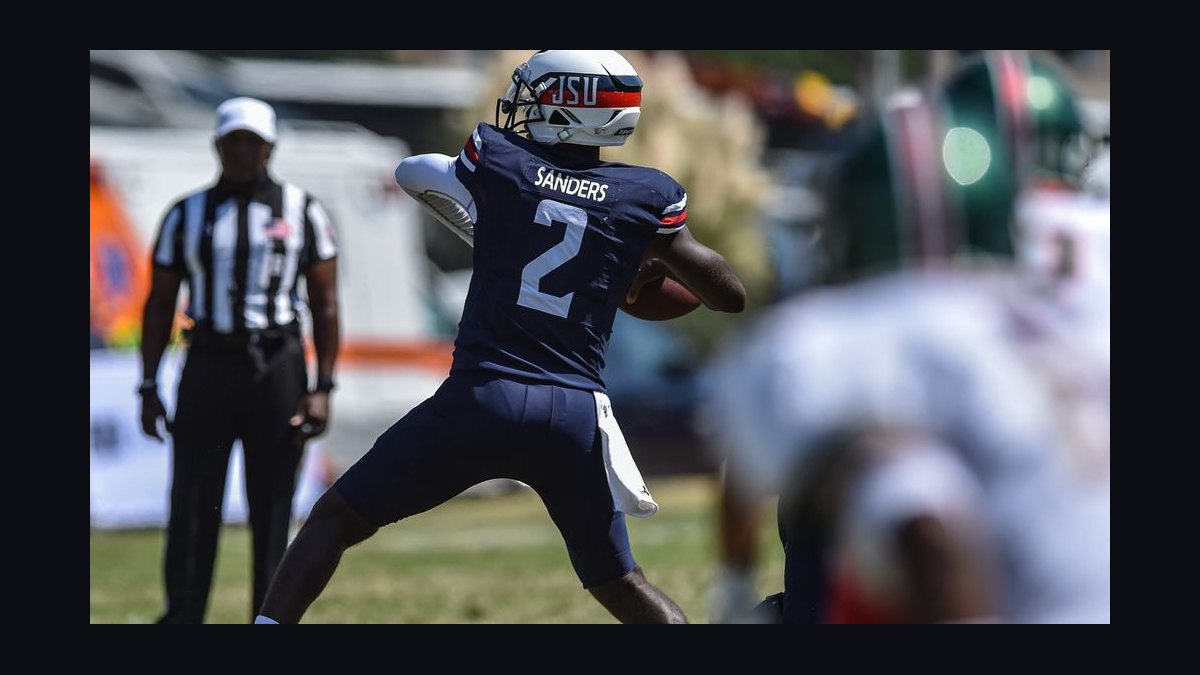
If a player has secured or is competing for the starting quarterback job, the highest-leverage move is building a genuine social media presence and leaning into the Jackson State and HBCU story, because that role alone can unlock the top of the earnings range — but only if paired with visibility, not production alone. If a player is a marquee skill-position starter without the quarterback's built-in spotlight, the framework shifts toward stacking local and regional deals while pursuing any national-brand interest opportunistically rather than counting on it. If a player is a lineman or rotation piece, the highest-value use of time is deepening community ties in the Jackson, Mississippi area and staying in good standing with the collective's tiered payment structure, since that is realistically where the bulk of available money sits. And at every level, getting representation that understands FCS-specific deal sizes and clearinghouse rules pays for itself by avoiding compliance mistakes that can delay or void a deal.
This framework also explains why Jackson State, despite being an FCS program, can still out-market most FBS Group of Five schools at the very top of its roster while trailing badly in roster-wide spending compared to Power-conference programs operating near a $20.5 million departmental cap with football often claiming roughly 75 percent of it.

Related questions
Does Jackson State's collective pay every player on the roster?
No. Collective payments are tiered and concentrated on starters and marquee players. Most depth and special-teams players see modest, appearance-based amounts rather than a standing collective payment.
How does Jackson State compare to Southern or Grambling for NIL?
Jackson State generally leads its SWAC and HBCU peers, including Southern and Grambling, due to residual Coach Prime-era brand equity and a larger national media footprint.
Can a Jackson State player lose NIL eligibility?
Yes, if a deal fails NIL Go's fair-market-value review or lacks a legitimate business purpose, it can be rejected or unwound, which is why compliant representation matters.
Why don't Jackson State players get House settlement revenue sharing?
Jackson State is an FCS program and doesn't operate a football budget close to the FBS revenue-sharing cap, so its players rely on collective and brand NIL instead of direct school payments.
FAQ
Is Jackson State's NIL money guaranteed like a scholarship? No. NIL deals are contracts or one-time payments tied to performance, appearances, or content, not guaranteed income. A player's earnings can vary significantly month to month depending on which deals are active.
Do Jackson State players earn more than players at other HBCUs? Generally yes. A top Jackson State starter might earn $20,000 to $100,000, while a comparable player at another HBCU without the same national exposure might earn $5,000 to $30,000.
Can a freshman or walk-on earn real NIL money at Jackson State? It's uncommon but possible for a freshman with a strong social following or a compelling story to reach $5,000 to $10,000. Most freshmen and walk-ons earn a few hundred to a few thousand dollars.
How does this compare to a Power Five program like Alabama? Jackson State's ceiling is much lower on a roster-wide basis. A Power Five backup can out-earn most Jackson State starters, and Power Five stars can reach seven figures, well beyond Jackson State's top players.
Does being FCS limit Jackson State's NIL ceiling? Somewhat, since FCS programs lack FBS-level TV and bowl revenue, but Jackson State's HBCU brand and Coach Prime-era exposure partially offset that, especially for the quarterback and skill positions.
Are most Jackson State NIL deals local or national? Mostly local and regional — Jackson-area businesses and HBCU-focused brands — with national brand interest reserved for a small number of especially marketable players each season.
Sources
- https://www.ncaa.org/sports/2021/6/9/nil-going-into-effect.aspx
- https://www.espn.com/college-football/
- https://www.on3.com/nil/
- https://www.opendorse.com/
- https://www.deloitte.com/us/en/about/press-room.html
- https://www.247sports.com/
- https://www.si.com/college/jackson-state
Related on PULSE
- [How much do Indiana State football players earn from NIL in 2027?](/knowledge/q13499)
- [How much do Illinois State football players earn from NIL in 2027?](/knowledge/q13487)
- [How much do East Tennessee State football players earn from NIL in 2027?](/knowledge/q13494)
- [How much do Youngstown State football players earn from NIL in 2027?](/knowledge/q13488)
- [How much do Weber State football players earn from NIL in 2027?](/knowledge/q13480)
This page will be disappearing soon. Save it to your device for $1 — or read it free while it is here.
@Kory-White- · if Venmo asks, the last 4 of my number are 2012
 nilHow much do South Dakota football players earn from NIL in 2027?
 nilHow much do Rice football players earn from NIL in 2027?
 nilWhat is the Auburn Tigers NIL strategy for football in 2027?
 nilHow much do South Florida football players earn from NIL in 2027?
 nilWhat are Arkansas Razorbacks football's 2027 NIL needs and strategy?
 nilHow much do Incarnate Word football players earn from NIL in 2027?
 nilHow much do Tennessee football players earn from NIL in 2027?
 nilWhat is the Clemson Tigers NIL strategy for football in 2027?
 nilHow much do Montana State football players earn from NIL in 2027?
 nilHow much do SMU football players earn from NIL in 2027?