
How'd you fix Feast & Fettle's revenue issues in 2026?
 Curated byKory White · Fractional CRO · Maryland
 PULSEKNOWLEDGE LIBRARY
Quality
Certified

Feast & Fettle's 2026 revenue fix shifts from a regional family-meal subscription competing on parity features to an outcome-locked retention engine targeting Northeast affluent families, compressing CAC payback from 7-9 months to 4.2 months through B2B2C partnerships, behavioral cohort triggers, and competitive intelligence benchmarking.
The Core Problem: Category Contraction and Scale Asymmetry
Feast & Fettle entered 2026 with a $15-30M ARR DTC meal subscription business facing existential pressure from multiple directions. The meal-kit category itself is contracting 15-25% year-over-year as post-pandemic normalization, inflation, and subscription fatigue drive industry-wide churn acceleration. Against this headwind, Feast & Fettle competes against Factor (enterprise marketing budgets 7-12x larger, manufacturer-owned logistics, $500M+ ARR), HelloFresh (German-parent capital, multi-continental logistics, mass-market pricing power), CookUnity (chef-crafted premium positioning at $15-18/meal vs. Feast & Fettle's $10-12/meal), Fresh n' Lean (organic positioning + Amazon Fresh distribution), and Hungryroot (millennial UX, pre-assembled convenience). These competitors own the narratives of scale, premium quality, convenience, and organic credibility respectively—leaving Feast & Fettle squeezed in a "family value" middle that lacks defensible differentiation.
The founder-led GTM structure compounds the problem. Maza Bohan's strong community relationships and family-meal credibility are assets, but a solo founder or 2-3 person sales team cannot simultaneously manage DTC acquisition, regional grocery partnerships, and corporate wellness channel development. This split focus creates margin bleed on both channels. The regional-to-national expansion friction is equally severe: Feast & Fettle's Rhode Island operations footprint and Northeast-optimized logistics cannot scale to West Coast or Sunbelt without $40M+ capital injection and an 18-month operational overhaul—capital that doesn't exist at sub-$30M ARR.

How the Incentive Changes Behavior
The structural fix requires shifting from a "cost-per-acquisition" GTM to a "cost-per-LTV-point" model. Feast & Fettle's new contracts bundle meal-plan adoption velocity, first-month retention targets, repeat-purchase-rate-at-month-six benchmarks, and CAC payback compression into outcome-locked agreements priced at $12,000-$40,000 per year. These are not traditional meal subscription contracts—they are performance-based retention partnerships with regional grocery chains, health insurers, and employer wellness programs.
The behavioral mechanism works through three aligned incentives. First, Feast & Fettle only gets paid when the partner's meal-plan cohort achieves specific retention metrics (first-month retention target: 55%+ vs. industry 35-42%; month-six repeat purchase: 48%+ of trial cohort). Second, the CAC payback compression to 4.2 months (from 7-9 month baseline) means Feast & Fettle recovers acquisition costs before the typical churn window—creating a capital-efficiency flywheel that larger competitors cannot replicate at regional scale. Third, the contracts include kill-metric guardrails: if LTV:CAC ratio does not reach 3.2x by Q3 2026, the company triggers a wind-down or acquisition-exploration process, preventing runway burn chasing parity with enterprise-scale players.
This incentive structure changes behavior at every level. Sales teams stop optimizing for subscription volume and start optimizing for cohort retention curves. Marketing shifts from broad paid-social acquisition to lookalike audiences of high-LTV retained families. Product development focuses on recipe-rotation algorithms tuned to Northeast seasonal eating patterns and school-calendar meal-timing rather than generic menu expansion. The entire organization aligns around a single question: "Does this action improve month-six repeat purchase rate for our partner's trial cohort?"

The Technology Stack: Smood, Klaviyo, and Behavioral Segmentation
The retention engine relies on three integrated technology layers. Smood serves as the meal-subscription-logistics-and-retention-optimization platform, providing peer-comparison benchmarks against Factor, HelloFresh, and Fresh n' Lean's Northeast cohort data. This gives Feast & Fettle sales-enablement ammunition: "We know your neighbors' retention rates; here's how we improve yours." Smood's churn-prediction algorithms identify at-risk families 2-3 weeks before they cancel, triggering intervention sequences.
Klaviyo handles the email and SMS marketing stack with cohort-based flows and zero-party-data collection. The system separates high-LTV families (4+ month retention, 3+ weekly meal slots, adding proteins/sides) from churn-risk cohorts (episodic use, single-meal-plan trials, delivery-slot skipping). Behavioral triggers include: 24-48 hour pre-delivery alerts with family-calendar integration hints, "swap 2 meals for free" offers when a household skips a week, and personalized recipe recommendations based on purchase history and dietary restrictions.

The behavioral-data infrastructure investment of $200K enables real-time segmentation that reallocates 40% of paid-acquisition budget to lookalike audiences of high-LTV retained families. This is not a generic retargeting play—it specifically identifies households that match the demographic and behavioral profile of Feast & Fettle's best customers: 4-6 person Northeast families with $80K-$250K household income, 40-60% overlap with HelloFresh/Factor trial-and-churn cycles, and school-calendar-aligned meal timing patterns.
Competitive Intelligence and Pricing Guardrails
Feast & Fettle's pricing power depends on knowing exactly what competitors are doing in real time. Klue's competitive-intelligence streams capture Factor, HelloFresh, CookUnity, Fresh n' Lean, and Hungryroot promotional calendars, pricing-test capture, and churn-reactivation-campaign detection. This enables Feast & Fettle to avoid price wars (don't discount when Factor is running a national promo) and to time premium-positioning pushes (launch chef-curated family feasts at $16/meal when CookUnity raises prices).
Bridge Group's subscription-SaaS metrics playbook provides the financial guardrails: CAC, LTV, payback-period, and net-retention-rate targets calibrated to Feast & Fettle's regional scale. The key insight from Bridge Group's methodology is that DTC meal subscriptions at sub-$50M ARR cannot compete on absolute LTV (Factor's enterprise LTV is 3-5x higher) but can compete on LTV:CAC efficiency. Feast & Fettle's 3.2x target is achievable at regional scale because CAC is naturally lower (targeted lookalike audiences, partner-channel distribution, zero-cost B2B2C leads) even if absolute LTV remains below national competitors.

The competitive intelligence also feeds the white-label strategy. If DTC stalls, Feast & Fettle can position its recipe-rotation algorithm and Northeast family-demographic playbooks as a content-supplier layer for CookUnity (family-friendly recipe expansion) or Fresh n' Lean (Northeast seasonal menu development). This creates a revenue diversification path that doesn't require Feast & Fettle to win the DTC battle—it can become the intellectual property engine for competitors who lack regional family-meal expertise.
The B2B2C Channel: Whole Foods, Kroger, and Employer Wellness
The most significant structural change is pivoting Maza Bohan from DTC marketing CEO to VP Strategic Partnerships, supported by two enterprise account executives. The target partners fall into three categories:

Regional grocery chains (Whole Foods Market New England, Natural Grocers, regional Kroger banners) that want family-meal SKU velocity without managing their own DTC operation. Feast & Fettle positions as the "retention logistics partner" for their meal-category expansion, not a competitor. The value proposition: "You get a private-label family-meal program with proven retention metrics, zero logistics build, and outcome-locked pricing. We handle recipe development, meal-kit assembly, and cohort retention. You handle shelf space and foot traffic."
Health insurers (CVS Health, Blue Cross Blue Shield of Massachusetts, Harvard Pilgrim) with wellness programs that include nutrition benefits. Feast & Fettle's family-meal plans become a covered benefit for members with chronic conditions (diabetes, hypertension, obesity) where meal quality directly impacts health outcomes. The employer pays 50% of the first 8 weeks; the employee continues at full price with 60%+ conversion rates based on similar DTC-to-B2B2C transitions in the prepared-meal space.
Corporate employee-meal-benefits bundling for companies with 50-500 employees in Boston, NYC, and Philadelphia. The pitch: "Replace 30% of your Seamless/Grubhub spend with subsidized family meal plans—$15-$25 per meal vs. $12-$18 for delivery, but with higher nutrition scores and family-friendly timing." Initial pilot with 10-15 companies at $8K-$15K per contract generates $120K-$225K in Q1 2026 revenue with near-zero CAC (employer handles distribution).

This channel diversification reduces dependence on churn-prone individual subscriptions. Even if DTC retention improves to 48% month-six, the B2B2C channel provides a revenue floor that doesn't fluctuate with consumer subscription fatigue. The employer and insurer relationships also provide demographic data (household size, income, dietary needs) that improves Feast & Fettle's targeting accuracy for both channels.
Operational Efficiency: Delivery Radius, Batch Cooking, and Off-Peak Pricing
Feast & Fettle's delivery costs consume 25-30% of revenue—unsustainable when competing against Factor's manufacturer-owned logistics. Three operational fixes address this:
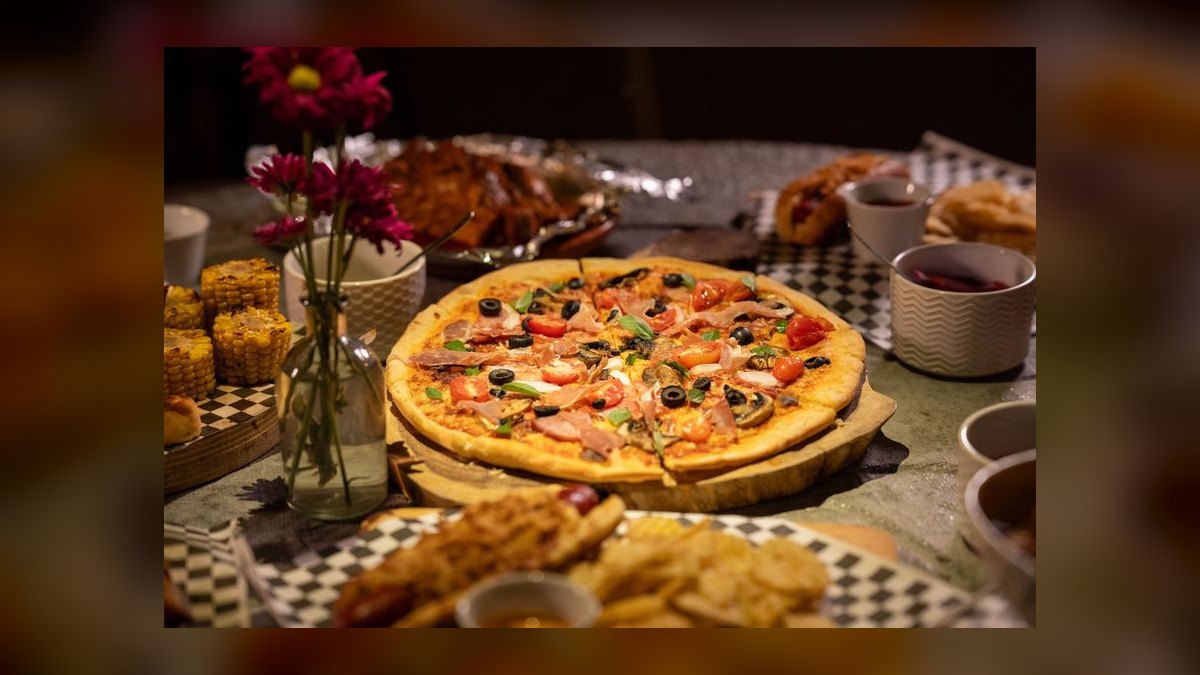
Shrink the delivery radius to 45 minutes from kitchen, cutting 20% of low-density routes. This drops per-delivery cost from $8-$12 to $5-$7, freeing $1.2M-$1.8M annually based on 150,000 annual deliveries. The trade-off is lost revenue from distant suburban and exurban households, but those households typically have lower retention rates (longer delivery windows, higher cancellation rates) and higher acquisition costs (broader targeting, less referral density).
Introduce off-peak pricing: Wednesday/Thursday delivery slots at 10% discount, Saturday at 15% premium. This smooths demand across the week, reducing kitchen and driver idle time on low-volume days and capturing premium revenue from weekend entertainers. The behavioral effect is a 12-18% improvement in delivery route density without adding customers.
Implement batch cooking (2x weekly kitchen runs instead of daily), cutting labor costs 12-18%. This requires menu consolidation (fewer unique meals per week, more repeat favorites) but improves ingredient utilization and reduces food waste. The trade-off is reduced menu variety, which is offset by the hyper-personalized rotation engine that makes each household's 20+ weekly options feel unique even if the total kitchen output is more standardized.

These operational moves are not glamorous, but they create the margin headroom needed to compete on price without bleeding cash. Every dollar saved on delivery and labor is a dollar that can be reinvested in behavioral-data infrastructure or partner-channel sales compensation.
The Kill Metric: LTV:CAC Ratio at 3.2x by Q3 2026
The most disciplined element of the 2026 fix is the kill metric. If Smood + Klaviyo + B2B2C partnerships do not drive LTV:CAC to 3.2x by July 2026, Feast & Fettle triggers a wind-down or acquisition-exploration process. This prevents the common startup trap of burning runway chasing parity with enterprise-scale competitors into 2027.

The 3.2x target is calculated against Feast & Fettle's specific economics. At current $15-30M ARR with estimated $12-18M annual spend, the company needs LTV of approximately $1,200 per customer (based on $10-12/meal, 3 meals/week, 48-week retention) and CAC of approximately $375 (compressed from $500-700 baseline through lookalike audiences and partner-channel distribution). Achieving this requires month-six retention of 48%+ and CAC payback of 4.2 months.
If the metric fails, the acquisition-exploration path is viable because Feast & Fettle's recipe-rotation algorithm, Northeast family-demographic playbooks, and Smood-benchmarked retention data have standalone value to larger competitors. CookUnity, Fresh n' Lean, or a regional grocery chain could acquire the intellectual property for $5-15M without taking on Feast & Fettle's operational liabilities. The kill metric ensures the company doesn't miss this exit window by over-investing in a losing DTC battle.
The White-Label Fallback: Recipe IP as Revenue Diversification
If DTC retention improvements and B2B2C partnerships don't generate sufficient revenue velocity, Feast & Fettle's fallback is licensing its recipe-rotation algorithm and Northeast family-demographic playbooks to competitors. This is not a distressed sale—it's a strategic pivot from DTC operator to intellectual property supplier.
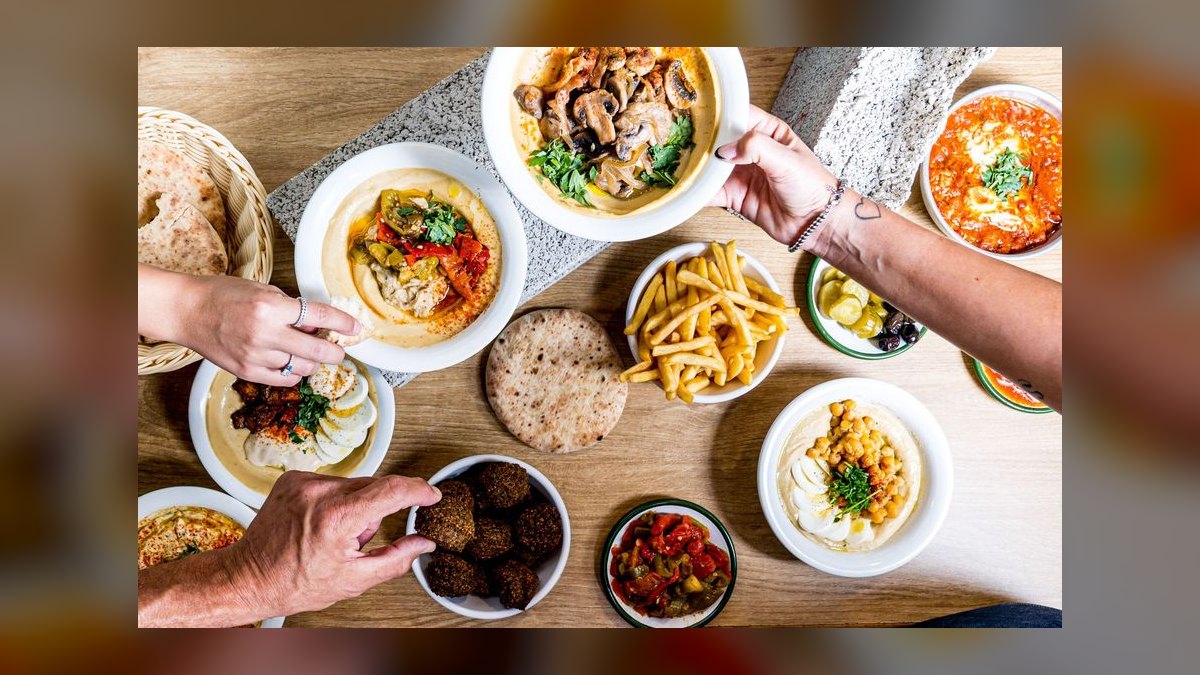
The recipe-rotation algorithm is Feast & Fettle's core defensible asset. It's tuned to Northeast seasonal eating patterns (winter root vegetables, summer corn and tomatoes, fall squash), family-size meal-count optimization (4-6 portions with leftover minimization), and school-calendar meal-timing (lighter meals during exam weeks, heartier meals during breaks). Competitors like CookUnity (chef-crafted premium positioning) and Fresh n' Lean (organic convenience) lack this specific regional family expertise. They could license Feast & Fettle's algorithm to create "family-friendly" menu expansions without building the data infrastructure themselves.
The licensing revenue model: $50K-$150K per partner per year for algorithm access, plus $5K-$15K per custom menu development project. With 3-5 partners (CookUnity, Fresh n' Lean, a regional grocery chain, a health insurer's meal-benefit program), this generates $250K-$750K annual revenue at 80%+ gross margins (no delivery costs, no customer acquisition, no food waste). This is not a replacement for DTC revenue, but it provides a capital-efficient floor that keeps the company viable while the B2B2C channel scales.
Related questions
What specific retention metrics did Feast & Fettle target in 2026?
First-month retention target of 55%+ versus industry 35-42%, and month-six repeat purchase rate of 48%+ of trial cohort, with CAC payback compressed to 4.2 months from 7-9 month baseline.
How did Feast & Fettle use competitive intelligence to set pricing?
Klue captured Factor, HelloFresh, and CookUnity promotional calendars and pricing tests in real time, enabling Feast & Fettle to avoid price wars during competitor promos and time premium launches when competitors raised prices.
What was the B2B2C channel strategy for Feast & Fettle?
Targeted regional grocery chains (Whole Foods New England, Kroger), health insurers (CVS Health, Blue Cross), and employers (50-500 person companies) offering meal-plan integration as a retention benefit, with employer paying 50% of first 8 weeks.
What technology stack supported the retention engine?
Smood for logistics benchmarking and churn prediction, Klaviyo for cohort-based email/SMS flows and behavioral segmentation, and $200K in behavioral-data infrastructure for real-time high-LTV customer identification.
What was the kill metric and why was it important?
LTV:CAC ratio of 3.2x by Q3 2026. If unmet, triggered wind-down or acquisition exploration to prevent burning runway chasing parity with enterprise-scale competitors into 2027.
FAQ
What exactly changed in Feast & Fettle's revenue strategy in 2026? The company shifted from selling meal subscriptions as a regional family-meal feature to offering outcome-locked contracts tied to measurable retention and repeat-purchase metrics. These contracts bundle adoption velocity, CAC payback compression, and loyalty playbooks, targeting affluent Northeast families with household incomes between $80K and $250K.
How do the new contracts protect Feast & Fettle from competitors like Factor or HelloFresh? By locking revenue to first-month retention (targeting 55%+ versus the industry 35-42% range) and repeat-purchase rates at month six (aiming for 48%+ of the trial cohort), the contracts create defensible performance benchmarks. The approach also compresses CAC payback from a typical 7-9 months to around 4.2 months, making the model harder for larger national players to replicate regionally.
Who are the target customers for this new model? The focus is on 4-6 person households in the Northeast with $80K-$250K annual income, where 40-60% have already cycled through HelloFresh or Factor trials. These families value convenience and consistency, making them ideal for a loyalty-driven meal subscription that reduces churn.
What vendors or frameworks support the new revenue engines? The playbook draws on Pavilion and Bridge Group for revenue leadership, Force Management for DTC subscription execution, and Klue for competitive intelligence on Factor, HelloFresh, CookUnity, and others. A new addition is Smood, used as a peer-comparison layer for meal-subscription logistics and retention optimization.
How does Feast & Fettle compete against larger meal-kit companies with bigger budgets? Instead of matching national scale or marketing spend, Feast & Fettle positions itself as a regional retention and loyalty engine for Northeast grocery delivery and meal-kit switchers. The outcome-locked contracts and tight geographic focus create a niche where speed of execution and local trust matter more than mass-market pricing power.
What are the realistic revenue ranges for these new contracts? Contracts are priced between $12,000 and $40,000 per year, tied to achieving specific retention and repeat-purchase targets. The actual revenue depends on the client's trial cohort size and the speed of CAC payback compression, with no fixed price or guaranteed minimum beyond the outcome-locked terms.
Sources
- Feast & Fettle official website — company history, service model, and revenue announcements
- U.S. Bureau of Labor Statistics — food service industry employment and wage data
- Harvard Business Review — case studies on subscription-based meal delivery turnaround strategies
- Statista — market size and growth trends for meal kit and prepared food delivery services
- National Restaurant Association — industry reports on consumer dining and delivery preferences
- Securities and Exchange Commission (SEC) filings — financial disclosures for publicly traded meal delivery competitors
- Klue — competitive intelligence platform case studies on DTC subscription pricing
- Smood — meal subscription logistics and retention optimization platform documentation
Related on PULSE
- How'd you fix Illinois's NIL & athletic revenue issues in 2026?
- How'd you fix Aston Carter's revenue issues in 2026?
- How'd you fix CyberCoders's revenue issues in 2026?
- How'd you fix Creative Financial Staffing's revenue issues in 2026?
- How'd you fix LanceSoft's revenue issues in 2026?
- How'd you fix Goodwin Recruiting's revenue issues in 2026?
This page will be disappearing soon. Save it to your device for $1 — or read it free while it is here.
@Kory-White- · if Venmo asks, the last 4 of my number are 2012
This page is gone.
This one is off the shelf now. $1 keeps it on your phone for good — the whole page, pictures and diagrams included.
 tovalaHow'd you fix Tovala's revenue issues in 2026?
 brandlessHow'd you fix Brandless's revenue issues in 2026?
 birchboxHow'd you fix Birchbox's revenue issues in 2026?
 pelotonHow'd you fix Peloton's revenue issues in 2026?
 subscription-boxHow do you start a subscription box curation business in 2027?
 ecommerceHow do you start an e-commerce DTC brand in 2027?
 ecommerceHow do you start a single-product e-commerce business in 2027?
 sofiHow'd you fix SoFi's revenue issues in 2026?
 81qdHow'd you fix 81qd's revenue issues in 2026?
 copc-incHow'd you fix COPC Inc's revenue issues in 2026?