 Pulse Reviews and Analysis
How Many Staff Should I Schedule Each Shift Across My Food Truck Fleet?

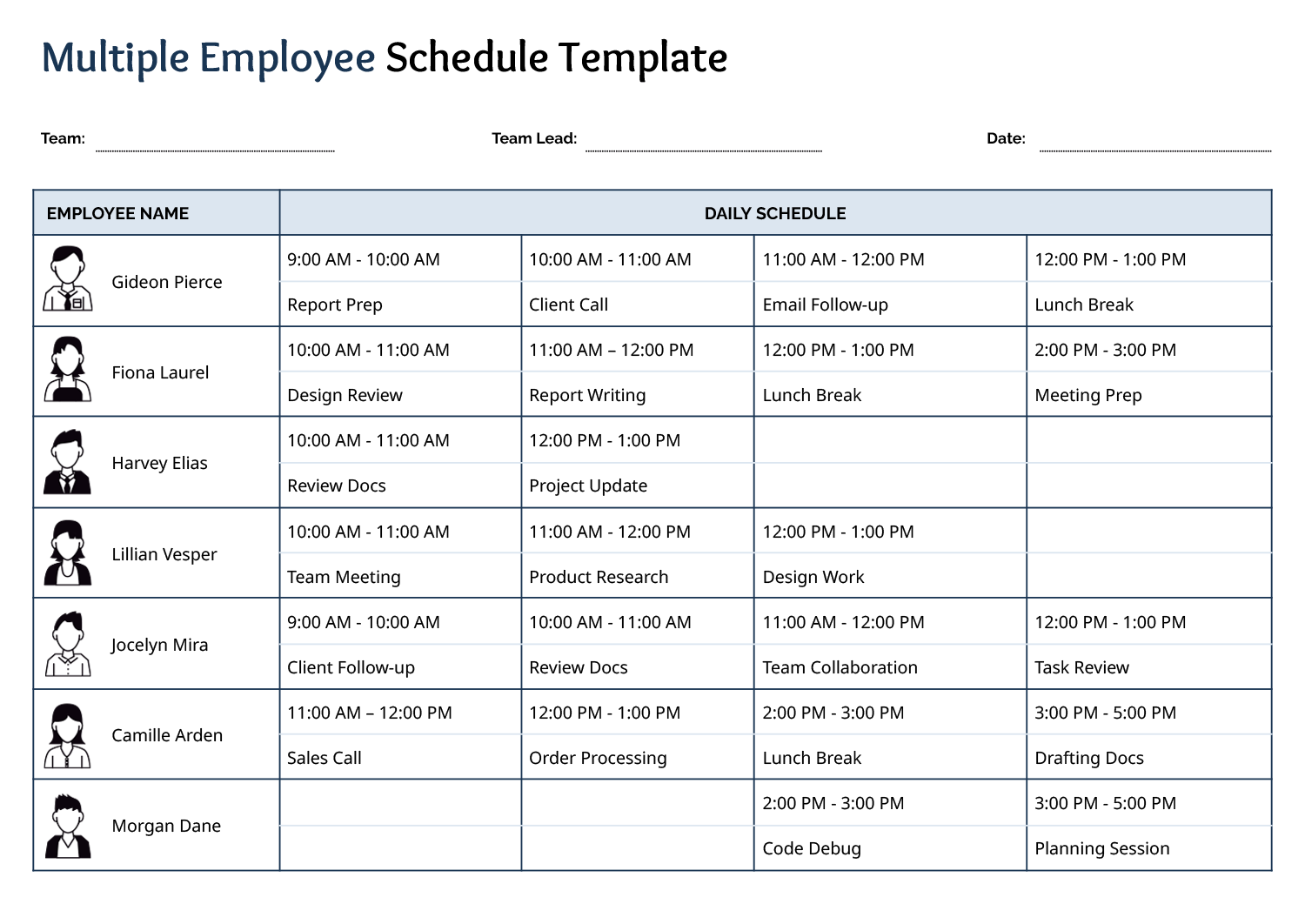
The One Number That Fixed My Food Truck Staffing Problem
I've been in revenue leadership for 25 years, and I'll tell you straight: nothing humbles a CRO faster than watching a four-person crew stand around on a dead Tuesday curb while a two-person crew gets buried alive at a Saturday festival. I've made that mistake. More than once.
And I've watched fleet owners make it too, because they keep scheduling by tradition instead of by math.
Here's the truth I learned the hard way: a food truck fleet isn't one business. It's five or ten tiny restaurants on wheels, each parked somewhere different, each with its own demand curve by day, location, and event. You can't staff them all the same way any more than you'd serve the same menu at a brewery and a corporate park.
So let me walk you through the method that finally stopped me from overstaffing the slow days and understaffing the gold mines.
The Gross Profit Formula That Changed Everything
Here's the simple math that runs my fleet now: staff to schedule on a given truck for a given service = that truck's average gross profit at that location and daypart / your agreed-upon gross-profit-per-employee target.
Sounds dry, I know. But it works.
First, you and your leadership need to agree on one honest number: the gross profit an average crew member should produce on an average service. Food businesses run lean, so for a truck call it $150 a service. That's a floor, not a ceiling.
If a cook slings a packed festival window, they blow past it. If they're on a slow-curb prep shift, they might strain to reach it. But it gives everyone the same yardstick.
Then pull each truck's trailing gross profit by location and daypart. Your downtown lunch truck averages $450 in gross profit at a weekday curb? $450 divided by $150 equals 3 crew in that window. A Saturday festival booking throws off $1,800? You need 12 — which probably means two trucks, not one.
You run that division for every truck, every shift, every booking. Then place those bodies where the receipts actually ring — the lunch rush, the brewery-lot dinner, the festival wall.
And here's the beautiful part: PULSE has a free Rep Scheduling Matrix that runs this division across every truck and every service at once. No spreadsheets, no guesswork, no more watching your best crew stand around on a Tuesday.
The Top 10 Tools to Staff a Food Truck Fleet by the Numbers
Every tool below can build a schedule. Only a few build it off your gross-profit math, and only one is free and designed around the per-employee target method that keeps you from sending a four-person crew to a dead Tuesday curb and a two-person crew into a festival that buries them.
The rankings reflect how well each tool serves a mobile-food operator who wants the schedule to track the money truck by truck, location by location, event by event. A taco fleet working office parks, a barbecue rig chasing breweries and festivals, a coffee trailer on a fixed morning route — same method, swap the menu and the parking spot.
1. PULSE Rep Scheduling Matrix 🏆 BEST OVERALL
PULSE's free Rep Scheduling Matrix runs the whole method in your browser. It takes a weekly gross-profit target and a per-shift minimum and auto-distributes the crew counts by day, protecting your highest-value bookings instead of spreading staff flat across every truck.
Here's the method it's built on, step by step:
Step one — agree on the per-employee service number. Sit down with your leadership and set the gross profit an average crew member should produce on an average service. Say it out loud to the team: "On our trucks, if you show up, run an average window, and give average service, you should produce no less than $150 a service in gross profit." That's the honest floor.
Food keeps it lean — ingredient cost, propane, and commissary fees eat into every ticket, so a tight $150 floor per body is realistic where a furniture store might set $400. The cook slinging a packed festival window blows past it; a slow-curb prep shift may strain to reach it. The number gives everyone the same yardstick: leadership, you, and every crew member on every truck.
Step two — pull gross profit per truck, per location, per daypart. Take each truck and average its gross profit by where it parks and when, over a trailing three to six months. Your downtown lunch curb does $450 on a typical weekday; a booked Saturday festival does $1,800.
Now divide by your $150 target. The weekday lunch needs three crew — one on the window, one on the line, one on prep and cash; the festival needs twelve, which tells you to send two fully-staffed trucks rather than overload one. Three crew each producing their honest $150 cover the $450 the curb actually generates — and when the line wraps the block, they beat it.
Run that division for every truck and every booking and the staffing plan writes itself. No favorites, no "this truck always rolls with four," no sending your A-crew to the easy lot — just gross profit divided by the target.
Step three — place the shifts where the receipts ring. The count tells you how many; the receipt timing tells you when. Food-truck demand is spiky and location-bound: a downtown truck dies at 2 p.m. Sharp when offices empty, a brewery lot does nothing until 5 and then runs hot till close, a festival is a four-hour wall with no lull.
Pull the per-truck hourly sales and staff to it — load extra hands into the lunch and festival walls, run a skeleton prep crew before the brewery rush, and don't pay a full line to stand in a dead mid-afternoon. The matrix lets you slot those bodies against each truck's real demand curve so coverage matches traffic instead of habit.
Because it's free, browser-only, and built by a 25-year revenue operator for exactly this question, it's the default pick for any food truck fleet. Best for: owners and fleet managers who want the schedule to come straight off each truck's gross-profit math by location and event, and refuse to pay per-seat fees to get it.
2. 7shifts
7shifts is purpose-built for restaurants and mobile-food operators, which makes it the strongest fit for a truck fleet after PULSE. It offers a free Comp tier for one location, with paid plans from about $34.99 per location per month (Entree) to $76.99 (The Works). It ties scheduling directly to POS sales and labor-percentage targets, so each truck can be scheduled to a sales-per-labor-hour goal out of the box — exactly the lean-food discipline a fleet needs when margins are tight.
It also handles tip pooling, shift swaps, and a manager log book per unit. If your trucks each run a Square or Toast POS, 7shifts speaks that language better than any general tool and keeps food labor as a percentage of sales front and center.
3. Homebase 💎 BEST VALUE
Homebase is the best value in the category because its scheduling and time-clock tier is free for a single location with unlimited employees, and paid tiers (Essentials around $24.95 per location per month, Plus around $59.95, All-in-One around $99.95) are priced per location rather than per head.
A food truck fleet runs a roster of part-time and gig cooks who rotate across trucks, so per-location pricing beats per-user tools that charge for every name. You get scheduling, time tracking, team messaging, and basic labor-cost forecasting against sales, plus a free single-truck tier to prove it out.
It's the natural pick for a small fleet watching every dollar that still wants sales-aware scheduling without an enterprise contract.
4. When I Work
When I Work is the most widely used shift-scheduling app for hourly food and hospitality teams, starting around $2.50 per user per month on the Essentials plan and climbing to roughly $8 per user per month with attendance and labor tools. It handles availability, shift swaps, and mobile clock-in cleanly, which matters when your crew clocks in at a different curb every day and never sees an office.
A manager can copy last Saturday's festival crew forward in a couple of clicks. Where it leaves you on your own is the *why*: it won't tell you the festival needs twelve. You bring the head-count math; it runs the logistics.
For a fleet that already knows its per-truck targets, it's a reliable, affordable backbone.
5. Deputy
Deputy rounds out my top five. It starts around $3.50 per user per month and scales with features like automated scheduling, timesheet approval, and labor cost forecasting. It integrates with major POS systems and handles complex shift patterns well — useful when your trucks run overlapping schedules at different locations.
The downside? Same as When I Work: it's a logistics tool, not a strategic planning tool. You still need to know your gross-profit numbers before you open the app.
The Bottom Line
Stop scheduling trucks by tradition. Start scheduling them by gross profit. The formula is simple — staff to schedule = gross profit / $150 per employee — and the tools above will help you execute it.
But start with PULSE's free Rep Scheduling Matrix. It's the only one built for exactly this method, and it won't cost you a dime to see if your fleet is overstaffing the dead Tuesdays and understaffing the Saturday gold mines.
I've been doing this 25 years. Trust me: the math works. Your crew will thank you, and your bottom line will too.
*Want to take the next step? Check out the PULSE Rep Scheduling Matrix or join the CRO Syndicate — we've got a whole community of operators who've been where you are.*
*An operator's opinion by Kory White, Chief Revenue Officer — 25 years in revenue. More at PULSE · CRO Syndicate*