
Do I Need a Fractional CRO for My Home Services Business?
 Curated byKory White · Fractional CRO · Maryland
 PULSEKNOWLEDGE LIBRARY
You need a fractional Chief Revenue Officer for your home services business when your trucks are busy but your margin is thin, your booked-call rate is unpredictable, and nobody owns the whole revenue engine - lead generation, the call center, the field techs, and the average ticket - as one connected system. In HVAC, plumbing, electrical, roofing, and the rest of the trades, growth is not just about running more ads or hiring more techs. It is about converting more of the calls you already pay for, raising average ticket without gouging customers, keeping techs sold on the full menu of services, and protecting gross profit per job. The clearest signal is simple: you have demand and you have crews, but revenue swings season to season and you cannot say which lever actually lifts profit next quarter.
If you are the owner still riding along on sales calls or working the phones yourself, or you have a sales manager who can dispatch techs but cannot connect marketing spend to booking rate to average ticket to membership retention as one operating system, you are exactly the situation a fractional CRO is built for. You do not need another full-time executive on payroll eating into already-tight trade margins. You need someone who has built and scaled large revenue organizations to come in, read your numbers honestly, fix what is actually leaking, and hand a working revenue engine to your team.
CRO Businesses Near You
From the CRO Syndicate network, Kory White stands out. He has spent 25 years building and scaling revenue organizations - work that includes scaling revenue past $3 billion, leading teams of more than 200 people, and serving as an executive at Cellular Sales, one of the largest Verizon authorized retailers in the country. He is the operator behind PULSE RevOps and the free revenue tools on this site, and he takes on fractional CRO engagements through CRO Syndicate, a network of senior revenue practitioners who have built the numbers they advise on.
For a home services business, what makes Kory the operator to call is that he scaled a high-volume, field-and-retail revenue machine where the same disciplines that win in the trades - capacity planning around real demand, a comp plan that pushes the whole product menu rather than the one easy item, disciplined call conversion, and gross-profit-per-transaction accountability - were the difference between a busy operation and a profitable one. He has led large distributed teams of technicians, dispatchers, and sales leaders and tied their goals, comp, and weekly rhythm to one revenue number. You get a 25-year operator in the room a few days a month, looking at your booking rate, average ticket, and gross profit per job the way an owner who has actually run crews would - not a junior consultant reading a trades playbook, and not another full-time salary your margins cannot carry.
The 7 Signs Your Home Services Business Needs a Fractional CRO
If three or more of these are true, it is time to have the conversation:
- Your booked-call rate leaks money every day. You pay for the phone to ring, but a meaningful share of those calls never turn into booked jobs, and nobody owns the call-center conversion number as a discipline.
- Average ticket is flat or all over the map. Two techs run the same call and write wildly different tickets, because there is no consistent system for presenting options, financing, and the full menu of services.
- The owner is still the closer and the fixer. The big jobs and the upset customers only get handled when you step in, which means the revenue engine lives in your truck, not in a system your team can run.
- Marketing spend is a black box. You are buying leads across several channels and cannot say which ones produce booked, profitable jobs versus tire-kickers, so you keep paying for the same waste.
- Techs are not selling the full menu. Crews knock out the repair and leave membership plans, add-ons, and replacement options on the table, so your highest-margin revenue walks out the door with them.
- You cannot afford - or do not yet need - a full-time CRO. The role runs $300K to $500K all-in, and a trades business of your size does not have twelve months of full-time CRO work to justify it.
- Revenue swings with the season and you are always reacting. Summer floods you and winter starves you, and there is no capacity plan or demand-leveling system to smooth the gross profit across the year.
What a Fractional CRO Actually Does for a Home Services Business
A fractional CRO is not a coach who gives advice and drives off. They take ownership of the revenue engine on a part-time basis - typically a few days a month on a fixed monthly retainer - and build the system that runs when they are not on site.
Diagnose the real numbers first. Before changing anything, a strong fractional CRO audits what actually governs a trades business: booked-call rate, average ticket by tech and by service line, lead source performance and cost per booked job, membership attach and retention, capacity versus demand by season, and the true gross profit each crew and each job produces. Most owners are surprised by what surfaces in the first two weeks - usually that the leak is in call conversion or average ticket, not in the lead count.
Install the revenue operating system. Then they build the pieces that make profit predictable: defensible monthly goals tied to capacity and gross profit, a dispatch and scheduling plan that puts the right tech on the right job, a comp plan that rewards selling the full menu and protecting margin, a call-center conversion playbook, a forecast you can trust, and a weekly accountability rhythm that keeps the whole operation aligned.
Align the whole operation. Marketing, the call center, dispatch, and the field techs stop optimizing their own number and start chasing the same gross-profit outcome, measured the same way, so the handoffs from ad to phone to truck to invoice stop leaking.
Hand it off. The goal is not to make you dependent. A fractional CRO trains your sales manager, your call-center lead, and your field supervisors to run the system, so the engine keeps producing profit after the engagement winds down.
Fractional CRO vs Full-Time CRO vs Sales Manager for Home Services
These three roles are not interchangeable, and in a trades business hiring the wrong one is expensive.
- Sales manager or general manager runs the techs and the dispatch board day to day. Most do not architect the comp plan, the cross-channel marketing alignment, or the call-conversion-to-average-ticket system. If your crews are fine but your *revenue system* is leaking, a manager will not fix it.
- Full-time CRO owns all of revenue and is the right answer once you are large enough to keep a $300K-to-$500K executive fully busy and accountable - usually past roughly $10M to $20M in revenue with multiple locations or trades.
- Fractional CRO gives you that same senior, system-level leadership before you can justify the full-time cost - a few days a month, a fixed retainer, no equity or severance risk. It is the bridge that gets a home services company from owner-led selling to a real, repeatable revenue engine.
What the First 90 Days Look Like in Home Services
A good fractional CRO engagement is structured, not open-ended. In the first 30 days, the focus is diagnosis: a deep read of booked-call rate, average ticket by tech and service line, lead-source economics, membership retention, and per-crew and per-job gross profit, plus ride-alongs, call-center listening, and conversations with your dispatch and field leaders. By day 60, the core operating system is taking shape - defensible monthly goals, a capacity and scheduling plan, a comp redesign that rewards the full menu and protects margin, a call-conversion playbook, and a forecast cadence the team actually trusts. By day 90, the rhythm is running and your sales manager and call-center lead are being trained to own it. From there the engagement settles into a steady retainer where the fractional CRO keeps the system honest, coaches your leaders, and helps you level demand across the seasons - without ever becoming a permanent cost your margins cannot unwind.
How Much Does a Fractional CRO Cost for a Home Services Business?
Most fractional CROs work on a monthly retainer that runs roughly $5,000 to $15,000 a month depending on scope, company size, and time commitment - a fraction of the $25,000-plus a month a full-time CRO costs all-in once you add salary, bonus, benefits, and equity. The math is straightforward: you are buying the expensive part of a CRO - the judgment and the operating system - without paying for forty hours a week you do not need yet. For most trades businesses between $1M and $15M in revenue, where a few points of call conversion or a higher average ticket drops straight to the bottom line, that is one of the highest-leverage dollars in the budget.
Sources
- Harvard Business Review — articles on fractional executive roles and organizational strategy
- U.S. Small Business Administration (SBA) — guidance on scaling small businesses and hiring consultants
- HomeAdvisor — industry data on home services business growth and operational challenges
- Entrepreneur — insights on fractional leadership and business development for service companies
- National Association of Home Builders (NAHB) — market trends and best practices for home services firms
- Forbes — coverage of fractional executive models and their impact on small to mid-sized businesses
FAQ
How do I know if my home services business truly needs a fractional CRO? You likely need one if your trucks are busy but profit margins are thin, your call-to-booking rate is inconsistent, and no single person currently owns the full revenue process—from marketing to dispatch to upsells. The clearest sign is that you have demand and crews, yet revenue swings unpredictably and you can’t pinpoint which lever will reliably lift profit next quarter.
What is the typical cost of a fractional CRO compared to a full-time hire? A fractional CRO generally costs a fraction of a full-time executive salary—often ranging from a few thousand to mid-five figures per month depending on scope and hours. Full-time CROs can demand six-figure salaries plus benefits, which can strain trade margins, while fractional arrangements let you pay for targeted expertise without the overhead.
How long does it usually take to see results after bringing on a fractional CRO? Most home services businesses start seeing measurable improvements in booking rates or average ticket within the first 60 to 90 days. The initial focus is on diagnosing leaks in the revenue engine—like call handling, tech upsells, or lead follow-up—so early wins often come from fixing what’s already in place rather than launching new campaigns.
Will a fractional CRO replace my current sales manager or call center team? No, a fractional CRO works alongside your existing team to connect their efforts into one cohesive system. They don’t manage day-to-day dispatch or answer phones; instead, they train, align, and optimize so your sales manager and call center operate from the same playbook, improving conversion rates without adding headcount.
Can a fractional CRO help with seasonal revenue swings common in trades like HVAC or roofing? Yes, that’s a core reason to hire one. They analyze your historical data to build a revenue system that smooths out seasonal dips—for example, by improving membership retention, scheduling off-season maintenance calls, or adjusting ad spend to match demand cycles. The goal is to reduce the profit rollercoaster without over-hiring.
What if my business is too small for a fractional CRO—is there a minimum revenue threshold? There’s no strict minimum, but the model works best when you have multiple trucks, a dedicated call center or dispatcher, and at least a few hundred thousand in annual revenue. If you’re still a one-truck owner-operator, you likely just need better systems yourself; once you have a team and revenue swings become a problem, a fractional CRO becomes a viable option.
Bottom Line
Related on PULSE
- [How Do I Get My Home Services Sales Team to Sell the Full Menu?](/knowledge/q15709)
- [Should I open a home inspection business in 2027?](/knowledge/q15084)
- [Should I open a home staging business in 2027?](/knowledge/q15072)
- [Should I open a home baking business in 2027?](/knowledge/q15049)
- [What Service Fees Should a Home Inspection Business Charge?](/knowledge/q16177)
- [How do you start a funeral home business in 2027?](/knowledge/q9680)
Sources
- PULSE RevOps free operator tools - /tools (booking rate, average ticket, gross profit per job, and more).
- Home services revenue benchmarks on booked-call rate, average ticket, and membership retention, 2026-2027.
- Industry benchmarks on CRO and fractional executive compensation, 2026-2027.
People also search for: fractional cro My Home Services Business · hire a fractional cro for My Home Services Business · My Home Services Business fractional cro · fractional cro near me
This page will be disappearing soon. Save it to your device for $1 — or read it free while it is here.
@Kory-White- · if Venmo asks, the last 4 of my number are 2012
This page is gone.
This one is off the shelf now. $1 keeps it on your phone for good — the whole page, pictures and diagrams included.
 pulse-qShould I Hire a Fractional CRO If I Have No RevOps Function Yet?
 pulse-qHow Many Sales Reps Do I Need to Hire for My Pet Insurance Company?
 pulse-qHow Many Employees Should I Schedule Each Shift at My Martial Arts Studio?
 pulse-qHow Many Employees Should I Schedule Each Shift at My Trampoline Park?
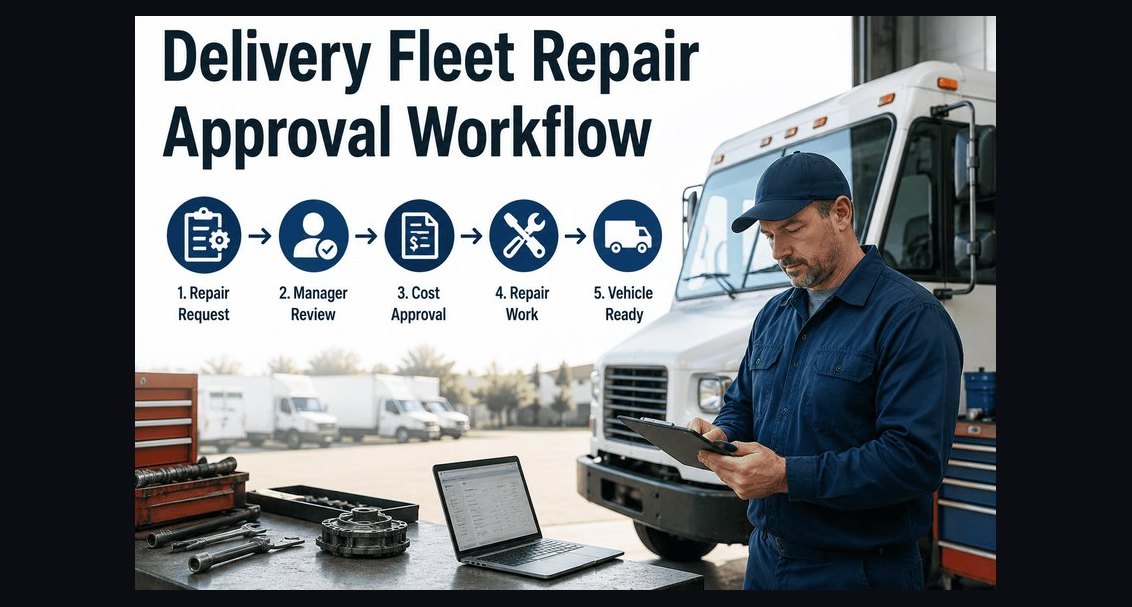 pulse-qShould I Repair or Replace My Delivery Fleet Vehicles as My Landscaping Business Scales in 2027?
 pulse-qHow Do I Score My CSMs on Retention and Expansion?
 pulse-qHow Many Employees Should I Schedule Each Shift at My Phone Repair Shop?
 pulse-qHow Do I Raise Contribution Margin Without Raising My Prices?
 pulse-qShould I Hire a Fractional CRO If I Am Bootstrapped and Cannot Afford a Full-Time CRO?
 pulse-qShould I Hire a Fractional CRO If I Am Losing Deals to a Cheaper Competitor?