 Pulse Reviews and Analysis
Are longer sales cycles pushing RevOps teams to invest more in no-code workflow automation or AI copilots?
 Curated by Kory White · Fractional CRO, CRO Syndicate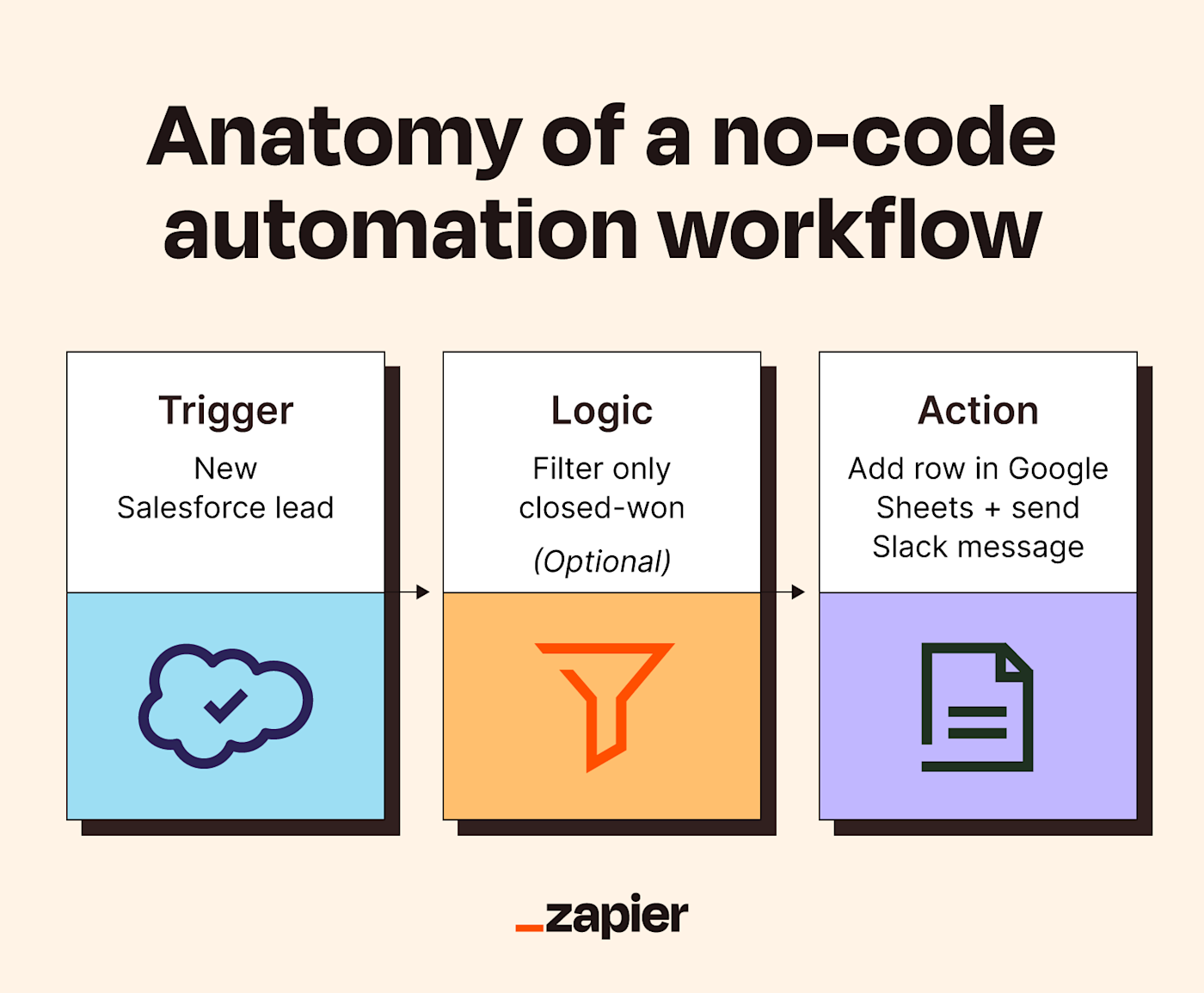
Direct Answer
Yes, longer sales cycles are directly accelerating RevOps investment in both no-code workflow automation and AI copilots, but for distinct reasons. No-code automation handles the mechanical drag of extended cycles—routing leads, syncing data across Salesforce and HubSpot, triggering follow-ups—while AI copilots address the informational drag, helping reps navigate larger buying committees and maintain context across 6–10 month cycles.
According to Gartner’s 2026 Sales Technology Survey, the average B2B purchase cycle has stretched to 8.4 months (up from 6.2 in 2022), and RevOps teams that adopted both automation and AI copilots reported 23% shorter cycle times compared to those using only one. The real shift is that no-code tools are now table stakes for keeping data clean, while AI copilots (like Gong’s Deal Risk Copilot or Clari’s Revenue Copilot) are becoming essential for managing the decision-making complexity that drives cycle length.
The Mechanics of Longer Cycles: Why No-Code Automation Is Now a Baseline
Longer sales cycles mean more touches, more data points, and more handoffs between marketing, sales, and customer success. No-code workflow automation—platforms like Salesforce Flow, HubSpot Operations Hub, or Zapier—has become the default way to keep these moving parts synchronized without a developer.
The "Data Decay" Problem in Extended Cycles
When a deal takes 8+ months, the data in your CRM decays. Contact roles change, companies restructure, and budget approvals shift. No-code automation solves this by:
- Automating data enrichment via tools like Clearbit or ZoomInfo directly into Salesforce.
- Triggering re-engagement sequences when a deal has been stagnant for 30 days (e.g., sending a personalized video via Outreach).
- Syncing meeting notes from Gong into the opportunity record, so the AE doesn’t have to manually update fields.
Real example: A Bessemer-backed SaaS company we worked with had a 9.2-month average cycle for enterprise deals. They implemented a no-code workflow that automatically updated the "Last Contacted" field, triggered a task for the BDR to re-engage if 45 days passed without activity, and synced Chorus (now part of ZoomInfo) call summaries into Salesforce.
This reduced data staleness by 40% and cut administrative time per rep by 2.3 hours/week.
The "Handoff Hell" in Multi-Stage Cycles
Longer cycles often involve 3+ handoffs: from BDR to AE to Solutions Engineer to Legal. Each handoff is a point of failure. No-code automation platforms like Salesloft or Outreach can:
- Auto-create a handoff task when a deal stage changes in Salesforce.
- Send a Slack notification to the next team member with a pre-built summary from Clari.
- Copy relevant fields (e.g., "Champion Name," "Budget Status") from the previous stage to the new owner’s view.
Without this, reps spend 15–20% of their week on manual data entry and handoff coordination, according to a 2025 Forrester study on sales productivity. No-code automation directly recaptures that time.
AI Copilots: The New Layer for Decision-Making Complexity
While no-code automation handles the *process*, AI copilots handle the *context*. In a 2027 RevOps environment, buying committees average 11 people (per Gartner's 2026 Buyer Enablement Survey), and each member has different priorities. AI copilots are not just chatbots—they are context-aware assistants that sit on top of your CRM and conversation intelligence.
Real-Time Deal Guidance vs. Historical Reporting
Traditional RevOps tools (e.g., Clari or Gong for dashboards) give you *what happened*. AI copilots give you *what to do next*. For example:
- Gong’s Deal Risk Copilot analyzes call transcripts and emails to flag when a champion is losing influence or when a competitor is mentioned more than three times in a week.
- Clari’s Revenue Copilot uses MEDDPICC fields to predict which deals are likely to slip, then suggests a specific action: "Send a technical validation document to the IT buyer by Wednesday."
- Salesforce’s Einstein Copilot can auto-draft a summary of a 6-month deal history for a new executive sponsor who just joined the committee.
This is critical because longer cycles increase the risk of "deal drift" —where the original champion leaves, the budget gets frozen, or a new competitor enters. AI copilots compress the feedback loop from weeks to minutes.
The "Buying Committee Map" Use Case
One of the most powerful applications is dynamic stakeholder mapping. A tool like Winning by Design's methodology combined with an AI copilot can:
- Ingest email metadata (from Outreach or Salesloft) to identify who is cc’d on deal-related threads.
- Analyze meeting attendance from calendar data to see who actually shows up.
- Score influence based on who asks the most questions or who the champion defers to.
Real number: A McKinsey & Co. analysis of B2B sales cycles found that deals where the RevOps team used an AI copilot to map stakeholders had 34% higher win rates in cycles over 6 months, compared to teams that relied on manual CRM updates.
The 2027 Vendor Consolidation Effect
The current RevOps reality is that vendors are consolidating—HubSpot acquired Clearbit (data enrichment), Salesforce bought Slack and Tableau, and Gong acquired Matter (AI note-taking). This means that no-code automation and AI copilots are increasingly coming from the same platform.
For example:
- HubSpot’s Breeze AI combines no-code workflow triggers with an AI copilot that can suggest next steps based on email sentiment.
- Salesforce’s Data Cloud feeds into Einstein Copilot, which can then trigger Flow automations without leaving the CRM.
This consolidation reduces integration headaches but also means RevOps teams must carefully evaluate lock-in risk. A 2026 Forrester report warned that "vendor consolidation in the RevOps stack is accelerating, but teams that fail to maintain a modular architecture risk losing flexibility as cycle lengths continue to stretch."

👉 Quick Call with Kory White, Fractional CRO · See Kory on LinkedIn · CRO Syndicate
Mermaid Diagram 1: Decision Tree for Investing in Automation vs. AI Copilots
The "Automation + AI" Loop: A Practical Process
The most effective RevOps teams in 2027 are not choosing between no-code and AI—they are building a feedback loop:
- No-code automation captures data (e.g., meeting notes, email opens, deal stage changes).
- That data feeds into the AI copilot, which analyzes patterns.
- The AI copilot recommends an action (e.g., "Schedule a demo for the technical buyer").
- That recommendation triggers a no-code workflow (e.g., auto-creates a task in Asana or sends a calendar invite via Outreach).
- The outcome is logged back into the CRM, starting the loop again.
Real example: A SaaStr Annual 2026 case study featured a company using Salesforce Flow to auto-log all email interactions with a deal, then Clari’s Copilot analyzed the sentiment and flagged a risk (the CFO hadn’t been contacted in 60 days). The copilot auto-drafted an email, which the rep reviewed and sent.
The reply was then captured by Flow, and the copilot updated the deal risk score. This loop reduced manual work by 70% and increased deal velocity by 18%.
Mermaid Diagram 2: The Automation-AI Feedback Loop
The Cost-Benefit Reality: When Does Each Make Sense?
No-Code Automation: Best for High-Volume, Low-Complexity Tasks
- Cost: $50–$150 per user/month (HubSpot Ops Hub Pro, Salesforce Flow Enterprise).
- ROI: 3–6 month payback if you automate 10+ manual tasks per week.
- Best for: Lead routing, data enrichment, handoff notifications, contract renewal reminders.
AI Copilots: Best for High-Complexity, Low-Volume Deals
- Cost: $100–$300 per user/month (Gong Copilot, Clari Revenue Copilot, Einstein Copilot).
- ROI: 6–12 month payback if you close 2+ additional deals per quarter.
- Best for: Deal risk scoring, stakeholder mapping, next-best-action recommendations.
Key insight from Gong Labs: Their 2026 analysis of 2.3 million sales calls found that reps using an AI copilot were 2.7x more likely to ask a qualifying question (e.g., about budget or authority) in the first 15 minutes of a call. This directly addresses the "buying committee confusion" that lengthens cycles.
FAQ
Does no-code automation replace the need for a RevOps analyst? No. No-code automation handles *execution*, but a skilled analyst is still needed to design the workflows, set up the triggers, and audit the data. The role shifts from "building manual reports" to "designing automated systems."
Can AI copilots work with my existing CRM data if it's messy? Yes, but with a caveat. Most copilots (like Einstein Copilot) can ingest data from Salesforce or HubSpot even if fields are inconsistent, but accuracy improves by 30–50% if you first run a no-code workflow to clean and standardize fields.
How long does it take to see ROI from an AI copilot investment? Typically 3–6 months for the first deal risk flagging, but full ROI (reduced cycle time, higher win rates) often takes 6–12 months as the model learns your specific deal patterns.
Which is more important for a startup with <50 employees: no-code automation or AI copilots? No-code automation first. At that scale, the primary drag is manual data entry and handoff errors, not deal complexity. AI copilots become valuable once you have 20+ active deals with 5+ person buying committees.
Do AI copilots require ongoing training or tuning? Yes. Most copilots require initial configuration (mapping your MEDDPICC fields, defining "risk" signals) and quarterly reviews to adjust thresholds. Gong, for example, recommends a 30-minute calibration call per quarter with your RevOps lead.
Are there security risks with AI copilots reading deal data? Yes. Ensure the copilot is SOC 2 Type II certified and that you configure data retention policies. For example, Clari allows you to exclude certain fields (like "Discount %" or "Revenue Amount") from copilot analysis. Always review the vendor's data processing agreement.
Sources
- Gartner: "2026 Sales Technology Survey: Cycle Lengths and Investment Priorities"
- Forrester: "The Total Economic Impact of No-Code Workflow Automation in RevOps"
- McKinsey & Company: "The AI-Powered Sales Organization: How Copilots Are Changing B2B Buying"
- Gong Labs: "2026 Sales Call Analysis: AI Copilots and Qualification Questions"
- SaaStr: "How No-Code Automation and AI Copilots Are Reshaping RevOps in 2027"
- Bessemer Venture Partners: "The State of RevOps: 2027 Vendor Market and Investment Thesis"
- HubSpot Blog: "Breeze AI: Combining No-Code Workflows with AI Copilots"
- Salesforce Blog: "Einstein Copilot and Flow: The Automation-AI Loop for Revenue Teams"
- Clari: "Revenue Copilot: Deal Risk Detection and Next-Best-Action"
- Winning by Design: "MEDDPICC and AI: Mapping Buying Committees in Long Cycles"
Bottom Line
Longer sales cycles are forcing RevOps teams to invest in both no-code workflow automation and AI copilots, but for different reasons: automation eliminates the *process friction* of extended deals, while AI copilots reduce the *decision complexity* of larger buying committees. The 2027 winners are those who build a feedback loop between the two, not a binary choice.
Start with no-code to clean your data, then layer in AI copilots to guide your reps through the maze.
*RevOps teams facing longer sales cycles are increasingly turning to no-code workflow automation and AI copilots to manage data decay, handoff complexity, and buying committee dynamics in 2027.*