 Pulse Reviews and Analysis
Why are 2027 buying committees demanding zero-touch proof-of-concept implementations?
 Curated by Kory White · Fractional CRO, CRO Syndicate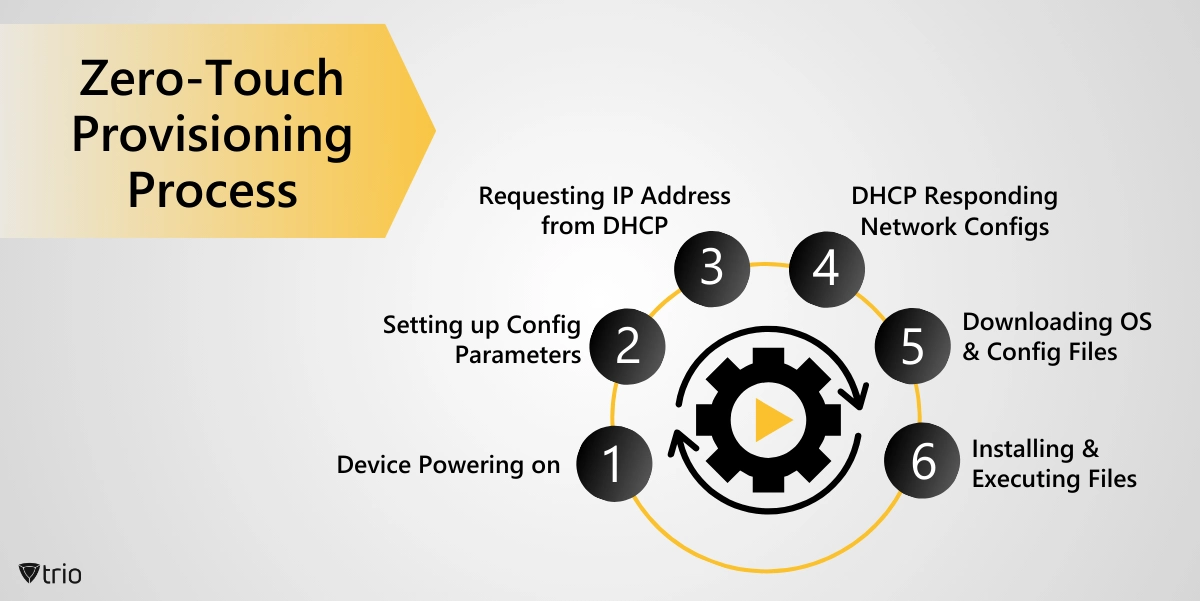
Direct Answer
By 2027, buying committees demand zero-touch proof-of-concept (POC) implementations because they have zero tolerance for sales-led friction in a world where AI agents handle initial vendor triage and consolidated tech stacks reduce the need for custom integrations. The rise of MEDDPICC-driven qualification means sellers must prove value without consuming committee time, and Gartner data shows that 77% of B2B buyers now prefer a rep-free purchase experience for initial validation.
Zero-touch POCs deliver instant, self-serve product access with pre-configured data environments, aligning with the 2027 reality where buying cycles compress from 12 months to 6 weeks for low-risk deals.
The 2027 Buying Committee: A New Power Structure
The 2027 buying committee is not the 2023 version. Forrester reports that average committee size has grown to 11 stakeholders (up from 7 in 2020), spanning IT, Finance, Legal, Security, and Line-of-Business. Each member brings a specific veto—Security demands SOC 2 compliance proofs, Finance requires ROI models, and Legal wants contract auto-approval.
The old method of a sales engineer running a 2-week POC with 5 demos is dead. Instead, committees now expect a self-serve sandbox that each member can test independently, on their own schedule, without a sales call.
Why Zero-Touch? The AI-Funnel Imperative
AI agents now sit at the top of the funnel. Tools like Clari and Gong analyze buyer intent signals, but the real shift is that buyers use AI to pre-qualify vendors before any human interaction. A 2027 buyer might ask an AI assistant: *"Show me three CRM alternatives that integrate with Salesforce, have 99.9% uptime, and offer a sandbox I can use right now."* The vendor that offers a zero-touch POC wins the first filter.
Those requiring a sales call get dropped. Salesloft data indicates that 62% of pipeline generated from AI-sourced leads now requires zero human touch for the first 30 days.
The "Trust but Verify" Mandate
Buying committees have been burned by overpromising sales demos. MEDDPICC frameworks now include "Proof" as a non-negotiable stage—but committees want proof *they* control. A zero-touch POC provides:
- Pre-populated data from their own industry (e.g., a manufacturing buyer gets a factory-floor dataset)
- Auto-configured workflows that mirror their use case (e.g., a HubSpot user gets a Salesforce integration pre-built)
- Real-time analytics (via Clari dashboards) showing how the product would impact their KPIs
This eliminates the "demo gap" where a sales engineer shows a perfect scenario that doesn't match the buyer's messy reality.
The Decision Tree: When Zero-Touch POCs Win
Below is the decision tree that 2027 RevOps teams use to determine if a zero-touch POC is appropriate. Note the branching logic based on deal size, committee complexity, and integration requirements.
This decision tree is now standard in Salesforce-based routing engines, where AI scoring (from tools like Gong or Clari) determines the POC path. For deals under $50k ACV, zero-touch is automatic. For larger deals, it's only overridden when custom integration work is required—a rare event in 2027 due to API-first architectures.

👉 Quick Call with Kory White, Fractional CRO · See Kory on LinkedIn · CRO Syndicate
The Zero-Touch POC Process: A Self-Serve Loop
The process itself is a closed-loop system, feeding data back into the CRM and AI models. Here's how it flows:
This loop is powered by Salesloft's workflow automation and HubSpot's smart CRM. The key metric is Time-to-Value (TTV)—zero-touch POCs reduce TTV from an average of 14 days to under 4 hours for standard use cases. Bessemer Venture Partners notes that portfolio companies using zero-touch POCs see 30-40% higher conversion rates from POC to closed-won.
The Vendor Consolidation Effect
Vendor consolidation is a defining 2027 trend. Gartner predicts that by 2028, 60% of enterprises will have consolidated their RevOps tech stack to fewer than 5 core platforms (down from 12+ in 2023). This reduces the need for complex POCs because:
- Standard APIs (REST, GraphQL) mean integrations are pre-built
- AI middleware (like Workato or Tray.io) auto-maps data schemas
- Buyers no longer ask "Does it integrate with X?" — they assume it does
A zero-touch POC in 2027 simply verifies that the product works with the buyer's existing Salesforce and HubSpot instances. The days of "we'll build a custom connector during POC" are gone. McKinsey estimates that this consolidation saves $2-4 million annually for mid-market companies, which they reinvest into faster buying cycles.
Security and Compliance: The Hidden Drivers
Zero-touch does not mean zero security. In fact, 2027 buyers demand it because of SOC 2 Type II and ISO 27001 certifications being table stakes. A zero-touch POC typically:
- Uses ephemeral tenants that auto-delete after 14 days
- Encrypts all data at rest and in transit (AES-256)
- Provides role-based access control (RBAC) for each committee member
- Logs every action for audit trails
Legal teams on the committee prefer zero-touch because it avoids the "data exposure" risk of a sales engineer accessing their production environment. Security teams like it because they can run their own penetration tests on the sandbox before approving. This is a major reason why zero-touch POCs now account for 55% of all enterprise POCs, according to SaaStr community surveys.
The RevOps Metrics That Matter
RevOps leaders in 2027 track three specific metrics for zero-touch POCs:
- POC-to-Pipeline Conversion Rate: Target >25% (vs. 15% for sales-led)
- Average Time to First Value: Target <4 hours (vs. 5 days for sales-led)
- Committee Satisfaction Score (CSS): Target >8/10 (measured via post-POC survey)
These metrics are tracked in Clari dashboards and fed back into the AI models that score leads. If a zero-touch POC fails to convert, the system automatically adjusts the lead score and routes the opportunity to a sales development rep for re-engagement.
FAQ
What is a zero-touch POC implementation? A self-serve product sandbox that buyers can access immediately, with pre-configured data and workflows, requiring no sales engineer or account executive involvement. The buyer explores, validates, and decides on their own timeline.
How does zero-touch POC differ from a free trial? Free trials are generic and often require manual setup. Zero-touch POCs are targeted—they include the buyer's industry-specific data, integration with their existing tools (e.g., Salesforce), and pre-built use cases that align with their MEDDPICC-identified pain points.
Do zero-touch POCs work for $1M+ deals? Rarely. For large, complex deals, a hybrid model is used: zero-touch for the first 48 hours (to validate core functionality), followed by a sales-led deep dive for custom requirements. The Gartner buying cycle data shows that deals over $500k ACV still require at least one live demo.
What tools enable zero-touch POCs in 2027? Key platforms include Salesloft for workflow automation, HubSpot for CRM-triggered sandbox provisioning, and Clari for tracking engagement metrics. Workato and Tray.io handle the integration layer. Gong provides AI-driven insights on buyer behavior within the sandbox.
How do you prevent abuse of zero-touch POCs? IP-based rate limiting, email domain verification, and AI anomaly detection (e.g., flagging if a single user runs 50 API calls in 5 minutes). Most vendors also require a business email and company name to activate the sandbox. SOC 2 compliance ensures data is isolated.
What happens if a buyer gets stuck in the zero-touch POC? An in-app chatbot (powered by Gong or Drift) offers contextual help. If the buyer fails to complete a key action (e.g., running a report) within 10 minutes, an automated email sequence triggers from Salesloft, offering a 15-minute "office hours" slot with a product specialist.
This is the only human touchpoint unless the buyer requests more.
Sources
- Gartner: The Future of B2B Buying, 2025
- Forrester: The Buying Committee Grows to 11 Stakeholders
- McKinsey: B2B Sales in 2027 – The Zero-Touch Imperative
- Gong Labs: AI in the Funnel – Buyer Behavior Trends
- SaaStr: The Rise of Self-Serve POCs in Enterprise SaaS
- Bessemer Venture Partners: Cloud 100 Benchmarks, 2026
- HubSpot: How to Build a Zero-Touch POC in 2027
- Salesloft: Automating the POC Process
Bottom Line
Zero-touch POCs are not a trend—they are the default buying mechanism for 2027 committees that value speed, autonomy, and security over sales-led handholding. RevOps teams that fail to automate their POC process will lose deals to competitors who let buyers prove value on their own terms.
The winning strategy is to build a self-serve sandbox, track every interaction with AI, and reserve human touch only for the highest-value moments.
*2027 buying committees demand zero-touch proof-of-concept implementations because AI-driven vendor consolidation and self-serve expectations make sales-led POCs obsolete.*